Category: Elementary

  • Jobs in the Fashion Industry

    Jobs in the Fashion Industry

    When you think of working in the fashion industry you might first think of a designer or maybe a model. If you want to work in fashion but do not want to be either of those, there are other jobs in this industry that might be just as satisfying or better!

    Of course there are the designers who are a big part of the final products, but there is also fashion illustrators who work with designers in the early stages of making a new product, making sketches and ideas. For either of these jobs a degree in fashion design is important, and also getting a degree in visual arts is also ideal. Look for internships in this field to get experience, some internships are paid while others might not be.

    If you do not want to work in the creative part of fashion, there are still plenty of other careers in the field to look for. A fashion stylist is someone who picks clothes for other people to wear, often to events. There are also person stylists who work one person rather than several people. To be a stylist you will need a portfolio of looks that you have styled, a degree in fashion merchandising and you will need to look out for internships as well.

    Maybe you would like to be the one to show the final products off. You could be a clothing model, or if you would rather be behind the camera, a photographer. Many brands are often looking for people to model their clothes for advertisements and magazines. There are also runway models who model clothing at fashionista shows. Fashion photographers are the people behind the cameras, taking and often editing the photos. To become a fashion photographer, you will need to have photography skills; you can develop these by taking courses. You can also get a degree in photography that will look good when looking for job opportunities. To work as a model, you need a portfolio. You can try freelance modelling, but be careful and make sure you are working with real studios with proper track records of business.

    Everyone starts somewhere and a good start for working in the fashion industry could be something as simple as working at a clothing store. Take a trip to the mall and see what stores might be hiring, and see if you meet the requirements to work there. It is always smart to have good resume ready when you plan to apply for jobs, so be sure to have one. Remember not to give up if you do not get the first job you apply to- there are other places that you might be a better fit for!

    The fashion industry is a lot bigger than most people think and there are more opportunities than just creating and presenting the fashion. Working in fashion can be really rewarding and fun- it may not even seem like work if you are really into it!

    Resources:

    https://learn.org/articles/Fashion_Photography_Education_and_Career_FAQs.html

    https://study.com/articles/Become_a_Fashion_Stylist_Step-by-Step_Career_Guide.html

    https://www.bachelorsportal.com/articles/589/what-should-i-study-to-become-a-fashion-designer.html

    https://study.com/articles/Become_a_Fashion_Illustrator_Step-by-Step_Career_Guide.html
  • Life Saving Jobs

    Life Saving Jobs

    Not all heroes wear capes, some wear scrubs, fire fighting gear or even just regular everyday clothes. There are so many career paths that you can take if you want to save lives, some might be more exciting than others but all equally important.

    Firefighter

    Firefighters are people who are trained to put out and rescue people and animals from fires. They also work to prevent future fires as well as looking for causes of fires. The basic requirements to become a firefighter include a high school diploma and a valid driver’s license. It is also important to be physically fit and able to lift.

    Doctor

    Doctors are people who practice medicine to help their patient’s health. Becoming a doctor involves a lot of schooling, some types of doctors have to go through more training than others

    Surgeon

    A surgeon who performs surgery on people; there are general surgeons as well as surgeons who specialize in specific types of surgeries. To become a surgeon you need to get an undergraduate degree in medicine and then complete a 5-year residency program in general surgery. Depending on if you plan to be a specialist you might have to take an additional 2 years of residency in surgery specific to what you want to specialize in.

    Psychiatrist

    Mental health is just as important as physical health. A psychiatrist is someone who diagnoses and treats mental health conditions. To become a psychiatrist, you must graduate medical school and complete a psychiatric residency.

    Veterinarian

    A veterinarian is someone who practices medicine, but for animals instead of people. To become a veterinarian, you must graduate from veterinary college.

    Lifeguard

    A lifeguard is a person who rescues and supervises swimmers in areas like pools, beaches and waterparks. In order to become a lifeguard you must pass the Red Cross life guard course with a minimum of 75%, and be at least 15 years old on the last day of the course.

    Wildlife Rehabilitator

    Wildlife rehabilitators might not save human lives but they save the lives of animals, and that is also important. Wildlife rehabilitators take in sick and injured animals and nurse them until they are healthy again. Animals that can survive by themselves get released back into the wild. To become a wildlife rehabilitator in Ontario you need to pass the Ontario Wildlife Rehabilitation Exam (OWRE). You should consider volunteering with an authorized wildlife rehabilitator before taking the exam to gain experience.

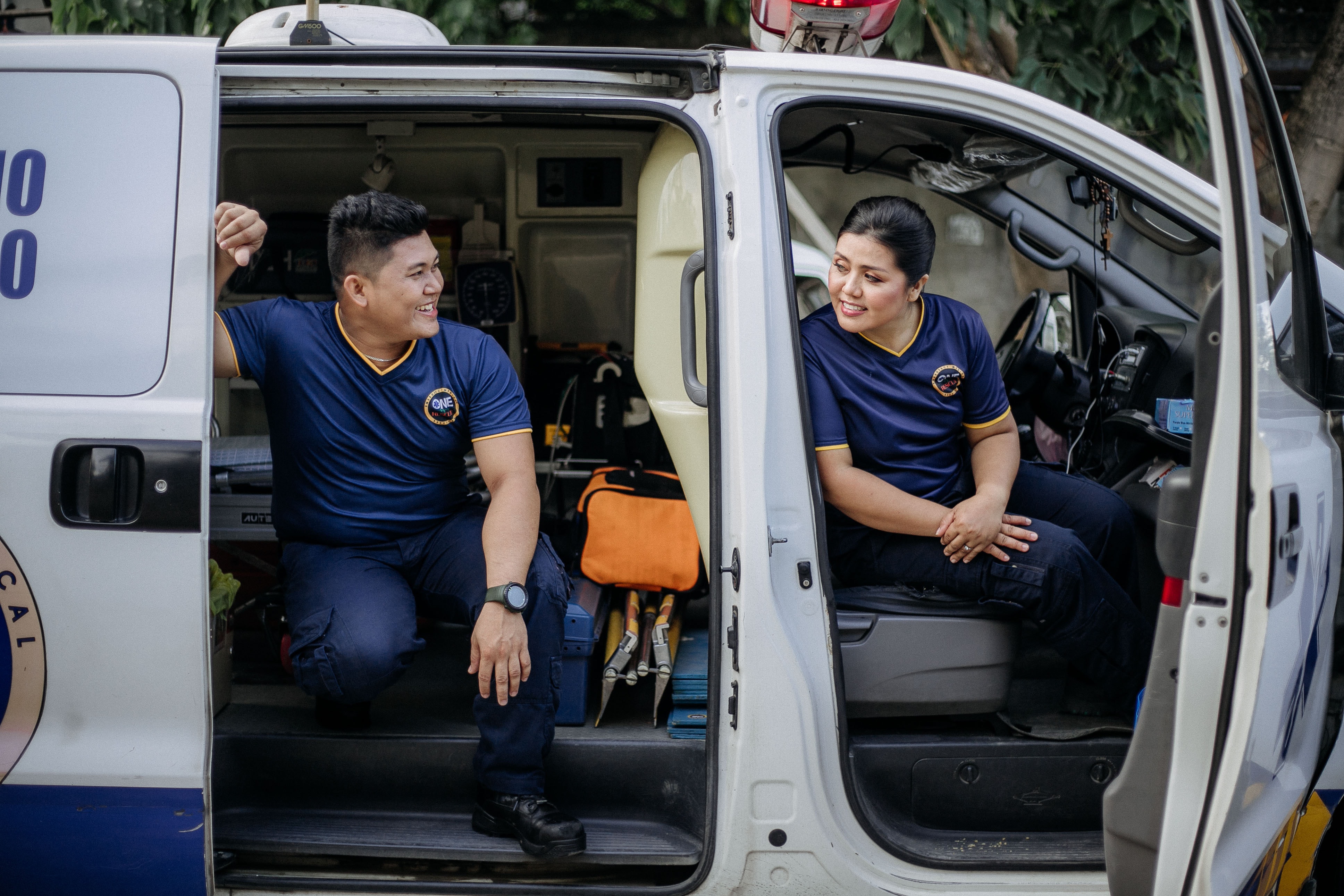
    Paramedic

    A paramedic provides first-aid to people on the scene of emergencies and transports them to the hospital. The requirements to be a paramedic is to graduate with a Paramedic diploma, pass the provincial certification exam and be at least 18 years old when you graduate. You also need to be physically fit and able to lift a certain amount of weight.

    Police Officer

    A police officer’s job is to protect and ensure public safety. To become a police officer you need to have a high school diploma or GED, and at least obtain a Police Foundations college diploma. You can also earn a university degree in criminal justice and then, a police training certificate.

    These are just a few jobs that can be lifesaving, inside and out. All of these career paths are great to follow if you really want to help people. They might be difficult but in the end it will be fulfilling.

    Resources:

    https://www.toronto.ca/home/jobs/information-for-applicants/recruitment-initiatives/toronto-fire-services-careers/becoming-a-firefighter/

    https://www.verywellhealth.com/types-of-doctors-1736311

    https://www.redcross.ca/training-and-certification/course-descriptions/swimming-and-water-safety-courses/lifeguarding?gclid=CjwKCAiA6vXwBRBKEiwAYE7i

    https://www.ontario.ca/page/find-wildlife-rehabilitator

    https://www.canadianveterinarians.net/documents/a-career-in-veterinary-medicine-handout-2018

    https://cags-accg.ca/patient-care/general-surgeon-education-training/

  • Getting Nervous…

    Getting Nervous…

    Anxiety and stress are a common part of life, something that everyone experiences at one point or another. However, if you are unprepared for a nervous reaction, you are unfit to handle it and therefore it can consume your daily tasks. To deal with this, you must first understand what nerves are:

    Nervousness occurs when you are overwhelmed by something or someone triggers you into feeling stressed. You may experience symptoms such as short breathing, sweating, shaking, dizziness, and more. If this occurs regularly or throughout many days, you likely have serious issues with anxiety. Nervousness and anxiety can be controlled in similar ways, such as breathing exercises, altering your focus, meditation, physical activity, and getting a healthy balance of sleep, food and water.

    Breathing exercises are perhaps the most common coping mechanism for nerves. When you are stressed and overwhelmed, your breathing tends to quicken and your brain lacks the oxygen it needs, which is why dizziness is a side effect. There are many ways to practice breathing such as square breathing, the 4 7 8 technique, and simply focussing on your breathing. Square breathing is a frequently used technique to calm yourself down quickly and easily in the face of nervousness. All you have to do is simply breathe in for 4 seconds, hold your breath for 4 seconds, breathe out for 4 seconds and hold for 4 seconds, then repeat. Once you feel calmer, you can allow your breathing to go back to normal. Similar to this technique, 4 7 8 breathing uses a similar style to help with nerves. For this technique, breathe in for 4 seconds, hold your breath for 7 seconds and breathe out slowly for 8 seconds. This technique is slightly trickier and is easier to do when you are less panicked. Another way to practice breathing is to focus on your breathing. Try closing your eyes and simply notice the patterns of your breathing. Through focussing on this, you are distracted from the fear that is causing you to stress and are rather focussing on calming yourself down.

    Altering your focus is also an easy way to calm nerves. When you’re stressed, you tend to focus on the negative of what could happen or of a specific thing that is causing you to feel overwhelmed. Some ways to alter your focus are by reading, talking to friends or family, doing something you love, practicing a hobby, etc. Anything that takes your focus off of the thing that is causing your nerves will help to calm you down.

    Meditation and mindfulness are becoming a popular and frequently used technique to calm down and centre yourself. While slightly different, meditation and mindfulness have the same intent of keeping you grounded and focussed on something. There are countless guided meditations on YouTube and on apps that you can easily listen to. Mindfulness is very similar but can also be calming activities such as doodling.

    Physical activity has been proven to improve mental illness and to reduce stress. Endorphins and serotonin are chemicals that are released when you participate in physical activity. When these chemicals are produced, they have a positive effect on your mood and therefore decrease stress and anxiety. Many people find that running especially helps with nerves as you are in control and can let your frustrations and anxiety out.

    Getting a healthy amount of sleep, food and water is important for the function of your mind and body. Sleeping gives you the energy to function throughout the day, as do food and water. If your body is lacking the sleep and energy that it needs, your mind will slow down as well and it can create worse nerves since you’re overtired. Which foods you put into your body also have an impact on your mental health. Eating healthier results in less nervous and more positivity. Drinking enough water also provides both energy and a happier, more stable mind.

    Overall, there are so many ways to calm your nerves. If you find yourself panicked or stressed about a present or upcoming event, try one of these coping mechanisms as they are sure to help you calm down.

    If you have concerns about your health in general, tell your parents or talk to your Doctor for proper medical guidance.

    References:

    https://www.healthline.com/health/how-to-calm-down#7

    https://www.medicalnewstoday.com/articles/324417.php

    https://www.healthdirect.gov.au/exercise-and-mental-health

  • Careers to Fight the Climate Crisis

    Careers to Fight the Climate Crisis

    What do you want to be when you grow up in a world in crisis? As climate news grows more and more negative, the age-old question of what you want to do becomes ever more difficult. But from hardship comes hope. There are growing responses to the climate crisis, and increasing opportunities to find meaningful jobs that help our planet. You can find careers in many different fields that use many different skills. You will most definitely find at least one that perfectly matches your skills and interests.

    As the climate crisis is a scientific issue, it is no surprise that there are many job opportunities in the sciences. Meteorologists and atmospheric scientists are known for working on weather forecasts, but these professionals often specialize in climate-related issues. They might focus on how the climate is changing, as well as how the crisis is impacting the Earth. Conservation scientists look at parks, forests, wetlands, and more to protect natural resources. They help protect valuable resources from the effects of the climate crisis. There are also agricultural and food scientists who focus on farming and food supplies. They help to find better ways to grow and preserve food. This is especially important as many corporations have harmful methods of preparing products, and the climate crisis will make it harder to grow food.

    There are many career and job options outside of the sciences. Environmental engineers research ways that we can fix the problems caused by the climate crisis, as well as how we can prevent more issues from happening. Civil engineers design and build many different structures for the government and private sectors, such as tunnels, bridges, airports, and more. There is growing demand for these engineers to work on renewable energy projects. There are sustainable architects who work hard to create buildings that use resources efficiently and have less negative impact on the environment, such as by using water and energy in better ways.

    Even if you are not in a highly specialized field like science or engineering, there are plenty of opportunities to have a positive impact. Legislators and politicians work to create laws, and the more progressive and environmentally-friendly ones are fighting to ensure money goes to good causes and not in the hands of harmful corporations. Individuals in public relations work in the media and communications industry. They can help push the government and public to support environmental causes. Activists like Greta Thunberg are having a huge impact even at a young age. Artists, filmmakers, and writers can use their creativity and self-expression to inform the public of the horrors of the climate crisis and inspire people to take action.

    It is so hard trying to figure out what you want to do when you grow up. It is even harder when you are growing up in a worsening climate crisis. That fear and anxiety must be channeled into positive action. There are many options across so many industries for you to choose from. You do not have to be a scientists or engineer. Start looking into fields that interest you and volunteering opportunities related to the environment. Young people are becoming more and more proactive and ready to take on this challenge. Focus on your strengths and you too can make a huge difference.

    Sources:

    Andrews, Eve. “Should climate change be my new career calling?” Grist. https://grist.org/article/should-climate-change-be-my-new-career-calling/

    Brown, Sady. “Top Careers that Deal with Climate Change.” NoGRE.com. https://nogre.com/top-careers-that-deal-with-climate-change/

    Study.com. “Careers Related to Climate Change.” https://study.com/articles/careers_related_to_climate_change.html

  • Helping Others in Need-Including Your Friends

    Helping Others in Need-Including Your Friends

    Think back to the last time you needed some help—maybe with something small like coming to class without a pencil or a bigger issue like having no winter boots or mittens. Did someone help you get what you needed? Everyone gets help from others at some point in their lives. If you look around at the people you meet, you can find ways of helping your peers or others in need.

    The city or town where you live probably has opportunities for you to help those in need. Helping at homeless shelters or soup kitchens can be a valuable experience for you, while also assisting people in need in various ways. Many places also take donations of warm clothes, toothbrushes, toothpaste, and other items that people can use. If you have clothes that you have outgrown, toys that you no longer want, or extra games and books, you can always donate them to places that help people in need. Donating money is important, but sometimes simple and essential items are best to donate.

    Sometimes, helping others involves time rather than money. Besides helping at soup kitchens and homeless shelters, you could help a neighbour or friend rake leaves, shovel snow, or do some cleaning. Helping your grandparents or other elderly people with daily tasks like cooking or doing errands could also be helpful. A younger person with a broken arm might also appreciate getting help with basic tasks, like carrying groceries or even opening doors.

    Listening to others is also a very important way of helping people in need. Not everyone has friends or family members who are willing and able to listen to them. You can help just by sitting and listening to people who want to talk about an issue or about what is going on in their lives. They might not want someone who tries to solve their problems, but rather someone who is willing to hear what they have to say.

    Still, listeners have to be ready to act if necessary. Sometimes it is not enough just to listen and express sympathy. Suppose that a classmate complained of not having enough time to do homework in between doing chores at home. You could offer to walk your classmate’s dog or mow the lawn to free more time for schoolwork. If your classmate is struggling to understand a concept or task at school, you could take the time to explain it more clearly. Your friends and classmates, or even your teachers, can help you find out what others need.

    Helping people in need can give you a good feeling but also make life better for others. Why not try that for yourself?

    Bibliography:

    Charter for Compassion. “Six Meaningful Ways to Help Others.” https://charterforcompassion.org/practicing-peace/six-meaningful-ways-to-help-others.

    Morin, Amy. “7 Random Acts of Kindness for Kids.” https://www.verywellfamily.com/random-acts-of-kindness-for-kids-4136440.

    Santi, Jenny. “The Secret to Happiness is Helping Others.” https://time.com/collection-post/4070299/secret-to-happiness/.

    WkiHow. “How to Help Others.” https://www.wikihow.com/Help-Others.

  • Wage Gaps and Unfair Pay

    Suppose that you and a classmate worked on a project together, but your friend got a better mark than you did. How would you feel about that? Would you find it unfair? That kind of unfairness can continue into adulthood. Wage gaps between men and women and other types of unfair pay can make life difficult for many people.

    It would make sense for men and women to receive the same pay for the same type of work. That sometimes happens, but often men still get paid more for the same work that women do. For years, the gap was decreasing, but that progress slowed down in 2011. Many women still earned only eighty-seven cents for every dollar that men earned in 2017, and the situation is worse for immigrants, Indigenous women, and others who may be considered a minority in society.

    Part of the issue is that many women take time away from their work to take care of children. Even if they go back to work when their children are old enough for daycare or school, it can take them a long time to catch up. Women who are childless can also have a hard time keeping jobs when the economy is doing badly.

    Sometimes, unfair pay has little to do with the gap between men and women. In 2018, a food delivery driver for a company called Skip the Dishes in Winnipeg sued her employer because drivers like her were not receiving the wages and other benefits they needed to earn a living. Instead of being treated like regular employees, they were treated like outside workers so that the company would not have to give them benefits like dental care.

    Not every example of unfair pay is as bad as the case in Winnipeg. Still, many people receive lower wages than they should while others receive more. In Canada, many leaders, often called chief executive officers or CEOs, earn about one hundred and fifty times the average worker’s salary. In other countries, the difference in pay is even larger.

    These types of unfair pay can cause many problems. The rich often have far more money than they can use, and they leave the money in banks instead of using it to build up their businesses. Poorer people often have to work at two or three jobs just to be able to earn enough money to pay for food and housing, and sometimes they become homeless.

    Anyone who has tried to live on low pay and unfair wages knows how difficult it can be. People in this situation often work long hours. They might not be able to afford good housing or cars. Some people are unable to afford to buy good food, and they need to get help from food banks or from family and friends. Sometimes, low-income people are unable to afford medication when they get sick, and they can struggle in many other ways.

    Ending wage gaps and unfair might seem impossible, but you can make a difference. Whether you become an employer or an employee, you can help to bring greater equality to the world.

    Bibliography:

    Canadian Centre for Policy Alternatives. “Canada’s Pay Gap.” https://www.policyalternatives.ca/newsroom/updates/canadas-pay-gap.

    Canadian Women’s Foundation. “The Facts About the Gender Pay Gap in Canada.” https://canadianwomen.org/the-facts/the-gender-pay-gap/.

    Ligaya, Armina. “Canada’s Gender Wage Gap Narrows: Women Earn $4.13 Less than Men Per Hour.” https://globalnews.ca/news/6001276/gender-wage-gap-women-canada/.

    MacLean, Cameron. “Skip the Dishes Could Face Class-Action Lawsuit over Treatment of Couriers.”

    https://www.cbc.ca/news/canada/manitoba/skip-the-dishes-lawsuit-1.4768467.

    Pay Equity Commission. “Advancing Women’s Economic Equality.” http://www.payequity.gov.on.ca/en/AboutUs/Pages/the_difference.aspx

    Statistica.com. “Ratio between CEO and average worker pay in 2018, by country.” https://www.statista.com/statistics/424159/pay-gap-between-ceos-and-average-workers-in-world-by-country/.

    Statistics Canada. “The Gender Wage Gap and Equal Pay Day, 2018.” https://www150.statcan.gc.ca/n1/pub/89-28-0001/2018001/article/00010-eng.htm

  • Women in Business

    Women in Business

    By Erin Rebello

    Though it’s 2020 and we have made great strides in terms of gender equality, it’s safe to say that there is still much room for improvement, especially in business-related fields. To this day, women in business have complained about the painful double standards which plague the industry, regarding everything from dress code to pay raises. As sad as it is to say, women still face a great deal of mistreatment in the field of business, sometimes, relinquished to the role of a mere coffee maid while their male counterparts face nothing of the sort. To these women it can feel like there’s an immovable barrier preventing their progress- a plexiglass ceiling, so to say.

    In 2018, only 24 out of the 500 companies on the Fortune 500 list were led by female Chief Executive Officers (CEOs). That’s only 4.8%. Statistically speaking, 2 times as many Fortune 500 CEOs were left-handed than females. The outrageous disparity between men and women in the business field highlights the blatant sexism that is deeply rooted in all of us. From a young age, young boys are taught to be leaders and risk-takers, while young girls are pushed towards more “feminine” positions. The media plays a huge role in this, portraying men as successful bosses and women as their attentive secretaries (Mad Men, anyone?)

    It is also especially difficult for women with families to advance their careers. Women are expected to take on more family duties than their husbands, and usually take maternity leave and sick days for their children, meaning they have less time for work. The harmful stereotypes that “men are natural leaders” and that “women should stay home and take care of the kids” can be a part of what fuels these unfathomable ratios.

    Another barrier that prevents women from excelling in the business industry is workplace harassment. The era of #Metoo has helped bring the stories of businesswomen into the light, and it has become strikingly clear that this is a major issue. Even then, taking into consideration the reality of office politics and biased HR systems, it can be difficult for women to report issues or get help.

    So how can we change the narrative to improve the presence of women in business? First of all, we need to disband the harmful stereotypes that restrict women. It’s crucial that we dispel the notion that women are meant to take on a supporting role and instead teach them that they are leaders. We also need to showcase the current female business leaders and give young girls powerful women in business to look up to. This would result in more women studying business at a university level, and thus more women working in the business field.

    Companies need to improve their workplaces and procedures to ensure that female workers feel safe and welcome. Businesses should also be more accommodating to women with families by supporting them with free childcare or more sick days, instead of punishing them for being parents. By updating codes of conduct and ensuring that proper disciplinary action is taken when necessary, the environment of a company can drastically improve for working women.

    In conclusion, although there are significant barriers that prevent women from pursuing careers in business, by challenging stereotypes, reducing workplace harassment, and being more accommodating towards women with children, women can surpass expectations and shatter the Plexiglass ceiling.

    Sources:

    https://www.businessinsider.in/strategy/there-are-only-25-women-ceos-in-the-fortune-500-heres-the-full-list/articleshow/65392331.cms

    https://theconversation.com/why-are-there-so-few-women-ceos-103212

    https://fortune.com/2017/06/09/white-men-senior-executives-fortune-500-companies-diversity-data/

  • Living Internationally Known Artists

    Living Internationally Known Artists

    Most of the artwork that is seen and adored today were made from artists who lived years ago. Famously known artists, such as Leonardo Di Vinci (1452-1519), Michelangelo (1475-1564), Vincent van Gogh (1853-1890), and Pablo Picasso (1881-1973) have created several beautiful pieces which they have left with the world. Their artwork is usually studied to try to find the meaning behind them.

    There are many visual artists alive today that are also internationally known. Here are five artists that create beautifully unique art:

    • Frank Stella

    Frank Stella was born on May 12, 1936, in Malden, Massachusetts, USA. The artwork that he creates contains many geometric patterns and shapes. His art is mostly abstract and he believes that abstract art tells a different story to everyone that takes a look at the piece. Frank Stella has his works held in museums in the United States. He is considered one of the greatest living artists and has influenced the work of several other artists.

    • George Condo

    George Condo was born in 1957, in Concord, Massachusetts. His artwork is unique and they usually contain characters with bulging eyes and cheeks. Some say that his artwork includes a language (pictorial language) used by his images, and others disagree. George Condo’s work is famously used for book and album cover art. He has created the cover art for Jack Kerouac’s Book of Sketches, album art for Danny Elfman, as well as the album cover for Kanye West’s My Beautiful Dark Twisted Fantasy.

    • Njideka Akunyili Crosby

    Njideka Akunyili Crosby was born in 1983, in Enugu, Nigeria. She currently lives and works in Los Angeles, USA. She creates contemporary paintings of herself, her family, and also her friends. Her artwork has been presented in several solo exhibitions between the years 2015 and 2019. Njideka Akunyili Crosby also has artwork of her own held in museums around the United States.

    • Takashi Murakami

    Takashi Murakami was born on February 1st, 1962, in Tokyo, Japan. His artwork is known to be very cheerful and colourful. They include characters inspired by anime and extremely cheerful cartoon characters. It is inspired by the Japanese pop culture that is very popular in Japan and has also been gaining popularity from other countries around the world. Since Takashi Murakami’s artwork is based on Japanese pop culture, it has been criticized by other cultures.

    • Rudolf Stingel

    Rudolf Stingel was born in 1956 in Merano, Italy. He lives and works in New York. Rudolf Stingel is known for his monochromatic, silver paintings which have either blue, yellow, or red tones. He enjoys creating his art in a way that he knows will get his audience interacting. Rudolf Stingel creates unusual and unique looking artwork in order to get his audience to communicate their thoughts and opinions with one another.

    There are many living internationally-known visual artists that have amazing pieces of work. Each one has a unique perspective in which they enjoy sharing with their audience. All they need is a wide and diverse audience to share them with.

    Resources:

    https://www.theartstory.org/artist/murakami-takashi/

    https://www.virtosuart.com/blog/30-most-influential-contemporary-artists

    https://hypebeast.com/2019/4/takashi-murakami-mr-dob-character-history

    https://www.davidzwirner.com/artists/njideka-akunyili-crosby/biography

    https://www.thoughtco.com/biography-of-frank-stella-minimalist-artist-4177975

    https://www.widewalls.ch/artist/rudolf-stingel/

    https://en.wikipedia.org/wiki/Leonardo_da_Vinci

    https://en.wikipedia.org/wiki/Pablo_Picasso

    https://en.wikipedia.org/wiki/Vincent_van_Gogh

    https://en.wikipedia.org/wiki/Michelangelo

    https://www.widewalls.ch/artist/rudolf-stingel/

    http://www.artnet.com/artists/george-condo/biography

  • Careers Where You Can Work with Animals

    Careers Where You Can Work with Animals

    Animals can make life fun and very interesting. Do you have any pets? If you do, you might already have the skills for working with animals as a career. Many different types of jobs are available in these fields, and one of them could be right for you.

    Veterinary care is probably the first job that comes to mind when you think of careers with animals. People in this career might work with cows and sheep, small pets, racehorses, or maybe another type of animal. They take care of all kinds of health problems and ongoing care, such as giving injections and prescribing vitamins. Veterinarians need university degrees and can earn about $85,000, but people can also work as veterinary assistants, technicians, and pathologists.

    Some people enjoy taking care of the daily needs of animals. Dog walkers take dogs out once or twice a day, while pet sitters stay with all kinds of animals, including dogs, cats, birds, fish, and even reptiles like snakes to look after their needs while the owners are away. Sometimes, this can be for just a day or two, but it can also be for weeks at a time. The pay varies, but both dog walking and pet sitting can be quite good jobs.

    Pet grooming can be another good job for people who like animals. Most of this work is with dogs, although sometimes groomers work with cats. Being bitten or scratched is a possible danger with this job, but it can be a good way to earn a living. Training through the National Groomer Association can help, although it is not required for many jobs.

    Another option is to train animals for movies or to be service dogs for people who are blind or have other needs. This job requires a lot of time and patience, but it can be rewarding.

    Some people who want to work with animals choose to become wildlife rehabilitators. When wild animals are injured, people sometimes take them to centres where experts can help the animals recover. If you work in one of these places, you might help fix broken wings, feed orphaned baby animals, and much more. Getting a degree in biology or a related field is a good idea for this job but not necessarily required.

    For people who prefer not to work directly with animals, jobs in management are also possible. If you enjoy organizing people and events, you could run a dog daycare or an animal shelter. This kind of job might include keeping track of finances, booking appointments, calling pet owners, and keeping the place running.

    Most jobs with animals also involve being able to work with people. You might need to contact pet owners to arrange a time for walking a dog or calling about a sick animal. Still, working with animals can be a good choice for people who enjoy being alone. Good health, a certain degree of physical fitness, and the ability to work outside can be important.

    Being around animals can be fun, but it can also lead to good career prospects. Whether you work as a veterinarian, a dog walker, or get one of the other jobs related to animals, you can have a job that suits your interests.

    Bibliography:

    The Balance Careers. “Find a Job Working with Animals.” https://www.thebalancecareers.com/animal-career-list-125603.

    Neuvoo. “Animal Care: Salary.” https://neuvoo.ca/salary/?job=Animal%20Care.

    Whelan, Corey Kagan. “Here Are the 17 Coolest Jobs That Involve Working with Animals.” https://www.glassdoor.com/blog/working-with-animals-coolest-jobs/.

    Trade Schools, Colleges, and Universities. “Trade Schools & Colleges in Canada.” https://www.trade-schools.net/ca/articles/jobs-with-animals.

  • Why Being Different Is a Good Thing

    Most groups and societies have ideas of how people should act and what they should do. Most young people, for example, are supposed to enjoy getting together with friends and to be energetic and talkative. For people who enjoy being alone or sitting in silence, these kinds of expectations can make things difficult. Still, being different can be a very good thing.

    Differences can show in many different ways. Some people are quiet when others are loud, while others like to stay in the classroom to work while others want to go outside and play games. People might hide differences like these to avoid being teased, but some differences are impossible to hide.

    Being from another country or having an unusual way of speaking, for example, can be obvious to everyone. Sometimes, people will spend a lot of time and money trying to be like everyone else, because it can be easier to fit in with others than to live with these differences. Being different can be lonely, especially when other people seem happier and more successful.

    Despite the difficulties, being different from other people can be rewarding. Often, creative thinking comes from being different rather than from being like everyone else. For example, Steve Jobs, the founder of the Apple computer company, had some unusual habits. Sometimes, he would start to cry from joy or frustration. Sometimes, he would also eat only carrots for long periods of time. Henry Ford, the founder of the Ford car company, would eat plants that he found at the side of the road. These men had some strange habits, but they had brilliant minds.

    Sometimes, people develop unusual habits to help them clear their minds. For example, Bill Gates, the founder of Microsoft, uses the motion of a rocking chair to help himself think through difficult problems. The mystery author Agatha Christie ate apples while taking baths, and Dr. Seuss would wear a hat while he was writing. These habits might have seemed strange to others, but all of these people were very successful in their work.

    Being different might not mean that you will invent a computer, become a famous writer, or do other amazing things. Still, the kind of thinking that is necessary for great inventions often comes from people who look at the world differently from most others. Even now, you might be able to help two of your friends solve a problem that they can’t deal with on their own, just because you are different.

    Society pressures people to conform to a set of rules about behaviour, including likes and dislikes. However, the conformists who follow these rules are not necessarily the people who make great discoveries or accomplish wonderful things. Often, it takes an ability to see beyond these rules and expectations to be creative enough to get really good ideas.

    Being different from other people can be lonely, but it can also help promote creative thinking. If you feel different from your classmates, you could use them for some amazing accomplishments in the future.

    Bibliography:

    Foust, Amanda. “4 Reasons to Embrace Being Different.” https://www.thedailypositive.com/4-ways-embrace-different/.

    Hussain, Ahmed. “Why Being Different Is Important.”

    https://www.theodysseyonline.com/why-being-different-is-important.

    Lee, Sidney. “Why You Should Always Be Different.” https://mystudentvoices.com/why-you-should-always-be-different-7413de10eecf.

    Leadem, Rose. “The Unusual Habits of 8 Famous and Successful People (Infographic).”

    https://www.entrepreneur.com/article/297580.

    Rebolini, Ariana. “The Weird Habits of These Famous Writers Will Surprise You.” https://www.buzzfeed.com/ariannarebolini/you-need-to-read-the-strange-rituals-of-these-famous-writers.