Tag: beauty

  • Hairdressing – Beauty as a Trade

    Hairdressing – Beauty as a Trade

    Hammer, screwdriver, wrench, scissors, shampoo, styling product – on the outside, a career in hairdressing shares little with a career in engineering or construction, yet they’re more similar than one would think.

    Often, when thinking about careers in the trades, the first thought is to the construction, industrial, or automotive industry. In fact, many service-based careers such as chef, child and youth worker, special events coordinator, and hairdresser are also considered skilled trades. Through on-the-job training and in-class sessions, you can become a certified hairstylist.

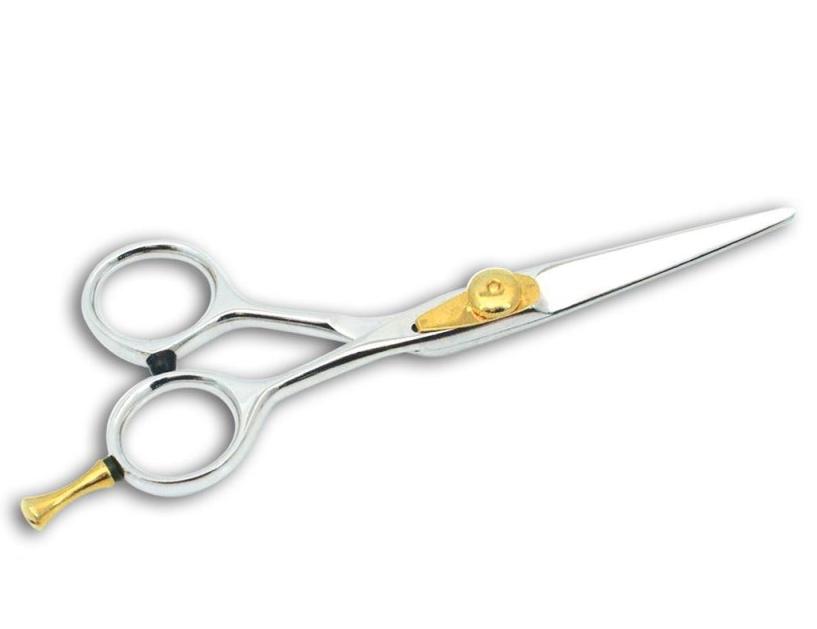
    Similar to a construction worker, a hairdresser prepares their work area with an array of tools including scissors, razors, combs, curling iron, and other specialized apparatus to accomplish different styles and techniques. With training, this equipment can be used to meet clientele needs, whether it be a quick trim or a full make over.

    A position in hairdressing is much more than just styling and beautifying clients. A hairdresser can also be responsible for the training or supervision of other stylists and assistants. Hairdressers are often business-minded individuals; often completing administrative tasks such as record keeping, supply ordering, and salon upkeep.

    A career as a hairstylist fits into the service sector in the Ontario College of Trades, requiring those interested in becoming a hairdresser to earn a Certificate of Qualification through apprenticeship training and examination.

    With individuals always seeking to invest time into looking good and feeling good, there is always a demand for hairstylists. Hairstylists can find work in this high-demand career working for beauty salons, hotels, and hospitals, or working in an at-home salon.

    While contemplating future career options, it’s important to investigate all opportunities available. Many may skip over the skilled trades assuming there aren’t any opportunities suited to their needs; when in fact there are plenty of opportunities within the skilled trades for creative, business-minded, driven individuals seeking a rewarding, high-paying career in a secure industry.

    From construction to automotive to the beauty-inspiring, service-based industry that includes hairdressing, there’s a career in the skilled trades for you.


  • Hairdressing – Beauty as a Trade

    Hairdressing – Beauty as a Trade

    Hammer, screwdriver, wrench, scissors, shampoo, styling product – on the outside, a career in hairdressing shares little with a career in engineering or construction, yet they’re more similar than one would think.

    Often, when thinking about careers in the trades, the first thought is to the construction, industrial, or automotive industry. In fact, many service-based careers such as chef, child and youth worker, special events coordinator, and hairdresser are also considered skilled trades. Through on-the-job training and in-class sessions, you can become a certified hairstylist.

    Similar to a construction worker, a hairdresser prepares their work area with an array of tools including scissors, razors, combs, curling iron, and other specialized apparatus to accomplish different styles and techniques. With training, this equipment can be used to meet clientele needs, whether it be a quick trim or a full make over.

    A position in hairdressing is much more than just styling and beautifying clients. A hairdresser can also be responsible for the training or supervision of other stylists and assistants. Hairdressers are often business-minded individuals; often completing administrative tasks such as record keeping, supply ordering, and salon upkeep.

    A career as a hairstylist fits into the service sector in the Ontario College of Trades, requiring those interested in becoming a hairdresser to earn a Certificate of Qualification through apprenticeship training and examination.

    With individuals always seeking to invest time into looking good and feeling good, there is always a demand for hairstylists. Hairstylists can find work in this high-demand career working for beauty salons, hotels, and hospitals, or working in an at-home salon.

    While contemplating future career options, it’s important to investigate all opportunities available. Many may skip over the skilled trades assuming there aren’t any opportunities suited to their needs; when in fact there are plenty of opportunities within the skilled trades for creative, business-minded, driven individuals seeking a rewarding, high-paying career in a secure industry.

    From construction to automotive to the beauty-inspiring, service-based industry that includes hairdressing, there’s a career in the skilled trades for you.

  • Career Profile: Hairstylist

    Career Profile: Hairstylist

    Every day, you brush your teeth and wash your face. You eat your meals, go to school, maybe play some sports or go to a music lesson. Maybe you even have a routine of activities that you do each month or every two months. If you’re like most people, at least every month or two, you go to visit a tradesperson. That tradesperson is not an electrician or a plumber or any of the jobs that people think of when they talk about the trades. This is the person who cuts and styles your hair – most often known as a barber, hairdresser, or hairstylist.

    Training as a hairstylist is similar to other trades training. In Canada, people who want to become hairstylists have to complete high school or have an upgrading certificate like a GED. After that, they can either go to a college where they learn the techniques they need to know or go through a two- or three-year apprenticeship where they learn on the job. Once they finish this training, or if they have enough experience without it, they can apply for a license to practice their trade.

    Once they have their training and licences, hair stylists can begin to work. People working in this field go by many different names. They can be called barbers, hairdressers, or hairstylists if they spend most of their time dealing with hair. Cosmetologists deal with hair, skin and nails, although they often specialize in a particular area (such as keeping fingernails and toenails healthy and looking good). Believe it or not, someone who helps prepare the bodies of people who have died might be called a mortuary beautician. As you can see, there is a wide range of careers within this field!

    Like any other type of work, a job as a hairstylist has both good and bad points. The career is good for anyone who likes to be with people, since it involves dealing with customers all day. It usually involves a lot of standing, which can be tiring, and the workload can vary a lot from day to day. Many hairstylists also answer phones, book appointments, and keep track of payments. Unless they join an already established shop, they need to find a place to work and then to buy the tools of the trade: scissors, chairs, shampoos, lotions, and anything else they normally use. With advertising and a few good customers, becoming successful is possible.

    Generally, hairstylists can do fairly well once they become established. In 2010, the average salary was about $25,000 a year, although people in management positions made more. If you love to help people look their best and enjoy one-on-one customer service, becoming a hairstylist might be the right career for you!