Tag: bully

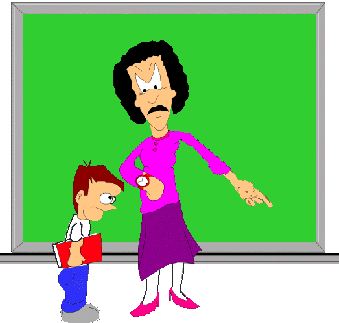
  • What to Do if Your Teacher is a Bully

    What to Do if Your Teacher is a Bully

    Wouldn’t it be great if all teachers were devoted to educating their students and dedicated to encouraging them? Unfortunately, this is not always the case.

    If you are under the supervision of teacher whose behavior has crossed the line into bullying, there are things you can do to stop it. Discussing your concerns with the teacher in question and the head of his/her department, filing a formal complaint with your school and in the most extreme case, asking to be transferred to another class are just a few of your options.

    Many students think that they will never be believed if they bring a complaint against a teacher, but don’t let these unfounded fears stop you. Bullying by a teacher is unacceptable behavior, and no student should be subjected to it.

    What Is Teacher Bullying?
    It’s easy to get on a teacher’s bad side, or for a teacher to get on your own, but this does not mean that the teacher is a bully. Bullying behavior by a teacher includes behaviors such as:

    • Degrading comments about a student.
    • Unwanted or hostile physical contact with a student.
    • Unwanted or suggestive physical contact with a student.
    • Inappropriate or lewd remarks made to a student.
    • Suggesting to a student that his/her grade depends on something other than his/her studies.

    What Is the First Step to Stopping Teacher Bullying?
    If you feel that your teacher is a bully, the first step is to tell someone. This could be your parents, your principal or another teacher that you trust. If you are afraid to speak out, calling Kids Help Phone will get you in touch with people who can help you through this process. Remember – you are not alone and there is help available!

    Teacher bullying is unacceptable and must not be tolerated. If you feel that you are being treated poorly, but are uncertain if you are being bullied by your teacher, confide in a trusted adult.
     

  • The Bully, The Bullied and The Bystander

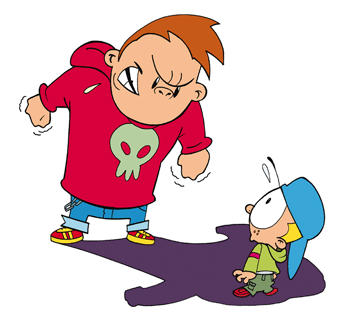
    The Bully, The Bullied and The Bystander

    There is a dangerous notion of what normal is for today’s young person, defined in part by media images, Hollywood and reality television. The rest in a cocktail definition is pieced together by those with a voice and a platform. Whether that platform is prom queen or king, fashion icon or cultural diva, it matters little for the message is clear from wherever it is preached; normal is what normal does and if you don’t fit the mold you do not fit in.

    The reality is that you either fit in or you are cast out. As long as you have a group to fit into, life should pace itself to the rhythmic meter that is everyone else’s. This is the important distinction. Friendship circles do not have to mimic each other, in actuality the only common factor they might have is the willingness to accept each other. What happens when there is no peer group that accepts you? What does a young person do when no one extends welcome and isolation creeps in? Suffer in silence? Dig deep for resilience and self-respect? Perhaps, but the number of suicides in this country has reached an all-time high. More and more teenagers are choosing to end their lives rather than fight for them.

    Why?

    The simple answer is that bullying is also on the rise, but this is an unsatisfactory conclusion. Bullies have always existed. Cruel pranks and hurtful words are nothing new. So why the percentage increase? It comes down to one thing, neither small nor easy to fix – the internet. Cyber-bullying is an emerging form of cruelty that is wreaking havoc on many a teen life and there is little to no awareness on the part of parents and teachers. Think of how fast gossip used to travel before Facebook, text and Twitter. We may live in the age of technology, but when it comes to human decency it appears we are in the dark ages. Kindness, acceptance and grace for our mistakes do not seem to exist.

    Barbara Coloroso, international speaker, author and expert on the topic of bullying, says bullying is about contempt; putting one down to build the bully up. She also asserts that bullying is a learned behaviour and that home is where children first learn how set their moral compass. Those who are bullied typically remain secretive about it. They don’t want their parents to think of them as weak and are afraid of retaliation. They endure while quietly losing themselves. The bystander is the one who watches the bullying and does nothing to prevent it. They may even contribute with laughter or taunts. Bystanders are usually afraid of bullies as well and may have low self–esteem. They worry about becoming a target themselves or go along with the bully for lack of a better option. Even if a bystander would never bully on their own, by not stepping in they are picking the side of the bully and in essence enabling them.

    It is too late to care after the fact. A suicide is not the time to ‘tsk’ the sad situation or wish something had been done about it. Kind words for those around us, a smile, inclusion and a willingness to see into the heart and soul of a person will make a difference. The greatest desire in all of our hearts is to be known.

    We all need to have a story. What do you want to do in the future? What are your goals? What would you like to get better at and how can you make that a reality? When we have a story we have focus on the horizon and all that lies ahead, which makes the daily struggles a little easier to endure.

  • Anti-Bullying Viral Video!

    Anti-Bullying Viral Video!

    We recently came across this video by poet Shane Koyczan and just had to share. It has gone viral in the past few weeks due to its powerful anti-bullying message. Shane was bullied growing up, too, so his message is even more powerful. As he told The Globe and Mail in 2011, “I got bullied a lot when I was a kid, and because of that I thought for the most part that I didn’t really have a childhood – I had to grow up so quick and there was no real enjoyment in that for me.”

    Unfortunately, bullying is still a major problem in schools all around the world. We can all make a difference by pledging to not bully and to speak up when you see that someone is.

    According to Wired Magazine, Shane kneads his experiences into powerful poetry. His piece about bullying is now a short animation. It rises above the bruises left by words and the hiding places pills can’t provide, all the way up to a place of beauty. The video is a collaborative piece, created using 20 second segments contributed by animators and artists. It will surely prompt reflection and discussion. It also promotes more formal anti-bullying efforts.

    In terms of what he hopes people take away from his video, Shane told the Huffington Post, “Just that sense of connectivity. As much as you may feel alone in this, you’re really not. There’s people who go through this every day. In a lot of ways, there’s more of us than there are of them.”

    Shane, born in Yellowknife and raised in Penticton, was even a part of the opening ceremonies of the Vancouver Winter Olympics in 2010! We love to see Canadians making a difference in the world. Watch this video and share it with your friends.

  • Don’t Be THAT Girl

    Don’t Be THAT Girl

    “Your hair is so ugly!”

    “Did you gain weight?”

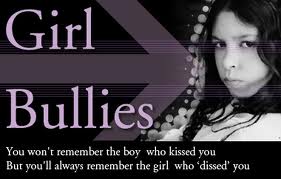
    Have you heard some of these or other worse things uttered in the hallways? Were you the one who said some of those nasty things? A recent article from the New Zealand Herald found that 85 per cent of teenage girls have experience some sort of bullying. The most shocking thing is that, when it comes to girls, some of this bullying is coming directly from their friends.

    If you’re the victim of a friend’s torment you may be blaming yourself first and bringing unnecessary doubt and confusion to yourself. Rachel Simmon, author of Odd Girl Out, found that “one of the chief symptoms of a girl’s loss of self-esteem is the sense of being crazy, of not being able to trust one’s own interpretation of people’s actions or events.” If you don’t understand why your BFF is turning on you, it may be her problem – not yours.

    Now, if you’re on the other side of the equation and are part of bullying, please think about your actions. It’s a false position of power to be the bully. Girls may form cliques and have their own way of dressing, talking or sharing of a secret. Leora Tanenbaum states it simply in her book Catfight – “the ironic thing about being included is that it necessarily entails exclusion.”  Bullies need to ask themselves why they are excluding others. There isn’t a guarantee that you’ll stay in the exclusive clique forever; you may just end up being the outcast.

    Some would tend to think that bullying would involve violence, but this isn’t always the case. Getting a group of friends to ostracize, say hurtful things and spread rumours about you are all forms of bullying, too.

    The one thing someone being bullied should do is also the thing they will most likely avoid: to talk to your parents about what you’re experiencing. If you’re too scared to do that, you should talk to an adult you trust. Sometimes it’s beyond your own control when it comes to bullying. It’s important to let someone in a position of authority know what’s going on. High school should be a place that will give you four years of great memories, not something you should dread.

  • Stop Bullying!

    Stop Bullying!

    BULLYING – THE CHANGE IS WITHIN YOU

    The issue of bullying has been talked about a lot over the past year in the media and in schools. In particular, the bullying of LGBT youth has led to many unfortunate cases where suicide felt like the only way out. Are you or someone you know being bullied? Are you a bully? Ask yourself these important questions and you can make a difference in by taking steps to change your behaviour or helping those who you see being bullied by others.

    If you have bullied others, think of the reasons why you did it. Did you want to look cool in front of your friends? How did it make you feel after you bullied the person? One of the best ways to stop this behaviour is to put yourself in the shoes of the person being bullied. If you were called those names, reflect on how you would feel. Often, realizing the power of your words is the best medicine to stop such actions.

    Don’t put yourself into a box – just because you may have bullied people before, it does not mean you still have to do it now. The power to change is within all of us! By changing your behaviour, you will positively impact everyone around you. Be the person in your school who sets an example and says no to being a bully. Change starts with one person and grows larger from there.

    If you have been bullied, or are currently being bullied, reach out to someone you care about. If you feel like they would not understand, or you don’t feel comfortable talking to them, there are many anonymous and free services where people are ready to help you at any time of the day. Kids Help Phone is a great example. Even though it may seem futile, talking with someone and having a human connection with someone who wants to listen to you and help you is extremely beneficial to your mental health. Someone who is “outside” of your situation can give you advice that you may not hear from someone that is close to you. The anonymity of a service like Kids Help Phone allows you to be completely honest about your thoughts and feelings without the fear of being judged.

    You can also volunteer to help with programs that raise awareness about the effects of bullying, or create your own campaign in your school. Awareness of the issue will give others the confidence to speak up when they see someone being bullied.

    If you need help, please do not hesitate to reach out to someone. There is strength in numbers, and you will get through this.