Tag: climate change

  • What is Climate Change?

    What is Climate Change?

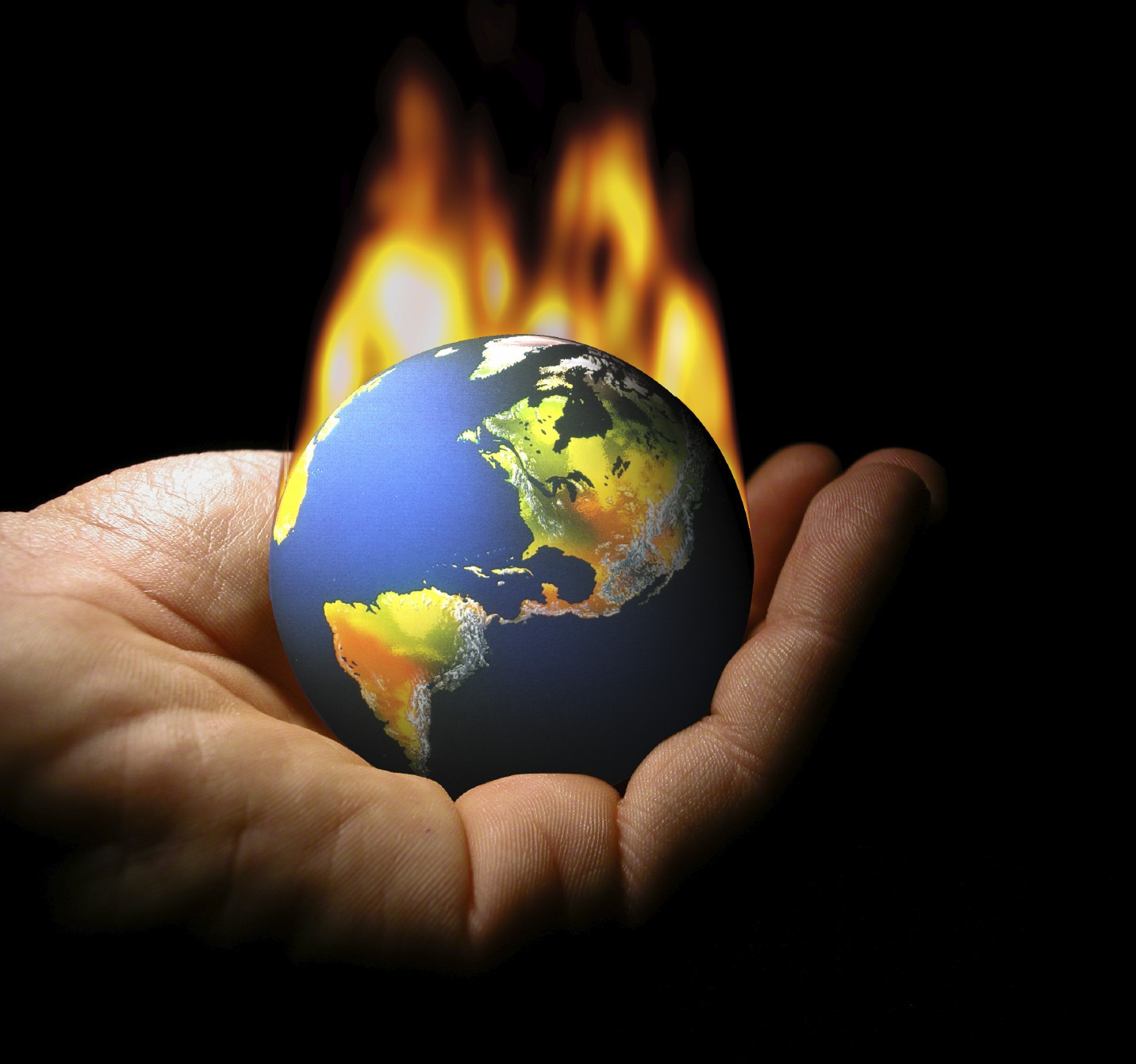
    By now, you have probably heard the words ‘global warming’ and ‘climate change’ more times than you can count. Maybe it’s so common you have not actually thought about what it means. What is climate change and why is everyone so freaked out about it? Well…let’s tackle that question with some straightforward information. The truth is that people—scientists and regular citizens like you alike—are extremely worried about it because the condition of our climate right now has never been like this before. The weather is sporadic and we are not always able to tell from one day to the next, what the weather is going to be like.

    Is the climate actually changing?

    Yup! The term ‘global climate’ refers to the average climate of the whole planet

    (temperature). The reason scientists are so worried about the global climate is because the earth is warming up fast. Unfortunately, this is something us humans have not experienced yet on earth, so it can come as a shock.

    Humans are making the Earth’s climate warmer

    Greenhouse gases have risen immensely since the late 1950s. This was originally because of the Industrial Revolution. Since this large industrial boom ( factories, advanced technology), humans have been contributing unnatural sources of greenhouse gases into the climate. What are greenhouse gases? Natural greenhouse gases are carbon dioxide, methane, water vapor and nitrous oxide. But humans can create these gases too, and when they add their own to the gases already naturally occurring, the levels in the atmosphere can get pretty strained. These human-released greenhouse gases can trap and hold heat in the atmosphere. This means that certain gases released by human-made items are trapping heat that is trying to get from Earth to space. The result: our climate begins to unnaturally change. Or…global warming. Right now, our human and animal eco systems are unbalanced.

    What is the evidence of climate change?

    Our oceans are warming up fast since they have absorbed twenty times more heat than the atmosphere does.  And on the surface of the Earth, temperatures have increased by massive amounts over the last century—particularly within the last thirty years. That’s pretty fast! All the greenhouse gas emissions have caused the earth to heat up three times as fast now than they did back in 1950. Also, the boundary of the lower atmosphere—or troposphere, as it’s called—has risen by more than 900 feet over a scientist-recorded twenty-year period! The troposphere contains our Earth’s weather and it means that the danger is quite literally too close to home.

    What are the bad things that could happen?

    The heat could increase to uncomfortable rates, causing drought and insect outbreaks. Wildfires are increasingly more common as well as decreasing water supplies. But on an even bigger scale, climate change can mean stronger hurricanes and life -threatening heat waves. Melting glaciers, rising sea levels and warming oceans could hurt and kill animals and they could lose their homes. In short, the way humans live their lives and create products needs to undergo a massive eco-friendly change, or Earth as you know it could potentially be no more.
  • Report shows action on climate change is critical

    Report shows action on climate change is critical

    The Intergovernmental Panel on Climate Change just released the first of four chapters of its Fifth Assessment Report. It shows scientists are more certain now than in 2007 when the Fourth Assessment was released that humans are largely responsible for global warming — mainly by burning fossil fuels and cutting down forests — and that it’s getting worse and poses a serious threat to humanity. It contains hints of optimism, though, and shows addressing the problem creates opportunities.

    The IPCC was set up in 1988 by the World Meteorological Organization and UN Environment Programme at the request of member governments. For the recent study, hundreds of scientists and experts worldwide combed through the latest peer-reviewed scientific literature and other relevant materials to assess “the state of scientific, technical and socio-economic knowledge on climate change, its causes, potential impacts and response strategies.”

    Scientists are cautious. That’s the nature of science; information changes, and it’s difficult to account for all interrelated factors in any phenomenon, especially one as complicated as global climate. When they say something is ‘extremely likely’ or 95 per cent certain — as the latest report does regarding human contributions to climate change — that’s as close to certainty as science usually gets. Evidence for climate change itself is “unequivocal”.

    According to the latest installment, which cites 9,200 scientific publications in 2,200 pages, “It is extremely likely that human activities caused more than half of the observed increase in global average surface temperature from 1951 to 2010.” It also concludes oceans have warmed, snow and ice have diminished, sea levels have risen and extreme weather events have become more common.

    The report also dismisses the notion, spread by climate change deniers, that global warming has stopped. It has slowed slightly in recent years, scientists say, because of natural weather variations and other possible factors, including increases in volcanic ash, changes in solar cycles and, as a new scientific study suggests, oceans absorbing more heat.

    An increase in global average temperatures greater than 2 C above pre-industrial levels would result in further melting of glaciers and Arctic ice, continued rising sea levels, more frequent and extreme weather events, difficulties for global agriculture and changes in plant and animal life, including extinctions. The report says we’ll likely exceed that threshold this century unless we choose to act.

    This means a strong, concerted global effort to combat climate change is necessary to protect the health of our economies, communities, children and future. That will cost us, but far less than doing nothing. Although governments of almost 200 countries agreed global average temperature increases must be kept below 2 C to avoid catastrophic warming, we are on track for the “worst case scenario” outlined by the first assessment report in 1990. Research indicates it’s possible to limit warming below that threshold if far-reaching action is taken. We can’t let skeptics sidetrack us with distortions and cherry-picking aimed at creating the illusion the science is still not in.

    The reasons to act go beyond averting the worst impacts of climate change. Fossil fuels are an incredibly valuable resource that can be used for making everything from medical supplies to computer keyboards. Wastefully burning them to propel solo drivers in cars and SUVs will ensure we run out sooner rather than later.

    Working with other nations to meet science-based targets to cut global warming pollution and create clean, renewable energy solutions would allow us to use our remaining fossil fuel reserves more wisely and create lasting jobs and economic opportunities. That’s why the David Suzuki Foundation is working with the Trottier Energy Futures Project to identify clean-energy opportunities for Canada.

    Shifting to cleaner energy sources would also reduce pollution and the environmental damage that comes with extracting coal, oil and gas. That would improve the health of people, communities and ecosystems, and reduce both health-care costs and dollars spent replacing services nature already provides with expensive infrastructure.

    The IPCC report gathers the best science from around the world. It’s clear: There’s no time to delay. The first chapter examines the current science of climate change, the second will look at impacts and the third will consider strategies to deal with the problem. A report synthesizing the three chapters will be released in 2014. We must take it seriously.

  • Rail and Pipeline Disasters are Symptoms of Fossil Fuel Addiction

    Rail and Pipeline Disasters are Symptoms of Fossil Fuel Addiction

    Like smokers who put off quitting until their health starts to suffer, we’re learning what happens when bad habits catch up with us. We’re witnessing the terrible effects of fossil fuel addiction every day: frequent, intense storms and floods, extended droughts, rapidly melting Arctic ice, disappearing glaciers, deadly smog and pollution, contaminated waterways and destroyed habitats. Transport accidents are also increasing as governments and industry scramble to get fuels out of the ground and to market as quickly as possible.

    Throughout it all, we’re asking the wrong questions. Take the recent horrific disaster in Lac-Mégantic, Quebec. A train carrying fracked crude oil from North Dakota to a refinery in Saint John, New Brunswick, derailed, caught fire and caused explosions that destroyed much of the town and killed dozens of people, sending millions of litres of oil into the ground, air, sewers and Chaudière River. It’s a senseless tragedy that has everyone in Canada and beyond grieving for the community’s citizens and their families.

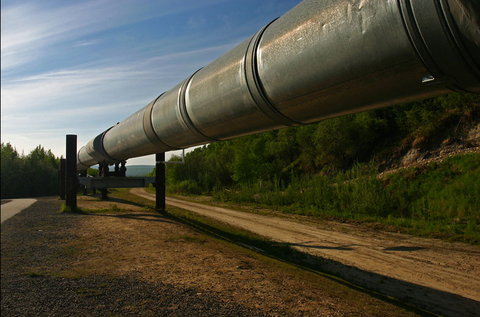
    Governments and the railway company must answer numerous questions about safety regulations and practices, to prevent a similar catastrophe from ever occurring. The larger questions, though, are about the dramatic increases in fossil fuel use and transport. Sadly, industry proponents quickly exploited the situation to argue for expanding pipelines.
    As growing human populations and increasing industrialization drive up the worldwide demand for fossil fuels, and as oil, gas and coal companies rush to extract, sell and burn as much as possible while markets remain strong, we’re seeing ever-increasing exploitation from difficult sources — fracking, oil sands, deepsea drilling and more.

    The Canadian Association of Petroleum Producers expects oil production in Western Canada to double from three-million barrels a day to more than six-million by 2030. This means a huge increase in the amount of fuels transported around the country and the world in pipelines, rail cars, trucks and ocean tankers. According to the Railway Association of Canada, rail shipment of oil has already increased dramatically in Canada, from 500 carloads in 2009 to 140,000 this year.

    It’s true that rail accidents can be more devastating to human life than pipeline accidents — although when it comes to oil, pipeline breaks usually spill greater quantities and cause more environmental damage than train derailments. But shipping massive volumes of oil and gas is unsafe by either method. As we transport ever-increasing volumes of fossil fuels over greater distances to broader networks, we can expect more spills and accidents. Wastefully and rapidly burning them is also driving climate change, which experts say may even affect rail safety, as extreme heat and sudden temperature shifts can cause rails to buckle, increasing the potential for derailments.

    Massive pipeline spills and devastating rail accidents are among the immediate and frightening consequences of our growing appetite for fossil fuels, but our bad habits are really starting to hit back with climate change. The homes and lives lost around the world, numerous plant and animal species facing extinction, rising health-care costs from pollution-related illness and massive clean-up efforts after flooding show that failing to address climate change is far more costly than doing something about it. Much of what we’re seeing now — from increased intense rainfall and flooding in some parts of the world to extended droughts in others — is what climate scientists have been predicting for decades.

    We’re not going to stop using oil overnight, and we will continue to transport it, so we must improve standards and regulations for pipelines, rail, trucks and tankers. This should include safer rail cars for moving dangerous goods. Also, many environmental groups are calling for “a comprehensive, independent safety review of all hydrocarbon transportation — pipelines, rail, tanker and truck.” But in the long run, we have to find ways to slow down. By conserving energy and switching to cleaner sources, we can start to move away from fossil fuels — and to use remaining reserves less wastefully.

    That’s the discussion we need to have, rather then getting mired in debates about transport methods. As energy writer Russ Blinch noted in a Huffington Post article, “Looking at pipelines versus rail tankers is really like asking, ‘Should I drive the car with bad brakes or the one with bad tires?’”

    We need to look at the big picture.

  • Researching the Effects of Climate Change on the Polar Bears of Southern Hudson Bay

    Researching the Effects of Climate Change on the Polar Bears of Southern Hudson Bay

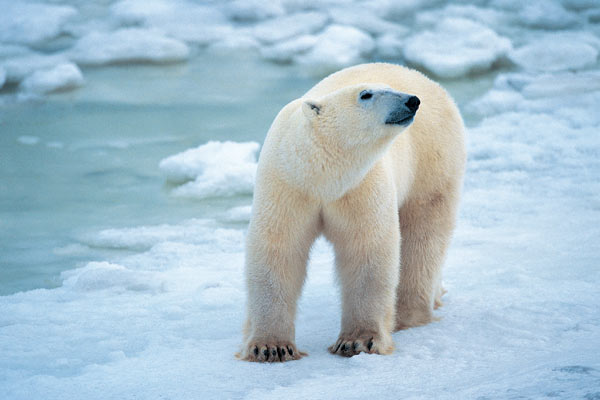
    As I sit comfortably in my warm office in Toronto writing this post, the polar bears of the Southern Hudson Bay subpopulation are out on the frigid sea ice in the middle of Hudson Bay and James Bay looking for seals. Food is relatively plentiful for polar bears this time of year, and with so many adaptations that allow them to live in this Arctic marine habitat, these winter conditions suit the bears just fine. Mother polar bears of this subpopulation are warm in their dens along the northern coast of Ontario, having just given birth to their cubs. After a few months of nursing the tiny dependent newborns, these family groups will leave their dens to head out on the ice where the mother polar bears will catch as many seals as they can to feed their young families before the ice breaks up in the summer. All of the Southern Hudson Bay polar bears are then forced to retreat to the northern Ontario coastline or islands of James Bay to fast and await the return of the ice next winter. Because the life history of the polar bear is so intrinsically tied to the sea ice, the recent weakening of the Hudson Bay annual sea ice through the effects of climate change will have dire consequences for this population of polar bears that lives at the southern extent of the species range.

    This year represents the first of a three year project through a partnership between York University and the Ontario Ministry of Natural Resources to study the effects of a changing climate on the feeding habits of the Southern Hudson Bay polar bears. We completed our first field season this past fall, handling polar bears along the shore of Akimiski Island and the western shore of James Bay. We had a very successful field season, deploying ten GPS collars on adult female polar bears and collecting important biological samples and morphometric information from a total of 36 bears. My PhD supervisors Dr. Gregory Thiemann and Dr. Martyn Obbard are experienced polar bear biologists, but this was my first time getting hands on experience studying polar bears. It was an amazing experience getting to appreciate the sheer size and power of these animals up close. The bears we handled ranged from young subadults spending their first fall apart from their mothers, to large, stoic adult males tipping the scales at over 1,200 pounds! We certainly encountered a wide range of bears, including pregnant females in excellent body condition who were preparing to enter dens later in the season, as well as mothers with dependent cubs who were quite thin from the added stress of feeding their young.

    The range in individual polar bear size and condition is really quite striking, and ties in closely with our research which will compare the feeding habits of different classes of polar bears based on age, gender, and body condition. By determining the food habits of individual polar bears and linking this information with movement patterns of bears equipped with GPS collars, we will increase our knowledge on the specific types of sea ice habitat polar bears exploit. By combining this information with future predictions of sea ice extent and prey availability in Hudson Bay, we will contribute to ensuring that informed and proper conservation measures are taken in the future. Through the support of the Canadian Wildlife Federation Endangered Species Fund, this important research will help in predicting the future of polar bears in this region, as the challenges currently faced by the bears by an extended ice-free season are forecasted to intensify in the coming decades.

  • Could Hockey Become an Endangered Sport?

    Could Hockey Become an Endangered Sport?

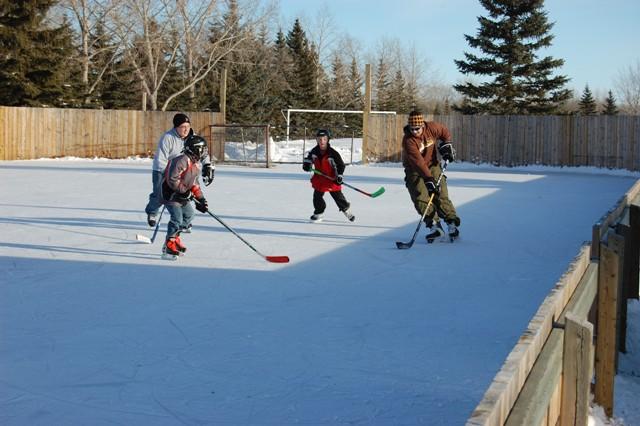
    One benefit of the National Hockey League strike: it gave people time to play outside on real ice! But outdoor skating could face the same difficulties as the NHL – a drastically shorter season or outright cancellation. Research from Montreal’s McGill and Concordia universities shows global warming is already having an effect on outdoor rinks in Canada.

    “Many locations across the country have seen significant decreases in the length of the OSS [outdoor skating season], as measured by the number of cold winter days conducive to the creation of rink ice,” their study states. “This is particularly true across the Prairies, and in Southwest Canada, which showed the largest (and most statistically significant) decreases in the calculated OSS length between 1951 and 2005.”

    This echoes a 2009 David Suzuki Foundation report, On Thin Ice: Winter Sports and Climate Change. The McGill investigation looks at constructed outdoor rinks while DSF’s focuses on frozen rivers, canals and lakes, but the conclusions are similar. Both predict that, unless we rein in greenhouse gas emissions, outdoor skating in parts of Canada could be history within the next 50 to 100 years (the McGill study’s authors now say it could happen within 20 to 30 years), and the length of the outdoor skating season will continue to decline across the country.

    Meanwhile, at Ontario’s Wilfrid Laurier University, geographers have launched www.RinkWatch.org, a website where people can record information about backyard or neighbourhood rink conditions over the winter.

    “Our hope is that Canadians from coast to coast will help us track changes in skating conditions, not just this year, but for many years to come,” associate professor Robert McLeman said in a release. “This data will help us determine the impact of climate change on winter in terms of length of season and average temperatures.”

    According to the DSF report, one of Canada’s best-loved outdoor skating venues, Ottawa’s Rideau Canal, provides an example of what to expect. It concludes that, with current emissions trends, the canal’s skating season could shrink from the previous average of nine weeks to 6.5 weeks by 2020, less than six weeks by 2050 and just one week by the end of the century. In fact, two winters ago, the season lasted 7.5 weeks, and last year it was down to four. The canal had yet to fully open for skating when this column was written.

    “On Thin Ice” notes that many of Canada’s hockey heroes got their start on outdoor rinks. “Without pond hockey, we probably wouldn’t have what has become the modern game of hockey,” the authors state. The DSF study says climate change could have a profound effect on many other winter sports, from skiing and snowboarding to winter mountaineering.

    With food and water problems caused by more frequent droughts and floods, property losses and high infrastructure costs from rising sea levels, and increasing illness and death from extreme weather and pollution, hockey may be the least of our worries. But losing winter recreation opportunities, let alone our ability to produce food and keep our homes warm and people healthy, needn’t happen. Solutions to our human-created problems exist. We just need our leaders to start taking this and other environmental issues seriously.

    That’s not likely as long as we keep electing people who show more concern for the future of the fossil fuel industry than the citizens they are supposed to represent. Politicians who only look ahead three or four years — until the next election — aren’t seeing the big picture.

    We need to consider every solution possible, now — from putting a price on emissions through carbon taxes and/or cap-and-trade to stopping the rapid exploitation of fossil fuels and switching to cleaner energy sources.

    A skate or hockey game outside is a good place to start!