Tag: cooking

  • How to Learn About Other Cultures Through Food

    How to Learn About Other Cultures Through Food

    Going to a friend’s house for supper can be fun, especially when you get to try something new. If you have friends from other cultures than your own, you might sometimes try food that you have never eaten before. You might not like everything that you eat, but you can still learn a lot about different cultures by eating their food.

    What do you think of as typical Canadian food? Is it pizza or lasagna? How about tacos or burritos? We might think of these foods as Canadian, but they originally came from other countries and cultures before people in North America used the ideas to make food that suited their tastes. If you went to the places where the foods originally came from, they might be quite different from what you know.

    One of the things that influences people’s traditional foods is what they could easily get before the days of fast transportation. For example, food from areas like the Middle East and India is often much spicier than European food because the spices and hot peppers grow there. Areas that grow potatoes or wheat tend to have a lot of dishes that include those kinds of foods.

    In many areas of the world, people still shop every day for food, but their cultures also often include ways to keep food from going rotten without refrigerators. For example, cabbage and other vegetables are easy to grow in many parts of the world, but they become rotten very easily. Many cultures have developed ways of dealing with that, such as making pickles or foods like sauerkraut, which can keep for a long time.

    Often the differences between types of food are important for understanding cultures. For example, kimchi is a kind of pickled cabbage that is much spicier than most other types. Also, a lot of Chinese food combines sweet and sour flavours that people in the Middle East are unlikely to eat. People from some cultures eat rice every day, and others eat spaghetti or potatoes. Each one has a different staple, or basic food.

    The way people cook and eat their food can show a lot about their culture, as well. In North America, many people buy food for the whole week and store it in their refrigerators or freezers. In many other countries, people shop for food every day and make fresh meals. People in some cultures eat a lot of meat, and others eat only a little. Some people eat from separate plates and others eat from common dishes. They might use their fingers, chopsticks, or knives and forks when they eat.

    Cultures are complicated, and it can take a long time to learn about them. Since everyone eats, comparing the foods from different regions can be a good place to start.

    Bibliography:

    Choi, Amy S. “What Americans Can Learn from Other Food Cultures.”  http://ideas.ted.com/what-americans-can-learn-from-other-food-cultures/.

    Columbia University Press. “Food is Culture.” https://cup.columbia.edu/book/food-is-culture/9780231137904.

    EUFIC.org. “The Determinants of Food Choice.” http://www.eufic.org/en/healthy-living/article/the-determinants-of-food-choice.

    EurekAlert. “The Human Food Connection: A New Study Reveals More About Our Relationship to Food.” https://www.eurekalert.org/pub_releases/2014-04/ajob-thf041514.php.


  • Cooking and Grocery Tips for Post-Secondary Living

    Cooking and Grocery Tips for Post-Secondary Living

    At times, student life can be so stressful that you often skimp on the things you should do to take care of yourself. Unfortunately, when juggling multiple responsibilities, maintaining a healthy diet often takes a hit. Moreover, by ordering Chinese food one too many nights a week, you’re hurting your wallet as well as your body. It’s important to prioritize your health as well as your finances by developing healthy routines, and making wise decisions about your groceries and meals is one place to start.

    Here are some cooking and grocery tips for student living. The following ideas will help you stay healthy and on track.

    Groceries

    Make it a routine. Set a reminder to grocery shop on a weekly basis. You should schedule a time when it’s most convenient for you to go shopping, when produce is the freshest, or when the grocery store has discounts for students. Even if it seems like you don’t need much at the time, this will prevent you from putting groceries on the back burner, and winding up with an empty fridge.

    Necessities first.
    When compiling your grocery lists, start with the bare bones. Include fruit, vegetables, and the basic components of future meals before you go crazy with the cookies and candy. Plus, if you organize your groceries in this way and you’re short on cash, you can start at the top of your list when you’re shopping and leave the more indulgent items for a later date.

    Sharing is caring. If you have roommates, consider collaborating with them and buying groceries together. You’ll save money and waste less when you avoid buying duplicate items. If you live alone, consider working out a similar arrangement with a friend who lives nearby—for example, if you live near a bakery and they live near a fruit market, you can divide and conquer and take care of one another’s shopping in those specific areas.

    Cooking

    Keep recipes on file.
    Take an hour out of your weekend and look up easy, quick, and healthy lunches or dinners that you can whip up whenever you’re out of culinary inspiration. Print the recipes out or keep the files on your hard drive for later perusal—you’ll be thanking yourself when you’re hungry and studying for midterms.

    Consult nutrition guides. Ensure you’re cooking healthy meals by looking up nutritional information about the ingredients beforehand. It’s definitely okay to treat yourself every once in a while, but you probably shouldn’t be eating ramen for dinner every night. When in doubt, make a side salad.

    Be practical. If you know you aren’t the greatest chef, you don’t need to go to great lengths to make elaborate meals. Sometimes, the simplest meals are also the most nutritious. Furthermore, consult your fridge before you start cooking: if you have ingredients you need to use up (or leftovers you should probably get rid of), let that guide your process before you get cracking.

  • Career Profile: Baker

    Career Profile: Baker

    For some people, baking is a favourite weekend activity. When they have a few free hours, they go to the kitchen and produce cookies, bread, and buns to last for the next week or two for themselves, their families, and possibly guests. For others, however, baking is a job that gives them the chance to earn a living whilst supplying people with fresh food. If you enjoy baking bread, cakes, and cookies now, why not consider becoming a baker?

    If you bake at home, you might have an idea of what the job is like. It involves measuring and mixing ingredients like flour, sugar, baking soda, and cocoa to make all kinds of breads, cookies, and other foods. Some of them require very exact measurements, but others are more flexible. Bakers learn to work with these different ingredients to find the best recipes. This involves the ability to follow directions but also to be creative. Many bakers develop special recipes that they become known for making, but they also have to be able to adapt to what people want.

    Many people in this trade work in established bakeries, but they might also set up stores on their own. Depending on where they work and how much experience they have, bakers earn between about ten and twenty dollars per hour, but having special skills with particular foods can help. Besides being able to cook, bakers should also know a lot about the equipment that they use and be able to fix small problems if necessary.

    The size of the bakery and other factors can affect what kind of training bakers need. Some bakers might be able to learn all they need to know just by working at a job. An apprenticeship is a good way for many people to learn from experienced bakers while they develop their own skills. Getting a diploma or certificate from a training school can also help prepare bakers for whatever they might need to do, but it is not always necessary.

    If you want to work in a small bakery, you might not need a lot of formal education, but you need to know about many different kinds of baking. In a larger business, you might be able to specialize in a particular type, such as pastry or bread. However, having a wide knowledge is good for whatever you intend to do. There is also baking for a large manufacturer- this might be a place to get your feet wet.

    One of the most difficult parts of being a baker is the hours. Most stores have fresh baking on the shelves every morning, which means that bakers have to be up very early to prepare the food. They might start their days in the middle of the night so that the bread, pies, and cookies are ready by the time customers come in on their way to work.

    Do you like baking? Why not choose this trade for your future?

    Bibliography:

    Indeed.com. “Lead Cook/Baker.” http://ca.indeed.com/cmp/South-Stables-Coffee-House/jobs/Lead-Cook-Baker-07b1061182e39069?sjdu=vQIlM60yK_PwYat7ToXhk6FiWTC_cw5Paj_ZYTy0G5svhJbw6soMSZtKOcrBnV_bPDNZ_3nyNz7P68uFraGVWA.

    Living in Canada. “Baker Salary: Canada.” http://www.livingin-canada.com/salaries-for-bakers-canada.html.

    Monster.ca. “Baker.” http://my.monster.ca/job-profiles/Baker.aspx.

    Payscle.com. “Baker Salary (Canada).” http://www.payscale.com/research/CA/Job=Baker/Hourly_Rate

  • How to Become a Chef

    How to Become a Chef

    When you eat at a restaurant, order room service in a hotel, or enjoy the buffet at a party, do you ever wonder who makes all the food? The answer to this is a chef, a professional who is trained in food preparation and serving meals.

    So how do you become a chef?

    The first thing is that you need to love food. If you enjoy trying new kinds of food, learning how to make meals, creating your own recipes, and sharing your cooking with other people, you might be born to become a chef.

    There are several different types of chef, including the head chef, sous-chef or assistant chef, sauciers, line cooks, and pastry chefs. Depending on your role, you can be supervising the kitchen, managing other chefs, creating menus, cooking meals or desserts, or ordering kitchen equipment, supplies, and ingredients.

    Becoming a chef also requires some college education. Many Canadian colleges offer programs for Culinary Arts, Chef Training, and Restaurant Management. Most colleges can also help you arrange for an internship during summer vacation, or after graduation, in order to help you get on-the-job skills and experience.

    Canada also has optional certifications such as the Red Seal interprovincial trade certification that allows you to work in any province or territory, and the Chef de Cuisine certification from the Canadian Culinary Institute of the Canadian Federation of Chefs and Cooks (CFCC). You can also pursue training both within Canada, and internationally, in various types of international and multicultural foods.

    Depending on what type of chef you with to become, you can specialize during your college program, as well as going for extra schooling afterwards. For example, a pastry chef will take courses on baking, cake decorating, and bread making, and many others. A sommelier certification teaches you about wine and winemaking, and how to match wines with different foods and meals. A line cook will be responsible for a specific section of the kitchen, such as making the salads, or soups, or plating the meals to look nice.

    Many businesses employ chefs, including places such as restaurants, hotels, school cafeterias, hospitals and nursing homes, and catering companies. Depending on the location, and the type of chef you are, the job tasks will be a little different, but skills needed include good communication, time management and prioritizing skills, and leadership skills.

    If you are thinking about going to culinary school to be a chef, you can start early by learning to cook independently and trying new recipes in the kitchen. In high school or on summer break you may think about working in as restaurant or other food service industry to see how a professional kitchen operates. This will also let you meet professional chefs and cooks, and get advice or tips on working as a chef. You can also volunteer to help at soup kitchens, church suppers, and similar opportunities to connect with the local food service industry.

    Sources:

    Government of Canada Job Bank – Explore Careers by Occupation: “Chef”

    http://www.jobbank.gc.ca/occupation_search-eng.do

    CareerBear.com

    http://careerbear.com/chef


  • Real Jobs: Hot Dog Vendor

    Real Jobs: Hot Dog Vendor

    Some jobs seem like they can’t be real – just think of being a hot dog vendor.  Everyone loves hot dogs, and it seems like a dream that you could even work with them. Work in this field can be very good for independent people who enjoy being with people and dealing with food.

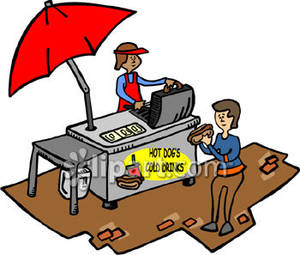
    You and your family might sometimes eat food from street vendors. You go to a food cart and ask the person for a hot dog with mustard or ketchup, and then the vendor puts the food together and gives it to you. Hot dog vendors spend much of their time selling food to people on the street or in office buildings.

    The first step in becoming a hot dog vendor is to learn about how to handle the food. Wieners are easy to cook, but they have to be stored properly. Buns also have to be fresh, and the condiments (like ketchup and mustard) also require care. Before they start to work, hot dog vendors need to know about handling food safely and about cooking meat properly.

    Some hot dog vendors learn all that they need to know by working with others on the job. Others, however, might decide to take classes at a college or cooking school. A small percentage of hot dog vendors might even get a degree in a subject related to food or even something completely different. Education has little effect on a hot dog vendor’s salary, but it can help to provide background information that can be useful for the work.

    Besides learning about how to handle food, hot dog vendors need to learn about their equipment. They have to use fuel tanks, cooking utensils, and anything else that they need to run the business.

    Do you love food and being with people? Why not consider working as a hot dog vendor?

  • Learning to Cook!

    Learning to Cook!

    When you’re busy with essays, homework and final projects, sometimes you forget that there are great life skills that most schools do not teach. One of them is cooking. Whether it’s to cut down costs, to impress a date or just for your own amusement, cooking is something you’ll always be glad you learned.

    It’s easy to start – just pick a simple meal that you like. It can be anything: soup, spaghetti, mashed potatoes, eggs… You already know how to make a sandwich, but grilling some of the ingredients can make it extra tasty and once you know how to do it, it won’t take very long. If you’re feeling ambitious, pick your favourite meal and see if you can make it. Ask people for help. Someone in your family will probably love to give you a few tips and walk you through some recipes. If not, pick up a cookbook or find a recipe on the internet. It can be hard at first, but it can also be a lot of fun if you’re willing to learn.

    Whether you’re moving out for college this fall or you’ll be at home for another few years, now is a great time to start cooking. When you get to college, it’s expensive to eat out even if it’s just one meal a day. You can stay home and make Kraft Dinner all the time, but that gets old pretty fast. You’ll save so much money and feel a lot better if you learn to make things yourself. Once you know how to make a few meals, you’ll start to pick up some general techniques and you can start to substitute things and add the spices that you like. Before too long, you’ll start to have your own cooking style and specialties.

    If your cooking style involves more than peanut butter sandwiches, it will be a really great tool for impressing people. If you start dating someone who comes over to your house, think how stunned they’ll be with a casserole or a homemade soup or whatever else you want to make. And it doesn’t just work for dates! Every time you have a party, you can buy a bag of tortilla chips and some canned salsa or you can make your own salsa and guacamole. There’s nothing wrong with canned salsa, but it’s a great feeling to have people eating and complimenting something you’ve prepared yourself.

    The best reason of all to learn to cook is that it can be a lot of fun! You might set off the fire alarm once or twice and that’s always stressful, but it will be worth it. It’s easier to get going now when you have the time to learn than to get thrown into an apartment one day with a pan and no idea what to do with it. So just start making something you like. Offer to barbeque for your family or work on perfecting a batch of cookies. Once you start to cook, you can only get better!