
Tag: creativity

  • Sure-fire Tips to Spark Creativity

    Sure-fire Tips to Spark Creativity

    There is an age-old rumour that well-acclaimed author Stephen King mostly gets his inspiration for his books from his dreams. Unfortunately, if you are facing a deadline for a creative project for school, you don’t have the luxury of time to test out this theory. The good news is that there are sure-fire ways to bring out your inner creative self.

    Brainstorm.

    Whether the project is individual or group, it always helps to bounce ideas off with your peers. This way, you get to learn different perspectives, and eventually you will find how to approach your task at hand. You would be surprised how much you can learn from your peers just by a short brainstorming session. Just take note that brainstorming should be a healthy discussion – so avoid any conflicts.

    Get inspired by other accomplished artists.

    The best examples that showcase people’s creativity can be found in works of arts, music, and film. If you have time, head to an art gallery, concert, or movie theatre. Even if your creative project does not involve any of these mediums, you could still be inspired- a great idea, is a great idea.

    Take a walk.

    You don’t have to be a poet to commune with nature and be inspired. Sometimes walking is what you need to bring out your inner creative self. Of course, don’t underestimate the power of an idea spark—sometimes it comes in the most unexpected places. Some creative minds have been known to have that eureka moment while they were in the shower or doing mundane tasks like washing the dishes.

    Make a list.

    Since ideas can strike anywhere, the trick is to note them down somewhere when they do strike. Always keep a notebook to jot your ideas down. However, if you are all for technology, always keep your memo or notepad ready in your smartphone or tablet.

    Are you ready for the next big idea? Try out these tips and you will certainly unleash your creative powers!

    SOURCES:

    https://www.psychologytoday.com/blog/communication-success/201402/how-unleash-your-creativity-and-find-inspiration-today

    http://www.virtuesforlife.com/10-ways-to-spark-creative-thinking/

    http://www.chopra.com/ccl/7-steps-to-inspire-creativity-within

    http://psychcentral.com/lib/20-ideas-from-creativity-connoisseurs-to-inspire-your-imagination/
  • Why Your Ideas are Important

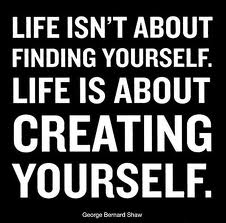
    Why Your Ideas are Important

    We all go through periods in which we feel as if we are sapped of creativity. Many refer to these periods as being “blocked”—when good ideas seem nowhere to be found, and you often can’t think of anything worthy of efforts. Yet sometimes, it’s possible to escape these blocks simply by appreciating what you have to offer.

    Your ideas are important. Whether they’re scribbled on the back of a cocktail napkin or hiding somewhere in the bottom of your school bag, they matter. And, even when it feels as if you can’t possibly come up with anything intelligent or interesting, know that you have enough brainpower to work towards your next finding.

    It is rare that we truly appreciate our own creative potential. Every individual has their own unique life experiences, opinions, and perspectives to draw upon, and it is important to remember that we all have something interesting to bring to the table. A story that may seem benign to you may bring others to tears; meanwhile, the struggles of others may hit home with you in a way that you could never have anticipated.

    Moreover, you need to be honest and kind to yourself if you want to make creative progress. Something you come up with may seem weak, but it’s unwise to judge your abilities based on just one thing. Good brainstorming sessions often don’t come easily, and you often have to go through a lot of first drafts (and a lot of abandoned projects) before you hit the jackpot.

    There are a few ways you can maximize the productivity of your brainstorming process by channeling your ideas more effectively:

    • Write everything down—keep a pen on you at all times in case inspiration strikes. Struggling to remember that amazing idea you got while on the subway (but never got the chance to record) can be torturous.
    • Surround yourself by creative triggers, or people, places, or things that get the gears turning.
    • By pitching your ideas to others, you will be able to see how your ideas look from their perspective, as well as appreciate facets that you perhaps would not have otherwise noticed.
    • Create a visual idea board to physically represent and connect concepts. It is especially helpful if you keep this board close by while you’re working.

    Overall, remember that blocks aren’t forever, and that you’re capable of working through them. Stay positive, and keep at it. You’ll be on to the next big thing in no time.

  • Making a Living in Poetry

    Making a Living in Poetry

    If you read about the lives of famous poets like John Milton and William Shakespeare, you might notice something they had in common. They wrote great poetry which is still popular hundreds of years later, but they also had other jobs. William Shakespeare made only eight pounds for writing each of his plays and even less for his sonnets. He had to work as an actor to make a living. John Milton wrote political pamphlets to help pay his bills. Marianne Moore, a twentieth-century poet, worked as a librarian. Making a living as a poet has never been easy, but is it possible?

    Working as any kind of writer can be difficult. Novelists often have to go through many rejections before they can get their books published. Even then, making a living through writing can be hard to make much money. It can be even harder for poets. Their work is often less popular than novels and other types of writing, and they are often unable to sell many copies of their work. Often, they must teach classes or find some other way to make a living while writing poetry on the side. The Manitoba poet Sarah Klassen, for example, taught English for many years while she was writing and publishing.

    Being flexible and inventive can help poets make money through their writing. The traditional method of publishing books of poetry is likely to be difficult, but poets can make money in other ways. Magazines in print or online often include a few poems, and literary contests can also be good places for new poets to get their work published. In some cases, poets can even get fulltime work in advertising, producing greeting cards, or other fields where the skills of a poet are useful.

    Being able to communicate is an important part of being a poet. Some poets are good at telling stories and others are better at showing emotions. However, all poets learn to use language in new ways. Poetry is a very brief and sparse way of communicating. Often, a few words have to communicate complete thoughts in poetry, and poets have to choose their words carefully.  Even in narrative poems that tell stories, using the fewest words possible can be the most effective. Developing good writing skills is an essential part of becoming a poet. The first step is often to read a lot, learning from poets of the past and present. Courses in English literature or in writing techniques can help new writers develop their skills.

    Poets also need to develop their own styles. Some poets like to use complete sentences in their work. Others like to use as few words as possible to say what they mean. Another important factor is what publishers and readers want. Different styles of poetry appeal to different types of people, and publishers’ guidelines can give you a good idea of what works best in each situation. Learning to adapt your writing style will help you become successful as a poet.

  • Can I Turn Poetry Into a Career?

    Can I Turn Poetry Into a Career?

    If you’re passionate about poetry, you may be wondering if there’s any way to turn it into a career.  Nowadays, there are very few people who simply write poetry and sell it to eager readers. It’s unfortunate but it’s the harsh reality.  Does that mean you should abandon your love for poetry and settle for a job that holds no appeal for you? Absolutely not! There are thousands of people who make money off of poetry; they’re just doing it in ways that you wouldn’t expect!

    Consider songs, which are often filled with poetic verses and beautifully flowing stanzas.  Lyricists are people who write the words for songs that have a lyrical component and they have the opportunity to write poetry on a regular basis. They may not have any vocal talents but they still make a living off of doing what they love best- writing poetry! Lyricists even get the added bonus of hearing their poetry come to life when the song is finally produced.

    Copywriters often deal with poetry in their line of work too. Copywriters spend a great deal of time writing the text components that you often find on advertisements and product labels.  When you come across a catchy phrase or an enticing description on the cover of a product, you’re looking at the work of a copywriter!    They often make use of poetic language to encourage customers to purchase their products or services. With your poetic talent, you could easily stand out to employers who are looking for someone who has a clever way with words!

    There are plenty of other people who get the unique opportunity to encounter poetry while working. Think of university professors who teach courses on poetry and other forms of creative writing. They get to write, teach, share, and explore poetry while making money to support themselves. There are also authors of children’s books who often incorporate poetic techniques into their work to make it more appealing to younger audiences. The list of people who make money off of poetry goes on and on. If you’re serious about the art, you can add yourself to that list too! You can also explore other unconventional methods such as creating a poetry blog and making money off of advertisements. For this, you would need to have enough people coming to your blog regularly so that advertisers would be willing to pay you for exposure. This option is noticeably riskier than some of the others but it’s still something that could be done as secondary source of income.

    If poetry is genuinely something you want to infuse into your career, you need to be willing to make the effort to find a job that allows you to deal with poetry on a regular basis. You need to think outside of the box and look for opportunities that you wouldn’t normally consider. It may take a bit of time and effort, but it’ll definitely be worth it when you’re doing what you love, day after day.