Tag: dealing with stress

  • Bullying and Self Esteem: The Bullied and the Bully

    Bullying and Self Esteem: The Bullied and the Bully

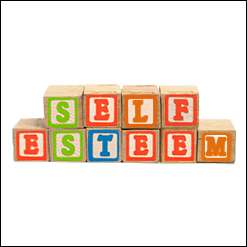
    Bullying continues to be a pressing threat among students, one that unfortunately is dismissed, misunderstood or ignored. The potential consequences of bullying, however, including dangerously low self-esteem (which can lead to serious, lifelong issues for victims), suggest that we have to address bullying more directly in an attempt to put a stop to it once and for all.

    If you are being bullied and experiencing problems of low self-esteem, you should remember that you are not alone. Many individuals are bullied at some point in their lives, and most, if not all, individuals experience low self-esteem. It’s likely even your bully faces this problem from time to time, which could be a reason why they are picking on you (in order to avoid some of the root causes of their own insecurity). Understanding that your experiences are similar to those of others is a great first step towards addressing bullying.

    A principle to live by—not just in situations of bullying, but whenever you’re interacting with others—is one of mutual respect. Try to empathize with the needs of others, while at the same time treating them with compassion, especially when they are going through a tough time. Communication is key: if you understand where people are coming from, you can more effectively respond to their actions. In situations of bullying, this actually includes the bully as well. A bully’s problem doesn’t give them an excuse to mistreat others at all, but knowing about this can shed light onto some of the potential solutions for conflicts. You could end up helping them in the end, rather than allowing the cycle to continue.

    Overall, bullying is not an acceptable way to manifest low self-esteem. Bullying, even if at face value, can seem like a nuisance and can equate to the physical, verbal, or emotional harassment of another individual. This is certainly not an okay way to treat others, and moreover can lead to some dangerous consequences. It is important to put an end to the bullying as soon as possible, hopefully before anyone gets hurt.

    If you are the bullied, stay strong, and know that any hurtful comments or actions are likely coming from a deeper place of insecurity for the bully him/herself. That being said, it’s absolutely important to reach out if the problem persists: speak to a friend or family member that you trust, seek counseling from a teacher or a guidance office, or even contact a help line (like Kids Help Phone: 1-800-668-6868). Low self-esteem as a result of bullying can escalate into serious anxiety or depressive disorders, sometimes even self-harm. Don’t let it get to that point, and don’t wait until it’s too late.

    If you are the bully, seriously consider the impact that your actions have on other individuals. If you are going out of your way to make others feel small, maybe you should take a look at your own life, problems, and insecurities before interfering in those of others. In light of the potential consequences that bullying can have on victims, respecting others should certainly be one of your top priorities.

     

  • Dealing with Stress

    Dealing with Stress

    At any age, stress can take a toll on your mind and body. For most, stress is caused by an event or situation that is considered dangerous, difficult, or unpleasant. If it is not dealt with properly, long term stress can cause physical and mental damage. Coping mechanisms, if taught early, can be a helpful ally in battling stress and conquering stressful situations.

    For teens and young adults, stressful situations can be present in everyday life. Some common things that can cause stress are demanding school schedules, drama with friends, low self-esteem, changing bodies, high expectations, and family problems. Most young people encounter one or several of these situations on a daily basis. After a while the weight can start to take an affect and they can become overloaded with stress.

    Fortunately, stress is manageable, especially if the proper coping techniques are taught early. One way to help manage stress is to exercise and eat healthy. Exercise reduces the stress hormone levels in the body and causes the release of endorphins, which are the body’s natural mood lifters. In fact, exercise actually helps you relax. Doing some sort of moderate physical activity every day can ease stress or even prevent it. Healthy eating goes hand and hand with exercise. The healthier you eat, the better you feel. Keeping the body well-nourished and balanced is especially important during stressful times.

    Another way to cope with stress, especially with school, is to prioritize. If you have a heavy work load, do the biggest most difficult projects, or the projects that are due sooner, first. This way, you will have peace of mind knowing that they are completed. The smaller and easier tasks will be a piece of cake after the more difficult tasks are off your plate. Also, if a project or assignment seems overwhelming, break it into smaller pieces. For example, if you have a large paper to write, give yourself the time and take it paragraph by paragraph. Treat each paragraph like it’s a separate assignment. This way, the thought of writing large paper won’t seem so daunting.

    Last but certainly not least, the best way to deal with stress is to talk to someone. Stress is common and many people can relate and sympathize. Talk to a person who is close to you, someone who you can open up to and be honest with, like a parent, a teacher, or even a best friend. Voicing your stresses and frustrations can help you get them off your chest. Sometimes a long chat with your closest friend can do wonders for your mood and stress level. Situations that are seemingly stressful might not be so bad once you know you have support and you’re not alone.

    Stress can be dangerous, especially for teens and young adults who are not sure how to manage it. It’s important to recognize when a situation is beginning to weigh on you and make it a priority to do something about it.