Tag: debt

  • Six Tips For Getting A Scholarship

    Six Tips For Getting A Scholarship

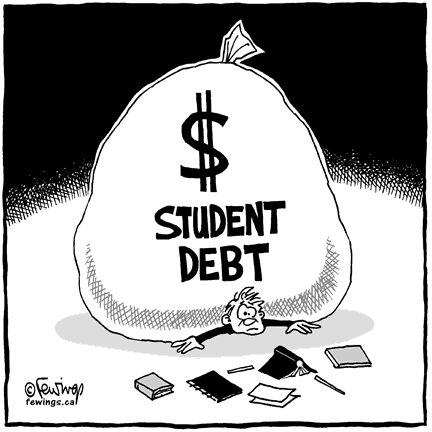
    A lot of college students end up with nothing but debt even before they graduate. The option of a scholarship has always been a number two priority when it comes to college students. Most think that they can just pay off their student loans after they graduate and get a job, but many find it too overwhelming. With a scholarship, not only will you study for free but some scholarship plans will even give you money just to stay in school or even provide you with an “allowance”.

    Here are a few tips to help you get a scholarship and avoid debt in college.

    Look for one as soon as possible
    Start looking for a scholarship even if you haven’t graduated yet. Start during your junior year of high school and take advantage of having less competition. This way, you can still renew your efforts and take additional opportunities.

    Look for scholarships elsewhere
    Don’t just limit yourself to online sources. Check with religious organizations, local clubs, your school guidance counselor and employers. Local scholarships are less competitive compared to the national ones and you can find corporations and businesses that award free education to their loyal customers.

    Don’t become intimidated just because you’re not on the top
    So your grades aren’t really made for the honour roll, but many scholarships don’t measure or base their decisions on your grades. Many scholarships would prefer someone who shows volunteerism and leadership.

    Search all year round
    You can find scholarships that are only available for a limited season. For example, some major department stores actually give out scholarships during the holidays as a prize. Treat it like getting a part-time job. You can get different opportunities throughout the whole year.

    Be honest
    Never exaggerate your memberships, skills, qualifications or grades. Better focus on a scholarship that you know you’re eligible for.

    Avoid scams
    There are scholarship scams out there that promise you a full scholarship if you give them a certain amount of money. If someone emails you and asks you if you’re interested in a “discounted” tuition fee, it’s best to avoid these emails so you don’t get into a debt collection lawsuit. These scammers are only after your money and they’ll make a run for it after you give your credit card number to them.
  • Your Debt Versus Your Future

    Your Debt Versus Your Future

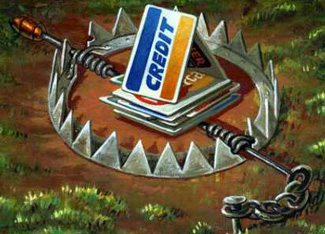
    The very idea of debt is terrifying. It is a trap, an emotional burden, and in many cases, a fiscal necessity. Careful planning now can help you avoid pitfalls further down the road. Many people think they can forego and defer saving money and taking on a reasonable amount of debt. That short-term decision can have some troubling long-term consequences. Let us take a look at some of those future problems and how to avoid them.

    Life Goals

    Accumulating debt can put your grand plans on hold for far longer than you might expect. Undergraduates take on tens of thousands of dollars of debt. That can mean delaying or perhaps never attending graduate school. It can crush that dream of a life-changing trip to the other side of the world. By setting up a savings account and devoting some hours to a part-time job while still completing your undergrad, you can help keep those dreams intact. You may not remove the debt entirely, but can make it manageable and ensure it does not stand in the way of your goals.

    Work-Life Balance

    When you let debt grow without tackling it right away, you will be forced to battle a staggering amount with frightening interest at some point in the future. Statistically, households with college graduates who eliminated their student debt end up with a net worth many times more than those still trapped in debt. The latter can mean second or third jobs, as well as various freelance work. There will be less focus on the career and dreams you want to pursue. You will have less time for friends and family due to random jobs to ensure you make enough. Your work-life balance will crumble. By setting aside a reasonable amount of time in the present, you can create a better balance in the future.

    Your Health

    Stress has an extraordinary impact on your physical and mental well-being. Eating well and exercising can only do so much. An American Psychological Association study found that finances are one of the biggest stress factors. Your impacted credit score keeping you from your dream home, your ideal career feeling out of reach, and lack of control over your life can cause severe depression and anxiety. This will inevitably affect your physical health as well, from aches and pains to diseases and conditions later in life. Take the right steps now while you are healthy. You can ensure many years of good health to come.

    Debt itself may not be avoidable in many circumstances, but the negative repercussions are a different matter. Devote time and energy right now to manage debt you currently have or plan to have in the future. Monitor your expenses, take on a part-time job, and invest your savings. The sooner you start means the sooner better money habits will develop. This can help you meet your life goals, achieve a good work-life balance, and maintain your health. This is a lifelong challenge for all of us. Debt may be scary, but careful planning is your best weapon to defeat it.

    Sources:

    Brown, Ron. “How Can Debt Have a Negative Effect on your Life? R.L. Brown Wealth Management. https://rlbrownwealth.com/how-can-debt-have-a-negative-affect-on-your-life/

    Williams, Terri. “10 Ways Student Debt Can Destroy Your Life.” Investopedia. https://www.investopedia.com/articles/personal-finance/100515/10-ways-student-debt-can-destroy-your-life.asp

  • The Truth about Debt: How Debt Can Bring You Down in the Future

    The Truth about Debt: How Debt Can Bring You Down in the Future

    If your family is like many in Canada, it is probably in debt. Your parents might owe money on the house or car, and you or your brothers and sisters might already have credit card debts or owe money to friends in school. Credit card use is a common way of buying products in Canada, but it can have negative effects on your future if you don’t pay it off.

    You might hear people talk about good and bad debt. Basically, “good debt” refers to something that the person has a good chance of repaying. For example, if someone has a high-paying, stable job, and they buy a house; unless something unexpected happens, like a major accident or job loss, the person can make regular payments on the mortgage, thus paying of the debt of the house.

    “Bad debt” is different. Bad debt refers to a debt that the person has little or no chance of paying off because of the size of the debt, a low-paying job, or other factors. This kind of debt could last a lifetime and affect the person’s ability to buy a house or a car, get insurance, or even to get a loan for a small project. If you have bad debt, you likely have a low credit score. A credit score is something banks, insurers and lenders look at to determine your financial position and how reliable you are in paying off things like your credit card or student loan.

    According to recent statistics, people who were born between 1980 and 1984 already have over five thousand dollars’ worth of credit card debt than their parents did at the same age. Unless they get very high-paying jobs in the future, that debt could follow them throughout their lives. If you do possesses that much debt at a young age (college and university students), the most important thing to do is always make your minimum payments. Also, you can notify your lender about your situation and arrange later payments.

    Being in debt can cause serious problems for people. They might not be able to go to university, and they risk losing their homes if they are unable to make the payments. Their wages might be taken to pay the debt, and they might have bill collectors calling to ask for the money. All of these things can cause a lot of stress.

    Buying everything with cash is probably the best way of avoiding any kind of debt. However, very few people actually have that kind of money, especially for large purchases like a house or car. However, other kinds of debt can be relatively easy to avoid or manage. For example, if you want to avoid credit card debt, you can start by paying off the entire balance every month. If you have cash with you when you go shopping, use that instead of credit or debit cards as much as possible. Staying out of debt can be difficult, but owing a lot of money is worse. Living within your means can be hard, however, very necessary when preparing for a healthy financial future.

    Sources:

    Kay, Michael F. The Truth About Debt. https://www.psychologytoday.com/blog/financial-life-focus/201602/the-truth-about-debt.

    Loans Canada. “How Your Debt Affects Your Credit Score.” https://loanscanada.ca/debt/how-your-debt-affects-your-credit-score/.

    White, Martha C. Today’s Young Adults Will Never Pay Off Their Credit Card Debts.”
    http://business.time.com/2013/01/17/todays-young-adults-will-never-pay-off-their-credit-card-debts/.

    Wolfe, Michael. “Problems That Personal Debt Could Cause.” http://www.ehow.com/list_7333636_problems-personal-debt-could-cause.html.

  • OSAP:  The Basics, Application and Concerns

    OSAP: The Basics, Application and Concerns

    What is OSAP? If you are an up and coming post-secondary student in Ontario, you might have already heard about OSAP. The acronym stands for Ontario Student Assistance Program. It is a government-run program to help post-secondary and mature students finance their education. You can apply for OSAP when you are ready to go to college, or university. It has helped many students (all over Canada, as well) get the extra money they need in order to achieve their educational goals. OSAP is specifically for Ontario students, but the government also has assistance programs for each province in Canada. It can be used for tuition costs and living costs. Other than paying tuition, you need a place to live, and money to buy things like groceries and personal items- OSAP will help you get by. Along with money you have saved yourself from working, parents, or rich uncles, you will be on your way to accomplishing your goals with OSAP. OSAP also gives you a chance to gain credit history by making payments each month while in school, or after school. It is important to start building a good credit record at a young age; for it will help you obtain things like a house or car in the future- every bit counts!

    Application:

    It is easy to apply to OSAP. All you have to do is go to the OSAP website and fill in the application, and make sure you are qualified to receive funding. However, there are some limiting conditions when applying for OSAP. Your total household (parents and you) income can only reach a certain amount. This varies from situation to situation, but if the household income is too high, OSAP may state that you do not need their help, or you will get a very low amount of funding. The Ontario Ministry of Training, Colleges and Universities’ website has a well-rounded list of requirements you should read before applying. If everything matches up, you’re in the gold. You can apply to any post-secondary institution in the world and receive OSAP, but it has to be approved by OSAP, first. Ontario.ca states that you will also receive an automatic 30% tuition discount when you apply.

    Link to register for OSAP: https://osap.gov.on.ca/OSAPSecurityWeb/public/registration.xhtml?lang=en

    Maximum funding for a full-time student:

    For one academic year:

    • single, no dependents: $12,410
    • married or common-law or sole-support parent: $19,210

    (stated September 30th, 2015)

    Paying it back:

    All students that receive OSAP must pay it back; essentially, it a very low-interest loan. It can be rough, paying student loans back. Sometimes, depending on your career trajectory, you may be paying back your OSAP for years. I know of college and university professors that still haven’t paid back all their OSAP! The truth is that if you get it, it will be haunting you until it is all paid back. It will be the little itch in the back of your head that you won’t quite satisfy. In an article called “The Misuse of OSAP Money” from The Sun, a student named Joe Brown states that “When you’re 17-18, you don’t think about paying it back in four or five years.”[1] This can be true for many eager students. It is up to you to be responsible, and set yourself up for the best results. If you think it might be a better idea to work for a year or more before going to college, do it. The reality is debt can make you feel like a slave to money. If you save up a decent amount of money for yourself and have OSAP as a backup, great. If you need the maximum amount of OSAP and even more money to go to school, you may want to consider working for a while. Everyone has a choice, so don’t feel pressured by anyone else but yourself!

    Sources:

    [1] http://www.torontosun.com/2012/05/20/the-misuse-of-osap-money

  • Credit Cards: The Good, The Bad and The Ugly

    Credit Cards: The Good, The Bad and The Ugly

    “Charge it!”  It may feel great to just swipe a plastic card and that brand new shiny Michael Kors purse is now yours to enjoy.  But by the time you are at the next party  showing off your purse, the credit card bill is in the mail and soon you will have to pay for the purse.  You have following options; to pay your bill in full, make a partial payment or  pay the “minimum” payment.  But beware – once you start paying only a portion of your credit card bill, you will be charged interest the next month and this is where financial hardships can begin! The word “debt” is one that many students are familiar with because often they are already dealing with student loans due to high tuition costs.  Once students get into a habit of “charging” their purchases, they can easily fall into the debt trap and this is one of the risks associated with carrying a credit card.

    Risks:
    -may damage your credit score if your payments are late or you don’t pay the balance owing.
    -high interest rates.
    -you may carry an on-going debt that you find difficult to pay off.

    However, there are many benefits of credit card usage if the card is used for the right reasons and in a responsible manner!

    Benefits:
    -lets you borrow money instantly to make purchases.
    -allows you to carry less cash.
    -helps you establish a good credit history and earn a good credit score.
    -provides a free form of credit if you pay the balance in full and on time.
    -the card may provide a rewards program which can be used towards free travel or other items.

    In summary, it is beneficial to get a student credit card only if you plan to use it responsibly by not letting the risks outweigh the benefits. Try to find a card in which you obtain points on every purchase made.  This may lead you to a free trip of your choice! Think of being on the sunny beach forgetting about the books, all thanks to redeeming the points on your credit card. But remember that you won’t be able to enjoy that beach trip if your debt load and interest charges are accruing. Credit cards are the ultimate test in your new adult responsibilities.

  • Credit Cards: The Good, The Bad and The Ugly

    Credit Cards: The Good, The Bad and The Ugly

    “Charge it!”  It may feel great to just swipe a plastic card and that brand new shiny Michael Kors purse is now yours to enjoy.  But by the time you are at the next party  showing off your purse, the credit card bill is in the mail and soon you will have to pay for the purse.  You have following options; to pay your bill in full, make a partial payment or  pay the “minimum” payment.  But beware – once you start paying only a portion of your credit card bill, you will be charged interest the next month and this is where financial hardships can begin! The word “debt” is one that many students are familiar with because often they are already dealing with student loans due to high tuition costs.  Once students get into a habit of “charging” their purchases, they can easily fall into the debt trap and this is one of the risks associated with carrying a credit card.

    Risks:
    -may damage your credit score if your payments are late or you don’t pay the balance owing.
    -high interest rates.
    -you may carry an on-going debt that you find difficult to pay off.

    However, there are many benefits of credit card usage if the card is used for the right reasons and in a responsible manner!

    Benefits:
    -lets you borrow money instantly to make purchases.
    -allows you to carry less cash.
    -helps you establish a good credit history and earn a good credit score.
    -provides a free form of credit if you pay the balance in full and on time.
    -the card may provide a rewards program which can be used towards free travel or other items.

    In summary, it is beneficial to get a student credit card only if you plan to use it responsibly by not letting the risks outweigh the benefits. Try to find a card in which you obtain points on every purchase made.  This may lead you to a free trip of your choice! Think of being on the sunny beach forgetting about the books, all thanks to redeeming the points on your credit card. But remember that you won’t be able to enjoy that beach trip if your debt load and interest charges are accruing. Credit cards are the ultimate test in your new adult responsibilities.

  • Making Peace with Debt

    Making Peace with Debt

    Debt is a four letter word that should not be feared.

    Students who learn how to manage debt during university are paying themselves a great investment. You may be hearing horror stories of friends of friends who are paying off student loans years after graduation. Even the media pitches in and tells tales of students with debt so large that it seems unlikely they will ever pay off.

    No one wants to start out in life saddled with debt, but this could really be the best thing you do for yourself.

    Good Debt vs. Bad Debt

    A $1000 handbag or watch from your favourite designer is bad debt. $1000 towards books and supplies is good debt. Debt that goes towards something that will benefit you in the future is fine. Using borrowed money to earn your degree will only guarantee yourself a chance to earn much more than someone without a degree or diploma.

    Dr. Richard Settersten and Barbara E. Ray’s book Not Quite Adults highlights this fact, “taking on a little debt for a bigger payoff down the road is smart”. Settersten and Ray also shared Nobel laureate, Milton Friedman’s advice: people should borrow the most early on when their earnings are the smallest, save a lot when they are in their highest earning years in midlife, and then start spending all those savings after they retire.

    Be Realistic

    BMO Financial Group surveyed students across Canada and found that half believe that they will graduate with zero or less than $10,000 debt. This doesn’t quite match up with the findings from Statistics Canada, which states the average student graduates with $18,800. Be realistic when you’re borrowing money and always know how much you’ve taken out and how much you’re spending.

    Be Strategic

    Arthur Chan, who took out Canada Student Loans for fives years at Carleton University to complete his engineering degree, graduated with a debt of $21,000. He wasn’t able to find a job in his field until 8 months after graduation. Now, 2 years in a full time position with the government of Canada, that massive loan is all but a distant memory. How did he do it?

    Just because you’re able to borrow a large amount of money, doesn’t mean you have to spend all of it. Arthur lived at home during university and took public transportation everyday to keep costs low. He also worked part time retail jobs during summer vacations. When he wasn’t able to find a job right away, he applied for interest relief on his student loans. Once he was able to secure a job, he used his earnings to get rid of the debt as quickly as possible. The key is to learn how to save as much as you’re able to borrow.

    With tuition costs rising across Canada, sometimes adding everything up really discourages prospective students. Don’t let debt deter you from getting the education you want. Remember: education is a right, not a privilege.

  • The Dangers of Student Credit Cards

    The Dangers of Student Credit Cards

    For many young people, the temptation of their first credit card is too much to resist. That is why credit card companies will often set up booths on college and university campuses across Canada to tempt you with free gifts and low interest rates for signing up with them. While credit cards can be an excellent way to build your credit rating, the responsibility that comes with owning one cannot be overlooked.

    When I first entered college, I saw a booth on campus advertising free NHL hockey blankets for signing up. Not only that, but acceptance was virtually guaranteed. For someone fresh out of high school, a credit card makes you feel important and like an adult. Being able to use it whenever you want to buy clothes, electronics, make-up and more is a thrill. The thrill will soon wear off when you realize that you have used up most of your credit limit in only a few months and have no way to pay it off.

    Credit cards should not be taken lightly. While the company may advertise an interest rate of 1.99%, this is often only an introductory offer and the rate will skyrocket to 18% or higher after your first month. This means, on a $100 purchase, you will be paying $18 in interest directly to the credit card company. Over several months of not paying off your balance in full, this quickly adds up. Soon you will owe hundreds of dollars that you didn’t even spend!

    If you do decide to sign up for a credit card, there are several things you can do to reduce the temptation of overspending. The first, and most important, is to make sure you have the funds needed to pay off your balance before you even use your credit card. Paying off your balance in full each month is an excellent way to build a credit rating, as you are showing the bank that you are responsible and have a steady income. The second is to leave your credit card at home and do not carry it with you in your wallet. This tactic helps to eliminate the temptation of overspending and using the card for purchases you do not need.

    Of course, there is always online shopping. Online shopping should only be done when absolutely necessary (for Christmas gifts, for example). It is also advisable to get a credit card with a low credit limit – $1000 should be your absolute maximum. Anything higher and you run the risk of using it frivolously.

    Credit cards can be an excellent tool for building your credit rating and establishing yourself, if used responsibly. If you decide to sign up for a credit card, ensure you take the steps outlined above to reduce overspending and, ultimately, reduce your stress level. After all, who needs extra stress during exams?

  • Your Credit Rating Begins Now

    Your Credit Rating Begins Now

    You begin to establish credit the day you get your first credit card, apply for a student loan, or sign a contractual cell phone plan. How you handle the credit afforded to you has a direct impact on the products and rates offered to you for years to come.

    What is a credit rating?
    Your credit rating is a measure of responsibility. It demonstrates to banks and other lending institutions that you’re consistently able to pay your minimum balance on time. Your credit score represents a track record, and where you’re at now.

    The strength of your credit history is what determines if you qualify a credit card, a loan, or a mortgage, and can affect the interest rate you’re offered. If your credit rating is low, you will be deemed high risk, and the interest rate will be much higher, if you’re even offered credit.

    How do I establish credit?
    For new or young borrowers, this can be challenging, if you don’t have any credit history.

    Some lenders will allow someone with an established credit history, such as a parent or guardian, to co-sign a credit application with you. Though remember, this means that both parties are responsible for timely repayment. If your mother co-signs your credit card application, and you fail to pay, this will negatively impact both credit scores.

    Most credit cards are unsecured, meaning you haven’t put down a deposit or secured it against property. However, if you don’t have any credit history, you can look into getting a secure another option is to apply for a secured credit card, where you have collateral backing up the line of credit. Often this is a deposit, which will be returned to you when you cancel the card. Some secured cards carry higher interest rates and have fees associated with them.

    What affects your credit rating?
    Consistently paying down credit on time, at least the minimum balance or more, builds or maintains your credit rating. Each late, missed, or incomplete payment negatively affects your score. Regularly miss or make late or incomplete payments, and this could negatively affect your credit score for years.

    Your credit score is also based on the length of time you’ve maintained a credit account with a lender, and how long that account has been in good standing.

    Credit reports only track funds that you’ve borrowed. They don’t include information about whether you pay your bills or rent on time.

    How do I maintain good credit?
    Always pay your minimum monthly balance on time. Better still, pay more than your minimum balance, and pay it early, as it can take a few days for transactions to clear.

    Each time you apply for credit, it shows up on your credit history. Requesting too much credit in a short period of time can lower your score.

    Request a credit history from Equifax or TransUnion annually, and review the report. If you find incorrect information, contact Equifax or TransUnion immediately so they can begin the dispute resolution process.

  • The Cost of Education

    The Cost of Education

    Don’t let college and university be a costly mistake.

    Avoid the lure of a big paycheck for a diploma or degree that you really don’t love.

    It’s hard to make a decision at the tender ages of 16 and 17 regarding the career you’ll have for the next 30 years. Yet this is what parents, teachers and guidance counselors are hoping you would do when it’s time to apply for post-secondary. A Gallup and Sallie Mae survey titled How America Pays for College, found that more than half of high school seniors spent more time planning for the prom than thinking about university.

    CBC reports that the average cost for tuition in Ontario rose 207% from 1990 to 2007. It would now cost Ontario students $5,160 a year. It’s cheapest in Newfoundland and Labrador at only $2,606 and the most expensive tuition fee goes to Nova Scotia, where students fork over $6,571.

    With tuition fees on a meteoric rise, pressure is placed on the students often for the wrong reasons. Parents who are weathering the recession and stock market crisis will warn their son or daughter of choosing professions that offers stability and a large paycheck. Accountant? Programmer? Nurse? Sure, they all sound interesting…why not give it a try?

    Valentina (not her real name) started off going to university to pursue a Bachelor in Public Administration. It became evident that this really wasn’t for her. She then tried switching into Pharmaceutical Studies, only to finally graduate in Sociology. A year after receiving that degree she enrolled in college for Event Management. Still unhappy, she is now halfway through an Optician program. She feels confident that she has found her true career and even landed a student optician position during her studies.

    College and university can be very expensive, if you’re still unsure of what you would like to do. Not everyone can afford to switch around majors like Valentina did. Worse still if you stay in a program that you know you’re not suited for. Erica Cervini’s recent article for The Age found that, “If students don’t feel they belong to their university, the odds are high that they will drop out”. The greatest price to pay for education is an incomplete one.

    It’s okay to take your time and not rush into university or college when you’re not sure of what you would like to do. Volunteer during high school, talk to other adults, explore sites like Jobspeopledo.com or even consider taking a gap year to think about what would you be happy to do. Treat your future career like finding your soul mate. If you meet a big shot executive who makes loads of cash, would you be with him/her if your heart just isn’t into it?