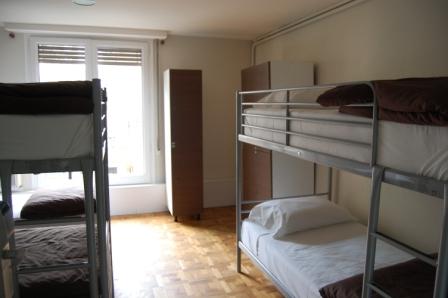
Tag: dorm

  • How to Prepare for the Dorm

    How to Prepare for the Dorm

    1. Write a list of the stuff you know you need. A good start can be found below

    * Bedding (sheets, comforter, pillows, mattress pad. A lot of colleges use Twin Extra Long mattresses which are a few inches longer than a regular twin. Do not skip the mattress pad; dorm room mattresses by themselves are not comfortable)

    * Toiletries (shower tote, towels, soap, shampoo, toothbrush, toothpaste, shower sandals, bathrobe)

    * Storage (under-bed plastic tubs, laundry hamper, drawers. Organizing your closet with a shoe rack or sweater organizer is always a good idea.)

    * Personal touches (posters, lamps, Christmas lights, knick-knacks)

    * Clothes (typically bring enough to last you three weeks without having to do laundry; you’re not going to want to do laundry every weekend. A wide variety is good as well so you’re covered no matter what the weather is doing. Remember to bring nice clothes you’d wear to a job interview because you never know if you’ll need to look snazzy.
    * Necessary miscellaneous (fan, alarm clock, refrigerator (optional), bedside lamp, clip-on shelf for your bed frame, laptop, laundry detergent, umbrella)
    2. Take this list to a trusted college graduate who can help you decide what you can do without.
    3. Start thinking about what necessities you need. Those necessities are; a couple pairs of shoes, clothes that are of a wide range (bring summer and winter stuff), shower and bathroom stuff, entertainment stuff.

    Tips

    * Wait until you have moved into your dorm before you begin buying a lot of things. You may find after you get there that that really cool organizer bin will not fit in the room, or the doors are not set up for organizers to be hung from them.

  • Why Choose a School Far Away From Home?

    Why Choose a School Far Away From Home?

    Discerning where to continue your education after high school is a major life decision. The first question to ask yourself is whether you want to stay home, close to the comforts of your current lifestyle, or if you are willing to take a bold step and move elsewhere. When you attend a university or college far from home, the majority of what you learn happens outside of the classroom.

    Maturity
    At a university or college far from home, you will be away from the watchful eyes of the parents or guardians who led you through high school. You will face new kinds of peer pressure and have the freedom to choose how to balance your social life with your school life. You will be free to stay out all night long celebrating on weekday nights with your friends and you alone will have to face the consequences of your actions.

    Sociability
    Moving away from home means you will have to temporarily leave your circle of friends behind during the school year. The distance will not only make you appreciate each other more, but it will also mean your classes will be filled with new faces, all of whom are potential new friends.

    Respect for others
    Whether the stranger you share a dorm room with becomes one of your closest friends or drives you completely crazy, you will still have the perfect opportunity to learn how to share a space with another person. You might discover you have a whole host of new pet peeves, but you might also learn quickly how to successfully deal with them.

    Health consciousness
    Establishing a healthy and balanced diet can be just as important for succeeding in post-secondary education as studying for your exams. If your new school provides an “all-you-care-to-eat” buffet-style meal hall, you will need to learn how to have discretion in your choices.

    Time-management
    Or perhaps you choose to cook for yourself. Sometimes you will have to squeeze in three classes, two labs, a trip to the grocery store and time to cook dinner all into a single day. And that’s before you hit the books and get through all the readings you will have to have done for the next day.

    The first year of post-education can be arguably much more difficult than later years because that is when students transition into their new lifestyles. The learning curve is sharp and the work load is heavy. Many first year classes act as introductions to topics so there is often a huge amount of daily readings and assignments for students to do. But always keep in mind that the harder a challenge is, the more satisfying it will feel to overcome it.

  • What to Bring to a Dorm

    What to Bring to a Dorm

    The summer break is coming to an end, and with it the coming of a new school year. For some, moving is an ample excuse for acquiring those “moving away jitters”, and for others, well, they probably can not wait to get out of their parents house and on to life in residence. Either way, youʼre going to have to pack some essential items for your stay. Here are some tips that will hopefully make that new house into a home.

    I donʼt know about you, but the first thing I think of when I get home is getting comfortable! Especially for those long days you just want to sleep in. Make sure you bring your most leisurely clothing and sleeping gear for your room. This includes pajamas, pillows, and blankets.

    If you are one of those “home bodies” that has to move away, bring something from your old room that reminds you of home. Getting homesick is quite common in the beginning weeks of school, so bringing a keepsake (as corny as that sounds) from your old house may help if you through that sometimes tough moving in phase.

    Personalizing your room should be your next priority. Make sure your room is a statement about yourself, even if that statement is an understatement. Dress it up using posters of your favourite movies, books, bands, and art. Bring your favourite books and records to share with your peers. Even display your own art! The point is, itʼs your room, feel free to express yourself in any way! Create a personal statement when your peers walk into that room.

    Have a hobby? One thing you will want to do while you are in your dorm is try and get your mind off that school pressure that grinds the best of our spirits down.

    Brining a small hobby to your room may be a healthy distraction for yourself. For example, playing an instrument like the guitar, or even something as obscure as knitting. As long as it is easy to bring along on the move up, donʼt think twice about bringing it.

    With the internet being an essential part of life now, bringing a laptop or personal computer is quite an obvious candidate for this list. In fact a laptop would be highly recommend over a computer tower. You can not only get work done in the comfort of your own room but also the portability of a laptop will allow you to take notes in lecture, and do work in your campusʼ library.

    If you are as paranoid and protective as I am, you may want to bring some kind of small lock or safe to keep important things in. Sometimes the life in residence can be rather open concept, (people walking in and out of your room when you are not there etc.) so knowing that things important to you are stowed away somewhere is just one more thing to do to put your mind at ease.

    The next and final two things you will need are essential: proper hygiene and manners. If you donʼt bring these two things to the table you may be in for a dismal residential experience. Make sure to keep not only yourself neat, but the place you live in too. Work with your roommates to keep your spot on campus neat and hospitable.


  • A Guide to University Housing Part 1: The Downside of Dorm Life

    No parents, co-ed dorms, constant partying and food whenever you want it; living in residence sounds like a blast! And it can be, but if you’re considering spending a year in the frenzy that is residence life take the time to weigh your options.  Below is part one of a series by Jobs People Do staff exploring the ups and downs, ins and outs of different university housing options.

    Part One: Residence Life is Not One Size Fits All

    Cramped, shared spaces, roommate personality clashes, questionable facilities, and non-stop parties at full volume make up the pool of common residence experiences that students either float through or drown in.

    In my first year of university, I sunk.

    The environment was too much to handle; I simply didn’t like the general atmosphere of my residence and regretted a lot of the choices that I made in living there. The place where you will spend most of your time in your first year of university deserves a lot of thought and careful consideration. There are several reasons why residence may not be for you, and important things to think about when making these vital housing decisions.

    Many students have difficulty transitioning from life at home to life on-campus because of their newfound independence and responsibility. It’s an entire lifestyle change, with no curfews, set meal times, et cetera. Life in residence is where social and academic lives converge, and the balance can be hard to strike.

    Because of the nature of the work and the necessary adjustment into this new lifestyle, do not be surprised if your freshman grades are lower than those you got as a high school senior. MacLeans Magazine calls this high school to post-secondary grade difference a “grade drop”, claiming that there’s a 14 per cent decline in the average student’s grade at this time.

    I did not think much about housing, I just checked off the most common boxes for a double room with a randomly assigned roommate. I had only been to the school once and I had never explored the residence buildings. Come move-in day, I realized that my belongings were being smushed into an old, run-down double room with a shared washroom like a bathroom stall and a busted heater.

    To prepare yourself for life in res, visit campus beforehand if possible, in person or otherwise. Most universities in Canada are also beginning to offer virtual online tours, where you can assess the sizes of the rooms and better understand the general atmosphere. If you like privacy, opt for a single room. If you fear anti-social connotations, try for a single room in a suite of single rooms, or take extra effort in befriending your floormates. As long as you are in residence you never have to be alone, but with a single room you have the option.

    Roommate pairing is very hit-or-miss, so be wary when it comes to responding to preferences on any streamlining survey offered. Also, try to give an honest report of yourself, especially when it comes to ongoing aspects like smoking and staying up all night.

    Rooming with friends you’ve known from well before university may seem like a good plan, but friendships are more commonly lost than strengthened through room sharing. If you and your roommate foresee troubles with your cohabitation, consider writing up sleep schedules or contracts to keep you both on track.

    If there are conflicts you have difficulty handling yourselves, there will always be options available for helping you change your situation. Making friends with your resident advisor or ‘don’ is always a good idea, as they will be your first stop for information about the school or housing policies. Visit the housing office on your campus or via school website. Be prepared to take action if necessary, by understanding where to look and who to see if things go wrong.

    Life in residence isn’t all bad, but it is a very serious decision. Considering all options and honestly assessing your wants and needs will help you on your way to your best possible post-secondary experience.
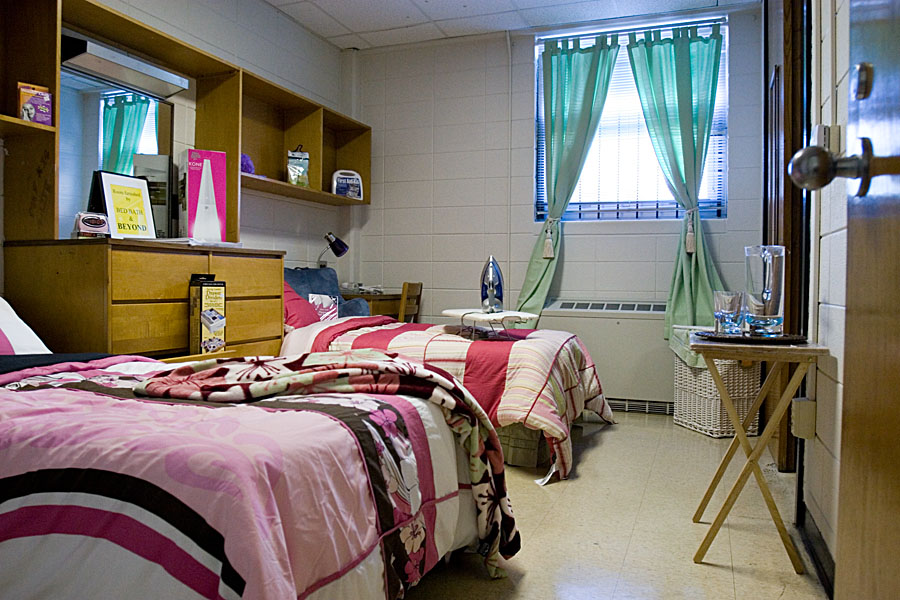

  • A Guide to University Housing Part 2: Life at Home

    For some, making the move between home and campus can be a difficult decision.

    Since I am the only writer here on the JPD team that has stayed at home while studying for my degree, I feel obliged to write about the benefits of the stay-at- home life. There are plenty of reasons to enjoy your education from your old stomping grounds

    Many people don’t enjoy school because of the intimidating and abrupt change in surroundings. Being able to start your new education in a place you are already comfortable and familiar with can help make the jump to college life a bit easier.

    Living on campus can be distracting when completing work becomes a priority. Although living in residence can be fun, the constant social climate is designed t0 better suit your partying agenda more than your academic one.

    “Staying at home definitely was a wise decision to keep my marks up, I was able to stay focused and didn’t feel the external pressure of friends and floor-mates wanting me to party all the time,” Mike Manojlovich, fourth year Brock University student confesses.

    Worried living at home will starve you of social interaction? Don’t be. There are plenty of ways to get involved while living off campus. Admittedly it takes a bit more initiative on your part to stay current on campus events while living outside of residence.  But if you are committed to staying current with your school’s campus you’ll find a plethora of extracurricular and volunteer experiences that will introduce you to a world of new people.

    Another advantage to staying at home is being close to family and friends.  This group of support individuals will be around to lend a hand when needed (and it will be) during your first year of post-secondary studies.

    Asides from the personal comforts of living at home, there are also financial comforts. This may be obvious, but living at home is far cheaper than staying on campus. You will cut down on the cost of housing and food, as well as other unpredictable expenses that come with living on-campus.

    Don’t knock a great school simply because it’s close to home. Remember that, for many people, an undergraduate degree is only step 1 in a series of post-secondary programs.

    Sometimes schools near home offer your ideal program. For graduate student Sandro Rocco, this was most certainly the case. Sandro stayed at home for his degree, and commuted to Niagara College for 3 years to complete his course in photonic engineering.

    “It was the perfect program for me, and as luck turns out it was no more than 30 minutes from my house,” Sandro commented. He mentioned that not many colleges have the proper equipment to teach the course in North America, so Niagara College was an obvious choice for him.

    “They also offered me tons of great scholarships!” he added.

    When it comes down to living on or off campus, you have to seriously consider which kind of university experience is right for you. As much as you will miss the “full fresh-man experience”, a sense of freedom, and a whole new level of self-dependence, you may want to stay home as an academic, financial, and lifestyle strategy for your first year of post-secondary education.

  • To live on campus or not, that is the question

    Do you enjoy meeting new people? How do you feel about studying with them – or even sharing your kitchen and shower with them? Welcome to the reality of resident student life.  Like many Canadian students on their way to attending college or university this year, you may be considering moving on campus for the convenience of being steps away from your classes and most importantly for a ‘richer’ student experience.


    Although you might have good reasons for wanting to move on campus, resident student life is not for everyone and making an informed choice is imperative in ensuring you’ve made the right choice for your own peace of mind.  “You have to be flexible and realize you will be around other people to make this work” says Fern Moran, former British Columbia Institute of Technology (BCIT) and University of Winnipeg (U of W) resident student. “Talking [with your roommates] about the things that come up without judgment is what makes it a good experience for everyone. If you’re not willing to do that, campus living is probably not for you”.  Although you will have less space and less privacy in a dorm vs. living on your own, one of the upsides is that it’s easier to get more involved and build a greater sense of community for yourself and your peers.  “Living on campus allowed me to participate in two campus clubs at BCIT that I would not likely have done if I were not living on campus. The same applied at U of W where I was part of a group that founded what became a faculty student association” says Moran. 


    Other than the obvious social aspects you need to also think about your finances. Which option is cheaper? Generally speaking, living on campus usually ends up being less costly than if you were living on your own, especially if a meal plan and daily cleaning service is included (one or the other usually are).  If you stay at home with your parents and are not asked to fork over any rent then your cheapest option would be to live off campus.  “Living with my parents…gives me more opportunity to save money and travel” says Simon Fraser University student Branka Parenta, 23. But if staying at home is not an option you can find out if you’re eligible for subsidized housing for students through your school or government social services. 


    As a young person who fiercely values their privacy and are seeking a greater degree of independence – and can afford it, you would be better off finding an apartment close to school on your own or with a roommate. But keep in mind that along with the hassle of initially having to look for a place, you’ll also have to worry about setting up your place (eg. study area, other furniture) and keeping up with parking, rent, utilities, cable and internet payments –  just to name a few.  All of these factors must be considered along with the degree of involvement you’re comfortable with. Also thinking about what sacrifices you are willing to make in that regard will help you determine if living on campus is right for you.

  • How to Prepare for The Dorm

    1. Write a list of the stuff you know you need. A good start can be found below

    * Bedding (sheets, comforter, pillows, mattress pad. A lot of colleges use Twin Extra Long mattresses which are a few inches longer than a regular twin. Do not skip the mattress pad; dorm room mattresses by themselves are not comfortable)

    * Toiletries (shower tote, towels, soap, shampoo, toothbrush, toothpaste, shower sandals, bathrobe)

    * Storage (under-bed plastic tubs, laundry hamper, drawers. Organizing your closet with a shoe rack or sweater organizer is always a good idea.)

    * Personal touches (posters, lamps, Christmas lights, knick-knacks)

    * Clothes (typically bring enough to last you three weeks without having to do laundry; you’re not going to want to do laundry every weekend. A wide variety is good as well so you’re covered no matter what the weather is doing. Remember to bring nice clothes you’d wear to a job interview because you never know if you’ll need to look snazzy.
    * Necessary miscellaneous (fan, alarm clock, refrigerator (optional), bedside lamp, clip-on shelf for your bed frame, laptop, laundry detergent, umbrella)
    2. Take this list to a trusted college graduate who can help you decide what you can do without.
    3. Start thinking about what necessities you need. Those necessities are; a couple pairs of shoes, clothes that are of a wide range (bring summer and winter stuff), shower and bathroom stuff, entertainment stuff.

    Tips

    * Wait until you have moved into your dorm before you begin buying a lot of things. You may find after you get there that that really cool organizer bin will not fit in the room, or the doors are not set up for organizers to be hung from them.

  • The Dorm: Your Home Away from Home

    The Dorm: Your Home Away from Home

    Almost every university or college has dorms for students to live in while going to school. Dorms come in all shapes and sizes with unique characteristics just like the people who live in them every year. Depending on your school, you probably had/have to fill out a questionnaire type sheet asking you things like your interests, how much time you expect to spend studying, whether you prefer quiet all the time or are comfortable with noise, etc. These sheets are the university version of eHarmony for roommates; based on your answers the school will match you up with someone they think will be a suitable roommate for you for the year. Sometimes it works brilliantly, and other times it might feel like there’ve been a few snags. Before you start panicking though, remember that your on-campus experience is going to be what YOU make of it!

    Here is a quick guideline to two styles of the university/college room:

    The double:

    The room houses two people of the same sex (I’ve never heard of any college or university in Ontario or even Canada having co-ed rooms). Your first day in the room with your new roommate might be an awkward dance of deciding territory – I’ve heard of people putting a line of tape down the middle of the room – or it could be the start of a brilliant bonding experience with your new roommate. As long as you don’t have any gross hygiene habits (you really should try making sure that your dirty underwear makes it to the hamper and not over by the stack of comics that your roommate worships) and don’t hang up any scary posters (it might be nice to ask your roommate what they think of Marilyn Manson before plastering him all over the room) then you should be on your way to beginning a healthy roommate relationship.

    The single:

    A room all to yourself – home sweet home! During my first year at Brock University, I lived in a single room in a five-floor building. The rooms were big enough to be comfortable and despite the concrete block walls, my floor mates and I managed to make our rooms fun and even visitor-friendly. Each person shared a bathroom with one other individual. The bathrooms connected two rooms and if you left both doors to the bathroom open, you and your “broomie” could walk back and forth between your rooms. This was especially handy during long night study sessions or hall parties (with 51 students on each floor of the building, it was pretty tough to jam them all in one room so sometimes a bunch of rooms would be open and your floor friends could wander between them and socialize.)

    The dorm is your home away from home, so be excited! Once you get over your first-year jitters, you’ll probably love on-campus college/university life. Check back for more campus life tips and guides in the future!