Tag: driving

  • Cells Phones and Driving Don’t Mix

    Cells Phones and Driving Don’t Mix

    Cellular phones – they went from being foot long-antenna esoteric devices to the necessity of the 21st century; after all, children as young as nine carry them. We depend on their everyday functions and applications. They’re organizers, alarm clocks and music players all in one; they’re almost as valuable as our wallets.

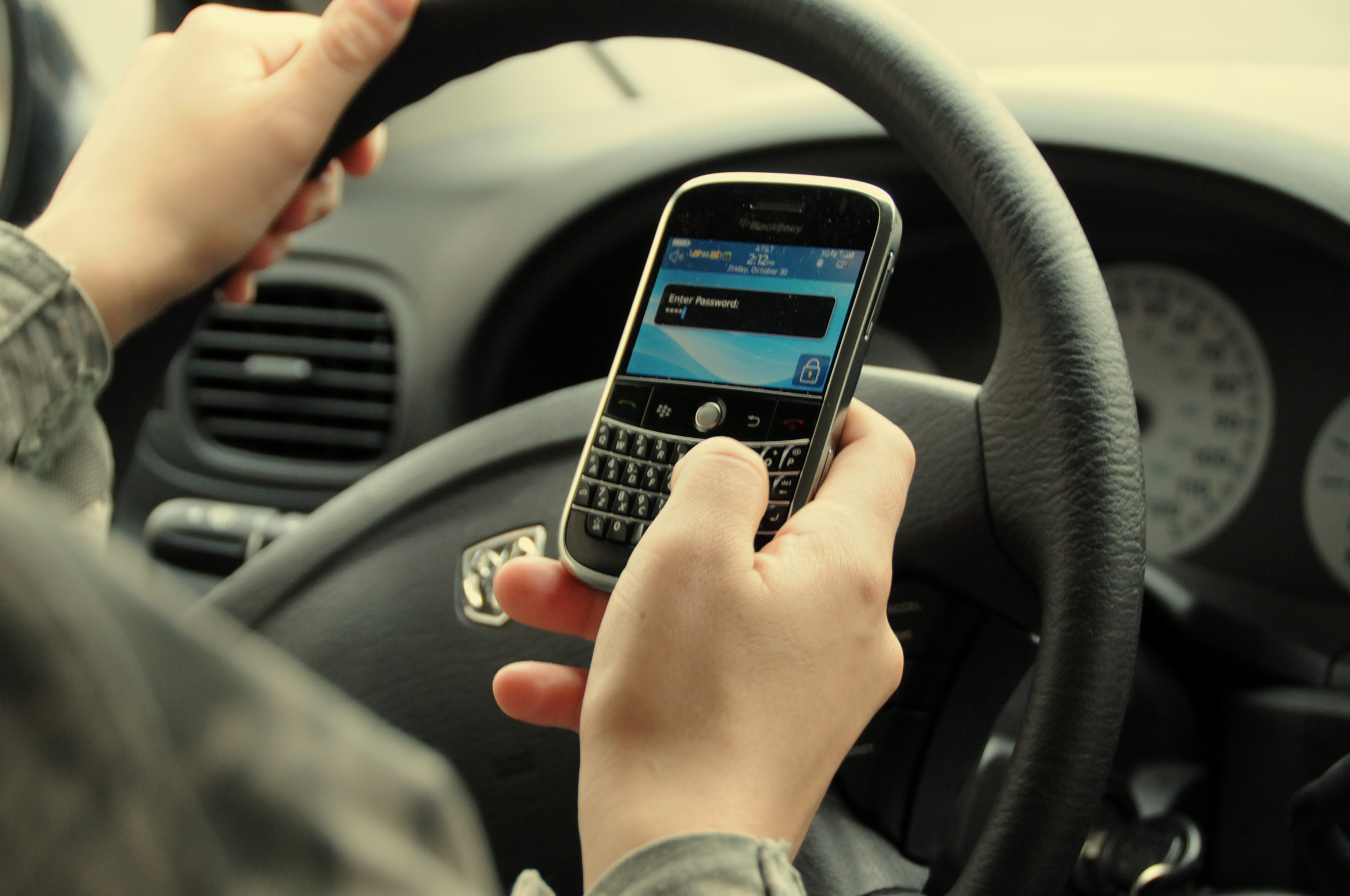
    Besides all of their positive uses, they can be quite a distraction and leave us absent-minded while driving. Cell phones cause up to 30% of highway collisions in Ontario. It isn’t only talking on a cell phone that is a distraction, either – texting while driving can often prove fatal.

    Talking and texting on cell phones has been categorized into what Centers for Disease Control and Prevention calls “distracted driving”. This means anyone who physically takes their hands off of the steering wheel or directs their attention elsewhere, such as to their cell phone, is a distracted driver. Consider this: over 196 billion text messages were sent in the U.S. with up to half of them being sent while driving. Unfortunately, this probably attributed to the 3,331 people who were killed in collisions that involved distracted drivers.

    Although there are alternatives to talking on the cell phone while driving, such as a Bluetooth headset, it is still equally distracting. As of 2009, Ontario implemented a cell phone law that carried a fine of $155 for anyone seen talking on a cell phone while driving. Other provinces have similar laws that carry fines up to $400 and demerit point as well.

    So it’s probably best if we keep our hands off of the phone and on the steering wheel. Not only will it keeps our roads safer, but it will keep money in your pocket. In case of an emergency, pull over to the side of the road to use your phone. Otherwise, keep it out of your hands until you’ve safely reached your destination.

    Stay safe and smart on the roads!
  • Put Down Your Cell Phone and Drive Safe

    Put Down Your Cell Phone and Drive Safe

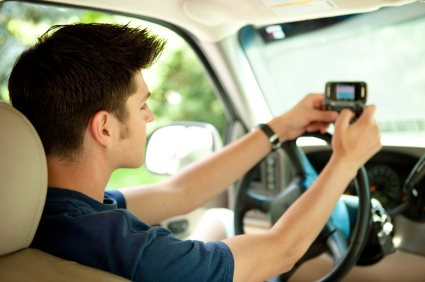
    You’ve finally convinced your parents to lend you their car and as you cruise down the highway on your way to your friend’s place, your favourite song comes on the radio. You sink back into the driver’s seat and think to yourself, “Life is good!” Then you hear your cell phone whistle like a little bird, perched on the passenger seat beside you. You check the road ahead and decide it’s safe to grab your phone with your right hand – just so see who sent the message. It’s your friend and she’s asking when you’re going to arrive at her place. Just a quick message back to her will be easy to send, especially since you’ve sent texts while driving plenty of times before.

    In the blink of an eye, you realize you’ve lost control. But it’s too late. Somehow between grabbing the phone and reading the text, your car drifted to the right just as another vehicle was fast approaching in the lane next to you. Your car slams into the driver’s side of the oncoming vehicle and you both screech down the highway into the meridian. Overcome by shock and then relief that you’re still alive, you fail to immediately notice that the car you just hit has two young children in the back seats.

    Distracted driving has become a national issue in Canada. That is why in every province, it is illegal to drive while talking on a cell phone and offenders can expect to pay more than $150 for breaking the law. Sadly, though, the consequences of distracted driving are far more serious than a steep fine.

    Car crashes are the number one cause of death for teenagers – who make up the largest proportion of distracted drivers. According to some statistics, texting while driving kills 11 teens every single day. And when young drivers have passengers with them in the car, the chances of a fatal accident increases up to five times.

    Driving is an enormous responsibility that requires careful attention even after a driver has gained years of experience. Even if you really are a skilled driver, there are many others with whom you share the road that you need to be aware of. Always remember that you are not invincible and distracting yourself while driving puts everyone around you at risk. Turn the volume on your phone off when you get into vehicle to drive so that you’re not tempted to use it, and always be an example to your friends. Being safe is actually pretty cool because it shows people that you value your life – and theirs.

  • Just Say No: Drinking and Driving

    Just Say No: Drinking and Driving

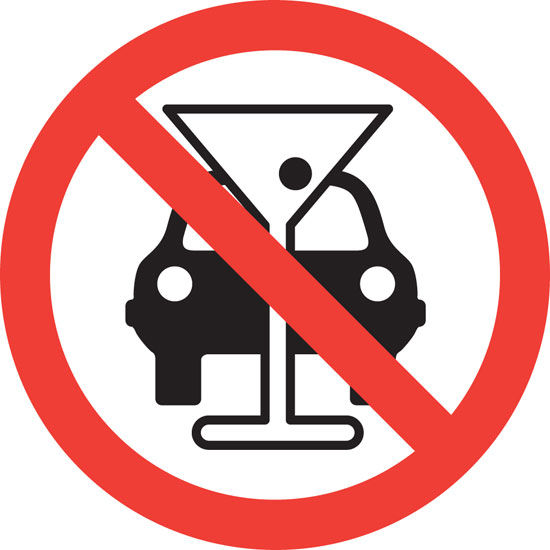
    You’ve heard it a thousand times: don’t drink and drive. You’ve seen all the ads sponsored by MADD – “Mother’s Against Drunk Drivers” – but you still get the temptation to pick up your keys after you’ve had a couple. Two reasons for drinking and driving are peer pressure and “feeling okay”. Knowing the ways that you can avoid drinking and driving will help you to be prepared next time.

    Sometimes we may feel pressured to drink and drive if we are responsible for getting a carload of people home. You may feel guilty that everyone has to spend money on a cab or to take the bus, or you may simply want to be helpful for your friends that night. Whatever your reason, you’ll want to be careful of what kinds of things your friends may throw at you. If they have been drinking, they may want to add to your existing feelings of guilt by telling you that you are a great driver, that you know what you are doing, that you always get them home safe, etc. If you have a history of drinking and driving and have decided to turn over a new leaf, you will probably be pressured even more so than others.

    Another reason you may find yourself drinking and driving is that you have convinced yourself that you are not “that drunk”. Your feelings when you are under the influence of alcohol are never an accurate appraisal of your ability to conduct coordinated behaviors like driving. We have all seen it – there is the guy at the party who thinks that he is just fine and then ten minutes later is passed out on the couch. This illustrates that how you feel and what you say are often not accurate or true. The best way to determine if you are okay to drive is to think about how much you’ve drank. Having two drinks is the limit if you have your G licence, otherwise you are not allowed to consume any alcohol and then drive. This means two 6 oz. glasses of wine, two 1.5 oz shots, or 2 bottles of beer.

    Strategies for escaping drinking and driving should include leaving your car at home if you know that you will be overly tempted to drive or getting a ride with a designated driver – someone who you know is very responsible and trustworthy. Another good approach is to take the bus or a cab. If all else fails and you have to drive, stick to non-alcoholic beverages, like pop and water.

    Having the ability to drive is a privilege and one that must not be taken lightly. Be responsible – your family and friends want to see you tomorrow!