
Tag: eating

  • Staying Healthy on a Student Budget

    Staying Healthy on a Student Budget

    As a student, you’re probably spending so much energy (and money!) on your education that you hardly have time to think about your health. However, unhealthy habits add up—whether it’s eating ramen for dinner for the fifth night in a row or the energy drinks you chug to keep you up after an all-nighter, your body will start to feel the effects soon enough. But what do you do when you’re strapped for cash from your latest textbook purchases? If you can’t afford a gym membership or buying your groceries at a health food store, the prospects of a healthy lifestyle may seem dismal to a student at first.

    Your health should be one of your top priorities, even when your schedule or your wallet may not suggest that. Besides the obvious physical benefits of a healthy routine, sticking to healthy habits will actually help you concentrate, remember information, and have the energy to keep going through those long days. Start small: there are inexpensive but effective ways you can watch out for your health as a student.

    Here are a few ways to stay healthy on a student budget:

    Pack smart. There’s room enough in your backpack for stuff besides your books. Carry a water bottle with you to stay hydrated, and pack some healthy snacks for study sessions (fruit or granola are great choices). You should also consider packing a healthy lunch if you’re spending all day on campus—that will deter you from spending your hard-earned money on those greasy food trucks parked in front of the library. (I know it is tempting…)

    Do your research. Even if you’re really strapped for cash, chances are there are opportunities for you to engage in healthy activities that you aren’t even aware you can afford. For example, are there coupons you could be using to get discounts at health food stores? Do yoga studios or gyms offer student discounts on certain days of the week? Know your options before you give up on your health just because your wallet leaves more to be desired.

    Take advantage of on-campus services. Many colleges and universities charge hefty student fees along with their tuition at the beginning of the year (which most students are less than ecstatic about). Instead of doling out your money without a second thought, take a look at the services that are offered to members of your post-secondary institution. Services like gym facilities, counseling, and clinics may be covered under your student fees.

    Compromise. Maybe you can’t afford all-organic goods or a luxury gym, but there are certainly ways to construct your own, alternate healthy patterns. Can’t find a treadmill or a personal trainer? Try running in the park instead (and download one of many exercise mobile apps available online). When it comes down to it, your health is your choice—if you really want to stay healthy, you’re going to find a way to do it that doesn’t involve breaking the bank.
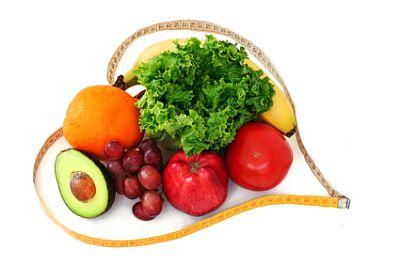

  • Everything in Moderation: The Balanced Approach to Healthy Eating

    Everything in Moderation: The Balanced Approach to Healthy Eating

    Healthy eating is important for reasons I’m sure you already know about: to keep your energy levels high and to allow your body to function at its peak. But eating well is just as important psychologically as it is physically and, from a mental health standpoint, it’s important to practice a balanced rather than an all-or-nothing approach.

    To me, “eating well” means focusing on whole foods, minimizing processed foods and consuming lots of fruit and vegetables. “Eating well” means choosing whole grains instead of white starch, and brown rather than white rice and pastas. It means eating a healthy and balanced breakfast, eating every 4 hours or so and staying well hydrated.

    What “eating well” does not mean is dieting, or staying away from anything containing sugar. “Eating well” doesn’t mean never eating dessert, and it definitely doesn’t mean not enjoying what you eat and using food as punishment. Thinking that you need to eat a perfectly clean diet with no treats whatsoever is dangerous, and can lead to disordered eating.

    Enjoying and indulging in treats once in awhile will not make a dent in an otherwise healthy diet. Rather, it will keep you balanced psychologically, and it will result in a healthier attitude toward food. Denying yourself the piece of cake you really want does not always mean that you’re disciplined; instead, it means that you’ll probably binge on it later and “start again tomorrow.” This can result in a vicious cycle; rather, be friends with desserts. If you really want to be healthy, have a little; if you’re still thinking about it and want to have some more, have some. Don’t get trapped into believing that having dessert means you aren’t eating well.

    You can also make healthy, unprocessed treats and desserts for yourself using natural sweeteners like honey and agave nectar. There are lots of websites with ideas for delicious and chemical-free desserts that will fuel your mind and body with clean energy. Just remember that, as important as it is to provide your body with the fuel it needs to work well, it’s equally important to enjoy the food you eat in order to keep your mind calm and balanced.

  • Learning to Cook!

    Learning to Cook!

    When you’re busy with essays, homework and final projects, sometimes you forget that there are great life skills that most schools do not teach. One of them is cooking. Whether it’s to cut down costs, to impress a date or just for your own amusement, cooking is something you’ll always be glad you learned.

    It’s easy to start – just pick a simple meal that you like. It can be anything: soup, spaghetti, mashed potatoes, eggs… You already know how to make a sandwich, but grilling some of the ingredients can make it extra tasty and once you know how to do it, it won’t take very long. If you’re feeling ambitious, pick your favourite meal and see if you can make it. Ask people for help. Someone in your family will probably love to give you a few tips and walk you through some recipes. If not, pick up a cookbook or find a recipe on the internet. It can be hard at first, but it can also be a lot of fun if you’re willing to learn.

    Whether you’re moving out for college this fall or you’ll be at home for another few years, now is a great time to start cooking. When you get to college, it’s expensive to eat out even if it’s just one meal a day. You can stay home and make Kraft Dinner all the time, but that gets old pretty fast. You’ll save so much money and feel a lot better if you learn to make things yourself. Once you know how to make a few meals, you’ll start to pick up some general techniques and you can start to substitute things and add the spices that you like. Before too long, you’ll start to have your own cooking style and specialties.

    If your cooking style involves more than peanut butter sandwiches, it will be a really great tool for impressing people. If you start dating someone who comes over to your house, think how stunned they’ll be with a casserole or a homemade soup or whatever else you want to make. And it doesn’t just work for dates! Every time you have a party, you can buy a bag of tortilla chips and some canned salsa or you can make your own salsa and guacamole. There’s nothing wrong with canned salsa, but it’s a great feeling to have people eating and complimenting something you’ve prepared yourself.

    The best reason of all to learn to cook is that it can be a lot of fun! You might set off the fire alarm once or twice and that’s always stressful, but it will be worth it. It’s easier to get going now when you have the time to learn than to get thrown into an apartment one day with a pan and no idea what to do with it. So just start making something you like. Offer to barbeque for your family or work on perfecting a batch of cookies. Once you start to cook, you can only get better!

  • A College Students’ Guide to Smart Foods

    A College Students’ Guide to Smart Foods

    With Halloween fast approaching, it is more tempting than ever to indulge in candy and sweets – especially when they all go on sale November 1 so stores can make room for Christmas stock! So how can you avoid these temptations and ensure you keep up your energy with healthy foods?

    I once had a math teacher who would tell us about his college days – the mistakes he made, his strange professors, and, what stood out the most, his diet. He consumed Pop Tarts and Coke every day for a whole year! Though it is a fast and delicious choice, you would not be doing yourself any favours. College is a whole new world for everyone. If you are dedicated, you will have little time and energy to make healthy meals like the ones we’d get at home. Here are a few quick and easy tips to boost your energy levels and stay healthy as a busy college student.

    1. Morning Banana: Holy benefits, Batman! Bananas are packed with nutrients and vitamins everyone can use. They are a natural mood booster, protect your eyesight (due to the combination of vitamin C and carotenoids), aid your digestion and keep your bones healthy. Smoker? Bananas can help! Bananas contain vitamins B6 and B12 as well as potassium and magnesium which help the body recover from the effects of nicotine withdrawal. In the stressful life of a college student, our body’s potassium levels will drop as the stress goes up. Bananas are a great, natural way to re-balance your potassium levels. It’s Bananas!

    2. Nut case: With monounsaturated fat, vitamin E, folic acid, magnesium, copper, protein and fiber, nuts are rich in antioxidant phytochemicals. Nuts are generally high in protein and therefore a great snack for hungry, on-the-go college students. Try almonds, walnuts and pecans (avoid the ones drenched in sugars and salt!). Choosing a cereal containing nuts is also a great way to bust hunger.

    3. Hello Blueberry! Blueberries improve memory, motor skills and reverse age-related declines in balance and coordination. Add a few brainberries, I mean blueberries, to your daily diet to keep your mind sharp and clear all year!

    4. Hot Cocoa! A study from Cornell University showed that two tablespoons of pure cocoa powder has almost two times the antioxidant power of red wine, 2-3 times the power of green tea and 4-5 times the power of black tea. The antioxidants in hot cocoa protect brain cells from “oxidative stress” that can lead to Alzheimer’s disease and other disorders. So warm up a cup of cocoa, snuggle up and STUDY!

    Stay away from greasy junk foods that drain your energy and ultimately do you no good. Try making your own meals or packing healthy snacks. If you find yourself eating in a cafeteria, try to choose something like a salad or wrap with veggies. Pizza, burritos and hot dogs are not your friends. Good luck and stay smart!