Tag: energy

  • Renewable Energy – A Trade for the Future

    Renewable Energy – A Trade for the Future

    Are you seeking a future-centric career? Looking to make a difference in the world? Want to join an industry destined to flourish significantly within your lifetime?

    With a growing awareness of the negative impacts humans have had on the environment, the increasing concern of environmental problems such as global warming, and the fight to preserve and find alternative ways to sustain the environment and human life, the renewable energy sector provides many opportunities for a rewarding career.

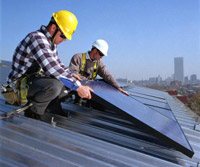
    As more alternative energy options are unveiled, more positions within the renewable energy sector are becoming available. Perhaps you’ll be the person responsible for energy audits, a technician working on solar panels, a designer of wind farms, or working to promote more sustainable building practices. The opportunities are endless and will continue to grow thanks to government initiatives to improve energy practices.

    In 2009, Ontario introduced a Green Energy Act, which was committed to promoting and supporting green energy projects and supporting energy efficiency province-wide, joining in a worldwide initiative to move toward renewable practices.

    The Ministry of Energy has also introduced many incentive programs, including tax rebates, to encourage Canadians to make energy updated to their homes. This could include installing solar panels or wind turbines, geothermal heating or cooling, and more.

    As the renewable energy sector grows, more programs are being offered at post secondary institutions throughout the province and country. Programs are for energy technicians, renewable energy technicians, sustainable building construction, sustainable agriculture, wind turbine technicians and more.

    If you’re looking to explore a rewarding career with opportunities for further growth, development and innovation, then a renewable energy career is perfect for you.

    Depending on the type of renewable energy career you’re interested in pursuing, there are apprenticeship, diploma, and degree opportunities available to suit your wants and needs. The opportunities are endless.

  • Renewable Energy – A Trade for the Future

    Renewable Energy – A Trade for the Future

    Are you seeking a future-centric career? Looking to make a difference in the world? Want to join an industry destined to flourish significantly within your lifetime?

    With a growing awareness of the negative impacts humans have had on the environment, the increasing concern of environmental problems such as global warming, and the fight to preserve and find alternative ways to sustain the environment and human life, the renewable energy sector provides many opportunities for a rewarding career.

    As more alternative energy options are unveiled, more positions within the renewable energy sector are becoming available. Perhaps you’ll be the person responsible for energy audits, a technician working on solar panels, a designer of wind farms, or working to promote more sustainable building practices. The opportunities are endless and will continue to grow thanks to government initiatives to improve energy practices.

    In 2009, Ontario introduced a Green Energy Act, which was committed to promoting and supporting green energy projects and supporting energy efficiency province-wide, joining in a worldwide initiative to move toward renewable practices.

    The Ministry of Energy has also introduced many incentive programs, including tax rebates, to encourage Canadians to make energy updated to their homes. This could include installing solar panels or wind turbines, geothermal heating or cooling, and more.

    As the renewable energy sector grows, more programs are being offered at post secondary institutions throughout the province and country. Programs are for energy technicians, renewable energy technicians, sustainable building construction, sustainable agriculture, wind turbine technicians and more.

    If you’re looking to explore a rewarding career with opportunities for further growth, development and innovation, then a renewable energy career is perfect for you.

    Depending on the type of renewable energy career you’re interested in pursuing, there are apprenticeship, diploma, and degree opportunities available to suit your wants and needs. The opportunities are endless.

  • Staying Awake Without Caffeine

    Staying Awake Without Caffeine

    You’re busy, you’re stressed and you hardly have time to eat let alone get a good night’s sleep. When term projects and exams are weighing you down, your first thought might be to reach for that double shot latte or an energy drink with a slew of unpronounceable ingredients stamped on the side of the can. At eight in the morning right through to midnight, caffeine is our crutch that is guaranteed to keep us awake. However, too much of a good thing, especially when it comes to caffeine, can be problematic. To help you ease off the espressos, here are a few ways to stay alert and awake the caffeine-free way.

    Exercise
    It’s a classic. Doctors have been telling us this for years, but some of us have neglected to heed their advice. Exercise, particularly anything that involves the cardiovascular system, is a great way to get fresh, oxygenated blood pumping through your brain. If you’re short on time, try a flash card routine with some weights or listen to an audio recording of a lecture while going for a run. Even a five minute jumping jacks session between revising chapters can do the trick.

    Break up your meals
    Breakfast, lunch and dinner – it’s a routine to which many of us stay faithful. However, eating larger meals less often can have destructive effects on our energy levels. Digestion requires energy; The larger the meal, the more energy is needed and depleted from your reserves. Breaking up meals into four or six smaller portions can vastly improve your energy levels, keeping you alert and able to studying for longer.

    Cat naps
    Getting sleepy? Take a nap! Sleep cycles aren’t as cut and dry as most people think. Some of the most effective sleep routines involve taking a nap at regular intervals throughout the day to boost productivity. Though intriguing, for a student constant nap taking is probably not an option. But there are some tips to glean from those sleep cycles! When your body needs rest it will let you know and sometimes the only thing left to do is listen to it. A ten minute nap may be all the rest it needs to get back on track. If you choose this option, remember to set an alarm without a snooze button! Ten to twenty minutes should do.

    Apples
    They can do more than just keep the doctor away. If you’re having trouble getting by without a caffeine boost, try snacking on an apple. The dose of natural glucose will help pick you up the same way a chocolate bar or gummy worms might give you a sugar rush. But an apple’s natural sugars and fibre content make it a much healthier option.

  • An Energy Plan Must Be About More Than Just Energy

    An Energy Plan Must Be About More Than Just Energy

    Feeding our energy appetite is top of mind for many people these days. Some argue we should get coal, oil and gas out of the ground as quickly as possible, build more pipelines and make as much money as we can selling it here and abroad. Their priorities are the economy and meeting short-term energy needs so we can live the lives to which we’ve become accustomed.

    Many others question those priorities. Do we gain comfort and happiness by driving inefficient automobiles, buying and scrapping and then buying more stuff that we must work harder to pay for, and selling resources to enrich the fossil fuel industry and to allow other countries to follow our unsustainable path?

    Some governments and industry favour the short-term view. But it’s a “false economy” — it will cost us more in the long run. What about our children and grandchildren and their children and grandchildren? Do we not want them to live healthy and happy lives? If we pollute the air, water and soil that keep us alive and well, and destroy the biodiversity that allows natural systems to function, no amount of money will save us.

    While rushing to exploit our valuable and diminishing fossil fuels, Canada’s government is simultaneously “streamlining” environmental regulations and review processes, cutting scientific staff and departments and limiting public debate on projects that could irreparably damage our rich natural heritage. Some provinces are attempting to water down hard-won environmental laws, like endangered species legislation, that act as a critical hedge against environmental degradation.

    The federal government is also neglecting its legal obligations to protect species at risk. Ecojustice, on behalf of five conservation groups including the David Suzuki Foundation, recently launched a lawsuit to challenge the government’s multi-year delays in producing recovery strategies for species that would be affected by the proposed Enbridge Northern Gateway project.

    If we don’t slow down and try to look at ways out of the mess, energy issues will continue to increase, like the Hydra of Greek mythology. With pipelines, the main issue is rapid tar sands expansion. But other massive energy projects are also coming down the pipe — from huge dams, like the Site C in northern B.C., to proposed drilling for oil and gas in the Gulf of St. Lawrence and the Arctic. To what end?

    Not only are fossil fuel companies making record profits, they’re being subsidized by Canadian taxpayers to the tune of $1.4 billion a year. Instead of giving them money, shouldn’t we be compelling them to put at least a small portion of their enormous profits into reducing the massive greenhouse gas emissions they cause?

    A large part of the problem is that we are increasing our fossil-fuelled ambitions at breakneck speed in the absence of a national energy strategy. No one seems to know where we’re going, but the end of the road is looming, and it might lead to a steep drop. We’re already harming precious ecosystems and are ready to put even more at risk without having an idea of the often irreplaceable value they represent. With climate change and its impacts, along with deforestation, pollution and increasing urbanization, we’re condemning millions of people to lives of poor health, desperation and even death.

    Still, we’ve also created much that is good. We have political systems that encourage public debate and access to information. There are politicians and industry leaders who have joined countless citizens, First Nations, and environmental, labour and social-justice organizations to question current policies and actions. We have science, medicine and technology that have allowed many of us to live longer. We need to find ways to reconcile our existence with the limits of our finite planet.

    What Canada really needs in the short term is a national energy strategy — one that goes beyond fracking and tar sands and pipelines to take into account these many other factors, including wiser use of fossil fuels. It must help us make the transition from our wasteful addiction to polluting and ever-diminishing fossil fuels to conservation and renewable energy. Globally, we need to shift from the outdated 20th-century notion of measuring progress with gross domestic product to a development paradigm that takes into account well-being and happiness, and that accounts for nature’s valuable services.