Tag: hairdressing

  • Hairdressing – Beauty as a Trade

    Hairdressing – Beauty as a Trade

    Hammer, screwdriver, wrench, scissors, shampoo, styling product – on the outside, a career in hairdressing shares little with a career in engineering or construction, yet they’re more similar than one would think.

    Often, when thinking about careers in the trades, the first thought is to the construction, industrial, or automotive industry. In fact, many service-based careers such as chef, child and youth worker, special events coordinator, and hairdresser are also considered skilled trades. Through on-the-job training and in-class sessions, you can become a certified hairstylist.

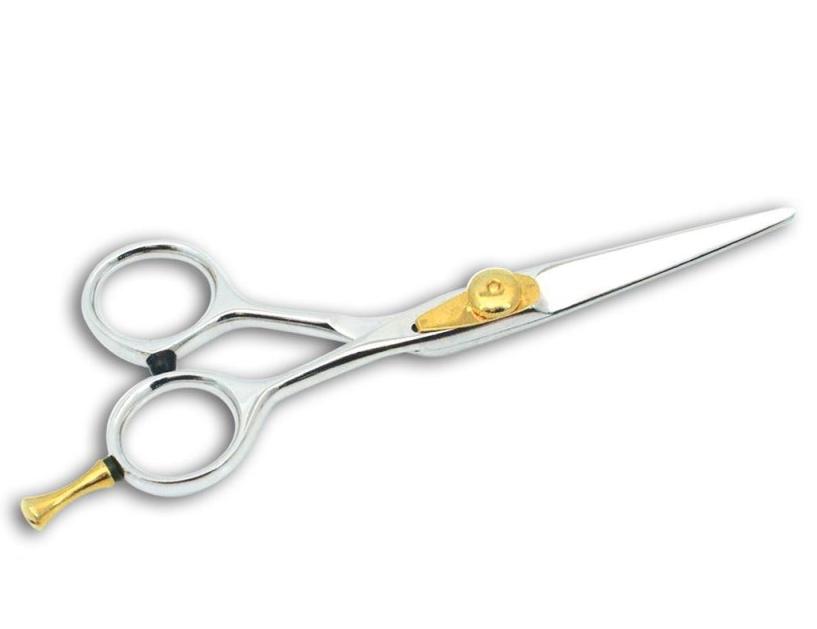
    Similar to a construction worker, a hairdresser prepares their work area with an array of tools including scissors, razors, combs, curling iron, and other specialized apparatus to accomplish different styles and techniques. With training, this equipment can be used to meet clientele needs, whether it be a quick trim or a full make over.

    A position in hairdressing is much more than just styling and beautifying clients. A hairdresser can also be responsible for the training or supervision of other stylists and assistants. Hairdressers are often business-minded individuals; often completing administrative tasks such as record keeping, supply ordering, and salon upkeep.

    A career as a hairstylist fits into the service sector in the Ontario College of Trades, requiring those interested in becoming a hairdresser to earn a Certificate of Qualification through apprenticeship training and examination.

    With individuals always seeking to invest time into looking good and feeling good, there is always a demand for hairstylists. Hairstylists can find work in this high-demand career working for beauty salons, hotels, and hospitals, or working in an at-home salon.

    While contemplating future career options, it’s important to investigate all opportunities available. Many may skip over the skilled trades assuming there aren’t any opportunities suited to their needs; when in fact there are plenty of opportunities within the skilled trades for creative, business-minded, driven individuals seeking a rewarding, high-paying career in a secure industry.

    From construction to automotive to the beauty-inspiring, service-based industry that includes hairdressing, there’s a career in the skilled trades for you.


  • Interview with a Hairdresser

    Interview with a Hairdresser

    Fashion is a huge industry worldwide. People care about how they look, so they turn to professionals to give them exactly what they’re asking for. One such profession that benefits from making people look good is that of hairdressing. I interviewed a local hairdresser, Sarah Hearsey, about her schooling, professional opportunities, and how it feels to be in the business.

    M: When did you decide to become a hairdresser?
    S: I decided to become a hairdresser in the middle of my aesthetics training. I saw what the girls in the hairstyling class were doing, and I figured that since I was there already, why not do hairdressing as well? It turned out to be just what I wanted to do in the end. I do cuts and colours more than I do anything else now.

    M: How much schooling did you go through before becoming certified?
    S: Well, I was about five months into my aesthetics course as I mentioned before. I took my teachers aside to discuss doing the hairstyling course and they agreed that it was an excellent idea. The total time that I was in school was nearly two years because I had to make up lost time due to illness.

    M: With your qualifications, where are you able to get hired?
    S: With all of the qualifications I have, I can work in salons, kid’s salons, barber shops, makeup stores, and makeup counters.

    M: Would you say that getting a job in a salon is the best way to go, or can a freelancer make just as much?
    S: I think that it depends on if you want to do hair every single day. I find freelancing better for me because you can make up your own hours and wages, and you aren’t really under a time restriction like you would be in a salon. It depends on the individual.

    M: What are some other benefits of freelancing over working in a salon?
    S: Another perk of freelancing is that anything you make goes into your pocket. Honesty is important in this respect because you have to write down everything you make if freelancing is the way you are going to go.

    M: How do years of experience relate to the amount a hairdresser can charge for their services?
    S: I think that because they [experienced hairdressers] have been in business longer than those who are newer, they become more trusted with their employers and clients. They will get more clients so I believe that raising their wage by year seems fair.

    M: What is the best thing about having this trade under your belt?
    S: The best thing about being a hairdresser is all the types of people you work with. You make them feel good about themselves. They leave with a smile on their faces and they play with their hair and say, “I love it and I can’t stop touching it!” It’s a good feeling.

  • Hairdressing – Beauty as a Trade

    Hairdressing – Beauty as a Trade

    Hammer, screwdriver, wrench, scissors, shampoo, styling product – on the outside, a career in hairdressing shares little with a career in engineering or construction, yet they’re more similar than one would think.

    Often, when thinking about careers in the trades, the first thought is to the construction, industrial, or automotive industry. In fact, many service-based careers such as chef, child and youth worker, special events coordinator, and hairdresser are also considered skilled trades. Through on-the-job training and in-class sessions, you can become a certified hairstylist.

    Similar to a construction worker, a hairdresser prepares their work area with an array of tools including scissors, razors, combs, curling iron, and other specialized apparatus to accomplish different styles and techniques. With training, this equipment can be used to meet clientele needs, whether it be a quick trim or a full make over.

    A position in hairdressing is much more than just styling and beautifying clients. A hairdresser can also be responsible for the training or supervision of other stylists and assistants. Hairdressers are often business-minded individuals; often completing administrative tasks such as record keeping, supply ordering, and salon upkeep.

    A career as a hairstylist fits into the service sector in the Ontario College of Trades, requiring those interested in becoming a hairdresser to earn a Certificate of Qualification through apprenticeship training and examination.

    With individuals always seeking to invest time into looking good and feeling good, there is always a demand for hairstylists. Hairstylists can find work in this high-demand career working for beauty salons, hotels, and hospitals, or working in an at-home salon.

    While contemplating future career options, it’s important to investigate all opportunities available. Many may skip over the skilled trades assuming there aren’t any opportunities suited to their needs; when in fact there are plenty of opportunities within the skilled trades for creative, business-minded, driven individuals seeking a rewarding, high-paying career in a secure industry.

    From construction to automotive to the beauty-inspiring, service-based industry that includes hairdressing, there’s a career in the skilled trades for you.