
Tag: hairstylist

  • Career Profile: Hairstylist

    Career Profile: Hairstylist

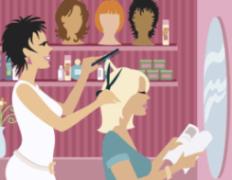
    Hairstylists shampoo, cut, style and chemically treat hair. They may also provide other services such as scalp treatments and hairpiece services. In some jurisdictions, hairstylists may also provide additional services such as basic natural nail services, basic facial care and ear piercing.

    To be a successful hairstylist, one must incorporate technical and interpersonal skills. Continuous personal and professional development and client retention are crucial for long-term success. Hairstylists may recommend styles based on trends, clients’ physical features and lifestyle. Critical thinking, questioning and listening skills are important to serve their clientele. Depending on the workplace, recommending and selling hair and skin products may be done by the hairstylist.

    Hairstylists may work in hair salons, spas, barber shops, schools, hair replacement clinics, health care establishments, hotels, and in the cruise, fashion and entertainment industries. With experience, hairstylists may move into other positions such as salon managers, owners, fashion consultants, educators, platform artists and product sales representatives. Salons may specialize in services to either women or men, or both. Hairstylists may be remunerated through salary, commission, a combination of salary and commission or chair rental agreements. Some hairstylists work out of their residences where by-laws allow.

    Hairstylists work with various tools and equipment including brushes, combs, shears, clippers, razors, hair dryers and thermal irons. They own most of their tools and must keep them sanitized, disinfected and maintained.

    Some hairstylists specialize in areas such as cutting, hair extensions and chemical services. In addition, diversity across Canada requires specialization in ethnic specific services.

    Hairstylists work in clean environments, though the chemicals that they use may irritate their skin and produce strong odours and fumes. Some physical considerations of this trade are long periods of standing, posture fatigue and repetitive motion. This may result in repetitive strain injury, back and foot pain, although ergonomic considerations may reduce these effects.

    Key attributes for people entering this trade are: communication skills, personal interaction, coordination and manual dexterity, stamina, colour vision and depth perception. Respect, professionalism, teamwork, tact, discretion and creativity are important personal qualities. To keep current with trends and styles, hairstylists need to update their skills through trade shows and other educational venues. They must also understand and implement personal and public hygiene procedures to maintain workplace health and safety.
  • Career Profile: Hairstylist

    Career Profile: Hairstylist

    Every day, you brush your teeth and wash your face. You eat your meals, go to school, maybe play some sports or go to a music lesson. Maybe you even have a routine of activities that you do each month or every two months. If you’re like most people, at least every month or two, you go to visit a tradesperson. That tradesperson is not an electrician or a plumber or any of the jobs that people think of when they talk about the trades. This is the person who cuts and styles your hair – most often known as a barber, hairdresser, or hairstylist.

    Training as a hairstylist is similar to other trades training. In Canada, people who want to become hairstylists have to complete high school or have an upgrading certificate like a GED. After that, they can either go to a college where they learn the techniques they need to know or go through a two- or three-year apprenticeship where they learn on the job. Once they finish this training, or if they have enough experience without it, they can apply for a license to practice their trade.

    Once they have their training and licences, hair stylists can begin to work. People working in this field go by many different names. They can be called barbers, hairdressers, or hairstylists if they spend most of their time dealing with hair. Cosmetologists deal with hair, skin and nails, although they often specialize in a particular area (such as keeping fingernails and toenails healthy and looking good). Believe it or not, someone who helps prepare the bodies of people who have died might be called a mortuary beautician. As you can see, there is a wide range of careers within this field!

    Like any other type of work, a job as a hairstylist has both good and bad points. The career is good for anyone who likes to be with people, since it involves dealing with customers all day. It usually involves a lot of standing, which can be tiring, and the workload can vary a lot from day to day. Many hairstylists also answer phones, book appointments, and keep track of payments. Unless they join an already established shop, they need to find a place to work and then to buy the tools of the trade: scissors, chairs, shampoos, lotions, and anything else they normally use. With advertising and a few good customers, becoming successful is possible.

    Generally, hairstylists can do fairly well once they become established. In 2010, the average salary was about $25,000 a year, although people in management positions made more. If you love to help people look their best and enjoy one-on-one customer service, becoming a hairstylist might be the right career for you!