
Tag: mental illness

  • Surviving Depression

    Surviving Depression

    I was three months into university when it happened. At some godforsaken hour of the night, staring into the bathroom mirror, my body heaved into a fit of tears. That may sound like melodrama, but depression will do that to you. After all, the condition is inherently absurd – my grades were high, my family as wonderful as always, and my future bright. Being unable to pinpoint a reason for my sadness merely amplified it.

    I withdrew from family. My social anxiety made it impossible to make friends. I grew stagnant, unwilling to seek help. It was not until after university, when my emotional pain threshold was hit, that I sought a doctor. Even then, I jumped from one medication to another, job to job, all while enduring one sleepless night after another. With fewer opportunities and greater dependence on alcohol, I reached my lowest point. Some people begin to improve before that. Then again, others never improve at all.

    I remember sitting in the tiny doctor’s office while he thoroughly examined by personal and family history. It was a whirlwind. He made it clear that it was an illness, and not one that simple goes away overnight. It is something I have to be diligent about for the rest of my life.

    Depression is a mental condition. To be even more direct, it is an illness, no different from any other. A physical malady unlike the rest, as it is one that is shrouded in cognitive dissonance. We struggle to see the brain and the body as one cohesive unit. This divide between the physical and the mental makes it hard to see depression for what it is. It is an illness. It can be treated. It can be cured.

    Getting help took many steps, and those are steps I am still taking. They are a mix of therapy, medication, socializing, eating well, exercising, and more. A potpourri of positive behaviour that was a far better concoction any mix of drugs and drinks could muster up. What has been important to remember is that they all work in tandem – not one of those aides would help me on their own.

    Every sufferer has a different story to tell. Your struggles with mental illness may be better or worse than mine. Regardless, it is important to share your story. Not everyone will understand, nor do they have to. Yet it is vital for people to know they are not alone, and that it can get better.

    If I could only offer one piece of advice, it would be this: There are many steps you can take to tackle depression, but the most important thing of all is to take steps. Even if you have no clue whatsoever what you are doing, just make a doctor’s appointment, call a friend, start exercising. Stagnancy is depression’s breeding ground. Any positive action is a step in the right direction.
  • Thriving with Anxiety: Where does it come from, and what can I do about it?

    Thriving with Anxiety: Where does it come from, and what can I do about it?

    You are sitting in class. The clock ticks. Then it hits you: Your heart runs wild and beads of sweat run down your forehead. Anxiety comes hard and fast, but with reportedly one in five teens suffering from it, you are far from alone. Yet so many of us still see it as a crippling weakness, as something they have to hide.

    We live in a world of competition. Students compete for the honour roll. Graduates compete for internships and jobs. Even friendship and dating is a competition to be selected as a friend or romantic partner. Anxiety can hurt your grades, your work opportunities, and social interactions. So how did humans end up with such a burdensome trait?

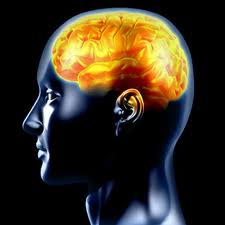
    There is a specific part of the brain that handles anxiety called the amygdala. It may be hard to pronounce, but all you need to know is that it is a very small part of the brain that handles strong emotions like fear, anxiety, and aggression. The amygdala focuses on survival in the face of danger, and was essential to our evolution as a species. The problem is that it overrides other emotions and bodily functions. This makes sense when a predator is chasing you, but not when sitting in a classroom.

    We evolved to associate certain sounds, like the roar of a predator, with danger. We would know when to be scared and to run away. When that same mechanism associates certain sounds and sights with anxiety, it creates phobias that we struggle with. A traumatic event like a failed test can trigger this, and cause you to fear tests far more than is healthy. Anxiety was a useful tool for survival that is trying to adapt to a modern society very different from the world in which we evolved.

    In that problem lies the solution: The very nature of evolution is the idea of change. You are not doomed to have anxiety forever. Therapy can make a huge difference. This is nothing to be ashamed about, and is no different than getting treated for a papercut. The brain is a physical organ, and needs to be cared for and receive treatment just like any other part of the body.

    Find your triggers. Whenever anxiety strikes, grab a pen as soon as possible. Write down the time and place, what was happening, and what thoughts went through your head. By keeping a log, you will find patterns that are hard to spot in the midst of an anxiety attack. When in a calmer state, you can write responses to these moments and thoughts, challenging them using a calm and rational state of mind. This is a component of cognitive behavioural therapy, which emphasizes the importance of thoughts and how they influence moods. By looking at anxiety as something that can be treated, you can begin working on the bandage that will make it better.

    Sources:
    AnxietyBC. Parent and Child.
    http://www.anxietybc.com/parenting/parent-child

    The Doctor Says. Where does anxiety come from?
    http://www.thedoctorsays.com/anxiety/where-does-anxiety-come-from/

  • I’m Afraid my Mental Illness will Hold Me Back…

    I’m Afraid my Mental Illness will Hold Me Back…

    I can’t stress enough how crippling it is to have a mental illness. The stigma surrounding it doesn’t help either, especially with admitting you have one or even seeking help to get better.

    When it came to my first year of university, I did not acknowledge that I had a mental illness. I went through the motions and got terrible grades, convincing myself it was all in my head and that I would make it on my own, which made things worse. I never told anyone why I needed to stay at home sometimes and couldn’t speak to anyone and I felt ashamed because I stayed at home to begin with.

    Second and third year hit and that was when things really started to get bad for me. I had to take a leave of absence, for reasons unknown to me at the time. When I finally got into therapy I realized that it was because I was depressed. Coupled with anxiety and OCD, I had to leave school and work through the rest of my year feeling like I had let everyone down.

    But everyone was very supportive. My professors told me there was nothing wrong with taking some time off, and some of them even told me that they had gone through depression themselves and understood completely my need to leave. My friends stood by my side and not one of them told me what I had feared they would: that I was a failure.

    Your mental illness will, if it hasn’t already, keep you from doing the things you want to do once in a while. You won’t feel like leaving the house or you’ll get very emotional or you’ll just feel like the pressures of keeping good grades and a social life going is too much to handle.

    I think something no one told me was that it was okay to leave school. So many of my friends told me how they wished they had taken a year off rather than continue and let their grades suffer or feel like their mental health was suffering.

    But, if your mental illness precludes you from doing certain things, that’s okay. If you can’t give a presentation because of your anxiety or you can’t write essays on time or you need someone to take notes for you, it’s okay. There are places on campus to help with accommodations for you and there’s nothing wrong with cashing them in.

    If you ever feel like your mental illness has stopped you from doing anything then you need to speak to someone so you can have someone to talk to, to dispel all the negativity that you’ve failed. If you need to take time off, do it. If you need more time to finish something, ask your professors. It’s normal to need some time for ourselves, especially if you have a mental illness, and there are so many people who are willing to accept that and help you with what you need; don’t be afraid.

  • Addictions: Everyone and Everything

    Addictions: Everyone and Everything

    News and stories on addiction seem to be everywhere, on T.V, in the paper/magazines and in books- even you may have an addiction to something. Overall, addictive behaviour in humans is common, no matter what the medium. Now, an addiction can be bad or really bad, since having too much of one thing is never healthy. Most people do not even realize they have and addiction to something because they may not want to realize they are addicted to something. It is sometimes difficult for someone to admit they are addicted to something. This takes time and support from others in order for the person to realize how bad their addiction really is.

    When we hear about someone being addicted to something, 9 times out of 10 we assume the addiction is to drugs; cocaine, prescription drugs, heroin, etc. However, the addiction does not always need to be a drug in that instance. You can be addicted to anything; video games, TV, candy, even people. A person can become addicted to caffeine or painkillers that you buy over the counter just as easily, and can be hidden from others, also. So when you watch My Strange Addiction, the people on that show really do not have an abnormal addiction; they are just like the rest of us. Although eating chalk is not necessarily like a shopping addict, we all have something that we cannot stop doing. We just generally call people addicts when they are addicted to something that could seriously harm them or ruin their health for the long run, or possibly kill them.

    Drugs like PCP (Phencyclidine), Cocaine, Heroin, Methamphetamine (Meth), are generally what a person will think of when you picture a drug addict; these are some of the most chemically addictive drugs in the world. You don’t tend to picture someone drinking coffee or playing video games all day and all night. Some serious general effects of addiction to drugs can be brain damage, liver damage, and damage to your nervous system, heart problems, depression, memory loss, anxiety/paranoia, and many more. A most prominent and terrifying side effect can be death- scary, no? If you know someone suffering from a drug addiction or otherwise, encourage them to get help. It is our job as friends, family and neighbours, to stand beside those in need. However, you can only do so much to help people, sometimes. Just let them know you love them, and check up on them regularly. If you feel like you are having trouble with an addiction, it is never too late to stop.


    Reference:

    https://www.psychologytoday.com/basics/addiction