Tag: money

  • Cash Advance Loans and Students – A Dangerous Mix

    Cash Advance Loans and Students – A Dangerous Mix

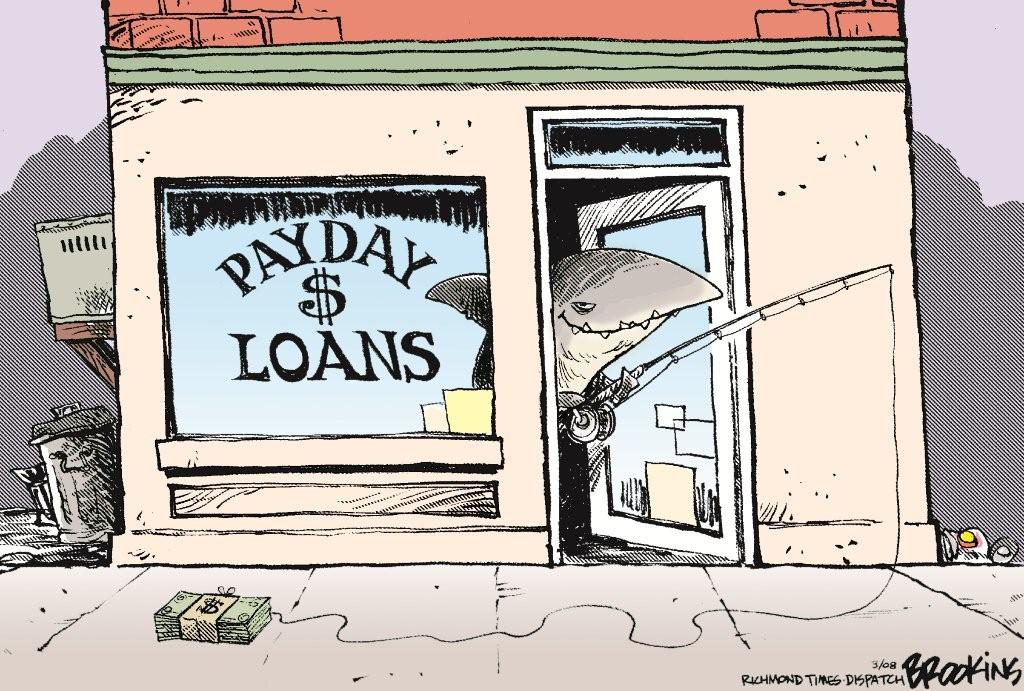
    Are you a college student wondering how online cash advance/payday loans fit into your finances? If you are a smart college student, then you will know online payday loans are only for emergencies. The payoff comes in just a few short weeks, so steady income is a must in order to pay it off without putting more damage into your finances.

    Here are five tips for college students who are looking to get their finances off on the right foot.

    1. Take your time getting new credit. For every creditor you apply with, there will be a mark left on your credit score. Hard inquiries to your credit done by potential creditors looking up your history will take a few points off your score for a year or two at a time. When your finances are just starting, this could bring you low really fast. Low credit scores will be denied. Too many creditors applying at once is also a warning sign for potential creditors that the applicant is desperate for cash. New creditors may take a different approach and offer incentives for the new debtor to spend more. A college student is an easy target for many marketing campaigns. Newcomers to finances are often attractive to reward programs which can trap the debtor into spending more than intended.

    2. Don’t spend your credit on frivolous things then leave yourself no room for emergency costs. Emergency costs do not need to be funded by online cash advance loans when you have room on your credit card to lighten the load. When you use and manage your credit account wisely, they are a great source of third party money to help you get by and build your credit at the same time. Make your payments on time and keep the balance below 30% whenever possible.

    3. If you are having trouble finding a creditor to approve you, you can fall back on being an authorized user on one of their accounts or have them be a co-signer to start you out on your own. The issue here is that your parents, or whomever you choose as your co-signer, will be responsible for any debt you accrue. They will also be privy to what you charge, when you charge it and where. This may not matter to some people but if you are one who may not be the best manager of money, it could be a sticky point in the relationship. If you are going to take this route, make it work for you so your credit will build into something helpful when you graduate.

    4. Are you coming out of college and are finding your student loan debt to be financially draining? Don’t default on these loans. The federal government is not a creditor you want to have after your money. Before you miss a payment, look into finding a way to defer the starting date if you still have not gotten full-time work. Ask about reduced payments or changing your payment dates to better fit your pay cycle. If you have multiple loans, try to consolidate them for a lower monthly payment. Managing your money by making on time payments may best be done with automatic payments. Some people are not organized enough to make on time payments even when they have the cash in the bank.

    5. Look into your options, which include deferring payments for a short amount of time, making reduced payments, or re-configuring your current payment schedule. Also consider consolidating multiple loans into one new loan. This often results in a lower monthly payment. Have the loan amount directly withdrawn from your bank account so you never pay late.

    Cash advance loan lenders offer emergency cash for those times when there is no other place to turn. College students often do not have the income needed to support an approval. A responsible lender will not want loan to someone without a certain income. College students have it tough in the beginning but will have great financial success when managed correctly.


  • Myth: I Don’t Need Money – My Parents Pay For Everything!

    Myth: I Don’t Need Money – My Parents Pay For Everything!

    Many young students might think that having their parents pay for their school tuition, shelter, transportation, food, clothing, hygiene products, entertainment and anything else would provide them with enough money to survive university. But this is a myth! The reality is that money is more than something that is used to purchase the things you want and need. Making money is more than just having money in your pocket, it is building your path to independence and self-sufficiency. Making your own money on top of whatever amount your parents are giving you is a great way of creating independence for yourself. This is hugely important because when you are not dependent on others for every aspect of your material survival, you can feel empowered and able to make your own choices. Having the feeling that you control your own life and are not dependent on your parents will inevitably allow you to see your life more clearly and to see exactly how your own decisions affect your life.

    Working is valuable for gaining money and for experience that can be used in different areas of your life. When you work you are taking on responsibility and people are depending on you to do the job. Having people depend on you instead of constantly depending on others is empowering and reinforces your independence. Additionally, building your work experience looks great on a resume and will help you later in life when looking for a job and for getting through your day-to-day life tasks that inevitably require some taking on of responsibility.

    Having your own money also allows you to have a little fun and minimize the guilt you feel when you spend the money your parents give you. If you want to go on a trip to Wonderland with your friends, get your nails done or even buy some new shoes, having your own source of income will allow you to make these little trips and purchases that make life worthwhile. When you have your own money, you are more in charge of the direction that your life will take. Overall, money enables you to be independent and to make choices better suited to you than you would if you were dependent on your parents.

  • A Five Year Degree – The Financial Benefit

    A Five Year Degree – The Financial Benefit

    Many people believe that gaining a degree should take four years. Most programs at colleges and universities are designed as four year programs, often with students moving together in cohorts, or with higher level classes being offered only in alternating years. This is a system that is overdue to change, as there are several advantages to taking an extra year for studies.

    The first benefit is financial. Colleges and universities are expensive, and even with bursaries, scholarships and grants, it can be hard to make ends meet. By spreading the fees over five years, they become slightly more manageable, though the resulting extra year of living expenses must be weighed. As well, taking fewer classes per year allows for availability for a part time job, so that students may graduate with less of a debt load.

    Another benefit is a little more breathing room in the schedule, more time to focus on each class and not face quite as much pressure. Moving to a five year schedule, students can go from five classes a term to four or even take fewer during the school year and do some over the summer, at the school or through an online university. This allows for a better life balance, with more time for other activities, be they work, fitness, social or simply having more time to study for the classes one is taking. If the program is one that makes use of cohorts, it may be impossible to spread the education out in the final years of school, but this model still works for most students.

    So why not investigate the possibility of stretching your degree out to five years? You may find that it is the perfect circumstance for you! You’ll save money and reduce your stress level.

  • You’re Not Alone On A Budget

    You’re Not Alone On A Budget

    As young people, we are often faced with circumstances of lower than desirable monetary funds. This is something that affects almost all of us, and is a great reason to get a part-time job. Having money available to spend on the things that you want and need will facilitate your everyday life, especially once you start college. However, quite often we might have to put in time at a workplace where we are counting down the hours and can’t wait to get home and take off our uniform. The important thing to remember is that whenever you feel forced to work in unfavorable conditions, you are not alone! People often say that the only thing that gets them through a work shift is the people that they work with (along with the paycheque, of course!)

    Once the paycheque comes, you may have a list of more than 50 items that you would love to purchase. The reality is that you may not be able to afford all of these things. This is frustrating, but it helps to remember that other people are going through the same thing. When we look at television shows like Gossip Girl or Pretty Little Liars, we may feel that we fall short and we wish we could have what they have. These shows, we must remember, are meant for entertainment purposes and they do not reflect a reality for most young people in Canada. Comparing yourself to people on television never produces positive results, and you end up feeling depressed and discouraged.

    When you are feeling down, remember that your financial situation is temporary and will not last. If you plan well, you should be able to land yourself a good job after school. You can also help to reduce your financial burden by applying for as many scholarships as possible. Learning to manage your money is one of the most important things you can do as a young person. If you know how much money you make and how much money you spend, you can figure out the best way to go about spending and saving it. Talking with your parents, friends and people at your banking institution will help you to inform yourself and make smart choices.

    What are you waiting for? Start informing yourself today!

  • Beware of Credit Cards

    Beware of Credit Cards

    Get your free stuff!

    Free CD’s, T-shirts, mugs, hats; They’re all yours and they’re all free if you sign up for a credit card.

    Sounds great, doesn’t it?

    Free swag and your very own credit card. So what should you buy first? Maybe some jeans to go with your new t-shirt, or how about a stereo to play your new CD? On second thought, why don’t you buy it all? After all, you can pay for it later, right?

    Wrong.

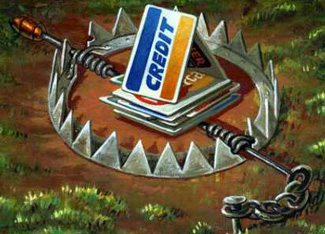
    Each year young adults across Canada fall into the credit card trap. It’s easy to operate under the “buy now, pay later” mentality, but a few impulse purchases now can lead to costly mistakes over time.

    According to a 2008 study by the Financial Consumer Agency of Canada, 6 in 10 Canadians between the ages of 18 and 29 had some credit card debt, and at least half of those reported their debt load to be “more than they can handle”.

    72% of young Canadians have credit cards. However, most of them are unaware of the problems they can face if they don’t monitor their usage.

    Credit card companies can raise your credit limit without your consent. So you should always be aware of how much you spend. Don’t assume if you have a $500 limit you’ll be declined if you reach it. The company may have raised your limit to $3000 causing you to spend more than you intended.

    You also need to be aware of interest rates, as they can add up quickly if you don’t pay your monthly balance in full.

    For example, let’s say you owe $1000 and you only make the minimum monthly payments. At an interest rate of 18%, it would take you 12 years to pay off your bill.

    Don’t let flashy cards with your school crest or the logo of your favorite sports team and free stuff be your financial downfall.

    Remember, what you do today affects tomorrow. Careless use of credit cards now can seriously damage your credit rating in the future. This will make it very difficult to buy a car, rent an apartment, start a business, start a family or buy your first house.

    Spend smart!

  • Show Me the MONEY!

    Show Me the MONEY!

    SHOW ME THE MONEY!

    During your first year of post-secondary education, you might feel like you have a chorus of administrators telling you to SHOW ME THE MONEY! This is probably the least awesome part of your university/college experience but don’t lose hope! You can pay for your education and still have some dough left over if you manage your money.

    There are some great resources for student loans and scholarships that you can check out later but for now, I’m going to share the best money-managing tip that’s saved me some mulahs over four years of university.

    Some students may want to work during their first year, while some might prefer having more time to focus on their studies and soak up the university/college atmosphere. Either way, you’re going to want to have some extra cash handy to buy food, clothes, videogames, hovercrafts, etc. The best way to make sure you’re not broke by October 1st is to…
    (more…)