Tag: oil

  • Rail and Pipeline Disasters are Symptoms of Fossil Fuel Addiction

    Rail and Pipeline Disasters are Symptoms of Fossil Fuel Addiction

    Like smokers who put off quitting until their health starts to suffer, we’re learning what happens when bad habits catch up with us. We’re witnessing the terrible effects of fossil fuel addiction every day: frequent, intense storms and floods, extended droughts, rapidly melting Arctic ice, disappearing glaciers, deadly smog and pollution, contaminated waterways and destroyed habitats. Transport accidents are also increasing as governments and industry scramble to get fuels out of the ground and to market as quickly as possible.

    Throughout it all, we’re asking the wrong questions. Take the recent horrific disaster in Lac-Mégantic, Quebec. A train carrying fracked crude oil from North Dakota to a refinery in Saint John, New Brunswick, derailed, caught fire and caused explosions that destroyed much of the town and killed dozens of people, sending millions of litres of oil into the ground, air, sewers and Chaudière River. It’s a senseless tragedy that has everyone in Canada and beyond grieving for the community’s citizens and their families.

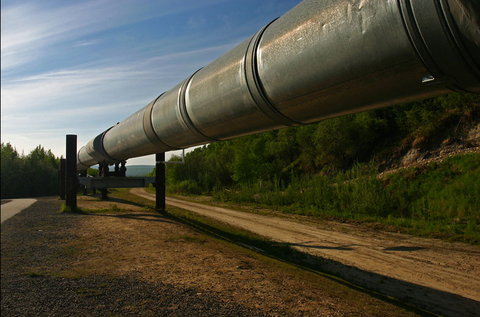
    Governments and the railway company must answer numerous questions about safety regulations and practices, to prevent a similar catastrophe from ever occurring. The larger questions, though, are about the dramatic increases in fossil fuel use and transport. Sadly, industry proponents quickly exploited the situation to argue for expanding pipelines.
    As growing human populations and increasing industrialization drive up the worldwide demand for fossil fuels, and as oil, gas and coal companies rush to extract, sell and burn as much as possible while markets remain strong, we’re seeing ever-increasing exploitation from difficult sources — fracking, oil sands, deepsea drilling and more.

    The Canadian Association of Petroleum Producers expects oil production in Western Canada to double from three-million barrels a day to more than six-million by 2030. This means a huge increase in the amount of fuels transported around the country and the world in pipelines, rail cars, trucks and ocean tankers. According to the Railway Association of Canada, rail shipment of oil has already increased dramatically in Canada, from 500 carloads in 2009 to 140,000 this year.

    It’s true that rail accidents can be more devastating to human life than pipeline accidents — although when it comes to oil, pipeline breaks usually spill greater quantities and cause more environmental damage than train derailments. But shipping massive volumes of oil and gas is unsafe by either method. As we transport ever-increasing volumes of fossil fuels over greater distances to broader networks, we can expect more spills and accidents. Wastefully and rapidly burning them is also driving climate change, which experts say may even affect rail safety, as extreme heat and sudden temperature shifts can cause rails to buckle, increasing the potential for derailments.

    Massive pipeline spills and devastating rail accidents are among the immediate and frightening consequences of our growing appetite for fossil fuels, but our bad habits are really starting to hit back with climate change. The homes and lives lost around the world, numerous plant and animal species facing extinction, rising health-care costs from pollution-related illness and massive clean-up efforts after flooding show that failing to address climate change is far more costly than doing something about it. Much of what we’re seeing now — from increased intense rainfall and flooding in some parts of the world to extended droughts in others — is what climate scientists have been predicting for decades.

    We’re not going to stop using oil overnight, and we will continue to transport it, so we must improve standards and regulations for pipelines, rail, trucks and tankers. This should include safer rail cars for moving dangerous goods. Also, many environmental groups are calling for “a comprehensive, independent safety review of all hydrocarbon transportation — pipelines, rail, tanker and truck.” But in the long run, we have to find ways to slow down. By conserving energy and switching to cleaner sources, we can start to move away from fossil fuels — and to use remaining reserves less wastefully.

    That’s the discussion we need to have, rather then getting mired in debates about transport methods. As energy writer Russ Blinch noted in a Huffington Post article, “Looking at pipelines versus rail tankers is really like asking, ‘Should I drive the car with bad brakes or the one with bad tires?’”

    We need to look at the big picture.
  • An Energy Plan Must Be About More Than Just Energy

    An Energy Plan Must Be About More Than Just Energy

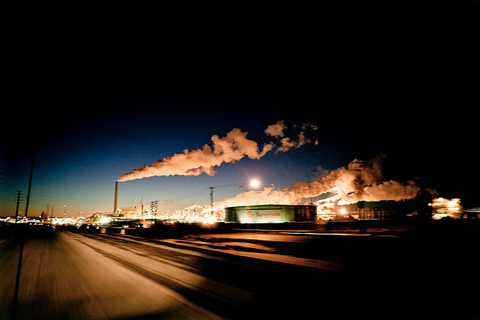
    Feeding our energy appetite is top of mind for many people these days. Some argue we should get coal, oil and gas out of the ground as quickly as possible, build more pipelines and make as much money as we can selling it here and abroad. Their priorities are the economy and meeting short-term energy needs so we can live the lives to which we’ve become accustomed.

    Many others question those priorities. Do we gain comfort and happiness by driving inefficient automobiles, buying and scrapping and then buying more stuff that we must work harder to pay for, and selling resources to enrich the fossil fuel industry and to allow other countries to follow our unsustainable path?

    Some governments and industry favour the short-term view. But it’s a “false economy” — it will cost us more in the long run. What about our children and grandchildren and their children and grandchildren? Do we not want them to live healthy and happy lives? If we pollute the air, water and soil that keep us alive and well, and destroy the biodiversity that allows natural systems to function, no amount of money will save us.

    While rushing to exploit our valuable and diminishing fossil fuels, Canada’s government is simultaneously “streamlining” environmental regulations and review processes, cutting scientific staff and departments and limiting public debate on projects that could irreparably damage our rich natural heritage. Some provinces are attempting to water down hard-won environmental laws, like endangered species legislation, that act as a critical hedge against environmental degradation.

    The federal government is also neglecting its legal obligations to protect species at risk. Ecojustice, on behalf of five conservation groups including the David Suzuki Foundation, recently launched a lawsuit to challenge the government’s multi-year delays in producing recovery strategies for species that would be affected by the proposed Enbridge Northern Gateway project.

    If we don’t slow down and try to look at ways out of the mess, energy issues will continue to increase, like the Hydra of Greek mythology. With pipelines, the main issue is rapid tar sands expansion. But other massive energy projects are also coming down the pipe — from huge dams, like the Site C in northern B.C., to proposed drilling for oil and gas in the Gulf of St. Lawrence and the Arctic. To what end?

    Not only are fossil fuel companies making record profits, they’re being subsidized by Canadian taxpayers to the tune of $1.4 billion a year. Instead of giving them money, shouldn’t we be compelling them to put at least a small portion of their enormous profits into reducing the massive greenhouse gas emissions they cause?

    A large part of the problem is that we are increasing our fossil-fuelled ambitions at breakneck speed in the absence of a national energy strategy. No one seems to know where we’re going, but the end of the road is looming, and it might lead to a steep drop. We’re already harming precious ecosystems and are ready to put even more at risk without having an idea of the often irreplaceable value they represent. With climate change and its impacts, along with deforestation, pollution and increasing urbanization, we’re condemning millions of people to lives of poor health, desperation and even death.

    Still, we’ve also created much that is good. We have political systems that encourage public debate and access to information. There are politicians and industry leaders who have joined countless citizens, First Nations, and environmental, labour and social-justice organizations to question current policies and actions. We have science, medicine and technology that have allowed many of us to live longer. We need to find ways to reconcile our existence with the limits of our finite planet.

    What Canada really needs in the short term is a national energy strategy — one that goes beyond fracking and tar sands and pipelines to take into account these many other factors, including wiser use of fossil fuels. It must help us make the transition from our wasteful addiction to polluting and ever-diminishing fossil fuels to conservation and renewable energy. Globally, we need to shift from the outdated 20th-century notion of measuring progress with gross domestic product to a development paradigm that takes into account well-being and happiness, and that accounts for nature’s valuable services.