Tag: pets

  • Career Profile: Veterinarian

    Career Profile: Veterinarian

    When people get sick, they go to a doctor. Do you know where they take animals that are sick? The doctors who look after animals, whether they are pets like cats and dogs or farm animals like sheep, are called veterinarians, or vets. Just like doctors for humans, veterinarians are experts in health and diseases for their patients. Becoming a veterinarian takes a lot of hard work, but it can be an enjoyable and rewarding profession for people who like helping animals.

    Taking care of animals can be complicated, especially since, unlike human patients, animals are unable to tell their doctors about any problems they are having. Veterinarians have to be able to diagnose problems just by doing tests and by looking at the animals for signs of illness or injury. They need verbal skills to be able to talk with the animals’ owners, but they also need to know about animal behavior, such as what it means when a horse lies down on the ground or a dog hides under the furniture. Problem-solving is an important part of the work. Veterinarians have to look at how the animal is acting and use their knowledge of diseases to determine the issue and decide on treatment. Someone who loves animals and spends time with them is likely to have some of these necessary skills for veterinary work.

    Besides an understanding of animals, veterinarians need formal education. Usually people start out with at least two years of studies in an area such as agriculture or general science. Next, they take about four years of studies at a university to get a Doctor of Veterinary Medicine degree. This degree teaches them about illnesses, medications, regular care, and anything else they need to know. Once they finish, they have to take an exam to receive a certificate of qualification.

    Veterinarians can follow one of two basic streams. Many veterinarians work with pets, such as dogs, cats, and hamsters. Others work with farm animals, where they might have to deal with large animals like cows and horses or small animals like chickens. Veterinarians for pets can often work out of offices since the animals they treat are small enough to bring into buildings. However, veterinarians who work with large animals normally have to travel to see the animals in barns or stables. Some veterinarians work in government departments, teaching, or research.

    Working as a veterinarian can be a stressful job. The animals can be difficult to handle, especially when they are in pain or are afraid of what is happening to them. For people who really love animals, it can also be difficult to give their patients painful treatments or vaccinations. Because of stresses like these, many veterinarians change professions after about twenty years, although some stay in their work for an entire career. On average, veterinarians make about $70,000 per year, although the salary varies according to where they work and the types of animals they treat.

    Do you want to help animals? Maybe you should consider becoming a veterinarian.
  • I Want to Work with Animals

    I Want to Work with Animals

    Some people love animals and want to spend as much time as possible with them. They might decide to become veterinarians, looking after sick animals. How else can people care for animals as a career? One way is to become a pet groomer and to help animals look their best. For people who like animals, a career as a pet groomer can be a good choice.

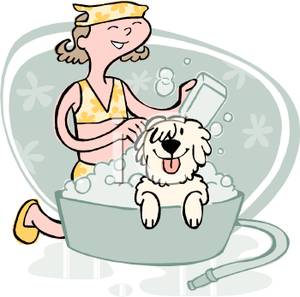
    If you have your own dog, you probably give it a bath and brush its fur regularly. Some dogs, such as poodles, need haircuts occasionally, but dogs that shed their fur also need help with keeping their coats clean and untangled. Cats usually clean themselves up, but even they sometimes need help. You might be able to take care of your pet at home, but sometimes animals need more care. That’s where pet groomers can help. They bathe animals, dry and brush their fur, and give haircuts if necessary to dogs, cats, and other animals. About half of Canada’s trained groomers work with people’s pets, but others work with farm animals and sometimes even with the animals in zoos.

    Because their work can vary widely, animal groomers need many different types of training. Graduation from high school is a basic requirement, and many groomers need to complete a training course in their field. For pet groomers, this training might include special techniques for keeping animals quiet and calm without hurting them, as well as practice in grooming styles. Many people also complete an apprenticeship, in which they work together with an experienced groomer and learn what they need to know for their careers. When they have finished their training, they are ready to look for work.

    Working with animals can sometimes be challenging. Pet groomers often have to lift heavy dogs onto tables and deal with animals that dislike the whole process. Has your dog or cat ever run away when you tried to give it a bath? Pet groomers have to deal with the same types of problems, and being bitten or scratched is common. Just keeping an animal on the grooming table requires patience and a certain amount of strength. Pet groomers need to understand how to keep animals calm and how to deal with the problems that they encounter.

    For many groomers, the chance to work with the animals that they love is what counts the most. Would you like to work with animals every day?

  • A Trip to the Vet

    A Trip to the Vet

    Just like people, sometimes animals get sick or injured and need to see a doctor. A doctor that specializes in taking care of animals is called a veterinarian, or a vet for short.

    Most vets work in clinical practices, meaning they work directly with animals. However, some vets work doing research, teaching or work for the government.

    Dr. Jaime Buchanan is a veterinarian at the Kingston Veterinary Clinic in Kingston, Ontario. Her job is to treat animals for diseases and injuries and to inform owners of how to prevent their animals from getting sick.

    Doctor Buchanan says animals go to the vet most often because they are sick or injured. She says, “the most common problems are vomiting, diarrhea and skin problems. And some of the common injuries include: lameness (limping) and wounds or cuts.” She also says, like people, many animals have regular check-ups to make sure they are healthy. They have vaccinations, which are needles with medicine that help prevent diseases, flea treatments and de-worming.

    However, unlike people, animals can’t tell someone when they aren’t feeling well. Doctor Buchanan says, “it can be very difficult to diagnose animals because they can’t tell you how they are feeling or where they are hurt.”

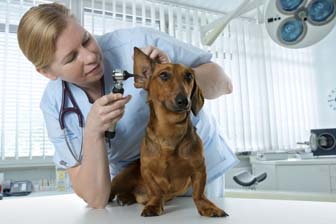
    In order to figure out exactly what the problem is, she says the vet, “starts by taking a thorough history of the problem from the owner. They do a physical exam, checking the animal from head to tail. This includes looking at their teeth and gums, listening to their heart, taking their temperature and feeling their abdomen, among other things.” If the problem is not obvious, the vet may need to do further tests like blood work or X-rays to determine why the patient is sick.

    Depending on what is wrong, treatment for the animal may include going home and taking medication, like pain pills or antibiotics. Or, if they are very sick, they may need to stay in the hospital and have an IV (intravenous fluids) and be closely watched to ensure the treatment is working.
    Doctor Buchanan says some of the symptoms pet owners should watch out for are, “vomiting, diarrhea, breathing problems, skin and ear problems, and changes in water intake or urination.” She says if your animal is not eating or drinking or if they seem to have less energy than usual, call your veterinarian.

    When you take your pet to the vet, Doctor Buchanan says you can expect to see “other animals and people in the clinic. You may also see the receptionist and veterinary technician in the waiting room. In the exam room, you can watch while your pet is examined. And you may even get to listen to the animals’ heart with the stethoscope or help hold and comfort your pet.”

    The vet will explain everything step by step while they are completing your animals check-up, and Dr. Buchanan says don’t be afraid to ask questions because the Doctor will be more than happy to answer them.

    If you love animals, maybe becoming a veterinarian would be your dream job!

  • Money Management

    Money Management

    Times are rough and life will throw you costly curve balls. You need to know how to manage your money and maximize your saving skills so you are ready for any financial emergencies you may have to face.

    If you’re receiving any kind of financial help, you may be thinking, “I don’t really need to worry, I have help if something were to happen”. The truth is these options may not always be there. Learning how to fend for yourself will make costly times a lot easier to handle and give you a rewarding sense of independence. So let’s get to it by prioritizing where your money goes:

    Housing and Rent
    Food
    Transportation
    Credit and Banking
    Utilities and Telephone
    Health Care
    Pets
    Recreation

    Housing and rent. If you’re working, a good way to budget yourself would be to split your paycheques up to make sure you’ll have your rent ready for the end of the month. If you get paid bi-weekly, every two weeks split your rent into two and save that amount from each pay. So if your rent is $500, save $250 per pay. This is a safe way of ensuring you are saving for rent and can also budget for other things during the month.

    Transportation. Take advantage of bus tickets and bus passes depending on the amount of traveling you do and try to be productive in your travels. If you drive, that applies to you too. Make a plan before you leave and go from point A to point B strategically to save gas. If you’re one of those good people who are always giving lifts to your friends, it’s okay to ask your friends to pitch in a bit of gas money from time to time. Give them the opportunity to be a good friend, too.

    Credit and banking. Bank fees aren’t too bad these days (especially if you are a student) – it’s your credit card you have to be frugal with. Having a credit card at such a young age is one of my biggest regrets. Ince you have got yourself into credit card debt, its really hard to get out. We are living in a material world and it is very tempting to go shopping and buy things we really don’t need and could very well live without. Try your best to be smart in these times. Credit cards are for emergencies only – you don’t want to have to use them unless you really need to.

    Health care. In Canada we are lucky that most things are covered by our government health plan. But some things may not be, such as dental appointments. Many post-secondary institutions offer health plans with your tuition to help cover these types of costs. If you are under a certain age, you may still be covered by the health plan your mom or dad has through their employer. Be sure to check into both of these options.

    Utilities and telephone. Be energy smart: if you don’t need a light on, turn it off. If you don’t need the water coming from the tap, turn it off. I admit I used to leave the water running while I brushed my teeth for three minutes. Once I stopped doing it, I saw a huge difference in my utility bill just from not running my water senselessly for six minutes a day. As for your cell phone, there are plenty of good plans out there – but also plenty of rubbish ones. Make sure whatever plan you’re choosing is really working for you and that you’re not paying any more than the amount you agreed to. If you are, it is time to change your plan or service provider.

    Pets. Dogs and cats are adorable, I know. We all see them and instantly want them. But if you’re in school and working, you usually don’t have time for them. They are costly and require their own food, medical attention, and grooming. Make sure you’re making the right decision for you AND your furry loved ones.

    I hope this has given you a bit of an eye-opening incentive to be smart with your spending so you can live a less stressful life and be ready for any sudden expenses that might come your way. Happy saving!