
Tag: publishing

  • Job Profile: Book Publisher

    Job Profile: Book Publisher

    Books are amazing things. You can pick one up and travel to a world of elves, fairies, and exciting adventures. Or you can pick up another one to find out about the history of ancient Rome or about how beavers live and what part they play in the natural world. You can read a long novel or a short magazine article. Most of the time, the stories and information you read have gone through a publisher before they came to you.

    What actually happens when an author wants to get a book published? Sometimes they publish the books themselves, but often they want the skills and knowledge of a publisher to help them with the process. Most publishing companies have different people who each focus on one part of the process. In smaller companies, one or two people might do all of the different steps.

    The first step is usually deciding which books to publish. Sometimes, this means that an acquisitions editor will spend a lot of time reading books that people have sent in to the publisher.  The next step is editing for any problems with the book. These problems could be about the book’s contents, such as incorrect information or a confusing story line. The problems could also be much simpler issues of proofreading, such as writing “pan” instead of “pane” in a story.

    Once the editing is done, the book will go to the design department where people will decide what picture to have on the cover, the size of the type font, and anything else that affects the appearance or design of the book. Even electronic (online) books need this kind of work before they are ready for sale.

    Publishers are good at taking care of the many small jobs that are part of getting books ready for sale. One of these jobs is getting the ISBN (International Standard Book Number) and the Cataloguing in Publication information, which helps librarians to organize the books they buy. Another task is deciding what the price should be.

    After all of these small jobs are done, the book is ready to be printed and marketed.  Marketing is what happens when a publisher lets people know about a new book or magazine. They might put up posters, pay for advertisements, or go on tours to talk about what they have to sell. They might set up tables at special events and have some of the books and magazines for sale.

    How do people become publishers? Sometimes all it takes is knowledge of how to sell books and the money to set up a small company. At other times, it might mean getting a low-level job at a publishing company and then learning enough to get a higher-level job. Sometimes an education in business or literature is helpful. People can work in small, local companies or in big, international ones. If you love books and you also love to organize events and keep schedules, work as a publisher might be the right thing for you.
  • What is a Technical Writer?

    What is a Technical Writer?

    When you read the instruction manual for your favorite software or gadget, do you ever ask yourself, “Who writes this stuff?” In case you’re curious, that person is a technical writer.

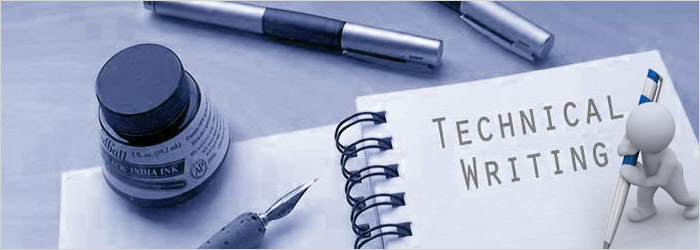
    A technical writer is a professional writer who simplifies complex technical and business documentation for a product or service to maximize reader comprehension. Technical writers produce relevant, accurate and complete information that helps the target audience find what they need, understand what they find and use that understanding to accomplish a goal. The goal can be complying with a policy, learning a software application or following work safety practices. Technical writers can have various job titles, including content developer, information developer, technical communicator or technical documentation specialist.

    Job opportunities exist for technical writers across many industries like banking, healthcare, transportation, oil and gas, government, military, manufacturing, information technology, insurance, architecture and engineering. Companies employ technical writers to produce technical documentation like software user manuals and engineering specifications or business documentation like company policies and reports. Technical writers can also be called upon to produce website content, warning labels, how-to videos, online help, FAQs (Frequently Asked Questions), test plans and more.

    If you’re still in high school, the best subjects to take to prepare for a technical writing career are English, journalism and computer-related courses. Try to learn some Microsoft Office programs, especially Word and PowerPoint.

    Although technical writing is not a regulated field, it will serve you well to take post-secondary training. Several schools offer a one-year certificate or a two-year diploma program in technical writing. Depending on the school, you may need a Bachelor’s degree before entering. These programs prepare you for a career in technical writing through a combination of course work and on-site placement. You’ll learn about research, audience analysis, technical writing, editing, information design, indexing, documentation project management and more. In addition, you’ll be introduced to the tools of the trade like Visio (a flowchart tool), FrameMaker (a publishing tool) and RoboHelp (an online help tool).

    To succeed as a technical writer, you’ll need strong research and communication skills to gather complex information from various sources then translate it into plain language. You must be a people person because you’ll work with not only writers and editors, but also with Subject Matter Experts (SMEs) like engineers, testers and computer programmers. You may also work with people in high positions like your manager, director, or even the Chief Executive Officer (CEO). If you’re the only writer in the company, you’ll have to work independently and solve documentation problems on your own since you won’t have the support of another writer.

    Technical writing can be very demanding, but it pays well. The average annual salary ranges from $37,000 to $82,000; and the average hourly rate ranges from $16.00 to $51.00. You can make more money if you have a technical background in engineering, computer science or network security.

    If you can grasp complex concepts quickly and have a flair for writing, technical writing may be the career for you.