Tag: roofer

  • Roofer

    Roofer

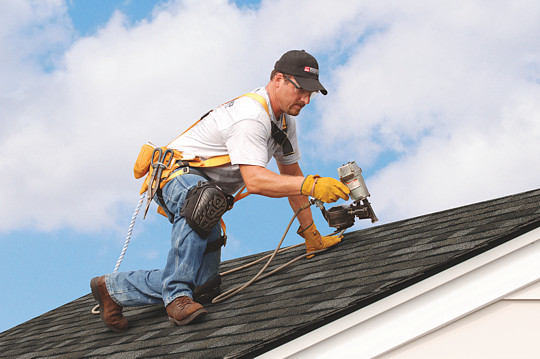
    Roofers install, repair and replace flat and sloped roofs. They work with membrane roofing systems that consist of a variety of materials with different application methods. They also install, replace and repair shingles, slate, shakes, roofing tiles, sheet metal and other preformed sheeting on sloped roofs.

    Before the work begins, roofers may inspect existing roof systems and determine the extent and procedure for repair of the substrate or removal and replacement of roofing materials. Some roofers may be involved in the estimating of material and installation costs.

    As part of the job preparation, roofers may set up scaffolding to provide safe access to the work area and may install fall protection systems. They also weatherproof, waterproof and damp-proof roofing surfaces, foundation walls, floor slabs and bridge decks. They install roofing accessories such as sheet metal flashings, roof vent flashings, anchor bolt flashings, drain inserts and clamps.

    Roofers may be employed by roofing companies, general contractors or they may be self-employed. They may work on all types of roofs or may specialize in the flat or low sloped roofs of commercial and industrial buildings or on the steep sloped roofs found in most residential buildings.

    Key attributes for people in this trade are mechanical aptitude, manual dexterity and the ability to work as a team. Roofers work primarily outdoors and work may be seasonal. The work environment is exposed and may vary from extreme cold to extreme heat. Roofing is physically demanding work and requires considerable effort in lifting, climbing, bending, kneeling and balancing on high, sloped and sometimes slippery surfaces.

    Roofers work in conjunction with other tradespeople in the construction trades. With additional training, roofers may transfer their skills to related occupations such as carpenter or sheet metal worker. With experience, they may advance to positions such as supervisors, contractors or inspectors.
  • Career Profile: Roofer

    Career Profile: Roofer

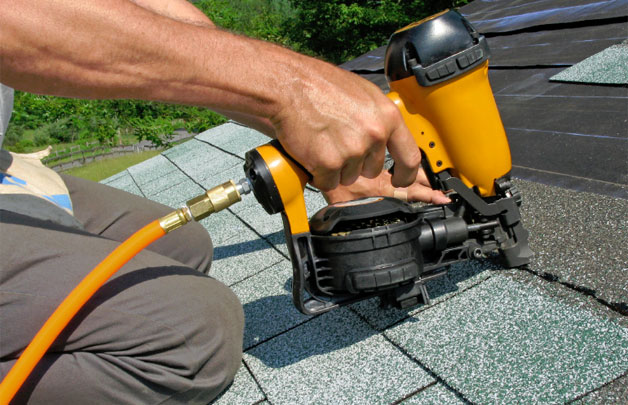
    Roofers install, repair and replace flat and sloped roofs. They work with membrane roofing systems that consist of a variety of materials with different application methods. They also install, replace and repair shingles, slate, shakes, roofing tiles, sheet metal and other preformed sheeting on sloped roofs.

    Essential Skills
    Reading
    Roofers read instructions on work orders as well as application and installation instructions for roofing products and materials. They read information sheets to learn about new products and materials. They also need to refer to blueprints and specifications to complete roofing jobs.

    Document Use
    Roofers reference documents such as work orders, plans and specifications and site specific safety plans that are required for construction, alteration and repairs. They identify the location and orientation of parts in assembly drawings of equipment. Roofers read Workplace Hazardous Material Information System (WHMIS) documentation to obtain and follow safe handling and application procedures.

    Writing
    Roofers may write in logbooks and on contract forms and work orders to describe the work that needs to be done. They may fill out maintenance and inspection reports. They are required to complete safety documents according to jurisdictional regulations.

    Numeracy
    Roofers measure the length, width and height of roof surfaces so they can order the correct amount of materials to complete a roofing job. They also use drawings to calculate material requirements. Roofers use numeracy skills to determine the layout of shingles. They may use thermometers to measure the temperature of roofing materials and working environments to ensure conditions are appropriate for application of the materials.

    Oral Communication
    Roofers communicate with colleagues, other trade workers, manufacturers and supervisors to discuss and review job and safety requirements. They speak to customers to explain procedures used for application and disposal of roofing material. They may also use specialized communication such as hand signals to communicate with crane or hoist operators when moving material and equipment.

    Thinking Skills
    Roofers use problem solving skills to address oversights and discrepancies on the job site. They assess roof conditions and consult with supervisors and clients to adjust the scope of a roofing job. They must anticipate changes in weather to prevent damage to an existing roofing structure and to roofing material. Roofers use decision making skills to decide the start and end of work considering factors such as weather and the availability of supplies and labour. They use critical thinking skills to judge the quality of finished roofing jobs. They also test to make sure roofing materials are sealed and have adhered properly.

    Working with Others
    Most roofers work collaboratively on teams to complete roofing projects. They discuss safety, work processes, installation improvements and quality control.

    Computer Use
    Roofers may use email to communicate with others in the industry. They may also use the internet to look up product and safety information.

    Continuous Learning
    Roofers are continuously learning in order to keep abreast of new roofing products, application procedures and safety precautions. They take WHMIS and provincial construction safety courses, as well as other safety-related courses to stay current. Manufacturers sometimes provide training on their products. Roofers may also learn from manuals and newsletters.