If you are anything like me, you will often find yourself thinking, “Just one more small purchase won’t matter.” And if you’re even more like me, you will soon realize that maybe that small purchase did matter when you discover that your bank account is now empty. It would be silly to think that one small coffee made you broke, but when you figure out that maybe having one every day is a little excessive, you have the first step toward money management down: awareness.
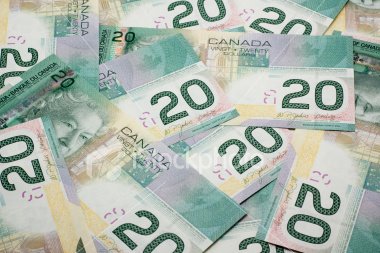
Take stock of your funds. Figure out how much you will earn each month, and write it down. Next, find a little notebook and start keeping track of everything you buy. Write down where you bought it, on which date, and how much you spent. This serves the purpose of telling you where all the money goes. It might even serve the extra purpose of telling you that you have a caffeine addiction, and maybe you should cut back a little. Starbucks four days in a row, five dollars each time? There are twenty dollars, gone. Kind of scary, isn’t it?
Keep that spending diary for three months so that you can get a good idea for the average you spend on each kind of purchase. Doing so will then assist you to start making changes in your lifestyle: this is where you have to start limiting yourself and have self-control.
Trust me; I know it is not easy to break a spending habit. When you do something so often that it becomes routine, breaking that routine throws off the rest of your day. That being said, it is now time to break out a coloured pen or highlighter. Circle or highlight every habitual purchase you made in the last three months, and calculate the total cost. Then think of how many hours it took to earn that money. A little sobering, right? Once you realize that your time equals money, it becomes a lot easier to make good decisions regarding your spending.
Now that you have figured out what you can cut back on, it is time to make a budget. Figure out the main categories your purchases fall under. For some, those might be their cell phone bill, car payments and gas, entertainment such as movies, music, and video games, going out to eat, savings, and so on. Certain bills will always remain the same, such as car payments and your cell phone bill. Some put 10% of their entire paycheque into a savings account which they do not use under any circumstances. With everything else, though, allocate a certain percentage of your remaining funds to each category.
For example: let’s say that you make $750 per month. 10% of that is $75 which goes into your savings. Your car insurance payment costs $100, so now you have $575. Your cell phone bill costs $50, and the remainder is $525. Now you can assign a percent to everything else. You may calculate it so that you have extra money left over for emergencies or unexpected nights out. As long as you never go over your allotted limits for each category, then you won’t find yourself with an unexpectedly empty bank account again.