Tag: Stress

  • Living a Balanced Life

    Living a Balanced Life

    People of all ages have routines. For young children, these routines are usually set by their parents or other caregivers. As they grow up, they have increasing amounts of responsibility for organizing their own lives. For some people, maintaining a balance between work or school and everyday life can be a challenge as they take on new responsibilities and try to manage the old ones. Are you already feeling pressured by all of the things you have to do? You might not be able to eliminate the stress from your life, but you can learn to balance your school work with the rest of your life.

    Are you the kind of person who likes to be busy all the time? Do you fill your after-school hours with as many activities as you can manage? Or are you the kind of person who likes to have a lot of free time? Either way, you might have a hard time or an easy time finding a balance between school and the rest of your life. You might feel stressed and overwhelmed to the point where you think that you can no longer manage. When that happens, what do you do?

    Almost everyone feels stressed at some point. For people who love to keep themselves busy with all kinds of projects, it might be when they take on too much to handle effectively. For people who try to avoid stress, it could be when an unexpected task cuts into their precious free time. Everyone is different. Knowing your limit is the first step towards living a balanced life. Do you work well under pressure? If so, you might be able to take on a lot of activities outside of school. On the other hand, does pressure cause you to crumble? If so, you should limit your after-school activities and give yourself enough free time to relax.

    Part of understanding your limits is learning how to use your time efficiently. For example, what do you do if you your teacher gives you class time to finish your work? Do you try to finish your assignment or do you spend the time doing something else? Doing as much work as possible at school will help you keep more time free in the evenings and on weekends. If you help with an after-school project, do you go to the meetings with all of the supplies you need? How much time could you save by being prepared for all of your activities? You can even use the time you spend in line or waiting for your friends at the mall to plan an assignment or to write down a schedule of activities for yourself.

    Even when they schedule their time efficiently, people can have trouble balancing work and the rest of life. However, you can still try. Find out what you have to do to keep yourself healthy and happy and then work from there. That way, you have a good chance of managing both school and everyday life.


  • Managing Your School and Life Schedule

    Managing Your School and Life Schedule

    People of all ages have routines. For young children, these routines are usually set by their parents or other caregivers. As they grow up, they have increasing amounts of responsibility for organizing their own lives. For some people, maintaining a balance between work or school and everyday life can be a challenge as they take on new responsibilities and try to manage the old ones. Are you already feeling pressured by all of the things you have to do? You might not be able to eliminate the stress from your life, but you can learn to balance your school work with the rest of your life.

    Are you the kind of person who likes to be busy all the time? Do you fill your after-school hours with as many activities as you can manage? Or are you the kind of person who likes to have a lot of free time? Either way, you might have a hard time (or an easy time) finding a balance between school and the rest of your life. You might feel stressed and overwhelmed to the point where you think that you can no longer manage. When that happens, what do you do?

    Almost everyone feels stressed at some point. For people who love to keep themselves busy with all kinds of projects, it might be when they take on too much to handle effectively. For people who try to avoid stress, it could be when an unexpected task cuts into their precious free time. Everyone is different. Knowing your limits is the first step towards living a balanced life. Do you work well under pressure? If so, you might be able to take on a lot of activities outside school. On the other hand, does pressure cause you to crumble under it? If so, you should limit your after-school activities and give yourself enough free time to relax.

    Part of understanding your limits is learning how to use your time efficiently. For example, what do you do if you your teacher gives you class time to finish your work? Do you try to finish your assignment or do you spend the time doing something else? Doing as much work as possible at school will help you keep more time free in the evenings and on weekends. If you help with an after-school project, do you go to the meetings with all of the supplies you need? How much time could you save by being prepared for all of your activities? You can even use the time you spend in line or waiting for your friends at the mall to plan an assignment or to write down a schedule of activities for yourself.

    Even when they schedule their time efficiently, people can have trouble balancing work and the rest of life. However, you can still try. Find out what you have to do to keep yourself healthy and happy and then work from there. That way, you have a good chance of managing both school and everyday life.

  • Don’t Distress – De-Stress!

    Don’t Distress – De-Stress!

    Are you feeling the pressure? Whether you’re saving up for college or studying, no doubt stress can take a toll. A little bit of pressure can actually be a good thing; often, it pushes you to do the best you can and you consequently achieve even greater results. But if you constantly feel anxious and panicked about what’s going on around you, you may have a problem managing stress. You’ve probably got a lot on your plate to worry about already—a nervous breakdown is the last thing you need.

    Stress can manifest itself in many forms and, as a result, it has the potential to negatively impact all aspects of your life. Stress can have physical effects, including insomnia, nervous tics and vulnerability to illness (like catching a cold). Unfortunately, these effects make stress even harder to handle, wearing down your stamina as well as your motivation. Even more concerning is the damper stress can put on your psychological well-being: constant pressure to do well  is often detrimental to your self-esteem. If you’re plagued by stress, it may alarm you to notice that it starts to affect your enjoyment of life as a whole.

    The crucial thing is to not let it get that far. Stress is a slippery slope, but there are a couple of things you can do to make sure it doesn’t drag you down with it. Here are some ideas to kick your anxiety to the curb and embrace a positive, healthy lifestyle:

    1. Get organized. Projects can be daunting when you try to take them on all at once. Set up a schedule and section off your massive to-do list into more manageable chunks. A little work each day is much easier to handle than an all-nighter; as difficult as it is, try not to procrastinate as this can only accumulate more anxiety.

    2. Take breaks. It may be difficult for you to stop in media res (especially if you’ve got a deadline coming up), but working endlessly compromises both your efforts and your health. After each hour of work, grab a snack, chat with your family or take a quick stroll outside. You’ll be able to concentrate much more easily once you get back to work.

    3. Be realistic. Sometimes, you just can’t have it all: if the pressure’s really bugging you, reconsider your priorities. Do what’s necessary first and leave the small stuff for later. It’s not possible to do everything absolutely perfectly, so focus on the things that matter the most.

    4. Appreciate yourself. Instead of focusing on every little thing you’re doing wrong, redirect your energy to your achievements. You can set up a rewards system to recognize your hard work—for instance, if you ace that exam, celebrate by having a fun night out with your friends. It’s important to maintain a positive mindset, even when things get tough.

  • You Have to Have Fun!

    You Have to Have Fun!

    Starting off in high school can be scary, especially if your list of things to do and your goals are weighing down on you. As important as it is to have goals and to be prepared to work hard, it very important to also be able to manage your stress by letting go and having some fun.

    Everybody has fun in different ways, whether by playing a sport, playing a game, hanging out with friends, doing art, writing or spending time with family and friends. Playing a sport is a great way to focus your energy on something other than whatever is worrying you. Playing a game is a great way to learn some new things, whether it is through a video game or a board game, like Scrabble. Hanging out with friends will help you to connect with others who are facing similar problems and help you to cope with any stress that you are experiencing. Laughing with friends is a great way to release the ever important “happy brain chemicals”, your ally when it comes to facing stress in your life. Doing art can help you to explre any feelings that may be “stuck” or that need to be addressed. Writing can help to mobilize any thoughts or emotions you might have that are lying unconscious, under your level of awareness, ready to be discovered through creative writing.  Spending time with  family is a great way to connect with meaningful people in your life and share any stresses that you may be facing. Also, just relaxing and hanging out with people who you care about will help you to feel good and have fun.

    The important thing is to avoid getting bogged down by your worries and seek an outlet for the playful part of yourself that can get pushed down in times of stress. By relieving stress and having a good time, you release feel good chemicals in your brain which will allow you to better survive and adapt in your everyday life.  Basically, in order to preserve our natural instincts, we must be able to let go and have fun every once and while. This will help us to be stronger and better adapted to our present day life.

  • Health Tips: Handling Stress

    Health Tips: Handling Stress

    Everyone gets stressed out once and a while. Situations that are out of our control, people who cause us grief, and pressures that we feel we cannot handle happen to all of once at some point. Whatever the cause of your stress, even if it is just a generalized sort of anxiety, talking to someone about it will help to relieve the pressure you are feeling. When we remember that everyone undergoes stress at some point in their lives, we remember that we are not alone. Sharing our stories can only help to strengthen and improve ourselves and our lives.

    By sharing your story you are helping yourself out by re-framing your life and seeing yourself more objectively. By identifying the causes of your stress, you can see the problems you are facing and can then take action to provide solutions to those problems.

    Talking to someone can involve chatting in person, over the phone or even in writing. Whatever method of communication you choose, make sure that you are empathetic with yourself and the situations you are facing. Try to picture yourself as someone you don’t know, and think about the story you are living. What are the pressures that you are going through, what are your challenges, what are your goals? Identifying these aspects will move you from being the victim of your life’s circumstances to being in the driver’s seat, being in control and being ready to find solutions to your problems.

    Use your friends, your family, counselors and other resources to help you to see yourself from a different perspective. When you can see that you are just another human being living a human existence, you will discover that you are in control of your destiny. If  you are fighting with your siblings often, for example, you may want to talk with a counselor to see what coping strategies you could use to improve that relationship.

    Whatever your situation may be, gaining control, setting goals and developing coping strategies is your way forward. By talking with someone about what it is that you are going through, you are allowing yourself to see your problems clearly. This is the key for developing successful coping strategies and setting goals for dealing with the situations that you are facing. Remember that you are in control – unless you don’t let yourself speak out. You don’t deserve to suffer, so free yourself from the burden of your problems and let it out today.

  • Preparing for Exams and Mid-Terms

    Preparing for Exams and Mid-Terms

    Stress – that’s often the first word that comes to mind when students think about studying for finals, but it doesn’t have to be. There are a number of steps you can take to cut back on the stress and anxiety you inevitably feel at test time. Try some of the suggestions below. They should help you feel more prepared and confident going into the exam.

    1. Accept the fact that you have to study. There is no easy way out. Sleeping with a text book under your head will not make you magically absorb all of the information in the book you never read. You just need to realize you HAVE to do some work.

    2. Don’t wait until the last minute to start studying. Cramming will make you more stressed and you won’t be able to remember as much info.

    3. If you are an overly organized person, put your skills to good use. Create a chart to document when, where and for how long you will study each subject. For example: Monday, 6-8 p.m., campus library, History. This will ensure you have enough time to adequately prepare.

    4. If you are a less rigid kind of person make flashcards and recite them while doing household chores, brushing your teeth, riding the bus to and from school, and between commercials while you’re watching the latest episode of The Voice.

    5. Don’t plan to study somewhere super comfy like in bed, wrapped up in a warm furry blanket, surrounded by twenty fluffy pillows. Chances are you will end up doing more napping then studying. Do however find a comfortable chair and work space large enough for all your text books (and snacks) with good lighting. It’ll make life a whole lot easier.

    6. Turn your phone off or, at the very least, set it to vibrate and only check it every 45 minutes (and then only stay on it for 10 minutes). Phones, tablets, iPods, etc. are great, but are very distracting. Contrary to popular belief, being a Candy Crush savant will not help you when it comes to school work.

    7. Before you start studying, write down everything you know about the subject. That way you’ll have a better grip on what you still need to know and what you don’t need to focus as much time on.

    8. Study with friends – but actually study. Don’t just sit around and chat. Your friends can be a great resource. If they were in the same class as you chances are they may remember stuff you don’t.

    9. Read through all your class notes. If you don’t understand a definition or a particular theory, try looking it up online. If you have time, ask your teacher for help.

    10. Take breaks, get exercise, sleep well and eat well. It’s not just studying the material that’s important. Your body needs proper exercise, sleep and nourishment to function at its peak.

    11. Know the material in your own words. This will ensure you actually understand it and haven’t just memorized a text book. It will also increase your confidence and your ability to answer any question thrown at you about the subject.

    12. Make sure you know where and when the exam is and how long it will take you to get there. Try to arrive about 30 minutes early, but don’t do any more studying for about 15 minutes before the exam. This will give you time to calm yourself and get acclimated with your surroundings. Scope out a good seat; get out all your necessary supplies (water, pens, pencils, calculators, scrap paper, etc.). If you have a favorite song that calms or relaxes you, listen to it on your iPod. Music often has a calming and soothing affect and can help put you in just the right mind set before you begin writing the exam.

    The important thing in avoiding exam stress is to be prepared. You may still be a little nervous, but you will have the knowledge and confidence to succeed.

  • Dealing with Stress

    Dealing with Stress

    At any age, stress can take a toll on your mind and body. For most, stress is caused by an event or situation that is considered dangerous, difficult, or unpleasant. If it is not dealt with properly, long term stress can cause physical and mental damage. Coping mechanisms, if taught early, can be a helpful ally in battling stress and conquering stressful situations.

    For teens and young adults, stressful situations can be present in everyday life. Some common things that can cause stress are demanding school schedules, drama with friends, low self-esteem, changing bodies, high expectations, and family problems. Most young people encounter one or several of these situations on a daily basis. After a while the weight can start to take an affect and they can become overloaded with stress.

    Fortunately, stress is manageable, especially if the proper coping techniques are taught early. One way to help manage stress is to exercise and eat healthy. Exercise reduces the stress hormone levels in the body and causes the release of endorphins, which are the body’s natural mood lifters. In fact, exercise actually helps you relax. Doing some sort of moderate physical activity every day can ease stress or even prevent it. Healthy eating goes hand and hand with exercise. The healthier you eat, the better you feel. Keeping the body well-nourished and balanced is especially important during stressful times.

    Another way to cope with stress, especially with school, is to prioritize. If you have a heavy work load, do the biggest most difficult projects, or the projects that are due sooner, first. This way, you will have peace of mind knowing that they are completed. The smaller and easier tasks will be a piece of cake after the more difficult tasks are off your plate. Also, if a project or assignment seems overwhelming, break it into smaller pieces. For example, if you have a large paper to write, give yourself the time and take it paragraph by paragraph. Treat each paragraph like it’s a separate assignment. This way, the thought of writing large paper won’t seem so daunting.

    Last but certainly not least, the best way to deal with stress is to talk to someone. Stress is common and many people can relate and sympathize. Talk to a person who is close to you, someone who you can open up to and be honest with, like a parent, a teacher, or even a best friend. Voicing your stresses and frustrations can help you get them off your chest. Sometimes a long chat with your closest friend can do wonders for your mood and stress level. Situations that are seemingly stressful might not be so bad once you know you have support and you’re not alone.

    Stress can be dangerous, especially for teens and young adults who are not sure how to manage it. It’s important to recognize when a situation is beginning to weigh on you and make it a priority to do something about it.

  • Stress Recognition and Elimination

    Stress Recognition and Elimination

    Dealing with stress can be a struggle between light and dark, between hope and despair, and between what is right and what is wrong. Sometimes we are provoked by an event or a situation that creates an upsetting condition called stress. Stress is when we feel tension or pressure, as if in a dilemma. This condition can be easily remedied, however it does take practice to be able to fully overcome the stress.

    Recognizing stress is the first step, and this skill can be developed over time. Often it can be developed simply by saying out loud, “I am stressed out right now”. Being able to recognize your emotional state allows you to see your condition more objectively and to take a step back so that you may help yourself. There are always solutions to stress, and being able to pull yourself out of it is one key way of ensuring your overall happiness and well being. As we age, this skill of overcoming stress comes more naturally. However, it often does have to come from a devoted effort at recognizing and understanding how simple stress is to overcome.

    In extreme cases, there are conditions of stress that result in a psychiatric diagnosis of anxiety. This is often the result of an imbalanced brain chemistry, severe family tensions or severe anxiety-provoking situations like having been in a war. This condition is impressively frequent, with one in four Canadians having an anxiety disorder over their lifetime (anxietycanada.ca, 2013).

    In most cases, anxiety can easily be relieved by becoming conscious of when one is anxious or stressed and focusing how you can overcome the condition. Some people are soothed and made at ease by familiar things, familiar people, and familiar foods. Other people need to practice certain routines that put them back into a good head space. It is very important for people to identify things that make them feel good and to know that stress can be relieved by simply utilizing those de-stressing things, people, foods or routines. Sometimes, however, people can abuse this formula by resorting to things or foods that, as a by-product of their de-stressing effect, create secondary effects that are undesirable. This situation is commonly found among people who resort to drugs, alcohol or gambling to relieve their stress. This is called maladaptive coping because, instead of creating a relief from stress, it a major secondary effect like addiction or becoming overweight.

    It is important, when creating a stress-relieving formula, to choose a solution to stress that has positive side effects! Positive options for stress relief can include lighting candles and taking a warm bubble bath, exercising, taking a nap, talking to a friend or family member, making a healthy and nutritious meal, relaxing with friends, writing, reading, watching a favorite show or movie, and so much more. There are many ways to positively eliminate stress, so start practicing ways that work for you!

  • Enjoy Nature and De-Stress

    Enjoy Nature and De-Stress

    The man-made world is very much a world that is constructed of indoor environments. We are in our car, we are in our house, we are in the mall, we are at the movies. Indoors is our main environment. This is normal, but we must not forget the benefits of outdoor environments and fresh air. We are often so busy doing things that we don’t make time to go outdoors just for the pure pleasure of it. Maybe you have a river by your house, or a forest that you’ve always wondered about. Knowing that being around nature and just being out in the fresh air is actually good for you may provide extra incentive to get out there and explore.

    When we are in outdoor environments we are immersed in oxygen-rich air – much more oxygen-rich than the air in even the most ventilated of buildings. This oxygen will help your red blood cells’ ability to regenerate and will immediately help you to feel better. Newer buildings have higher standards for the quality of air, but older buildings may be very poorly ventilated, causing stuffy air to dominate. If you go to school in an old building that has air that will affect you day after day, fit in some time outside to help you to get the oxygen-rich air that your body craves.

    Not only is there more oxygen available in the fresh air, but the fresh air and being out from under a ceiling will give you a feeling of freedom and space that you don’t get from being in indoor environments. There is something mentally reassuring about being out in the fresh air that will help you to feel better. Being outside is also a great stress reliever because it gives you some time to simply relax and enjoy nature. Who knows what new ideas will come to you when you have time to let go and clear you mind. You might want to consider bringing a notepad with you to jot down anything that comes to you, or bring a friend who you can have some good quality conversation with. You also may want to leave your cellphone or any other connection to the “indoor world” behind. This will allow you to fully enjoy being in a new environment.

    So take 10 minutes to get out of your house or take the day to go hiking, bicycling or walking along a path. Removing yourself from being directly beside a roadway will mean that you are breathing fresher, less polluted air. If possible, surround yourself with trees because trees are reservoirs of carbon dioxide, improving the quality of the air.

    Wherever you are outside, enjoy the fresh air and breathe deeply!

  • Focusing On Your Mental Health

    Focusing On Your Mental Health

    Life can be busy, and it can be difficult to take care of your health. Caring for your physical health can be hard enough, but what about your mental health? Mental health essentially relates to how you think and feel about yourself and other people and how you act in everyday life. How do you keep your mind and emotions healthy so that you can go to school, have fun with your friends and family, and live a normal life? Looking after your mental health can be a very important part of your daily routine.

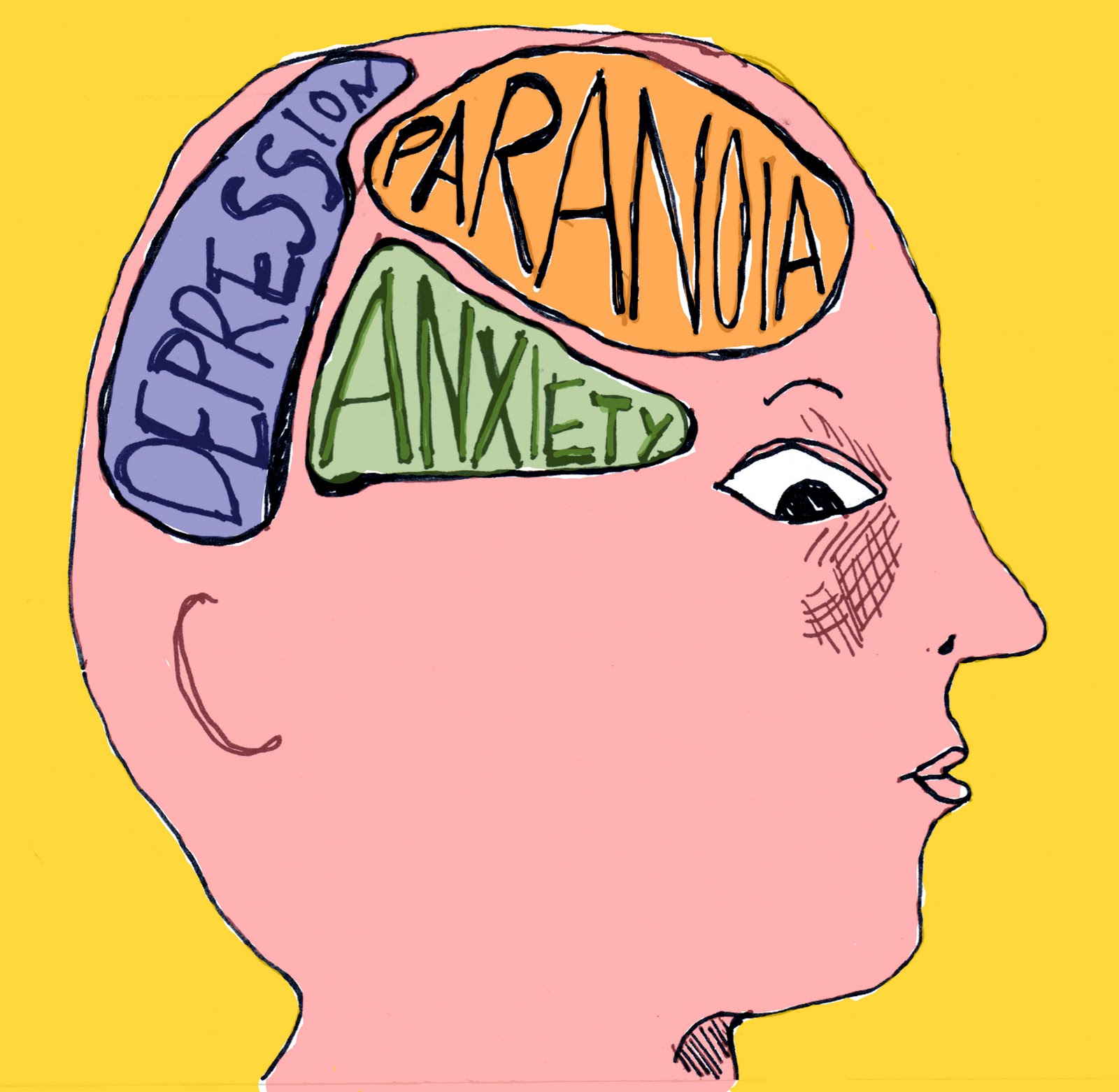
    Sometimes, people experience major mental health problems which require medication or regular conversations with a counselor. Even when mental health issues aren’t that bad, they can be very hard to live with. The feelings of sadness and hopelessness that come with depression, for example, can make people stop caring about life. Often these problems are related to what happens to people in their lives, but they come from a combination of factors. One of the most common mental health problems, stress, is a good example.

    Stress happens when something puts pressure on another so that the second one is in danger of breaking. In mental health terms, this could be when school or work becomes so busy that people can no longer manage or when they are dealing with a difficult situation, such as a death or divorce in the family. It can also come through physical factors, such as ongoing pain from an injury or illness. If you are like most people, stress is a part of your daily life.

    How can you deal with the problems like stress that affect your mental health? In some cases, you might be able to change the situations that cause stress, such as how busy you are. If your schedule is causing you stress, you can try to reduce the number of things you do and take more time to relax. You might need to ask for more help with your work so that others can help reduce the stress you feel. Basically, you might have to concentrate on the activities that are most important in your life.

    You might not be able to change everything that you find stressful, but you can try to find ways of making the situation easier. If you have a large and noisy family and you prefer quiet, for instance, there might be little that you can do about it. You might also have to live with a health problem or other difficult situation. However, you can find ways to relieve your stress by spending time on activities you enjoy or by talking with people you trust. If you can deal with mental health issues like stress before they become major problems, you will find it easier to cope with life.

    You need to be aware of the things that affect your mental health and to get help if necessary. Whatever issues you may face, it’s important to see mental health as an essential part of what keeps you going every day.