Tag: vet

  • Let’s Take a Trip to the Vet

    Let’s Take a Trip to the Vet

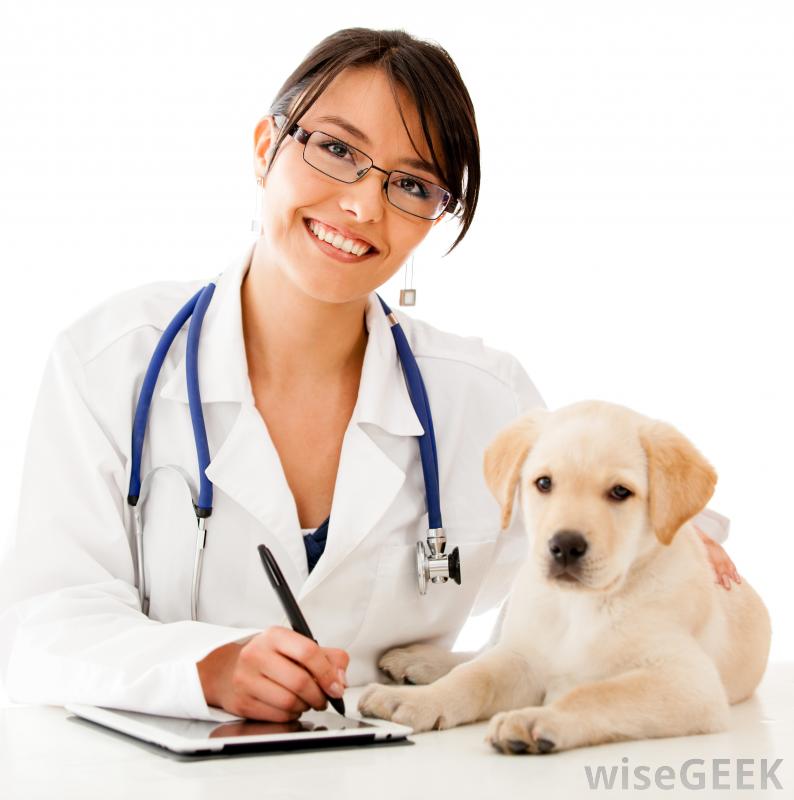
    Just like people, sometimes animals get sick or injured and need to see a doctor. A doctor that specializes in taking care of animals is called a veterinarian, or a vet for short.

    Most vets work in clinical practices, meaning they work directly with animals. However, some vets work doing research, teaching or work for the government.

    Dr. Jaime Buchanan is a veterinarian at the Kingston Veterinary Clinic in Kingston, Ontario. Her job is to treat animals for diseases and injuries and to inform owners of how to prevent their animals from getting sick.

    Doctor Buchanan says animals go to the vet most often because they are sick or injured. She says, “the most common problems are vomiting, diarrhea and skin problems. And some of the common injuries include: lameness (limping) and wounds or cuts.” She also says, like people, many animals have regular check-ups to make sure they are healthy. They have vaccinations, which are needles with medicine that help prevent diseases, flea treatments and de-worming.

    However, unlike people, animals can’t tell someone when they aren’t feeling well. Doctor Buchanan says, “it can be very difficult to diagnose animals because they can’t tell you how they are feeling or where they are hurt.”

    In order to figure out exactly what the problem is, she says the vet, “starts by taking a thorough history of the problem from the owner. They do a physical exam, checking the animal from head to tail. This includes looking at their teeth and gums, listening to their heart, taking their temperature and feeling their abdomen, among other things.” If the problem is not obvious, the vet may need to do further tests like blood work or X-rays to determine why the patient is sick.

    Depending on what is wrong, treatment for the animal may include going home and taking medication, like pain pills or antibiotics. Or, if they are very sick, they may need to stay in the hospital and have an IV (intravenous fluids) and be closely watched to ensure the treatment is working.
    Doctor Buchanan says some of the symptoms pet owners should watch out for are, “vomiting, diarrhea, breathing problems, skin and ear problems, and changes in water intake or urination.” She says if your animal is not eating or drinking or if they seem to have less energy than usual, call your veterinarian.

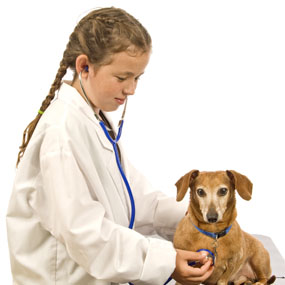
    When you take your pet to the vet, Doctor Buchanan says you can expect to see “other animals and people in the clinic. You may also see the receptionist and veterinary technician in the waiting room. In the exam room, you can watch while your pet is examined. And you may even get to listen to the animals’ heart with the stethoscope or help hold and comfort your pet.”

    The vet will explain everything step by step while they are completing your animals check-up, and Dr. Buchanan says don’t be afraid to ask questions because the Doctor will be more than happy to answer them.

    If you love animals, maybe becoming a veterinarian would be your dream job!
  • Career Profile: Veterinarian

    Career Profile: Veterinarian

    When people get sick, they go to a doctor. Do you know where they take animals that are sick? The doctors who look after animals, whether they are pets like cats and dogs or farm animals like sheep, are called veterinarians, or vets. Just like doctors for humans, veterinarians are experts in health and diseases for their patients. Becoming a veterinarian takes a lot of hard work, but it can be an enjoyable and rewarding profession for people who like helping animals.

    Taking care of animals can be complicated, especially since, unlike human patients, animals are unable to tell their doctors about any problems they are having. Veterinarians have to be able to diagnose problems just by doing tests and by looking at the animals for signs of illness or injury. They need verbal skills to be able to talk with the animals’ owners, but they also need to know about animal behavior, such as what it means when a horse lies down on the ground or a dog hides under the furniture. Problem-solving is an important part of the work. Veterinarians have to look at how the animal is acting and use their knowledge of diseases to determine the issue and decide on treatment. Someone who loves animals and spends time with them is likely to have some of these necessary skills for veterinary work.

    Besides an understanding of animals, veterinarians need formal education. Usually people start out with at least two years of studies in an area such as agriculture or general science. Next, they take about four years of studies at a university to get a Doctor of Veterinary Medicine degree. This degree teaches them about illnesses, medications, regular care, and anything else they need to know. Once they finish, they have to take an exam to receive a certificate of qualification.

    Veterinarians can follow one of two basic streams. Many veterinarians work with pets, such as dogs, cats, and hamsters. Others work with farm animals, where they might have to deal with large animals like cows and horses or small animals like chickens. Veterinarians for pets can often work out of offices since the animals they treat are small enough to bring into buildings. However, veterinarians who work with large animals normally have to travel to see the animals in barns or stables. Some veterinarians work in government departments, teaching, or research.

    Working as a veterinarian can be a stressful job. The animals can be difficult to handle, especially when they are in pain or are afraid of what is happening to them. For people who really love animals, it can also be difficult to give their patients painful treatments or vaccinations. Because of stresses like these, many veterinarians change professions after about twenty years, although some stay in their work for an entire career. On average, veterinarians make about $70,000 per year, although the salary varies according to where they work and the types of animals they treat.

    Do you want to help animals? Maybe you should consider becoming a veterinarian.

  • A Trip to the Vet

    A Trip to the Vet

    Just like people, sometimes animals get sick or injured and need to see a doctor. A doctor that specializes in taking care of animals is called a veterinarian, or a vet for short.

    Most vets work in clinical practices, meaning they work directly with animals. However, some vets work doing research, teaching or work for the government.

    Dr. Jaime Buchanan is a veterinarian at the Kingston Veterinary Clinic in Kingston, Ontario. Her job is to treat animals for diseases and injuries and to inform owners of how to prevent their animals from getting sick.

    Doctor Buchanan says animals go to the vet most often because they are sick or injured. She says, “the most common problems are vomiting, diarrhea and skin problems. And some of the common injuries include: lameness (limping) and wounds or cuts.” She also says, like people, many animals have regular check-ups to make sure they are healthy. They have vaccinations, which are needles with medicine that help prevent diseases, flea treatments and de-worming.

    However, unlike people, animals can’t tell someone when they aren’t feeling well. Doctor Buchanan says, “it can be very difficult to diagnose animals because they can’t tell you how they are feeling or where they are hurt.”

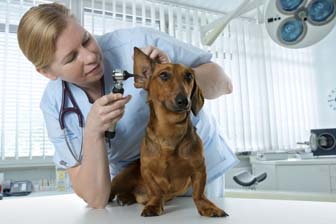
    In order to figure out exactly what the problem is, she says the vet, “starts by taking a thorough history of the problem from the owner. They do a physical exam, checking the animal from head to tail. This includes looking at their teeth and gums, listening to their heart, taking their temperature and feeling their abdomen, among other things.” If the problem is not obvious, the vet may need to do further tests like blood work or X-rays to determine why the patient is sick.

    Depending on what is wrong, treatment for the animal may include going home and taking medication, like pain pills or antibiotics. Or, if they are very sick, they may need to stay in the hospital and have an IV (intravenous fluids) and be closely watched to ensure the treatment is working.
    Doctor Buchanan says some of the symptoms pet owners should watch out for are, “vomiting, diarrhea, breathing problems, skin and ear problems, and changes in water intake or urination.” She says if your animal is not eating or drinking or if they seem to have less energy than usual, call your veterinarian.

    When you take your pet to the vet, Doctor Buchanan says you can expect to see “other animals and people in the clinic. You may also see the receptionist and veterinary technician in the waiting room. In the exam room, you can watch while your pet is examined. And you may even get to listen to the animals’ heart with the stethoscope or help hold and comfort your pet.”

    The vet will explain everything step by step while they are completing your animals check-up, and Dr. Buchanan says don’t be afraid to ask questions because the Doctor will be more than happy to answer them.

    If you love animals, maybe becoming a veterinarian would be your dream job!