Tag: veterinarian

  • Let’s Take a Trip to the Vet

    Let’s Take a Trip to the Vet

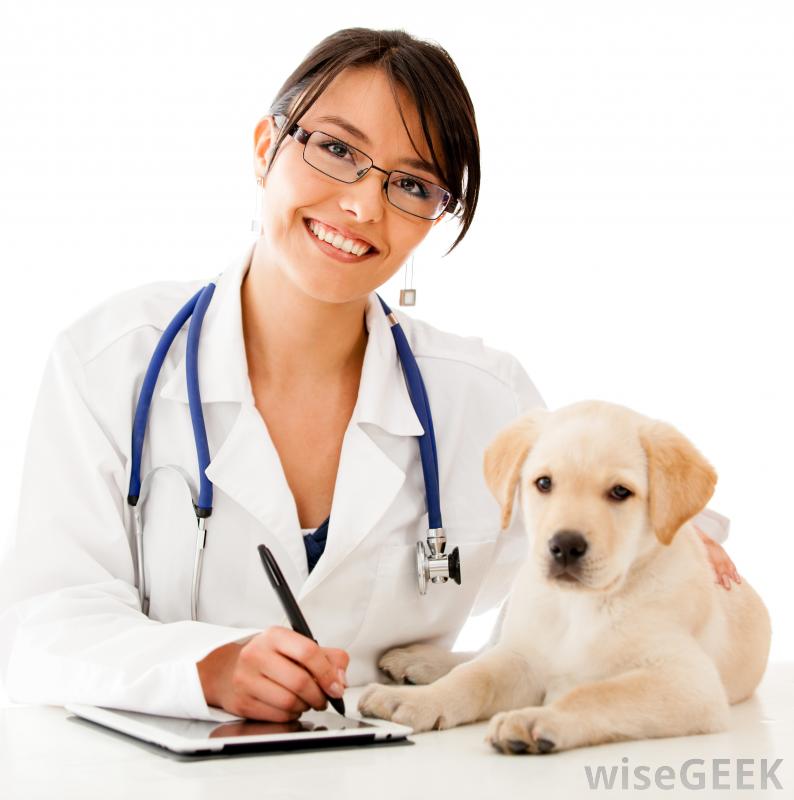
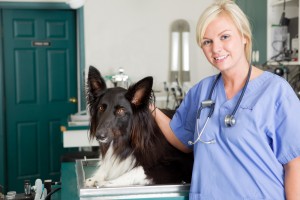
    Just like people, sometimes animals get sick or injured and need to see a doctor. A doctor that specializes in taking care of animals is called a veterinarian, or a vet for short.

    Most vets work in clinical practices, meaning they work directly with animals. However, some vets work doing research, teaching or work for the government.

    Dr. Jaime Buchanan is a veterinarian at the Kingston Veterinary Clinic in Kingston, Ontario. Her job is to treat animals for diseases and injuries and to inform owners of how to prevent their animals from getting sick.

    Doctor Buchanan says animals go to the vet most often because they are sick or injured. She says, “the most common problems are vomiting, diarrhea and skin problems. And some of the common injuries include: lameness (limping) and wounds or cuts.” She also says, like people, many animals have regular check-ups to make sure they are healthy. They have vaccinations, which are needles with medicine that help prevent diseases, flea treatments and de-worming.

    However, unlike people, animals can’t tell someone when they aren’t feeling well. Doctor Buchanan says, “it can be very difficult to diagnose animals because they can’t tell you how they are feeling or where they are hurt.”

    In order to figure out exactly what the problem is, she says the vet, “starts by taking a thorough history of the problem from the owner. They do a physical exam, checking the animal from head to tail. This includes looking at their teeth and gums, listening to their heart, taking their temperature and feeling their abdomen, among other things.” If the problem is not obvious, the vet may need to do further tests like blood work or X-rays to determine why the patient is sick.

    Depending on what is wrong, treatment for the animal may include going home and taking medication, like pain pills or antibiotics. Or, if they are very sick, they may need to stay in the hospital and have an IV (intravenous fluids) and be closely watched to ensure the treatment is working.
    Doctor Buchanan says some of the symptoms pet owners should watch out for are, “vomiting, diarrhea, breathing problems, skin and ear problems, and changes in water intake or urination.” She says if your animal is not eating or drinking or if they seem to have less energy than usual, call your veterinarian.

    When you take your pet to the vet, Doctor Buchanan says you can expect to see “other animals and people in the clinic. You may also see the receptionist and veterinary technician in the waiting room. In the exam room, you can watch while your pet is examined. And you may even get to listen to the animals’ heart with the stethoscope or help hold and comfort your pet.”

    The vet will explain everything step by step while they are completing your animals check-up, and Dr. Buchanan says don’t be afraid to ask questions because the Doctor will be more than happy to answer them.

    If you love animals, maybe becoming a veterinarian would be your dream job!
  • Career Profile: Veterinarian

    Career Profile: Veterinarian

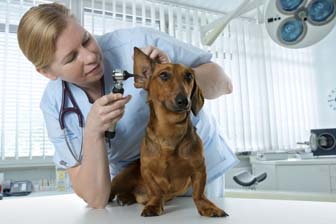
    When people get sick, they go to a doctor. Do you know where they take animals that are sick? The doctors who look after animals, whether they are pets like cats and dogs or farm animals like sheep, are called veterinarians, or vets. Just like doctors for humans, veterinarians are experts in health and diseases for their patients. Becoming a veterinarian takes a lot of hard work, but it can be an enjoyable and rewarding profession for people who like helping animals.

    Taking care of animals can be complicated, especially since, unlike human patients, animals are unable to tell their doctors about any problems they are having. Veterinarians have to be able to diagnose problems just by doing tests and by looking at the animals for signs of illness or injury. They need verbal skills to be able to talk with the animals’ owners, but they also need to know about animal behavior, such as what it means when a horse lies down on the ground or a dog hides under the furniture. Problem-solving is an important part of the work. Veterinarians have to look at how the animal is acting and use their knowledge of diseases to determine the issue and decide on treatment. Someone who loves animals and spends time with them is likely to have some of these necessary skills for veterinary work.

    Besides an understanding of animals, veterinarians need formal education. Usually people start out with at least two years of studies in an area such as agriculture or general science. Next, they take about four years of studies at a university to get a Doctor of Veterinary Medicine degree. This degree teaches them about illnesses, medications, regular care, and anything else they need to know. Once they finish, they have to take an exam to receive a certificate of qualification.

    Veterinarians can follow one of two basic streams. Many veterinarians work with pets, such as dogs, cats, and hamsters. Others work with farm animals, where they might have to deal with large animals like cows and horses or small animals like chickens. Veterinarians for pets can often work out of offices since the animals they treat are small enough to bring into buildings. However, veterinarians who work with large animals normally have to travel to see the animals in barns or stables. Some veterinarians work in government departments, teaching, or research.

    Working as a veterinarian can be a stressful job. The animals can be difficult to handle, especially when they are in pain or are afraid of what is happening to them. For people who really love animals, it can also be difficult to give their patients painful treatments or vaccinations. Because of stresses like these, many veterinarians change professions after about twenty years, although some stay in their work for an entire career. On average, veterinarians make about $70,000 per year, although the salary varies according to where they work and the types of animals they treat.

    Do you want to help animals? Maybe you should consider becoming a veterinarian.

  • I Want to Work with Animals

    I Want to Work with Animals

    Some people love animals and want to spend as much time as possible with them. They might decide to become veterinarians, looking after sick animals. How else can people care for animals as a career? One way is to become a pet groomer and to help animals look their best. For people who like animals, a career as a pet groomer can be a good choice.

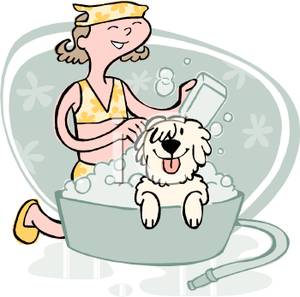
    If you have your own dog, you probably give it a bath and brush its fur regularly. Some dogs, such as poodles, need haircuts occasionally, but dogs that shed their fur also need help with keeping their coats clean and untangled. Cats usually clean themselves up, but even they sometimes need help. You might be able to take care of your pet at home, but sometimes animals need more care. That’s where pet groomers can help. They bathe animals, dry and brush their fur, and give haircuts if necessary to dogs, cats, and other animals. About half of Canada’s trained groomers work with people’s pets, but others work with farm animals and sometimes even with the animals in zoos.

    Because their work can vary widely, animal groomers need many different types of training. Graduation from high school is a basic requirement, and many groomers need to complete a training course in their field. For pet groomers, this training might include special techniques for keeping animals quiet and calm without hurting them, as well as practice in grooming styles. Many people also complete an apprenticeship, in which they work together with an experienced groomer and learn what they need to know for their careers. When they have finished their training, they are ready to look for work.

    Working with animals can sometimes be challenging. Pet groomers often have to lift heavy dogs onto tables and deal with animals that dislike the whole process. Has your dog or cat ever run away when you tried to give it a bath? Pet groomers have to deal with the same types of problems, and being bitten or scratched is common. Just keeping an animal on the grooming table requires patience and a certain amount of strength. Pet groomers need to understand how to keep animals calm and how to deal with the problems that they encounter.

    For many groomers, the chance to work with the animals that they love is what counts the most. Would you like to work with animals every day?

  • A Trip to the Vet

    A Trip to the Vet

    Just like people, sometimes animals get sick or injured and need to see a doctor. A doctor that specializes in taking care of animals is called a veterinarian, or a vet for short.

    Most vets work in clinical practices, meaning they work directly with animals. However, some vets work doing research, teaching or work for the government.

    Dr. Jaime Buchanan is a veterinarian at the Kingston Veterinary Clinic in Kingston, Ontario. Her job is to treat animals for diseases and injuries and to inform owners of how to prevent their animals from getting sick.

    Doctor Buchanan says animals go to the vet most often because they are sick or injured. She says, “the most common problems are vomiting, diarrhea and skin problems. And some of the common injuries include: lameness (limping) and wounds or cuts.” She also says, like people, many animals have regular check-ups to make sure they are healthy. They have vaccinations, which are needles with medicine that help prevent diseases, flea treatments and de-worming.

    However, unlike people, animals can’t tell someone when they aren’t feeling well. Doctor Buchanan says, “it can be very difficult to diagnose animals because they can’t tell you how they are feeling or where they are hurt.”

    In order to figure out exactly what the problem is, she says the vet, “starts by taking a thorough history of the problem from the owner. They do a physical exam, checking the animal from head to tail. This includes looking at their teeth and gums, listening to their heart, taking their temperature and feeling their abdomen, among other things.” If the problem is not obvious, the vet may need to do further tests like blood work or X-rays to determine why the patient is sick.

    Depending on what is wrong, treatment for the animal may include going home and taking medication, like pain pills or antibiotics. Or, if they are very sick, they may need to stay in the hospital and have an IV (intravenous fluids) and be closely watched to ensure the treatment is working.
    Doctor Buchanan says some of the symptoms pet owners should watch out for are, “vomiting, diarrhea, breathing problems, skin and ear problems, and changes in water intake or urination.” She says if your animal is not eating or drinking or if they seem to have less energy than usual, call your veterinarian.

    When you take your pet to the vet, Doctor Buchanan says you can expect to see “other animals and people in the clinic. You may also see the receptionist and veterinary technician in the waiting room. In the exam room, you can watch while your pet is examined. And you may even get to listen to the animals’ heart with the stethoscope or help hold and comfort your pet.”

    The vet will explain everything step by step while they are completing your animals check-up, and Dr. Buchanan says don’t be afraid to ask questions because the Doctor will be more than happy to answer them.

    If you love animals, maybe becoming a veterinarian would be your dream job!
  • Working As A Vet Tech

    Working As A Vet Tech

    Nature of the Work
    Pet owners, zoos and aquariums expect excellent care from their veterinarians and thus to provide the optimal services, veterinarians use veterinary technicians and technologists to assist them, much as doctors use nurses in the medical field. Job duties vary depending on the employer, but generally technicians and technologists complete similar tasks for their employers even though there are differences in the formal education and training of the two titles. Most technicians work in private veterinary practices; but because of their additional education and training, technologists can choose to work in jobs that are more advanced research related.

    Job Description of a Veterinary Technician and Technologist
    Veterinary technicians and technologists usually work under the supervision of a licensed veterinarian. They are often required to perform skills such as venipuncture, or skin scrapings to treat and diagnose health concerns of the animals as well as performing various medical tests. Tests they conduct include blood work ups, urinalysis, and taking tissue samples. They may assist in dental care and surgeries and may be required to perform and maintain anesthesia. Other duties might include taking patient histories, expose and develop X-rays and radiographs, dressing wounds, applying splints, and taking vital signs. There are a variety of diagnostic tests which the veterinarian may rely on the technician or technologist to conduct. Experienced veterinary technicians may be expected to train new personnel in the clinic or discuss a health issue with a pet’s owner. In some practices they may be required to assist in administrative tasks such as maintaining treatment records and inventory records of supplies, equipment and pharmaceuticals.

    In most clinical private practices, the technician and technologist will assist in the care of small animals such as cats and dogs, but also may perform duties with animals such as cattle, horses, sheep, birds, mice and lizards. It is rare for a technologist to work in practices that care for both small pets and large wild animals.

    Another area of work for technologists and technicians is research facilities. In these facilities veterinary technicians and technologists work under the supervision of veterinarians as well, but they may also be supervised by a physician. The job duties in this area of the field may include administering medications, and recording information about the animals such as diet, genealogy, food intake, and weight. They may be required to monitor and record signs of pain and distress in animals, sterilize surgical equipment and provide postoperative care. Veterinary technologists may be required to give an animal a vaccination or euthanize an animal.

    In some instances, veterinary technologists assist in research projects that involve other scientists in medical-related fields. They can work in biomedical research, livestock management, pharmaceutical sales or wildlife medicine. There are increasing opportunities for technologists in the biosecurity and disaster preparedness jobs.

    Job Outlook
    The job outlook for veterinary technicians and technologists is excellent as there is a need to replace those leaving the field and there are limited numbers of qualified technicians graduating The demand for the positions is not expected to be met in the period of 2008-2018 as the field is expected to grow at a much faster rate than the average.

    The biggest factor in the expected growth rate of 36 percent is the attitude of pet owners. Pets are often considered part of the family and pet owners are becoming more affluent, knowledgeable and more willing to pay for advanced veterinary services for their pets. This is expected to continue to increase the demand for veterinary services and thus the increase in veterinary clinical practices that will need assistants.

    It is expected for the number of pet owners utilizing veterinary services to grow and increase job opportunities. Advanced services such as surgical procedures or preventive dental care will provide more opportunities for those technicians and technologists who specialize in those areas. Demands for feline services and medicine are expected to rise as the number of cats as companions is steadily growing. It is expected animal shelters, humane societies, animal control facilities, boarding kennels, animal hospitals and clinics will want to replace veterinary assistants with highly skilled technicians which will further the demand for workers who are specialized in specific areas.