Tag: water

  • Water: Is the glass half empty or half full?

    We can’t live without water. We need it to stay hydrated and grow food. We use it to generate electricity. Water is in us and all around us. It makes up about 65 per cent of our bodies. Thanks to the hydrologic cycle, it circulates constantly, as liquid, gas, and solid, evaporating from oceans and fresh water, moving through air, raining onto Earth, flowing through plants and animals, into the ground, and back to the oceans through rivers, streams, and sewage outflows.

    Water covers 70 per cent of the Earth’s surface, but 97.5 per cent is saltwater. Of the 2.5 per cent that’s fresh, 68.7 per cent is locked in the ice and snow of the Arctic, Antarctic, and mountains, leaving about one per cent for our use. More than a billion people lack adequate access to clean water.

    Just as human activity is upsetting Earth’s carbon cycle, our actions are altering the water cycle. Water is our most precious resource, but we waste it, just as we waste other resources, including oil and gas. When we use so much that the system can’t renew itself, we create shortages and drought. When we pollute it, we make matters worse.

    More than a billion people in the world survive on just five litres a day, less than the amount of a typical North American toilet flush. The average Canadian uses 335 litres a day, more than double the average for similar industrialized countries. In fact, we use more in Canada than in any country except the U.S.

    As individuals, we can reduce consumption and find ways to use water more efficiently. We also have to look at industrial use. Energy generation, including what’s required to extract fuels, is straining water resources more every day. According to a report on the EcoWatch website, “fracking” is particularly worrisome. This process involves injecting massive amounts of water and chemicals into the ground at high pressure to fracture underground shale and release gas deposits.

    Each frack can use up to 30-million litres of water, and a well can be “fracked” as many as 18 times. According to EcoWatch, “The water, usually drawn from natural resources such as lakes and rivers, is unrecoverable once it’s blasted into the earth, and out of the water cycle for good.”

    With record high temperatures and widespread drought in the U.S., oil and gas drillers and the energy industry have to compete with farmers for scarce water. There, the fastest-growing use of fresh water is by coal, nuclear, and natural gas power plants, according to a report by the River Network. Our reliance on fossil fuels is also contributing to global warming, making water even more scarce, as glaciers melt, rivers dry up, and droughts become increasingly common.

    Beyond reducing individual use, one of our top priorities must be to move from fossil fuels to energy that has fewer detrimental effects on water supplies and fewer environmental impacts overall.

    We can also get creative. A study in the journal Science (referenced in the EcoWatch article), “Taking the ‘Waste’ Out of ‘Wastewater’ for Human Water Security and Ecosystem Sustainability”, concludes that we can employ substitution, regeneration, and reduction to conserve water.

    Substitution involves using low-quality water instead of high-quality for many activities, such as sprinkling a garden with collected rainwater rather than drinkable tap water. In Hong Kong, most residents use seawater for toilets. Regeneration means treating low-quality water to make it usable rather than flushing it away. Using a waste-stabilization pond, some households could transform sewage into water for irrigation. Wastewater can also be treated and recycled for large-scale uses. People can reduce usage in many ways, from installing low-flow plumbing to repairing leaks in infrastructure.

    We can also keep water clean and plentiful by protecting and preserving our valuable natural capital, often for less money! Instead of spending $8 billion for a water-treatment plant, New York City officials spent $1 billion to buy land and protect habitat that filters and stores water.

    In Canada, we often take water for granted. With increasing pressure on the availability and cleanliness of our water, we have to start paying closer attention to what we do with it.

  • Career Profile: Water Well Driller

    Career Profile: Water Well Driller

    Everyone needs water for all kinds of purposes, such as drinking, taking showers, washing clothes, and watering plants. People who live in cities usually get their water from a central system that takes water from a lake or river, purifies it, and sends it through pipes to homes and businesses,. When those systems are unavailable or not working properly, people get their water from wells; that’s when water well drillers can help.

    The first step in drilling a well is to look for the best place to find water. Some areas might be too rocky, or the soil might not be right, or the water level might be too low. Water well drillers need to know the most likely places to find enough clean water and to do tests to find out whether or not the location is good for a well.

    After finding the right spot, water well drillers use large machines to drill the well and install pumps and other equipment to help draw the water out of the well. This step can take a lot of knowledge and possibly some physical strength if the drillers have to move heavy equipment around. In remote areas where many machines are unavailable, the drillers might even need the strength to do some digging with hand-held tools like shovels.

    No special education is necessary to become a water well driller, although it helps to know about soil, rock, and other environmental factors. Most people in this trade learn on the job through apprenticeships, working together with experienced drillers.

    However, it can be helpful to take courses in equipment maintenance or environmental topics to gain a better understanding of the job. Some knowledge of accounting is also useful for estimating costs for customers and keeping track of expenses. Many water well drillers are self-employed, and they might need to learn the basics of running a small business and of supervising other people on the job.

    The way that water well drillers work changes with new technology and different environmental conditions, but the basic need for water means that there will always be a need for this trade. However, if people in this field can transfer their skills to a similar field, such as oil and gas extraction, that will help them to find work to keep them going throughout the year.

    Salaries for water well drillers can be high, especially after they gain some experience. Generally, people in this trade start at about $20 per hour and they can get to $45 per hour with experience. Many drillers work fairly long hours each week, and they have to be prepared for all temperatures but also be willing to cancel work in case of bad weather.

    If you decide to become a water well driller, you will be able to earn a good living by helping people find something that can sustain an entire community.

    Bibliography:

    Alberta Learning Information Service. “Water Well Driller.”

    http://occinfo.alis.alberta.ca/occinfopreview/info/browse-occupations/occupation-profile.html?id=71003107.

    Careers.org. “Career Occupational Profile for: Water Well Driller.”

    http://www.careers.org/occupations/26025/water-well-driller

    Industry Training Authority. “Water Well Driller.” http://www.itabc.ca/program/water-well-driller.

    Payscale.com. “Driller Salary (Canada).”

    http://www.payscale.com/research/CA/Job=Driller/Hourly_Rate.

  • Thirst is a Drop in the Cup

    Thirst is a Drop in the Cup

    Forget smoothies and sodas: the best drink comes right from the tap! The human body is composed of up to 60% water, so it makes sense that we’d need to continue drinking it to keep ourselves healthy. Unfortunately, if you’re always on-the-go, you may not be getting the hydration you need. Water is part of the fuel that keeps our bodies running efficiently—and more often than not, we forget to fill up.

    The result of not drinking water is extremely detrimental to our well-being. Constant dehydration can really take a toll on your health, in some cases leading to headaches, dizziness and fatigue. The good news is that you can put yourself on the road to healthy living simply by adding a few of glasses of water to your daily routine. Here are some of the many benefits of drinking water.

    1. It boosts your energy. Your body works best when it’s fully hydrated, and you can start to feel a little sluggish if you haven’t gotten your daily water intake. Your brain is mostly water, too, so nourishing it with a quick drink will really help your focus.

    2. It helps you eat healthy. You may be confusing constant snack cravings with your body’s cry of thirst: drinking water reduces overeating and hunger by filling your body up with the nourishment it needs. Water also contributes to the proper functioning of your digestive system, which helps process the vitamins and nutrients in your healthy diet.

    3. It can ward off sickness. Your immune system greatly benefits from water: drinking your fill could leave you less susceptible to colds and flu. Water helps your body quickly flush out toxins, which reduces the risk of more serious ailments.

    4. It comes with beauty perks. Water is great for your skin—aside from keeping it hydrated, by drinking water you’re flushing out toxins that can leave your complexion dull or irritated. Plus, since it hydrates your body’s cells, it can do wonders for your hair and nails.

    What can you do to make sure you get enough water? Carry a water bottle on you and remind yourself to drink (even when you don’t feel thirsty). There are smartphone apps that can track your progress throughout the day. And don’t forget to account for extraneous variables: if it’s hot out or you’ve been exercising, chances are you’re going to need to drink more water to keep yourself in check.

    With its multitude of health benefits, water can make or break a healthy regimen, and hydration might just be the thing your body is missing. Try to make drinking water part of your daily routine, and you’ll notice a difference. Cheers to that!

  • Why is Drinking Water Important?

    Why is Drinking Water Important?

    Society constantly promotes the importance of drinking water and how vital it is to human life. Yet, a lot of us don’t really know why it is so important and often don’t include enough water in our diets. Water, otherwise known as H2O is composed of two hydrogen atoms bonding to one oxygen atom.

    Without water, humans would not survive. On average we can only live without drinking water for three days! This is because water hydrates our bodies and helps our bodies to function optimally. In fact, the human body in itself is made up of about 60% water. Many other animals also rely on water in some way or another for survival.

    Some of the benefits of drinking water include keeping your skin hydrated and looking healthy and improving the function of your kidneys and helping bowel movements. Drinking water also enhances muscle performance and makes you feel less tired. Your brain can especially reap the benefits because water can help you stay more alert and focused. Another benefit that a lot of people don’t know is that you can find relief from a headache by drinking water; they are often caused by dehydration.

    The recommended amount of water for humans is about 6-7 glasses of water per day or about 2 liters. This amount depends on the level of activity that you are participating in every day. If you are very active and play a lot of sports, drinking more water would be necessary. However, you should keep in mind that water is also found in the food we eat, so don’t count that out! For example one cup of yogurt is made up of about 85% water.

    A lot of us have a hard time including water in our diets. I can relate to this and also have difficulties drinking a lot of water. I think it lacks taste and is a bit boring compared to drinking juice or pop. If you also find it to be super tasteless then consider adding some fruit to your water in order to add some flavour. These fruit infused water creations are easy to make and will motivate you to include more water in your diet. Some of my favourite combinations are: raspberry-lime, pineapple-mint and strawberry-cantaloupe. You can be creative by experimenting with your own favourite fruits and maybe come up with a winning combination of your own!

  • Career Profile: Ship’s Agent

    Career Profile: Ship’s Agent

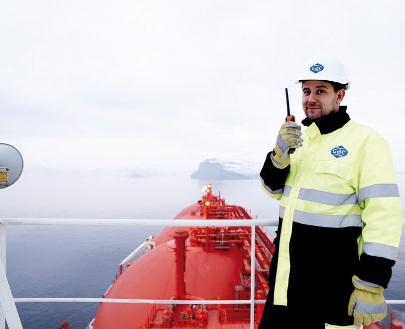
    Before he heads to the office, the ship agent boards the vessel as it arrives in the port. He walks up a steep gangway with people from the federal government who work for the Canadian Food Inspection Agency (CFIA) and Transport Canada. As the latter inspects the ship, the agent finds the captain and assists him as he signs various documents that are required before the ship is allowed to enter the port.

    It is the ship agent’s job to coordinate the arrival of all vessels that enter Canadian waters. He is thus a vital link between all the imports and exports that come in and out of the country.

    Once back at the office, the agent performs a variety of duties. When a ship plans to arrive, the agent gathers information about the vessel such as: how many members are on the crew and where they are each from, how much the ship weighs and when it was built, and what kind of cargo it is carrying or picking up. He then sends the information to Canadian Customs and Immigration. When Customs clears the ship, it is free to enter Canadian waters.

    However, a ship cannot enter Canadian ports until the federal public servants have inspected the entire ship and cleared it for loading or unloading its cargo. It is the ship agent’s role to coordinate with members of CFIA and Transport Canada. He also organizes – with the ship’s owners, charterers and stevedores – when and where the ship will be loaded with cargo.

    The agent must also host the captain while he and his crew are anchored in the port. He brings the captain cash for the crew to use while they are anchored and he coordinates with ship chandlers who supply the crew with groceries and other necessary supplies. He also arranges for crew members to be picked up and taken to the airport when they are ready to return home if a new crew is taking over the ship.

    The ship agent links Canadian ports to the rest of the world.

    He coordinates much of the activity that sees that items like steel, sugar and electronics arrive safely in the country’s ports while grain, canola, lentils, yellow peas, barley, wheat, oats and other products are loaded into the vessels and shipped to places all over the world.

  • Great Changes for the Great Lakes

    Great Changes for the Great Lakes

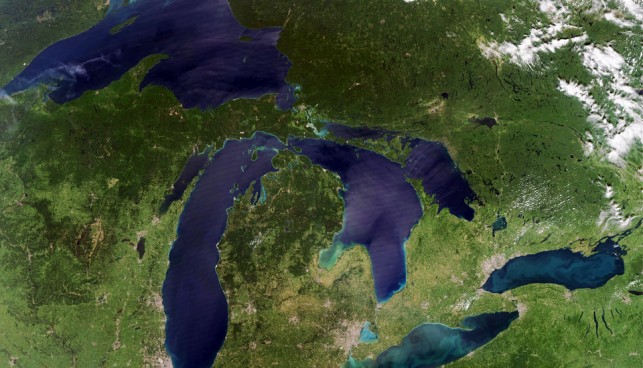
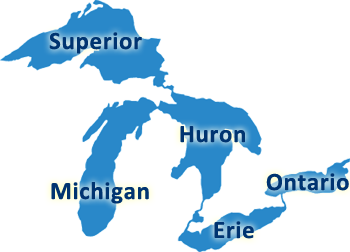
    Across the world North America is known for many things; the culture, the people and the great outdoors. Part of that great outdoors is the Great Lakes. The Great Lakes are an integral part of our North American identity; and to preserve that identity in 2005 the premiers of Ontario and Quebec and the leaders of eight American states that border the lakes came together and signed the Great Lakes Water Pact.

    The Great Lakes Water Pact is a pact that has introduced strict regulations in regards to the usage of the Great Lakes and it has sunk the tentative thoughts of shipping water to thirsty regions in the United States and Middle East. It was signed by the Canadian provinces and the American states that surround the Great Lakes; Ontario, Quebec, Ohio, New York, Pennsylvania, Michigan, Indiana, Illinois, Wisconsin and Minnesota. The agreement includes rules that make it difficult for communities surrounding the Great Lakes watershed to use the water and also aims to prohibit the commercial export of the lake water by restricting withdrawals of water to five gallon (twenty litres) containers.

    The affects this pact has on future generations are great. The Great Lakes are a natural resource that are depleting and are not renewing as fast or as much that is necessary. More than thirty five million people rely on the lakes for drinking water, and the lakes are only able to replace one percent of that per year.

    The Great Lakes Pact is important for North America’s future generation because it ensures that not all the lakes will be used up and it will be saved from disappearing. This works in the favour of future generations because it guarantees that the lakes will be there for their own usage as well just as it was there for the past generations usage. Not only does it assure fresh and natural drinking water for generations to come but it also promises that the amount of surface water in the world stays intact. The Great Lakes contains twenty percent of the world’s surface water and this pact will make sure that the surface water will remain for years to come. Without that surface water the world may dry up which in turn will not only affect people directly but also indirectly via the drying up of crops and vegetation.

    The Great Lakes Water Pact was signed in the year 2005 but its positive effects will last the world for years to come, both directly to people close to them and indirectly to people around the world. Directly through the fact that the Great Lakes are a source of fresh drinking water for people that surround them and indirectly because of the Great Lakes being a source of surface water that helps hydrate crops and vegetation, and without the lakes those crops and vegetation’s would dry up and therefore not feed communities around the world.

  • Career Profile: Marine Biologist

    Career Profile: Marine Biologist

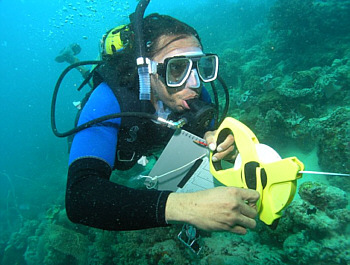
    Every year, humpback whales travel 4000 kilometres from the ocean around Alaska and British Columbia to the water near Hawaii. Soon afterwards, they turn around and make the return journey. Throughout the entire journey, they eat little or nothing until they return to their northern feeding grounds. While they swim, they make musical sounds that sound like singing. Sometimes, humpback whales can stay underwater for half an hour or more without breathing. When they swim near the surface, they often throw themselves out of the water and then crash back into the depths.

    Do facts like these or about other ocean animals interest you? If so, you might want to consider becoming a marine biologist. These scientists work to understand the fish, birds, and other animals that live in the world’s water, especially saltwater animals like whales or crabs.

    If you choose to become a marine biologist, you will need to take as many science courses as you can in high school and university. These courses could be in chemistry, biology, conservation, or oceanography (the study of oceans). Later on, you can to choose a specialty like the life cycle of crabs or the effects of pollution on sea turtles. Your work might end up being much very general, but having a specialty will help you find work. Volunteering at an aquarium or pet shop now might help you choose a field.

    Most marine biologists have at least a Bachelor’s degree, and many have Master’s or PhD degrees as well. If you prefer not to study for such a long time, you can decide to get a technical certificate instead and then work mainly with the daily care of animals instead of conducting studies and writing academic papers. As a biologist, you might collect and analyze samples of various animals. As a technician, you might clean fish tanks or feed the animals. Depending on what you do, you might make anywhere from $30,000 to $100,000 as you work to help people understand the world in which they live.

    Besides helping people understand the world, marine biologists help alert others to problems in the natural world. As they watch the animals in the world’s oceans and seas, for example, they can tell how water and soil quality affects these animals and humans. They see the connections between people’s health and the world around them.

    Do you love to explore streams and lakes to find out what lives in them? Do you have an interest in preserving the natural world? Maybe a career as a marine biologist is right for you.

  • Great Changes for the Great Lakes

    Great Changes for the Great Lakes

    Across the world, North America is known for many things; the culture, the people and the great outdoors. Part of that great outdoors is the Great Lakes. The Great Lakes are an integral part of our North American identity; and to preserve that identity in 2005 the premiers of Ontario and Quebec and the leaders of eight American states that border the lakes came together and signed the Great Lakes Water Pact.

    The Great Lakes Water Pact is a pact that has introduced strict regulations in regards to the usage of the Great Lakes and it has sunk the tentative thoughts of shipping water to thirsty regions in the United States and Middle East. It was signed by the Canadian provinces and the American states that surround the Great Lakes; Ontario, Quebec, Ohio, New York, Pennsylvania, Michigan, Indiana, Illinois, Wisconsin and Minnesota. The agreement includes rules that make it difficult for communities surrounding the Great Lakes watershed to use the water and also aims to prohibit the commercial export of the lake water by restricting withdrawals of water to five gallon (twenty litres) containers.

    The affects this pact has on future generations are great. The Great Lakes are a natural resource that are depleting and are not renewing as fast or as much that is necessary. More than thirty five million people rely on the lakes for drinking water, and the lakes are only able to replace one percent of that per year.

    The Great Lakes Pact is important for North America’s future generation because it ensures that not all the lakes will be used up and it will be saved from disappearing. This works in the favour of future generations because it guarantees that the lakes will be there for their own usage as well just as it was there for the past generations usage. Not only does it assure fresh and natural drinking water for generations to come but it also promises that the amount of surface water in the world stays intact. The Great Lakes contains twenty percent of the world’s surface water and this pact will make sure that the surface water will remain for years to come. Without that surface water the world may dry up which in turn will not only affect people directly but also indirectly via the drying up of crops and vegetation.

    The Great Lakes Water Pact was signed in the year 2005 but its positive effects will last the world for years to come, both directly to people close to them and indirectly to people around the world. Directly through the fact that the Great Lakes are a source of fresh drinking water for people that surround them and indirectly because of the Great Lakes being a source of surface water that helps hydrate crops and vegetation, and without the lakes those crops and vegetation’s would dry up and therefore not feed communities around the world.

  • The Most Dangerous Places On Earth

    The Most Dangerous Places On Earth

    Extreme heat and extreme cold can kill within hours if not minutes. In extreme cold, the human body without clothing does not maintain a high enough temperature to live. If you were to be naked at freezing point of zero degrees, it would take you only twenty minutes to die. Our bodies are simply not strong enough to work as hard as it would need to to keep us warm enough to survive.

    One thing we need even more than warmth is oxygen. Mount Everest’s summit, for example, has incredibly thin air. To survive the trip to the top, a climber would have to move slowly over a period of several months for their body to adjust to the change in oxygen. If somehow we were able to teleport to the top of Mount Everest, we would only be able to survive for about 2-3 minutes because there simply isn’t enough oxygen!

    Death would come even quicker if you were at the bottom of the Mariana Trench. You would be submerged under 7 miles of water – that’s about 11 kilometers! At pressures of 15,000 pounds per square inch, your lungs would collapse immediately and you would fall unconscious in under 20 seconds; you would be dead in under 90 seconds.

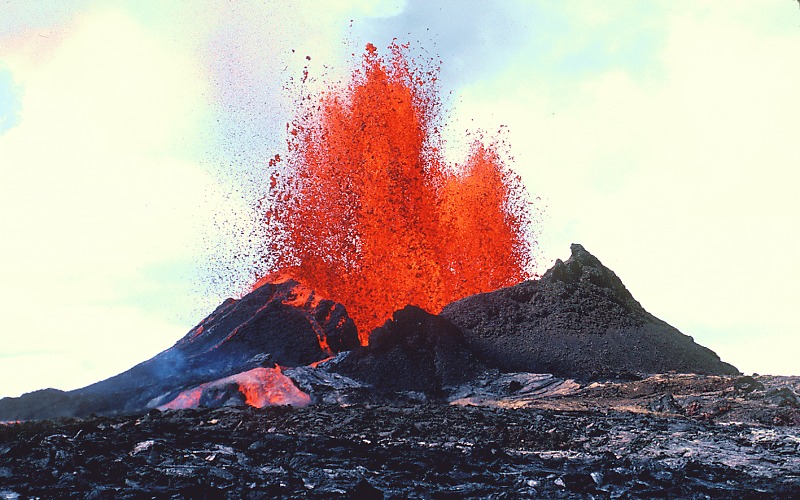
    Swan diving into a molten lake of lava would be something else. I bet you think your body would burn up in seconds and become ash or burn to nothing at all. Well, actually, It would be a lot like fireworks! Technically lava is liquid rock, burning four times hotter than your oven at home could ever get. Our bodies are comprised of mostly of water, which, when exposed to that kind of heat, turns to steam – explosively!

    If we were to measure danger by fatalities caused rather than how rapidly we would die in the world’s most extreme temperatures, we would have to consider something as microscopic as the flu. In 1918, influenza killed nearly one hundred million people. At the time, this would account for 3% of the world’s entire population. Between 1347 and 1353, a third of all people in Europe died because of the bubonic plague, also known as black death. Though it was at its most lethal all those years ago, it is still around. In fact, five to fifteen people get the plague in America every year. Even with those stats, influenza and the plague have nothing on plasmodium – it’s a micro-organism that can get into our blood because of mosquito bites and causes malaria. Researchers such as Nobel Laureate Baruch Blumberg have determined that, of all the humans who have ever existed, it is likely that half died from malaria. So, statistically speaking, any place where one could be bitten by a mosquito and contract malaria would be called the most dangerous place on Earth!