Tag: winter

  • A Student’s Guide to Surviving Winter

    A Student’s Guide to Surviving Winter

    The chill is coming! Colder, whiter days are ahead. We all have to deal with the torment of winter, but there are a few ways to make it easier for all students in high school and college.

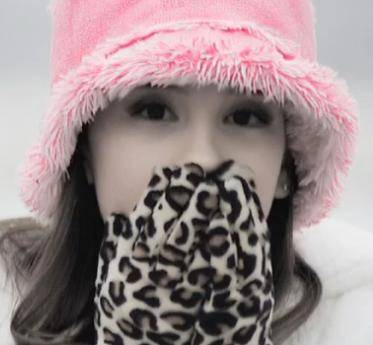
    What do we hate about winter most? The cold, right? It’s only half Mother Nature’s fault, the other half is our own. Many of us want to look fashionable in winter, but at the expense of our own warmth and comfort. We’ve all seen guys walking around in the dead of winter with no coat on or only wearing a hoodie, and girls still wearing skirts and small jackets. Don’t be one of those people! Bundle up! Shop around for good quality winter apparel that will keep you warm! Protect your ears, neck and feet. This should go without saying, because if you don’t you’ll end up getting sick and that leads us to…

    Feeling terrible! This will not help you in school. So what can you do when you do get sick? Friendly Dr. Kylie (that’s me!) says that drinking lots of fluids and hot showers usually does the trick for me. Rest is required, but try going to bed earlier rather than taking full days out of school. I have always missed important information on my sick days. We all know that being sick is all too good of an excuse to over exaggerate our need to take a sick day when really a box of Kleenex and some Buckley’s would be all you need. Additionally, in the winter our bodies require extra vitamins because it has to work harder. Taking a vitamin C pill, for example, will decrease your chances of getting sick significantly.

    So you’ve protected yourself, but this doesn’t mean everyone else did, too. Wash your hands as much as possible when using public facilities. You can also try alternatives to using your hands to touch things; whether you’re using your sleeve or shoulder to open a door or grabbing a piece of paper towel before touching the faucets in the bathroom, it all makes a difference. You can also equip yourself with travel size antibacterial gel. If can’t stand the smell of regular antibacterial gels, many companies now make fruit scented ones to counteract the alcohol smell.

    Finally, if you’re like me and are always cold, here’s something I found helped me in my daily commuting. Carry a thermal mug with you and keep it full of whatever delicious hot beverage you like! Whether it be coffee, tea or even hot chocolate, this will not only keep you warm but it will postpone and lessen your hunger resulting in fewer pounds gained during the less active season! You can also make an effort to eat heartier meals with lots of nutrition rather than greasier meals that will only encourage seasonal depression.

    Following the tips above should help you stay warm, cozy and happy throughout the long Canadian winters!
  • Let’s Celebrate the Gifts of Winter (French version available)

    Let’s Celebrate the Gifts of Winter (French version available)

    We Canadians have a special relationship with snow and ice. We ski in it, skate on it, play in it, shovel it, drive through it, sometimes even bicycle through it and suffer through it for many months of the year — some of us more than others, depending on what part of the country we call home. But how much do we know about it?

    Do Inuit really have dozens of words for snow and ice? Are snowflakes always six-sided? Can two ever be alike? Why is snow white? Is it a mineral? What makes frozen water so important to us? Some of the answers are more complicated than you might imagine.

    Even though English-speaking skiers and snowboarders use multiple adjectives to more accurately describe different types of snow, such as powder, corn and champagne, some say the claim of numerous Inuit words for snow and ice is a myth. But is it?

    According to the Canadian Encyclopedia, “the few basic words used by the Inuit to refer to different types of snow or ice do not translate everything they can say about these two natural elements.” In Inuktitut, words consist of a foundational element that provides basic meaning, along with other elements “to clarify and/or modify the basic meaning. New words can therefore easily be created from another term.” For example, the word siku refers to ice in general, and sikuaq (“small ice”) refers to “the first layer of thin ice that forms on puddles in the fall.” Sikuliaq (“made ice”) refers to “the new ice appearing on the sea or on rock surfaces.” Some words also have broader meanings, depending on the context. The word maujaq, for example, means “soft ground”, but when referring to snow, it means “the snow in which one sinks.”

    So, “the total number of terms referring to the various aspects of snow and ice goes far beyond ten or a dozen,” allowing Inuit to “draw very subtle distinctions between a very high number of snow or ice types.”

    When it accumulates on the ground, snow appears white because, unlike many natural materials, it reflects most light rather than absorbing it, and visible light is white. And although snowflakes form in near-infinite patterns and shapes depending on temperature, wind, humidity and even pollution, each single crystal is always hexagonal, or six-sided, because of the complex way water molecules bond. When a frozen droplet or crystal falls from a cloud, it grows as it absorbs and freezes water from the air around it, forming a six-sided prism. The almost infinite variables mean it’s unlikely, although not impossible, for two snowflakes to be exactly alike.

    And yes, snow can be classified as a mineral. According to the U.S. National Snow and Ice Data Center, “A mineral is a naturally occurring homogeneous solid, inorganically formed, with a definite chemical composition and an ordered atomic arrangement.” Frozen water fits that description.

    Snow and ice are important to life on Earth for many reasons. Both are part of the cryosphere, which includes “portions of the earth where water is in solid form, including snow cover, floating ice, glaciers, ice caps, ice sheets, seasonally frozen ground and perennially frozen ground (permafrost),” according to the Snow and Ice Data Center. It covers 46 million square kilometres of the planet’s surface, mostly in the Northern Hemisphere, and helps regulate the planet’s surface temperature. Changes in the cryosphere can affect climate and water availability, with corresponding effects on everything from winter sports to agriculture.

    By reflecting 80 to 90 per cent of incoming sunlight back into the atmosphere, snow cover cools the Earth. Losing that reflective protection, as is happening in the Arctic, upsets the energy balance and accelerates global warming. Snow also insulates parts of the Earth’s surface, holding heat in and keeping moisture from evaporating. When soil freezes, it prevents greenhouse gases like carbon and methane from escaping into the atmosphere. When snow melts, it fills rivers and lakes.

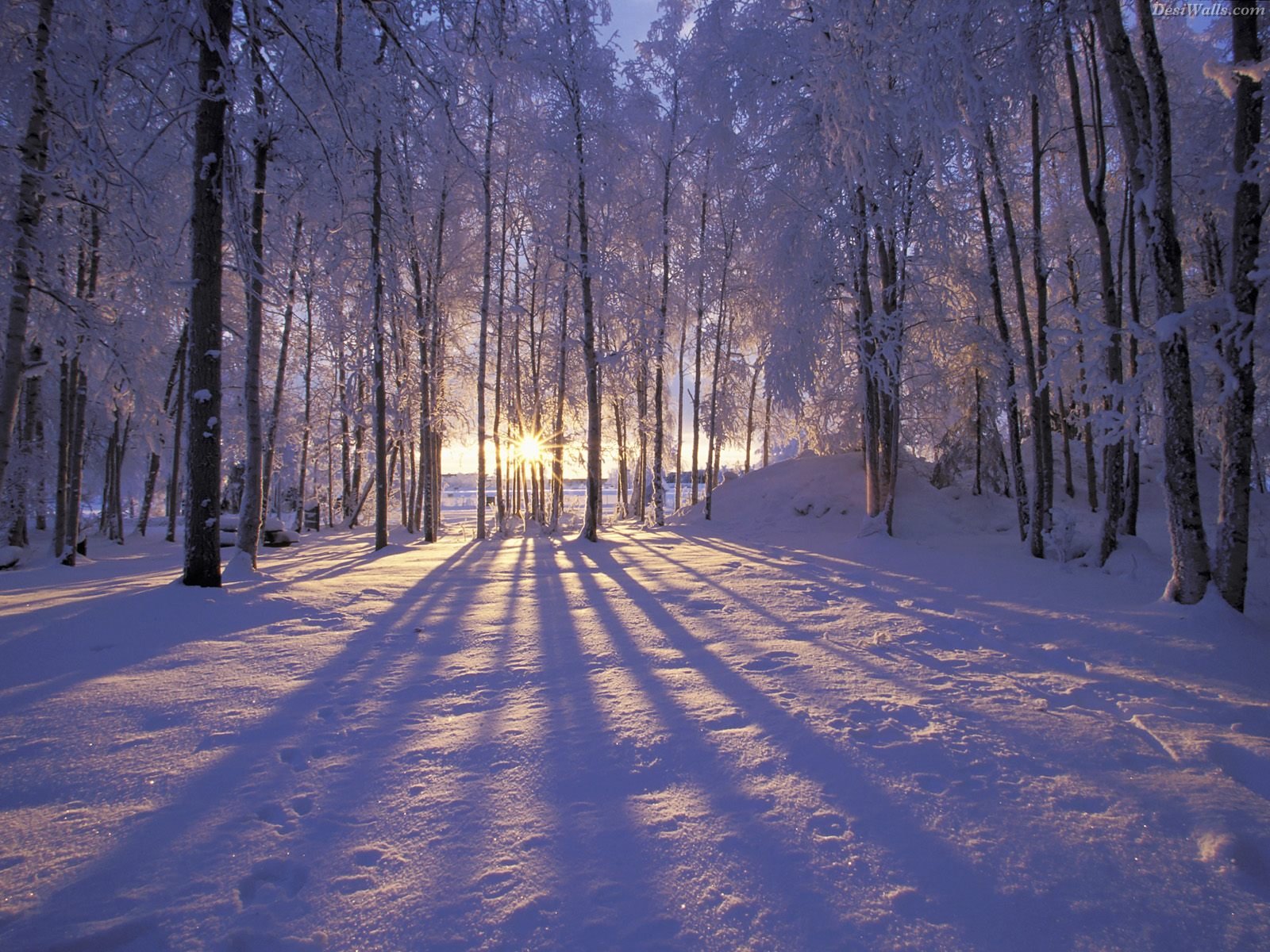
    Instead of complaining about the dark and cold of winter, we should celebrate snow and ice. The cryosphere is an important piece of the intricate, interconnected puzzle that keeps us alive. So, build a snowperson, play some hockey, get out on the slopes and enjoy the gifts that winter brings.

  • Winter Woes: Student Tips for Surviving the Season (French version available)

    Winter Woes: Student Tips for Surviving the Season (French version available)

    Has the weather got you down? For many of you busy students, the cold couldn’t come at a worse time—either you’ve just begun a new semester, or your exam period’s coming up next! Don’t let the sub-zero temperatures keep you cooped up inside the house. A little (or a lot) of snow can try and slow you down, but you simply don’t have the time to spare.

    The key to beating the winter woes is being prepared for anything because, let’s face it, anything could happen. A lot is at stake around this time of year, so make sure the harsh weather doesn’t interfere with your day-to-day habits. Here are some suggestions for surviving the season as a student.

    Dress the part.
    It can be tough to figure out what to wear in the winter. How do you prepare for both a warm classroom and the freezing wind outside? You should invest in good outerwear: a coat and pair of boots will be your best friends throughout the next couple of months. Layering your clothes is another great, twofold solution to winter dressing. Multiple layers will keep you warm in the chilliest temperatures, not to mention you’ll be ready for a sudden increase in temperature when you duck inside a crowded school building.

    Pack smart.
    You may groan at the prospect of carrying more stuff in your backpack, but there are certain things you just can’t leave behind. Hand cream and lip balm will protect you from the elements, and keeping tissues and some cough drops in a side pocket is a great idea in case you feel a cold coming on. If you’re used to a hot lunch, a thermos will keep your food warm even when it’s frigid out—and in case you need a pick-me-up, having a couple of tea bags on you will save you the cost of a hot drink at a café. Most importantly, pack an extra pair of socks. You never know when you’re going to step in a puddle or get splashed by an incoming car.

    Plan your travels.
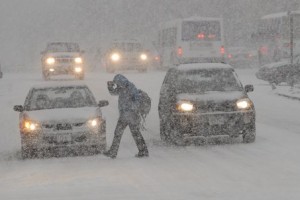
    There are ways to avoid winter delays on any commute (and save yourself the trouble of making excuses for your chronic lateness). If you walk, see if you can find shortcuts around icy sidewalks or streets that haven’t been plowed yet. If you drive, keep yourself updated on traffic with the radio or the Internet, and find alternate routes before you leave the house. If you’re taking transit, get to know your routes and schedules and bring something to do in case you get stuck in traffic. But regardless of how you get to school, make sure to leave early to account for any possible delays that could come up.

  • Style Tips for a Fashionable Winter

    Style Tips for a Fashionable Winter

    As you head out to brave the cold this winter, keep in mind that you don’t have to sacrifice style for warmth. There are several tricks you can use to keep yourself looking chic, even with temperatures plunging downwards.

    1. Invest in a Statement Coat

    Even if you find yourself stuck with boring sweats, you can still give your outfit a bit of life with an awesome coat. You can play around with pops of colors instead of resorting to the neutral tones that are often worn during the winter. The material of your coat can also give your outfit a bit of spice. Materials like faux fur and leather can take your otherwise bland outfit to the next level with a bit of mixing and matching.

    2. Play it up with Your Bottoms

    Consider using your bottom pieces to make a splash this season. There’s no need to stuff yourself in a pair of bland jeans everyday. You can turn heads with a funky pair of patterned leggings or your favourite bright trousers. The trick is to use unconventional colors, patterns, and materials to give your audience something to look at. Even if the rest of your outfit is plain, your statement bottom piece will provide a bit of flavour.

    3. Layer it up

    One of the easiest ways to add complexity to your winter attire is to mix and match some of your pieces and layer them on top of one another. Besides keeping you warm, this technique allows you to create unique combinations that are unlikely to be seen on anyone else. The key to layering is to use contrasting colors and materials that still complement one another. It may be difficult to get a working combination at first so it’s important to keep blending until you find something that works well. As a general rule of thumb, you should try to avoid mixing more than 3 colors and 3 materials. Although a variety is nice, you don’t want something that’s too chaotic.

    Bonus Tip: If it’s not too cold out, consider wearing your coat open or unzipped so that you can see the complexity of the layers beneath. You can throw on a scarf and a funky hat in case there’s a bit of a cool breeze.

    4. Strap on Some Funky Boots

    With winter boots being offered in hundreds of colors, shapes and styles, you can easily make a splash this winter with eye-catching boots.  Your feet are almost always visible so even if you’re bundled up from head to toe, you can still indulge your style cravings with something that demands appreciation. Don’t be afraid to try experimenting with something on the wilder side. If this is the one place you decide to make a statement, make it loud!Â