Category: Advice

  • Saving in Senior Year

    Saving in Senior Year

    When it comes to your senior year of school, it’s never too early to start thinking about your future.

    I know that a lot of students are already worrying about jobs, moving out, and exams. However, one of the things that will never stop being important is how to be responsible with money.

    One of the first things you should do is begin consulting with people who have been in the “official” adult world for a while. Your parents and potentially older siblings will be able to give you tips on how to be fiscally responsible. Remember that your parents have been budgeting and taking care of a family for years, so they’ll be one of your best guides. It might sound like they’re nagging you when they ask why you spend money on a new shirt when you already have 20, but they’re just doing what you should be – budgeting. You don’t need to disclose everything to your relatives, but asking them a few questions about how much they would recommend putting into savings, drawing up a plan with you, or even scheduling a meeting with a bank consultant are good places to start. You may be young, but the sooner you learn about money, the better your sustainability will be.

    Something else that works is to learn how to budget. Living within your means only becomes more crucial as you get older. If you’re crazy with your credit cards, don’t go shopping for a while. Take out cash and live with the money that you take out for a week.

    A big part of being financially responsible is understanding that sacrifices need to be made in order to help your future self. It may be a bit of a downer to not eat out as often as you’d like with friends, but there are always ways to improvise. Have a few friends come over for a homemade dinner. It’ll be worth it to give up a $40 restaurant tab if it means you’re putting money away for an apartment or a rainy-day fund.

    One of the best things that you can do for yourself is to consult with a professional. Schedule an appointment with a consultant at the bank about how to save, what plans are best for you, and the kind of account that will work best for you.

    Saving money is difficult – especially with the introduction of plastic cards. We don’t see our funds deplete and keep going until it becomes a problem. But, with these few tips to help get you started, fiscal responsibility and saving are right around the corner.

  • Dress Code Red: My Big Interview Is Coming Up! How to Know How to Dress for an Interview or First Impression (French version available)

    Dress Code Red: My Big Interview Is Coming Up! How to Know How to Dress for an Interview or First Impression (French version available)

    By Olivia Condlln-Wilby

    It can be stressful to figure out what to wear to a job interview, especially if you’ve never attended one before. Dressing professionally can help you leave a good first impression and feel more confident as you enter the workforce. You want to show hiring managers that you’re responsible, mature, and ready to adapt to their work environment. Overly casual outfits and distracting accessories can overshadow your accomplishments; you could be remembered as “the candidate with the ripped jeans” rather than for your skills and qualifications.

    As you prepare for your interview, use this article as a guide. Remember, the most important thing is to be confident and comfortable in whatever you wear!

    1. Research the Dress Code

    Different workplaces have different expectations. For example, the cashier at your local grocery store probably dresses more casually than a branch manager at the bank. Before your interview, it’s a good idea to familiarize yourself with the organization’s dress code and prepare to match their preferred style. You may be able to find this information on their website, or you can ask the hiring manager for more information. You can also search for the organization on social media and try to assess the level of formality they expect from employees based on their images and posts.

    As a general rule, business casual attire includes slacks, knee-length skirts, tailored jackets, cardigans, and dress shoes. If you wear make-up, consider a natural look for the interview – for example, use a neutral colour palette that day. Avoid jeans, shorts, sundresses, and athletic wear.

    1. Consider the Little Things

    It’s important to pay attention to the details. Your outfit should be neat and professional from head to toe, as you want to look respectable and prepared. Ask yourself the following questions:

    • Are my clothes clean, ironed, and free of rips or stains?
    • Are my shoes polished and free of marks?
    • Have I groomed my hair and nails?
    • Is my jewelry professional? Have I removed my facial piercings?
    • Are my tattoos covered?

    You want the employer to focus on you – your ideas, abilities, and talents. Try to avoid potential distractions such as flashy jewelry, bold designs, and bright colours.

    1. Respect the Setting

    Even a casual workplace, such as a coffee shop, summer camp, or community centre, will expect you to look professional and put-together for the interview. You might be able to get away with a nice pair of jeans if they’re clean, neutral, and free of rips and tears. But you should still avoid streetwear like hoodies, sandals, athletic shorts, track pants, cropped shirts, or tank tops. When in doubt, assume that business casual is the norm. You should also dress more conservatively for a job interview. Your stomach, shoulders, and back should be covered. Ensure that your clothes fit properly.

    4. Be Comfortable and Confident

    While it’s important to dress professionally, it’s equally essential that you feel good in whatever you’re wearing. Prepare your outfit ahead of time and make sure you feel comfortable walking, sitting, and standing in it. Ensure that you can wear your shoes for long periods of time without feeling pain. If you’re unsure about an element of your outfit, ask a friend or family member for their advice. At the end of the day, employers want to know that you can do the work and be successful. Stay calm and don’t be afraid to smile!


    Sources

    Parent, J. (2022). How to Dress for a Job Interview: 3 Tips for Teens. Your Teen for Parents. https://yourteenmag.com/teenager-school/teens-high-school/what-to-wear-to-an-interview-for-teens

  • Conflict Resolutions: Handling Disagreements Smoothly (French version available)

    Conflict Resolutions: Handling Disagreements Smoothly (French version available)

    There is no “I” in teamwork, so goes the adage. And as much as you want to believe that everything will go smoothly in group tasks or projects that require your participation, one way or another, there’s always a possibility that you’ll encounter a team member, or members, whose ideas will differ from yours.

    Reaching a compromise to reach an end goal is the best strategy, of course; however, that tends to be easier to say than do. However, consider these four approaches to work through differences to accomplish your mission.

    1. Take time to listen.

    As COVID forced most of us to conduct meetings and discussion in an online setting, it’s been much easier to talk over someone else or monopolize conversations, without being fully aware of it. And if you don’t agree with the views being presented, you may become easily frustrated. As a result, you tend to shut off and don’t make an effort to pay attention to what’s being said. However, keep in mind that listening to what others have to say is the first step in handling conflicts.

    1. Be empathetic and understanding.

    When you want to make a point, sometimes you get carried away and become too self-involved that you fail to recognize emotional cues from the other participants in your meeting. They may be having a tough time following the topic at hand, or they may be having issues at home that they’re not ready to talk about and are affecting their current disposition. Do all you can to drive your point home, but be sensitive in your tone and manner of speaking if you notice someone seems to be having inner turmoil.

    1. Don’t underestimate the theory of democracy.

    Everyone has their own plan to accomplish a task. Sometimes, certain factors come into play, like personal preferences or tastes. For instance, if you were assigned to do a group outing to build team rapport, and you prefer to head to a museum because you love the arts, but others have suggested a picnic at the park, then put it to a vote. This way, you and your team members come to a decision that’s fair to all.

    1. Be open to compromise.

    The skill to learn how to compromise with your peers can’t be developed overnight. However, if you open your mind to it, in due time, you’ll be a master at this. Remember, collaboration skills take practice, and they require a mindset of taking into consideration other people’s needs and working around them to meet your own needs as well.

    No matter what setting you’re in or how old you are, you’ll likely find yourself in a situation that requires you to put your conflict resolution skills in full gear. During these times, always take things in stride and remember that team effort overpowers individual effort.


    Sources

    MindTools. “Managing Conflict in Meetings.” https://www.mindtools.com/pages/article/newTMM_65.htm.

    Morreaux, Angelique de la. “How to Lead a Conflict-Resolution Meeting.” Chron. https://smallbusiness.chron.com/lead-conflictresolution-meeting-10665.html.

    Neely,  Joe. “10 Most Effective Conflict Resolution Tips for the Workplace.” Toggl. https://toggl.com/blog/conflict-resolution-tips.

  • Meal Prepping Tips For Busy Professionals

    Meal Prepping Tips For Busy Professionals

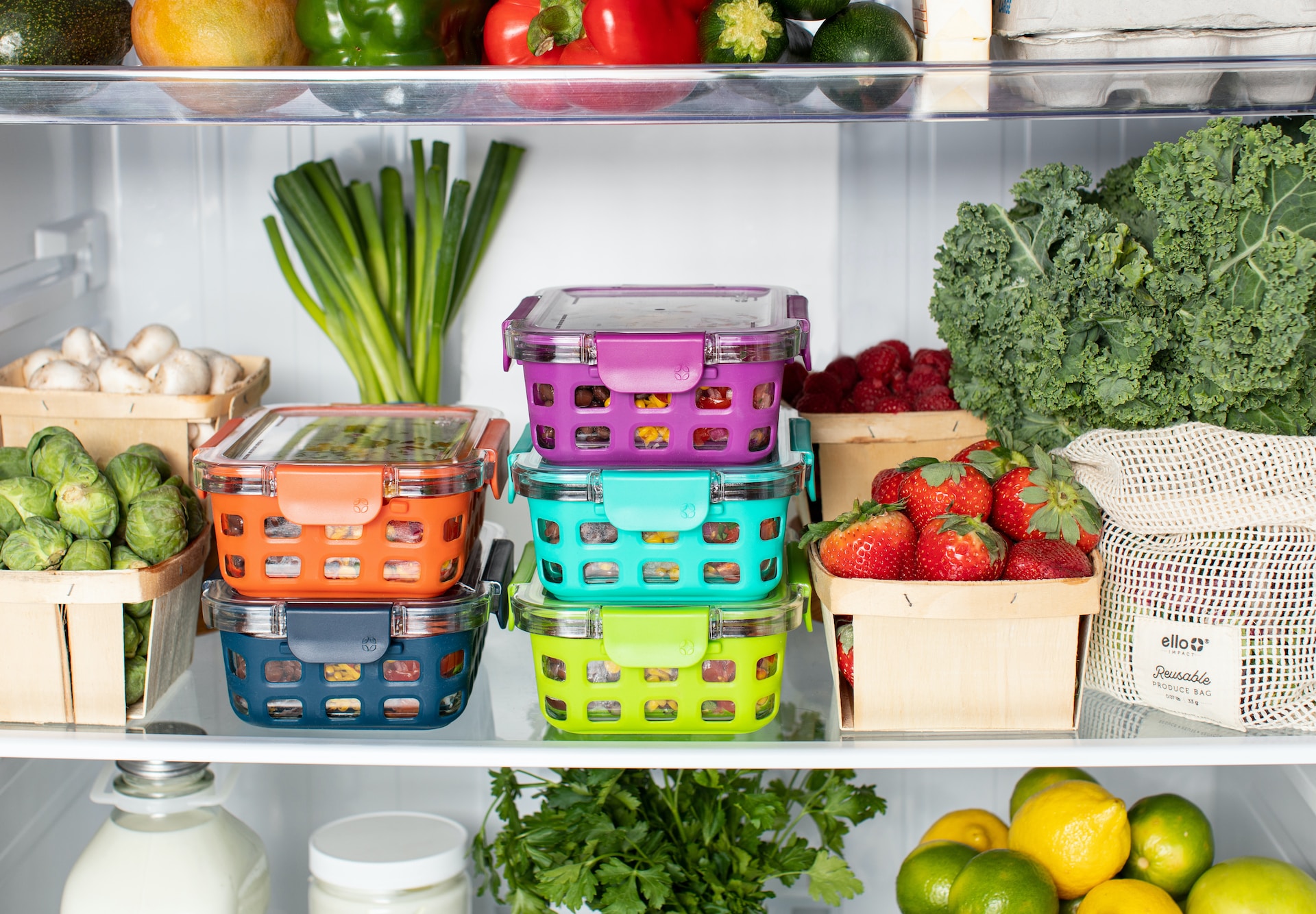
    People’s professions can often keep them very busy. Due to how busy they are, other important tasks that relate to their well-being, like preparing meals, aren’t always prioritized. The lack of prioritization may then lead to other means, including eating takeout more often than they’d like or making subpar home-cooked food, both of which make for unsatisfying dining experiences. If this sounds like what you’ve been thinking about lately and you’re a busy professional who wants to have better meals via improved prepping strategies, here are some tips:

    Look Up Quick And Easy Recipes

    There are a lot of quick and simple recipes that taste very good as well. Great places to find some include websites such as allrecipes.com, or you could look up cookbooks by reputable chefs. Are there any specific dishes that you’ve been craving? Would you like to see if there are easy-to-make versions of them? Overall, you’ll likely find many options if you do this research.

    Consider Purchasing and Cutting Up Versatile Vegetables

    Certain vegetables are used in many different dishes. For instance, people put mushrooms in salads, omelets, burgers, pasta, on pizza and more. They’re also delicious when sautéed or eaten raw on their own. If you cut up these vegetables all at one time, then you’ll have them immediately ready to use for the next few days. A good idea would be spending either a Saturday, Sunday, or any day you have time to do this.

    Cutting might seem like a monotonous activity, so you can make it more enjoyable by listening to your favourite music, audiobook, podcast, etc. while doing so. You can also think of this as a relaxing break from work.

    Freeze Food To Eat Throughout The Week

    While it’s (of course) ideal to always have fresh, nutritious meals, sometimes this can’t happen, especially for busy professionals. Thus, another idea would be, relatively similar to what’s stated above regarding vegetables, making about a week’s worth of meals one day, but then further dividing them into their appropriate portions, freezing the food, then taking these portions out to defrost throughout the week or whenever you see fit. The freezing strategy is especially convenient for dinners. As a result, there are no worries about what to eat when you get home/finish work. Casseroles are good to make for this option.

    It’s additionally advised to ensure that the food is stored properly, should you plan on freezing it (if you don’t know how to already), as proper storage would prevent premature freezer burn. For example, would solely using a re-closable bag suffice? Or do you need other supplies to cover it, such as plastic wrap or aluminum foil?

    All in all, balancing various responsibilities when you’re a busy professional can definitely be difficult. Nonetheless, carving out the time to prioritize other areas of your life, even when regarding seemingly menial tasks like meal preparation, is beneficial. For many, having good home-cooked meals contributes to more quality moments in everyday life. The pieces of advice above, including finding easy recipes, buying and cutting versatile vegetables, and freezing, are meant to make prepping experiences more efficient as well as take the stress out of deciding what to eat. If you consider meal preparation a priority and want to try better ways to go about it, following these tips is a step in the right direction.

  • Sticks and Stones May Break My Bones…But Names Can Still Hurt Me.

    Sticks and Stones May Break My Bones…But Names Can Still Hurt Me.

    We’ve all heard the saying, “sticks and stones may break my bones, but names will never hurt me,” right? Well, what if I told you that saying might have some work to do when it comes to considering people’s feelings? Name-calling does hurt, and it is just one of many ways you could hurt someone’s feelings and not even know it. Let’s talk about some ways we can recognize we might have hurt someone’s feelings, and how we can make it right.

    How can I keep myself from hurting someone’s feelings in the first place?

    One of the best ways to keep yourself from hurting your friend’s feelings is to stop and think to yourself, “Would I like it if someone said this to me?” If the answer is no, then stop right there! If it would hurt your feelings, it will hurt someone else’s, too. If it’s not something you’d want someone to say to you, then don’t say it. A good way to think about it is to treat everyone the way you want to be treated.

    How do I know if I have hurt someone’s feelings?

    Sometimes, our friends will be very clear and tell us when we have hurt their feelings, but sometimes things can be a little bit trickier than that. Let’s look at some warning signs that you may have caused harm to someone’s feelings.

    • They look sad or mad after you said something.
    • They suddenly become very quiet or stop talking after a comment you made.
    • You notice a change in the way they are speaking. They may have become very short with you or seem irritated.
    • Someone tells you, “That wasn’t a very nice thing to say.”
    • You feel bad about something you said.
    • They walk/run away.
    • You said something you wouldn’t like if someone said it to you.
    • They no longer want to talk to you.
    • If it was over the phone, they stop replying to your messages or end the phone call.
    • They seem distant from you, or you get a sense that things are a little “off” between you two.

    Okay, I think I might have hurt someone’s feelings. How can I make things better?

    Everyone makes mistakes, so it’s important to remember that just because you made a mistake, it doesn’t mean you are a bad person. Making things right after hurting someone’s feelings and making sure you don’t make that same mistake again are important parts of growing up. So, what steps can you take when you’ve hurt someone’s feelings?

    • If you’ve hurt someone’s feelings, the best way to make things right again is to apologize. Apologizing shows you now understand that what you said/did was wrong, and it wasn’t something you should have said or done. Although you can’t change what you did, you are now taking the right steps to make things better for the person you hurt.
    • Make sure your apology is sincere. If you don’t mean it when you say, “I’m sorry,” you won’t be making anything better. A good apology is one that comes from the heart, and should be a shorter way of saying, “what I did was wrong. I wish I didn’t make you feel this way, and I won’t do it again.”
    • Remember, it’s important to learn from your mistakes. Make sure when you tell your friend you aren’t going to make this same mistake again, it’s the truth. Changing your behaviour when you’ve hurt someone is a great way to show you’re truly sorry.
    • Forgive yourself. Remember, it was a mistake, and we all make mistakes. What’s important is that you learn from what you did, make the right changes so it doesn’t happen again, and let yourself move on.

    Sources:

    http://kidshealth.org/en/teens/apologize.html

    http://www.answers.com/Q/How_can_you_tell_when_you_have_hurt_someone’s_feelings?#slide=7

  • How Summer Break Can Affect Your Ability to Learn in September

    How Summer Break Can Affect Your Ability to Learn in September

    As a student myself, I completely understand the struggle behind summer break. Despite the fact that almost everyone loves it: the heat, hanging out with friends, and the freedom. There are downsides to it as well, especially when it comes to getting back into the routine in September. When students go from constantly learning, focusing and being in a productive environment to suddenly sleeping through the day, constantly on electronics, and not learning, what effect does this have on their mindset and their ability to learn in September?

    A main struggle I have noticed throughout teens at my school who face entering school in September is getting back into the swing of things, mainly with sleep schedules. Most teens have a tendency to stay up late talking to friends, and then start their days at around 10am the following day. However, when school begins again, they are forced to start waking up around 8am, depending on their routines. In addition to waking up earlier, most students are used to going to bed late, thus throwing off their entire sleep schedules. After a long day at school, sports and activities, they’re exhausted. However, due to summer break altering students’ schedules, they find it difficult to fall asleep, and therefore lack getting the sleep that they need to function and focus at school.

    In addition to the sleep and energy deprivation teens experience following back-to-school, they also experience a downfall of motivation, along with mindsets becoming slightly altered from the fact that they haven’t been learning for 2 months. Our brains tend to stick to routine; it’s what it understands. School is almost like a habit for brains; from going to school every day at a certain time, learning specific subjects during parts of the day, and then going home and giving their brains a chance to relax. However, in the summer, teens’ brains lose touch with our routines since they change every day. In some ways, summer break and the effects it has on students’ learning skills can relate to a very unique style of teaching music. Every day, the student would practice all of the songs they knew. It begins with a few simple songs. Students play those songs daily, then gradually add more songs as they continue to learn them. Your hands and brain absorb the constant routine of playing those songs every day, and students can feel as though they are engraved in your mind and will remember them; but that’s not necessarily the truth. I used this technique of learning piano once, but I quickly got annoyed with the repetitiveness of the songs and gave up. A few months later, I had completely forgotten how to play those songs that I once knew so well. To teenagers, those simple songs are like their version of school. They go to school every day and repeat the same routine over and over. Just as I forgot how to play those songs, teenagers lose their focus and their determined mindsets, along with a lot of the knowledge that they had recently learned, solely because they are no longer putting their minds and knowledge to use.

    Therefore, summer break causes challenges for teens when it’s time for back to school because our brains become re-wired to a different routine and a different reality.

    Sources:

    1. https://childmind.org/article/teenagers-sleep-deprived/
    2. https://www.wtps.org/cms/lib8/NJ01912980/Centricity/Domain/1794/Should_school_be_year_round.pdf
  • Be Tax-Savvy – What You Need to Know about Taxes when Employed and Self-Employed

    Be Tax-Savvy – What You Need to Know about Taxes when Employed and Self-Employed

    For most people, the start of the new year means fulfilling new year’s resolutions. However, for the tax-savvy population, it means getting started on your tax preparation. Though Canada has a deadline of April 30 for filing taxes, there is a good percentage of people who do their best to get a head start. This is a smart move since you don’t want to be doing taxes at the last minute, as being under pressure can lead you to make calculation errors or overestimate tax reliefs, which in turn can lead to inaccuracies or costly penalties.

    What’s more, if one’s employment status has been affected for one reason or another, they should pay attention to how they file taxes as well. There are differences between filing taxes as an employee and filing as self-employed. Let’s see below.

    Employee or Self-Employed?

    For some people, their employment status is readily apparent. For example, chances are you’re an employee if you go to work (physically or remotely) at the same place every day, you have a boss that reminds you of your tasks and deadlines, and you get paid regularly (weekly or every two weeks). For some, it isn’t readily apparent, but chances are, if someone works at different places every day and you have control over your deadlines and you get paid irregularly (once a month), then chances are, you’re self-employed.

    The Canada Revenue Agency (CRA) has more formal distinctions between the two, and the important points are noted below.

    If one is an employee:

    • They will often be directed and scrutinized, and many elements are effectively controlled regarding how and when the work is carried out.
    • The results of the work and the method used to do the work are controlled.
    • The method and amount of pay are controlled.

    If one is self-employed:

    • They usually work independently.
    • They don’t have anyone supervising their activities.
    • They are usually free to work when and for whom they choose and may provide their services to different payers at the same time.

    Now comes the fun part: Filing taxes!

    If you’re an employee, it doesn’t mean you can merely sit back and relax. You have to check your pay stubs regularly to see if your Employment Insurance (EI), Canada Pension Plan (CPP) and income tax payroll deductions are remitted to the Canada Revenue Agency as scheduled, along with your employer contributions. Your pay stubs also show your income tax deductions, which are based on the TD1 forms you filled out when you were hired, plus the tax tables provided by the CRA.

    All of this information will also be detailed in the T4 or Statement of Remuneration Paid, which is normally handed to employees at the beginning of the year (Quebec, on the other hand, will have its own tax table). Once you have your T4 in hand, you’re ready to file your taxes.

    If you’re self-employed, the steps to filing your taxes are more extensive. Note that it doesn’t matter if your business is registered or not; if you’re invoicing and getting paid under your name or the business name, you’ll need to file your taxes.

    The general rule when you’re self-employed is to set aside 25% of your income for taxes, which will fall on line 104 on your tax return where it says “employment income not on a T4 slip.” You’ll also need to fill out the T2125 form to indicate business activities that relate to your income and expenses, such as advertising costs, office supplies, travel, cellphone, and internet, among others. Be careful not to claim personal use of any expenses. For example, if you use your internet for streaming movies or TV shows, you can’t claim 100% of your internet costs as a business expense.

    If your self-employment income is more than $30,000 annually, you must register for a GST or HST number so you can charge clients within Canada with the appropriate amount. For example, if you’re based in Vancouver, BC, but you’re developing a website for a client based in Toronto, ON, your invoice should say your fee plus 13% HST, which is the percentage for Ontario.

    The deadline for paying taxes for self-employed individuals is April 30, just like everyone else, but you have until June 15 to file your taxes.

    So what are you waiting for? Time to get started on those taxes!


    SOURCES

    https://financialpost.com/personal-finance/taxes/paying-your-taxes-in-the-age-of-covid-19-heres-what-every-canadian-needs-to-know

    https://www.canada.ca/en/revenue-agency/services/forms-publications/publications/rc4110/employee-self-employed.html#mpl_slf_mpld_wrkr

    https://turbotax.intuit.ca/tips/ei-cpp-payroll-contributions-taxes-for-an-employer-in-canada-374#:~:text=As%20an%20employer%20in%20Canada,along%20with%20your%20employer%20contributions.

    https://www.canadianliving.com/life-and-relationships/money-and-career/article/taxes-101-how-to-file-if-you-re-self-employed


  • The Role of Pets in Mental Wellbeing

    The Role of Pets in Mental Wellbeing

    By Rabia Khan

    We all need that little something that uplifts us instantly. And what more than your pets doing their role in perfecting your mental wellbeing, and we all agree to it fully! There is substantial scientific proof and evidence that shows the role of pets in enhancing mental wellbeing in human beings. Dogs have been used for multiple scientific and medical purposes for the impact they have on human beings. Dogs are the only creature that connects with people on a spiritual level. Here is the reason how pets contribute to mental wellbeing, you’ll be surprised to know some facts about your pets that you didn’t know before!

    Companionship

    A sense of belonging and of drive is essential for humans. As is the want to feel linked together, which alleviates isolation and offers delight. Pets can help people who are depressed by offering friendship, especially those who are aged or unwell. The addition of a beloved pet or dog to the daily lives of veterans suffering from PTSD has also been shown to enhance their psychological state. As a result, servicemen are urged to obtain dogs as buddies while they adjust back to the normal world.

    Non-verbal communication

    You often don’t need to communicate with your pets, if you ever feel sad, your pets are most likely to understand your feelings much better without even communicating. Besides, dogs are super loyal to their caretaker. That’s why many believe that dogs are the best healers for mankind. Pets support individual mental wellbeing by just being in their lives. After all, their innocence plays a huge role in our stressful lives.

    Make you happy!

    Spending time with your pets releases certain endorphins in your brain. Stroking a dog has been shown to boost the release of serotonin. Similarly, pets can also boost the levels of endorphins, dopamine and oxytocin. They can also activate various additional hormones which contribute to an individual feeling healthier. It has also been demonstrated that simply contemplating pets in our daily life can help alleviate unhappiness induced by disappointment or loneliness.

    Treatment for illness

    Pets are frequently used in treatment for those suffering from severe depression, PTSD, anxiety, autism, or a genetic disorder called Down syndrome. Dogs often serve older individuals by filling positivity into their lives. A lot of mental health and rehab centers use dogs as a therapy to help individuals affected by any illness. Some hospitals will often see weekly visits by dogs to enhance a patient’s moods, and it has been very effective so far.

    If you have a dog, cherish them, as they are a gift!

  • Critical Thinking and Questioning the World around You

    Critical Thinking and Questioning the World around You

    Critical thinking has become a major buzzword for many employers over the last few years, but it certainly isn’t a new topic. Critical thinking is the ability to “objectively analyze and evaluate an issue in order to form a judgement”; judgements that are logical and well thought out.

    Questioning leads to great discoveries. Some of the greatest minds in history have used critical thinking skills to develop new, innovative, profound ideas that have resulted in great advancements in science, medicine, and technology.
    Critical thinking has many benefits. It can help you develop improved cognitive skills, become a better listener and allow you to become a better team player. It can be helpful in situations that are stressful by helping you remain calm, relaxed and rational, as critical thinking makes you focus on facts and evidence rather than emotions. It requires you to use your ability to reason instead of just reacting to a situation. Many of these benefits are essential skills to have for many jobs.

    Some jobs that require critical thinking are:

    Judges – they must assess all the information presented to them and make an informed decision. Judges must be fair, knowledgeable and objective.
    Teachers – need to plan lessons, and make decisions in class about the best methods to help students learn. They must have ways of dealing with behavioural issues keeping students’ attention and motivating them.
    Journalists – need to keep an open mind and report on all sides of the story. They need to be able to distinguish facts from fiction.
    Doctors – need to diagnose patients and find the best approach to treatment. They may need to make referrals if they are not qualified to treat specific issues/ illnesses. Surgeons often need to make critical choices on the fly. They need to quickly weigh all the options and do what is best for their patients.
    Coaches, Athletic Trainers, Scouts – need to be able to make smart, knowledgeable choices. They often need to analyze statistics and incorporate them into their decision-making process.
    Many other types of jobs require critical thinking skills as well like: accountants, property appraisers, computer programmers, lawyers, writers, psychologists, counsellors, engineers, scientists and many more. Most of these jobs require people to not see everything in black and white but to look at the gray areas. Not only is it important to learn how to question everything (even your own opinions), but it’s also important to have humility if the evidence shows your conclusions are wrong.

    Critical thinking is also an important aspect of education. It is important to apply it when doing assignments, essays, presentations and exams. It helps you deliver your opinion in a logical manner, and know the strengths and weaknesses of your argument. You must also be sure to use credible sources and up-to-date information. The most important thing you can do for yourself and others is to not just accept things as they come to you. University can teach you how to become more critical of the world around you; knowledge can be a privilege and you must take advantage of it.

  • Why “Reducing” Is More Important Than “Reusing” and “Recycling”

    Why “Reducing” Is More Important Than “Reusing” and “Recycling”

    By Erin Rebello

    When you think of eco-friendliness, what comes to mind? Perhaps you picture disposable bottles being recycled into new plastic, or old textiles being thrifted into cute new outfits. Perhaps you’ve even participated in this yourself, by purchasing reusable water bottles or buying secondhand! To put it simply, for most people, being environmentally conscious means reusing and recycling. Although these techniques help with reducing our carbon footprint, it almost feels as though they’ve been acting as an “eco” mask for more difficult-to-confront issues. In this day and age, when we’re at an environmental impasse, we mustn’t forget the less glamourous (and perhaps most important) triplet of eco-friendliness: reducing.

    The Problem with Reusing and Recycling

    Although the other two R’s are important, we must understand their limitations. For example, although recycling may seem like the solution to paper and plastic waste, we need to take a close look at the facts before making any broad statements. According to studies, only 25% of what you throw into a blue bin actually gets recycled. The rest is discarded because it is either non-recyclable or is contaminated with something that is non-recyclable, such as food waste or glass. Digging even deeper, only 9% of plastic waste in Canada is actually recycled! Are you ready for the cherry on top? Most plastics can only effectively be recycled once or twice before losing quality. Although recycling does help by small margins, by putting our faith into recycling, Canadians are effectively ignoring several more eco-friendly solutions.

    Similar to recycling, the act of reusing can also be less helpful than we may initially imagine. Think about reusable metal straws. Although they may sound convenient and look pretty, without proper care or maintenance, they won’t last nearly as long as they should, and you may end up tossing them early. Additionally, if you only purchased these reusable straws to follow the trend, and never actually used them before, you’re actually creating more waste. Although reusing items gives them a sense of longevity, the misconstrued concept of “reusable” can also bring more harm than good.

    Why Reducing is the Way to Go

    Now that we know that both reusing and recycling can be problematic at times, how do we stay eco-friendly? Thankfully, the answer is quite simple: reducing waste! Although this may seem like a very vague piece of advice, reducing our own waste is a huge step in the right direction. Rather than speaking empty words, or surrounding ourselves with the “idea of being eco-friendly,” by reducing our shopping, travel, and expenditures we can make a sizeable impact. Although it is not as glamorous as thrifting or recycling, the reduction of waste products is easily the most effective way to reduce your carbon footprint.

    How You Can Reduce

    At this point, you’re probably wondering how you can reduce your carbon footprint, and thankfully, it’s not too difficult! Below are a few ways you can be less wasteful in your everyday life!

    • Only buy food you plan to eat. When you go to the grocery store, only purchase the amount of food you intend to eat, and don’t go overboard! Although food waste products can typically be composted, food tends to have a lot of packaging, which isn’t always recyclable!
    • Purchase less clothing. Although fast fashion can make you feel like you have to keep up with the seasonal trends, this way of thinking is very harmful to the environment. Online retailers like Shein, Romwe, Asos, etc. are cheap online brands, which are absolutely terrible for the earth! Not only this, but they also use unethical forms of labour. Although thrifting and buying second-hand are much better options, the best way to be eco-friendly is to purchase quality clothes that last for years.
    • Track your Impact. Another way to reduce your environmental footprint, in the long run, is to track it! By making a list of all the ways you’ve consumed products, even just for a day, you can get a good idea of which areas of your life are less eco-friendly and can find ways to reduce.
    • Embrace minimalism. Finally, the best way to reduce your eco-impact is by embracing minimalism, which is a style of living that uses the fewest resources possible. There are many ways to incorporate minimalism in your life and tons of resources online to help you through the process!


    Sources

    Chung, E. (2020, January 7). What Really Happens To Plastic Drink Bottles You Toss In Your Recycling Bin | CBC News. CBC. https://www.cbc.ca/news/technology/bottle-recycling-1.5416614

    Why Your Recycling May Not Actually Get Recycled | CBC Radio. (2019, April 18). CBC. https://www.cbc.ca/radio/sunday/the-sunday-edition-for-april-21-2019-1.5099057/why-your-recycling-may-not-actually-get-recycled-1.5099103