Category: Elementary

  • What Success Means to Me

    What Success Means to Me

    By Erin Rebello

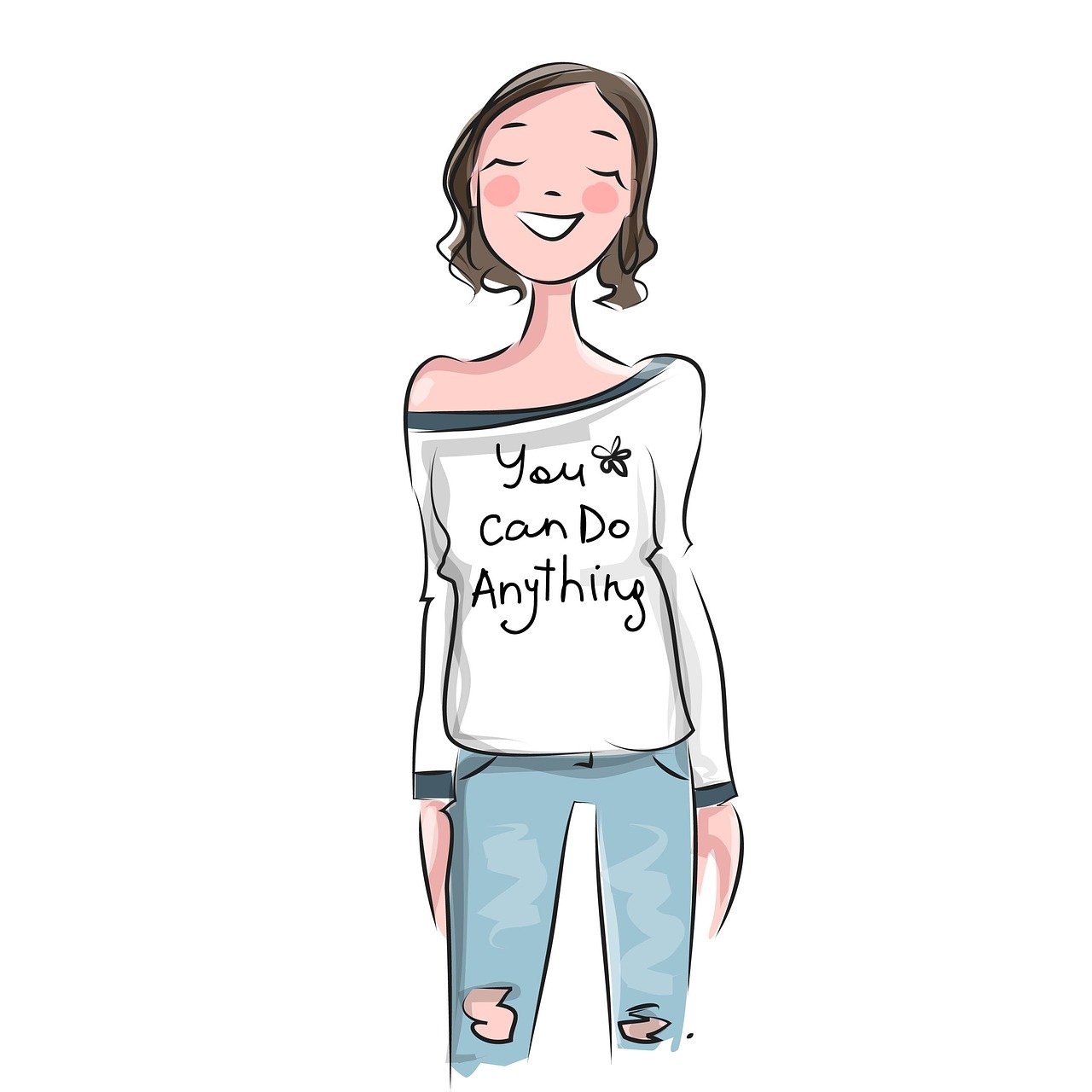
    Success is the feeling of being accomplished, and you typically feel successful after doing something well. Success is something that’s different for everyone, and one person’s version of this idea may be the opposite of another’s. Someone may define success as attending their dream university, while another might think of it as winning a sports competition, and yet others will feel a sense of achievement when creating beautiful artwork. When I personally think about the word success, I think about the times I did well and felt good about myself. For me, it is being at a place, both mentally and physically, that I am proud of. Below are a few examples of my definition of success.

    Doing Well In School

    As a very academically-inclined person, I take pride in doing well in school. I love learning, and I put a lot of effort into my studies, especially science! Getting good grades is something that’s very important to me because of the career path that I want to pursue – being a pediatrician. It requires over 11 years of studying!

    Being Involved with My Community

    Although some people are drawn to athletics or the arts, I would have to say that my main extracurricular interest is improving my community through leadership opportunities. I’ve done a lot with the various clubs at my school over the years, and I’ve also held founding and executive positions. Being heavily involved makes me feel successful because it allows me to be a part of something greater than myself.

    Having Fun with Friends

    I’m sure that many people can agree with me when I say that hanging out with friends brings a lot of joy! Although I can no longer hang out with my friends physically, I still take it upon myself to hang out with them online, whether it’s in a voice call, video call, or an online game. I’m a very social person, so it feels very fulfilling to be able to have fun with people who love and care for you as a person. To me, this is success!

    Staying Physically Healthy

    Keeping yourself healthy and treating your body with respect is one of the fundamental ways to feel good about yourself. When you do good things for your body, it allows you to be more productive, feel happier, and even live longer! First of all, I eat nutritious meals – 3 nutritious meals to be exact. Don’t skip breakfast, ever! I also try to fit in some moderate exercise into my routine, such as a bike ride or walk around the neighbourhood. Another huge factor for me is sleep! I used to try and stretch out my energy, going to school with less than 5 hours of sleep every day. Once I decided to make the switch to 7 to 8 hours of sleep, I immediately noticed a huge improvement in how I felt. It literally happened overnight! With all that improvement, I would have to say with certainty that maintaining good physical health is a success for me.

    Mental Health and Wellness

    Besides the importance of keeping good physical health, working on one’s mental health is key to true success. In the hustle-bustle of modern life, it can feel impossible to have a good sense of mental health – but it doesn’t have to be that way! Prioritize your well-being and do things that make you feel good about yourself. Don’t be too hard on yourself and learn to treat failures as learning opportunities. When I have good mental health, I feel successful.

    Overall, doing well in these aspects of my life makes me feel successful. Although these things make me feel accomplished, it’s important to recognize that everyone has different goals and different definitions of success. What is success for one person may be completely different from another person’s definition of the word. For me, accomplishing my goals in these 5 sectors of my life is success!

  • Four Common Mask-wearing Issues and How to Prevent Them

    Four Common Mask-wearing Issues and How to Prevent Them

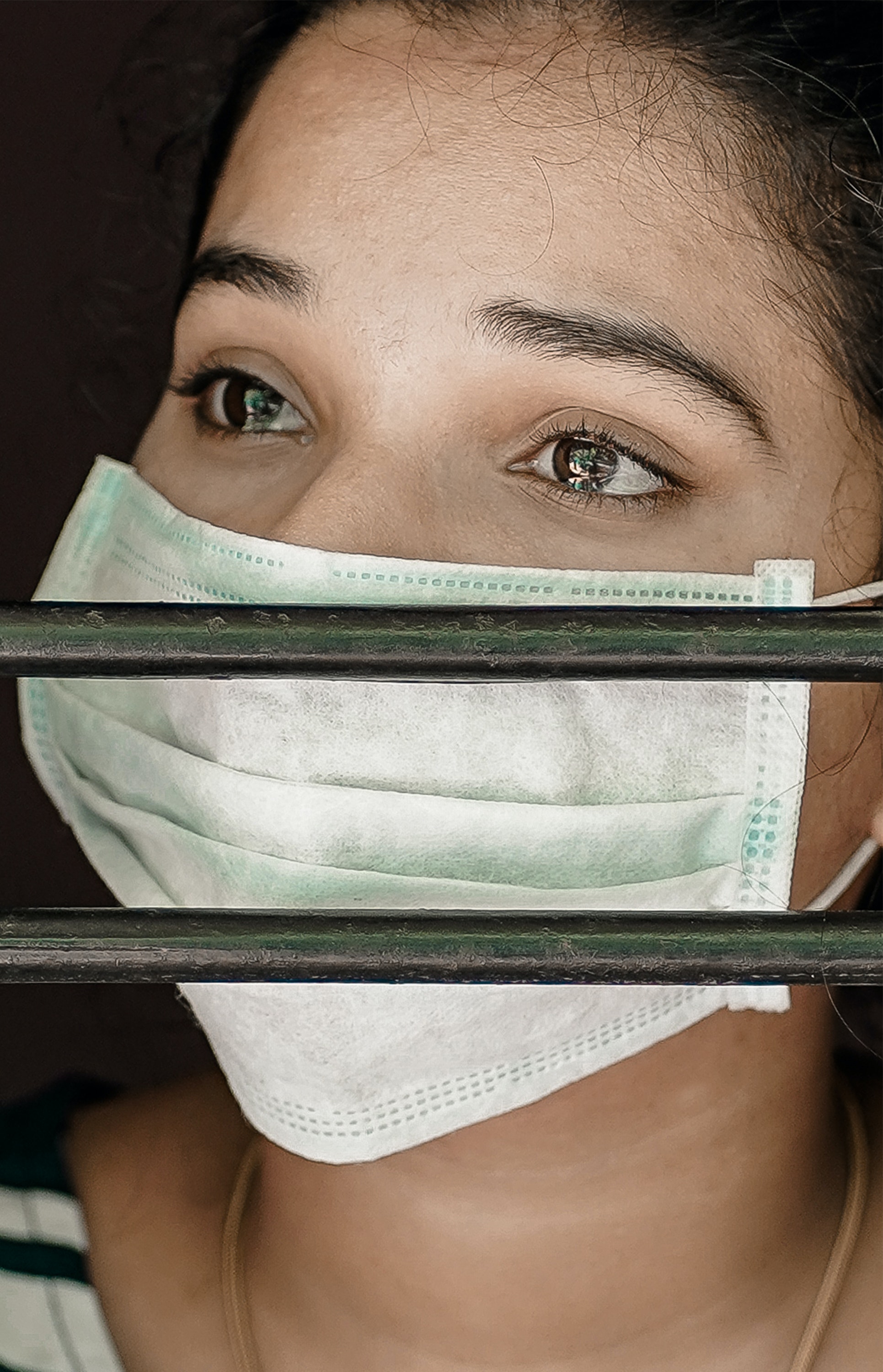
    Numerous studies and research have shown that wearing masks is effective in preventing the spread of the COVID-19 virus. However, one should keep in mind that this practice works best alongside other healthy and safe measures such as frequent washing of hands, physical distancing of at least 6 ft. from those outside one’s social bubble, and avoidance of large gatherings.

    When we follow these recommendations by health officials, we reap the collective benefit of keeping the virus under control, which is now especially important in Canada as the cold weather sets in and the cases are increasing, with the nationwide count surpassing 300k. While majority of us do realize the importance of wearing masks, there are still some who believe to the contrary. If there is still any doubt, the recent article from the New York Times that show an augmented reality depiction of how masks, no matter what the material or type, can prevent the spread of particles associated with the virus.

    Those of us who already embraced wearing masks whenever we are out in public sometimes encounter problems though. Fortunately, there are solutions to these common issues, so let us look below:

    Fogging up of glasses

    If you wear specs, then you probably experience your pair fogging up when you wear a mask, especially as the temperatures have started to drop. Fret not as solutions are on their way! First tip is to use a mask that has a nose bridge on it to make it fit better on you. A well-fitting mask means there are lesser chances for moisture to escape (making it more efficient in fighting the virus), plus prevents your breath from hitting your glasses. Another way is to put your glasses over your mask if it is one of the larger ones. Last but not the least, you can try wiping your specs with a pinch-size amount of dishwashing liquid.

    Getting mask breath

    Wearing a mask for long periods can sometimes lead to bad breath, but don’t worry, this is a common problem as well. The trick to prevent this? Make sure you are hydrated by drinking ample amounts of water. It also helps to cut down on caffeinated drinks, and yes, that means you better steer clear of those bottles of pop in your fridge. If you feel like a mouth rinse can help, make sure to use a non-alcohol-based one. And of course, keep to a healthy dental hygiene.

    Irritated skin

    Now that we use face coverings, it is likely for those with sensitive skin to develop skin irritation like redness or facial spots. This occurs when the masks being used are not washed frequently as they should be. If you experience this with your cloth masks, be sure to wash them regularly. If you still feel skin irritation after wearing them for a few hours, switch to disposable masks but change as often as needed. If you still want to stick with cloth masks, don’t rely on merely one for the day. Pack a few extra cloth masks so you can change them after two or three hours.

    Lack of non-verbal cues

    Having half of your face covered up means that what you’re saying may not be coming across as effectively as expected. For example, you might be cracking a joke, but the recipient may take it to mean that you’re serious because they can’t see your smile, and misunderstanding happens. The solution to this may take a bit of time to get used to, but it’s all about being conscious of your tone and pattern of speech to ensure your message is loud and clear. It also helps to utilize more body language and gestures to get your point across. And don’t forget the power of eye contact!

    Wearing masks is now a part of our daily lives, and it looks to be that way for quite a while—just visit any shop and you’ll see they’re all selling cloth masks now because of high demand. However, this safety measure does come with challenges, but they can be resolved as you have read above.

    SOURCES:

    https://nypost.com/2020/08/05/mask-mouth-is-a-seriously-stinky-side-effect-of-wearing-masks/

    https://www.theverge.com/21301830/face-mask-glasses-fogging-how-to-stop-clear

    https://www.nytimes.com/interactive/2020/10/30/science/wear-mask-covid-particles-ul.html

    https://lifehacker.com/use-nonverbal-cues-to-make-your-point-when-wearing-a-fa-1845215241#:~:text=%20Use%20Nonverbal%20Cues%20to%20Make%20Your%20Point,increasing%20your%20level%20of%20gesturing%20by…%20More%20

  • Anger: The Unexpected Storyteller

    Anger: The Unexpected Storyteller

    Anger is arguably one of, if not the most complex of human emotions. It acts as an instinctive response to many different situations, whether it be something simple like receiving a bad grade or something much more complicated like losing a loved one. Anger is a natural response to suffering, either emotional or physical. The difficult part about it as an expression of emotion is that the way that the outside world perceives it depends on whether or not they deem your anger as justifiable. Different people get angry for different reasons, and when you think about it, anger can reveal a lot about someone. There are many types of anger, whether it be calm, internalized rage or loud and explosive. If the Wi-Fi drops, and you immediately become frustrated and walk around to different parts of the house to get a signal, you are perceived as the impatient type. Should you sit around and quietly wait it out, perhaps you are more patient. Consequently, whenever we become angry, we unknowingly reveal something about ourselves. So, anger also plays the role of an unexpected storyteller; it can say a lot about a person and whatever is going on underneath.

    What Does Anger Say About Us?

    Anger is recognized as a fundamental human emotion – it happens just as frequently as sadness, happiness, or any other feeling. As mentioned before, anger can be an inherent reaction to pain. Physical pain is easy to see, and therefore, easy to empathize with. But internalized pain, whether it be emotional or some form of mental distress, is more difficult to understand because it cannot be seen. In my life as a rather anxious person, anger has indeed been a response to dealing with the side effects of my anxiety. A big reason that I can become so angry is because I feel resentment towards certain people in my life for not understanding or acknowledging what I am going through. Even when they may not know. However, anger can be an effective storyteller because it always has a cause; when one is angry there is almost always a reason for it. So, when someone sees that you are angry, they begin to notice that there is something going on with you.

    What Can Anger Say About You?

    A lot of the time, people are unable to express their anger and they end up bottling it up for long periods. When people bottle up their anger for too long they can become agitated by little things. Anger can be difficult to find a positive outlet for because it can make everything seem annoying or uninviting. Recently, I watched a video about a new trend called rage rooms. A rage room is full of random objects such as televisions, glass, computers, etc. You wear full body protection and there are bats and other weapons that you can use to break the objects to express your anger and get it out of your system. Some people rather enjoy the rooms because they help them relieve anger and stress. I asked my brother what he would do if he went to one. He said that he would probably break one thing and then feel guilty about it. It shows that even in his angry state, he is still a remorseful person. But I do wonder, what does one’s anger say about them if they like destroying things to demonstrate their anger? Does that mean that they come across as violent when they are angry? Personally, I think that rage rooms are an interesting concept because anger is such a harmful emotion and sometimes it needs to be expressed in destructive ways; however, a rage room allows you to express this without hurting anyone or yourself. They also allow you to release stress and take your anger out on random objects that have no value to you or anyone you know, rather than a person. At the end of the day, ensure that your anger does not get the best of you or cloud your better judgement.

  • Being Brave in Times of Distress – What A Hero Really is in Real Life

    Being Brave in Times of Distress – What A Hero Really is in Real Life

    How do you define bravery? How do you define distress? What is a Hero? All of these questions really shape us into who we are. With these questions, we try to look at ourselves and how we judge good deeds. Everyone has a role model, a hero. Whether it be a parent, a sibling, or even a fictional character, heroes help us become better people. How is this shown through reality though?

    Over time, society has portrayed heroes as strong figures putting their life in danger to save a family or even the world. In reality, that doesn’t have to be the case. Being brave means doing something right and maybe even inspiring. Being brave and being a hero is simply standing up to bullies at school, or even admitting that you cheated on test. You don’t need to be a police officer to be brave or to be considered a hero.

    A hero in reality is someone you look up to. Have you ever had the thought: I want to be like my dad when I’m older? Well, that signifies how much you love and look up to that person. And “dad” can be anyone. In fact, it doesn’t have to be just one person. In reality, a hero is someone who makes your day. Someone who goes out of their way to see if you doing okay. The smallest acts of kindness fit my definition of a hero.

    Movies where a princess is stuck in a tower that represent a damsel in distress perfectly portray how a hero is brave. But in reality, a human’s distress doesn’t typically involve being locked up in a tower. Distress can mean having a bunch of paperwork or editing to do, a long list of chores, taxes to pay off, or even having a good amount of homework due the next day. Some people are shy to ask to help when it comes to these everyday stressors when that’s not the case at all. You show bravery by accepting that you need help and asking for it eventually. That demonstrates you being your own hero.

    Being a hero in reality is when you are able to recognize the good and the bad and doing what you genuinely think is right. It’s not being shy to ask for help. Being brave during a time of distress really helps build you up as a person and it help shape you as how you define a hero. Everyone wears a red cape, it doesn’t always have to be bright.

  • Getting Rid of MATH FEAR!

    Getting Rid of MATH FEAR!

    By Rochelle C. P.

    Picture this: you’re doing prep for a socially distanced surprise birthday party for your best friend, and you’re in charge of the birthday cake. You want to make everything from scratch because that’s how you love your best friend, and besides, it will be cheaper since your mom has all the ingredients ready in the kitchen because she bakes regularly anyway. All you need is a set of hands that’s your own. As you start to go through the recipe, you find out that you’re missing a set of measuring cups and you’re stuck with just one. The recipe calls for 1/3 of a full cup of brown sugar. You find yourself stunned. What is 1/3 of a full cup anyway?

    We don’t realize it, but math is everywhere in our daily lives. Whether we are paying with cash at the convenience store or giving a tip at a restaurant, there will always be a need to compute numbers in our head. You certainly don’t want to reach for your phone to use the calculator app after you handed the cashier a good ol’ $20 bill for a $1.89 worth of Oh Henry chocolate bar. Math will always be a part of us, so why do some people feel the need to run away from it?

    The fear of math is actually not uncommon. A study revealed that at least 20% of the general population have an aversion to numbers.  Here are a few tips to overcome math anxiety:

    Admit there is a problem.

    Like with any other problem, the first step to finding a solution is acknowledging the problem. If you find yourself getting anxious when you’re about to do a math homework, take a breather and try to understand what’s going on, instead of putting the task off or evading it altogether. It’s common to feel pressure to do good especially for such an important subject, but you won’t get anywhere if you keep trying to escape from it instead of facing it.

    Seek out help.

    Having trouble in math is normal, and a good way to get you started in learning math is having a study buddy or being in a study group. Seek out help from a member of a math club in your school, and they will most likely be ready to help you out in learning math. Since they are passionate about the subject, they’ll lend a hand and who knows, you might discover a hidden passion for numbers too!

    Define your learning style.

    People have different ways of learning, and this goes for learning math too. If you’re more of a visual learner, then have as much visual tools handy as you can. For example, if you’re learning about fractions, measuring cups showing the measurements can help you visualize fractions better. If you’re learning about percentages, ask someone to take you window shopping. Calculating discount percentages in sale items can truly help you, and in a short time, you’ll know how to know what 60% is of a $88-priced item.

    Make suggestions to your teachers.

    Whether your class is online or in-class, maintain an open communication with your math teacher. For sure, they will appreciate suggestions and recommendations on what will help you learn math better. Especially these COVID times when there are learning challenges, it’s always good to share ideas to make the learning experience worthwhile.

    SOURCES:

    https://ed.ted.com/lessons/why-do-people-get-so-anxious-about-math-orly-rubinsten

  • Scouting Out the STEAM World

    Scouting Out the STEAM World

    By Maryam Sheikh

    As our society progresses and advances into a more STEM-focused world, new jobs and career opportunities are popping up for the future generation to pursue. STEM emphasizes the roles of science, technology, engineering, and math, and how all these areas relate to each other and work to enhance the lives of people around the globe. More recently, the STEM acronym has been updated to STEAM in order to include the arts. This has come with the acknowledgement that integrating the arts into STEM is crucial to allow for ideas to be communicated clearly and effectively. Including the arts also makes room for creativity and innovation within these fields which is important for coming up with sustainable, unique solutions to some of our greatest problems.

    There is a plethora of job opportunities within the STEAM field- a few of which I will highlight below. These careers appealed to me and I wanted to share them with any students who might be considering STEAM-related education after high school.

    1. Medical Illustrator

    Medical illustrators combine the fields of science and art! They are primarily responsible for effectively communicating complex medical and scientific concepts in textbooks, learning tools, health apps, journals, museums, television and media, and through other mediums. Medical illustrators are educated in science- specifically in concepts such as biology, anatomy, pathology, and/or other specialized fields through graduate programs. In training, they also take classes in web design, animation, and 3D modelling, etc. After completing their educational requirements, they can work at universities, hospitals and other healthcare centers, in research, and even at private companies. People who pursue this profession are usually adept at both science and art. They are also detail-oriented and creative.

    1. Careers in Artificial Intelligence

    As we begin to learn more about AI, machine learning, and technology, there is an increasing number of opportunities within the AI field. Ranging from surgical technicians who use robotic tools in medicine to software engineers, analysts, and developers, there is an endless amount of possibilities for people who have a passion for mathematics, engineering, robotics, and computer science. Individuals who pursue such jobs are required to have strong communication skills, up to date technical skills, the ability to adapt, good teamwork skills, and the ability to think logically and clearly.

    1. Cybersecurity

    With large amounts of sensitive data being stored online, the need for security and cybersecurity is imminent. Therefore, many opportunities are arising in cybersecurity. Such professionals hold the role of safeguarding data, setting up firewalls, managing security plans, and monitoring online activities. Specific jobs in this industry include cybersecurity engineering, systems engineering, software development, consulting, and more. People in these professions must have experience in project management and knowledge of information systems.

    These are just a few examples of the opportunities available in the STEAM field. However, it is also becoming popular for students to tailor their education to their personal interests and build diverse skill sets so that they can “create their own careers”. By identifying problems and untapped markets, the next generation can have a tremendous impact with their creativity. Go forth and explore!

    Sources:

    https://ami.org/medical-illustration/enter-the-profession/careers

    https://www.computersciencedegreehub.com/faq/skills-job-artificial-intelligence/

    https://www.isacybersecurity.com/interested-in-a-career-in-cybersecurity/

  • Different Houseplants for Your Home

    Different Houseplants for Your Home

    Sitting in a park often feels so much nicer than sitting at home. There are different reasons for this, but there is one easy way to bring a bit of the park home with you… Plants! Houseplants can make a huge difference in any room. By finding different ones to place in different rooms, as well as how to properly take care of them, you will discover many great benefits. Below are some popular choices for plants that can brighten up your home.

    Start by looking into houseplants that are easy to take care of. The golden pothos is extremely common as it does not take much work to keep them alive. In return, it helps to purify the air in your home. Bamboo is another easy option as it can grow in most light conditions and only needs some distilled water and pebbles. You can make bamboo a table centrepiece or place it on a plant stand, making it ideal for the dining room. Boston ferns are great plants not only because they are simple to care for, but also for their talent when it comes to cleaning the air – in fact, that they made NASA’s list of air-purifying plants. They are a good choice for removing plastics and cigarette smoke from what we breathe. With a little bit of maintenance, plants can bring many benefits.

    The Monstera deliciosa plant, for example, needs to be watered at least weekly or every other week. Be sure to let the soil dry out in between. They also need to be kept away from direct sunlight from a window, and grow better with medium indirect light. Peace lilies also need indirect light and should not be placed by a sunny window. Azaleas are beautiful flowers that need humidity and moist soil to stay alive, so it is good to mist them with water on a regular basis. All of these plants help remove harmful pollutants in the air for a fresher home.

    Houseplants can do more than just clean the air you breathe. Discover different herbs you can place in your kitchen to be used when cooking. Many herbs can be grown and kept all year long. Rosemary is a great choice for a kitchen with sunny windows. Aloe vera not only removes compounds from cleaning agents and paint that stay in the air, but the juices from its leaves also help with treating sunburn. It even can be used in food and drinks. The gerbera daisy is a great plant for the bedroom, as it produces oxygen at night and was found by the Lung Institute to help those who suffer from sleep apnea.

    If you are looking to bring some of the outdoors indoors, start by investigating different houseplants for your home. The ones listed above are just a few of the many there are to choose from. Think about what sizes and colours will go well in different rooms, and what benefits you want to get out of them. Also, be ready to put in the work to care for them, including making sure they get enough water, the proper sunlight, and are kept away from any pets. You and your family will be breathing better air, have plants to help with cooking and other uses, and have an even lovelier place to call home.

    Sources:

    Doherty, Michael. “10 Indoor Plants That Improve Overall Health and Wellness.” One Green Planet. https://www.onegreenplanet.org/natural-health/10-plants-that-improve-the-air-quality-in-your-home/

    Geller, Lindsay. “The 11 Best Indoor Plants to Purify The Air In Your Home.” Women’s Health. https://www.womenshealthmag.com/life/g26610281/best-indoor-plants/

    Noonan, Jennifer. “The Best Plants for Every Room of the House.” Bob Vila. https://www.bobvila.com/slideshow/the-best-plants-for-every-room-of-the-house-49559

  • Career Profile: Pest Control Worker

    Career Profile: Pest Control Worker

    No one likes to have cockroaches or other pests at home or in their workplace. Getting rid of them can be difficult, but experts can help. The job of pest control worker can be difficult at times, but it is important for keeping buildings clean. If you can work with chemicals and can deal with insects and other animals, you might want to consider this useful trade.

    Buildings can have pests in them for many reasons. Sometimes mice get in through holes in the walls or the floor. Garbage and dirt can attract insects. Both can bring disease, eat people’s food, or just make life unpleasant for everyone. When people find these animals, they frequently call pest control workers to help.

    Becoming a pest control worker involves both education and experience. The basic requirements are a high school education and courses to learn about the chemicals and the basics of how to apply them. These chemicals can be dangerous, and the proper training is essential for anyone in this field. In some parts of Canada, certification is also necessary.

    Pest control work involves going to many different places in response to calls. These people might work in small companies or have their own businesses. Pest control workers might need to answer phones and make appointments, depending on the size of the business. When they go to people’s homes and businesses to deal with pests, they need to be able to explain clearly what they are doing and what the customers need to do. In some cases, pest control workers also need to know accounting to deal with bills and payments.

    The job of a pest control worker is not physically difficult, but the chemicals can be dangerous. Workers in this field should be careful not to breathe in the chemicals or burn their skin. Sometimes, workers have to crawl into narrow spaces to apply the chemicals or set traps for mice. Strong muscles are usually not a requirement, but endurance is important for being able to work long days.

    Generally, pest control is a full-time job, although some part-time jobs might also be available. As people age, they might want to move from doing the daily pest control to work in managing the arrangements. Depending on their experience and other factors, pest control workers earn between $31,000 and $60,000 per year. Jobs are available anywhere, but cities have more possibilities for work than smaller places do.

    Knowledge is extremely important in a field like pest control. Keeping up with reading and learning about the latest developments can help people to find the best methods. Special circumstances might mean that pest control workers need to find different ways of doing their job. For example, breathing in the chemicals can be dangerous. If customers have allergies or other breathing problems like asthma, the pest control workers might need to find creative ways to change what they do.

    Working in pest control is a very important job. If you choose this field, you will never be out of work, and you will be able to help many people to live more comfortable lives.

    Bibliography:

    Canada.ca. “Pesticide Education, Training and Certification.” https://www.canada.ca/en/health-canada/services/consumer-product-safety/pesticides-pest-management/public/federal-provincial-territorial/education-training-certification.html.

    Job Bank. “Animal Control Trapper Near Toronto (ON).” https://www.jobbank.gc.ca/marketreport/requirements/15169/22437.

    Payscale.com. “Average Pest Control Technician Salary in Canada.” https://www.payscale.com/research/CA/Job=Pest_Control_Technician/Salary

    Work BC. “Pest Controllers and Fumigators.” https://www.workbc.ca/careers/7444.

  • How to Keep Your Mind off of COVID-19 but Stay Safe

    How to Keep Your Mind off of COVID-19 but Stay Safe

    We are all sick of COVID-19! It is all over the news, in all our conversations with friends and family, and in our mind day after day. The pandemic is a serious health risk and must be taken seriously, but that does not mean it has to get all that negative attention. Worrying so much about it will not change anything. You can take your mind off of it. There are different ways to do so while still staying safe. Let us take a look at techniques and ideas for focusing less on the pandemic without putting yourself at risk.

    It can be hard to find distractions from bad thoughts when you are stuck at home. Try to limit how much news you take in from websites and social media. It is important to still keep up with what is happening in the world, but it only takes so long to do that. Instead of getting sucked into hours of tweets and posts, turn off your devices or take a break from social media. Spend some time pursuing a hobby around your home without your phone. Do some exercise or some cleaning. This will help you both mentally and physically, while still making sure you are safe and indoors.

    Going outside does not have to mean masks and social distancing. This is the perfect time to explore nature in your area. Go for a hike, get out on the water, or spend a sunny afternoon in the park. You can enjoy being out and about without the constant reminders of the pandemic. Instead, focus on where you are in the moment. Take in the sights, sounds, and smells of everything around you. Use the quiet of the outdoors to practice some yoga or meditation, or take down your thoughts in a journal. You can stay outside and stay safe.

    Not everything has to be done alone. Take advantage of this situation to spend extra time with your family members. Instead of talking about the pandemic, enjoy some fun events such as game nights or binge-watching a new show. You can all take your mind off of COVID-19 while staying safe within your social bubble. Keep in touch with your friends through phone calls, video chats, and text messages. Just like with your family, have virtual game or movie nights that allow you to have fun without dwelling on what is happening in the world. We are all experiencing the same concerns and worries, and so spending time together to help us forget about all that is helpful for all of us.

    It seems we cannot go more than a few hours without hearing someone talk about COVID-19. It is very important for our health to take our minds off of the issue. There are plenty of ways to do that without putting yourself or others at risk of getting sick. You can do lots of safe things at home, outside, and with others that will greatly benefit your physical and mental well-being. Now stop worrying and go find something else to do!

    Sources:

    Jacobson, Rae. “Supporting Kids During the Coronavirus Crisis.” Child Mind Institute. https://childmind.org/article/supporting-kids-during-the-covid-19-crisis/

    Susman, David. “10 Healthy Activities to Take Your Mind off Coronavirus.” Psychology Today. https://www.psychologytoday.com/ca/blog/the-recovery-coach/202003/10-healthy-activities-take-your-mind-coronavirus

  • What to Do When Your Classroom Feels Unsafe

    What to Do When Your Classroom Feels Unsafe

    Going back to school is an exciting and scary experience every September for students of all ages. It is exciting to come back to the classroom, see old friends, and meet new people. But it is especially scary in the middle of a pandemic. On top of concerns about making friends, dealing with bullies, and news stories about school shootings and other violence, you must also take proper measures due to COVID-19. If you find yourself feeling unsafe in the classroom, it is important to talk to your teacher about it. There are different ways to go about this and different things you can say to make your classroom a safer place.

    Teachers are not just responsible for your education, but also your emotional and physical well-being inside the classroom. It is important that your teacher works hard to make you feel able to approach them and tell them something is wrong. If that is difficult for you, then reach out to your parents or other teachers and staff at your school that you are comfortable with. Let them know how you are feeling about your classroom and what exactly is making you worried. Those adults can then communicate those issues with your teacher in order to make the changes you need.

    When you feel ready to speak to your teacher, do some homework beforehand. Take a look at the policies your school has on classroom safety for bullying, COVID-19, etc. Are there certain rules that your teacher is not following? Or are there things they could be doing beyond those policies? If so, then you are probably not the only one feeling unsafe. It might be easier to approach your teacher with some friends or fellow students who are feeling the same way. You can help make your classroom safer for everyone in it.

    If you are feeling unsafe, it will probably take more than one talk to fix it. Make a plan with your teacher on how to change the classroom and be ready to talk to them multiple times. Start with simple suggestions that can be done quickly. Maybe your teacher can set up website filters to block out sites students should not be visiting. Or perhaps they can start including a quiet time in the schedule to allow everyone to calm down and process what has happened that day. It could be as simple as moving desks further apart or rearranging the classroom to allow for better social distancing. Let your parents know what your teacher is doing in response to your talks and see what they have to add. Remember that it is okay to tell your teacher that you disagree with something they are doing. It is important that you and everyone at your school feels safe in order to be healthy and to learn.

    Being a student is hard work. So is being a teacher. It is important that teachers and students work together to make the classroom a fun and safe place of learning. Each room in a school is filled with young, growing minds, and the way they are taught will have a big impact on them and the world’s future. If you are feeling unsafe in your classroom for any reason, reach out to a trusting adult or your parents about the issue. Work together to figure out ways you can work on making it better. Making yourself feel safe will help make your school a better place.

    Sources:

    Curtello, Amy. “How Teachers Can Help Students Feel Safet at School.” James Stanfield. https://stanfield.com/how-teachers-can-make-students-feel-safe-school/

    Education World. “Creating a Safe Classroom Environment.” https://www.educationworld.com/a_curr/creating-safe-classroom-environment-climate.shtml

    Perry, Bruce D. “Creating an Emotionally Safe Classroom.” Scholastic. https://www.scholastic.com/teachers/articles/teaching-content/creating-emotionally-safe-classroom/

    Tholen, Celeste. “6 Ways You Can Help Your Kids Stay Safe at School.” SafeWise. https://www.safewise.com/blog/what-parents-can-do-to-make-sure-kids-are-safe-at-school/