Category: Elementary

  • How 1.5 Years of COVID Changed Me as a Person

    How 1.5 Years of COVID Changed Me as a Person

    By Erin Rebello

    I can still remember that Thursday afternoon when the province of Ontario announced that they would be shutting down elementary and secondary schools for two weeks due to preventative measures surrounding COVID-19. Back then, I was excited about an extended March Break and was already planning all the video games I would play and movies I would watch. Now, 1.5 years later, as we begin opening up the world again, a lot has changed. It’s almost as though I look back on that far-gone March afternoon through a long tunnel with a great deal of distance between who I was then and who I am now. From navigating virtual learning, to cancelling many of my plans, to changing my individual education and career goals, the COVID-19 pandemic has taught me a lot about myself, and who I am as a person.

    The Good:

    Over the past 1.5 years, there were many positive aspects of the pandemic that brought rays of joy into my life. For starters, with online learning and the switch to virtual, I got to stay home with my family and spend more time with them. Rather than spending all day at school, I was able to study in the comfort of my own home with the rest of my family. Speaking of school, I also cut out my entire commute to school, saving me about 2 hours every single day, which is time I didn’t even realize I was losing!

    Another positive of the past year of isolation was my exploration of personal interests. In the quietness of quarantine, I had the opportunity to develop my art skills, experimenting with various mediums including watercolors, pastels, textile mediums, and even digital art. With all restaurants, movie theatres, and malls closed, my family turned to nature for entertainment. We hiked and biked on local trails, and took road trips to remote hiking sites to really get outside. From these experiences, I found that I absolutely loved the great outdoors, causing me to more deeply consider earth sciences and environmental sciences as a field of interest.

    The Bad:

    Although there were many positives to the pandemic, it would be unfair to define it only by the high points. As a global society, millions of individuals have died, and hundreds of millions more grieved as they grappled with the loss of loved ones. Although I was very fortunate to only know a couple of people who passed away, this pandemic has truly been a somber event.

    On a more personal scale, one big aspect of the pandemic that severely impacted me was the switch to virtual learning. Although I already had issues with time management and focusing in class, virtual school and the quadmester system really exacerbated the issue. I found myself losing focus and struggling to keep up with online lectures, resulting in higher stress levels, and a significantly worse mental state in comparison to pre-pandemic. On the brighter side, I’ve finally begun speaking with professionals to get to the root of the problem and resolve any issues.

    The… Different:

    There were parts of the past year-and-a-half that are easy to classify as either positive or negative, but there were also some that weren’t so black and white. For example, over the course of quarantine, I found myself drifting away from some people and drifting closer to others. Although it was unfortunate that I didn’t see some of my schoolmates very often anymore, I didn’t really feel bad, because there were other people I enjoyed spending more of my time with. Although this is a bittersweet awakening that most people notice during the switch from high school to university, the pandemic and social isolation expedited these epiphanies.

    The main takeaway I have from this pandemic is that I am a completely different person from who I was at the start – and that’s completely okay! I experienced some major transition periods during the quarantine, and there were some experiences that I missed out on, but in the end, I feel that I came out as a new and better version of myself. However longer this pandemic lasts, I’m truly excited to see the person I become.


  • Literally Save the Planet: An Environmental Lawyer Career Profile

    Literally Save the Planet: An Environmental Lawyer Career Profile

    The world needs us to give a darn. The climate crisis, ecological collapse, and political inertia have brought the planet to a precipice. We need to overhaul a toxic system. This can be done collectively through various means, from voting for progressive game changers to reconsidering our lifestyles. Environmental law is an exciting field of law that is setting new precedents with one groundbreaking case after another. Becoming an environmental lawyer is a powerful way to make a difference in a world that desperately needs it.

    In this particular world of law, you act as both an advisor and legal advocate for environmental and natural issues. You prepare and are involved in cases against corporations and individuals that are neglecting or harming the environment in different ways. This means assisting investigators, providing legal advocacy to different agencies in need of help, partaking in lobbying for environmental causes, and presenting your cases in trials. You must be ready to work in legal and government offices, as well as out in the field alongside clients, conducting research, and appearing at hearings.

    The work gives you the satisfaction of making a critical difference in one of the great challenges of our time. You get to work alongside a variety of people and help those in need. In order to do all of this, you must have strong communication and critical thinking skills. You must also be prepared to take on the long hours, as well as the emotional toll of legal cases and challenging other parties equipped with their own team of skilled lawyers. This is a career path of high rewards but also high stress.

    As environmental law is a highly specialized field, it can be difficult to determine accurate numbers for salaries. Lawyers who are at the beginning of their career can expect to make around $60,000 to $75,000 annually. Once you have gained a number of years of experience, this can increase to an overage of $172,000 per year. Many jobs in the environmental field are in the salary range of $50,000 to $90,000, with the vast majority being full-time. Quite a few opportunities can be found in major cities such as Toronto, Ontario and Vancouver, British Columbia.

    The path to becoming an environmental lawyer starts with your undergraduate program. It is recommended to focus on areas of study such as environmental studies or sciences, as well as business or commerce. From there, you must complete a three-year Bachelor of Laws degree through law school. Admittance depends on your academic record and Law School Admission Test score. Furthermore, depending on the province you live in, you may have to work one year as a student-at-law before becoming a licensed law practitioner. It is a more arduous path than many other careers, and therefore requires passion, perseverance, and persistence. It is a path that can lead to the way to groundbreaking legal cases and being the head of your own law firm. You could also transition into other environmental or governmental roles.

    The planet is dying. It needs our action. There are steps you can take right away, such as lifestyle choices and supporting progressive politicians. You can also direct your career goals towards fields such as environmental law. It takes a tremendous effort, but can come with great rewards. This career choice gives you the chance to make a colossal difference by challenging corporate destruction and shifting laws and practices into a greener direction. Becoming an environmental lawyer means not only a brighter future for you, but for future generations as well.


    Sources:

    Academic Invest. “How to Become an Environmental Lawyer.” https://www.academicinvest.com/science-careers/environmental-science-careers/how-to-become-an-environmental-lawyer

    Eco Canada. “Environmental Lawyer.” https://www.eco.ca/career-profiles/environmental-lawyer/

    Indeed. “Environmental Lawyer Jobs.” https://ca.indeed.com/Environmental-Lawyer-jobs

  • Reading Books for Fun, Not Just for School

    Reading Books for Fun, Not Just for School

    Teachers, parents, friends – there’s a good chance that all of them say you should read more.  It’s good advice; being a strong reader is important, and forms the foundation for all your education and for just getting through the everyday world.

    But let’s face it, not everything you’re assigned to read for school will be something you like.  You might not be interested in the topic, or you might not enjoy the writing style.  Maybe you find it boring, or hard to understand.

    That’s okay!

    The great thing about books and reading is that there are millions of books in the world, on millions of topics, which means there is always some book, somewhere, that will be great for you.  You just have to find it.  Whether you like dinosaurs or spaceships, figure skaters or football stars, magical beasts or real-life experiences, once you find the stories and types of books you find interesting, reading will be a fantastically fun activity.

    Here are some tips for turning reading into your favourite hobby:

    Try reading lots of different things! With so many books in the world to choose from, sometimes you have to explore for a while to find the stuff you really like reading. Once you find something you love, it’s time to find similar books to read.  You can do this by finding other books by the same author or in the same series, asking someone for suggestions, or browsing your local library.

    Ask for recommendations from friends, teachers, family members, and librarians.  Everyone has different interests and will have read different books – and avid readers love to suggest new books to other people.  If you share some of your own favourite books, that will help someone pick new books for you that are similar and which you are more likely to enjoy.  Whether you like the book or not, let them know and they can use that information to help them understand what you’re interested in.

    Longer books – usually called novels – aren’t the only options for reading. There are many different types of written works you can explore, many of which are shorter or broken up into bite-size pieces that can make them easier to read.  These are great options for readers who prefer reading in short bursts, or who enjoy art and illustration as well as printed words. Some of these options include:

    • Short story collections
    • Comics, manga and graphic novels
    • Poetry and dramatic plays
    • Magazines and newspapers
    • Informational websites

    Find a reading buddy. Reading can be more fun when you do it with someone else.  Parents, siblings, or friends can make great reading buddies.  You can both read the same book and then talk about it, such as what you both liked or disliked about the story. You can also take turns reading out loud to each other, switching every page or chapter.  This can be a lot of fun because you can pretend to be the characters, use funny voices, or even start making up your own stories.

    Don’t get discouraged!  Though it’s easier to say than to do, try not to get frustrated if you feel like you still have trouble enjoying reading. The only way to find your favourite books is to keep trying new things until you figure out what you like best, whether that’s illustrated stories, non-fiction, adventure tales, poetry, or maybe even stories you write yourself.

    Somewhere out there is the perfect book for you!


    Sources:

    Baigelman, Louise. “14 ways to encourage your grade-schooler to read.” Understood. https://www.understood.org/articles/en/14-ways-to-encourage-your-grade-schooler-to-read.

    Baigelman, Louise. “Beyond books: 6 fun things for kids to read.” Understood. https://www.understood.org/articles/en/beyond-books-6-fun-things-for-kids-to-read.

    Oxford Learning. “How to Encourage Good Reading Habits in Kids.” https://www.oxfordlearning.com/encourage-good-reading-habits/.

    Reagan, Jean. “How to Make Reading Fun: 25 Ideas Kids Will Love.” Brightly. https://www.readbrightly.com/how-to-make-reading-fun-25-ideas-kids-will-love/.

  • What is the National Day of Truth and Reconciliation?

    What is the National Day of Truth and Reconciliation?

    By Erin Rebello

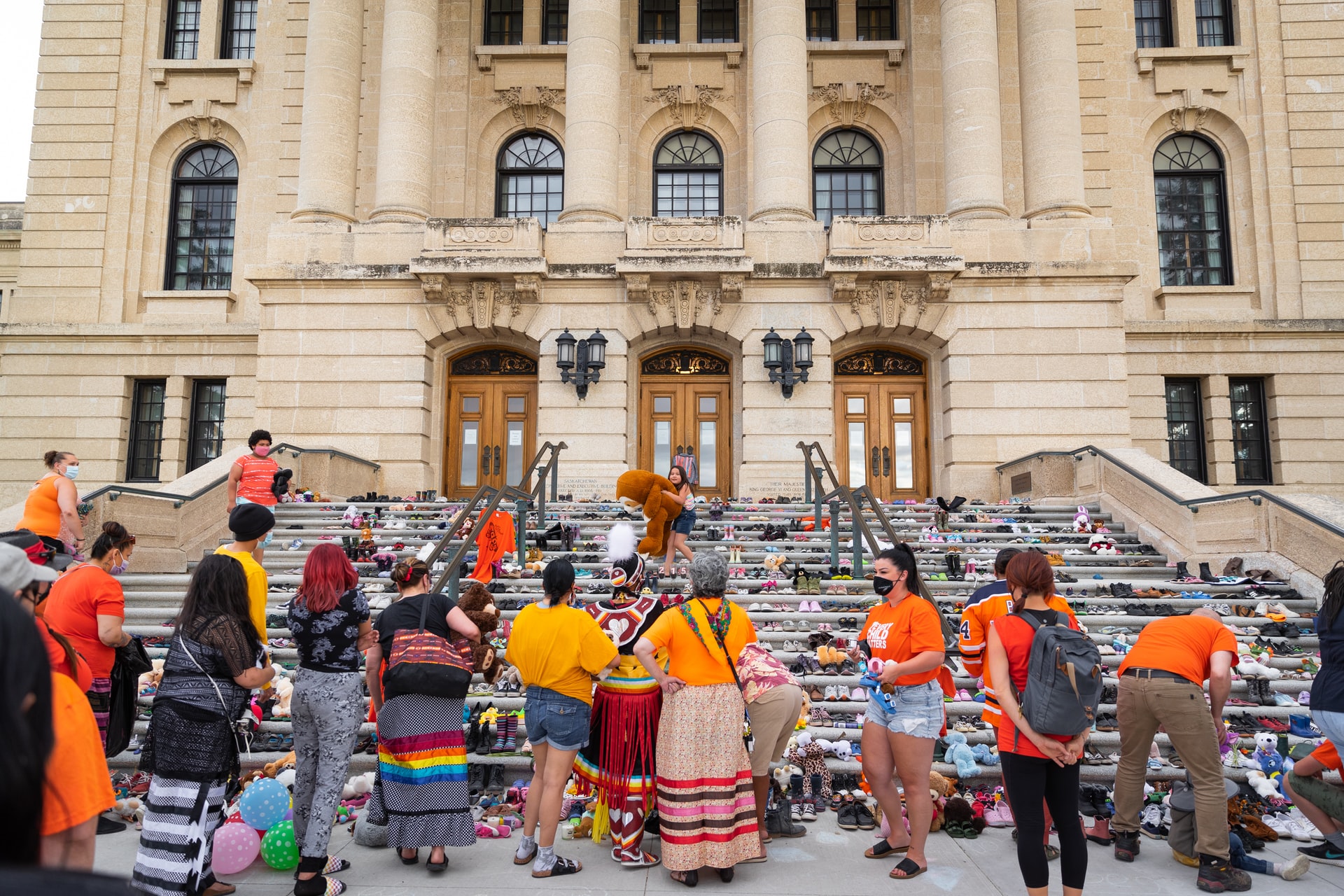
    September 30th, 2021 marked Canada’s first ever National Day for Truth and Reconciliation. This long-overdue day was proposed by Canada’s Truth and Reconciliation Commission as a way to pay respects to Indigenous Peoples in Canada. Although there are many different meanings to what “truth and reconciliation” means, the overarching aim of the day is to recognize the struggles Indigenous Canadians have faced along with honouring the memories of the victims of residential schools.

    What are Residential Schools?

    In the 1880’s, just a few decades after Canada was established as a country, the Canadian government and various Church denominations established boarding schools across the country specifically for Indigenous students. Although school might not seem like such a bad thing, it is important to realize that residential schools are not like the schools we attend today. Indigenous children as young as 4 years old were ripped away from their families and cultures and forced to attend residential schools. Instead of learning about their language and heritage, they were forced to speak English and were punished for speaking their mother tongue. The residential school system was absolutely brutal, and many children did not go home. The goal of residential schools was to assimilate Indigenous students and rid them of their precious culture; it was genocide.

    Impacts to This Day

    Residential schools seem like a faraway concept, but it’s important to note that the last residential school closed in 1996 – only 25 years ago. Furthermore, the impact of over a century of residential schools has had a profound impact on the Indigenous communities to this day. A significant portion of the Indigenous community have relatives or family members who endured years of abuse at the hands of residential schools, resulting in intergenerational trauma. The Canadian government has also been locked in years of legal battles against residential school survivors, preventing them from accessing documentation of their treatment at residential schools. Millions of dollars have been spent on these battles, money that could have instead been invested in improving Indigenous healthcare services or increasing access to drinking water on reserves. Although residential schools may have been abolished, there are still systematic ripples and trauma for Indigenous Canadians.

    What Can We Do?

    The best way to support Indigenous communities is by listening to what they have to say, which is exactly what the National Day of Truth and Reconciliation is all about. Rather than making assumptions or doing what governments or politicians think is best, it is crucial that we spotlight Inidgenous leaders and activists, learning about what solutions they have to help with the healing of their communities. We must also be open to learning and gaining new perspectives. Much of the education we have received regarding Canada’s Indigenous peoples is highly biased and incomplete. For this reason, it’s important to do our own research and educate ourselves from reputable sources. We must also put the knowledge we have gained to good use, by using our voices and platforms to amplify and spotlight Indigenous issues. Although you may not be able to vote yet, it would also be helpful to be more aware of Canadian politics, understanding how our leaders plan to make Canada a more welcoming space for Indigenous peoples.

    Overall, the National Day of Truth and Reconciliation sends a clear message that we have a long road ahead on the path to equality for Indigenous peoples. Despite the barriers that stand in our way, it is our duty as Canadians to listen, learn, and fight for the rights of our Indigenous brothers and sisters.


    Sources:

    Brault, Simon, and Jesse Wente. “The National Day for Truth and Reconciliation.” The Canada Council. https://canadacouncil.ca/spotlight/2021/09/the-national-day-for-truth-and-reconciliation.

    First Nations & Indigenous Studies, The University of British Columbia. “The Residential School System.” https://indigenousfoundations.arts.ubc.ca/the_residential_school_system/.

  • Staying Healthy and Active While Stuck at Home

    Staying Healthy and Active While Stuck at Home

    Being stuck at home can make it very difficult to find the motivation to stay healthy and active. Although it may be difficult, you should still try your best as it is very important for your health. The following are a few ways for you to stay healthy and active while stuck at home.

    • Maintain a Healthy Diet

    While stuck at home, you may find yourself snacking more often. When deciding what to eat, you should also provide yourself with healthy options. Although it is perfectly fine to have junk food from time to time, it should not be the only thing you are eating. Your meals should contain the recommended serving from each food group. If your snacks are unhealthy, you should try to swap them out for healthier options. You should also be drinking lots of water daily. Replace sugary drinks with water. You could add lemon to your water for some flavour or even make some tea, preferably with no sugar.

    • Exercise

    Although you might be stuck at home, there are many ways for you to stay physically active. You should aim to get at least 30 minutes of physical activity per day. If you can, you could go on a walk, run, or bike ride around your neighbourhood. If that’s not possible, you can exercise at home. There are several workout videos online that you could follow. Another thing you could do is dance. Follow someone’s choreography or even dance on your own. Just play some of your favourite music and dance.

    • Stay Mentally Active

    While at home you may find comfort in watching TV or using technology all day. You may not feel motivated to do any activities that keep your brain active. Just like how you should be physically active, you should also stay mentally active. There are many ways that you could do this and it does not have to be boring. You can build a puzzle, read an interesting book, learn a new language, practice an instrument, or even watch a documentary.

    • Get Enough Sleep

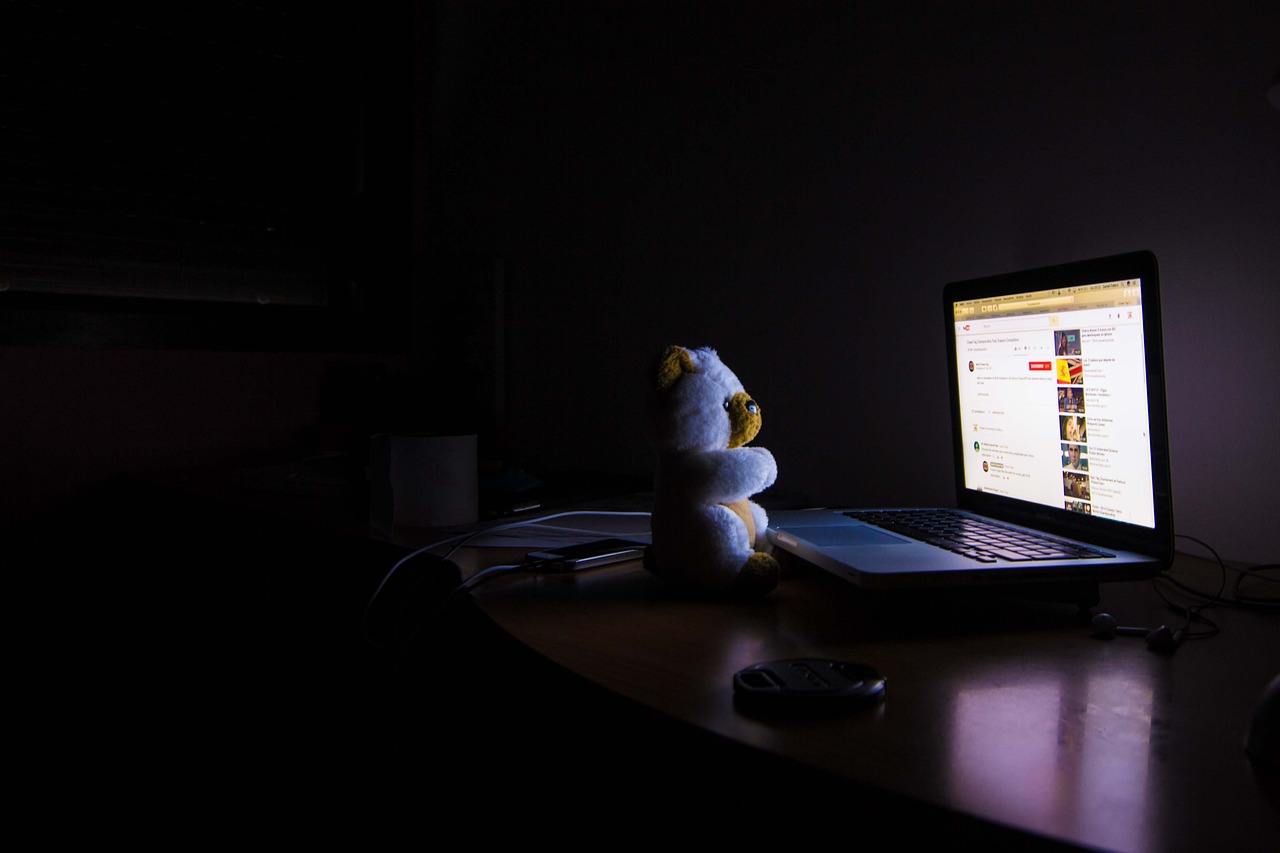
    Getting enough sleep is very important for your physical and mental health. Each age group has a recommended number of hours they should be sleeping daily. It is important to aim for that recommended amount. This is because getting too little or too much sleep can be harmful with time. In order to get a good amount of rest, it is best to not use technology right before going to bed. The blue light that is produced from technology can keep you awake, making it difficult for you to fall asleep. Instead, you could read a book or try meditating.

    • Get Fresh Air and Sunlight

    It is important to get fresh air and sunlight daily. Breathing in some fresh air and receiving vitamin D from the sun every day is good for your health. Try to sit outside or go on a short walk if you can. If for any reason you can’t go outside, aim to keep some windows or a balcony door open to let the fresh air come in. Also, keep the curtains open to let a good amount of sunlight into your home.


    Resources

    Thaler, Megan. “6 Best Ways to Stay Healthy While Stuck Indoors.” Steel Series. https://steelseries.com/blog/6-tips-maintain-your-health-while-stuck-indoors-196.

    Kueppers, Courtney. “7 ways ot stay physically active when you’re stuck at home.” The Atlanta Journal-Constitution. https://www.ajc.com/lifestyles/ways-stay-physically-active-when-you-stuck-home/ABxkqpYwvThtBxVYaFsgqM/.

    Ducharme, Jamie. “How to Stay Physically and Mentally Healthy While COVID-19 Has You Stuck at Home.” Time. https://time.com/5804130/covid-19-social-distancing-wellness/.

  • Career Profile: Movie Extra

    Career Profile: Movie Extra

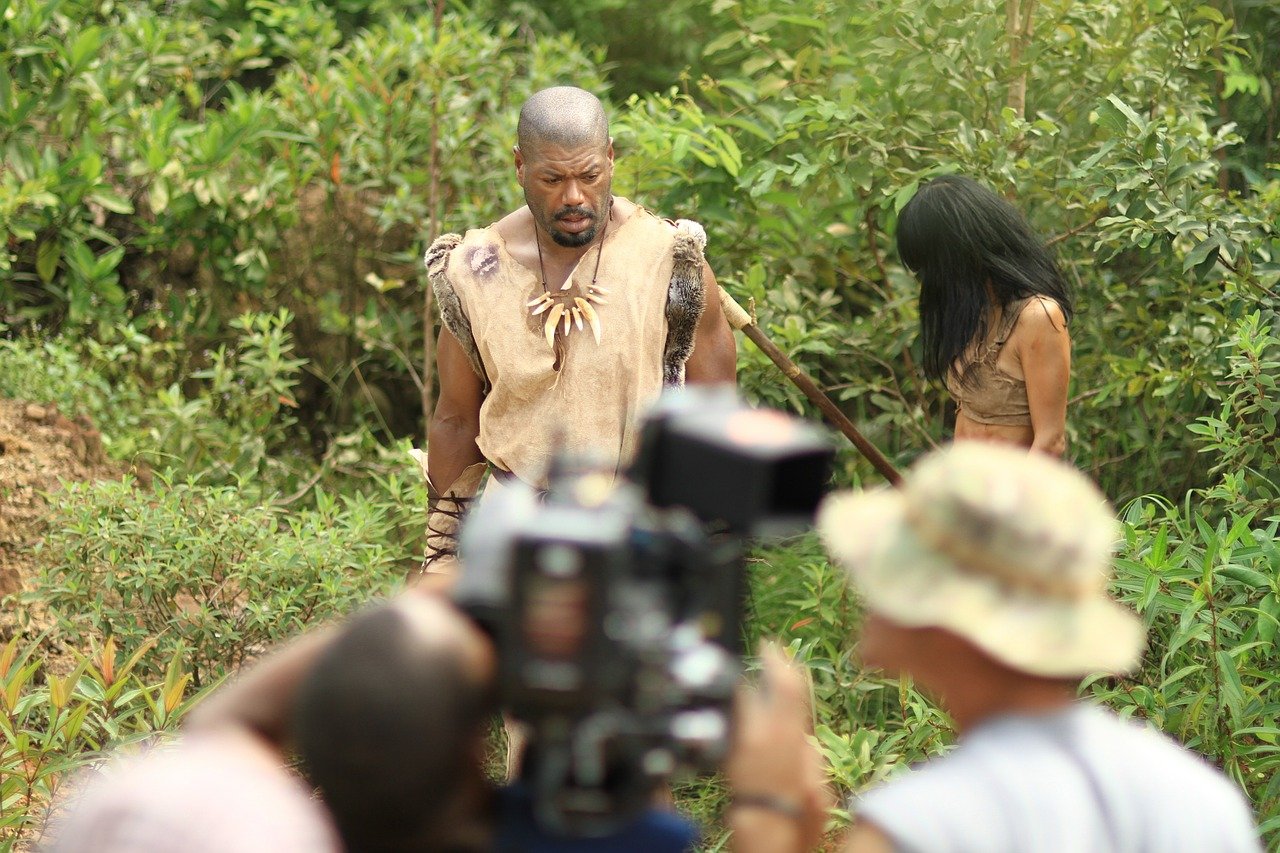
    Imagine being on the same screen as famous actors. Although not everyone can have a major part in a film, being an extra can give people experience in movie work while providing an income. If you want a way to get into film acting or you want to earn some money, working as a movie extra could be a good choice.

    Almost every movie or television program has scenes with people who are there just to make the scene look real. Some documentaries also have people in these types of roles. These people are called extras or background actors. Customers in stores, people walking along the street, or students in a classroom are all examples of extras.

    Normally, no acting experience is necessary for becoming a movie extra, but often directors and producers are looking for a certain type of person. For example, they might be filming a movie that takes place in Sweden or Japan, or they might need people under a certain age.

    Casting agencies are good places to look for this sort of work. For instance, the Toronto Film Extras agency matches people with the films that might suit them. Otherwise, social media pages, newspapers, and personal connections are often the best ways to find jobs.

    Personal connections were how I found two unpaid roles as a movie extra. The first was in a documentary that included a group departure from the Moscow train station in 1929, filmed at a train station in Winnipeg. I borrowed some of my grandmother’s clothes and one of her suitcases and spent an evening as an emigrant leaving Russia.

    My second role was as part of the crowd in a movie about the Winnipeg General Strike of 1919. The filming lasted for much of a day and took place in the downtown area where the strike had originally happened. Once again, I found my own costume for the role. I also had to manage with blurred vision, as my glasses were too modern for the era of the movie. For shortsighted people who act as extras regularly, laser surgery or contact lenses would be beneficial.

    Although my two roles were unpaid, extras can normally earn a fairly good living, given the right circumstances. The COVID-19 pandemic has reduced the amount of work available, but extras can normally earn close to $200 per day. The work can be tiring and repetitive, and much of the time is spent in waiting. However, even a very long day as an extra can be fun. Costumes and makeup are normally provided if they are necessary, and food is typically available.

    Almost any Canadian city potentially have some work for extras, but Toronto and Vancouver are likely to have the most and best-paid options. Joining a union is a good idea, as the standard wage for unionized extras is over $26 per hour but $14 for non-union extras. Finally, being able to follow instructions is the main skill that extras need. If you like acting and want to have a small part in the movies, becoming an extra is a good choice.


    Bibliography:

    Breman, Phil. “How to Become an Extra in Movies and Television.” https://www.thebalancecareers.com/how-to-become-an-extra-in-movies-and-television-1283512.

    BlogTO. “How to Be a Movie and TV Extra in Toronto.” https://www.blogto.com/film/2013/02/how_to_be_a_movie_and_tv_extra_in_toronto/.

    Brown, Chris and Chris Corday. “B.C. Movie Extras Enjoy Boom Times Thanks to Low Canadian Dollar.” https://www.cbc.ca/news/canada/british-columbia/b-c-movie-extras-enjoy-boom-times-thanks-to-low-canadian-dollar-1.3438860.

    Central Casting. “How to Be an Extra in a Movie.” https://www.centralcasting.com//how-to-be-an-extra-in-a-movie/.

    Toronto Film Extras. “Welcome to TFX!” https://www.torontofilmextras.com.

  • Career Profile: Film Director

    Career Profile: Film Director

    Films can be fun or educational to watch, but a lot of work goes into making them. Many people are involved, including actors, camera crew, and more. The person who helps everything come together is the director. If you want an important role in entertaining or educating people and can work under pressure with a variety of individuals, the job of a film director could be right for you.

    Most movies and films have a storyline, whether it is a romance, an action movie, or a documentary about polar bears. For the film to make sense, its parts need to fit together in a way that watchers can understand. Directors decide how they want the story to flow. They plan the scenes that they want as part of the program, and they decide on the order of the segments and say what should be added or taken out.

    Directors normally work closely with the practical aspects of filming. They choose people to play in the various roles and decide on scenery, costumes, and more. When the filming starts, they tell people what to do and decide where they should stand, walk, or sit. They decide when the scene needs extra people in it and when the main actors are enough. Directors need to have a clear idea of the flow of action they want, since the scenes are often filmed out of order and put together later.

    Working as a director is not normally physically demanding, but it can be very mentally tiring. Often, directors will be on a movie set for hours and then go back to the production room and spend more time looking at the film and deciding what to keep and what to redo. The days can be very long before, during, and after filming. Even after finishing the film, directors spend time marketing it and often need to travel to different cities to talk to audiences and others who might be interested.

    Although educational requirements in this field vary, most directors have a bachelor’s degree in an area like film studies with some studies in production. Most universities have degrees in this field, and cities like Toronto or Vancouver have the best opportunities for connecting with others in the movie industry.  Many directors have also worked in acting, editing, or writing.

    Being able to tell a story is important for film directors, but understanding the visual aspects is also essential. Even in a documentary, directors need to find the best pictures to go with the story, whether it is about an animal or a point in history. Directors sometimes work with people who might not have much experience in acting, and they should be able to know what is helpful and what is not.

    Depending on their experience, directors can earn between about $66,000 and $108,000 per year. Although the COVID-19 pandemic has reduced the amount of work available, people can still find jobs in this field, especially in major cities. If you enjoy the arts and like working with people, this could be the right career for you.


    Bibliography:

    Careers in Film. “Director.” https://www.careersinfilm/film-director/.

    Government of Alberta. “Film Director.” https://alis.alberta.ca/occinfo/occupations-in-alberta/occupation-profiles/film-director/.

    Learn.org. “Film Director: Job Duties, Career Outlook and Education Requirements.” https://learn.org/articles/Film_Director_Job_Duties_Career_Outlook_and_Education_Requirements.html.

    PayScale Canada. “Film Director: Salary.” https://www.payscale.com/research/CA/Job=Film_Director/Salary.

  • Tips for Stopping Over-Snacking While at Home

    Tips for Stopping Over-Snacking While at Home

    Most people enjoy snacking throughout the day. Since a majority of those people have now been stuck at home, they are more likely to over-snack. Over-snacking can lead to consuming too many calories and can affect your health with time. Are you one of those people that have been over-snacking while at home? If so, the following are some tips just for you!

    Stay Hydrated

    It is easy to confuse hunger for thirst. Sometimes, you may snack because you think you are hungry. Before grabbing something to eat, you should drink a glass of water. You could still have your snack afterward but you won’t eat as much as you would have before drinking water. Other options for you to drink are sparkling water, fruit-infused water, or tea.

    Include Protein and Fiber in Your Meals

    Protein and fiber are two nutrients that can help you feel full for much longer. After eating meals that contain these two nutrients, you will not have to eat several snacks before your next meal. A good snack to add to your diet that contains fiber and protein are nuts.

    Pause Between Bites

    Pausing between bites allows you to ask yourself if you’re still hungry. If you’re using a utensil to eat, you could put down the utensil after every bite to avoid being tempted to take another bite right away. Pausing between bites also gives you enough time to chew your food properly.

    Don’t Eat From the Package

    When eating directly from the package, it is more likely for you to over-snack. This is especially common with snacks such as chips, crackers, and cookies. A good alternative is to put a portion of the snack in a bowl or on a plate for you to eat. The remainder of the snack should be put away. If you’re still hungry afterward, you could go and grab a little more. This method helps prevent you from mindlessly eating too much.

    Figure Out the Underlying Cause

    You may often find yourself snacking because of certain emotions or habits. When you’re feeling bored, stressed, or upset, you may turn to snacks to help cope. You may also catch yourself mindlessly snacking while you’re sitting down watching television. By figuring out which specific moments cause you to mindlessly snack, it will help you become aware of the situation and break that habit.

    Everyone has moments when they over-snack. When you find yourself over-snacking, do not feel ashamed. You could take that moment to learn and evolve. Be grateful for the food you just had and try to be more mindful next time you grab a snack to eat. Mindful snacking will get easier as you practice!


    Resources

    https://www.goodhousekeeping.com/health/diet-nutrition/a28846835/how-to-stop-overeating/

    https://www.eatingbirdfood.com/how-to-stop-mindless-snacking/

    https://www.sparkpeople.com/resource/nutrition_articles.asp?id=2503

    https://www.onemedical.com/blog/eat-well/mindful-eating

  • The Importance of Study Groups During COVID-19

    The Importance of Study Groups During COVID-19

    By Erin Rebello

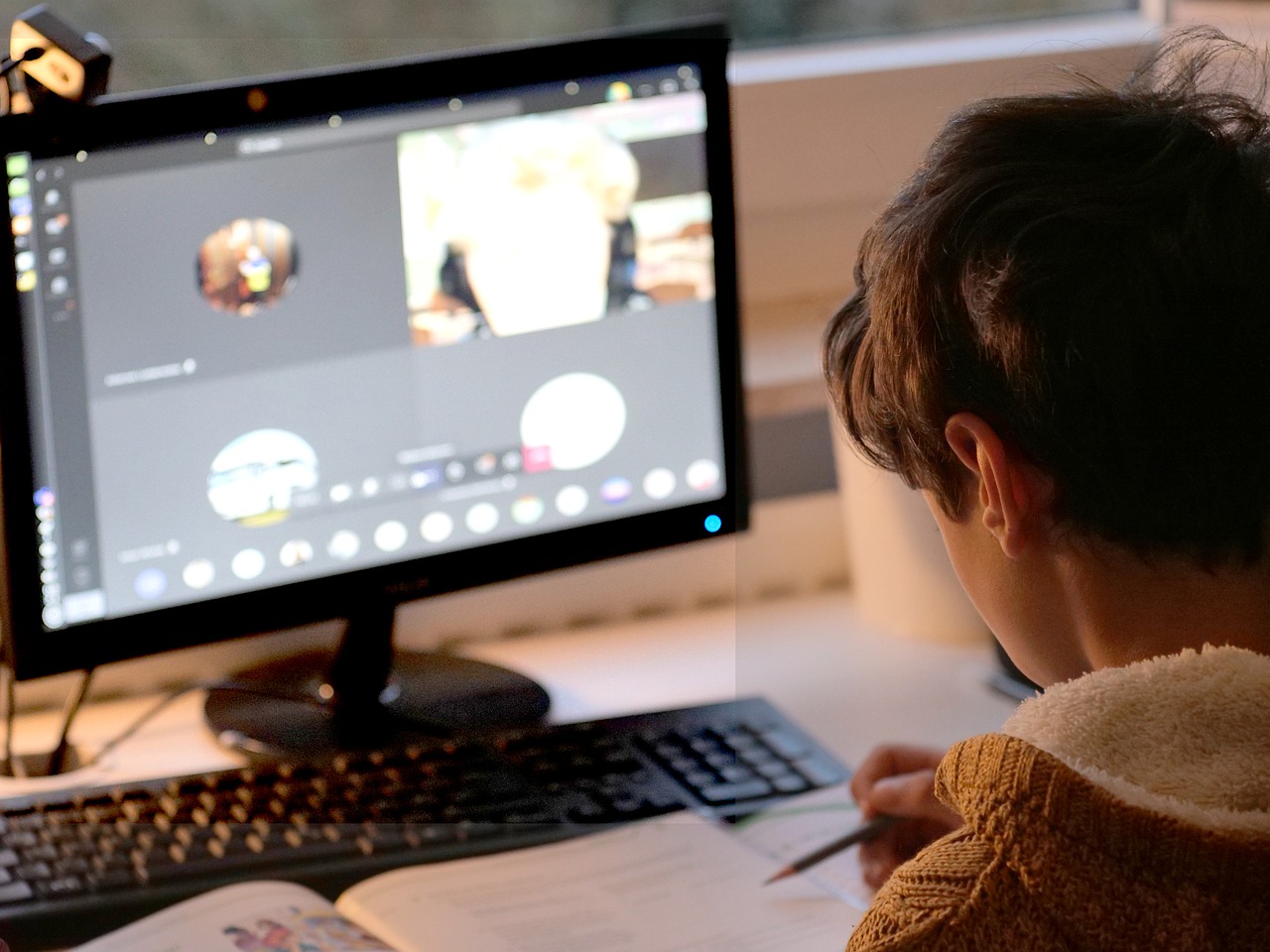
    One of the most difficult changes about the switch to online learning has been the lack of support. Although school boards and teachers are trying their best, nothing can properly replicate the feel of in-person learning. Personally, the switch to online schooling has been very difficult, and has severely impacted both my productivity and mental wellness. Although times have been tough, the one light at the end of the tunnel has been my study group. I’ve never been one for study groups, but with less and less collaborative time in school, I decided to give a study group a try and joined one with a few of my close friends. Over a couple of months, the study group evolved into a server where everyone could ask for homework help, vent about their problems, and even coordinate gaming sessions!

    Benefits of a Study Group

    Although there are many benefits to a study group, I would say that the greatest one is being able to connect with your peers for emotional support. Social isolation is extremely difficult, and even being able to speak to someone through a microphone and webcam can be a breath of fresh air. So many students are struggling with mental health, and in my humble opinion, peer-to-peer forms of communication are the best solution. After all, if you’re in the same situation as your peers, you’ll be able to better understand their feelings and help them work through them.

    Another obvious benefit to a study group is the ability to seek help with understanding difficult concepts or questions. Last quadmester (a shortened semester) I took physics, which is a subject that I’ve always struggled with. With the added stressors of virtual learning, there were many times where I felt stupid or out of place. It was a very frustrating time. Fortunately, there were a couple of other people in the study group who were also taking physics and agreed to help me study. In turn, I agreed to assist them with editing and proofreading their English assignments. It is a very reassuring feeling to have a group of people who can make the world feel a little less chaotic.

    How to Start a Study Group

    At this point, you’re probably wondering about how you can create a study group, and fortunately for you, it’s quite simple! First, you need a group of people who are interested in working together. It’s always a safe bet to approach friends! Then, you’ll need to choose a platform for your study group. In the past, I used Instagram Chats, but we recently switched to Discord, and it’s been much easier. Some other platforms to consider are Facebook Messenger and Slack. After that, you’re basically done! All in all it takes less than an hour to set up and will likely be well worth your time. Happy studying!

  • It’s 3 in the Morning! What to Do When You Can’t Sleep

    It’s 3 in the Morning! What to Do When You Can’t Sleep

    Have you ever tossed and turned in bed until 3 in the morning? If you have, you are not alone. Everyone has restless nights every once in a while. In order to avoid restless nights, everybody should know a few tips and tricks to help them sleep. The following are some tips to help you prepare your sleep environment, suggestions of things to do before you go to bed, and a few other things you could do throughout the day that will surely help you sleep in no time!

    Adjust Your Sleep Environment

    1. Keep your bedroom dark. When you’re about to go to bed, your room should be as dark as possible. Some people aren’t comfortable sleeping in complete darkness. If that happens to include you, you could have a dimmable lamp in your room.
    2. Adjust the temperature. Trying to sleep in a room that is too hot or too cold won’t work out very well. Most people find it better to sleep in a cool room. If you are not able to adjust the thermostat for your room, you could bring a fan closer to you if you’re hot or layer your blankets if you’re feeling cold.
    3. Don’t work in your bedroom. Doing other tasks in your bedroom, or specifically on your bed, can trick your mind into thinking that your bed isn’t just for sleeping. Therefore, when you do try to go to sleep, your mind will tell your body that you should be doing other things and not sleeping.
    4. Use comfortable bedding. Your pillows, blankets, and even your mattress can play a role in your quality of sleep. Everyone has different preferences on the type of bedding they’re comfortable sleeping on. You should be able to feel comfortable in your own bed.

    Prepare Yourself for Sleep

    1. Make yourself a hot beverage. Drinking hot drinks is a good way to wind down before you go to bed. Chamomile tea and warm milk are the most common drinks to have before you sleep.
    2. Take a warm bath or shower. Taking warm baths or showers is very relaxing. The warm temperature causes the body’s temperature to drop which helps you sleep.
    3. Avoid large dinners. Eating large meals at night can make your stomach feel uncomfortable. This discomfort can worsen when lying in bed.
    4. Play background noise. You may find it difficult to sleep in silence. If you need some background noise, you could play relaxing music or white noise to help you fall asleep.
    5. Stretch. Stretching helps release muscle tension. You could stretch while standing, sitting, or even while lying in bed.

    Practice Healthier Habits

    1. Exercise. Daily physical activity can help improve the quality of your sleep. Exercising at least three hours before you go to sleep gets your body tired and gives you enough time to wind down.
    2. Avoid caffeine. Caffeine makes it hard to fall asleep at night. Try to cut back on the amount of caffeine you consume daily or avoid it entirely!
    3. Take natural supplements. Natural supplements such as valerian, tryptophan, and melatonin are used to promote sleep. If you’re interested in taking supplements to help you sleep, check with your doctor first.

    By following all these new tips, you will fall asleep in no time! However, if none of these tips are helping you fall asleep, you might want to go see a doctor. Your doctor can work with you to help find out the underlying reason for your insomnia. Losing sleep too often can negatively affect your health, and therefore it should be taken seriously.


    Resources

    https://www.mana.md/what-to-do-when-you-cant-sleep/

    https://www.themuse.com/advice/19-things-to-try-when-you-cant-sleep-better-than-staring-at-the-clock

    https://greatist.com/health/cant-sleep-advice-and-tips#routine