Category: Elementary

  • Career Profile: Microelectronics Manufacturer

    Career Profile: Microelectronics Manufacturer

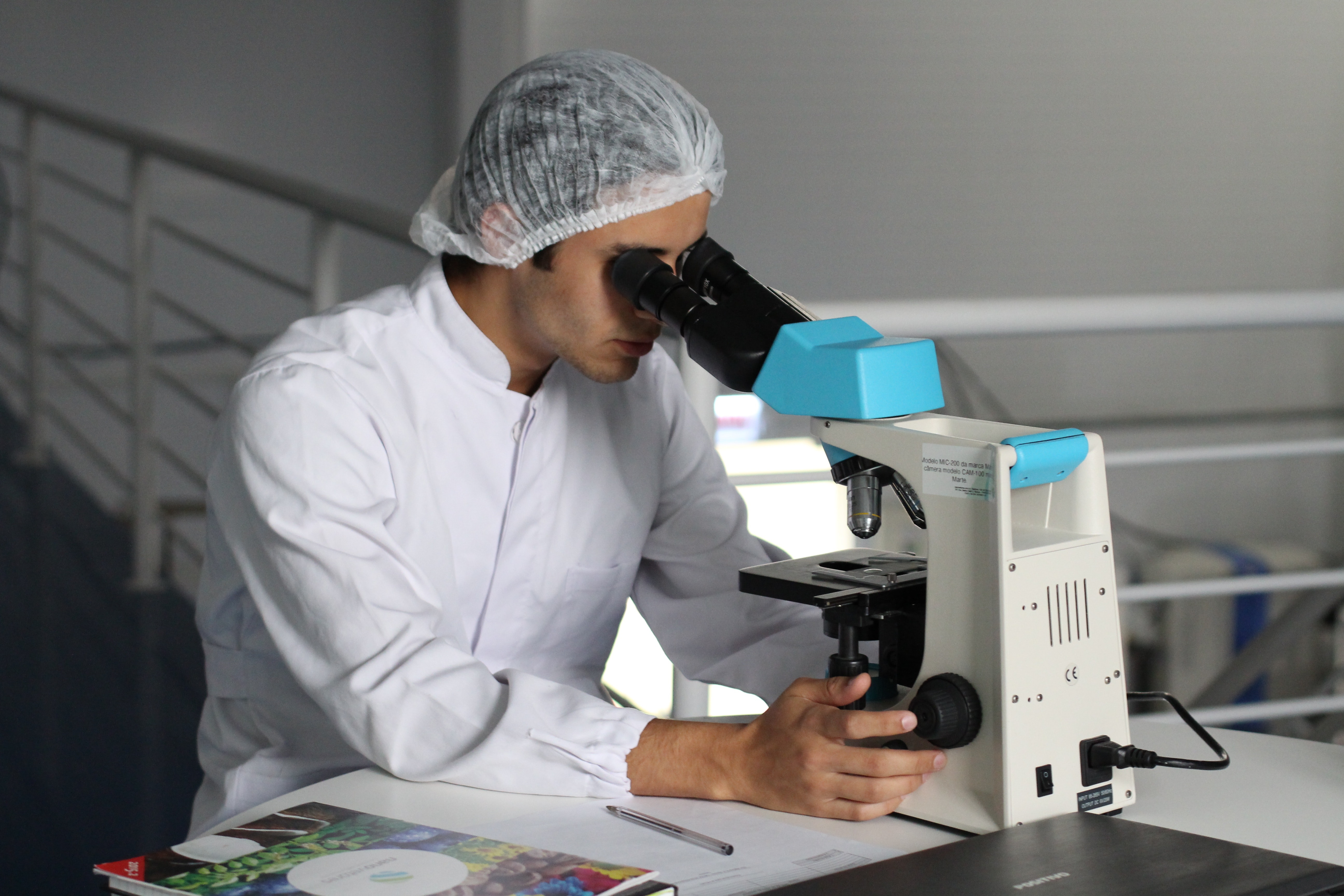
    Imagine a world without microelectronics. No one would have cell phones or computers, no dogs or cats would have microchips to identify them if they get lost, and many medical procedures would be impossible. Working as a microelectronics manufacturer can be an interesting and useful job, with good prospects for the future.

    Just like the engineers who design microelectronic chips, manufacturers need a high level of education. Many microelectronics manufacturers have Master’s or PhD degrees that help them to understand the parts that they are making. Most large universities have courses in this area, and you can already start to learn by taking courses in the sciences and mathematics at school and by studying on your own.

    Some microelectronics manufacturers work with all kinds of projects. They might work with circuit boards for computers or microchips for dogs and cats, and they need to know how the different types of electronics need to be made. Others in this field specialize in a particular type of manufacturing. If you are interested in computer circuit boards, for example, you could choose to do that and work with computer companies that make their own equipment in Canada.

    The word “micro” means “small,” and manufacturing microelectronics means working with very small bits of equipment. People in this trade need to have good vision and steady hands so that they can put pieces together without breaking or dropping them. Does this describe you? If you want to prepare for a job as a microelectronics manufacturer, you could already practice taking things apart and putting them back together.

    Working in microelectronics manufacturing is not a very physically demanding job, but it can be very tiring for the back and eyes. When people get past a certain age, they might find the work of a microelectronics manufacturer too difficult.

    If you become a microelectronics manufacturer, you will learn all kinds of skills that can apply to other fields. Doing very precise work with microelectronics can help you learn all kinds of similar jobs that require concentration.

    Depending on the job, microelectronics manufacturers might work mainly with a few coworkers or with many people in a factory. Big cities are more likely to have jobs than smaller places, but sometimes unexpected places can have opportunities that larger places might not have. For example, Waterloo, Ontario has many companies that work in electronics, while larger cities might have only a few places that hire people in this field. If you are willing to move for a job, you will likely find it easier to get work in this field.

    Like in many other trades, the salaries that microelectronics manufacturers earn vary quite a bit from one part of the country to another. Experience can also make a difference in how much people earn. In general, salaries start at about $34,400 and can rise to more than $64,000. Many people in this field work fairly regular hours, but they might have to work shifts, possibly even at night.

    Microelectronics manufacturing can be a good choice for people who are good with delicate work. If that describes you, why not consider it?

    Bibliography:

    Indeed.ca. “Microfabrication Technologist.” https://ca.indeed.

    Payscale.com. “Electronics Engineer Salary.” https://www.payscale.com/research/CA/Job=Electronics_Engineer/Salary.

    Study.com. “Career Definition for a Microelectronics Engineer.” https://study.com/articles/Microelectronics_Engineer_Job_Information_for_Students_Considering_a_Career_in_Microelectronics.html.


  • Ne vous battez pas contre les larmes : l’importance de pleurer

    Ne vous battez pas contre les larmes : l’importance de pleurer

    On vous dit souvent d’être fort, de vous concentrer sur le positif et de sourire. Mais vous n’avez pas toujours envie de le faire. Il y a des moments où vous voulez juste pleurer, mais vous avez peur de ce que les autres vont dire ou d’être faible. Mais en fait, tout le monde pleure. C’est une réaction très humaine.  Il existe pleins de raisons pourquoi vous voulez pleurer et parfois, il n’y en a aucune. Non seulement c’est correct de le faire, mais il y a beaucoup de bonnes raisons de ne pas se battre contre les larmes.

    Pleurer aide votre moral. Cela envoie des endorphines dans votre corps. Ce sont des substances chimiques qui ont un gros effet positif. Tellement d’ailleurs, qu’on les appelle souvent les substances pour « se sentir bien ».  Elles vous aident à vous sentir plus heureux et à réduire la douleur physique. Verser des larmes aide aussi à activer le système nerveux parasympathique. Ça peut sembler compliqué, mais ça aide votre corps à digérer la nourriture et à vous reposer. Ça peut vous aider à vous calmer.

    Pleurer a l’effet surprenant de vous aider à vous sentir mieux. Les larmes ont des fluides qui aident à tuer les bactéries et peuvent aider vos yeux à rester propres. Elles aident aussi votre vision et aident à rendre les choses plus claires. En fait, de très petites larmes sont relâchées  chaque fois que vous clignez des yeux. Il existe aussi des recherches qui laissent entendre que les larmes évacuent les toxines et les hormones de stress de votre corps. Le fait de pleurer est une chose tout à fait naturelle que notre corps utilise de toutes sortes de façons positives.

    Malgré tout cela, les gens ont généralement peur de pleurer en public. Vous retenez vos larmes même lorsque vous avez vraiment envie de pleurer parce que vous êtes avec vos camarades de classe, des étrangers ou même des amis. Les gens désirent paraître forts et ne veulent pas qu’on se moque d’eux parce qu’ils ont besoin d’aide. Mais comme noté plus haut, tout le monde pleure. Tout le monde a besoin d’aide à un moment donné, et personne ne gère tout, tout seul. Pleurer a évolué chez les humains en une attitude d’attachement qui nous aide à obtenir du soutien de la part des autres. Lorsque nous pleurons, nous savons que nos amis et notre famille sont là pour nous soutenir. Et nous savons aussi lorsque ce sont eux qui pleurent, nous sommes là pour les soutenir.

    Il n’y  a aucune honte à pleurer parce que c’est aussi humain que manger ou dormir. Les gens peuvent dire que c’est une mauvaise chose, mais même ceux qui se moquent de vous pour ça ont pleuré à un moment dans leur vie. On nous dit toujours d’être forts, mais c’est important de se rappeler que pleurer n’est pas une faiblesse. C’est un comportement humain qui a évolué pour nous aider à gérer nos émotions, à améliorer notre santé et à obtenir le soutien dont nous avons besoin.

    La prochaine fois que vous sentirez le besoin de pleurer, ne retenez pas ces larmes ou ne dites pas que vous ne voulez pas pleurer. Donnez-vous quelques minutes pour laisser couler les larmes et, ensuite, essayez de vérifier si vous vous sentez différent, dans votre corps et votre tête. Lorsque vous voyez vos amis prêts à pleurer, dites-leur que c’est correct de le faire et que vous êtes là pour eux. Être humain implique beaucoup de joies et de peines. C’est important d’accepter ces deux côtés de la vie et de se soutenir mutuellement lorsque nous les traversons.

    Sources:

    Burgess, Lana. “Eight benefits of crying: Why it’s good to shed a few tears.” Medical News Today. https://www.medicalnewstoday.com/articles/319631.php

    Healthline. “9 Ways Crying May Benefit Your Health.” https://www.healthline.com/health/benefits-of-crying

  • Never Fight Your Tears: The Importance of Crying

    Never Fight Your Tears: The Importance of Crying

    You are often told to be strong, to focus on the positive, and to smile. But you do not always feel like it. There are times you just want to cry, but might be afraid of what others might think or that you are weak. But the truth is everybody cries. It is a very human thing to do. There are many reasons why you might want to cry, and sometimes you might feel like it for no apparent reason at all. Not only is it okay to do so, but there are actually a lot of good reasons not to fight those tears.

    Crying can help to boost your mood. It causes endorphins to be sent through your body. These are chemicals that have a big impact on how you feel in a very positive way. So much so, that they are often called “feel good” chemicals. They help you feel happier and also help with physical pain. Shedding tears also helps activate the parasympathetic nervous system. This may sound complicated, but what it does is help your body digest food and to rest. This can help calm you down.

    Letting out tears has surprising effects other than helping you feel better. Tears have fluids that help kill bacteria and can keep your eyes clean. Tears also help your vision and makes the things you are looking at clearer. In fact, very small tears are released every single time you blink. There is research suggesting that tears help flush bad toxins and stress hormones out of your body as well. The act of crying is a very natural thing that our body uses in many positive ways.

    Despite all of this, people are usually afraid to cry in public. You may hold back tears, even when you really want to cry, because you are around classmates, strangers, or even friends. People want to appear strong and do not want to be made fun of for needing help. But as mentioned above, everybody cries. Everyone needs help at some point, and no one ever handles everything all by themselves. Crying evolved in humans as an attachment behaviour, as it helps to get support from people around us. When we cry, we know there are friends and family who will be there to support us. We also know that, when they are the ones crying, we will be there to support them.

    There is no need to be ashamed of crying because it is as much a part of being human as eating and sleeping. People may act like it is a bad thing, but even those who make fun of you for it have cried at some point in their life. We are always told to be strong, but it is important to remember that crying is not a weakness. It is a human behaviour that evolved to help us cope with our emotions, improve our health, and get the support we need.

    The next time you feel like crying, do not hold back those tears or pretend you do not want to cry. Give yourself a few minutes to let those tears out, and try to notice how different you feel afterwards in both your body and mind. When your friends or classmates are about to cry, let them know that it is okay to do so and that you are there to support them. Being human means lots of joys and plenty of pains. It is important to accept both sides of life and help each other through the highest of highs and lowest of lows.

    Sources:

    Burgess, Lana. “Eight benefits of crying: Why it’s good to shed a few tears.” Medical News Today. https://www.medicalnewstoday.com/articles/319631.php

    Healthline. “9 Ways Crying May Benefit Your Health.” https://www.healthline.com/health/benefits-of-crying

  • Why You Should Care About Politics at a Young Age

    Why You Should Care About Politics at a Young Age

    What are/ is politics?

    Definition of politics according to Merriam Webster Dictionary:

    “1a : the art or science of government

    b : the art or science concerned with guiding or influencing governmental policy

    c : the art or science concerned with winning and holding control over a government

    2 : political actions, practices, or policies

    3a : political affairs or business especially : competition between competing interest groups or individuals for power and leadership (as in a government)

    b : political life especially as a principal activity or profession

    c : political activities characterized by artful and often dishonest practices

    4 : the political opinions or sympathies of a person

    5a : the total complex of relations between people living in society

    b : relations or conduct in a particular area of experience especially as seen or dealt with from a political point of view”

    ( https://www.merriam-webster.com/dictionary/politics)

    Our parents often have an opinion and sure, some news stories pop up in our social media feeds, but we rarely have the time to stop and read them on our own.

    Things might not seem like they’re of great importance to you, but they are. Even as a young adult the person we elect into office is going to affect us. Understanding the different platforms, a candidate’s reputation in office, their promises for the country or city, and what their plans will mean for your life is crucial. The older you get, the more responsibility you’ll need to take on and a big part of being an adult is keeping up with those who shape the rules of your adulthood.

    Another big reason why you should care is because you’ll learn where you fall on the political spectrum and realize how important your voice is. When you turn 18, your vote matters in elections and the more you know about politics, the more likely you are to make yourself heard. Ignore that voice in your head telling you your voice doesn’t matter because it absolutely does. Sticking up for something and coming to terms with your own beliefs will help you in the long run, especially as you get older.

    Plus, politics can affect your life in funny ways. Politicians can also tweak how government funding for school is handled. These scenarios might not seem like immediate reasons for concern, but one day they might sneak into your life and understanding the proper procedure and new laws concerning these things is bound to help you.

    Like it or not, politics will have an impact on your everyday life. Not knowing about politics or make an active decision to ignore it is a one-way ticket to ignoring how the world around you works. You shouldn’t shy away from how things are done or why laws and bills came into fruition. Ignoring politics is like ignoring the news. You can’t do it. It’s around you all the time for a reason: it’s important to keep up to date with politicians and their latest policies because it plays a part in your life.

  • Career Profile: Water Utilities Manager

    Career Profile: Water Utilities Manager

    Imagine going to get a drink of water at the kitchen sink but not being able to get anything from the tap. Or think of what might happen if you tried to flush the toilet but nothing happened. Having access to water is important for almost every area of our lives. Water utility managers help to give people access to this very necessary resource.

    Working as a water utilities manager is a very useful job. Working with budgets, ordering repairs, and managing daily operations are some of the main parts of the job. People in this work also deal with rules and regulations and might conduct research on the different types of technologies that are available. For example, a water utility manager might find problems with copper pipes and research other materials to use instead.

    People in this type of work have to be willing to work in different environments. They might work in an office or spend much of their time in water treatment plants or outdoors checking on what the workers are doing. The work is not usually very physically difficult, but it can be busy and sometimes stressful. Salaries in this area begin at about $42,400 and can rise to more than $103,000, but the amount depends on people’s experience and the size of the city or town where the job is.

    Work as a water utilities manager usually requires at least some education at a university or college. Electrical engineering or water resource technology are good fields to choose, and getting a Master’s degree can help make it easier to get work. Getting experience in supervising other workers can help, and being familiar with how water systems work is a good idea.

    In high school, you can already start to prepare for your career by taking courses like physics, chemistry, and mathematics. What you learn there will help you to calculate how much pipe you need for repairs, what chemicals you need for water treatment systems, and anything else that you need to know.

    The ability to write well and to speak in front of crowds are also good skills to have since managers normally have to give reports to governments or other organizations. Suppose that a town’s water system needs upgrading because of old pipes and equipment. A water utilities manager might need to apply for extra funding, and being able to fill out requests for money or talk to possible funders to get help.

    For at least the next few years, getting a job as a water utilities manager could be very difficult because the current worker from the older generations might still stay in their jobs for years. Still, opportunities will eventually open up, and people who are in high school now might find that they will graduate at the right time.

    Are you interested in helping make water available to people? Are you good at organizing people and keeping track of projects that need to be done? Working as a water utilities manager might be the right choice for you.

    Bibliography:

    Canadian Water & Wastewater Association. “National Water Efficiency Committee.” http://cwwa.ca/net_conservation_e.asp.

    Indeed.com. “Water Management Jobs.” https://ca.indeed.com/Water-Management-jobs.

    Salary.com. “Salary for Waste Water Treatment Plant Manager in Ontario, Canada.” https://www1.salary.com/CA/Ontario/Waste-Water-Treatment-Plant-Manager-salary.html.

    Western Canada Water. “Water Industry Career.” http://wcwwa.ca/careers.

  • A Closer Look at a Career as a Personal Support Worker (PSW)

    Living independently or without any assistance is something that all adults aspire to, perhaps something that the young ones can’t comprehend until they have come of age. However, in some cases, living alone can be a burden especially if one has medical conditions or physical limitations. This is especially true for some members of the elderly population.

    According to Statistics Canada, the elderly proportion of the country’s population have steadily increased in the past 40 years. From 1971 to 2010, the senior population rose from 8% to 14%. It’s predicted that by the year 2036, the senior population can reach as much as 25%.

    The senior population is prone to conditions such as hypertension, arthritis, and back conditions, most of which will require a form of assistance. The good news is the elderly population now have more options aside from choosing to live in senior homes where they can acquire support services for their illnesses. They can choose to reside in their own homes and employ personal support workers (PSW) to provide assistance when needed. PSWs are sometimes referred to as personal or home care aides. If this is something you would be interested in as a career, read on for more information.

    Personal Support Worker – What You Need to Know

    The main responsibility of PSWs is to provide individuals assistance with daily activities, and these may include but not limited to bathing, feeding, dressing, grooming, laundry, and cleaning. In most cases, PSWs also facilitate intake of medicines for the individuals.

    PSWs, however, don’t act alone as they collaborate with a medical group or clinical staff to streamline the individual’s treatment plans or daily regimen. PSWs must have an in-depth understanding of the individual’s needs and follow specific instructions from health care professionals regarding medication intake and other related duties. For individuals with chronic or acute conditions, PSWs are also tasked to monitor and keep track of their pulse, temperature, respiration, and others and may need to assist with other tasks like physical therapy, injections, feeding tubes, etc.

    PSWs also serve as companions for individuals who need assistance with certain activities, such as when they need to go to the hospitals or clinics for routine check-ups or run errands such as go to the bank or supermarkets.

    Salary

    According to PayScale.com, PSWs can earn $23,203 up to $44,171 a year.

    Skills

    To get started in the profession of PSW, one must first obtain an Ontario Secondary School Diploma (OSSD) or equivalent and a grade 12 English credit and then work in getting a PSW certification from an approved educational institution. Most employers also require First Aid & CPR Level C or HCP Certificate. A nursing education is a big plus, as well as additional certifications and credits like senior biology, communications, or health. PSWs can move toward the careers as a Registered Practical Nurse or Registered Nurse.

    If you aspire to be a PSW, it’s important to be flexible with your hours as you may need to work different shifts depending on the individual’s needs. Excellent communication and interpersonal skills are a must, as well as good judgment, problem-solving, and assessment abilities.

    Pros and Cons

    Working as a PSW means having the chance to improve the quality of life for individuals. In addition, unlike hospital or clinic settings where you deal with numerous patients daily, you get to direct your focus on one individual, thus you are able to establish rapport and build a trust-based relationship.

    Being a PSW though can be physically demanding as you will be often required to lift and do frequent movements when providing assistance, especially when the individual requires physical therapy.

    SOURCES:

    https://ca.indeed.com/jobs?q=PSW&l&vjk=26a0c32841585af5

    https://www.ontariocolleges.ca/en/programs/health-food-and-medical/personal-support-worker-psw

    https://www.payscale.com/research/CA/Job=Personal_%2F_Home_Care_Aide/Hourly_Rate

    https://www150.statcan.gc.ca/n1/pub/11-402-x/2011000/chap/seniors-aines/seniors-aines-eng.htm

  • Career Profile: Postmaster and Mail Superintendent

    Career Profile: Postmaster and Mail Superintendent

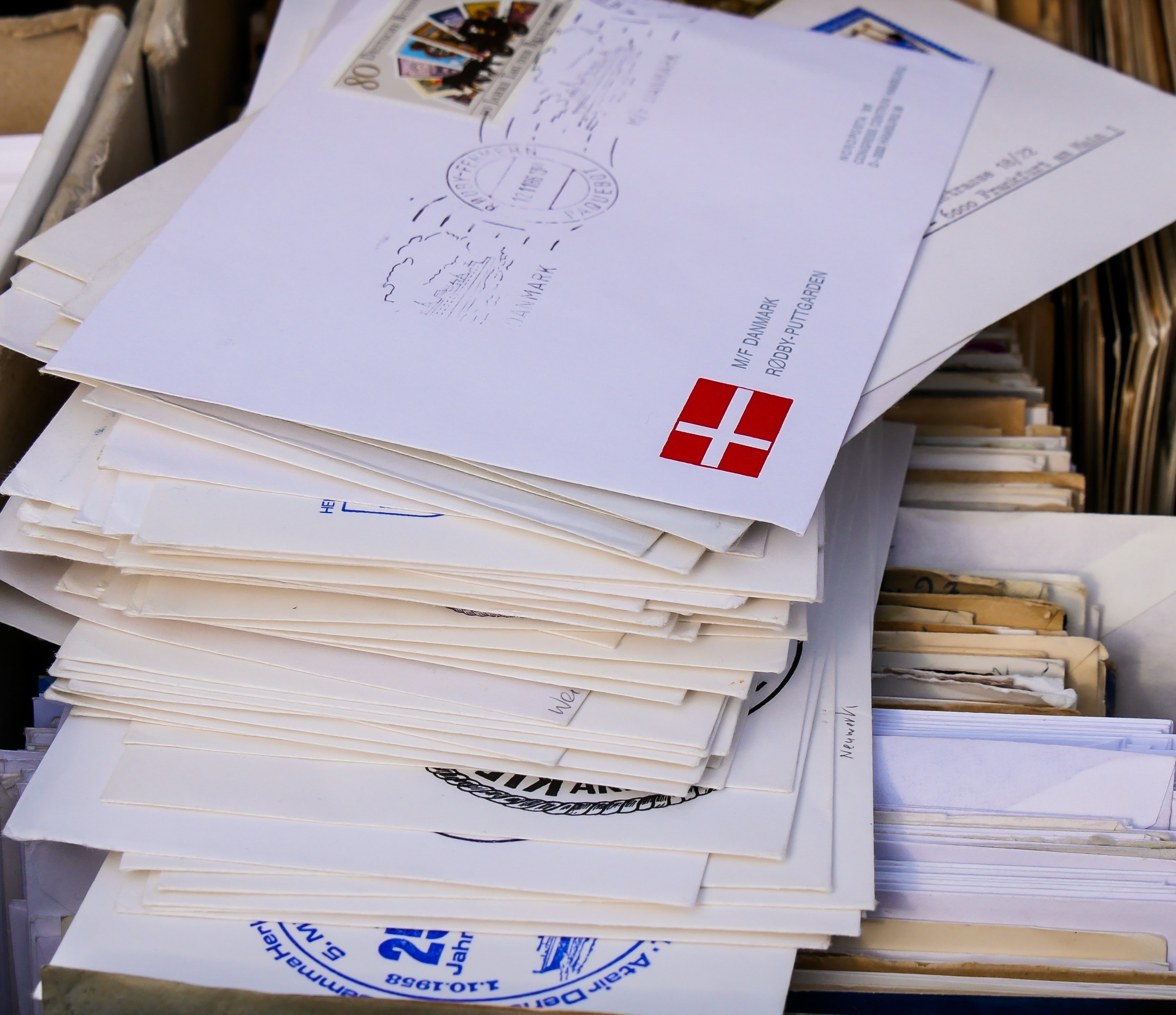
    In the past, people mainly wrote letters to each other when they wanted to communicate at a distance. E-mail and phones have changed that, but the postal system is still important. Working as a postmaster and mail superintendent can be a very useful and interesting job.

    You might have heard of superintendents at your school, who check on teachers to make sure that they are doing what they should. Postmasters and mail superintendents do a similar kind of job in the post office. They might arrange shifts, maintain records, work with both sides if there is a strike, and otherwise make sure that everything is working well. Postmasters might collect money from people who rent mailboxes and deal with complaints from the public. In a small town, they might get to know the public personally, but they might not have much contact with people in larger centres.People in this field might work different shifts or have regular hours, depending on the needs of the job. In some cases, they might need to know how to fix mailboxes, cut keys, or do other tasks that require special skills.

    Postmasters and mail superintendents need to know the rules of the postal system. For example, they should know what to do with mail that has no proper address on the front or that has no stamps on it. They should know who deals with each part of the system so that they can find any problems and help make sure that everything gets done. In small post offices, postal superintendents might need to do many of these jobs themselves.

    Salaries for postmasters and mail superintendents can vary a lot. Starting salaries are just under $21,000, but with experience they can rise to about $75,000, especially in larger cities. The basic requirements are a high school diploma and experience in retail sales or other work with the public. If you want to get into postal work, you might want to get some experience by working in a store and dealing with customers.

    Working in a post office is not hard physically, but it can be stressful. If things go wrong, such as if some mail gets lost or if workers are unable to do their shifts, the postmaster might need to spend long hours trying to solve the problem. People in this job need to be calm and to be able to work well with others.

    Every town and city in Canada has a post office, and many small communities also have jobs for postmasters and mail superintendents. The best place to find a job is in a bigger city, but some small places also have opportunities. Like in many areas, jobs can be hard to find for young people, but people still need to receive their mail, and postmasters can help to make that happen. If you want an important job, why not become a postmaster and mail superintendent?

    Bibliography:

    Canada Post. “Postmaster – Provided Premises (Group Office).” https://clients.njoyn.com/CGI/xweb/Xweb.asp?tbtoken=YFtfShgXCBx1EHF5MVVdCFM%2FeBJEcCdcc0hYV10MExFcK0sYWTVoBWoHdAkbVhZST3AqWA%3D%3D&chk=dFlbQBJe&clid=23060&Page=jobdetails&Jobid=J0618-1403.

    Indeed.com. “Canada Post Superintendent yearly salaries in Canada.” https://ca.indeed.com/salaries/Superintendent-Salaries-at-Canada-Post.

    Payscale.com. “Average Salary by Job for Canada Post Corporation Employees.” https://www.payscale.com/research/CA/Employer=Canada_Post_Corporation/Salary/by_Job.

    Sokanu. “What Does a Mail Superintendent Do?” https://www.sokanu.com/careers/mail-superintendent/.

  • Career Profile: Fabric and Apparel Patternmakers

    Career Profile: Fabric and Apparel Patternmakers

    When you see someone wearing a dress or shirt with a unique shape or interesting design, do you ever wonder how these clothes were made?  Or do you wonder how clothes are made in large numbers yet are all exactly the same? Fashion designers might be the inspiration for cool clothes, but the patternmakers are the real stars–taking a clothing design from a picture, and turning it into a wearable piece of clothing.

    Fabric and apparel patternmakers create the master pattern for making a piece of clothing, and this pattern will be used by a factory or seamstress/tailor to cut fabric into the right shape and then sew all the pieces together to make a shirt or dress.  Patternmakers measure a clothing design or model, draw out all the shapes to cut the fabric into, and will make instructions on how the pieces fit together into a piece of clothing. This is the master pattern, which will be used to make many copies of the same clothes.

    If you want to work as a patternmaker, you will need to know lots of information about different fabrics, how to use scissors and exacto knives, how to measure and draw, and how to sew by hand and using a sewing machine.  Most jobs in patternmaking only need a high-school diploma, though if you take classes on fashion or sewing at a college it can help you get jobs that pay more or give you better opportunities.  Patternmakers find their jobs anywhere clothes are being made, such as clothing factories, costume design companies, or directly with fashion designers.

    While most patternmaking used to be done by hand with tape measures and paper, these days much of a patternmaker’s job will be on the computer working with digital models of clothing designs.  This means you also need to know how to use a computer to create patterns, which you can learn by taking classes or getting a job that will train you when you start working there.

    If you want to get a job as a patternmaker when you’re an adult, it’s a good idea to start learning some of the skills you will need as early as you can.  Even if you’re in elementary school, there are lots of ways to start!  Learning to sew by hand is easy for someone to learn at any age, and it is an inexpensive hobby since all you need are some needles, thread, and fabric.

    Your local library will have lots of books that can teach you how to draw a clothing pattern, and then all you need to do is practice!  For example, you can start with designing patterns for your own Halloween costumes, and get your parents or older siblings to help you put it all together.  You can also practice creating patterns for clothes to dress your action figures and dolls–and this is a great way to learn because you will only need small amounts of fabric, which keeps things less expensive.

    You can also look for a local community group or school club that enjoys fashion, clothes-making, crafting, or sewing, because this is a great way to meet people who share your interest and can teach you new tricks or help you practice.

    Sources:

    https://www.livecareer.com/occupation-overview/textile-apparel/fabric-apparel-patternmakers

    https://www.jobbank.gc.ca/marketreport/skills/5934/22437

    https://studentaid.ed.gov/sa/prepare-for-college/careers/search/profile/summary/51-6092.00

  • Biologist

    Biologist

    Do you have a passion for earth sciences, animals and zoology, and everything else related to natural science? Then a career as a biologist might be for you! Biologists can specialize in many different fields, including zoology (the study of wild animals and their habits) and botany (the study of plants). These biologists usually go out into the field and take samples for their research. Different biologists generally do radically different tasks, though most track animals that they specialize in to find out numbers, breeding habits, diet, etc. They can also be responsible for trapping animals to determine their migration patterns and the state of their health. Botanists would take plant samples and test for similar qualities, seeing if their populations are booming or scaling back. Here are a few other things you might not have known about biologists:

    What are the perks of the job?

    The first advantage of the career is that biologists make a median of about $57,888 in Canada annually, according to PayScale. Many entry-level biologists earn about $39,872 and can earn as much as $80,237. There are a few other perks, like the variety in jobs available once you earn a degree in biology. It can also be a pleasantly challenging career and would be very attractive to people with a passion for the natural sciences. There is a growth in demand for the job, with a 4% increase in job creation between 2014 and 2024 according to Study.com.

    What are some of the setbacks?

    On the other hand, being a biologist in the field can be stressful and isolating since you often work in environments that are far away from people. Spending hours in a lab can also have you working on your own for long periods of time. As well, there can be some health risk if you happen to become a biologist who specializes in diseases and works with virus samples often. Obtaining the educational requirements to becoming a biologist can also be very challenging depending on the job title you are striving for. Most jobs require an undergraduate degree in a relevant biological field, such as organic chemistry, zoology, plant ecology, marine biology, etc. Other, more advanced fields require a Ph.D. in a relevant field. Even after all of the educational requirements are met and the training is complete, a good biologist is expected to read up on all of the latest trends in their field to make sure that they never fall behind.

    How can I grow with this career?

    There are a few different ways to grow in this industry, largely by becoming the research head of certain projects, branching out into other specializations or by taking the lead on university research. Some biologists go on to teach biology courses in colleges or high schools. The job market is varied and there are many different opportunities in different locations.

    That’s all great, but could I be hired for other careers?

    Because the field of biology has many specializations, there are any interconnecting jobs where the required skills are very similar, though require additional education to perfect the field. A background in biology is also a first major step into entering the medical field for the aspiring doctor or veterinarian. A job in teaching is also a possibility once the biology graduate completes a course in teacher’s college.

    Reference:

    Study.com. “Field Biologist: Job Description, Duties and Requirements”:

    https://study.com/articles/Field_Biologist_Job_Description_Duties_and_Requirements.html

    PayScale. “Biologist Salary”:

    https://www.payscale.com/research/CA/Job=Biologist/Salary

    Bizfluent. “The Pros and Cons for Careers in Biology”:

    https://bizfluent.com/info-8314979-pros-cons-careers-biology.html

  • The Real Heroes That Must Have Your Attention

    The Real Heroes That Must Have Your Attention

    Movies based on comic book heroes are colossal cash machines for film studio moguls and producers. This year alone, much-awaited releases from Disney Studios “The Black Panther” and “Avengers: Infinity War” made a combined total of close to $6 billion US at the box office.

    However, while the heroes in these movies are entertaining and inspiring, there are real-life heroes that are just as deserving of your attention. Despite their lack of super powers, these people have made our lives better, and we can’t imagine living in a world without their contribution. Let us take a quick look at who they are:

    Albert Einstein

    Perhaps the most recognizable name on this list is Albert Einstein as no one can deny he is a household name. With his trademark untamed hair and wild mustache, the poster with him sticking his tongue out has adorned many bedrooms of aspiring scientists, doctors, engineers, and mathematicians. As a child, Albert already was ahead of everyone else in his age group, and it was only natural that as a teenager, he was already writing post-graduate-level papers.

    Albert is best known for his paper on the theory of relativity in 1905, one of the most popular scientific theories of the 20th century, which gave birth to the famous equation E=mc2, which implied that matter and energy were of equal quantity and that a single particle of matter can be transformed into a huge quantity of energy. To this day, we have him to credit for understanding the motions of planets and the history and expansion of the universe, as well as the physics of black holes.

    Marie Curie

    When it comes to trailblazing female scientists, one of the first names – if not the first – that comes to mind is Marie Curie. Not only did Marie face hurdles in her aspirations due to her gender, she also had to battle her family’s poverty and the political turmoil during the time in her native Warsaw, Poland. By the time Marie finished regular schooling, her family couldn’t afford to send her and her three sisters abroad to pursue higher education. During this time, women were not allowed to enroll at their local university.

    Despite these difficulties, Marie found a way and headed to Paris, France, where her illustrious career in science started. Together with her husband, Pierre, the two examined minerals and went on to discover polonium and later on radium. The couple went on to win the Nobel Prize in Physics for their work on radioactivity in 1903. Marie lost his husband a few years later, but she persevered and went on to receive a Nobel Prize in Chemistry. To this day, she remains the only person to win Nobel prizes in two different fields.

    Steve Jobs

    Hands down, Steve Jobs, is one of the few modern-day heroes that truly matters – and not just because he gave us the greatest modern-day invention there is: the iPhone. Steve had far more to offer than the revolutionary device that everyone covets at Christmastime. For one, behind the scenes, Steve managed to successfully deal with tribulations in his personal life to be one of the most successful inventors, designers, and entrepreneurs of all time.

    Steve was a fresh college dropout when he founded Apple in his parents’ garage with Steve Wozniak in 1976. It grew to a $2 billion company later on, but due to personal reasons, he had to leave in 1985. He rejoined in 1995, where the rest, as they say, is history. In 2005, he gave a commencement speech in Stanford University that still inspires people – young and old alike –  up to this day. In his address, he talked openly about his pancreatic cancer diagnosis for the first time and shared, “Don’t let the noise of others’ opinions drown out your own inner voice. And most important, have the courage to follow your heart and intuition. They somehow already know what you truly want to become. Everything else is secondary.”

    Elon Musk

    Elon Musk may be more famous now for his social media antics than his contributions to science and technology, but he is one who is deserving of a place in this list and would be in many years to come. Like with everyone else in this list, Elon showed signs of his brilliance at a young age—selling a game called “Blastar” to a computer magazine for $500 when he was only 12 years old.

    By 28 years old, he founded X.com which later became the Paypal as we all know now. Before even reaching 30, he was already a multimillionaire, as he founded two other companies, SpaceX and Tesla Motors. In 2012, Elon hogged the headlines for launching its Falcon 9 rocket into space with an unmanned capsule. Meanwhile, for Tesla Motors, he aims to focus on producing mass-market electric cars that are within everyone’s reach.

    Those are just a few real-life heroes we can aspire to be. Do you have a favourite one in mind?

    SOURCES:

    https://whatis.techtarget.com/definition/theory-of-relativity

    https://www.newscientist.com/round-up/instant-expert-general-relativity/

    https://www.biography.com/news/marie-curie-biography-facts

    https://www.biography.com/people/steve-jobs-9354805