Category: Elementary

  • Why You Should Learn About Gardening

    Why You Should Learn About Gardening

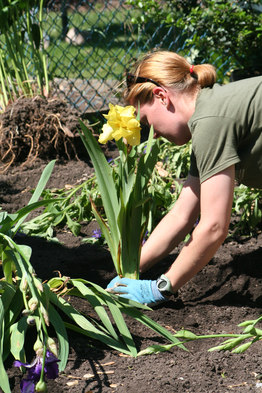
    Growing plants can be a rewarding and fun activity. Seeing a seed go into the ground and then come up a few weeks later as a flower or a vegetable or fruit plant often gives people a good feeling, but it also has many other benefits. If you have the chance to start your own garden this summer, why not try it and learn some valuable skills?

    If your family has a garden or a farm, you probably know a bit about where foods like apples or potatoes come from. People who grow up in cities with few plants around them, however, might have very little connection with the annual cycle of planting seeds, caring for the plants, and then picking the produce in fall. Learning about plants by working with them can give people a new understanding of the food they eat and the flowers they enjoy.

    Gardening is a good chance to learn about the different kinds of fruits and vegetables and their various growing seasons. Have you ever noticed that you tend to eat certain types of fruits and vegetables more often in spring than in fall? That’s because each type of produce has its own season. Even if it is available during other times of the year, it will probably be more expensive and not taste as good as in its own season. Also, it is a good note to add that not all produce from your supermarket comes from Canada. Fruits and vegetables that you buy at the store may come from places like California (oranges, strawberries) or Mexico (peppers). The reason for this is because these places have a consistent climate, unlike Canada’s 4 seasons.

    Through gardening, you can also learn about animals and how they help or harm plants. Bees, for example, are important for spreading pollen from one plant to another. Earthworms help break up the soil, but cutworms can kill plants by chewing through the stems. Each animal has a role that you can learn about.

    Gardening could also be a good chance to spend time with your family. If your parents or your brothers or sisters enjoy spending time outside, gardening could be a good chance to visit together as you weed and water the garden, pick the produce, or just enjoy looking at it.

    Being outside in a garden for a few minutes every day could be very good for your health. Even if you have many other activities every day, spending time outside with your plants will give you fresh air and exercise, which could help you feel much better than you would after spending the whole day inside. You can spend time with your hands in the earth, enjoying the sounds of the birds and watching the butterflies and other insects, and you’ll have some delicious food at the end.

    If you decide to start gardening, you should begin by choosing the plants that you want to grow and then learning as much as possible about them. Plants are often good in one climate but not another, and they might need more space than you have in your yard. If you choose well, learning to become a gardener can be a fun and rewarding activity.

    Bibliography:   

    Earth Easy.com. “Gardening with Children.” http://eartheasy.com/grow_gardening_children.htm.

    Miller, Susan. “How Gardening Teaches Kids to Grow.” http://www.scholastic.com/parents/resources/article/creativity-play/how-gardening-teaches-kids-to-grow.

    Seasonal Wisdom.com. “Five Reasons Why Kids Should Garden.” http://www.seasonalwisdom.com/2011/06/five-reasons-why-kids-should-garden/.
     

  • What is Climate Change?

    What is Climate Change?

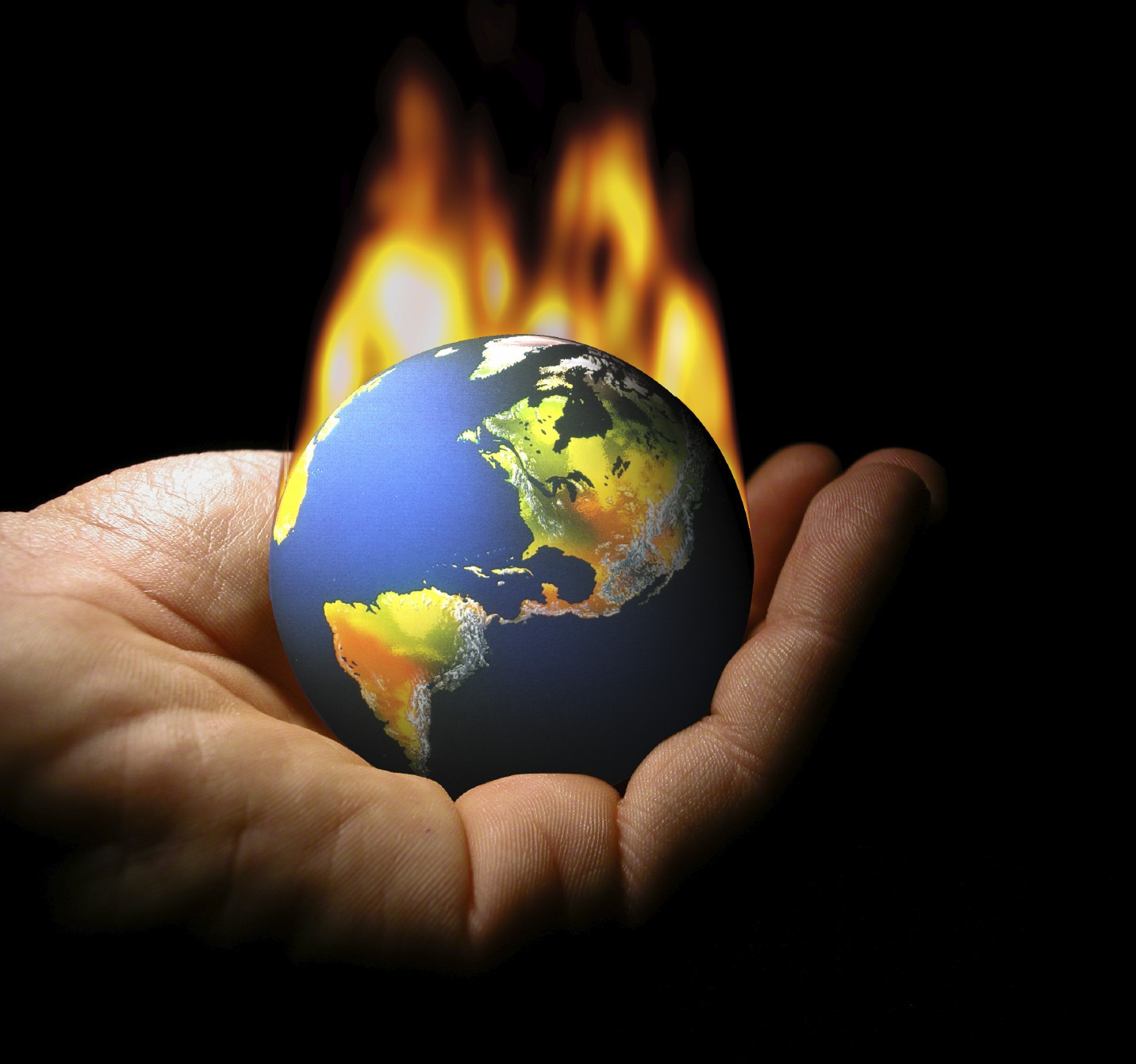
    By now, you have probably heard the words ‘global warming’ and ‘climate change’ more times than you can count. Maybe it’s so common you have not actually thought about what it means. What is climate change and why is everyone so freaked out about it? Well…let’s tackle that question with some straightforward information. The truth is that people—scientists and regular citizens like you alike—are extremely worried about it because the condition of our climate right now has never been like this before. The weather is sporadic and we are not always able to tell from one day to the next, what the weather is going to be like.

    Is the climate actually changing?

    Yup! The term ‘global climate’ refers to the average climate of the whole planet

    (temperature). The reason scientists are so worried about the global climate is because the earth is warming up fast. Unfortunately, this is something us humans have not experienced yet on earth, so it can come as a shock.

    Humans are making the Earth’s climate warmer

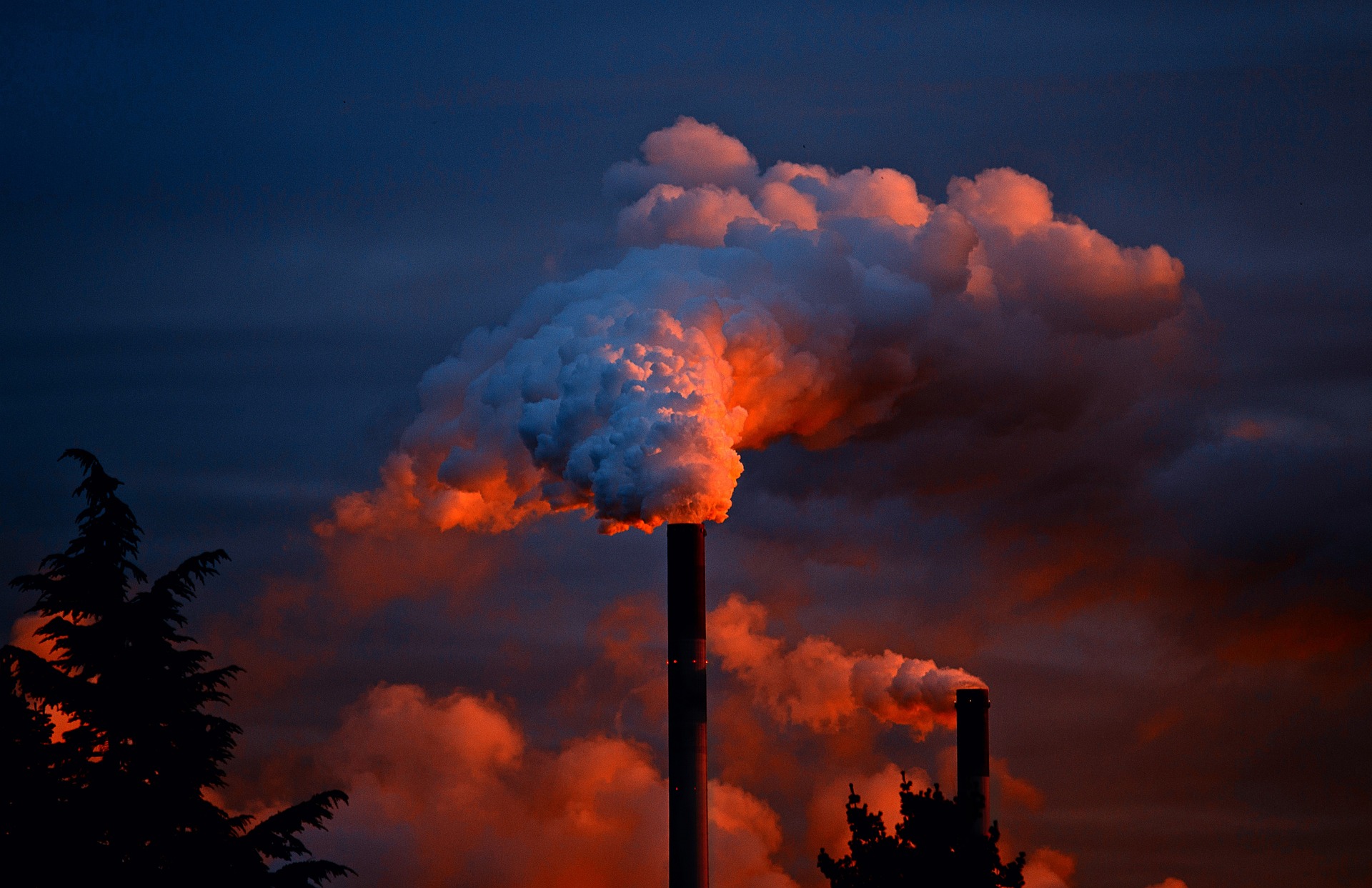
    Greenhouse gases have risen immensely since the late 1950s. This was originally because of the Industrial Revolution. Since this large industrial boom ( factories, advanced technology), humans have been contributing unnatural sources of greenhouse gases into the climate. What are greenhouse gases? Natural greenhouse gases are carbon dioxide, methane, water vapor and nitrous oxide. But humans can create these gases too, and when they add their own to the gases already naturally occurring, the levels in the atmosphere can get pretty strained. These human-released greenhouse gases can trap and hold heat in the atmosphere. This means that certain gases released by human-made items are trapping heat that is trying to get from Earth to space. The result: our climate begins to unnaturally change. Or…global warming. Right now, our human and animal eco systems are unbalanced.

    What is the evidence of climate change?

    Our oceans are warming up fast since they have absorbed twenty times more heat than the atmosphere does.  And on the surface of the Earth, temperatures have increased by massive amounts over the last century—particularly within the last thirty years. That’s pretty fast! All the greenhouse gas emissions have caused the earth to heat up three times as fast now than they did back in 1950. Also, the boundary of the lower atmosphere—or troposphere, as it’s called—has risen by more than 900 feet over a scientist-recorded twenty-year period! The troposphere contains our Earth’s weather and it means that the danger is quite literally too close to home.

    What are the bad things that could happen?

    The heat could increase to uncomfortable rates, causing drought and insect outbreaks. Wildfires are increasingly more common as well as decreasing water supplies. But on an even bigger scale, climate change can mean stronger hurricanes and life -threatening heat waves. Melting glaciers, rising sea levels and warming oceans could hurt and kill animals and they could lose their homes. In short, the way humans live their lives and create products needs to undergo a massive eco-friendly change, or Earth as you know it could potentially be no more.

  • What Life on the Farm Can Teach You About Life

    What Life on the Farm Can Teach You About Life

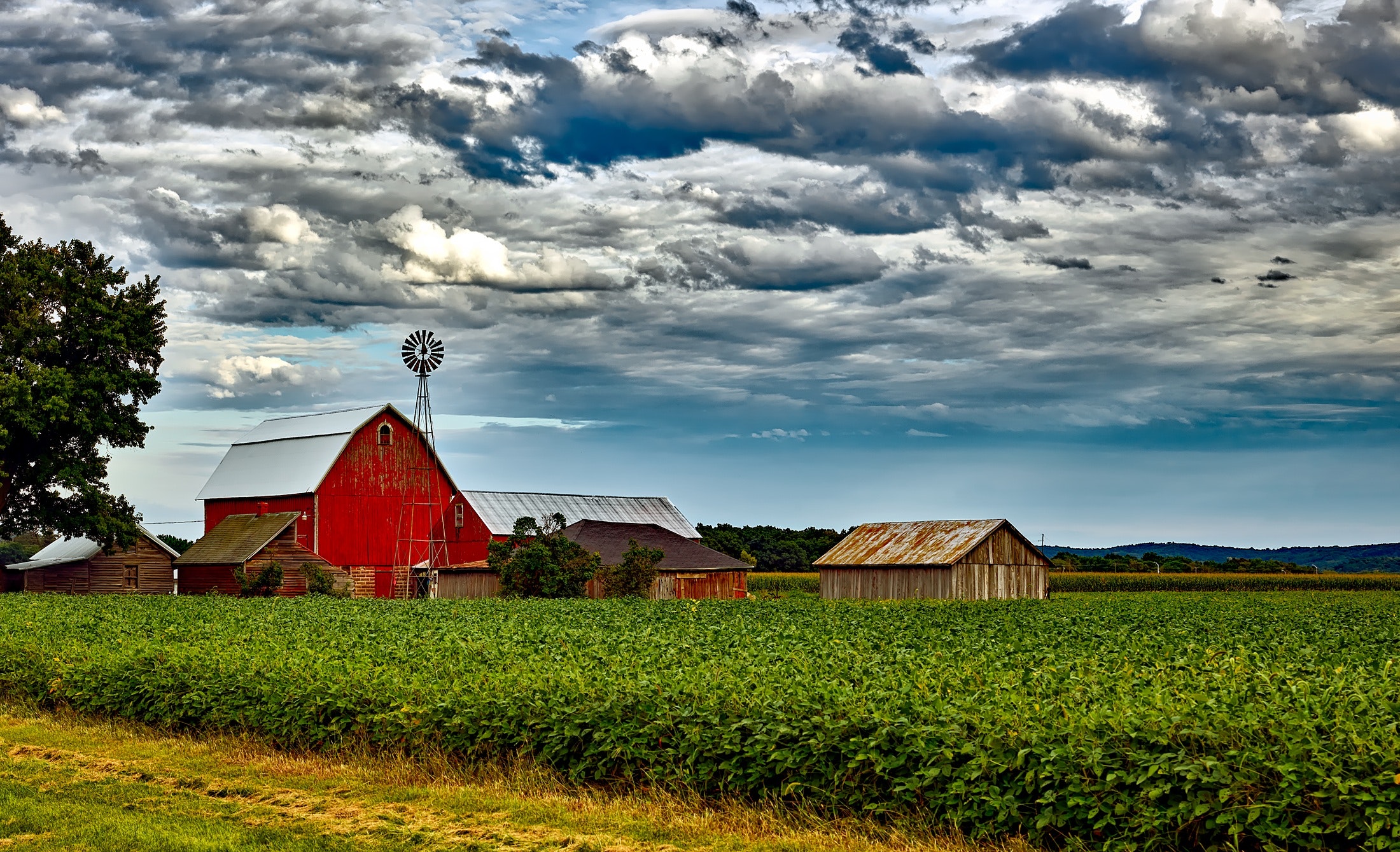
    Many people used to live on farms and in the country. Today, you probably live in a city like a lot of other people. Cities are great for many reasons, but they separate us from the world of farming. It is easy to not have to think about where food comes from, how it is prepared, and the hard work that is needed to make sure we can all have breakfast, lunch, and dinner. Taking time to work or volunteer on a farm is a great way to learn about plants, animals, and life in general.

    We can find just about any fruit or vegetable we want when we head to the supermarket. It is easy to forget that these foods need to be harvested and are not always found all-year long. They come from living plants that play an important part in the system of life on our planet. By volunteering on a farm, you can discover the methods needed for planting, how to take care of plants, and how to gather fruits and vegetables when it is time to harvest them. You will better understand how much hard work goes into preparing these foods, as well as how changes to the environment can easily destroy trees and plants that are our source for these fruits and vegetables. They do not simply appear in the supermarket – they are a part of a complex system of living things that need to work together.

    When you work on a farm, you get to escape the sights and noises of the city and replace them with the beauty of nature and company of animals. You get to see how chickens, cows, sheep, and more live and share the space needed for them to grow and survive. We know that the meat we buy from the store and order at restaurants comes from these animals, but working on a farm helps you to fully understand the importance of that. These creatures need to be cared for in the proper environment in order to prepare them for the meat we eat in our meals. When you help take care of these animals and feed them, you better appreciate the food chain and the need to treat animals with respect and prepare meat in a humane way. Meat is being produced for many people around the world, and it is resulting in poor conditions for the animals and damage to the environment. Your time on a farm will help you reconnect with nature, as well as learn how to raise animals and prepare meat in a way that respects Mother Nature and the delicate ecosystem of our planet.

    The quieter world of the farm forces you to be patient, more physically active, and more aware of the way nature works. Life is a powerful force, from tiny bacteria to growing plants, from the many animals to the humans that have taken over Earth. All of these living things share the same space and can only continue living if we work together. The livestock on farms that become the meat we eat help us to raise more animals. Your parents gave birth to you and you may someday have kids of your own, continuing the cycle of human life. The planet has been filled with living things in many different forms for billions of years. This has only been possible because nature has been able to balance them. When you spend time on farms, you see that balance in action in a way that no book or video can teach you in the city.

    As cities continue to grow and impact the environment, it is more important than ever for people to reconnect with farms. We need to make sure our food sources are sustainable. We have to better understand how our actions as humans affect all life. We must stop the effects of climate change from destroying nature’s balance. A balance that you can see in action when volunteering on a farm. When you spend time on a farm and get your friends and everyone you know to do the same, you are changing your life and the world for the better.

    Sources:

    Bova, Kara. “Why and How to Volunteer at a Local Farm.” Nourishing Pursuits. https://www.nourishingpursuits.com/garden-resources/volunteer-local-farm/

  • Saving the Planet One Pick-Up at a Time: Re-use and Recyclable Material Collectors

    Saving the Planet One Pick-Up at a Time: Re-use and Recyclable Material Collectors

    The only way humans can have a good future on this planet is if we start treating the environment better. There are more people than ever using a wide variety of products. This means there is more plastic, cardboard, and other materials being thrown away. It is our responsibility to put garbage in waste bins and recyclable materials in recycling bins, but it is re-use and recyclable material collectors who have the important job of collecting these bins and putting the materials away in the right place. It may not be easy or glamorous, but it is an essential job that helps keep communities clean and our future bright.

    Recyclable material collectors are responsible for picking up the bins left outside of homes and buildings in different neighbourhoods. There are a lot of materials in large bins that can block sidewalks and roads, so it is extremely important that collectors take them away quickly and without disrupting people’s lives. They work in teams alongside co-workers and supervisors in a very physical job that requires a lot of heavy lifting. These workers must know how to separate different recyclable and waste materials in order for the recycling process to take place. This is a great career for those want to work outdoors and not feel stuck in the same location day in and day out. Most importantly, you get the satisfaction of knowing you are playing a key role in helping the environment.

    Re-use and recyclable material collectors make an average hourly rate of $18. This can range from as low as minimum wage to over $29 per hour, with a total annual salary from $37,000 to nearly $60,000. There is a good job outlook for those looking to be recycling truck drivers; from 2017 to 2026, there were about 10,900 new job openings and 10,500 people to fill them. The outlook for sorters is a bit more limited due to changes in technology and employment that are affecting all processing and manufacturing jobs.

    If you are interested in this career, you will need to finish high school at a minimum. You also have to complete safety training and obtain the proper licence for driving the trucks that are used. Many employers will expect you to have experience driving these vehicles, as well as knowledge on the different materials that require sorting. As you gain experience, you can look ahead at work in a supervisory or manager role in recycling and waste treatment; it is likely that you can do this after only a few years. At least 80% of people working as collectors have one to four years of experience, with only 10% working in the role for more than 10 years.

    The environment is the biggest challenge people face in this century. With more waste and higher temperatures, we need to take action now to make sure our kids and grandchildren can grow up in a safe and healthy world. Re-use and recyclable material collectors play an important part in this by helping to collect the materials we throw out and making sure they do not end up as waste taking up space. If this career interests you, be prepared for a lot of physical work that will have you outside a lot. You will keep your neighbourhood clean and the Earth healthy. Your grandchildren will thank you.

    Sources:

    Job Bank. “Sorter – Recyclable Materials.”  https://www.jobbank.gc.ca/marketreport/summary-occupation/14005/ca

    Job Bank. “Recycling Truck Driver.” https://www.jobbank.gc.ca/marketreport/summary-occupation/25881/ca

    PayScale. “Average Refuse, Garbage, and Recyclable Material Collector.” https://www.payscale.com/research/CA/Job=Refuse%2c_Garbage%2c_and_Recyclable_Material_Collector/Hourly_Rate

  • The Best Shows to Watch About the Environment

    The Best Shows to Watch About the Environment

    With more and more streaming options available, it can be harder than ever to pick something to watch. On the other hand, this also means many opportunities to discover different shows and learn many different things about our world. One of the most important topics you can study is the environment. The damage humans are doing to our only home is the biggest problem we face in the present day. There are many series focused on the environment that are definitely worth your time.

    Are you interested in environmental issues that affect your everyday life? Cooked is a popular four-part documentary that looks at the history of food, how humans have prepared meals throughout the years, and how this has played an important role in culture and community. It will help you realize how much of the modern diet is made up of processed foods and encourage you to get into the kitchen to cook healthy meals with your family. Cowspiracy: The Sustainability Secret is a 2014 documentary that looks at how the meat industry has harmed the environment. It will help you think about the choices you make when deciding where and what to eat.

    Are you wondering about other parts of the world? Planet Earth and Planet Earth II are acclaimed documentaries from the BBC that look at different habitats all around the planet. They offer amazing high-definition glimpses into parts the world most of us never get to see, in order to give you a renewed appreciation for the ecosystem and the many forms of life that make up Earth. Life from 2009 is another British nature documentary that looks at how different forms of life have survived in the worst conditions. It will give you a better understanding of lifeforms and how organisms can adapt in conditions that we never have to worry about in a first-world country.

    Do you want to know how you can make the world a better place? Blackfish from 2013 sheds light on the horrors that animals go through when kept in captivity. This documentary played an important role in stopping SeaWorld from keeping killer whales captive, and can encourage you to be more aware of the corporations that are part of the problem and the organizations that are fighting it. The Ivory Game from 2016 reveals the struggle to protect elephants in Africa and fight the black market for ivory in China. You will learn how big this problem is and what people can do to prevent elephants from going extinct. Planet Earth: The Future examines conservation issues that different species and environments face, which is something for you to keep in mind when you are deciding which companies to support and which politicians to vote for.

    A lot of people might tell you that watching shows is just a way to relax and pass the time. But the many options available to you mean that you can make it a very educational experience. This does not mean giving up your favourite shows that you watch just for fun, but rather taking some time to watch series that teach you more about the world. Pick one that sounds interesting to you and give an episode a try. There is so much to learn about the importance of the environment in your day-to-day life and for the planet. Most importantly, you can learn how you can play your part in improving the world. Happy streaming!

    Sources:

    Loria, Kevin. “The 21 best science movies and shows streaming on Netflix that will make you smarter.” Business Insider. https://www.businessinsider.com/best-science-documentaries-movies-shows-netflix-2017-5#the-blue-planet-2001-7

    Ranker. “The Best Nature TV Shows.” https://www.ranker.com/list/nature-tv-shows-and-series/reference

    Williams, Zoe. “The 50 best TV shows of 2016: No 1 Planet Earth II.” The Guardian. https://www.theguardian.com/tv-and-radio/2016/dec/19/the-50-best-tv-shows-of-2016-no-1-planet-earth-ii

  • Mental health issues caused by climate and ecological issues

    Mental health issues caused by climate and ecological issues

    By Rabia Khan 

    Climate change has been running at a fast pace and we can’t help but ponder to stop the devastating effects caused by it! Not many are aware that the place that you live in can make your health rip apart. The dirty air we breathe or the dirty street filled with potholes catch our attention, and it’s difficult to ignore that the earth is dying and that there’s no end to it. These health-related issues caused by eco-anxiety are a major concern.

    Floods and Droughts

    Floods and droughts not only cause havoc on roads and leave us with big potholes. Our attention levels are elevated with severe bouts of depression and anxiety, and many are bound to experience PTSD. Such major events can be life-changing for people leaving them with long-lasting memories.

    Air Pollution

    Air pollution has been known to be a huge threat to mankind physically and mentally. The harmful materials emitted from vehicles, factories, etc. can damage our cardiovascular system and become a threat to our brain cells. It inhibits our mind to have clarity and causes brain fog, or in the worst-case scenario dementia, anxiety, and depression. There’s been proof that mental illness has been connected to air pollution.

    Winter 

    Mental health can get worst when it gets cold and there’s tons of scientific evidence. You can fall victim to feeling sluggish when cold winter hits. Because of low sunlight, depression can come easily. During this time, one’s oxygen levels are known to decrease by great intensity. Winter is linked with seasonal depression because of how tired people feel when the temperatures drop too low. Alongside that, anxiety comes with great ease.

    Monsoons

    Monsoons are one of the worst seasons when it comes to affecting our mental health. The rainy weather contributes to major sad feelings and depression. We’re most likely to feel this way because of the drop in serotonin. The lack of sun rays is to be blamed. That makes us dependent on food cravings, and binging on junk food is another story for another day!

    Noise pollution

    Many of us dwell in a place surrounded by noisy vehicles and traffic jams, and noise pollution hits the same for younger and older people alike. Humans have average decibel levels they can tolerate but falling victim to a noisy atmosphere can permanently damage our hearing. Intense levels of noise pollution can decrease our ability to hear properly. It can very well tamper with our mental health too, leaving us with a distorted state of mind and fuzzy thoughts. Other mental health concerns caused by noise pollution are related to schizophrenia and anxiety disorders.

    Summer heatwaves

    An increase in temperatures can have a devastating impact on health. When the sun gets too hot, it’s time to stay hydrated. But, staying hydrated isn’t enough. Extreme weather can impact mental health in bad ways. Feeling anxious, and experiencing other mental health conditions can be a result of very hot summers.

  • Career Profile: Soil Scientist

    Career Profile: Soil Scientist

    When many people look at a handful of earth, they might notice a few characteristics, such as the colour of the dirt, the number of worms, or how many roots of plants are in it. For soil scientists, however, a handful of dirt tells much more than that. Soil scientists study the ground to determine its health and to make recommendations that can help farmers, government officials, miners, and many other people to make good decisions about how to work at improving the health of the environment, as well as the people, animals, and plants in it.

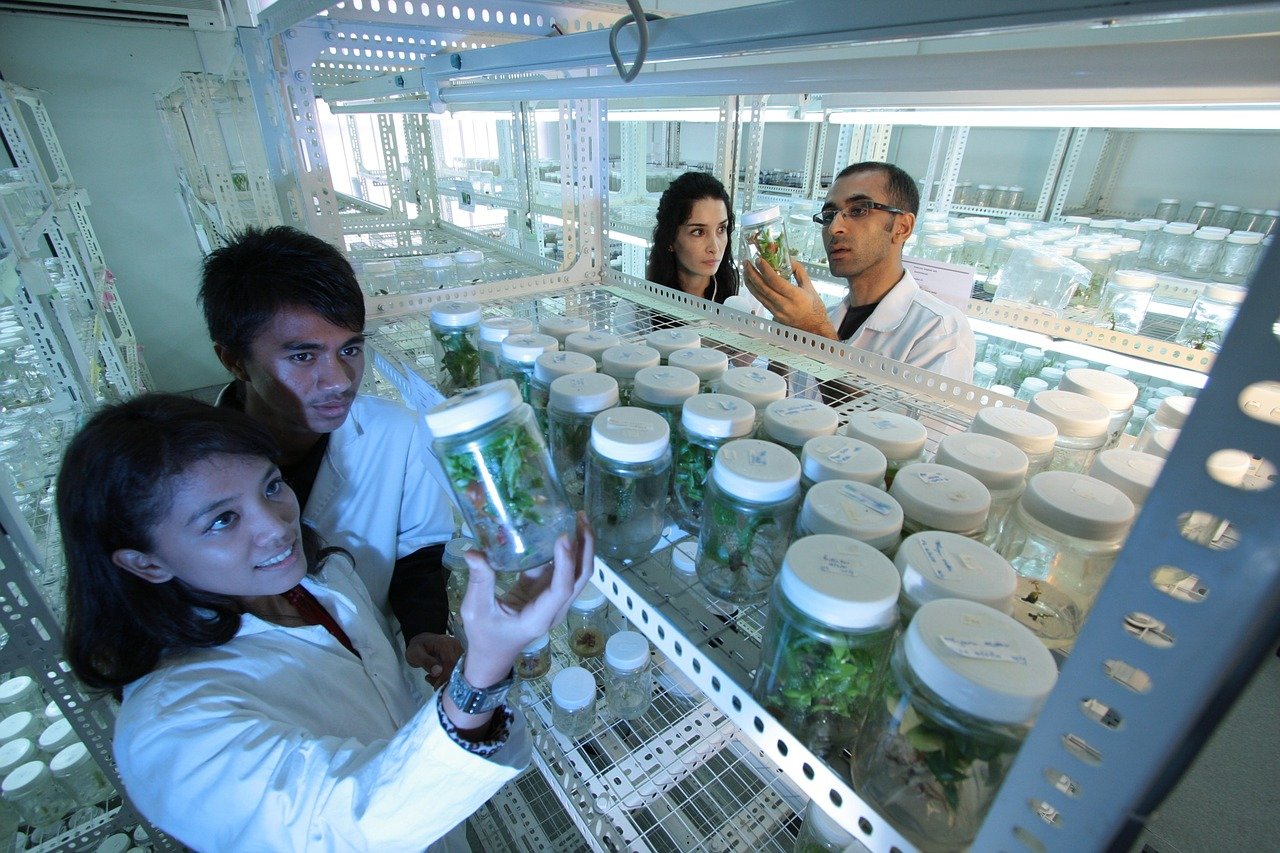
    Soil scientists spend a lot of time gathering and analyzing information about the soil. Usually, they work at a site to answer specific questions about it. For example, a soil scientist working for a conservation agency might study the soil to see whether fertilizers have changed the quality of soil over the years. A soil scientist working for an oil and gas company might analyze the soil to see if it is stable enough for an oil well. People in this field can work for governments, universities, industries, environmental firms, and other places. Sometimes, they work as consultants, completing soil surveys for many different organizations.

    Some soil scientists spend their days indoors, analyzing samples that others have brought to them. Others go out to the sites and collect the samples themselves, often in bad weather. Once they have the information, they need to analyze it and come to some conclusions about it. This usually includes analysis of information that might seem contradictory at times. Often, soil scientists write reports for their employers and may also speak at conferences or other meetings. Generally, soil scientists earn between $52,000 and $92,000 per year.

    Educational requirements for soil scientists vary, but a bachelor’s degree in a scientific area such as agrology, biology, or chemistry is usually the minimum. For many jobs, a master’s degree or PhD is required. This means that students will need at least three or four years of university education, and possibly eight or ten years. In some areas of the country, jobs are relatively easy to find, but it depends on the person’s specialty and willingness to move. For someone wanting to work in agriculture, for example, learning about the soil in the Prairie Provinces is a good choice.

    Knowing how to use scientific instruments and methods is important. Much of the analysis involves using microscopes, test tubes, and other equipment. Students can already prepare for that part of the work by taking courses in biology, chemistry, and physics. Those courses will also help with learning the basics of how scientific analysis works.

    Some aspects of soil science require physical fitness, but much of the work involves sitting and analyzing samples. As people age, they might find that they can no longer see or handle the samples properly. At that point, an option is to get into administration or teaching. For many people, soil science can be a lifelong career. If you enjoy the sciences and are interested in how the soil works, it could be the right job for you.


    Bibliography:

    AG Careers. “Soil Scientists.” https://www.agcareers.com/career-profiles/soil-scientist.cfm

    Payscale Canada. “Soil Scientists Salary.” https://www.payscale.com/research/CA/Job=Soil_Scientist/Salary

    Skilled Immigrant Info Centre. “Soil Scientists.” https://pwp.vpl.ca/siic/guides/soil-scientists/

  • A Profile on Greta Thunberg and Why Her Work Matters

    A Profile on Greta Thunberg and Why Her Work Matters

    By Rabia Khan

    If your social media feeds were ever roaring with a powerful young environmentalist, then you surely know who Greta Thunberg is. Swedish-based Greta is an activist who passionately campaigns to help the Earth’s environment. She pushes world leaders to do the same because they hold more clout and power.

    It all began in her own home when she persuaded her parents to adopt healthier lifestyles to reduce their carbon footprint. With her little family, Greta is known to have roamed the world, and as her fame grew, booking trips across the continent is her favourite thing on her to-do list.

    At the tender age of fifteen, when she was just beginning her life as a teenager, she started campaigning outside the Swedish Parliament, calling for action on climate change. She was noticeably aggressive and blunt in her speech while holding up a placard that read ‘School Strike for Climate’.

    So, other children her age joined in the effort to bring attention to global warming. Students joined her protests worldwide. She became more active when she attended the 2019 UN climate action summit, where she sailed a yacht to North America to avoid carbon-intensive flying.

    Greta has made some of the most popular speeches and powerful statements regarding the climate crisis. She declared this statement at the United Nations Climate Action Summit, which occurred in 2019:

    “You are failing us. But the young people are starting to understand your betrayal. The eyes of all future generations are upon you. And if you choose to fail us, I say: We will never forgive you. We will not let you get away with this. Right here, right now is where we draw the line. The world is waking up. And change is coming, whether you like it or not.”

    19-year-old Greta has become the world’s influencer for her principles and ethics, and the press often describes her influence as the “Greta Effect”. Hopefully, world leaders will sit up and notice her actions and take much-needed action to protect the planet against the climate crisis.

    She has given speeches at the World Economic Forum in Davos, Switzerland, and at the European Parliament, as well as at the legislatures of Italy, France, the United Kingdom, and the United States.

    Not many are aware that Thunberg has Asperger’s Syndrome. She acknowledges it by saying that it actually helps her in her work worldwide because it lets her be different. She calls being different a superpower.

    Greta Thunberg was nominated ‘Person of the Year’ in 2019 by Time magazine.  She symbolizes the hope and aspirations of the youth who look forward to a beautiful future and a healthy environment on a livable planet.

    She is the daughter of a leading Swedish opera singer. Her father is a renowned actor who is distantly related to Nobel prize-winning chemist Svante Arrhenius, who studied how carbon dioxide in the atmosphere increases the temperature on the Earth’s surface.

    Thunberg is mature way beyond her years, which has helped her get her priorities in order. Greta’s work has been inspiring young minds to join a revolutionary movement against climate disaster. The kids are on the streets, voicing their opinions loud and clear, so what’s stopping you?

  • The Importance of Environmental Education in High School

    The Importance of Environmental Education in High School

    In your classes, you likely learn about ideas like sustainability. You know about the importance of recycling and other practices that help to preserve the natural world. An environmental education is very important in high school to help students develop the skills they need for the future.

    Many people think of education in terms of the specific topics they learn about, such as mathematics or grammar. However, learning is about much more than that, especially when it encourages people to consider issues beyond their everyday lives. Environmental education can help high school students develop skills that they need for their future.

    The most obvious benefit of environmental education is learning about issues such as pollution, sustainability, and the effects of fossil fuels such as oil and gas. However, studying these topics can also help people to think critically. This skill is the ability to analyze what people say or write to try to decide whether they are correct or have made a mistake, or even if they are lying. Without critical thinking, people often believe false things.

    Environmental education can help with communication and problem-solving skills. As students consider how to help deal with the climate crisis, they also learn to communicate with each other and with outsiders. Students can learn to talk with politicians and the public and to write effective letters. They might even write articles for the local newspaper or a school publication. Being able to write and communicate can be helpful in many fields, such as education, psychology, and more.

    With an environmental education, students learn to think about the long-term impact of various solutions. For example, people generally consider hydropower to be better than other forms of power. However, even this type of electricity can also be harmful to the environment, such as when the dams that help produce the power also cause flooding and destroy communities rather than helping them. With an environmental education, people can learn to balance the benefits and drawbacks of various projects.

    Another important benefit can come from an environmental education. People can become very discouraged by all the bad news that they hear about the environment. However, learning more about the issues can help prevent people from imagining something worse. With greater information, people can decide what they need to do and help other people with their own decisions. For example, people who are concerned about government policies can learn what to say to officials so that they will act.

    With an education in environmental issues, high school students can also make good decisions about living sustainably. Although high school students might not be able to make major decisions like moving to a more energy-efficient home, they can still influence other choices, including a change to local rather than imported foods or other decisions that can make a difference for the environment.

    High school is a good time to learn about environmental issues. Whether your school has official courses dealing with these questions or takes a more informal approach, you can learn important concepts that can help you in the future.


    Bibliography

    Cambridge University Press. “Australian Journal of Environmental Education.” https://www.cambridge.org/core/journals/australian-journal-of-environmental-education/article/abs/environmental-education-in-canada-contemporary-issues-future-possibilities/730AF86451E7E5EF96F3FCF34D082D71.

    Fletcher, Charlie. “The Importance of Environmental Education for a Sustainable Future.” https://earth.org/environmental-education/.

    North American Association for Environmental Education. “The Benefits of Environmental Education for K–12 Students.” https://naaee.org/programs/eeworks/benefits-k12-students.

  • Career Profile: Singer (French version available)

    Career Profile: Singer (French version available)

    By Julia Skoczypiec

    Do you enjoy singing? Whether you put on stadium-worthy performances in the shower or hum along to your favourite tunes in the car, everyone’s a little bit of a singer in one way or another. But have you ever considered a career as a singer? If so, it is not as daunting as many make it seem.

    Singers are trained musical professionals who perform at various venues in many different styles. Some singing styles include opera, jazz, pop, hip-hop, and country. While many often associate singers with celebrity status, there are career opportunities for singers in Canada that pay the bills without having to walk the red carpet. From larger live events like wedding receptions, musicals, orchestras, and outdoor festivals, to more private performances at birthday parties and restaurants, singers work in many diverse locations to entertain vast audiences.

    Most of the time, singers work on their own schedules and travel to different locations every week. These are the main pros of the career. However, a self-made schedule comes with a lot of responsibilities. Singers constantly market themselves through social media, interviews, and websites to find and book singing ‘gigs’ (or performances). Many singers also work in studios to record songs for distribution by record labels. While working hours vary, singers usually perform on weekdays, holidays, and at night. These can be cons to the career as hours are irregular. Also, finding performance venues and audiences can become challenging and impact a singer’s overall income.

    Singers can also work as music teachers. In this way, singers often avoid self-employment and work in one location — such as a school, a music academy, or privately in their own homes. In doing so, a singer’s income and working hours become more regular. Those who work as teachers are required to know proper singing techniques and music theory. As a result, a bachelor’s degree in music from a college or university is often required.

    While postsecondary education is not essential for singers who perform in venues like restaurants and weddings, further education is necessary for those who perform in orchestras, classical music choirs, or in plays and musicals put on by professional theatre companies. Some bachelor’s degrees and diplomas in music are more theory-based, meaning you study sheet music reading and high-level techniques. These are great for classical and jazz-style singers. Other programs are more performance-based. These often include singing, dancing, and acting all in one program.

    The average hourly rate for singers in Canada is $52. Annually, this equates to approximately $107,000. However, this amount can vary depending on the number of gigs a singer performs during the year. For singers who are music teachers, the average salary is $60,000.

    Singers often work closely with instrumentalists, composers, producers, and other singers. This means that before any performances, singers must set time aside for rehearsals. While rehearsing is often time-consuming and tiresome, it is through collaborations with other artists that singers are able to advance in their careers and connect with broader audiences. Through continuous practice, singers are able to challenge their own vocal abilities and meet personal goals that only come from the joys of performing.


    Sources

    Economic Research Institute. “Singer Salary in Canada.” https://www.erieri.com/salary/job/singer/canada.

    Indeed. “What Is a Singing Career? 11 Careers in the Singing Industry.” https://www.indeed.com/career-advice/finding-a-job/singing-career.

    Talent.com. “Music Teacher average salary in Canada 2022.” https://ca.talent.com/salary?job=music+teacher.

    Your Free Career Test. “What does a Singer do?” https://www.yourfreecareertest.com/singer/.