Category: Featured Articles

  • Bake Your Cake and Eat it Too

    Bake Your Cake and Eat it Too

    We’ve all been unsure about where we want to go in life, and some of us don’t figure it out for years. The trick is that you can’t sit around, and expect it to come to you. You have to get out there and give things a try, explore all of your options. Let me help you, and introduce you to the world of culinary arts, where you can really Bake Your Cake and Eat it Too.

    The culinary industry is really something different, designed for special individuals with various talents. If you’re saying to yourself “Oh, I know how to cook, I can do this,” that’s simply not enough. However, on the other side of this you don’t have to know how to cook, or bake to be successful. I find that the real keys to be successful in the culinary arts are to have passion, and creativity. The industry is always growing and taking in new restaurant and bakery owners, but there is a trick to becoming successful at it.

    I find that the culinary industry is taking a turn in a new direction. Sure you can run a successful restaurant serving the same old basic dishes that another restaurant has up the street from you, but why not try to achieve something different? If you’re into science, let that combine with the culinary arts- you’ll be whipping up dishes that will be the talk of the town. Or if you’re more into baking, science is already a key role in making successful recipes.

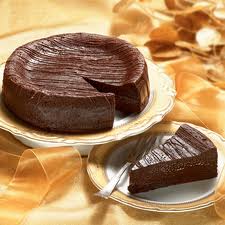
    Most of you have seen movies like Willy Wonka and The Chocolate Factory, and I’m sure some of you have dreamed of having your own chocolate wonderland. Well guess what, if you put forth passion, dedication, and outstanding creativity- you can! The culinary industry leads to extraordinary career paths and dreams. You can take a simple concept of a cake, and create a whole new culinary business that will have people travelling for miles, just for your creations.

    No one wants a job that they don’t enjoy. Working is soon going to be one of the most important aspects of your life. Why not do something you’re going to love, and get paid for it! Let the joy of creativity flow with the feel of accomplishment and pride when you serve customers your delightful creations. The look of amazement on people’s faces when they check out your products is something that will keep you motivated, positive, and ready for more.

    The culinary arts have such a rewarding career path- you can do anything you dream of. Become a food scientist, a food taster, or a famous TV Chef. Design your own bakery or restaurant that becomes internationally famous. Or let’s live the dream here, and create a candy workshop or chocolate wonderland where you get paid to design, make, experiment with and eat candy! Let your ultimate dreams guide you to be wherever you want, and become whatever you want. With a step into the career path of culinary arts, there are no limitations- just your imagination.


  • The History of Halloween

    The History of Halloween

    It’s the time of year when you can walk down your street and see not only the glorious colours of fall, squirrels gathering nuts for winter, and colourful leaves floating around your head, but also the familiar sights of leering jack o’ lanterns; toothy, grinning skeletons; and sneering, crusty witches.

    What the heck?

    Hallowe’en is the time of year when the veil between the worlds of the living and the dead is at it’s thinnest. It’s believed spirits can cross over from their ethereal world of the non-living and interact with the living.

    Historically speaking, Hallowe’en was a celebration of the end of summer and harvest, and the beginning of winter, be early Celts in Britain, Scotland, Ireland and northern France. 2,000 years ago, this celebration was called Samhain (pronounced Sow-ain) an old Irish word which means “summers end”. The Celts celebrated with bonfires, rituals, and dressing up in costumes to represent the spirits, both harmful and harmless, who were able to cross over. The Druids (spiritual leaders of the Celts) believed the less evil of the spirits could be called upon for divination or predicting the future of crops and weather, since these things affected people’s very existence and survival. For the most part, however, the spirits were feared as unknown creatures who could damage crops and play tricks on humans.

    To the end, Jack o’ Lanterns were carved from turnips with evil faces meant to scare away the roaming spirits, and people wore masks to hide themselves and even scare the spirits away. The turnips, carved and lit, were also carried for the purpose of “souling” which was the act of going door to door offering prayers for the household’s dead in exchange for coins or food. This practice was typically enacted by the poorer folk of the time. From this, our modern trick-or-treating evolved.

    As society progressed, and Christianity started to spread, the Romans realized they could not eradicate such deeply bound beliefs from people over night, so they chose to incorporate their own celebratory days into ones already in existence. For Samhain, this was All-Hallowmass, which was also known as All Souls Day, and was celebrated on November 1, honouring the dead. It too, was celebrated with costumes, although those were representative of angels, devils and saints, and with bonfires and parades too. Eventually this became known as All Hallows Even (evening), and today, Hallowe’en.

    Currently, Hallowe’en is a special day geared for children, for the most part, although adults too enjoy the shenanigans. It’s a strictly secular event now, with costumes of monsters, celebrities, cartoon characters and those costumes are worn not to hide from evil spirits, but to entertain and scare each other. Candy is collected by trick-or-treaters, making this an extremely lucrative time of year for sweets merchandisers and dentists.

    The only thing to fear these days are acts of evil by people around us. Children have been hurt and maimed by razor blades or pins inserted into treats, and in some cases, even drugs have been injected into foods. Parents are urged to check their children’s candy thoroughly after they return home, to hopefully prevent such a tragic mishap, but sadly, this isn’t always enough.

    As in times of old, safety is still a factor in enjoying this event. Making sure to wear reflective clothing, visiting only homes you know, or attending a public event supported by local businesses are ways to protect yourself and your family and have a frightfully good time!

  • Bringing Ballet to the Bank

    Jobs People Do | JobsPeopleDo.comBrooke Nagy is an 18 year old on a fast-track to becoming Canada’s next prima ballerina. Becoming a professional ballet dancer was not a decision Brooke made on a whim. It has taken a lifetime of preparation and focus. Since age three she has been classically trained in Ceccetti ballet, and has developed an advanced knowledge of both classical ballet and modern dance.


    Brooke has had the opportunity to dance professionally at many points throughout her career, but decided that it was important for her to complete her high school education before devoting herself entirely to the art. “I’ve already trained with the CanadianNational Ballet School and the Quinte Ballet School,” Brooke explains.

    “For two summers I was accepted to study as a part of the Canadian National Ballet School’s ballet-intensive summer school program, which led to the opportunity to be a part of their full-time program. I’ve also been accepted to (and attended) the Quinte Ballet School’s Summer School Program, which led to an acceptance into their full-time program” she continued.


    Ballet may well be in her blood, as her mother is a classical ballet teacher and former professional ballerina for the Miami Cityballet. Brooke intends to one day take over her mother’s dance studio, after travelling and performing as much as possible. She applied to the National Ballet of Canada’s Teacher Training program, New York’s Adelphi College and Suny Purchase College’s Conservatories of Dance and George Brown College’s prestigious dance program, garnering preliminary acceptance to all, but choosing to accept George Brown’s offer.

    The Toronto-based program will prepare her for an intensive Bachelor of Fine Arts transfer after earning her two year diploma, and set her up for work with Canada’s Ballet Jörgen, a renowned Canadian classical ballet company that selects dancers from George Brown program alumnus.


    Among the highlights of Brooke’s auditioning process was when famed Canadian dancer Frank Augustyn called her out from a class of second and third year Adelphi ballet students she was placed with, praising her grace and skill above those of professional dancers with many more years of training. She was then offered a ten thousand dollar dance scholarship for Adelphi, a tempting offer that she may return to later in her career.


    Choosing a career in dance is not always wise. As a professional dancer, it is extremely rare for you to be onstage for more than ten years, and afterwards you are left with few employable skills unless you want to teach it. Commonly considered viable careers probably won’t care that you can do 32 continuous foutee turns. Also, even if you are taken into a ballet company or performance troupe, it is very unlikely for you to occupy any sort of principal or soloist position. “The vast majority of dancers in classical ballet companies still occupy positions at the bottom of the corps de ballet as very minor dancers in very large numbers”, according to Helena Wulf’s Career and Culture in the World of Dancers. But if you are passionate about becoming a dancer at any level, and you are willing to accept the likely financial instability and certain physical strain, you will find happiness in pursuing professional dance.


    For Brooke, the choice of dance over other more job-stable programs was quite simple. “I want to be a dancer over everything else. I know that the field of dance is where I excel and where I belong.” Whether it be the National Ballet School or Frank Augustyn himself, the ballet world agrees.