
Category: First Nations

  • Teaching Indigenous History in Canadian Elementary Schools

    Teaching Indigenous History in Canadian Elementary Schools

    Jobs People Do | JobsPeopleDo.com

    Teaching Canada’s history is useful for understanding the way people think and act. An important part of this education is learning Indigenous history. For Canadian elementary school students, learning Indigenous history with good teachers can be a useful experience.

    For many years, Indigenous stories were only a minor part of history classes in Canadian schools. Recently, however, people have become aware of the need to learn about Indigenous history. Part of the change came because of the Truth and Reconciliation Commission, which published its report in 2015.

    Among other things, the report recommended correcting the way that many people ignored or minimized Indigenous history in education. Even when teachers talked about these people, they tended to focus on the history of exploration and settlement. They tended not to talk about what happened before European explorers and settlers came to live in what later became Canada.

    Many people now agree that including Indigenous history in Canadian elementary schools is important. However, knowing how to do this can be difficult. The University of Victoria has information and suggestions for how to incorporate this kind of education. Some of the suggestions, such as fostering respect, are useful for any kind of learning. Students cannot learn about another culture if they are afraid of being bullied by their classmates for speaking up.

    Another suggestion is to include storytelling and sharing circles. Although every culture has some element of storytelling in its background, this feature is especially important for Indigenous cultures, which might not have as many written records as people of European backgrounds.

    Bringing in subject matter experts is another suggestion that could help students understand Indigenous culture better. A subject matter expert is someone who has studied a particular subject, such as transportation or food and can give people detailed information about that topic. Having someone come in to talk about farming or cooking in traditional Indigenous cultures could help students understand more about everyday life for the people.

    One of the major points that participants in the Truth and Reconciliation Commission considered was the effects of residential schools on Indigenous children. For many years, Indigenous children were taken from their families and forced to go to residential schools, where they lived in dormitories and were sent to classes. Conditions could be very bad in some of these schools, and many children died or lost their connection to their families and communities.

    Learning about residential schools should be an important part of every student’s education because it is part of Canadian history. Students need to know what happened in the past so that they can understand how these events are still affecting the present. If they can also use this information to help them find solutions for the problems people are facing now, that will help make their education especially valuable.

    Indigenous history is an important part of Canada’s past, but it can also help people understand the present. If people teach it sensitively and in the context of other events in Canada and around the world, Indigenous history can be a valuable tool for students to use in their careers and their daily lives.


    Bibliography:

    Amin, Faiza. “Calls Grow to Overhaul Indigenous Studies Taught in Canadian Schools.” https://toronto.citynews.ca/2021/06/14/calls-grow-to-overhaul-indigenous-studies-taught-in-canadian-schools/.

    Kabatay, Jasmine and Rhiannon Johnson. “Charting Progress on Indigenous Content in School Curricula.” https://www.cbc.ca/news/indigenous/indigenous-content-school-curriculums-trc-1.5300580.

    Mandewo, Alexandra. “The Importance of Teaching Indigenous History in Education.” https://www.theindigenousfoundation.org/articles/the-importance-of-teaching-indigenous-history-in-education.

  • Fostering Allyship to Indigenous Communities: Driving Change

    Fostering Allyship to Indigenous Communities: Driving Change

    Jobs People Do | JobsPeopleDo.com

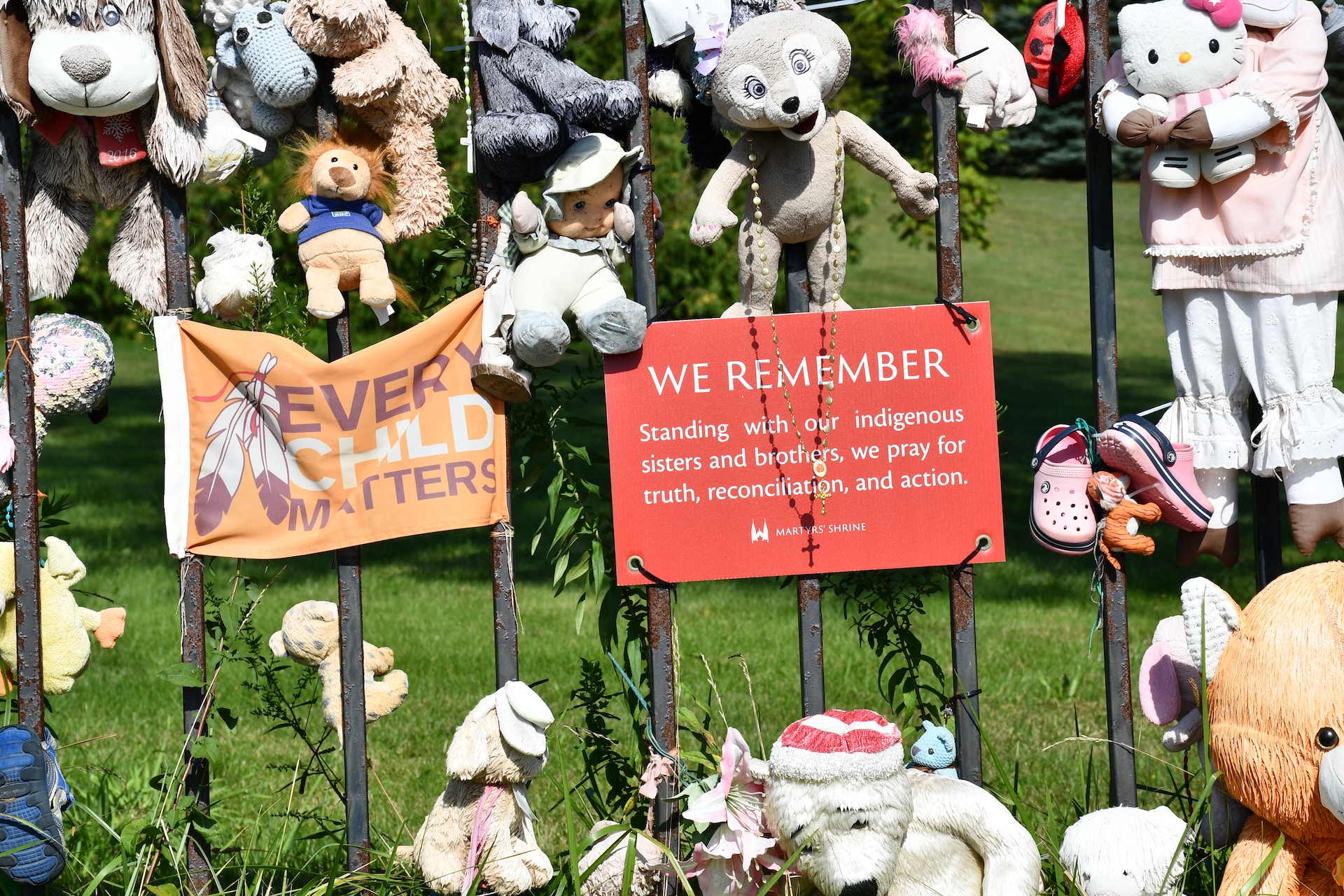
    In recent years, the tragic history regarding the horrors behind the systematic discrimination of Canada’s Indigenous communities has come to light in mainstream media. In 2021, the devastating news of over 200 remains of children in unmarked graves being discovered at Kamloops Residential School shocked the world (Dickson & Watson, 2021). And even more residential school sites are being investigated today, with 66 more potential graves found at St. Joseph’s Mission School in British Columbia (CBC News). The harrowing discoveries sparked candle vigils around Canada and even a visit from Pope Francis himself. Most notably, it also spawned Truth and Reconciliation Day (also known as Orange Shirt Day).

    Taking place every year on September 30th, the holiday is meant to acknowledge the mass devastation that has been inflicted upon Indigenous communities. It is a day in which all Canadians commit themselves to act against the discrimination that Indigenous people continue to face daily. However, this should not be limited to just one day. We should all strive to be allies to Indigenous people all around the world every day. Establishing Truth and Reconciliation Day has indeed brought more awareness towards educating people about the residential school system and the government’s role in their operation of them. That said, it has yet to bring more attention to many of the other obstacles Indigenous people are dealing with.

    For instance, the mental health and housing crises on reserves. According to Statistics Canada, the suicide rate for First Nations people in Saskatchewan is four times higher than the national average (Stefanovich, 2021). There is also the fact that despite Canada being a first-world country, most reservations do not have access to clean water. This has subjected many communities to health concerns like skin problems such as sores, rashes and eczema, birth defects, and gastrointestinal illnesses (Goldfinger, 2021).

    These are just a few of the systemic barriers they continue to grapple with every day. This is why your allyship is so important. When it comes to issues like these, they can feel far away; we can feel like nothing we do makes a difference. But this is not true; being an ally to Indigenous communities is what can raise awareness and educate people. With education and awareness comes a change for a better future.

    So, what can you do? Read below for tips!

    Learn Your History

    To be an ally to Indigenous communities, you must know what you are fighting for. Therefore, I would recommend doing some reading about the history of Indigenous people in Canada. While it is important to make sure that you read about all the systematic discrimination they have faced ever since the settlers came to Canada, don’t just read about the tragic side of things. Take some time to research the history of Indigenous culture and traditions. What were they like before the settlers came to Canada? How did everyone play a role in the community? It is important to remember that their history is not just one of tragedy; it is also one of great beauty and diversity.

    Learn about the Indigenous Communities Where You Live

    I am sure you’ve noticed the Land Acknowledgements at the beginning of morning announcements and meetings at your school. But have you ever taken the time to learn about those communities? It is important to know whose land you’re living on. There are so many different communities to learn about: the Haudenosaunee Confederacy, Moose Cree First Nation, the Attawapiskat First Nation. There is so much to learn about! I have linked a website where you can learn more about Indigenous communities and where they live in Canada.

    Diversify Your Media Intake

    The media that you consume is an avid teacher in your life. We can learn a lot from the characters and people that we watch on TV because they show us so many different perspectives. As such, what you choose to entertain yourself with can teach you a great deal. A personal recommendation of mine is Sterlin Harjo’s Reservation Dogs. The show is dominated by Indigenous actors and producers, and it addresses the mental health crisis faced by Indigenous youth.

    I also know many of us spend way too much time on our phones. Hence, I would also recommend supporting Indigenous content creators on platforms such as Instagram. There are so many out there, such as James Jones (@notoriouscree), Michelle Chubb (indigenous_baddie) and Tia Wood (tiamischik). A lot of these content creators are dedicated not only to educating people about the obstacles facing Indigenous communities but also to Indigenous culture and its traditions. I recommend supporting Indigenous music groups. A personal favorite is Young Spirit, a Cree drum group.


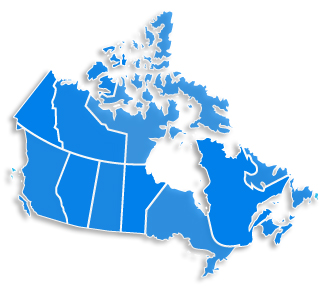
    Map of First Nations on Government of Canada Website:

    Map of Canada


    Follow Indigenous Content Creators:

    @notoriouscree @indigenous_baddie @tiamiscihk


    Works Cited

    CBC News. “66 more potential burial sites discovered at former B.C. residential school.” CBC News, 25 January 2023, https://www.cbc.ca/news/canada/british-columbia/williams-lake-st-josephs-residential-school-1.6724370 Accessed 25 November 2023.

    Dickson, C., & Bridgette Watson. “Remains of 215 children found buried at former B.C. residential school, First Nation says.” CBC News, 28 May 2021, https://www.cbc.ca/news/canada/british-columbia/tk-eml%C3%BAps-te-secw%C3%A9pemc-215-children-former-kamloops-indian-residential-school-1.6043778. Accessed 25 November 2023.

    Goldfinger, Daina. “‘An ongoing symbol of colonization’: How bad water affects First Nations’ health.” Global News, 30 September 2021, https://globalnews.ca/news/8199988/first-nations-water-crisis-health-effects/.  Accessed 25 November 2023.

    Myer, K., & Kaitlin Grable. “Honor With Action: 10 Ways to be an Ally to Indigenous Peoples.” GreenPeace, 8 October 2021, https://www.greenpeace.org/usa/10-ways-to-be-ally-indigenous-peoples/. Accessed 25 November 2023.

    Stefanovich, Olivia. “‘We don’t want any more tears’: First Nations urge Ottawa to boost mental health spending.” CBC News, 17 April 2021, https://www.cbc.ca/news/politics/indigenous-mental-health-resources-federal-budget-2021-1.5989070. Accessed 25 November 2023.

  • Indigenous Perspectives on AI Ethics

    Indigenous Perspectives on AI Ethics

    Jobs People Do | JobsPeopleDo.com

    Have you been keeping up with all the crazy advancements in Artificial Intelligence (AI)? It’s cool stuff, like a super-powered brain learning and doing all sorts of things. But with all this new tech, there are questions about how to use it right, especially for folks with different backgrounds and traditions.

    That’s where Indigenous communities come in. They’ve been around for a long time, connected to the land and each other in deep ways. Their knowledge can teach us a lot about developing AI ethically.

    Think about it — if an AI system is helping with healthcare or even how our communities are run, wouldn’t it be awesome if it worked for everyone, not just some? Including Indigenous voices in these discussions is key to making sure AI reflects a range of experiences and values.

    Here’s the thing: Indigenous perspectives on AI ethics are unique. They focus on a few key areas:

    1. Respecting Your Space: Imagine having full control of your photos or what people know about you online. That’s what autonomy is all about. Indigenous communities emphasize this, and in the world of AI, it means making sure these systems don’t take over our choices.
    2. Community First: Remember that big family gathering you loved? That’s the kind of community spirit many Indigenous cultures have. AI shouldn’t break that up, right? Instead, it should help people connect and make things stronger, not widen any gaps.
    3. Honouring the Land: The land isn’t just dirt for Indigenous communities, it’s like a wise old friend and a source of knowledge and identity. AI shouldn’t push people away from their land, but instead help us take care of it for generations to come.
    4. Thinking Long Term: Imagine looking out for your grandkids, making sure they have a good world to grow up in. That’s intergenerational equity. When building AI, we need to think about how it will affect people way down the line.
    5. Fairness Matters: Imagine helping someone out and getting a thank you in return. That’s reciprocity. Just as Indigenous communities emphasize giving back to the water, plants, soil, and animals that provide life, if their knowledge helps develop AI, it’s only fair they get something back, not taken advantage of.

    Here’s the kicker: talking to Indigenous communities about AI ethics isn’t enough. We need to work together, share ideas, and build this AI thing right from the start. This way, AI becomes something that works for everyone, not just a select few.

    Sure, there might be some bumps along the road when putting ancient wisdom together with fancy new tech. But there’s also a huge chance to use AI for good: protecting languages, keeping traditions alive, and building tools that address specific needs in Indigenous communities.

    By embracing these perspectives, we can create AI that’s not just smart, but also respectful and fair. Pretty cool, right? That’s how we build a digital future where everyone has a seat at the table.

  • Indigenous Student Scholarships for October 2026

    Indigenous Student Scholarships for October 2026

    Jobs People Do | JobsPeopleDo.com

    Taking Flight Scholarship
    Scholarship Value: $5,000
    Awards Available: 7
    Award Deadline: October 30, 2026

    Western Continuing Admission Scholarship of Excellence for Indigenous Students
    Scholarship Value: $6,000
    Awards Available: 30
    Award Deadline: Ongoing

  • Indigenous Student Scholarships for May 2026

    Indigenous Student Scholarships for May 2026

    James Bartleman Indigenous Youth Creative Writing Awards
    Scholarship Value: $2,500
    Awards Available: 6
    Award Deadline: May 31, 2026

    Electro-Federation Scholarships for Indigenous Students
    Scholarship Value: $3,500
    Awards Available: 9
    Award Deadline: June 5, 2026

    Algonquin College Tuition Contest
    Scholarship Value: $5,000
    Awards Available: 1
    Award Deadline: July 31, 2026

    Western Continuing Admission Scholarship of Excellence for Indigenous Students
    Scholarship Value: $6,000
    Awards Available: 30
    Award Deadline: Ongoing

  • Indigenous Student Scholarships for April 2026

    Indigenous Student Scholarships for April 2026

    Kathleen Blinkhorn Aboriginal Student Scholarship
    Scholarship Value: $2,000
    Awards Available: 5
    Award Deadline: May 1, 2026

    James Bartleman Indigenous Youth Creative Writing Awards
    Scholarship Value: $2,500
    Awards Available: 6
    Award Deadline: May 31, 2026

    Electro-Federation Scholarships for Indigenous Students
    Scholarship Value: $3,500
    Awards Available: 9
    Award Deadline: June 5, 2026

    Western Continuing Admission Scholarship of Excellence for Indigenous Students
    Scholarship Value: $6,000
    Awards Available: 30
    Award Deadline: Ongoing

  • Indigenous Student Scholarships for March 2026

    Indigenous Student Scholarships for March 2026

    National Indigenous Scholarship Program
    Scholarship Value: $50,000
    Awards Available: 5
    Award Deadline: March 14, 2026

    Norah and Calvin Banks Science Scholarship
    Scholarship Value: $1,000
    Awards Available: 1
    Award Deadline: March 15, 2026

    Kathleen Blinkhorn Aboriginal Student Scholarship
    Scholarship Value: $2,000
    Awards Available: 5
    Award Deadline: May 1, 2026

    Western Continuing Admission Scholarship of Excellence for Indigenous Students
    Scholarship Value: $6,000
    Awards Available: 30
    Award Deadline: Ongoing

  • The Water Crisis Plaguing Indigenous Reservations Across Canada: How You Can Help (French version available)

    The Water Crisis Plaguing Indigenous Reservations Across Canada: How You Can Help (French version available)

    Picture this: you live in Canada, which is often advertised and perceived as being one of the safest countries, rich in resources and many beneficial aspects such as access to free healthcare. In fact, in 2020, Canada was ranked as one of the countries with the highest quality of life in the world (Hazan 2020). Based on such presumptions, one can reasonably assume that all Canadian citizens have access to basic human rights such as clean drinking water, right? Unfortunately, this is not the case. For the majority of Indigenous reservations across Canada, gaining access to clean water is not easy at all. Many have been on drinking water advisories for decades, meaning they have to filter out of boiling water even if they want something as simple as a drink. 

    Problems with Water Quality

    Water is often filled with parasites, viruses, or extremely harmful bacteria such as E.coli. In 2016, the University of Saskatchewan conducted a review of studies conducted between 2000 and 2015, which found many common health concerns caused by the lack of clean drinking water – including skin problems such as sores, rashes and eczema, birth defects, and gastrointestinal illnesses. This is a problem that has gone uncared for and unheard of for decades, with communities such as Southern Ontario’s Neskantaga having to use water advisories since 1995.

    It was not until 2015 that Prime Minister Justin Trudeau vowed to end this crisis by March 2021, despite it having gone ignored for much longer. According to the Indigenous Foundation, this deadline has since been pushed back to 2026, with over 51 drinking water advisories still in place on Indigenous reservations across Canada. This has had a number of devastating impacts – Indigenous people are unable to access water not only as a human right but as a spiritual, cultural component of their lives. Because reservations are often remote, the government only gives a certain amount of money to these communities to fund their resources. When the water systems fail, they are extremely expensive to fix. Either way, there’s no easy or simple way for those on reservations to get the help that they need.

    Donate: There are many organizations (many Indigenous-owned) that are dedicated to assisting Indigenous communities with the water crisis, including True North Aid, Water First, and Water for People Canada. In some cases, you can donate directly to Indigenous communities, as they have their own individual charities. There are also many organizations dedicated not only to the water crisis on reserves but also to the housing or mental health crises as well, including Honouring Indigenous Peoples and Habitat for Humanity.  Below, I have included the links to some of the charities for this issue. 

    Spread Awareness: One of the main things that all of us can do in order to end water advisories and hopefully end unclean drinking water on Indigenous reservations is spread awareness about it. You’d be surprised at how many people are unaware of this issue; they do not help because they do not even know there is an issue at hand in the first place. Do some research, learn about this issue and where it started. Post about it on social media, whether it be sharing someone else’s post or creating your own digital content and sharing it on your social media platforms. Maybe you can create digital posters and hang them around your school. Remember, education is the gateway to awareness, and awareness is what leads to action.

    Write a Letter: At the end of the day, the main source of enforcement towards fixing this issue will be the Canadian government. As there does not seem to be much awareness towards this issue, one thing that the government can definitely do is talk about this issue more – don’t keep it under wraps. As Canadian citizens, it is up to us to help one another. I have seen many foundations and websites talk about the importance of words and their impact, especially on those of people in positions of power. Write a letter to the Prime Minister, letting him know that it is time for this problem to end; that much more must be done in order to ensure that all Indigenous communities have safe drinking water. We must prioritize this issue; in fact, this should not even be an issue in the first place.


    Works Cited

    Goldfinger, Daina. “‘An ongoing symbol of colonization’: How bad water affects First Nations’ health.” Global News, 30 September 2021, https://globalnews.ca/news/8199988/first-nations-water-crisis-health-effects/.

    Hazan, Jeremy. “Canada Has Ranked #1 in the World For Best Quality of Life.” Narcity, Narcity Media Group, 13 November 2020, https://www.narcity.com/canada-has-ranked-1-in-the-world-for-best-quality-of-life.

    Leyland, Cecco. “ Dozens of Canada’s First Nations lack drinking water: ‘Unacceptable in a country so rich.’” The Guardian, Guardian News and Media Limited, 30 April 2021, https://www.theguardian.com/world/2021/apr/30/canada-first-nations-justin-trudeau-drinking-water.

    Luo Xue, Carina. “The Water Crisis in Canada’s First Nations Communities.” ArcGIS StoryMaps, 14 November 2021, https://storymaps.arcgis.com/stories/52a5610cca604175b8fb35bccf165f96.

    McDonald, Kasey et al. “Lack of Clean Drinking Water in Indigenous communities.” The Indigenous Foundation. https://www.theindigenousfoundation.org/articles/lack-of-clean-drinking-water-in-indigenous-communities.


    Charity Links:

    True North Aid: https://truenorthaid.ca/

    Water for People Canada: https://www.canadahelps.org/en/charities/water-for-people-canada-de-leau-pour-tous-canada/

    Water First: https://waterfirst.ngo/

  • The APTN Scholarship Program for Aboriginal Media Makers

    The APTN Scholarship Program for Aboriginal Media Makers

    Canada has a strong media landscape filled with different careers. Landing those opportunities requires a delicate combination of talent, networking, and timing. Enrolling in a college or university program for journalism, film, or television can help you develop your skills, meet the right people, and be ready for when opportunities arise. For First Nation, Inuit, Or Metis Canadians, one of the ways you can make this happen is through the Aboriginal Peoples Television Network Scholarship Program.

    Two scholarships, each worth $2,000, are awarded annually to qualified Aboriginal applicants. You must be attending or going to attend a full-time college or university program that is at least two years in length. A minimum grade average of 65% is required. The program seeks candidates who are actively engaged in the Aboriginal community. This ties into the Aboriginal Peoples Television Network’s dedication to developing professionals in that community and enriching their lives. The money can make a crucial difference and allow talented individuals to cover the tuition and living costs associated with post-secondary life.

    In 2017, the scholarships were awarded to Jamie Malbeuf of Alberta and Trevor Green of Ontario. Jamie is a member of the Raizenne Metis family. At the time of receiving the grant, she was working on her Bachelor of Communications and majoring in Journalism. The money has allowed her to devote greater time to her studies and to work towards her goal of becoming a news anchor, sharing important stories of Indigenous Peoples. Trevor’s parents are from the Cowichan Tribes and Dog River First Nations. His studies at Ryerson University are in journalism and public relations. He is concentrating on business reporting and wants to look at issues such as finance and health from an Indigenous perspective. In 2016, Adeline Gladue, from the Yukon Territory and Alberta with a Southern Tutchone and Cree background, and Savannah Kelly, from Manitoba with a Metis background, won the scholarships. The program has offered life-changing help to students of many backgrounds all across the country.

    If you are interested in applying for the scholarship, you must provide a copy of your resume, transcripts, and proof that you are either enrolled or accepted in a full-time program at a Canadian school. Furthermore, two recommendation letters from teachers or employers are needed. Finally, you must prepare a one-page essay that details your goals, how the scholarship can help you, and your involvement in your community. All selected finalists are interviewed to determine who will ultimately receive the funds. The application process is not overly demanding, and therefore, it is a good idea to apply even if you are on the fence about doing so.

    The media industry is challenging, competitive, and endlessly rewarding. It is important to continue developing your skills, meeting new people in the field, and hunting for opportunities. The Aboriginal People’s Television Network scholarship program is a fantastic way to ensure you can attain the schooling needed to achieve your goals. If it sounds like the ideal opportunity for your situation, start working on your resume and cover letter to be ready for the announcement of the next scholarships to be offered.

    Sources:

    APTN. “Scholarship Program.” http://aptn.ca/corporate2/scholarship-program/

    NationTalk. “Aboriginal Peoples Television Network Scholarship Program.” http://nationtalk.ca/story/aboriginal-peoples-television-network-scholarship-program

  • February 2026 Scholarships – Apply now!

    February 2026 Scholarships – Apply now!

    Arts & Humanities Neen Hodgins Entrance Scholarship
    Scholarship Value: $80,000
    Awards Available: 1
    Award Deadline: February 14, 2026

    James Jenkins President’s Entrance Scholarship for Black Students
    Scholarship Value: $50,000
    Awards Available: 5
    Award Deadline: February 14, 2026

    SPIE Optics and Photonics Education Scholarships
    Scholarship Value: $11,000
    Awards Available: 72
    Award Deadline: February 15, 2026

    Commerce 1981 Entrance Scholarship
    Scholarship Value: $40,000
    Awards Available: 1
    Award Deadline: February 15, 2026

    Ontario Scholarships
    Scholarship Value: $10,000
    Awards Available: 10
    Award Deadline: February 28, 2026

    Trent University Prestigious Scholarships
    Scholarship Value: $30,000
    Awards Available: 20
    Award Deadline: February 28, 2026

    Jake Weitz Memorial Scholarship
    Scholarship Value: $1,000
    Awards Available: 10
    Award Deadline: March 1, 2026

    Rodney Cooper Bursary in Computer Science
    Scholarship Value: $2,500
    Awards Available: 1
    Award Deadline: March 1, 2026

    MacLauchlan McKenzie Scholarship in Computer Science
    Scholarship Value: $4,000
    Awards Available: 1
    Award Deadline: March 1, 2026

    Jean Caya Scholarship
    Scholarship Value: $1,200
    Awards Available: 2
    Award Deadline: March 1, 2026 (estimated)

    Carleton University Prestige Scholarships
    Scholarship Value: $30,000
    Awards Available: 24
    Award Deadline: March 1, 2026

    Richard Lewar Scholarship
    Scholarship Value: $21,500
    Awards Available: 7
    Award Deadline: March 1, 2026

    Quest for Excellence Scholarship Program
    Scholarship Value: $1,000
    Awards Available: 40
    Award Deadline: March 6, 2026

    BEGIN Program
    Scholarship Value: $30,000
    Awards Available: 3
    Award Deadline: March 31, 2026

    Automotive Aftermarket Scholarships
    Scholarship Value: $5,000
    Awards Available: 125
    Award Deadline: March 31, 2026

    Jean Chretien Scholarship
    Scholarship Value: $5,000
    Awards Available: 5
    Award Deadline: March 31, 2026

    Torquil H. Burns Scholarship
    Scholarship Value: $450
    Awards Available: 2
    Award Deadline: April 30, 2026

    Bill Eansor Award
    Scholarship Value: $10,000
    Awards Available: 1
    Award Deadline: April 30, 2026

    Air Base Property Corporation Entrance Award
    Scholarship Value: N/A
    Awards Available: 1
    Award Deadline: May 31, 2026

    Grant and Jack Burton Entrance Bursary
    Scholarship Value: $300
    Awards Available: 1
    Award Deadline: May 31, 2026

    Algonquin College Tuition Contest
    Scholarship Value: $5,000
    Awards Available: 1
    Award Deadline: July 31, 2026

    Western Continuing Admission Scholarship of Excellence for Black Students
    Scholarship Value: $6,000
    Awards Available: 30
    Award Deadline: Ongoing

    Western Continuing Admission Scholarship of Excellence for Indigenous Students
    Scholarship Value: $6,000
    Awards Available: 30
    Award Deadline: Ongoing