Category: First Nations

  • Missing and Murdered Indigenous Women: Addressing the Crisis

    Missing and Murdered Indigenous Women: Addressing the Crisis

    By Avreet Jagdev

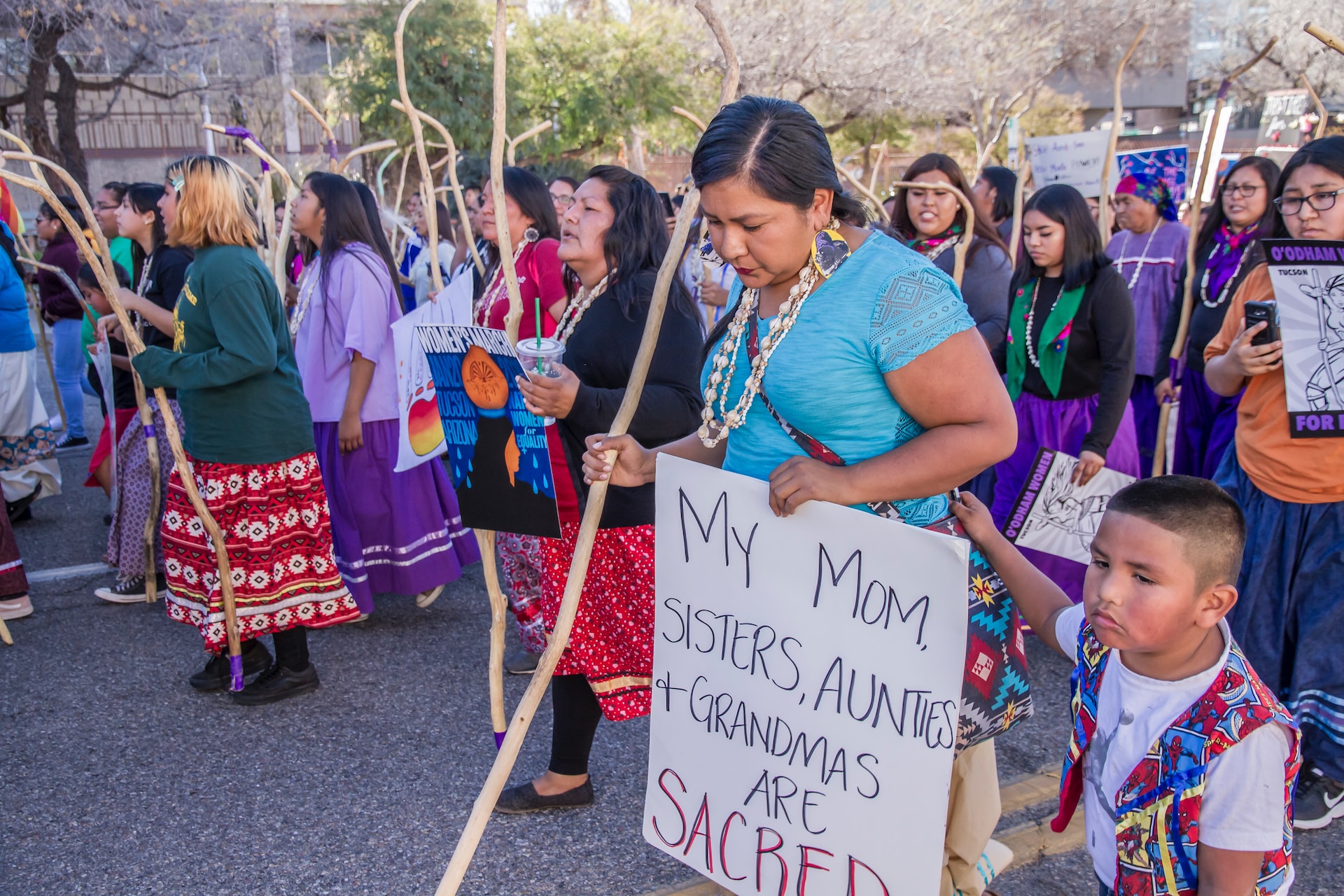
    Across Canada, Indigenous communities continue to face many ongoing injustices, including overrepresentation in the criminal justice system, higher rates of unemployment, and poorer health conditions. One issue that impacts Indigenous women, girls, and LGBTQI+ people in particular is experiencing a disproportionate rate of violence, including kidnapping and homicide. This is such a large issue that the term MMIWG2S (Missing and Murdered Indigenous Women, Girls, and Two-Spirit People) has been coined to refer to it.

    As the Assembly of First Nations reports, Indigenous women are four times more likely to be victims of violence than women who are not Indigenous. Although they only make up 4.3% of the Canadian population, they represent 16% of all female murder victims and 11% of missing women. Indigenous women are also more likely to experience physical and sexual assault, compared to non-Indigenous women. Despite these shocking statistics, the Canadian Government has failed to adequately address the issue. In 2016, a national inquiry into the issue was put in place. It resulted in 231 calls to justice directed at the government, institutions, social services, and Canadian individuals, which tackled areas requiring reform including education, justice, and health. As of June 2023, only two of these 231 calls to justice were complete. In 2014, Prime Minister Stephen Harper even stated that MMIWG2s was not “high on their radar”.

    These examples showcase that the MMIWG2S crisis is not just an issue about the violence that Indigenous women and girls experience, but government and institutional inaction regarding the violence.

    The MMIWG2S crisis is rooted in the longstanding oppression of Indigenous people in Canada. The high level of violence faced by Indigenous women, girls, and 2-spirit people is due to their identity as both Indigenous and as gendered, so MMIWG2S is an Indigenous and Gender justice issue.

    Amnesty International Canada has declared this violence against Indigenous women an issue of human rights and launched a campaign called “No More Stolen Sisters” in response to the issue of MMIWG2S. They cite a number of factors which contribute to the ongoing crisis, including racist and sexist stereotypes towards Indigenous women, which causes perpetrators to believe that their acts of violence against Indigenous women will not be met with justice. Additionally, the ongoing legacies of colonialism of Indigenous communities lead to the risk of Indigenous women experiencing violence, due to impoverishment, the lasting harm of residential schools, lack of access to resources, and disempowerment within their very communities. Lastly, a key factor is the decades of inaction by governments and law enforcement, which has allowed the violence against Indigenous women, girls, and two-spirit people to continue.

    There are several things that young people across the country can do to help address the crisis. The most important step is to be educated about MMIWG2S, as well as other ongoing injustices that Indigenous communities face. Here are a few places to learn more:

    Lakota People’s Law Project: MMIW Resource Guide

    We R Native: What is the MMIW Movement?

    Additionally, it is important to use your voice to amplify the issue. You can do this by talking about it with your friends, doing a project on the issue in school, or circulating information on social media.

  • The Significance of Land Acknowledgments

    The Significance of Land Acknowledgments

    By Avreet Jagdev

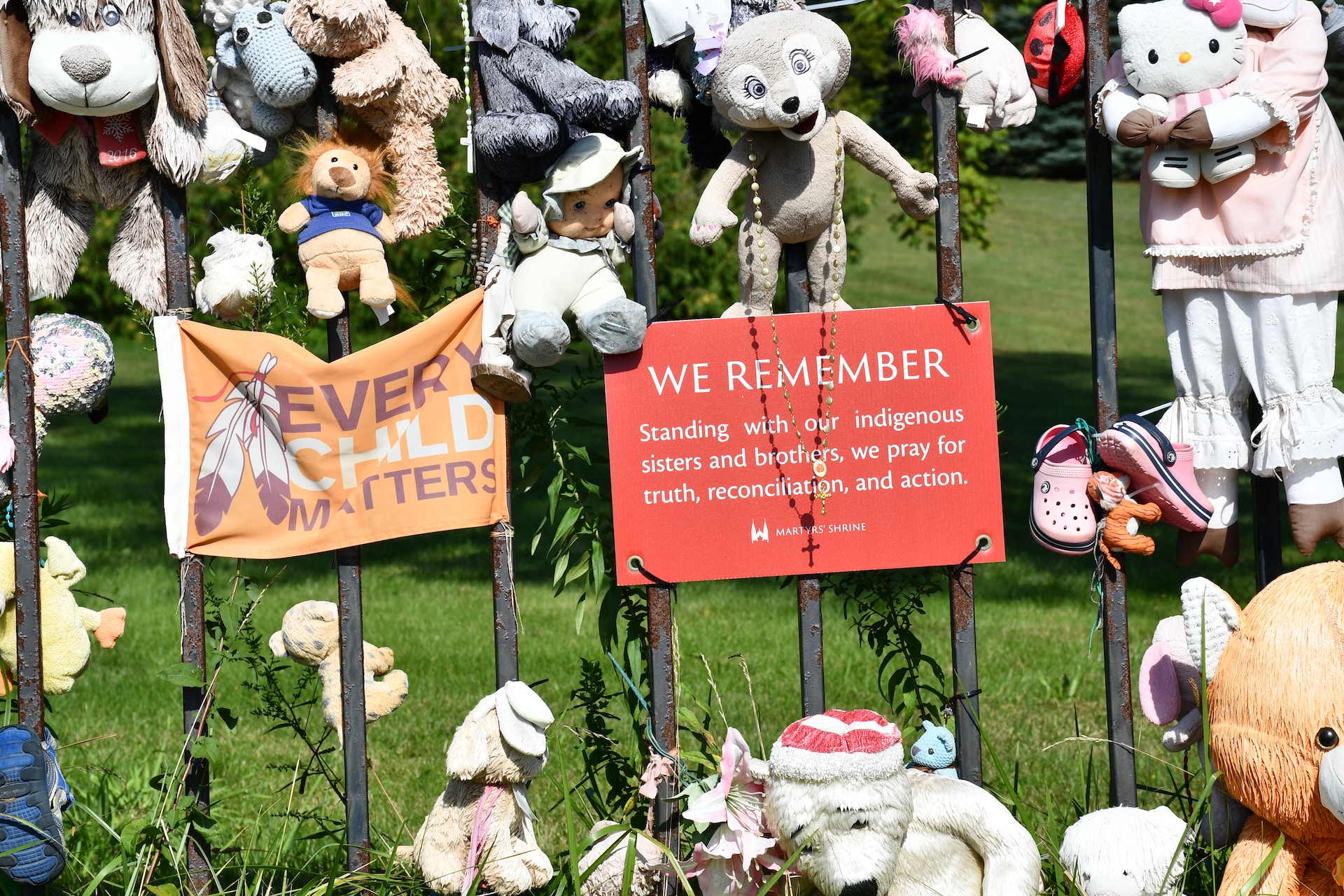
    Over the years, there has been a larger focus on land acknowledgements across Canada. What are land acknowledgements, and why are they so important?

    Land acknowledgements are a recognition of the land on which Canada exists. Many Indigenous communities are from Canada, and these communities were the first people to live on this land — long before others arrived. When European settlers arrived to Canada, Indigenous communities faced many injustices and were forced to assimilate into European culture. This resulted in long-term injustices that continue today.

    A land acknowledgment is a way to recognize this history, and show respect and gratitude for these Indigenous communities and the land they called home before anyone else.

    Land acknowledgements vary in what they look like, but usually, they are shared as a statement towards the beginning of an event or meeting. The most basic aspect of a land acknowledgement is a recognition of the land that the meeting or event is taking place on, and the traditional territories that exist on that land.

    For example, the City of Toronto is traditional territory to many Indigenous communities, including the Mississaugas of the Credit, the Anishnabeg, the Chippewa, the Haudenosaunee, and the Wendat peoples. A land acknowledgment in Toronto might begin by naming these communities.

    Land acknowledgements often also include gratitude and respect for the land on which they are on. Some land acknowledgements are more personal, and include personal reflections on relationships with the land, or with Indigenous communities.

    Land acknowledgments are important for many reasons and are a key aspect of reconciliation, a word which means repairing Canada’s relationships with Indigenous communities. Firstly, they show respect to the Indigenous communities who have existed on this land for thousands of years, and this is a way of recognizing their history and connection to this land. This recognition is an important step towards reconciliation because Indigenous communities have faced a long history of having their relationship with the land denied or neglected. In addition, Indigenous histories have been left untold — so by recognizing Canadian land as traditional Indigenous territory, land acknowledgements are a step forward in repairing this issue.

    You can contribute to this reconciliation by researching the traditional territories and Indigenous communities that are associated with the city or town that you call home. You can also reflect on your relationship with the land on which you live, and learn more about its history with Indigenous peoples.

    Land acknowledgments are a lot more than just words. They are a way to connect us with Canada’s past, and learn more about the Indigenous communities which live alongside us. Overall, land acknowledgments are an important step in reconciliation with Canada’s Indigenous communities, and allow us to think more critically about the land that we live on, and the history that took place here.

  • Supports for First Nation Students: Calgary Board of Education (CBE)

    Supports for First Nation Students: Calgary Board of Education (CBE)

    Are you a First Nation student K-12 living in Calgary? The Calgary Board of Education recognizes traditional territories and oral practices of the Blackfoot Nations, which includes the Siksika, the Piikani, and the Kainai. The CBE also recognizes the Tsuut’ina and Stoney Nakoda First Nations and the Métis Nation (Region 3).

    The CBE Approach:

    “We believe in creating inclusive learning environments where all students feel included, safe, valued and supported in their learning. Supporting and enhancing the achievement and success of First Nations, Métis and Inuit students in alignment with the CBE’s Three-Year Education Plan and Alberta Education’s Collaborative Framework is the goal of our administration, our schools, and our partnerships. The domains within the Collaborative Framework are modelled in our practices and policies and are designed to strengthen collaborative processes between schools, parents and the broader community.”

    The CBE provides some of the following programs:

    Check out the CBE’s programs, as well as the Elder Advisory Council.

    If you would like to learn more about how the CBE supports First Nation students, call 403-817-7664!


    Sources:

    http://www.cbe.ab.ca/programs/supports-for-students/Pages/Aboriginal-Education.aspx

  • Trade Scholarships for Indigenous Students in Canada

    Trade Scholarships for Indigenous Students in Canada

    Indspire Scholarships

    Oil and Gas Aboriginal Trades & Technology

    Extra incentive for one to achieve their dreams in trades as a First Nations, Inuit or Metis student, Two deadlines annually on April 30th and November 30th. These awards are for both status and non-status aboriginal individuals pursuing education, professional development and technical training within the Albertan oil & gas industry. This scholarship is only available to those studying in Alberta at an accredited training institute, college or university with plans to work within the industry upon graduation.

    www.ammsa.com

    Apprenticeships, Skilled Trades, and Technology Programs

    Indspire offers chances at funding for those seriously immersed in trades. Deadlines and twice a year in February and November and will depend on grades, references, and cultural background.

    www.indspire.ca/for-students/bursaries-scholarships

    Petro Canada Education Awards for Native Students

    Open to any Canadian native or Inuit students either entering or enrolled in post-secondary programs somehow involved in the industrial setting of the gas and oil industry, this scholarship has five education awards of to $5,000. If you are interested, these awards will be distributed based on academic performance, financial need and the specifics of your studies as related to future aspirations within the industry.

    www.canadian-universities.net/Scholarships/P/Petro-Canada-Education-Awards-for-Native-Students

  • Post-secondary Education in Northern Manitoba

    Post-secondary Education in Northern Manitoba

    Getting an advanced education can be challenging, even in areas where students have easy access to all of the resources needed. In remote areas with small populations, such as in northern Manitoba, finding accessible resources for learning can prove even more difficult. However, several programs and institutions are helping to bring post-secondary education even to the most remote parts of the province.

    In much of Canada, universities and colleges tend to be located in large towns or cities, mainly because that is where the people are. Students from small communities can normally complete much of their early schooling close to home, but if they want to continue their education, they have to move to another city. In Manitoba, that normally means moving to Winnipeg since about half of the population lives in the capital city. Some of the smaller cities, such as Brandon, have opportunities for post-secondary education, but the program choices are much greater in Winnipeg.

    The University College of the North has fairly large schools in The Pas and Thompson, as well as smaller centres in places like Churchill and Flin Flon and also some First Nations reserves. Many different programs are available through the school, including education, health, English literature studies, and trades. With programs like these, many students can stay in their home communities and still learn what they need in order to pursue a specific career path.

    Distance education is also making a difference in northern Manitoba. Many universities and colleges offer students the option of taking their courses online rather than in classrooms, and video conferencing is becoming more common in this digital age. Students and instructors from the north can talk with people from colleges and universities in the south and learn new techniques or just discuss the issues they are facing.

    Access to resources is a major issue for many students, even in big cities. Have you ever needed a book or magazine but couldn’t find it or wanted to use a database that you couldn’t get into? In cities, most people can just go to another library or visit a university to find what they need. In remote northern communities, however, students have to find other options. One of the ways that people have been developing northern education is through access to computer programs, online databases, and library catalogues.

    For example, the Manitoba government has developed a software library which allows people to borrow and test programs to assess their usefulness. Other programs have also helped to make it easier for students and instructors to get what they need for their courses.

    If you live in northern Manitoba, you might already know how hard it can be to get an education beyond high school, and sometimes even that can be difficult. However, some of the established programs and new initiatives are helping to make it easier to get a post-secondary education without ever leaving home.

    Sources:

    The Canadian Information Centre for International Credentials. “Postsecondary Education in Manitoba.” http://www.cicic.ca/1200/Postsecondary-education-in-Manitoba/index.canada.

    Government of Manitoba. “Advanced Learning Division.” http://www.edu.gov.mb.ca/ald/index.html.

    Government of Manitoba. Student Services. “Rural and Northern Services Initiative.” http://www.edu.gov.mb.ca/k12/specedu/rndi/index.html.

    University College of the North. “The Pas Campus.” https://www.ucn.ca/sites/studentdevelopment/Locations/Pages/The-Pas-Campus.aspx.

    University College of the North. “Thompson Campus.” https://www.ucn.ca/sites/studentdevelopment/Locations/Pages/Thompson-Campus.aspx.

    University College of the North. “Why Choose UCN.” https://www.ucn.ca/aboutucn/whychooseucn/Pages/Why-Choose-UCN.aspx.