Tag: career

  • Creative Careers: Photojournalism

    Creative Careers: Photojournalism

    In your house, you probably have a lot of family pictures. You might have formal school or graduation pictures and your parents might have their wedding picture up on the wall. Maybe there are pictures of your relatives, of places that you have visited, and maybe pictures of your pets. These pictures tell the story of your life and the lives of your family members. Photojournalists are professional photographers who do the same kind of thing. Instead of telling their own stories, however, they tell other people’s stories through pictures. Whether they are telling the story of pleasant or unpleasant occasions, photojournalists help to let other people know about the events that are taking place around the world.

    If you take pictures with your phone or camera, you are helping to record what has happened throughout your day. You might record ordinary events, such as a rabbit running across your path, or major events such as your brother or sister’s graduation. Photojournalists take pictures of all kinds of things, including cultural festivals, political events and even wars. Sometimes photojournalists work in very dangerous situations where they have to be very careful to keep safe, but at other times they work in very quiet places.

    Working locations can also vary a lot for photojournalists. They might travel overseas to take pictures of a royal wedding. During that time, they would probably stay in a nice hotel and be well dressed to fit in with the crowd. They might also record a canoe trip across the country, spending their nights in tents and wearing jeans or shorts. Some people do photojournalism as a full-time career, but many of them are freelancers and might work at another job to earn money for their photography work.

    Being able to take good pictures of various places and events is the most important requirement for photojournalists, but they also need much more. Depending on what kinds of pictures they take, they might need to be quite physically fit so that they can walk long distances and carry everything they need for their work. They need to be able to use different cameras and other equipment and to have the technical knowledge to set everything up for taking pictures. Most photojournalists need to know about darkrooms and different techniques for developing film. Although there is no standard educational requirement for photojournalists, some courses or a degree in photojournalism or in the fine arts could be useful.

    Photojournalists work in many different places, but the most common employers are newspapers or magazines. Salaries vary between about $20,000 and $52,000 per year. Experience is the most important factor in becoming a photojournalist. If you like the idea of this type of work, you can already start taking pictures that you can put in your portfolio of samples that show your best work. You can start experimenting with different cameras and type of equipment. If you love telling stories through pictures, you can already start now on a future career as a photojournalist.


  • Dream Job: Detective/Private Investigator

    Dream Job: Detective/Private Investigator

    Suppose that you lost something very important and you wanted to get it back. What would you do? You might look around and ask your friends and family if they had seen what you were looking for. Searching for things that are lost is only one of the many things that private investigators do. Working as a private investigator involves solving mysteries, finding information, and much more.

    You might have heard of fictional detectives like Sherlock Holmes and Hercule Poirot. Do you know any names of real-life private investigators? One of the most famous detectives was Allan Pinkerton. He was born in Glasgow, Scotland in 1819 and moved to the United States in 1842. In 1847, he joined the Chicago police department in 1847 and became the city’s first police detective in 1849. The next year, in 1850, he formed the Pinkerton Detective Agency in Chicago. The Pinkerton Agency worked together with the police in solving crimes and arresting criminals. By 1855, the agency had also started to work in security, guarding shipments that went by railway. Since then, security has been a large part of what Pinkerton agents do.

    Private investigators work in all kinds of areas. They might be hired by businesses to help deal with problems between bosses and workers or by the government to help investigate crimes. Some private investigators specialize in finding people who are missing or in store security. Other investigators do a variety of work, depending on who hires them and what skills they have. If you decide to become a private investigator, you might already want to start thinking about what area of work interests you the most.

    Except for security work, the most important part of a career in private investigation is the ability to find information. Investigators often need to ask people questions or to search online and print sources for information, and they have to be able to analyze what they learn to find a solution to their problem. Searching for information might also include surveillance, where the investigator watches to see what people are doing. Investigators often need to be able to use cameras and other equipment to be able to record what they discover. They have to learn different techniques for finding and interpreting information.

    Often, investigators learn these techniques through career colleges and other training schools. Investigators need to know the law well, and a degree in criminology or corporate law can be very helpful. In most parts of Canada, private investigators also need to get licenses to practice their work. The Canadian Private Investigators’ Resource Centre is a good place to check for specific information on these requirements.

    Want to help solve mysteries? Maybe a detective/private investigator will be your future job!

  • The Importance of Being a Dreamer

    The Importance of Being a Dreamer

    Without having dreams, you may find that your life is kind of boring. Although being realistic about life is important, it’s good to have dreams as well.

    Maybe you are in school full-time and you work two part-time jobs to cover the costs for school and yourself. You are starting to feel stressed and exhausted. Knowing your overall purpose and goals in doing all of this is important. You need to finish school to get that degree so you can nab your dream career and live the lifestyle that you want. That’s your dream and, in order to make that come true, you need to do whatever it takes now to accomplish that for your future.

    Maybe you are working a 9-5 dead-end job and don’t feel fulfilled in your life. You have reached a point in your life where you feel there is no career growth in your job and you feel you are stuck because you have responsibilities and bills to pay. Who has time to dream, you may ask yourself? What can possibly come of it?

    If you don’t allow yourself to dream, you are truly doing an injustice to yourself. You may have decided at a young age exactly what you wanted to be when you grew up. But now that you are planning to go to university to achieve that goal (or perhaps you are already there), are you happy? You have to ask yourself what is it that you really want to do. What are you passionate about? Maybe you want to be a dancer or a writer. What’s stopping you from pursuing your dreams? The answer is you.

    Yes it’s important to pay those bills. But why not have that full-time job and pursue your dreams on the side? If you want to be a dancer, take some dance classes on the side to perfect your craft and connect with people in the dance industry.

    If you want to be a writer, start emailing editors of blogs, magazines and newspapers and say you are interested in contributing even if it for no pay. This way you will establish contacts in the journalism industry, you can get exposure and you can build your portfolio. These are just a few examples.

    You will be pleasantly surprised to discover that your dreams can become a reality. This is why it’s so important to continue dreaming – you never know what can come out of them.

  • Feeling Lost: How to Pick a Career

    Feeling Lost: How to Pick a Career

    Sometimes in life we feel lost. We feel that we have lost our bearings and that we don’t know who we are or what we want. This is very common among high school and university students. Many high schoolers decide that they do not want to move on to college or university because they do not know what they want to take. This reflects a need for better guidance counselling in schools as well as more funding for vocational training from the government. Currently, a lot of the education students get about careers is passed down from relatives, friends and family. Often students will choose to pursue a career that someone they know does as a way of feeling like they know what they are getting into. This is the safe, but not always best, route.

    Many people decide to wait a year or two before embarking on their next level of education. This can be a wise step, depending on where you are coming from. Another approach is to jump head first into something that you are unsure of, ensuring your can-do attitude is firmly in place. This can work out well, especially if you are going away to university, because it is easy to switch programs after the first year. Plus, this path is much more common than you might think.

    The first step for anyone looking to gain a career orientation is to educate yourself on what jobs are in demand, according to the job market today and the forecasts for the next 5-10 years. You will also want to evaluate your skill set. JobsPeopleDo.com is a great resource for anyone looking to learn more about careers and what will be in demand in the coming decade. Researching your options will allow you to make an informed choice about the job you see yourself doing in the future. It is wise to also ask people who currently work in your profession of choice what their job is like and what kinds of duties are required. Do they enjoy it? Would they recommend it to you? Hearing firsthand accounts will really help you to put your choices into perspective. Good luck!

  • How and Why Do Apprenticeships Work?

    How and Why Do Apprenticeships Work?

    An apprenticeship is a period of study under a journeyman or master tradesperson in which the apprentice assists the master in their job. In return the master or journeyman will teach and pay the apprentice, readying them for a job in the in-demand field of trades.

    An apprenticeship can last anywhere from a few months to five years, depending on the type of trade you’ve chosen to learn and the availability of work in that field. All tradespeople, with the exception of welders, currently have to pass a Red Seal test before they are approved as a journeyman tradesperson and can begin working independently. Laws are changing, however, and it will soon be necessary to have a Red Seal to practice within any trade in Canada, including welding.

    There is a great deal of variety between trades, apprenticeships and tradespeople. There are plumbers, electricians, pipe fitters, auto mechanics and a large number of other careers. The trades, and tradespeople, are becoming more and more in demand, thus taking a job in the trades can be very financially lucrative. The average entry-level tradesperson makes about $16-$18 an hour in their first year as an apprentice. Master tradespeople easily make salaries that go into the six-digit range.

    Currently, there is a lack of skilled tradespeople in the Canadian economy, making someone who is Red Seal-certified as skilled in their trade of choice greatly in demand. This applies to nearly every trade; going into an apprenticeship can be a very wise choice if you’re interested in making a lot of money.

    The trades are very varied and it takes a separate set of skills to master each one, which is why so much hands-on and on the job experience is key to the success of an aspiring tradesperson. They all involve a degree of math and a lot of work with your hands. They can be dangerous, but also lucrative, and if you’re looking for a stable career tradespeople are almost always in demand.

  • Can I Turn Poetry Into a Career?

    Can I Turn Poetry Into a Career?

    If you’re passionate about poetry, you may be wondering if there’s any way to turn it into a career.  Nowadays, there are very few people who simply write poetry and sell it to eager readers. It’s unfortunate but it’s the harsh reality.  Does that mean you should abandon your love for poetry and settle for a job that holds no appeal for you? Absolutely not! There are thousands of people who make money off of poetry; they’re just doing it in ways that you wouldn’t expect!

    Consider songs, which are often filled with poetic verses and beautifully flowing stanzas.  Lyricists are people who write the words for songs that have a lyrical component and they have the opportunity to write poetry on a regular basis. They may not have any vocal talents but they still make a living off of doing what they love best- writing poetry! Lyricists even get the added bonus of hearing their poetry come to life when the song is finally produced.

    Copywriters often deal with poetry in their line of work too. Copywriters spend a great deal of time writing the text components that you often find on advertisements and product labels.  When you come across a catchy phrase or an enticing description on the cover of a product, you’re looking at the work of a copywriter!    They often make use of poetic language to encourage customers to purchase their products or services. With your poetic talent, you could easily stand out to employers who are looking for someone who has a clever way with words!

    There are plenty of other people who get the unique opportunity to encounter poetry while working. Think of university professors who teach courses on poetry and other forms of creative writing. They get to write, teach, share, and explore poetry while making money to support themselves. There are also authors of children’s books who often incorporate poetic techniques into their work to make it more appealing to younger audiences. The list of people who make money off of poetry goes on and on. If you’re serious about the art, you can add yourself to that list too! You can also explore other unconventional methods such as creating a poetry blog and making money off of advertisements. For this, you would need to have enough people coming to your blog regularly so that advertisers would be willing to pay you for exposure. This option is noticeably riskier than some of the others but it’s still something that could be done as secondary source of income.

    If poetry is genuinely something you want to infuse into your career, you need to be willing to make the effort to find a job that allows you to deal with poetry on a regular basis. You need to think outside of the box and look for opportunities that you wouldn’t normally consider. It may take a bit of time and effort, but it’ll definitely be worth it when you’re doing what you love, day after day.

  • Networking to Land a Career

    Networking to Land a Career

    When people get together to meet and talk, they sometimes learn a lot about each other. At family gatherings, people might find out about what their cousins or aunts and uncles are doing and how their lives are going. At parties, friends might find out more about each other and about the other people they know. What happens when job seekers and businesspeople get together? Through a process called networking, people can connect with each other in ways that can benefit them and lead to success.

    What does the word “network” mean to you? If you work with computers, you probably know that networks in this area are all about connections. The same is true in business and job searching, except that this kind of networking involves people instead of machines. When people need something, they can connect with someone who has what they want. A person who needs a job, for example, can connect with someone who is looking for employees. Someone who has something to sell can connect with someone who wants to buy it. For some people, these kinds of connections can make the difference between success and failure.

    Networking can take many different forms. Sometimes, it can be as simple as just talking to friends and family members about a product or a job need. It could involve talking to people on the street and passing out business cards. Often, however, employment agencies and business centres have more formal networking events when people can get together to meet each other.

    Suppose that you have a business of selling greeting cards. You might take some of your cards to a networking event to show to other people so that they can see exactly what they can but from you. What if you are a high school student and are unsure of what direction to take after you finish your studies? By networking at a job fair, you might be able to find out what career suits you and be able to choose the right educational path for what you want to do. Networking can help you achieve your goals.

    Usually, networking involves meeting people face to face and talking with them, which might be very difficult for some people. How can people network with others if they find it difficult to talk to strangers and to explain themselves? Some of the basic networking techniques can help for people who are not natural talkers. Preparation is very important for anyone who wants to build up a network of contacts. Having a business card to hand out, even if it includes only a name and e-mail address, can be a good way to be remembered.

    Gathering information and forming relationships are important parts of finding a good job. Following up on those contacts is as important as the first meeting, and a large part of networking happens after the actual event. When networking is done well, it can help lead people to success in their chosen fields of work.

  • Hairdressing – Beauty as a Trade

    Hairdressing – Beauty as a Trade

    Hammer, screwdriver, wrench, scissors, shampoo, styling product – on the outside, a career in hairdressing shares little with a career in engineering or construction, yet they’re more similar than one would think.

    Often, when thinking about careers in the trades, the first thought is to the construction, industrial, or automotive industry. In fact, many service-based careers such as chef, child and youth worker, special events coordinator, and hairdresser are also considered skilled trades. Through on-the-job training and in-class sessions, you can become a certified hairstylist.

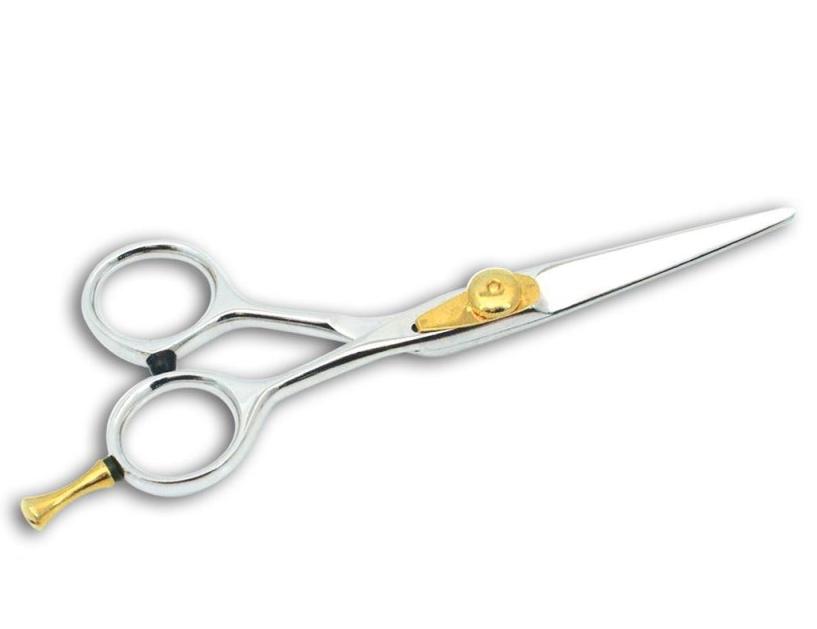
    Similar to a construction worker, a hairdresser prepares their work area with an array of tools including scissors, razors, combs, curling iron, and other specialized apparatus to accomplish different styles and techniques. With training, this equipment can be used to meet clientele needs, whether it be a quick trim or a full make over.

    A position in hairdressing is much more than just styling and beautifying clients. A hairdresser can also be responsible for the training or supervision of other stylists and assistants. Hairdressers are often business-minded individuals; often completing administrative tasks such as record keeping, supply ordering, and salon upkeep.

    A career as a hairstylist fits into the service sector in the Ontario College of Trades, requiring those interested in becoming a hairdresser to earn a Certificate of Qualification through apprenticeship training and examination.

    With individuals always seeking to invest time into looking good and feeling good, there is always a demand for hairstylists. Hairstylists can find work in this high-demand career working for beauty salons, hotels, and hospitals, or working in an at-home salon.

    While contemplating future career options, it’s important to investigate all opportunities available. Many may skip over the skilled trades assuming there aren’t any opportunities suited to their needs; when in fact there are plenty of opportunities within the skilled trades for creative, business-minded, driven individuals seeking a rewarding, high-paying career in a secure industry.

    From construction to automotive to the beauty-inspiring, service-based industry that includes hairdressing, there’s a career in the skilled trades for you.

  • Do Poets Make Money?

    Do Poets Make Money?

    Oscar Wilde wrote, “The best work in literature is always done by those who do not depend on it for their daily bread and the highest form of literature, poetry, brings no wealth to the singer.”

    For those of you who aren’t familiar with Mr. Wilde, he was an Irish writer. He wrote plays (The Importance of Being Earnest is one of his most famous), poetry and one novel (The Picture of Dorian Gray). He was born in 1854 and died in 1900. Although he enjoyed much success during his lifetime, he died alone and destitute (poor) in France at the age of 46.

    Oscar Wilde is just one example of the many “tortured artists,” whose works failed to financially sustain them during their lifetime, but live on as celebrated classic pieces of literature to this day. William Blake, Emily Dickinson and Robert Frost were all great poets who were mostly unrecognized for their talents during their lifetime.

    Emily Dickinson, who is arguably one of the best female poets of all-time, was a recluse who only published 7 poems while she was alive. After her death it was discovered she had written over a thousand pieces.

    In today’s society there are some successful writers who make a living as poets: Maya Angelou, Alice Walker, Robert Munsch and Margaret Atwood to name a few. But for the most part, the words Oscar Wilde wrote over a century ago remain true. Most people write poetry not for the money, but for the enjoyment it gives them. Some writers say they “need to write,” while others use it as a tool to express their true emotions. Poetry enriches the human experience by passing on knowledge and insight that may otherwise go unnoticed.

    There are a number of jobs available for people who enjoy reading and writing poetry:

    – Teaching is a great way to encourage others to develop a respect for poetry and to encourage others to write themselves. You could teach an English class at a high school, which would give you the opportunity to teach poetry as well as fiction and grammar. A job at a college or university would allow you to teach a more specified class in your chosen field. You could also make some extra money by offering your services as a poetry tutor.

    – If you simply love poetry because you love to write, a career in journalism may be an option. You could write stories for the local newspaper or look into freelance writing for specific types of magazines or online blogs that interest you.

    – You could work as an editor of a poetry magazine or for a publishing company that publishes books of poetry – or even write for a greeting card company.

    – You could work at a bookstore, open up your own independent book shop with a large poetry section or work as a librarian at your local library. One of the perks of working at a library or bookstore is that you can arrange for poetry readings and book signings by local authors. You could also organize writing seminars and book groups.

    Despite what career path you decide to take, keep writing even while knowing it may never make you rich. It will, however, enrich your life with the insight and perspective it provides. And who knows? Maybe someday you’ll prove Mr. Wilde wrong and become one of the lucky few who have long, successful careers selling thousands of poems or maybe you will become a Noble laureate in literature and win a gold medal, a diploma and a sum of money (which is currently around $1,100,000 U.S.).

  • Career Profile: Psychiatrist

    Career Profile: Psychiatrist

    Do you consider yourself a good listener? Do your friends usually come to you when there’s something troubling them? Do you really enjoy helping people and making a difference in their lives? If you’ve answered yes to most of these questions, then you might want to consider a career as a psychiatrist!

    A psychiatrist is a type of doctor that deals with people suffering from mental and emotional disorders. They are responsible for diagnosing and treating patients who suffer from a wide variety of problems. Some of these problems include schizophrenia, paranoia, hallucinations, and obsessive-compulsive disorder. When diagnosing these disorders, psychiatrists can utilize their medical background to consider biological factors. Some psychological disorders are associated with chemical imbalances in the brain. Medical backgrounds give psychiatrists the authorization to prescribe drugs to their patients. If necessary, psychiatrists can recommend hospitalization for certain patients as well.

    Psychiatrists spend a great deal of time with their patients, attempting to find the source of their issues. During therapy sessions, they try to get their patients to understand their problems by talking about their thoughts, experiences and feelings. Often psychiatrists will find that many of their patients’ problems stem from unresolved grief issues. In such a case, they could direct their patient to a grief counselor or address the issue during some therapy sessions. Psychiatrists also help people to gain control of harmful behaviors and bad habits. Depending on the issue at hand, psychiatrists may schedule therapy sessions for a patient once a week or once a month if the problem is less severe. The length of psychiatric evaluations varies from patient to patient. Regular sessions may be as long as one hour while follow-up visits may be as short as 20 minutes. These sessions may occur individually but group sessions are not uncommon. Psychiatrists are responsible for tracking their patients’ progress by keeping detailed reports of their sessions. After years of experience psychiatrists can choose to specialize in specific fields such as forensic psychiatry or child psychiatry. They may also go into private practices or partnerships which would usually result in a significant increase in their salary.

    There are many other factors that determine the salary of a psychiatrist. Their experience, place of work and specialization can have a major impact on the amount of money they receive annually. In 2004, the average salary for psychiatrists was $180,000 a year. The salaries for psychiatrists escalate rapidly as they gain more experience in the field. Eventually, they can earn up to $300,000 a year.

    It’s important to take note of the physical, emotional and mental disadvantages to working in the field. Psychiatrists work long hours and can be called at moment’s notice to evaluate a patient. This can become physically draining, especially if you’re constantly being called away at odd hours of the night. Also, the stress of dealing with troubled individuals who suffer from a wide variety of problems can be emotionally taxing. It is difficult to not become emotionally attached to patients and to remain unbiased when listening to their thoughts and feelings.

    Although it takes a great deal of schooling and training to become a psychiatrist, the job can be incredibly rewarding. Having a career that allows you to help people on a daily basis can be incredibly worthwhile.