Tag: food

  • How to Learn About Other Cultures Through Food

    How to Learn About Other Cultures Through Food

    Going to a friend’s house for supper can be fun, especially when you get to try something new. If you have friends from other cultures than your own, you might sometimes try food that you have never eaten before. You might not like everything that you eat, but you can still learn a lot about different cultures by eating their food.

    What do you think of as typical Canadian food? Is it pizza or lasagna? How about tacos or burritos? We might think of these foods as Canadian, but they originally came from other countries and cultures before people in North America used the ideas to make food that suited their tastes. If you went to the places where the foods originally came from, they might be quite different from what you know.

    One of the things that influences people’s traditional foods is what they could easily get before the days of fast transportation. For example, food from areas like the Middle East and India is often much spicier than European food because the spices and hot peppers grow there. Areas that grow potatoes or wheat tend to have a lot of dishes that include those kinds of foods.

    In many areas of the world, people still shop every day for food, but their cultures also often include ways to keep food from going rotten without refrigerators. For example, cabbage and other vegetables are easy to grow in many parts of the world, but they become rotten very easily. Many cultures have developed ways of dealing with that, such as making pickles or foods like sauerkraut, which can keep for a long time.

    Often the differences between types of food are important for understanding cultures. For example, kimchi is a kind of pickled cabbage that is much spicier than most other types. Also, a lot of Chinese food combines sweet and sour flavours that people in the Middle East are unlikely to eat. People from some cultures eat rice every day, and others eat spaghetti or potatoes. Each one has a different staple, or basic food.

    The way people cook and eat their food can show a lot about their culture, as well. In North America, many people buy food for the whole week and store it in their refrigerators or freezers. In many other countries, people shop for food every day and make fresh meals. People in some cultures eat a lot of meat, and others eat only a little. Some people eat from separate plates and others eat from common dishes. They might use their fingers, chopsticks, or knives and forks when they eat.

    Cultures are complicated, and it can take a long time to learn about them. Since everyone eats, comparing the foods from different regions can be a good place to start.

    Bibliography:

    Choi, Amy S. “What Americans Can Learn from Other Food Cultures.”  http://ideas.ted.com/what-americans-can-learn-from-other-food-cultures/.

    Columbia University Press. “Food is Culture.” https://cup.columbia.edu/book/food-is-culture/9780231137904.

    EUFIC.org. “The Determinants of Food Choice.” http://www.eufic.org/en/healthy-living/article/the-determinants-of-food-choice.

    EurekAlert. “The Human Food Connection: A New Study Reveals More About Our Relationship to Food.” https://www.eurekalert.org/pub_releases/2014-04/ajob-thf041514.php.
  • Career Profile: Meat Cutter

    Career Profile: Meat Cutter

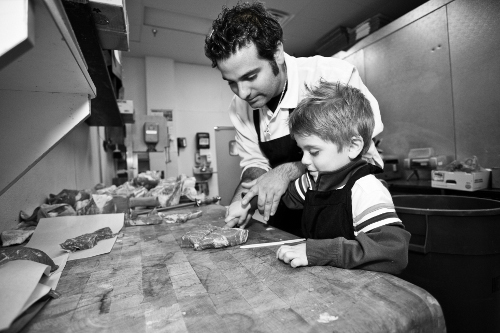
    If you eat lunch meat like bologna or salami, you might notice that it sometimes comes already sliced and sometimes not. Have you ever thought about who cuts the meat? In small shops, it might be the same person who sells the meat to you and your family. In many places, however, the job of meat cutter is a special one that requires a lot of skill and experience.

    Working as a meat cutter requires no special education other than a high school diploma. However, people in this trade need to know about mathematics to be able to weigh and measure the meat and to calculate prices. They need to be able to work with other people in the store or factory and to be skillful in dealing with customers. Depending on where they work, they might spend a lot of their time dealing with people or almost none at all.

    One of the most important aspects of being a meat cutter is to know a lot about the product. Sometimes, this might include knowing about the nutrition in a piece of sausage. At other times, this might include knowing about the different cuts of meat and how they are used. Do you know the different kind of steak or what kind of meat is best for using in soup? How long should a turkey be in the oven before it is done? These are the kinds of questions that a meat cutter might have to answer.

    Jobs for meat cutters can vary. They can work in processing plants, butcher shops, small grocery stores, large supermarkets, or anywhere else that deals with meat. Some of them might spend their days cutting up large chunks of meat in factories or feeding it into grinders to make sausages. Others might work in restaurants or small shops where they cut small amounts of meat for sandwiches.

    The special skills that meat cutters need and the working conditions depend a lot on the specific job. People working in factories or slaughterhouses might have to deal with very harsh conditions as they work with cold freezers, sharp tools, and heavy animals. However, people who work in small shops might be very busy dealing with customers but have much more comfortable working conditions. Wages vary from about $14 to about $30 per hour, depending on experience and the difficulty of the work.

    Like many other tradespeople, meat cutters have a special organization to help members. The Canadian Professional Meat Cutters Association Helps members develop their skills and to deal with any problems that they encounter. Becoming a member of an organization like this can help people find others in the same trade and can help with education and apprenticeships. If you are interested in becoming a meat cutter, you should find out about what the trade association is doing in your area.

    Do you like working with food? Maybe you should consider becoming a meat cutter.

    Bibliography:

    BC Tourism. “Meatcutter Program.” https://www.go2hr.ca/training/meatcutter-program.

    Canadian Professional Meat Cutters Association. Training & Education http://meatforce.ca/training-education/.

    Payscale.com. “Meat Cutter Salary (Canada).” http://www.payscale.com/research/CA/Job=Meat_Cutter/Hourly_Rate

    Sample Job Descriptions. “Meat Cutter Job Description.” http://www.samplejobdescriptions.org/meat-cutter.html.

  • How to Pack Healthy Lunches for School

    How to Pack Healthy Lunches for School

    Getting to school and discovering you have a ham and cheese sandwich and an apple, yet again, can get tiring after the first few weeks. Change is good; especially when it comes to what you eat. It’s easy to get bored with the same old, same old, and when this happens it can be tempting to skip lunch altogether or binge on snacks like pop, chips and chocolate bars (for some reason they never get dull). In order to relieve the dullness of another standard lunch, you may want to try packing your own to ensure it will never be boring again. Lunches should be full of variety- a few healthy items, and maybe 1 or two treats.

    In order to pack a lunch you’ll need: a reusable lunch bag, a small ice pack, a water bottle, juice container, a small round storage container (for dips and sauces), a sectional container (with 2 or 3 sections) and a square container. Reusable plastic utensils and reusable cloth sandwich bags are also a great way to be environmentally friendly and save a little money.

    Before you start looting the kitchen for ingredients, first, you can brainstorm some ideas. A good time to do this is on the weekend so you have time to shop and plan a menu before the school week starts.

    You can go online to check out ideas; watch a few cooking shows; check out Pintrest or look at some cook books to help you get ideas.

    You will want to try and balance your lunches. Try picking a variety of foods from each of the four food groups. You can take a look at the Canadian Food Guide to find out more about the food groups and the amount of servings you require based on your age. The four food groups consist of: Fruits and Vegetables, Dairy, Grains and Meat/ Alternatives. Here are a few ideas to get you started:

    • (turkey bacon)BLT Wrap with grapes, pretzel sticks and a cheese string.
    •  Chicken Cesar wrap, yogurt, celery sticks and a banana.
    •  Baked potato with sour cream, feta cheese, rice cakes and rolled up turkey slices.
    •  English muffin pizzas with ham and pineapple, chocolate milk and a fruit cup

    Of course, you don’t always have to abide by what the Canadian Food Guide tells you. Many families eat different foods and come from different backgrounds. This may consist of many different foods not listed or mentioned in the food guide. There are many different types of cold curries you can make, for example. Maybe you like noodles? Click on the following link that will lead you to a simple recipe on how to make Cold Curry Peanut Noodles: http://www.foodnetwork.com/recipes/cold-curry-peanut-noodles-recipe.html

    An awesome snack to have in your lunch may be the left over Hummus your Mom or Dad made the day before; you can pair that with some carrot sticks and, voila- you have your afternoon recess snack.

    Everyone has different body types and different types of food may not agree with you. However, it is never a bad thing to try and make something new (maybe even spark your love for cooking).

    By preparing your own lunch you not only get to have something you actually want, you’ll learn a few things too, like, proper nutrition, how to help out around the house, pride, accomplishment and responsibility. It’s also fun. So get creative and get ready to be the envy of all your friends at the lunch table.


  • Toronto Highlights: July 2015

    Toronto Highlights: July 2015

    It’s finally summer, and weather permitting, you probably can’t wait to get out and have some fun. Toronto in particular has a ton to offer this month, including festivals, sporting events, and other exciting activities.

    If you’re in Toronto this July, be sure to take advantage of some of the following opportunities. What are you waiting for?

    Pan Am Games
    July 10-26
    You’ve probably seen the advertisements on the TTC—Toronto is very proud to host the 2015 Pan Am Games. Featuring nearly 7000 athletes from across North America, South America, Latin America, and the Caribbean, races, courses, and matches are being held all over the GTA. In Toronto, you can watch sports including basketball, swimming, and gymnastics (the full schedule can be found here: http://www.toronto2015.org/schedule). Don’t forget to keep an eye out for the opening ceremonies on July 10, as well as the Parapan Am games, happening August 7-15.

    Shakespeare in High Park
    July 2 – September 6
    If you’re a theatre buff, what better way to celebrate history’s greatest playwright? Every year, two Shakespeare plays are performed by a talented theatre troupe in High Park. This July, you can attend the Roman tragedy Julius Caesar (Tuesdays, Thursdays, and Saturdays) or the entertaining Comedy of Errors (Wednesdays, Fridays, and Sundays). After enjoying the talent on stage, take a stroll through the park grounds on your way out! Plays are “pay what you can”, with a recommended donation of $20.

    Summerlicious
    July 3-26
    Toronto restaurants—especially those of high calibre—aren’t always the most affordable. Luckily, the Summerlicious food festival in July ensures that some of the city’s best cuisine is accessible and affordable for eager diners. Almost 200 restaurants are offering lunches and dinners and reduced rates, prix fixe. You can find a list of participating establishments and their mouthwatering menus on Summerlicious’s Facebook or Twitter accounts. Hungry yet?

    Beaches International Jazz Festival
    July 10-26
    This music festival is a free event for jazz enthusiasts and experts alike. The Beaches International Jazz Festival offers performances by artists, combos, and bands from around the world, in a lovely lakeshore setting. By popular demand, StreetFest is also returning from July 23-25, when performers will be found making music on street corners and rooftops on Queen East between Woodbine and Beech Avenues. Performances include exciting acts by Chris Thomas King, Kirby Sewell Band, and Bustamento. Come for the music, stay for the food—a variety of gourmet trucks will be parked nearby.

    Sources:</
    http://www.toronto.com/events/pan-am-games/
    http://www.toronto2015.org/schedule
    http://www.toronto.com/events/shakespeare-in-high-park/
    http://www.toronto.com/events/summerlicious/
    http://www1.toronto.ca/wps/portal/contentonly?vgnextoid=4cc95f5923be1410VgnVCM10000071d60f89RCRD&WT.rd_id=summerilcious
    http://www.seetorontonow.com/annual-events/beaches-international-jazz-festival/

  • Staying Healthy on a Student Budget

    Staying Healthy on a Student Budget

    As a student, you’re probably spending so much energy (and money!) on your education that you hardly have time to think about your health. However, unhealthy habits add up—whether it’s eating ramen for dinner for the fifth night in a row or the energy drinks you chug to keep you up after an all-nighter, your body will start to feel the effects soon enough. But what do you do when you’re strapped for cash from your latest textbook purchases? If you can’t afford a gym membership or buying your groceries at a health food store, the prospects of a healthy lifestyle may seem dismal to a student at first.

    Your health should be one of your top priorities, even when your schedule or your wallet may not suggest that. Besides the obvious physical benefits of a healthy routine, sticking to healthy habits will actually help you concentrate, remember information, and have the energy to keep going through those long days. Start small: there are inexpensive but effective ways you can watch out for your health as a student.

    Here are a few ways to stay healthy on a student budget:

    Pack smart. There’s room enough in your backpack for stuff besides your books. Carry a water bottle with you to stay hydrated, and pack some healthy snacks for study sessions (fruit or granola are great choices). You should also consider packing a healthy lunch if you’re spending all day on campus—that will deter you from spending your hard-earned money on those greasy food trucks parked in front of the library. (I know it is tempting…)

    Do your research. Even if you’re really strapped for cash, chances are there are opportunities for you to engage in healthy activities that you aren’t even aware you can afford. For example, are there coupons you could be using to get discounts at health food stores? Do yoga studios or gyms offer student discounts on certain days of the week? Know your options before you give up on your health just because your wallet leaves more to be desired.

    Take advantage of on-campus services. Many colleges and universities charge hefty student fees along with their tuition at the beginning of the year (which most students are less than ecstatic about). Instead of doling out your money without a second thought, take a look at the services that are offered to members of your post-secondary institution. Services like gym facilities, counseling, and clinics may be covered under your student fees.

    Compromise. Maybe you can’t afford all-organic goods or a luxury gym, but there are certainly ways to construct your own, alternate healthy patterns. Can’t find a treadmill or a personal trainer? Try running in the park instead (and download one of many exercise mobile apps available online). When it comes down to it, your health is your choice—if you really want to stay healthy, you’re going to find a way to do it that doesn’t involve breaking the bank.

  • Career Profile: Dietitian

    Career Profile: Dietitian

    Cooking a good, balanced meal can be complicated. Some types of food taste good, but they have too much fat or sugar to be healthy, or they contain something else that is bad for people. Planning a nutritious meal can be complicated even more by all of the choices that are available to people. How can anyone know what they should eat? Dietitians can help.

    Most people know the basics of nutrition and can plan a reasonably healthy meal. They know, for example, that vegetables are healthy but that ice cream is not. However, what happens when people have trouble eating or need a special diet? Dietitians can help people like that to know what they can eat without harming themselves.

    Suppose that a patient in a hospital needed to lose weight before having surgery. A dietitian could help the patient find out what and how much to eat. Dietitians often work in hospitals, clinics, nursing homes and doctors’ offices. They might also work in schools, daycare centres and other places where people need help in finding the right food to eat.

    Working as a dietician usually involves working with other people, although parts of the job are solitary. If you work in a hospital, for example, you might start by talking with the patients, their families and the doctors to learn as much as you can before starting on research.

    You need to know about allergies, food preferences and restrictions, and anything else that might affect the patients’ ability to follow the diet. Patients who dislike oranges, for example, are unlikely to stay with a diet long if it includes a lot of the fruit. In that case, the dietitian will have to find creative ways of giving patients the nutrition they need.

    Besides all of the other knowledge that dietitians need to have, they should also know a lot about how to cook. They might never actually have to prepare meals for the people they are helping, but they should have an idea of what kinds of food work together and how to use foods in unexpected ways. They might need to teach people about how to cook healthy meals, and they should know as much as possible about the best techniques for making food taste good while still keeping as much of the nutrition as possible.

    Working with so many different people and diets usually requires knowledge of foods and their benefits. Most dietitians require at least a bachelor’s degree in an area related to food systems management or dietetics. Normally, that takes about four years at a university or college. In many areas of Canada, dietitians also need official government certification to be able to work.

    Job prospects for dietitians are limited, but they are likely to improve in the next few years. Depending on where they work, dietitians might earn about $55,000 per year, but that can change with experience and other factors. If you love food and enjoy helping people, the job of dietitian might be right for you.

  • Real Jobs: Hot Dog Vendor

    Real Jobs: Hot Dog Vendor

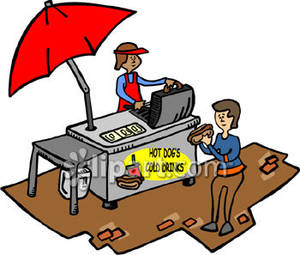
    Some jobs seem like they can’t be real – just think of being a hot dog vendor.  Everyone loves hot dogs, and it seems like a dream that you could even work with them. Work in this field can be very good for independent people who enjoy being with people and dealing with food.

    You and your family might sometimes eat food from street vendors. You go to a food cart and ask the person for a hot dog with mustard or ketchup, and then the vendor puts the food together and gives it to you. Hot dog vendors spend much of their time selling food to people on the street or in office buildings.

    The first step in becoming a hot dog vendor is to learn about how to handle the food. Wieners are easy to cook, but they have to be stored properly. Buns also have to be fresh, and the condiments (like ketchup and mustard) also require care. Before they start to work, hot dog vendors need to know about handling food safely and about cooking meat properly.

    Some hot dog vendors learn all that they need to know by working with others on the job. Others, however, might decide to take classes at a college or cooking school. A small percentage of hot dog vendors might even get a degree in a subject related to food or even something completely different. Education has little effect on a hot dog vendor’s salary, but it can help to provide background information that can be useful for the work.

    Besides learning about how to handle food, hot dog vendors need to learn about their equipment. They have to use fuel tanks, cooking utensils, and anything else that they need to run the business.

    Do you love food and being with people? Why not consider working as a hot dog vendor?

  • Everything in Moderation: The Balanced Approach to Healthy Eating

    Everything in Moderation: The Balanced Approach to Healthy Eating

    Healthy eating is important for reasons I’m sure you already know about: to keep your energy levels high and to allow your body to function at its peak. But eating well is just as important psychologically as it is physically and, from a mental health standpoint, it’s important to practice a balanced rather than an all-or-nothing approach.

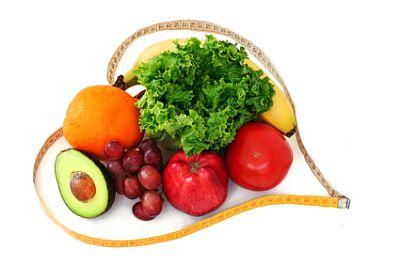
    To me, “eating well” means focusing on whole foods, minimizing processed foods and consuming lots of fruit and vegetables. “Eating well” means choosing whole grains instead of white starch, and brown rather than white rice and pastas. It means eating a healthy and balanced breakfast, eating every 4 hours or so and staying well hydrated.

    What “eating well” does not mean is dieting, or staying away from anything containing sugar. “Eating well” doesn’t mean never eating dessert, and it definitely doesn’t mean not enjoying what you eat and using food as punishment. Thinking that you need to eat a perfectly clean diet with no treats whatsoever is dangerous, and can lead to disordered eating.

    Enjoying and indulging in treats once in awhile will not make a dent in an otherwise healthy diet. Rather, it will keep you balanced psychologically, and it will result in a healthier attitude toward food. Denying yourself the piece of cake you really want does not always mean that you’re disciplined; instead, it means that you’ll probably binge on it later and “start again tomorrow.” This can result in a vicious cycle; rather, be friends with desserts. If you really want to be healthy, have a little; if you’re still thinking about it and want to have some more, have some. Don’t get trapped into believing that having dessert means you aren’t eating well.

    You can also make healthy, unprocessed treats and desserts for yourself using natural sweeteners like honey and agave nectar. There are lots of websites with ideas for delicious and chemical-free desserts that will fuel your mind and body with clean energy. Just remember that, as important as it is to provide your body with the fuel it needs to work well, it’s equally important to enjoy the food you eat in order to keep your mind calm and balanced.

  • What Are C.O.W.S.?

    What Are C.O.W.S.?

    Today’s world is filled with fast and convenient foods which fit in to our busy lifestyles. How many of you have given any thought to how the foods you eat make you feel and their affect our long-term health or appearance?

    At age15, my parents bought a convenience store and suddenly I had access to all of this junk food.

    I was in heaven for a while. Until my pants started getting tight and I felt terrible.

    I made the connection between what I ate and how I felt and looked. Small changes I made way back in high school paved the way for a healthy life.

    Together, let’s explore what today’s experts are saying we should eat to live a long and healthy life. The earlier in life we start, the better. In ‘The PH Miracle’ written by Dr. Robert O. Young and Shelley Redford Young, they talk about an acronym we should all remember COWS.

    C is for chlorophyll.

    “Vegetables are your new best friends,” especially the green ones. Chlorophyll helps the blood cells deliver oxygen, reduces the binding of carcinogens to DNA in our organs and help to neutralize dietary acids in the blood and tissues. They are nutrient dense and rich in antioxidants.

    O is for Oils.

    Know the good from the bad. Saturated fats found primarily in animal protein, partially hydrogenated oils found in processed foods are to be avoided. Good fats contain essential fatty acids. EFAs strengthen immune cells, lubricate joints, insulate the body against heat loss, provide energy, protect us from heart disease, stroke and high blood pressure. It improves asthma, PMS, allergies, skin conditions, some behavioral disorders and brain function. Good sources of oils include fish, seeds, avocados, olives and flax.

    W is for Water.

    In the earliest stages, dehydration can lead to muddled thinking, short-term memory problems, trouble with math and expressing yourself verbally, difficulty focusing on a printed page, cold hands or feet, anxiety, irritability, depression, sugar cravings and cramps too. Water neutralizes acids and literally washes them (and all toxins) out of the body via urine and sweat and the bowels. When you don’t get enough water you will feel tired and weak. About two liters of water a day is generally recommended.

    S is for Salt.

    Salt is as essential as water or air. You cannot consume too much natural, unrefined salt. Processed foods are laden with the bad salts. The salt test: mix a teaspoon of the salt you use in a glass of water and let it sit overnight. If the water is clear in the morning, it’s a natural salt. If you can see salt in the bottom of the glass it’s processed salt. Salt that does not dissolve in a glass of water will not dissolve in your body and will collect in your body organs and tissues. This can lead to heart disease, arthritis, hardening of the arteries and calcium deposits in joints.

    Following COWS is an easy first step to a healthy life.

  • Nutrition for High School Athletes

    Nutrition for High School Athletes

    Do you get up at 6 a.m. to go to hockey practice, go for a 5 KM run before school starts or swim 20 laps once the school day is complete? If so you are probably serious about athletic training.

    But did you also know that practice and training are just one aspect of excelling at your chosen sport?

    One of the most important aspects, and one of the most often over looked by young athletes, is nutrition. In order for your body to function at its maximum potential you need to ensure it’s getting all of the necessary nutrients it needs to perform.

    Think of your body as a car. Cars need certain fluids to run properly: gas, oil, transmission fluid, brake fluid, power steering fluid, coolant, and wind shield washer fluid. All of these are essential to the car’s maintenance and operation. Your body works in much the same way.

    Hydration is one of the most important things to pay attention to. Water affects physical and mental health and athletic performance. A person’s hydration level depends on the amount of water they take in versus the amount of water they put out. The body gets water from liquids, food, and water it produces itself called metabolic water. Water is lost through urination, sweating and breathing. Ensuring you don’t get dehydrated is key in maintaining performance levels.

    Jason Hadland, Bsc.Kin, CFC, PLFC, and Fitness Co-coordinator at the Canada Games Aquatic Centre in Saint John, New Brunswick says, “the rule of thumb for young athletes is to drink 20 oz. two to three hours before the activity and another 10 oz. 20 minutes before. Then drink 20- 24 oz. post exercise.”

    “Eating three meals daily and two to three snacks are recommended to keep your body properly energized. Proper eating and snacking before or after athletic events can help reduce injury and speed up recovery time,” according to Hadland. A balanced diet is one that consists of protein, carbs (aka carbohydrates), fats, vitamins and minerals. Avoiding processed foods is also a good idea, as they tend to be less nutritious and full of sugars, bad fats, salt and preservatives.

    Carbohydrates provide the body with its main source of energy. The body stores carbs in the form of glycogen and then burns this glycogen during exercise. Once the body has drained its supply you become extremely tired. Foods high in carbs are good for athletes as they help ensure your body doesn’t run out of fuel. Examples of good carbs are those found in fruits and vegetables, brown rice, wild rice, whole rye bread, 100% whole wheat pastas and bread, and whole grain cereals. “Fruits, vegetables and grains should make up three quarters of every meal. You should aim for at least 5 servings a day,” says Hadland.

    Protein is also important as it helps your body build muscle and replenishes your body’s supply of iron. Good protein is found in turkey, chicken, fish, nuts, eggs, beans and tofu. Hadland says dairy foods like milk, cheese and yogurt should be consumed 3 to 4 times a day. These foods offer protein, calcium, vitamin D and some carbs.

    When training for any sport it is important to remember a well-balanced diet is key. One of the simplest ways to ensure you are getting the appropriate amount of servings of fruits, veggies, dairy, grains and meat is to follow Canada’s Food Guide. Though if you are a competitive athlete you need to remember you need approximately 500 more calories a day then the average person.

    A link to Canada’s Food Guide can be found at: http://www.hc-sc.gc.ca/fn-an/food-guide-aliment/index-eng.php