
Tag: food

  • Learning to Cook!

    Learning to Cook!

    When you’re busy with essays, homework and final projects, sometimes you forget that there are great life skills that most schools do not teach. One of them is cooking. Whether it’s to cut down costs, to impress a date or just for your own amusement, cooking is something you’ll always be glad you learned.

    It’s easy to start – just pick a simple meal that you like. It can be anything: soup, spaghetti, mashed potatoes, eggs… You already know how to make a sandwich, but grilling some of the ingredients can make it extra tasty and once you know how to do it, it won’t take very long. If you’re feeling ambitious, pick your favourite meal and see if you can make it. Ask people for help. Someone in your family will probably love to give you a few tips and walk you through some recipes. If not, pick up a cookbook or find a recipe on the internet. It can be hard at first, but it can also be a lot of fun if you’re willing to learn.

    Whether you’re moving out for college this fall or you’ll be at home for another few years, now is a great time to start cooking. When you get to college, it’s expensive to eat out even if it’s just one meal a day. You can stay home and make Kraft Dinner all the time, but that gets old pretty fast. You’ll save so much money and feel a lot better if you learn to make things yourself. Once you know how to make a few meals, you’ll start to pick up some general techniques and you can start to substitute things and add the spices that you like. Before too long, you’ll start to have your own cooking style and specialties.

    If your cooking style involves more than peanut butter sandwiches, it will be a really great tool for impressing people. If you start dating someone who comes over to your house, think how stunned they’ll be with a casserole or a homemade soup or whatever else you want to make. And it doesn’t just work for dates! Every time you have a party, you can buy a bag of tortilla chips and some canned salsa or you can make your own salsa and guacamole. There’s nothing wrong with canned salsa, but it’s a great feeling to have people eating and complimenting something you’ve prepared yourself.

    The best reason of all to learn to cook is that it can be a lot of fun! You might set off the fire alarm once or twice and that’s always stressful, but it will be worth it. It’s easier to get going now when you have the time to learn than to get thrown into an apartment one day with a pan and no idea what to do with it. So just start making something you like. Offer to barbeque for your family or work on perfecting a batch of cookies. Once you start to cook, you can only get better!

  • Money Management

    Money Management

    Times are rough and life will throw you costly curve balls. You need to know how to manage your money and maximize your saving skills so you are ready for any financial emergencies you may have to face.

    If you’re receiving any kind of financial help, you may be thinking, “I don’t really need to worry, I have help if something were to happen”. The truth is these options may not always be there. Learning how to fend for yourself will make costly times a lot easier to handle and give you a rewarding sense of independence. So let’s get to it by prioritizing where your money goes:

    Housing and Rent
    Food
    Transportation
    Credit and Banking
    Utilities and Telephone
    Health Care
    Pets
    Recreation

    Housing and rent. If you’re working, a good way to budget yourself would be to split your paycheques up to make sure you’ll have your rent ready for the end of the month. If you get paid bi-weekly, every two weeks split your rent into two and save that amount from each pay. So if your rent is $500, save $250 per pay. This is a safe way of ensuring you are saving for rent and can also budget for other things during the month.

    Transportation. Take advantage of bus tickets and bus passes depending on the amount of traveling you do and try to be productive in your travels. If you drive, that applies to you too. Make a plan before you leave and go from point A to point B strategically to save gas. If you’re one of those good people who are always giving lifts to your friends, it’s okay to ask your friends to pitch in a bit of gas money from time to time. Give them the opportunity to be a good friend, too.

    Credit and banking. Bank fees aren’t too bad these days (especially if you are a student) – it’s your credit card you have to be frugal with. Having a credit card at such a young age is one of my biggest regrets. Ince you have got yourself into credit card debt, its really hard to get out. We are living in a material world and it is very tempting to go shopping and buy things we really don’t need and could very well live without. Try your best to be smart in these times. Credit cards are for emergencies only – you don’t want to have to use them unless you really need to.

    Health care. In Canada we are lucky that most things are covered by our government health plan. But some things may not be, such as dental appointments. Many post-secondary institutions offer health plans with your tuition to help cover these types of costs. If you are under a certain age, you may still be covered by the health plan your mom or dad has through their employer. Be sure to check into both of these options.

    Utilities and telephone. Be energy smart: if you don’t need a light on, turn it off. If you don’t need the water coming from the tap, turn it off. I admit I used to leave the water running while I brushed my teeth for three minutes. Once I stopped doing it, I saw a huge difference in my utility bill just from not running my water senselessly for six minutes a day. As for your cell phone, there are plenty of good plans out there – but also plenty of rubbish ones. Make sure whatever plan you’re choosing is really working for you and that you’re not paying any more than the amount you agreed to. If you are, it is time to change your plan or service provider.

    Pets. Dogs and cats are adorable, I know. We all see them and instantly want them. But if you’re in school and working, you usually don’t have time for them. They are costly and require their own food, medical attention, and grooming. Make sure you’re making the right decision for you AND your furry loved ones.

    I hope this has given you a bit of an eye-opening incentive to be smart with your spending so you can live a less stressful life and be ready for any sudden expenses that might come your way. Happy saving!

  • Good Foods to Fight Depression

    Good Foods to Fight Depression

    There is far more to our diet than just calories and carbohydrate counting. In fact, there are many people who would say diet can help solve a lot of personal problems we struggle with. Depression is one of the main medical problems that our diet can help with.

    What is depression? Some medical professionals say it is caused by an imbalance of a neurotransmitter inside the brain called serotonin. The idea behind this theory is that if you have enough serotonin to flood your brain all will be well.

    The main problem with this is that there is not enough science to back it up. Doctors may push drug therapy, but essentially they are pushing a theory only. There have been studies which have shown dramatically increasing the serotonin levels in the brain actually failed to relieve depression! The very opposite of what the professionals claim. There is certainly a discrepancy between the science and the prescription of choice. Perhaps the money behind the drugs is a powerful motivator.

    Taking more of a radical (or perhaps traditional) approach to our health, specifically depression, often works better than modern medicine. If we were to pay attention to the vitamin and mineral deficiencies that plague most North American diets and then remedy them with the appropriate food, the rampant symptoms of depression would likely decline. How many of us are guilty of consuming empty carbs, excessive caffeine and far too much sugar?

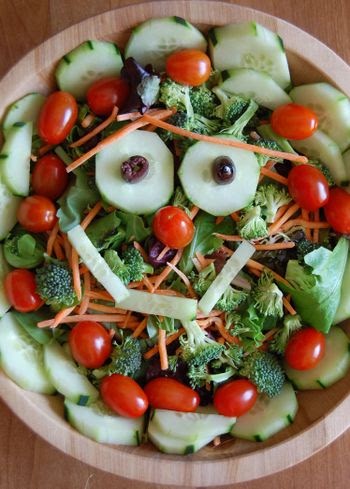
    What kinds of food actually help beat down depression? For starters, most whole grains – such as brown rice, pasta and breads. The white variety just doesn’t cut it. The reason is that there are B6 & B1 vitamins and folic acid in whole grains and oats. Quinoa and spelt are two other grain varieties that offer brain-boosting nutrients. Cabbage is an excellent choice to help fight stress and infection – and even heart disease. There are lots of ways to get cabbage into your diet if you get creative. Other foods that boost serotonin and help fight depression are sweet potatoes, dark chocolate, flax seeds and turkey.

    It is not a matter of giving up the foods we love that are not good for us. That likely is not a real possibility. It’s all about making small changes, adding bits here and there and ultimately being intentional about our health.