Tag: science

  • The Most Dangerous Places On Earth

    The Most Dangerous Places On Earth

    Extreme heat and extreme cold can kill within hours if not minutes. In extreme cold, the human body without clothing does not maintain a high enough temperature to live. If you were to be naked at freezing point of zero degrees, it would take you only twenty minutes to die. Our bodies are simply not strong enough to work as hard as it would need to to keep us warm enough to survive.

    One thing we need even more than warmth is oxygen. Mount Everest’s summit, for example, has incredibly thin air. To survive the trip to the top, a climber would have to move slowly over a period of several months for their body to adjust to the change in oxygen. If somehow we were able to teleport to the top of Mount Everest, we would only be able to survive for about 2-3 minutes because there simply isn’t enough oxygen!

    Death would come even quicker if you were at the bottom of the Mariana Trench. You would be submerged under 7 miles of water – that’s about 11 kilometers! At pressures of 15,000 pounds per square inch, your lungs would collapse immediately and you would fall unconscious in under 20 seconds; you would be dead in under 90 seconds.

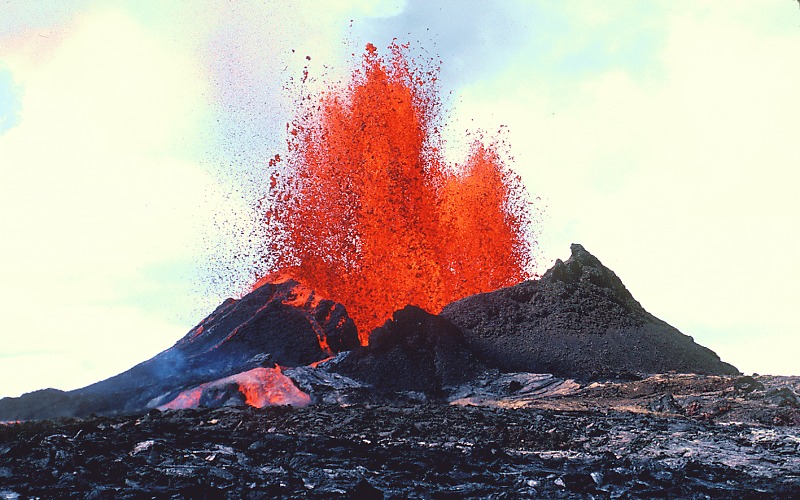
    Swan diving into a molten lake of lava would be something else. I bet you think your body would burn up in seconds and become ash or burn to nothing at all. Well, actually, It would be a lot like fireworks! Technically lava is liquid rock, burning four times hotter than your oven at home could ever get. Our bodies are comprised of mostly of water, which, when exposed to that kind of heat, turns to steam – explosively!

    If we were to measure danger by fatalities caused rather than how rapidly we would die in the world’s most extreme temperatures, we would have to consider something as microscopic as the flu. In 1918, influenza killed nearly one hundred million people. At the time, this would account for 3% of the world’s entire population. Between 1347 and 1353, a third of all people in Europe died because of the bubonic plague, also known as black death. Though it was at its most lethal all those years ago, it is still around. In fact, five to fifteen people get the plague in America every year. Even with those stats, influenza and the plague have nothing on plasmodium – it’s a micro-organism that can get into our blood because of mosquito bites and causes malaria. Researchers such as Nobel Laureate Baruch Blumberg have determined that, of all the humans who have ever existed, it is likely that half died from malaria. So, statistically speaking, any place where one could be bitten by a mosquito and contract malaria would be called the most dangerous place on Earth!

  • Researching the Effects of Climate Change on the Polar Bears of Southern Hudson Bay

    Researching the Effects of Climate Change on the Polar Bears of Southern Hudson Bay

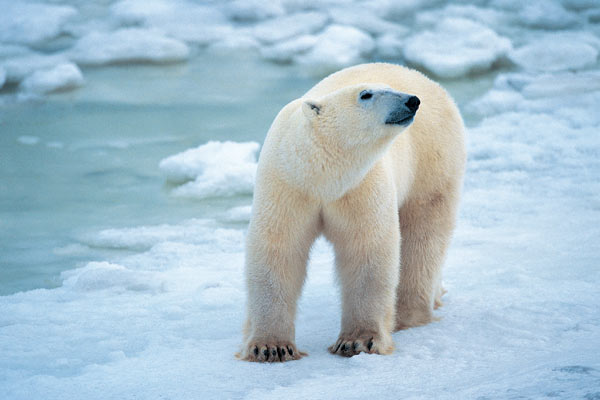
    As I sit comfortably in my warm office in Toronto writing this post, the polar bears of the Southern Hudson Bay subpopulation are out on the frigid sea ice in the middle of Hudson Bay and James Bay looking for seals. Food is relatively plentiful for polar bears this time of year, and with so many adaptations that allow them to live in this Arctic marine habitat, these winter conditions suit the bears just fine. Mother polar bears of this subpopulation are warm in their dens along the northern coast of Ontario, having just given birth to their cubs. After a few months of nursing the tiny dependent newborns, these family groups will leave their dens to head out on the ice where the mother polar bears will catch as many seals as they can to feed their young families before the ice breaks up in the summer. All of the Southern Hudson Bay polar bears are then forced to retreat to the northern Ontario coastline or islands of James Bay to fast and await the return of the ice next winter. Because the life history of the polar bear is so intrinsically tied to the sea ice, the recent weakening of the Hudson Bay annual sea ice through the effects of climate change will have dire consequences for this population of polar bears that lives at the southern extent of the species range.

    This year represents the first of a three year project through a partnership between York University and the Ontario Ministry of Natural Resources to study the effects of a changing climate on the feeding habits of the Southern Hudson Bay polar bears. We completed our first field season this past fall, handling polar bears along the shore of Akimiski Island and the western shore of James Bay. We had a very successful field season, deploying ten GPS collars on adult female polar bears and collecting important biological samples and morphometric information from a total of 36 bears. My PhD supervisors Dr. Gregory Thiemann and Dr. Martyn Obbard are experienced polar bear biologists, but this was my first time getting hands on experience studying polar bears. It was an amazing experience getting to appreciate the sheer size and power of these animals up close. The bears we handled ranged from young subadults spending their first fall apart from their mothers, to large, stoic adult males tipping the scales at over 1,200 pounds! We certainly encountered a wide range of bears, including pregnant females in excellent body condition who were preparing to enter dens later in the season, as well as mothers with dependent cubs who were quite thin from the added stress of feeding their young.

    The range in individual polar bear size and condition is really quite striking, and ties in closely with our research which will compare the feeding habits of different classes of polar bears based on age, gender, and body condition. By determining the food habits of individual polar bears and linking this information with movement patterns of bears equipped with GPS collars, we will increase our knowledge on the specific types of sea ice habitat polar bears exploit. By combining this information with future predictions of sea ice extent and prey availability in Hudson Bay, we will contribute to ensuring that informed and proper conservation measures are taken in the future. Through the support of the Canadian Wildlife Federation Endangered Species Fund, this important research will help in predicting the future of polar bears in this region, as the challenges currently faced by the bears by an extended ice-free season are forecasted to intensify in the coming decades.

  • Science Isn’t Just For Scientists

    Science Isn’t Just For Scientists

    A 14-year-old boy in Donetsk, Ukraine, recently made a fascinating discovery halfway around the world and 894 metres under the sea. Kirill Dudko was watching Neptune Canada’s live-stream footage of the ocean floor near Vancouver Island on his computer when he saw a creature with a “nose and moustache” eat a hagfish. It seemed unusual, so he contacted Neptune scientists, who checked the footage and identified an elephant seal.

    It was unusual. Predators normally spit out the eel-like hagfish or avoid them altogether because they excrete foul slime when threatened. Scientists had never before seen an elephant seal eat one, and may not have noticed this evidence had it not been for Kirill. They believe the seal quickly slurped up the hagfish before it could release its slime.

    Like many “citizen scientists”, Kirill played an important role in advancing our understanding of the world. It takes a lot of study and training to become a scientist, but with some knowledge of scientific method, anyone can practise science.

    Citizen science is not a new concept. The Audubon Society started its Christmas bird count in 1900. As the Society explains, from December 14 to January 5, tens of thousands of volunteers throughout the Americas grab their binoculars, bird guides and checklists and head outside. “Each of the citizen scientists who annually braves snow, wind, or rain to take part in the Christmas Bird Count makes an enormous contribution to conservation. Audubon and other organizations use data collected in this longest-running wildlife census to assess the health of bird populations — and to help guide conservation action.”

    Thanks to the Internet, citizen science is a more powerful tool than ever before. Some projects are passive, such as Seti@home, where people set their home computers to search for signs of extraterrestrial life when they aren’t using them. Others take a bit more effort. The Louisiana Bucket Brigade provides tool kits and training for people who live near oil refineries and chemical plants to take air samples for lab analysis.

    Some, like the American Gut project, are highly interactive, requiring participants to provide detailed information about their diet and send in stool, oral or skin samples. In return for that and varying levels of monetary donations, researchers give participants information about their bodies and the microbial life inside them. The research is designed to “help shape a new way of understanding how diet and lifestyle may contribute to human health through each person’s suite of trillions of tiny microbes.”

    Some initiatives require only simple observation. In a recent column, we mentioned RinkWatch, which asks people to send information about outdoor skating rinks to researchers at Ontario’s Wilfrid Laurier University to help track the impacts of climate change. The David Suzuki Foundation has also invited assistance from citizen scientists, most recently asking Canadians to participate in a survey about toxic ingredients in common personal care products like soaps, shampoos and cosmetics.

    On its website, Scientific American describes a range of citizen science projects designed to do everything from tracking animals in Africa’s Serengeti to analyzing historical patterns in human DNA to studying the ways people play with their dogs.

    Beyond providing valuable research, citizen science is a fun way for people to engage with nature and learn about the world and their place in it. Participating in the bird count, for example, is a good way for individuals and families to enjoy time outside in winter. Citizens can also enjoy the results of the research. Do you want to know what an indigo-banded kingfisher or a forest elephant sounds like? Cornell University’s Macaulay Library is “the world’s largest and oldest scientific archive of biodiversity audio and video.” Thanks to contributors worldwide, site visitors can hear sounds made by three quarters of the Earth’s birds, as well as a large number of insects, mammals, fish and amphibians. And anyone can add to the collection.

    Some citizen scientists get involved for fun. Others have a general interest in science or a particular research area. Kirill Dudko plans to become a marine biologist. Regardless of their reasons or level of involvement, all citizen scientists help us gain a better understanding of the world and our place in it.

  • Geothermal Heat and the Sewers of Paris

    Geothermal Heat and the Sewers of Paris

    Winter is here, together with ice, snow, and cold weather. Many people have already started using furnaces fueled by oil, natural gas, coal or other forms of energy to keep their homes, offices and schools warm. These types of energy usually work well. However, they also pollute the environment and no one really knows how long supplies will last. In recent years, many scientists and inventors have been working on alternative energy sources, such as solar or wind power. In Paris, heat from sewers is part of the government’s plan for keeping the city’s buildings warm. This new kind of geothermal heat might eventually help other cities use their resources more efficiently.

    Sometimes people need to be very creative to find a solution for the world’s energy needs. An alternative fuel source that people have been developing is geothermal energy, which uses natural heat from inside the earth to provide power for running machines or keeping buildings warm. The center (core) of the earth is very hot, and the layers above the core are also warm.

    Usually, using the earth’s warmth involves digging holes deep into the ground to find the heat. People have found that the earth’s temperature increases by about 30˚C for each kilometre. Using this kind of heat helped keep the athletes at the 2010 Vancouver Olympics warm, and Iceland has heated its buildings with the energy from its many hot springs and geysers for years. The idea of using sewer water, however, is new.

    The city of Paris is famous for its sewers. Almost 2400 kilometers of tunnels run under the city, carrying waste water from sinks, dishwashers, bathtubs or showers. Much of this water is still warm, with an average temperature of about 20˚C. The sewer heating system uses steel plates containing a heat-transferring liquid, which sits in the water and warms up. The plate is connected to a pump which sends the heat throughout the building. This new heating system can even use the pipes that are already in the building. A school was the first building to receive the new heating system, with the president’s palace, a swimming pool and a town hall next in line. About 10% of the city’s heat is already generated through this system.

    Geothermal heat is much cleaner than traditional fuels like oil and gas, but it also creates some problems. Digging into the ground can release gases like hydrogen sulfide, which pollute the air, and it can also produce deadly liquids in the process of producing heat. Using sewer water is different. With the Paris project, the main problem is in keeping the smell from the sewers from coming into the buildings, but the inventors believe that they’ve solved that problem by creating a tightly sealed system that lets heat through, but nothing else.

    If heat generated from sewers continues to work as well as it has so far, it might help the people of Paris and other cities around the world to create cleaner, more sustainable energy for the future.

  • Could Hockey Become an Endangered Sport?

    Could Hockey Become an Endangered Sport?

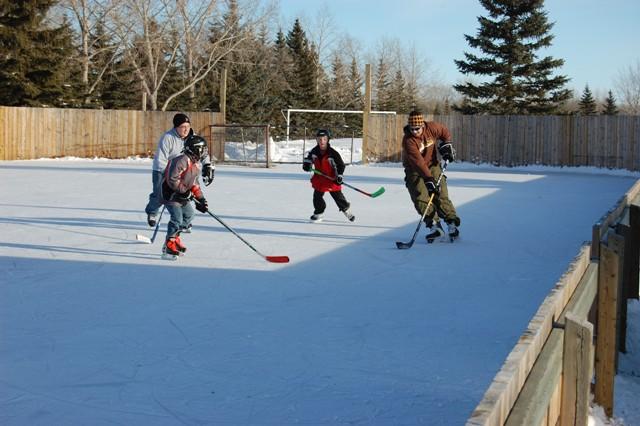
    One benefit of the National Hockey League strike: it gave people time to play outside on real ice! But outdoor skating could face the same difficulties as the NHL – a drastically shorter season or outright cancellation. Research from Montreal’s McGill and Concordia universities shows global warming is already having an effect on outdoor rinks in Canada.

    “Many locations across the country have seen significant decreases in the length of the OSS [outdoor skating season], as measured by the number of cold winter days conducive to the creation of rink ice,” their study states. “This is particularly true across the Prairies, and in Southwest Canada, which showed the largest (and most statistically significant) decreases in the calculated OSS length between 1951 and 2005.”

    This echoes a 2009 David Suzuki Foundation report, On Thin Ice: Winter Sports and Climate Change. The McGill investigation looks at constructed outdoor rinks while DSF’s focuses on frozen rivers, canals and lakes, but the conclusions are similar. Both predict that, unless we rein in greenhouse gas emissions, outdoor skating in parts of Canada could be history within the next 50 to 100 years (the McGill study’s authors now say it could happen within 20 to 30 years), and the length of the outdoor skating season will continue to decline across the country.

    Meanwhile, at Ontario’s Wilfrid Laurier University, geographers have launched www.RinkWatch.org, a website where people can record information about backyard or neighbourhood rink conditions over the winter.

    “Our hope is that Canadians from coast to coast will help us track changes in skating conditions, not just this year, but for many years to come,” associate professor Robert McLeman said in a release. “This data will help us determine the impact of climate change on winter in terms of length of season and average temperatures.”

    According to the DSF report, one of Canada’s best-loved outdoor skating venues, Ottawa’s Rideau Canal, provides an example of what to expect. It concludes that, with current emissions trends, the canal’s skating season could shrink from the previous average of nine weeks to 6.5 weeks by 2020, less than six weeks by 2050 and just one week by the end of the century. In fact, two winters ago, the season lasted 7.5 weeks, and last year it was down to four. The canal had yet to fully open for skating when this column was written.

    “On Thin Ice” notes that many of Canada’s hockey heroes got their start on outdoor rinks. “Without pond hockey, we probably wouldn’t have what has become the modern game of hockey,” the authors state. The DSF study says climate change could have a profound effect on many other winter sports, from skiing and snowboarding to winter mountaineering.

    With food and water problems caused by more frequent droughts and floods, property losses and high infrastructure costs from rising sea levels, and increasing illness and death from extreme weather and pollution, hockey may be the least of our worries. But losing winter recreation opportunities, let alone our ability to produce food and keep our homes warm and people healthy, needn’t happen. Solutions to our human-created problems exist. We just need our leaders to start taking this and other environmental issues seriously.

    That’s not likely as long as we keep electing people who show more concern for the future of the fossil fuel industry than the citizens they are supposed to represent. Politicians who only look ahead three or four years — until the next election — aren’t seeing the big picture.

    We need to consider every solution possible, now — from putting a price on emissions through carbon taxes and/or cap-and-trade to stopping the rapid exploitation of fossil fuels and switching to cleaner energy sources.

    A skate or hockey game outside is a good place to start!

  • The World’s Newest Snake

    The World’s Newest Snake

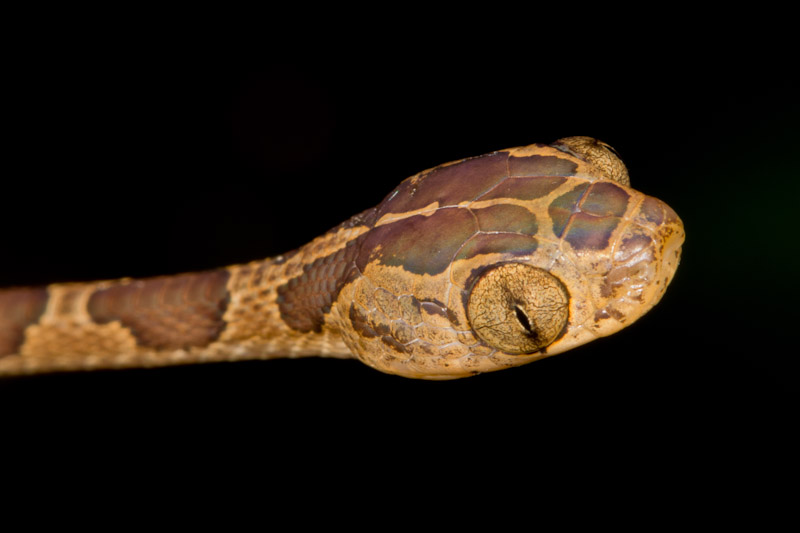
    Suppose that you saw a long, thin brown rope hanging from a tree and that the rope suddenly started to move. What would you think it was? If you were in the Chocoan forests in the South American country of Ecuador, you might realize that what looked like a rope was really the blunt-headed vine snake, which has only recently been discovered. For scientists and other snake enthusiasts, the discovery is exciting and will likely prompt years of exploration and study.

    Blunt-headed vine snakes are the seventh known species in a group called Imantodes chocoensis. These snakes live mainly in Mexico and in Central and South America. Blunt-headed vine snakes are long, thin, and normally brown or cream-coloured. They hunt for frogs, lizards, and other small animals at night, hanging from the trees where they live and grabbing animals that pass by the tree. Although they have some poison in their fangs, they are unlikely to do much harm to people with their venom.

    The most unusual thing about blunt-headed vine snakes is their appearance. They have long, thin bodies with thin necks which then bulge out to a large head. Sometimes, the head can even be about eight centimetres wide, making it seem very large on such a long, thin body. They have large, bulging eyes which take up more than 25% of their heads. Their stomachs and other internal organs are near the ends of their bodies, close to the tail. Their closest relatives live on the other side of the Andes Mountains in South America.

    Although most people have probably never heard of the blunt-headed vine snake, some scientists have known about it for a few years. The snake’s discovery came in April 2007, when a group of zoologists (people who study animals) led by a scientist, Omar Torres-Carvajal from the zoological museum, first found it. After looking closely at it and comparing it with other snakes, they realized that it was a species that no one had identified before. Now they will try to find out how to preserve the snake’s home and to keep it from disappearing.

    Finding an unknown snake in Ecuador was an exciting discovery, but possibly not entirely unexpected. Ecuador is known for its many types of animals and the many species that live there. The Amazon River region is home to many different species of plants and animals. The place where researchers found the snake is part of a region called Tumbes-Chocó-Magdalena, which has an area of 274,597 square kilometres. With so much space, there could be many more animals in the area that scientists have not yet discovered.

    For some zoologists, it might seem as if all of the world’s species of animals are already known and that there is nothing new to learn. However, the discovery of the blunt-headed vine snake in northwestern Ecuador could give people new enthusiasm to explore the world’s animals. They could also find new ways to keep the snakes safe from threats and to help them to thrive.

  • The Human Cognition Project

    The Human Cognition Project

    Every day, you use your brain in many different ways. You use it to learn new material at school, to talk with your friends, and even to blink your eyes. Right now you’re using it to read and understand the words of this article. Scientists know that the brain controls the rest of the body, but there are still many mysteries about exactly how it works. How do people really think? Why do their brain functions change as they get older? Researchers working with the Human Cognition Project hope to find answers to questions of human thought.

    The word “cognition” usually refers to the process of thought, including how people get information and what they do with it. Cognition can be conscious, like when you talk with your friends and think about the words everyone is saying. It can also be unconscious, like when you quickly pull your hand away from a hot stove.

    People’s ability to think and process information changes throughout their lives. Young children have to learn the connection between touching hot stoves and burning their fingers, but most people can make connections like these without consciously thinking about them. They learn how to behave in different social situations and begin to develop their own ideas about the world and how it works.

    Cognition changes throughout people’s lives. Accidents, illnesses, stress, or getting older can often affect the brain. Everyone has occasional memory lapses and problems with understanding difficult ideas, but some people have more troubles than others. Some cognition problems are minor and cause few lasting troubles, such as when you forget to do your homework and have to hand it in late. Other problems can be much more serious, such as when people forget their own names and addresses. They could become lost or get into all kinds of other trouble.

    The purpose of the Human Cognition Project is to find out more about what happens when the brain is not working as well as it could. Seven projects are part of the research, covering topics like the connection between what people see and what they remember. Another topic is how this connection relates to witnesses of crimes. Helping people to remember events more accurately could be an important result of the work in this area.

    How people’s brains change as they age is another important part of the Human Cognition Project. When people get older, they often lose their memories or develop other problems with thinking clearly. These problems are often called dementia, and they are an important part of the Human Cognition Project. If scientists could understand exactly why the brain loses so many of its abilities as it ages, they might be able to find a cure for the mental troubles of old age.

    Will all of this study of cognition help people with problems like memory loss or other loss of brain function? It might not provide a cure, but it can at least provide a basis for future research into the human brain.

  • The Collapse of the Great Barrier Reef

    The Collapse of the Great Barrier Reef

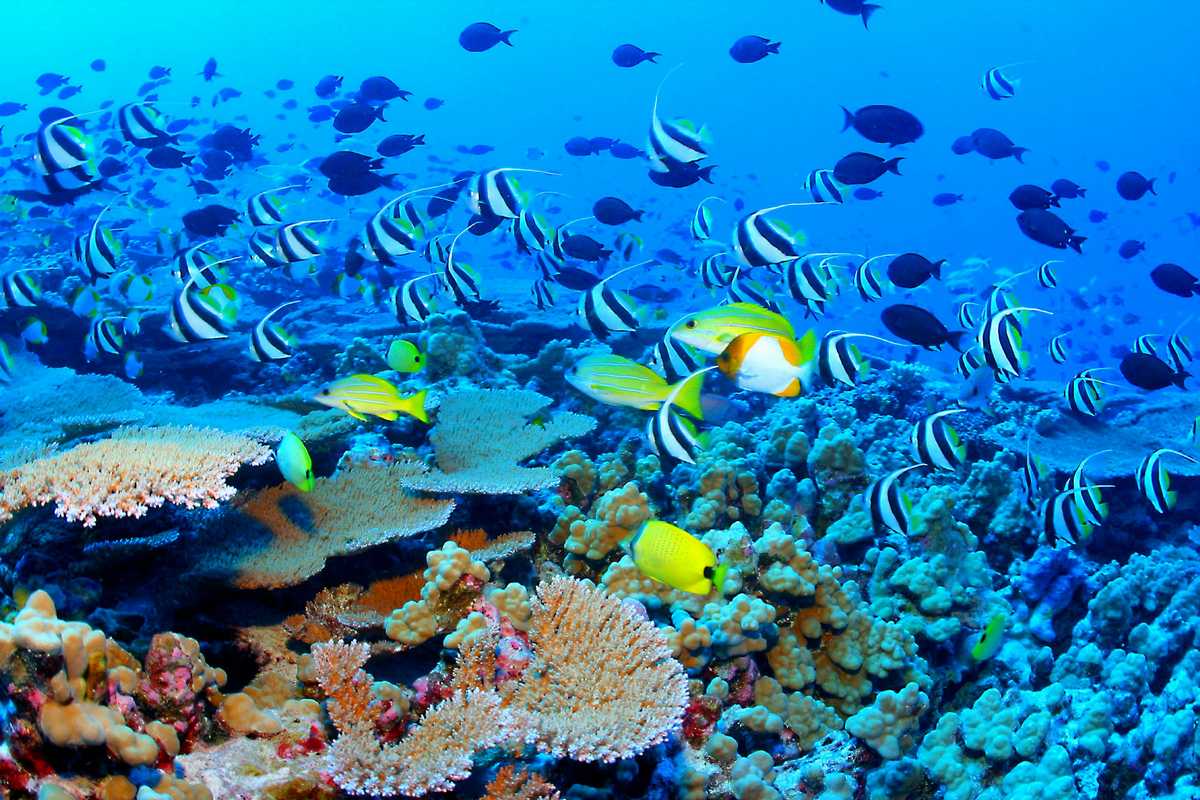
    Imagine what it would be like to look down into the ocean and see brilliantly-coloured fish darting in and out of the world’s largest area of coral. Do you know where that is? If you thought of the Great Barrier Reef off the coast of Australia, you were right. For many years, the Great Barrier Reef has been known as the biggest and best coral reef in the world, but that might not be the case for much longer. The Great Barrier Reef is collapsing, and unless something changes it might soon be gone.

    The Great Barrier Reef is a huge coral reef covering 348,000 square kilometres off the coast of Australia. Some parts are 2000 metres deep, while others are fairly shallow. Like other coral reefs, the Great Barrier Reef is actually made up of a lot of different types of plants and animals. Corals look like small trees with branches sticking out in all directions, but they’re not. The brightly-coloured tree-like shapes are the skeletons of animals, but instead of being on the inside of the body, like for people, they’re on the outside. Altogether, the Great Barrier Reef has four hundred types of coral and 1500 types of fish, as well as many other animals.

    All of that amazing life is in danger. Scientists believe that about half of the corals on the Great Barrier have died in recent years, probably because of human activity. Coral reefs have always lived on cycles. Storms or diseases would kill some of the plants and animals, but then they would recover. Recently, the recovery process has been very slow or has even stopped entirely in some areas. The long-term loss of the corals has happened mainly since people started clearing trees off the land in the late 1800’s to make room for farming and raising animals.

    Because of these activities, mud, fertilizers and other toxic substances started to wash into the lagoons and then out to the reefs. Slowly the plants and animals on the reefs started to die. Pollution from boats and other sources might also have been part of the problem.

    Why does it matter if the Great Barrier Reef disappears? The loss could mean the disappearance of some species of animals, such as the marine turtle. Six of the world’s seven species of marine turtles live in the Great Barrier Reef. The loss of the turtles might then affect another type of animal, which would then change another type, and the problem could eventually affect the food that people eat. Scientists are unsure of exactly how coral reefs affect life on land and in water, but they know that the reefs are important.

    Almost every area of the world is facing pollution problems because of human activity. Oceans, rivers, and land are dying because of chemicals and garbage that people throw away. However, you can help. Keeping your own home and school clean and trying not to pollute the environment might prevent disasters like the collapse of the Great Barrier Reef.

    If the plight of the environment and the Great Barrier Reef interests you, why not consider a career as an Environmental Scientist? An Environmental Scientist applies their knowledge of the natural world to help preserve and protect nature.

  • Cardboard Bicycles: Would YOU Ride One?

    Cardboard Bicycles: Would YOU Ride One?

    Every morning, people around the world get up and take their usual transportation to work or school. But what is their usual transportation? In North America it might be the car, but it’s a different story in many other parts of the world. In most countries, the most common form of transportation is the bicycle. According to National Geographic, people around the planet own 800 million bicycles – which is twice as many as the number of cars. New technology in the bicycle world can affect the lives of millions of people worldwide, just as it did almost two hundred years ago.

    People have dreamed of riding on wheels for centuries. In the 1400’s, the inventor Leonardo da Vinci developed the idea of a machine like our modern bicycles but never made one. In 1840, an inventor from Scotland rode more than sixty kilometres on a two-wheeled machine operated by a foot-powered treadle. Twenty years later, a French inventor developed the idea to include cranks and rotating pedals, much like modern bicycles. In 1860, people first started to use the term “bicycle” for the new machine.

    Air-filled (pneumatic) tires were the next development in the bicycle’s story. Next, people developed different bicycles for all kinds of uses: sleek and lightweight racing bikes, heavy but sturdy all-terrain bikes and much more. The basic structure is the same, however: a metal frame with air-filled rubber tires which help to cushion the rider against bumps in the road. These bikes can be expensive to buy and they need frequent maintenance (especially for punctured tires), but who would think of making them any other way?

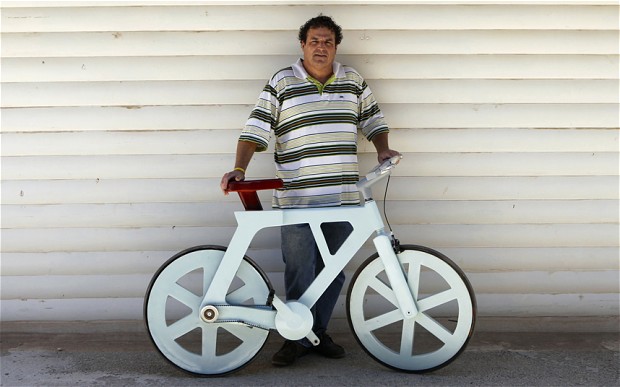
    An Israeli inventor named Izhar Gafni hopes to solve the some of the traditional bicycle’s problems with his new invention: cardboard bicycles with solid rubber tires. The tires, made from recycled rubber car tires, can’t get punctured because they have no air in them. Almost all of the rest of the bicycle is made from recycled cardboard, with a car’s timing belt instead of a chain. The outside of the bicycle is covered with a special coating to make it waterproof and fireproof and is then painted. Each bicycle weighs about nine kilograms instead of the usual fourteen kilograms for metal bicycles.

    The low-cost of the new bicycles could make a huge difference in places like Africa, where people might not be able to afford a traditional bike. Even if the bicycles last only a few years, they could give people the transportation they need to go to school, go to their jobs and maybe even get out of poverty. When these bicycles come into stores, they will likely cost about $20 instead of the hundreds or even thousands of dollars a metal bike can cost.

    If Izhar Gafni’s invention works, it could affect much more than just bicycles. Airplanes or cars made out of cardboard would be much lighter than metal ones and use less fuel, making travel cheaper. It could change the world’s transportation systems forever.

  • Online Learning: The Best Sites On The Web!

    Online Learning: The Best Sites On The Web!

    Finding information on any given subject is as easy as clicking a button on a search engine. Gone is the need for rows of encyclopedia’s, dictionaries and tangible books. Everything is available online at your discretion. Wading through the options, however, can take the shine off of the ease of accessibility. If you are looking for something specific, you still need to wade through your choices until you find a reliable source. This is not as easy as it sounds. Wikipedia, the wonderful, epic, online encyclopedia, is not considered a trustworthy website as it is user-generated. Literally any one can add and edit information at their discretion.

    Yet the World Wide Web is an amazing resource of quality material, knowledge from experts and an educational smorgasbord at your fingertips. It is argued that a quality education should not cost as much as some private universities are charging and that influential change makers are creating ways to offer learning opportunities through the internet that are solid and authentic. So how can you navigate your way through the dead ends, cobwebs and arm chair educators to find what you need? With a little research and a lot of time you can hunt out the best, but I have compiled a list of quality geography, history and science sites to get you on your way.

    Seterra is a geography program that offers a free download for a multiple level map game. Players choose their continent and go from there with either a wide focus, such as labeling the countries, or a more narrow one, such as finding the capital cities. The great thing about Seterra is the fun factor. It is easy to become addicted to improving your score and to forget that you are learning!
    www.seterra.net

    National Geographic is a trusted name and the organization has done a fabulous job of utilizing the internet to engage students of all ages with a variety of learning strategies that often come under the guise of games and videos.
    www.nationalgeographic.com
    http://kids.nationalgeographic.com/kids/

    The History Place is a gift to those who appreciate the past and love to dig deeper. It is a website filled with detailed information and pictures. The site has also won numerous awards.
    www.historyplace.com

    Ted Talks is an amazing website with hundreds of video presentations about ideas worth spreading by innovative change makers from around the world. You can find just about anything worth knowing about on this website.
    www.tedtalks.com

    Khan Academy is a free world class education that changed the way people learned online. It recently got a grant of money which has resulted in a lot more lessons and a lot more exposure.
    www.khanacademy.org

    BBC history section is an incredible source of material, both compelling and richly informative. Anyone who visits this website leaves with a better understanding of the world we live in.
    http://www.bbc.co.uk/history/0/