Author: Kimberly Moreau

  • Women in Skilled Trades (French version available)

    Women in Skilled Trades (French version available)

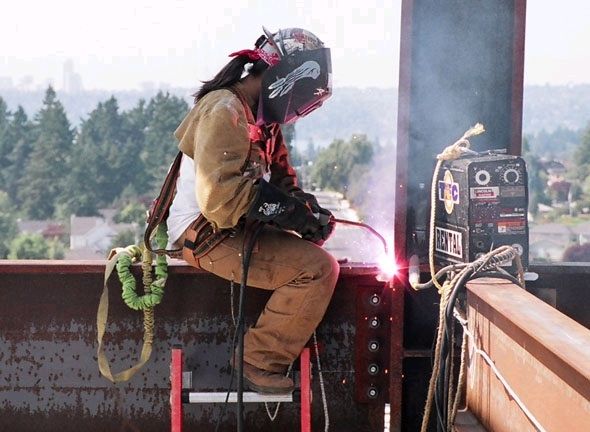
    You’re a girl that knows what she wants.

    Rolling up your sleeves for a demanding, rewarding, and well-paying career that combines both your hands-on and creative interests; that’s the future you want. And now is the perfect time to go get it!

    Currently, the Canadian government is working to address a skills mismatch, which has many workers undertrained or unprepared for the current economy’s workforce.

    There is a worsening shortage of tradespeople in Canada. For women interested in pursuing a career in the skilled trades, this means that now is the perfect time to start the path to career success in this high-demand industry.

    While some may be nervous to start a career in the skilled trades, which has been and is predominantly male, there are a number of support programs and aids available to assist women as they train for a career in the trades.

    The government of Ontario offers a Women in Skilled Trades and Information Technology Training program, which provides unemployed and underemployed women in communities with a high demand for skilled trades and IT professionals funding and training both in-class and on-the-job.

    Additionally, there are other organizations and support programs throughout the province, country, and world dedicated to women interested in the trades. For example, Women in Nuclear (WIN) offers mentorship, networking and professional development opportunities for women interested in nuclear energy.

    Similarly, the Canadian Association of Women in Construction provides support for women interested in pursuing a successful career in the construction industry.

    There are plenty of other programs designed for women interested in pursuing a career in the skilled trades, offering a community of mentorship, funding, networking, and support specifically for women.

    With a growing presence of women entering the skilled trades, there has also been a growing presence of women’s skilled trades equipment and clothing. Moxie Trades provides mentorship, support, and apparel for women working in the trades. Whether it’s pink work boots, hard hats or safety glasses, or speaking at events across North America, Moxie Trades is a voice for women in the trades.

    Once thought of as primarily a male industry, women are moving toward more inclusion in the skilled trades.

    If you’re looking for a rewarding, secure, financially stable career in your future – it’s time to invest in the next steps toward a career in the skilled trades.

  • A Brief Report: Sexual Assault on Campus

    A Brief Report: Sexual Assault on Campus

    It’s a sad and disturbing fact that sexual harassment occurs on campus. It’s even sadder to think that many universities don’t do much in the way of aiding the victim; the accused walk free, people turn a blind eye, and often victims aren’t granted justice. It is hard enough when the victim is scared to tell anyone in the first place, let alone telling, and having nothing done about it.

    Macleans published an article discussing harassment and why so many universities don’t like to talk about it. U of T only reported two cases of sexual assault on its campus in 2013.

    The cases are endless, yet only a few are being reported. A table showing the reported assaults from the years 2009 – 2013 was published by CBC, with Ryerson University topping the list with 57 reported cases. York University followed in second with 52, and Dalhousie University was in third with 38.

    The Star drew attention to the fact that “the big three” universities in Toronto, York University, Ryerson University, and the University of Toronto, have yet to update their policy on sexual harassment.

    Some universities have taken the proper steps in talking about the issue and have provided information on who to call on campus, how to report it, and what the school is doing about sexual assault.

    “It’s Never Okay: An Action Plan to Stop Sexual Violence and Harassment” features a foreword from the premier and over 30 pages of content discussing how we can make the workplace and campuses safer through understanding that there is a problem and talking about it openly.

    Though despite the steps being made, not enough is being done to help the survivors and victims of assault. The number of cases reported and articles written has been staggering.

    It’s not just a few universities that need to get involved. Every university needs to step up to talk about the issue and offer its students a safe place to go for reporting these cases, and also for providing information on the topic.

    The stigma surrounding important issues is still present because people feel like they can’t talk about it. Others don’t want to. But we need to discuss these things to bring light to the fact that sexual assault happens on every campus, and unless every campus brings change, we’re standing still on the issues.

  • Breaking Down Barriers: Employment Opportunities for People with Disabilities

    Breaking Down Barriers: Employment Opportunities for People with Disabilities

    When it comes to liveability, Canada is certainly not lagging behind. According to the Economist’s global rankings of the most liveable cities in the world, Canadian cities such as Vancouver, Toronto, and Calgary are in the top 10 for obtaining high scores in five key areas: stability, infrastructure, education, health care, and environment.

    An important factor to have stability is, of course, consistent employment or steady employment opportunities, something that Canada has certainly achieved. However, while the country’s employment rate is consistently strong, it isn’t safe to say that there are equal employment opportunities for those who are differently abled.

    In fact, according to Statistics Canada, people with physical or mental limitations still fall behind their physically or mentally abled counterparts when it comes to gainful employment. In 2011, it was revealed that in the age group 25 to 64, only 49% of the population with limited physical or mental capabilities were employed, as against 79% of the population without a disability.

    While it is true that some people have severe physical or mental restrictions that they can’t be expected to perform certain tasks to the full extent as their able-bodied counterparts, the government should be more active in implementing programs and policies that will allow people with disabilities to secure employment. Not only that, they should also be more involved in imposing more streamlined practices for companies to provide more accessible environments for these individuals. Fortunately, the Canadian government are indeed on the right track when it comes to these things.

    A Step in the Right Direction

    Accessibility strategies are currently the top item to gain a higher job rate for disabled individuals. As of February this year, only Ontario and Manitoba have provincial accessibility legislation, although Nova Scotia, British Columbia, Saskatchewan, and Newfoundland are open to addressing this issue.

    Carla Qualtrough, Minister of Sport and Persons with Disabilities, believes having accessibility strategies in place will have a big impact. With them, people with disabilities can better integrate themselves into the workforce.

    “If you don’t have a building environment that’s accessible, you can’t work there. If you don’t have the transportation that gets you there, you can’t work there. If you don’t have technology that’s accessible, you can’t work there. All roads lead back to employment in some way. So in that regard, absolutely, employment will be impacted quite significantly by this law,” she says.

    Government Can Only Do So Much

    Joe Dale, executive director of the Ontario Disability Employment Network, believes that there is much to be done for the full integration of differently abled individuals in the workforce, and the responsibility should not solely fall on the government’s shoulders.

    Dale believes that it is up to the community to end the stigma that people with physical or mental limits face in terms of their competence in work environments. Discriminatory hiring practices are one thing, but attitude and bias among employees themselves are another.

    Heads Up! Business Owners

    Business owners can make their contribution to breaking down the barriers that people with disabilities experience in employment. A good example is Mark Wafer, who owns several Tim Horton’s locations. Having a disability himself, Wafer understands exactly what the situation is, which is why he’s been determined to provide employment for people with disabilities, and the result has been amazing so far.

    For instance, in one of his locations, Wafer had 46 employees with disabilities out of 250 employees, and the 46 employees’ absenteeism rate was a staggering 85 percent lower than those of the abled employees.

    “In some labour markets across Canada, including where I live in Ontario, where we have a tremendous shortage of workers, that we start to work very seriously at the disability community. That is going to solve your problem,” says Wafer.

    There is a lot to be done for differently abled people to completely escape underemployment, but for sure, Canada as a whole is on the right track.

    SOURCES:

    http://www.cbc.ca/news/politics/disabilities-employment-legislation-1.3968555

    https://www.economist.com/blogs/graphicdetail/2017/08/daily-chart-10

    https://www.statcan.gc.ca/pub/75-006-x/2014001/article/14115-eng.htm

    http://www.humboldtjournal.ca/news/local-news/disability-employment-strategies-must-be-business-focused-1.23080896

  • Career Profile: Butcher

    Career Profile: Butcher

    Any time you enjoyed a sizzling steak or plump burger, have you ever stopped and wondered what went into getting that Grade A beef from the cow to your dinner table? You have the butcher to thank for that! A butcher is essentially a person who works in meat preparation who either slaughters the animal, prepares the meat for sale, or sells the meat to consumers (or perhaps all three of these jobs). You will find them working at grocery stores and markets, slaughterhouses, independent or franchised butcher shops, or running their own business. There are no educational requirements to get into this field, though training may require the butcher to understand how the industry machinery works and know the different cuts of meat. Most of the job positions across butcher shops or industrial meatpacking plants are full-time jobs, though grocery stores often employ part-time or seasonal workers (which can be ideal for high school and university students looking for summer work).

    What are the perks of the job?

    Being a physically demanding job, the butcher role is often in high demand to replace workers that are often leaving the profession. This leaves many positions open for the butcher-to-be when getting into the profession or transferring to another location. Another trait that makes this job an easy one to get into is the fact that there are no educational requirements to get into the field; a new butcher can get the job after some job training. For people passionate about the culinary arts and knowledgeable about different types and cuts of meat, being a butcher is a great choice in occupation.

    What are some of the setbacks?

    The largest con with this job is the physically demanding nature of moving large meat products, repetitive cutting motions, and working with large industrial meat-cutting devices. This kind of work can lead people to an earlier retirement. As well, the job has an average hourly pay of approximately $18.49. There are also few means of being promoted through the career. However, many butchers who are passionate about the career go on to start their own business.

    How can I grow with this career?

    After serving a few years in an entry-level position, you could be promoted to a more managerial position within the company, depending on what kind of establishment you work at. There aren’t too many ways to be promoted in the job, though some butchers go the entrepreneurial route and begin their own butcher shop or business.

    That’s all great, but could I be hired for other careers?

    Being a butcher gives you a better understanding of how food is prepared, which can make it easier for butchers to get into other jobs in food preparation, such as food preparation jobs, food manufacturing jobs, and other industrial food jobs and grocer jobs. With business skills, another career the butcher can consider is starting their own meat packing business, where they can be their own boss, set their own hours, and develop a franchise.

    Reference:

    Payscale: https://www.payscale.com/research/CA/Job=Butcher/Hourly_Rate

    Truity: https://www.truity.com/career-profile/butcher-or-meat-cutter

  • How the Marketing Industry Is Changing to Acknowledge Positive Body Image

    How the Marketing Industry Is Changing to Acknowledge Positive Body Image

    For numerous years now, Victoria’s Secret has ruled the lingerie industry. Born out of an ingenious idea by Roy Raymond in 1977, who initially thought of it because he was too embarrassed to be caught buying lingerie for his wife at a regular department store. Named after the Victorian era, the company was later bought by retailer Leslie Wexner, who had the business acumen to transform it into something Raymond didn’t think of at first. By 1995, Victoria’s Secret earned $1.9 billion and had 670 stores across the United States.

    Fast-forward to 2019, and a lot has changed since then. Victoria’s Secret is no longer the queen of the lingerie business it once was. Its profit has steadily dwindled over the past years, and as a result, the inevitable has happened: it will be closing a total of 53 stores in North America (3 of which are Canadian locations).

    We’re “Woke”

    Some business insiders attribute the declining sales and store closures to the growth of the online retail market, but some know there is a far more significant reason than that. For the past 20 years or so, the company has staged one of the most highly anticipated fashion shows each year, where models known as the “Angels” parade down the runway in the most colourful and fanciest lingerie from the store (at one time, supermodel Gisele Bundchen donned a Fantasy Bra totalling $15 million). These Angels’ average body size is 0, and anything above that means out of the norm in the fashion show. The show’s over-the-topness made it a delight to watch.

    However, given the present cultural climate brought on by the #MeToo movement and numerous organizations bringing more awareness to women’s rights and equality causes, something does not sit quite right for a fashion show heralding ladies of body size 0 in sexy attire and nothing more. For years, the fashion show has painted an unrealistic standard of beauty, and the world has come to grips that it’s no longer all right, and it’s about time.

    A recent article by Joel Miller on the connection between advertising and body image pointed us to interesting yet painful marketing approaches. First, Miller wrote that on average, most models weigh 23% less than the average woman. Second, eating disorders increased by over 400% since 1970. And last but not least, only 5% of women possess the body type typically portrayed in modern advertising.

    Adapting to the Changing Times

    Fortunately, there are trailblazing businesses that are adapting to the changing times, realizing the importance of ingraining a healthy body image in all women, starting at an early age. One such company has become one of Victoria’s Secret’s fiercest competitors: Aerie. Its creative marketing campaign of featuring unphotoshopped images of women of all colours drew praise from Internet users everywhere.

    Even Aerie’s in-store image is staying true to its promotion of female empowerment and healthy body image. Its stores are laden with realistic images (a model is seen with untouched cellulite on her legs, etc.) and positive messages, “Strong Beautiful You.” In contrast, Victoria’s Secret has stuck to what made it popular to begin with: models with legs that go on forever in lingerie and often doing racy and sexually suggestive poses.

    And while Victoria’s Secret depend on fashion models for marketing, Aerie’s product endorsers are still popular celebrities, sure, but in no way match Victoria’s Secret Angels’ standards of beauty perfectly. For example, actress Emma Roberts of “American Horror Story” fame, while a looker herself, stands at an extremely petite 5’2”—a striking difference from Angel Karlie Kloss, who is 6’2”.

    Overall, the AerieReal campaign features inspiring women from a wide range of ages, ethnicities, sexual preferences, and most importantly, sizes. Back in February 2016, the company launched a campaign which featured Iska Lawrence, a beauty who also happens to be a size 14. What’s more, the AerieReal campaign doesn’t just rely on personalities, but also ordinary women. Last year, Aerie chose 57 non-models to be part of its advertising efforts.

    Still a Long Way to Go

    While Aerie’s efforts to diversify its marketing campaign are worth applauding, other retailers have a long way to go. Aerie is definitely paving the way for the others. Inclusive sizing is gaining more traction, and it’s good news for women everywhere.

    It’s a tough act to follow, for sure, and for some companies, it could mean failure and a costly mistake. Take, for example, Avon UK recently drew the ire of Netizens after releasing an ad that promoted aversion to cellulite. The “Dimples are cute on your face, not on your thighs” ads were pulled out after the criticism. Scientifically, cellulite is common and a natural occurrence, but the advertising team behind this campaign certainly knew how to prey on the misconception that having cellulite automatically means one is fat.

    It Will Get There

    Marketing campaigns that prioritize a healthy body image can’t happen overnight. It will take a lot of hard work and effort. Fortunately, more and more people in charge of these advertising campaigns are open to incorporating the changes and adapting to these modern times. In due time, everyone will get there eventually.

    SOURCES:

    https://www.businessinsider.com/victorias-secrets-crazy-history-2015-7

    https://www.standard.co.uk/fashion/victorias-secret-fantasy-bra-history-a3983381.html

    https://www.businessinsider.com/history-of-the-victorias-secret-fashion-show-2015-12#in-2000-the-show-was-held-at-the-cannes-film-festival-as-a-part-of-the-cinema-against-aids-2000-gala-it-raised-35-million-7

    https://www.businessinsider.com/victorias-secret-pink-aerie-compared-photos-2019-3#empowering-images-are-scattered-all-around-the-store-16

    http://time.com/4215404/size-14-model-iskra-lawrence-newest-aerie-model/

    https://www.warc.com/newsandopinion/news/fashion_retailers_need_to_play_catchup_on_sizing/41682

    http://www.admedia.com/media-and-body-image.php

  • Portraying Disability in TV and Film: We Can Do More

    Portraying Disability in TV and Film: We Can Do More

    Before Ryan Murphy catapulted into fame and became an award-winning mega-producer, he was the brains behind “Glee,” the highly rated TV show on the highs and lows of a high school glee club. “Glee” shone a spotlight on LGBTQ character representation through the love story of Kurt and Blaine, which fans followed ardently through six seasons. However, Murphy also had a chance to portray characters with disabilities accurately through the show, but missed out on the chance, hiring a well-abled actor to portray Artie, the always positive glee club member who injured his spinal cord due to an accident when he was eight years old.

    Fortunately, by the later seasons, Murphy realized he had to make a wrong right, and he did so with the talent competition show inspired by “Glee,” “The Glee Project.” Through this show, a real-life disabled, talented actress, Alyson Mackenzie Stroker, was discovered, moving on as a finalist and even appearing on a few episodes of the hit show. Stroker went on to be a Broadway star, even winning a Best Featured Actress in a Musical at the 2019 Tony Awards for “Oklahoma.” At the same time, Stroker continues to inspire people with different abilities with her involvement in numerous causes, including Women Who Care, which supports United Cerebral Palsy of New York City, of which she is co-chair.

    Stroker’s success story is one of the few; however, as Hollywood continues to overlook the talents of differently abled actors and actresses, but the upside is that more people are becoming aware of the problem.

    For example, Bryan Cranston, an multi-award-winning actor for the acclaimed TV show “Breaking Bad” is undoubtedly not lacking in talent, but he, along with the movie, faced a backlash with the 2017 release of the movie “The Upside,” a Hollywood remake of the French blockbuster “The Intouchables,” a dramedy featuring a Black caregiver and a millionaire quadriplegic. Movie fans took to social media and expressed their disappointment with Hollywood’s missed opportunity of accurate representation of people with disabilities. Their cries were heard as the movie, despite being top billed by Cranston and Kevin Hart, performed below expectations at the box office.

    Moviegoers are slowly learning their lesson. Two years prior, a movie focusing on a quadriplegic created a storm at box offices worldwide, “Me Before You,” despite the criticism it faced. Based on a best-selling book, the movie was accused of selling the message that a life with disability isn’t worth living and romanticizing euthanasia.

    Last year, Hollywood proved it’s trying to change things with the 2019 release of “The Peanut Butter Falcon” featuring Zack Gottsagen, an actor with Down syndrome as the main star, supported by Shia LeBeouf and Dakota Johnson. The film went on to garner numerous nominations in the awards circuit, and Gottsagen even got to present at the Oscars telecast in February this year.

    In the same vein, an independent film from 2019, “Give Me Liberty,” gave movie audiences a truthful glimpse of the lives of people with disabilities through the eyes of a medical transport driver, Vic, who was the main character. Vic has his own problems, but goes out of his way to lend a hand to those who need it, including Tracy, one of his passengers. Tracy was portrayed by actress influencer Lolo Spencer, who has Amyotrophic lateral sclerosis or ALS, also known as Lou Gehrig’s disease. The film felt so real and inspiring that those who saw it at the Cannes Film Festival reportedly gave it a 10-minute standing ovation.

    The TV world isn’t lagging behind in terms of bringing disabled individuals to the forefront. “Speechless,” a TV show which ran for three seasons, centred on the DiMeo family as they navigate the challenges that came their way. One of the sons, JJ DiMeo, was afflicted with cerebral palsy and was portrayed by Micah Fowler, who himself has cerebral palsy. The TV producers made sure Fowler was comfortable on set, providing him with a trailer with a ramp off the back. Fowler remains active in the limelight and also devotes his time to promoting awareness of cerebral palsy as an ambassador for the Cerebral Palsy Foundation.

    These are a few portrayals of people with disabilities, and there will be more to follow. While there’s still a lot to do, it’s getting there for sure.

    SOURCES:

    https://www.metrotimes.com/the-scene/archives/2019/09/26/give-me-liberty-producer-discusses-why-a-movie-about-the-disabled-community-changed-his-life

    https://disabilityhorizons.com/2018/05/what-do-you-think-of-how-people-with-disabilities-are-portrayed-in-films-and-on-tv/

    https://www.forbes.com/sites/andrewpulrang/2020/02/13/disability-movies-arent-what-they-used-to-be-thats-good

  • Exploring a Career as a Librarian (French version available)

    Exploring a Career as a Librarian (French version available)

    By Olivia Condlln-Wilby

    For high school students, it can be overwhelming to consider the vast number of career options that lay ahead. It’s a good idea to research the pathways you’re interested in and weigh the pros and cons of each one. If you’ve considered pursuing a career as a librarian, this resource is for you.

    Roles and Responsibilities

    Librarians monitor the daily operations of public and/or private libraries, including those that can be found in schools, government agencies, and research organizations. Their work may involve any or all of the following responsibilities:

    • Engaging directly with library visitors (e.g., suggesting books, resources, etc.)
    • Managing library staff – including assistant librarians and other employees
    • Developing literacy-based and recreational programs for children, youth, and adults
    • Ensuring that library content is appealing and updated (e.g., researching popular literary genres, ordering new books, updating research and inventory databases, etc.)

    What are the Benefits of This Career Path?

    Working as a librarian can be very rewarding. Your primary job is to help people find the information they need and support their learning. You might connect them with scientific articles, historical records, editorials, or other resources. For that reason, this career is suited to people who are interested in the fields of education and academia. Even if you don’t want to be a teacher or professor, this career allows you to engage in the learning process.

    This career is also a good choice for social, customer-service-oriented people. As a librarian, you will spend much of your time interacting with others. You may engage in story-telling, research assistance, or casual conversation.

    What are the Drawbacks of This Career Path?

    Some people (mistakenly) believe that being a librarian doesn’t require much skill or expertise. In reality, most library positions require at least an undergraduate diploma. Employers may also expect you to have experience in research, administration, and/or management. People who pursue this career path should be passionate about learning and willing to complete multiple credentials.

    Unfortunately, it is also possible that demand for librarians will significantly decrease over time. As technology advances, libraries may become obsolete. With that in mind, people who enter this field must be adaptive, flexible, and open to change.

    How Much Can I Make as a Librarian?

    In Ontario, librarians earn approximately $36 per hour. Depending on the region, that can add up to over $84,000 annually. Across Canada, librarians earn salaries ranging from $62,000 to $107,000 – not including benefits or bonuses. With one to three years of experience, you can expect to earn roughly $30 per hour, with gradual increases as you progress in your career.

    Education and Experience

    To become a librarian, you typically need at least an undergraduate diploma. For Ontario students, these programs usually look for credits in English, math, business, and/or computer science.

    The requirements for this career path vary widely across Canada. For example, in Alberta, librarians are expected to complete a master’s degree in library sciences. They may also be required to provide evidence of subject knowledge (e.g., English, history, science, etc.). For students in any province, it may be helpful to pursue additional credentials to advance more quickly in your career.

    Advancement and Other Career Opportunities

    As a librarian, you may choose to specialize in specific areas of practice. For example, administrative librarians manage daily operations, supervise library assistants, make budgeting decisions, and identify funding resources. On the other hand, user service librarians support visitors with research. They may provide digital and print resources or teach people how to use technology, databases, or search engines.

    You may start out as a library assistant but eventually become a library director or branch manager. Depending on the level of education you attain (e.g., diploma, bachelor’s, master’s, etc.), you may also pursue a career as a teacher, guidance counsellor, paralegal, archivist, researcher, historian, or policy analyst.

    Employment Challenges

    Since technology is always evolving, it’s difficult to predict what skills and experiences librarians will need in the future. Even today, librarians require knowledge – such as data management and computer literacy – that wasn’t necessary as little as ten or twenty years ago. People entering this field must be committed to lifelong learning if they want to maintain their employment.

    Career Prospects

    Currently, job prospects for librarians are best in Manitoba and worst in Alberta and Nova Scotia. Across Canada, over 5,000 positions are expected to open in the next seven years. At the same time, roughly 5,600 people are expected to enter the field, meaning it may become more competitive.


    References

    ALIS. (2021, March 4th). Librarian. Government of Alberta. https://alis.alberta.ca/occinfo/occupations-in-alberta/occupation-profiles/librarian/#:~:text=New%20entrants%20to%20the%20profession,or%20master’s%20degree%20in%20music

    Canadian Job Bank. (2021, October 5th). Libraries in Canada. Government of Canada. https://www.jobbank.gc.ca/marketreport/outlook-occupation/5263/ca

    Indeed Editorial Team. (2021, June 11th). The Essential Guide On How To Become a Librarian. Indeed. https://ca.indeed.com/career-advice/finding-a-job/how-to-become-a-librarian

    Indeed. (2021, November 25th). Librarian Salary in Ontario. https://ca.indeed.com/career/librarian/salaries/Ontario

    Kermode, M. (2012, February 20th). Six Reasons to Become a Librarian. Career FAQs. https://www.careerfaqs.com.au/news/news-and-views/six-reasons-to-become-a-librarian

    Ontariocolleges.ca. (n.d.). Library Studies. Ontario College Application Service. https://www.ontariocolleges.ca/en/programs/education-community-and-social-services/library-studies

    Owl Guru (n.d.). Librarians: Salary, Job Description, How to Become One, and Quiz. https://www.owlguru.com/career/librarians/#pros-cons

    Salary.com. (n.d.). Librarian Salaries in Canada. https://www.salary.com/research/salary/benchmark/librarian-salary/canada

  • Profiling a Career as a Mental Health Counsellor (French version available)

    Profiling a Career as a Mental Health Counsellor (French version available)

    By Olivia Condlln-Wilby

    It is essential for high school students to understand the various career opportunities available. Only with this understanding can they make responsible decisions about their educational and professional futures. With that in mind, students can use this resource to explore a career in mental health counselling and understand this option a little better.

    Roles and Responsibilities

    Mental health counsellors work with individuals and groups to enhance their psychological and emotional wellness. That could involve substance use treatment, family therapy, safety planning, and many other forms of support. These counsellors provide safe, empathetic spaces for clients to talk about their problems (e.g., anxiety, depression, suicidality, etc.).

    Their responsibilities include (but are not limited to):

    • Conducting intake interviews (i.e., collecting information about an individual and their medical history, family background, mental health, substance use, etc.)
    • Providing counselling services through talk therapy, support groups, treatment plans, and other therapeutic exercises
    • Referring clients to community supports, emergency services, or psychiatric facilities
    • Submitting assessments to schools, workplaces, child services, parole officers, etc.

    What are the Benefits of a Career in Mental Health Counselling?

    Mental health counselling can be a fulfilling career for those who want to help others and make a positive difference in their communities. Although it can be exhausting work, it can also be gratifying to see people feel better because of your support.

    Another benefit of this career is that you can work for yourself. As a mental health counsellor, you can start a private practice – meaning that you would be your own boss. This gives you complete control over your scheduling and salary. It also allows you to focus on a specific field of practice, such as child psychology, trauma counselling, or suicide prevention.

    What are the Drawbacks of a Career in Mental Health Counselling?

    Providing mental health support can be stressful. As a mental health counsellor, you may work with clients dealing with abuse, poverty, housing insecurity, and substance use. You must be prepared to set aside your own emotions and focus on the client.

    How Much Can I Make as a Mental Health Counsellor?

    In Canada, mental health counsellors earn approximately $59,000 per year on average. At the beginning of your career, you may receive around $46,000. As you accumulate experience in the field, you can expect to earn up to $76,000 annually.

    In British Columbia, mental health counsellors can earn up to 14.5 percent more than the national average.

    Education and Experience

    If you’re interested in this career path, consider pursuing a degree in psychology. You will need at least an undergraduate degree to work as a mental health counsellor.

    The Canadian Counselling and Psychotherapy Association is the regulatory body for mental health counsellors. To register, you must hold a master’s degree in counselling or a related field. Additional certification criteria can be found here.

    Advancement and Other Career Opportunities

    As a mental health counsellor, you may advance to the position of psychotherapist, clinical manager, or clinical director. If you decide to pursue a different career path, there are many options available to you. A degree in psychology could be applied to any of the following careers:

    • Teacher or guidance counsellor
    • Researcher for governmental agency or NGO (non-governmental organization)
    • Advertising or Human Resources representative
    • Social worker
    • Correctional services or parole officer

    Employment Challenges

    For mental health counsellors, burnout can be a significant barrier to staying in the field. Burnout is characterized by a sense of exhaustion, hopelessness, and dissatisfaction. When you’re constantly confronted with people’s problems, it can be challenging to remain positive and energized.

    In 2020, roughly a third of Canadian counsellors were struggling with their mental health. Some counsellors may decide to leave the field as a result of the emotional strain.

    Career Prospects

    Across Canada, mental health counsellors are expected to remain consistently in demand. Almost 19,000 job positions will become available by 2028, which should allow aspiring counsellors to find work with relative ease. It is worth noting that many mental health counselling jobs are part-time.


    References

    Canadian Counselling and Psychotherapy Association. (2017, May 18th). Canadian Graduate Programs. https://www.ccpa-accp.ca/membership/students/graduate-programs/canadian-graduate-programs/

    Canadian Counselling and Psychotherapy Association. (2017, May 18th). Certification. https://www.ccpa-accp.ca/membership/certification/

    Canadian Job Bank. (2021, October 5th). Mental Health Counsellor in Canada. Government of Canada. https://ab.jobbank.gc.ca/marketreport/outlook-occupation/2254/ca

    Canadian Psychological Association. (n.d.). Careers In and Related To Psychology. https://cpa.ca/students/career/careersinpsychology/

    CareerProfiles. (n.d.). The Advantages and Disadvantages of Being a Psychologist. https://www.careerprofiles.info/advantages-disadvantages-psychology-career.html

    Glassdoor. (n.d.). Mental Health Counsellor Job Description. https://www.glassdoor.ca/Job-Descriptions/Mental-Health-Counselor.htm

    Payscale. (2021, November 12th). Average Mental Health Counselor Salary in Canada. https://www.payscale.com/research/CA/Job=Mental_Health_Counselor/Salary

    Smith, M., Segal, J., & Robinson, L. (2021). Burnout Prevention and Treatment. HelpGuide. https://www.helpguide.org/articles/stress/burnout-prevention-and-recovery.htm

    Statistics Canada. (2021, February 2nd). Mental health among healthcare workers in Canada during the COVID-19 pandemic. Government of Canada. https://www150.statcan.gc.ca/n1/daily-quotidien/210202/dq210202a-eng.htm

  • Pink Shirt Day is on February 25th: What it is, and why it matters.

    Pink Shirt Day is on February 25th: What it is, and why it matters.

    By Avreet Jagdev

    If you grew up in Canada, you might have heard of Pink Shirt Day. It’s also called Anti-Bullying Day and takes place every year in February. As the name suggests, it is a day on which people wear pink shirts to take a stand against bullying.

    Bullying is a huge issue — it impacts one in five children and has detrimental effects on everyone involved, including its victims, perpetrators and even bystanders.  Children who are victims of bullying are prone to experiencing mental health issues, such as depression and anxiety, which can often persist into their adult lives. In addition, they are likely to have decreased interest in their academics, resulting in lower performance at school.

    Those who bully others are also impacted negatively by bullying. Bullies are more likely to abuse alcohol or drugs in their lifetime and may display violent behaviour such as engaging in physical fights and committing crimes. Even those who simply witness bullying can face negative impacts from it — including poor mental health and skipping out on school.

    Evidently, bullying is an issue that impacts many Canadians and needs to be solved — which is why Pink Shirt Day is so important. It is a day on which students, teachers, parents, and community members alike stand in solidarity with those who have been bullied, making this statement by wearing pink shirts to their schools and workplaces.

    Although Pink Shirt Day is now a national movement, it sparked from just a small act of kindness at a Nova Scotia high school. After a ninth-grade boy was bullied for wearing a pink shirt to school, two of his classmates decided to take a stand. They organized a protest by giving out pink shirts to all the boys at their school. On February 22nd, many students came to school wearing pink shirts, and standing with the boy who was bullied. The bully wasn’t heard from again.

    This story tells us an important lesson: when people decide to do the right thing by standing up against bullying, a lot of positive change can occur. This has been made clear since the initial event because a small act of kindness became an anti-bullying movement that has grown across Canada and even other parts of the world. In addition, it has evolved from just an initiative at schools to something that is commemorated at workplaces and within the community.

    However, bullying is still an ongoing issue. As of today, bullying impacts the majority of children in Canada – at some point in most kids’ lives, they will either engage in bullying behaviour or be the victim of bullying. We know the consequences of bullying can be long-lasting and serious, so it is important for all of us to contribute to take action.

    There are many ways you can do this: by calling out bullying when you see it, talking openly with your friends, family, and classmates about the issue, and wearing pink on February 25th to show that you care.

  • Advice for Handling Winter as It Stretches into February and Impacts Your Mental/Physical Health

    Advice for Handling Winter as It Stretches into February and Impacts Your Mental/Physical Health

    Winter can be a very interesting season. While it brings heartwarming moments like snowball fights or Christmas decorations, winter undoubtedly has some negative facets as well. These include sometimes stressful/dangerous situations that involve commuting in extreme weather conditions and trying to stay warm when experiencing freezing temperatures. As these things occur, it’s understandable if the season has had certain effects on your well-being thus far and continues to do so.

    Here is some advice on how to handle winter as it goes into February and impacts your mental and physical health:

    How to Handle Winter’s Impact on Your Mental Health

    Designate Some Time to Go Out

    Of course, many have been spending a lot of time at home over the past three years due to COVID-19, which, in turn, has prompted people to discuss how important it is now more than ever to look after your mental health. If it’s safe, and on days when the weather is relatively mild, try designating some time to go out. Whether it’s just for a walk or you want to buy lunch, leaving the monotony of life at home every so often can help improve your mood.

    Check-in with Yourself

    Check-in with yourself once in a while and see how you’re doing, especially if you notice that you’ve been experiencing a lot of negative emotions. Even if you can’t immediately adopt direct measures to address these emotions (such as making an appointment with a counsellor/mental health professional), simply taking some time to acknowledge them, and reflect on why you’re feeling this way could make a huge difference.

    How to Handle Winter’s Impact on Your Physical Health

    Make Healthier Alternatives for Treats Often Consumed During Winter

    During this cold season, people often turn to hot and sweet foods/beverages. Hot chocolate, for instance, is a popular go-to drink. These (of course) usually contain a significant amount of sugar and are also, at times, high in fat. They’re fine when you have them in moderation but might pose a problem if too much is consumed.

    Therefore, if you find yourself craving these treats, a great way to continue enjoying some is by looking up recipes for healthier alternatives that can also satisfy your taste buds. Also, preparing sweets could be a fun activity, which is another positive aspect.

    Try Exercising More (If You Aren’t Trying Already)

    Though this depends on everyone’s unique situation, e.g. state of health, how much time you have in a day, etc., it’s a good idea to work out on a regular basis. A suggestion would be alternating between cardiovascular exercises and weight training. If you’re unsure where/how to start, there are many helpful videos online. Ultimately, what’s important is determining a way to stay active that works for you.

    All in all, winter without a doubt can be a very challenging season to get through and dealing with its effects takes its toll in more ways than one. This is why it’s so crucial that you engage in various acts of self-care. If you consider the advice stated above and take the initiative where these areas are concerned, you’re on the right track to effectively handling winter as it stretches into February.