Author: Teodora Pasca

  • Holiday Gift-Giving on a Student Budget

    Holiday Gift-Giving on a Student Budget

    The dropping temperature is a surefire sign of the start of the holiday season. But while December is “the most wonderful time of the year”, it can also be the most stressful! It’s often difficult to dole out the holiday cheer when you’re saving up for college or have no time for a part-time job.

    If you’re feeling the pressure to splurge on lavish gifts for everyone you know, remember that sometimes it really is just the thought that counts. In fact, something not so expensive but truly heartfelt can make for a better present overall. To ensure you’re not left completely broke by the time New Year’s rolls around, consider some of these student-budget-friendly holiday gift ideas.

    Baking. Dig out your grandmother’s secret recipes (or find some online) and spend a day making a few types of cookies, bars or candies. Then wrap them up in a basket and give them away! Not only is this gift especially sweet (in more ways than one), it’s practically no-fail. Let’s face it, who doesn’t love holiday treats?

    Crafts. Forget kindergarten macaroni art! You’d be surprised at how many incredibly creative gift ideas are out there—all you have to do is conduct a quick search online. Chances are, the materials for your next DIY project can all be found at your local art store. Some examples of cute and crafty gift ideas are Sharpie mugs, notebooks, bracelets, and even handmade cosmetics. 

    Stocking stuffers. A collection of small knick-knacks is not only an affordable gift option, it’s perfect for situations when you just don’t know what the recipient will like. Instead of one big present, opt for an assortment of inexpensive stocking stuffers: chocolates, lip gloss, gel pens, soaps, mints, etc. Then find an extra-large holiday stocking and tuck all of your little presents inside!

    IOU’s. Really strapped for cash? The tried-and-true coupon book is your best bet. Come up with some ideas for fun things to do with your gift recipient: a home-cooked dinner for two, a foreign film screening, a vintage-store adventure and anything else you can think of. Then the next time you both have nothing to do, your recipient can cash in one of the coupons for an awesome day together (just make sure you’re doing all the planning, so it really feels like a gift).

    Your meagre student wallet doesn’t have to spoil your holiday season. Remember, the important thing is that you spend time with your loved ones and that the gifts you give them are more than just the price tag—they really come from the heart. Happy holidays, and happy hunting! 
  • Staying mentally and physically healthy during the short, cold days of winter

    Staying mentally and physically healthy during the short, cold days of winter

    By Maryam Sheikh

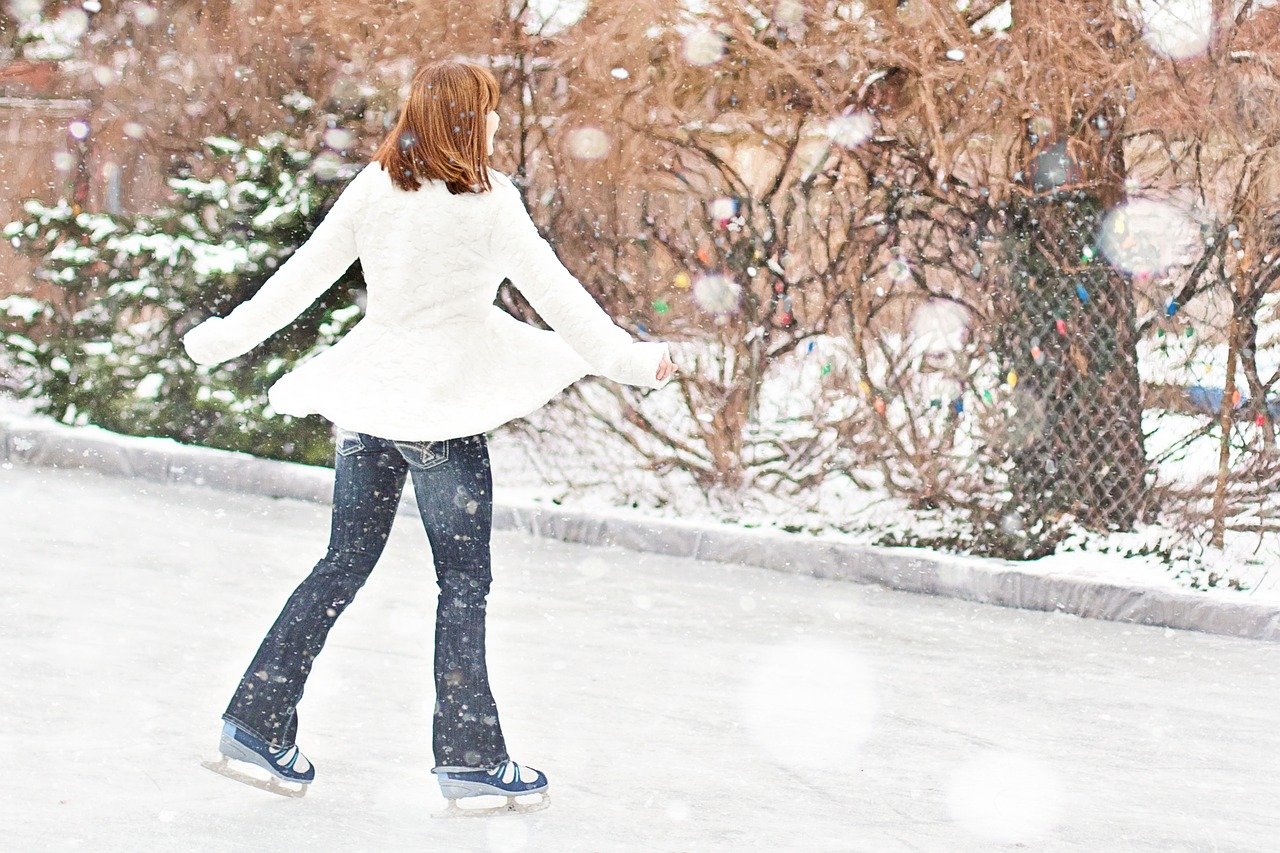
    Chilly nights, fluffy snow, and cozy blankets. It’s wintertime! While the winter season is a great one, it can also be difficult to get through. Short and cold days can hinder motivation and well-being. However, prioritizing your physical and mental health can help you make the most of the season. These past several years, we’ve been facing difficult winters due to COVID-19 and the flu. Even so, there are a lot of ways you can take care of yourself.

    There are still many ways to stay active this winter! If you’re unable to go to gyms or in-person fitness classes, you can still find time to move your body thanks to technology. There are plenty of YouTube channels that provide easy and convenient home workouts for you to follow. If you need motivation, try asking your family members or friends to join you in a fitness challenge. That way, you can exercise and have fun with your loved ones at the same time. A few channels that I gravitate towards include MadFit, Emkfit, and The Studio by Jamie Kinkeade. These channels offer a variety of home workouts, from HIIT (high-intensity interval training) to themed dances. I’ve gotten a few of my friends to join me on Zoom calls to do workouts and I can assure you that it is a great way to keep in touch with others and take care of your body simultaneously.

    Plan activities that you can look forward to! The holidays are a great time to set a winter routine for yourself. Give yourself some time each week to participate in an activity that is not school or work-related. Some items on my to-do list for this break include tackling a reading list, trying out new holiday recipes, making care packages for my friends, having virtual movie nights with my friends, and spending time with my siblings.

    Though the days are short, nature is still beautiful during this season! Aim to get outside even if it is just for a short walk every day. This will give you a chance to appreciate the snow and scenery while getting a breath of fresh air. You can even plan walks with your friends so that you can catch up and sip warm drinks together.

    Sleep is important! It can be difficult to maintain a healthy sleep schedule during the winter, but trying to sleep and wake up at the same time each day can do wonders for your mental health. Maintaining a regular sleep schedule can also improve mood, stabilize energy, and help you be more productive during the day.

    Sometimes, it isn’t easy to handle winter on your own. That is why it is integral to your health to reach out to your family members and friends and form a support network. There are also a lot of virtual resources in case you feel comfortable talking to someone else. A helpful website I’ve come across is mindyourmind.ca, which is a website that compiles mental health resources for easy access. These past winters have been very different from before 2020, but I know that we can get through it together!

  • Safely Celebrating the Holidays

    Safely Celebrating the Holidays

    By Maryam Sheikh

    The holidays are an exciting time for many of us. Whether they bring the season of celebration, a chance to de-stress, or an opportunity to practise tradition, they definitely are special. With the flu and COVID-19 as ongoing concerns, it’s important to consider how we can safely celebrate the holidays. Retaining traditions and high spirits doesn’t have to go; they just may need to be altered! If everyone takes the necessary precautions, we can safely have a great time. In this article, I’ll share some tips for celebrating the holidays in a unique way, as well as precautions you should take in case you do come into contact with high-risk people this winter break.

    Firstly, the holidays can be a time to reconnect with your family at home! Throughout the year, you likely have been busy with school and work commitments, so think about how you can spend some quality time with the family in your household. Pick a board game to play together or prepare some snacks and do a family movie night. Share moments you are grateful for or goals you would like to work on in the new year together.

    Use virtual platforms to your advantage! In order to stay connected to family and friends that live further away, schedule a call where you can all sit down and have dinner together. Add a little bit of competition by challenging your family members to make the best version of a themed dish or dessert. Have everyone vote and pick the winner! Share recipes with each other so that you have something to show off at the next Zoom call.

    Even if you can’t give gifts to your loved ones in person, consider organizing a virtual gift exchange. Use a website to create wish-lists and have each participant draw a name. Shop online and arrange a time to open the presents together! If it’s safe to do so, plan contactless gift/food drop-offs to friends and family that live nearby.

    If you celebrate holidays in person with your family, remember to do so responsibly. This means getting your vaccines, making sure everyone has tested negative for COVID-19, setting ground rules for interaction, and being cautious with sharing food items and utensils. Try to keep gatherings small and be mindful of limiting exposure to large groups of people. If possible, celebrate in an outdoor space. Be sure to practice safe habits such as mask-wearing and handwashing.

    Try to remember – the holidays should be a time in which happiness spikes, not cases! We all play an important role in protecting ourselves, our loved ones, and our communities. Though it will be difficult, know that one of the greatest ways to express love and appreciation for those you love is by keeping them safe and healthy. Happy holidays!

  • The Holidays and Your Health

    The Holidays and Your Health

    You might see people zipping from store to store, either trying to get that Black Friday deal and land that new tech toy that’s unaffordable otherwise or trying to get the perfect gift for that person who is just impossible to shop for. This frantic scene, of course, unfolds in a bright winter wonderland set up in a mall that blares agonizing Christmas music with no end to its torturously happy melodies in sight. While you watch on, you are probably starting to wonder how the holidays are meant to be a time of joy and reflection. Well, believe it or not, it really is the best time of the year if you know where to look.

    We get it – there’s a lot going on at school no matter what grade you’re in. There’s a difficult balance between the mountain of school work that is being shovelled your way on a daily basis, the ever-complicated social life that you are trying to manage like a full-time job, and everything in between. With all of these wolves at the door, isn’t it important to take a break and put everything into perspective? To think about what you have, the things you were able to do this year, the things you will be able to do next year and the year after that – even a few years down the line. It is also important for a number of other reasons. Let us show you the meaning of Christmas:

    Winding down is good for your health.

    It really is! According to a report by the National Institute of Mental Health, long-term “chronic stress” (meaning stress that is constant and severe and doesn’t seem to want to go away any time soon) can cause issues down the line that affect your immune system (the parts of your blood that protect your body from illnesses and disease as well as being the part of the body that fights them away), your digestive system, your sleep patterns, and reproductive system. Stress can prevent the body from performing in tip-top shape. Christmas, after all the preparation is over with, can give you that rest that you need.

    Take a break from school – really, you’re allowed!

    While it’s important to study, it’s doubly important to take a break from all of it and focus on something else for a while. Your exams aren’t going anywhere, and as long as you know the subject matter, so why are you stressing out over them during the one time you’re allowed to kick back and do literally anything else?

    It’s important to make memories.

    You’ll regret it if you make school your life; you also need to carve time out of your busy school year to kick back and relax. Hanging out with your parents, siblings, and friends will make memories to last a lifetime (we know how corny it sounds, but it’s a popular saying for a reason). Having a stress-free holiday is one of the best and most important things you can do for yourself and the people you love!

  • Make the Most of What’s Left of 2025!

    Make the Most of What’s Left of 2025!

    The clocks just turned back, the evenings are darker, and the chill in the air is a clear sign that the final two months of the year are here. Gaining an extra hour might have felt like a win at first, but those early sunsets and long nights can make it hard to stay motivated.

    If the shorter days are getting to you, try building small routines that help you reset: get outside during daylight, keep your study area well-lit, take screen breaks, and stretch. (we have an article on that, too!) Taking care of your mental and physical health matters now more than ever.

    This month’s issue is full of ways to stay on track and feel supported. We’ve got career profiles on everything from air traffic controllers and plant scientists to restoration masons and arborists. Thinking ahead? We’ve got advice on budgeting during inflation, figuring out what job might suit you, and navigating big life changes like depression or being let go from a job.

    If you’re planning for post-secondary, check out the latest scholarships, including options for Indigenous students. And if you’re trying to build new habits, dive into articles on stretching, saving, job interviews, practicing French, and even writing your first novel.

    As always, for even more unique insights into different career paths, don’t forget to check out our interviews with industry pros,

    Bundle up, stay curious, and keep going. You’ve almost made it through the fall term!

    Warm regards,
    Anthony Teles
    Vice-President, Content

  • November 2025 Scholarships – Apply now!

    November 2025 Scholarships – Apply now!

    Whitby Fire and Emergency Services Inclusivity Excellence Award
    Scholarship Value: $N/A
    Awards Available: N/A
    Award Deadline: November 7, 2025

    Wolf Scholars
    Scholarship Value: $80,000
    Awards Available: N/A
    Award Deadline: November 10, 2025

    Maryknoll Scholarships
    Scholarship Value: $1,000
    Awards Available: 6
    Award Deadline: November 17, 2025

    Seymour Schulich Scholarships and Awards
    Scholarship Value: $15,200
    Awards Available: 24
    Award Deadline: December 1, 2025

    Walsh / Di Tolla / Spivak Scholarship
    Scholarship Value: $10,000
    Awards Available: 10
    Award Deadline: December 31, 2025

    University of Waterloo Entrance Scholarships
    Scholarship Value: $20,000
    Awards Available: 150
    Award Deadline: January 15, 2026

    Automotive Women’s Association Scholarships
    Scholarship Value: $5,000
    Awards Available: 15
    Award Deadline: January 16, 2026

    Schulich Leader Scholarships
    Scholarship Value: $120,000
    Awards Available: 100
    Award Deadline: January 28, 2026

    Arts & Humanities Neen Hodgins Entrance Scholarship
    Scholarship Value: $80,000
    Awards Available: 1
    Award Deadline: February 14, 2026

    James Jenkins President’s Entrance Scholarship for Black Students
    Scholarship Value: $50,000
    Awards Available: 5
    Award Deadline: February 14, 2026

    Jake Weitz Memorial Scholarship
    Scholarship Value: $1,000
    Awards Available: 10
    Award Deadline: March 1, 2026

    BEGIN Program
    Scholarship Value: $30,000
    Awards Available: 3
    Award Deadline: March 31, 2026

    Western Continuing Admission Scholarship of Excellence for Black Students
    Scholarship Value: $6,000
    Awards Available: 30
    Award Deadline: Ongoing

    Western Continuing Admission Scholarship of Excellence for Indigenous Students
    Scholarship Value: $6,000
    Awards Available: 30
    Award Deadline: Ongoing

  • Indigenous Student Scholarships for November 2025

    Indigenous Student Scholarships for November 2025

    SAA Native American Scholarships
    Scholarship Value: $10,000
    Awards Available: 5
    Award Deadline: January 31, 2026

    Western Continuing Admission Scholarship of Excellence for Indigenous Students
    Scholarship Value: $6,000
    Awards Available: 30
    Award Deadline: Ongoing

  • The Benefits of Stretching Regularly and How to Make It a Habit (French version available)

    The Benefits of Stretching Regularly and How to Make It a Habit (French version available)

    Stretching regularly has several benefits. It is a great and healthy habit to have. If you’re interested in the benefits of stretching regularly and how to make stretching a habit, this article is just for you!

    What Does Stretching Regularly Do?

    • Increases Your Flexibility

    Stretching regularly will make you more flexible. There are many benefits to increasing your flexibility. It can help you perform daily activities and exercise better. As you get older, stretching can delay muscle stiffness, which can reduce your mobility.

    • Improves Your Posture

    Poor posture can be caused by a lot of things. Tense and tight muscles are some possible reasons. Stretching helps loosen, as well as strengthen your muscles, which can help align your posture. It is good to regularly stretch your shoulders, chest, and lower back. With time, your posture will improve, and you will not feel the need to slouch.

    • Helps with Back Pain

    If you often stay in the same position throughout the day, you may feel pain in your back. Stretching can help you relieve existing back pain. It can also prevent future back pain by strengthening your back muscles, which reduces the risk of you straining your muscles. Stretching daily increases blood flow to your muscles. This can help shorten your recovery time, as well as help relieve any sore muscles.

    • Relieves Stress

    Stretching is a good way to cope with stress. Emotional stress can cause your muscles to tighten. Like meditation, deep breathing while stretching is a great way to help calm you down. Some areas that stress can affect are your neck, upper back, and shoulders. Stretching these areas can leave you feeling less stressed.

    How to Make Stretching a Habit

    • Start Small

    When you begin to make stretching a habit, it is important to start small. You could do each stretch for as little as 30 seconds. This will help you avoid injuring yourself. As your body gets used to the stretching, you could gradually increase your goal.

    • Explore Different Stretches

    There are many different stretches you could do. Depending on your goal or any pain you may be wanting to relieve, some stretches could work for you while others might not.  If you need guidance, you could find stretching routine videos online that could guide you throughout each stretch.

    • Stretch Every Day for 30 Days

    It is easier to create a habit if you do it every day. Try to stretch for 30 days. You could begin with stretching for three minutes per day. Each day, you could add a minute to your routine. This will help make stretching a habit.

    • Set a Time to Stretch

    Stretching at the same time every day can help you feel motivated. This will help you stay consistent. You could wake up earlier to complete your stretching routine or stretch right before going to bed.

    • Give Yourself Breaks

    Developing new habits may be difficult. You may not always remember to stretch. If you forget, don’t feel guilty about it. Just pick up where you left off. Stretching can also make you sore. If you are feeling sore, it is best to take a break to avoid injuring yourself.


    Resources

    Baghadia, Nisha. “7 amazing benefits of stretching regularly.” I Am Expat. https://www.iamexpat.nl/lifestyle/lifestyle-news/7-amazing-benefits-stretching-regularly.

    Healthline. “Stretching: 9 Benefits, Plus Safety Tips and How to Start.” https://www.healthline.com/health/benefits-of-stretching#types.

    Mayo Clinic. “Stretching: Focus on flexibility.” https://www.mayoclinic.org/healthy-lifestyle/fitness/in-depth/stretching/art-20047931.

    McCoy, Jenny. “11 Benefits of Stretching That Will Make Anyone Want to Move Their Body.” Self. https://www.self.com/story/benefits-of-stretching.

    Pantheon. “How to make stretching a habit.” https://pnthn.com/knowledge/how-to-make-stretching-a-habit.

  • Reusing and Repurposing: 3 Reasons Why These Two “R”s Are Better than Recycling (French version available)

    Reusing and Repurposing: 3 Reasons Why These Two “R”s Are Better than Recycling (French version available)

    Have you ever wondered how much waste the world produces each year? Well, you’d be surprised. The statistics are downright staggering.

    According to Earth.org, globally, there are 300 million tons of plastic waste each year, with eight million tons entering the ocean each year.

    Now this isn’t something that’s easily resolved overnight. It will take years, and what we can do on our part is reuse and repurpose, instead of simply recycling.

    This isn’t to say recycling is bad per se. After all, you’re collecting and processing materials that would otherwise be thrown in the garbage and making something new out of them. For example, you can make your own paper out of used ones, such as notebooks, binder pages, bills, and even receipts. You can even add your own personal touch by using dried flowers, leaves, or seeds.

    However, recycling has its drawbacks, making reusing and repurposing the better options. For one, recycling costs money. To make something new out of old often requires you to purchase new materials, which means you accrue costs in the process. Secondly, recycling uses energy, which can cause pollution. When you make your own paper out of old paper, for example, you’ll need a blender or a food processor. And these things use energy, which we can allot for something else.

    Below are three amazing reasons why repurposing and reusing are better than recycling.

    1. You value quality over quantity.

    Mass-produced clothing is now more popular than ever around the globe. Before, one can easily tell if your outfit is from a mass-produced brand, but over the years, the designs and overall look have been somewhat elevated. What’s more, most of these stores have launched their own high-end line. They have higher quality wear that is more expensive than their regular line but is still budget-friendly.

    However, convincing yourself that these purchases won’t burn a hole in your wallet encourages you to buy more than what you actually need. Since they’re so affordable, you can buy as many as you can and you can easily discard them once you wear them out. On the other hand, try thinking long-term along the lines of repurposing and reducing. This will lead you to choose quality over quantity. For this option, you only discard of the clothes if you no longer fit in them but others may still have good use for them.

    1. You borrow items instead of buying them.

    These days, it’s easy to find items that we use at home for baking, cooking, or renovating at the corner dollar store. When we no longer have use for them, we don’t wrestle with the thought of whether we should throw them away or not because we didn’t pay a lot for them anyway. We just throw them away.

    However, if you think along the lines of reducing, then you’d think twice about buying items that you rarely have a use for. Instead, you’re motivated to borrow from family, friends, and neighbours. Doing so will make you feel less guilty of wasting items that you don’t use often.

    1. You bring out your creative side.

    If you start thinking about repurposing items, you get an opportunity to hone in your creative skills, and it can be a fun project for you and your family. In the end, you might be surprised by your potential to be creative! Even if you’re inspired by repurposing ideas from others, it’s still up to you to make it your own. For example, if you have an old ladder at home that most likely will cause an injury if used, then instead of throwing it into the recycling bin, turn it into a bookshelf with the help of your family and go crazy on how to design it.

    With the amount of waste growing each day, it’s important we truly look into reducing and repurposing instead of just recycling. You’ve read the three reasons above so we hope you’re convinced.


    Sources

    D., Lina. “30 Creative Ways to Repurpose & Reuse Old Stuff.” Bored Panda. https://www.boredpanda.com/creative-reuse-upcycling-repurposing-ideas/?utm_source=google&utm_medium=organic&utm_campaign=organic.

    Environmental Protection Agency. “Recycling Basics.” https://www.epa.gov/recycle/recycling-basics.

    Lai, Olivia. “8 Shocking Plastic Pollution Statistics to Know About.” Earth.org. https://earth.org/plastic-pollution-statistics/.

    Sukalich, Kathryn. “Simple Steps To Recycle Your Own Paper.” Earth911. https://earth911.com/home-garden/recycle-your-own-paper/.

  • Do You Love Plants and People? Why Not Start a Community Garden? (French version available)

    Do You Love Plants and People? Why Not Start a Community Garden? (French version available)

    Gardening indoors or in your yard at home can be a solo activity – but if you love taking care of plants, meeting new people, and improving the environment, then maybe you should start a community garden.

    What is a Community Garden?

    Community gardens are public spaces set aside for gardening projects, which are accessible to the public and involve multiple people working together to grow flowers, vegetables, or other plants.  These gardens help beautify neighbourhoods and parks, and provide the opportunity for local plant lovers to meet other gardeners and learn from each other.

    These gardens can be large or small, and are often located in parks, school grounds, building rooftops, and along walking trails.  Many cities and towns have one or more community garden spaces. If you are interested in joining a community garden, ask around your local area to see if there is one already operating nearby.

    If there isn’t a community garden near you, consider starting one yourself!

    Starting a Community Garden

    A community garden is a cooperative project, which is true for setting one up in the first place as well as caring for the garden afterwards.  There are several steps to setting up a community garden in your neighbourhood or at your school, and you will need help from an adult.

    1. Find Other People to Join You

    The point of community gardening is to garden with other people, so ask around! Check with your family, friends, school, and neighbourhood to find other people who are interested in joining your community garden group.  Depending on the bylaws in your town or the rules at your school, you may need a minimum number of members before you can start the process of setting up a garden.

    2. Pick Your Location

    Work with your school or neighbourhood representatives to find a suitable space to install your garden.  Have an adult help you visit locations, talk to the people at your school or neighbourhood, and contact your local government about any permissions or permits needed to gain access to the space and install soil plots or raised boxes.

    3. Design a Plan for Your Garden

    Part of any application process with a neighbourhood or school will involve sharing a plan for your garden for review and approval.  You will need to include information about the size and arrangement of your garden, what plants will be grown, what the space is like for sunlight and water availability, who the group members are and what tasks each person will take care of, and more.  Your local municipal or school representatives will be able to provide you with a full list of the information your plan needs to include.

    4. Get to Gardening!

    Once you have a garden location, a group of gardeners, and approval from your neighbourhood or school, then it’s time to get started!  Work with your group members to dig garden beds, put down soil, plant seeds, and start caring for your soon-to-be plants.  Depending on what you’re growing, whether flowers or vegetables, you will start to see sprouts within a few weeks and after a month or two, you will have a beautiful, thriving garden.  If you start with baby plants instead of seeds, you will have a gorgeous garden even faster.

    A Few Important Points

    There are a few important things to keep in mind when planning, starting, and maintaining your community garden.

    Gardening takes time, and can be a lot of work – but the effort is definitely worth the reward.  This is also another benefit of a community garden, where the work can be split up among multiple people working together to get things done.  This also means that everyone gets to have some input into the garden, whether it’s to pick the tasks they want to do or to help decide what plants to grow.

    There can also be monetary costs involved, though there are lots of ways for community gardens to support themselves without the members paying for everything.  Community gardens don’t usually have to pay for the garden space itself, but often need money to purchase materials.  Your garden group can run a fundraiser to raise money, or ask the neighbourhood for donations of items such as gardening tools, soil, and seeds.  Many cities and towns also have grants available to help support public projects.

    Whether you end up with a large and busy garden or a small and quiet one, you will have a space to enjoy gardening, meet fellow plant lovers, and contribute to the natural beauty of your neighbourhood!


    Sources:

    City of Toronto. “Community Gardens.” https://www.toronto.ca/explore-enjoy/parks-gardens-beaches/gardens-and-horticulture/urban-agriculture/community-gardens/

    Nourish Project. “8 Things to Know about Community Gardens.” https://nourishproject.ca/8-things-know-about-community-gardens

    Plant a Seed Foundation Canada. “School Gardening & Community Garden.” https://seewhatgrows.org/our-causes/community-gardens-seed-preservation/

    Wikipedia. “Community gardens.” https://en.wikipedia.org/wiki/Community_gardening