Author: Christopher TJ Brown

  • Career Profile: Print Journalism

    Career Profile: Print Journalism

    The field of print journalism is an exciting and challenging career path. Journalists have been an important part of society for hundreds of years, writing in newspapers, periodicals, magazines and now, with the widespread use of the Internet, websites.

    A print journalist working in 2014 has to master skills that journalists in former years didn’t have to consider. It’s a fast-paced and ever-evolving field, requiring the ability to think quickly and work under deadlines. For those who are dedicated, journalism can be a very rewarding field.

    Aspiring journalists learn how to write a variety of articles, from straightforward news pieces to music, sports, fashion and culture articles. Journalists learn to be proficient in photography, newspaper and magazine layouts and stay up-to-date with computer programs. Journalists need to know how to conduct proper interviews, ethics behind good journalism, the history of journalism and current issues in the media. Nowadays, Twitter, Facebook and Tumblr have been added into the journalist’s tool belt, as they have to keep up-to-date with current events at all times.

    Journalists are expected to find their own story ideas, especially as the jobs move from steady positions at newspapers such as Metroland and The Toronto Star to contract positions for freelance writers. A good journalist is always on the lookout for potential stories and has a sharp eye for detail.

    Reporters can find jobs doing a variety of things aside from writing. They can work at newspapers, magazines and trade publications, writing about subjects such as fashion, sports, crime, science, medicine, fitness, travel and more. Aside from reporting, other jobs in the field include editing, doing layout, drawing cartoons or copyediting. The editor and copyeditors make sure that the stories reporters submit are verified and true, as well as removing or altering sections. In addition, copyeditors have the important job of checking and correcting the grammar, style and spelling of articles. A poorly written article reflects badly on the publication.

    A journalist’s wage varies depending on the size of publication, seniority, what stories they cover and whom they interview. The average starting wage is $19,000 but it can go up into the six figures for the best and most experienced reporters. Some journalists become famous for their writings and exploits. Tom Wolfe, known for his famous non-fiction New Journalism book The Electric Kool-Aid Acid Test, was one of the first celebrity journalists. Others include the famed novelist Ernest Hemingway, music critic Lester Bangs (who was portrayed in the film Almost Famous) and Rolling Stone reporter Hunter S. Thompson, known for pioneering Gonzo journalism and writing Fear and Loathing in Las Vegas and The Rum Diaries, both of which were adapted into major Hollywood movies starring Johnny Depp.

    Print journalism is an exciting, fast-paced and challenging career path that would be rewarding for those who like to do something different every day and don’t want to work in an office.


  • In the Summertime

    In the Summertime

    You’ve made it! June has arrived and the last month of school is upon us. For some of you, this means you will be gearing up to kick back for a summer of rest and relaxation with your friends and family before preparing to head back to school in September.

    For others, this is the month that you have been waiting for your entire life – you are graduating from high school. Congratulations! This is a huge accomplishment and a milestone in your life. This summer will be filled with new adventures as you enter this next phase of your life. Perhaps you will be moving away from home for the first time to attend college/university in a new city. Or maybe you have decided to take a year off from your studies to work and travel. Whatever you plan to do, this is a wonderful moment in your life to really learn about yourself and to try your hand at different jobs to see what path is the right one for you.

    Some of you might also be getting your very first summer job. This can range from mowing lawns to working at a restaurant. As always, JobsPeopleDo.com has tips to help you navigate these new experiences. Even if you don’t love your first job, use the time that you are working this summer to help you figure out your future career path. You will learn a lot about yourself and your preferences if you are tuned in to your heart.

    Finally, it’s not too late to apply for scholarships to help fund your foray into post-secondary education this fall. We’ve rounded up the latest and greatest in scholarships that you can use to get the free money that will make your life just a little easier come September.

    JobsPeopleDo.com will be updated all summer long with articles and advice to help you navigate your summer months and make the most of your preparation for the fall. Have a wonderful June!

    Jasmin Bollman
    Content Editor
    Don’t forget – be a mentor: someone needs you!

  • Body Image Issues? You Aren’t Alone

    Body Image Issues? You Aren’t Alone

    In most cases a distorted view of body image has been presented by the media and simplified with male and female stereotypes. Men are all portrayed as tall, muscular and smoothly shaven, while impossibly thin women with disproportionate attributes make their way into thousands of commercials and magazines. We now know that someone with a camera and a simple grasp of Photoshop can easily change these images, airbrushing, changing size and re-colouring pictures. Simply put, the media portrayal of the human body is wrong.

    Never is there a time in an adolescent’s life that the body is focused on so much as the prom. The pressure falls a lot more on girls than it does with boys. Most (but certainly not all) guys are expected to attend prom wearing an expensive formal suit and tie, whereas girls are expected to be skinny but not too skinny, wear fashionable dresses and high heels.

    While prom is a formal gathering its important not to lose sense of your own style and personality. Wear whatever dress that you feel like wearing, or even wear pants if you’re comfortable. It’s one of the last big gatherings in high school so take this chance to be creative and express yourself! Maybe you could even craft your own outfit if fashion design is your thing. That’s not to say you should come in with combat boots and a trench coat – you should follow your school’s dress code when deciding what to wear, but let loose and have fun. Don’t let fashion trends or other people’s opinion’s decide for you. Prom is your night, so make your look your own, too.

    Prom is a time to celebrate that you are almost done thirteen years of education! This is a huge accomplishment and you deserve to celebrate it no matter your size, gender or personal style. Don’t let other people’s opinions ruin your night; stay true to yourself and your own style. In the end that’s what truly counts.

  • Under Pressure

    Under Pressure

    If you ever find yourself in a sticky situation, you probably turn to your friends for advice. Peers can be an excellent outlet for talking our problems out in order to figure out the best decisions to make. That being said, we can’t rely on our friends to solve every one of our problems. Not only does this interfere with our independence, but we could actually be swayed off the right path, even by friends with the best intentions.

    When you’re making decisions, it is important to consider your own opinions before you take anyone else’s word for it. How do you feel about what’s going on? Do you think it’s right? What do you think would be the best solution? It is much easier to let a friend take the wheel, because then you don’t have to consider all of these difficult questions—you can just use their answer. A problem comes up when you find you’re consulting your friends 24/7, and this is actually getting in the way of you expressing what you really think.

    Friends mean well (if they’re good friends). Often, they’re just trying to let you know what they think is right. The thing is, what is right for your friends might not be right for you. Even if they do have good intentions, you don’t want your decisions to be constantly dictated by the opinions of your peers: this might lead you into making entirely the wrong choices.

    Maybe you don’t consider peer pressure to be too big of a deal in elementary school, where the stakes aren’t so high. But think about the possible consequences of constantly following the leader, and the ways this could affect your future life. If you aren’t sufficiently independent to think for yourself and make your own choices, worse things can happen than simple punishments if you fall in with the wrong crowd. Furthermore, think about what it means to succumb to peer pressure all the time: chances are, if you’re letting someone boss you around, and do things you aren’t okay with, it’s probably taking a toll on your self-esteem.

    You deserve to be respected. In order to respect yourself, you have to respect your thoughts and feelings as well. The next time you’re tempted to do something just because your friends are doing it, or because it seems “cool”, think about how you would act if there was no one around to judge you. Do what you feel is the right thing—don’t base your choices off the rest of the bandwagon. Guaranteed, you’ll be a happier person for it and have a better idea of who you are.

  • What Do You Want to Be When You Grow Up?

    What Do You Want to Be When You Grow Up?

    “What do you want to be when you grow up?”

    It’s the classic question that every kid has heard at some point, usually before they are finished kindergarten. You’ve probably heard it at every birthday, every get-together, every parent-teacher night you’ve ever been to. And you may or may not be able to answer it. That’s okay – it’s difficult to know what you want to do when you grow up. What most kids don’t know is that they don’t need to choose just one thing.

    In today’s world, many jobs require a wide variety of skills, and it is becoming more and more common for adults to do several different jobs rather than just one. The best thing that you can do is figure out what you like to do, then work on getting good at it – even if you don’t know what kind of job you want to do. That way, you’ll be ready for anything.

    You might enjoy video editing, computer programming and writing. You might start off with a job in programming, and then decide later that you’d prefer to work in video editing. Maybe you’ll write for a magazine in your spare time. It’s always possible to change careers, or to take on a side-job in order to do everything that you enjoy.

    Never limit yourself to only one option – if you have a wide variety of interests and skills, you’ll have a wide variety of job opportunities by the time you’re old enough to choose one (or two, or three)!

  • Working as an Automotive Service Technician

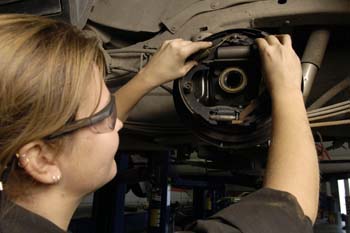
    Working as an Automotive Service Technician

    Do you…
    • Enjoy working with your hands?
    • Enjoy fixing cars, trucks, motorcycles or small engines?
    • Want to learn more about electrical, hydraulics (fluid power), pneumatics (air power) and mechanical components in machines?

    If you answered “yes” to any of the questions above, then a career as an Automotive Service Technician may be right for you!

    What Is An Automotive Service Technician?
    An Automotive Service Technician is a certified and skilled tradesperson who diagnoses and repairs motor vehicles (e.g. cars, minivans, SUV’s, light duty trucks and medium duty trucks).

    An Automotive Service Technician performs various duties that help maintain a vehicle as well as repair it. Some of these job activities include:
    • Engine maintenance and repair
    • Transmission maintenance and repair
    • Exhaust system repair
    • Body repair and adjustments
    • Brake maintenance and repair
    • Steering, suspension and alignment repairs

    Where Does An Automotive Service Technician Work?
    An Automotive Service Technician may work in:
    • Dealerships
    • Independent automotive shops, repair shops and garages (owned by other people or themselves)

    Some Automotive Service Technicians may prefer to work as:
    • Teachers in high school teaching automotive class
    • Teachers in colleges that offer an accredited Automotive Service Training program

    What Does A Typical Day For An Automotive Service Technician Look Like?
    A typical day for an Automotive Service Technician in a dealership or automotive shop usually begins when a customer brings their vehicle to the shop. The customer tells the service advisor what the problems are with their vehicle. The service advisor documents the problems on a work order. The vehicle and corresponding work order is then given to an Automotive Service Technician who begins to work on this particular job.

    An Automotive Service Technician follows a certain procedure when working on a new job. He/she:
    1. Reads the work order written up by the service advisor.
    2. Examines the vehicle to further assess the problems mentioned on the work order.
    3. Provides the service advisor with an estimate on how much it will cost to fix the problems.
    4. Waits for the service advisor to confirm that the customer is OK with the repair costs before fixing the problems.
    5. Fixes the problems once the service advisor gives the go ahead.
    6. Takes the vehicle for a test drive and/or performs operational checks to ensure that the customer’s concerns are resolved.
    7. Informs the service advisor that the customer can pick up their vehicle.

    How Do You Become An Automotive Service Technician?
    1. Attend a college that offers a certified Automotive Service Technician training program.
    2. Complete the Automotive Service Technician program successfully.
    3. Find a suitable employer who will hire and train you as an Automotive Service Technician apprentice. (Complete your apprenticeship booklet/hours/activities at work and get it signed off by your employer).
    4. Write the Automotive Service Technician certification exam put out by the Ministry of Training, Colleges and Universities.
    5. Pass the exam, obtain your 310S license and become a licensed Automotive Service Technician!

  • STEM Jobs: Petroleum Engineer

    STEM Jobs: Petroleum Engineer

    What is a Petroleum Engineer?
    Oil and gas are two of the most crucial energy resources we rely upon in the modern world. Oil and gas companies extract the deposits of these resources from the earth and facilitate their distribution as an energy source. But how do they know where to dig? This is where a petroleum engineer enters the picture. Petroleum engineers are tasked with finding oil and gas deposits as well as developing ways to extract those deposits from the ground. They design, plan and execute drilling projects to ensure the safest, most effective way of implementing oil and gas wells.

    On-the-Job Duties
    The day-to-day duties of a petroleum engineer include designing and implementing ideal methods of drilling. Often they are responsible for monitoring the drilling area (including the ground, the rocks and the equipment) to ensure optimal conditions for drilling operations that harvest the maximum amount of oil and gas deposits.

    Who do they work for?
    Petroleum engineers are most often hired by companies who produced petroleum, but they can also find employment as consultants, researchers, and policymakers with the government. In some sectors petroleum engineers can also be called oil and gas reservoir engineers, well logging engineers, mud engineers, sub-sea engineers and drilling engineers.

    Salary
    Petroleum engineers can earn a yearly salary of anywhere from $35,000 to over $130,000, depending on seniority.

    Required Education
    The educational background of petroleum engineers can vary, but all are rooted in engineering. Attaining a bachelor’s degree in either petroleum engineering or a related program like biochemical engineering is the best way start off. Next, earn a master’s degree in petroleum engineering followed by a PhD to maximize career opportunities. For some aspects of the job, like approving drilling designs, a professional engineering license will be required.

    Other Skills
    Leadership, time management, critical thinking, logic, creativity, team work, and communication are crucial to the success of a petroleum engineer.

  • Thirst is a Drop in the Cup

    Thirst is a Drop in the Cup

    Forget smoothies and sodas: the best drink comes right from the tap! The human body is composed of up to 60% water, so it makes sense that we’d need to continue drinking it to keep ourselves healthy. Unfortunately, if you’re always on-the-go, you may not be getting the hydration you need. Water is part of the fuel that keeps our bodies running efficiently—and more often than not, we forget to fill up.

    The result of not drinking water is extremely detrimental to our well-being. Constant dehydration can really take a toll on your health, in some cases leading to headaches, dizziness and fatigue. The good news is that you can put yourself on the road to healthy living simply by adding a few of glasses of water to your daily routine. Here are some of the many benefits of drinking water.

    1. It boosts your energy. Your body works best when it’s fully hydrated, and you can start to feel a little sluggish if you haven’t gotten your daily water intake. Your brain is mostly water, too, so nourishing it with a quick drink will really help your focus.

    2. It helps you eat healthy. You may be confusing constant snack cravings with your body’s cry of thirst: drinking water reduces overeating and hunger by filling your body up with the nourishment it needs. Water also contributes to the proper functioning of your digestive system, which helps process the vitamins and nutrients in your healthy diet.

    3. It can ward off sickness. Your immune system greatly benefits from water: drinking your fill could leave you less susceptible to colds and flu. Water helps your body quickly flush out toxins, which reduces the risk of more serious ailments.

    4. It comes with beauty perks. Water is great for your skin—aside from keeping it hydrated, by drinking water you’re flushing out toxins that can leave your complexion dull or irritated. Plus, since it hydrates your body’s cells, it can do wonders for your hair and nails.

    What can you do to make sure you get enough water? Carry a water bottle on you and remind yourself to drink (even when you don’t feel thirsty). There are smartphone apps that can track your progress throughout the day. And don’t forget to account for extraneous variables: if it’s hot out or you’ve been exercising, chances are you’re going to need to drink more water to keep yourself in check.

    With its multitude of health benefits, water can make or break a healthy regimen, and hydration might just be the thing your body is missing. Try to make drinking water part of your daily routine, and you’ll notice a difference. Cheers to that!

  • Working as a Bus Driver

    Working as a Bus Driver

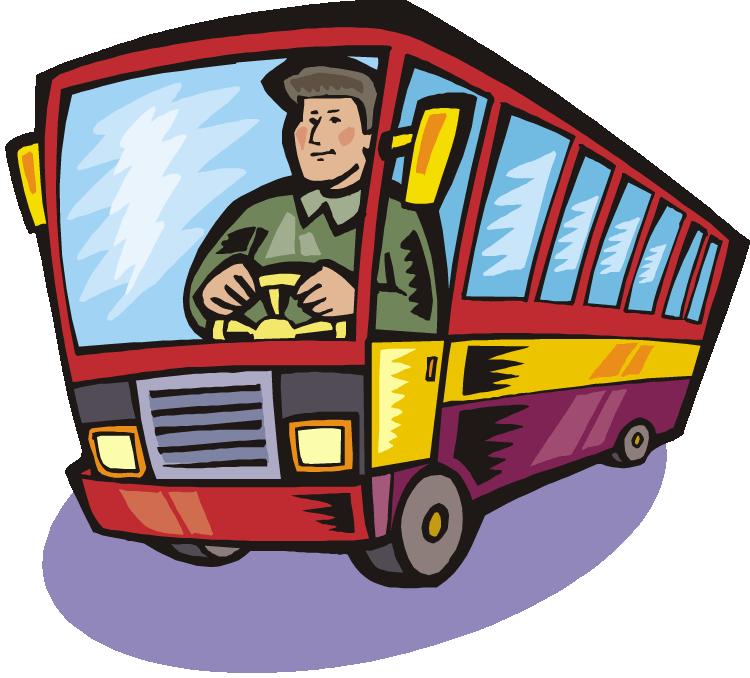
    For many young people, learning to drive is a symbol of freedom. When they learn that skill, they no longer have to depend on parents or other adults to take them to parties or pick them up from lessons and special events. Many people enjoy driving their own cars or trucks, and these vehicles can make it very easy to get around in the city or out to the country. For some people, however, driving is more than just a way to get from one place to another. For bus drivers, being on the road can be a career.

    Almost anyone can be a driver, even just for a few minutes. Have you ever been behind the wheel of a bumper car at a fair or maybe a tractor on a farm? People drive small and large vehicles, including riding lawnmowers, motorcycles, bicycles and regular cars. However, driving a bus is somewhat different. Whether people want to drive a school bus, a transit bus or a long-distance bus going from one part of the country to the other, they all need to learn the special requirements of bus driving. Learning and following the rules of the road is the most basic requirement for all drivers, whatever type of vehicle they use. They have to know when to use their signal lights, how to make turns properly, and when they can pass a slow-moving vehicle. Many of these basic rules are the same for bus drivers as for others on the road.

    Learning to drive a bus, however, takes some special skills. Drivers have to learn how to handle vehicles that are much larger than most of the cars and trucks on the road and to deal with bad weather conditions such as snow and rain. They have to be able to manage special features of each bus, such as braking systems which are very different from what they know with cars. Physical strength to endure long hours behind the wheel and the ability to concentrate on the dangers of the road are important characteristics of bus drivers. An ability to stay calm in difficult situations and a friendly attitude to passengers are also important qualities.

    How do people become bus drivers? The first step is to learn how to drive an ordinary vehicle like a car. However, most people need special training in whatever type of bus driving they want to do. Long-distance bus companies like Greyhound have training programs that combine theory and practice in a six-week course. School bus companies like First Student Canada have short, intensive courses or longer ones that last several weeks. Drivers learn safe driving, how to handle the vehicles they will be using, basic repair, and how to deal with people.

    Salaries for bus drivers can vary a lot, depending on where they live and what they do. Some drivers get minimum wage, but experienced drivers can get twice as much as that. You might never become rich as a bus driver, but you can have a rewarding career.

  • Career Profile: Painters and Decorators

    Career Profile: Painters and Decorators

    Type of Work
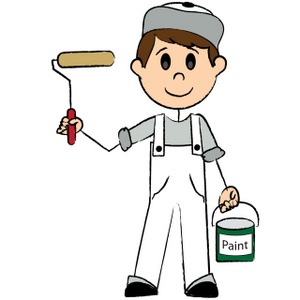
    Painters and decorators apply paint, wallpaper and other finishes to interior and exterior surfaces of buildings and other structures.

    Sources of Employment
    Employment opportunities will come primarily from positions freed up by painters and decorators who retire, leave the trade or receive promotions to painting and decorating contractor or supervisor positions or, if they have the qualifications, to construction manager positions. Some opportunities will result from employment increase.

    Labour Pool
    Job opportunities will be available for the many experienced painters and decorators who are unemployed, for graduates with a Vocational Studies Diploma (DEP) in commercial and residential painting, and especially for people who meet the conditions for obtaining an apprentice certificate without having a diploma (see Training). It is possible to obtain a painter apprentice certificate issued by theCommission de la construction du Québec (CCQ) without completing a Vocational Studies Diploma in commercial and residential painting when there is a regional shortage. The proportion of new apprentices who do not have this diploma is very high. In fact, between 1998 and 2012, about 78% of new painter apprentices did not have this diploma. This situation seems strange considering the CCQ’s policy to encourage workers to take vocational training to access construction trades. It could be explained by the lack of interest in training among youth or a lack of places in vocational training schools. Furthermore, this occupation lends itself very well to on-the-job training combined with supervision by an experienced painter who passes his knowledge on to the apprentice.

    Industries
    According to census data, in 2006 about 75% of painters and decorators worked in the construction industry, most of them in building finishing work (65%), but also in residential building construction (8%). There were also significant numbers in the manufacturing sector (7%).

    Employment Characteristics
    According to census data, women held about 13% of the jobs in this occupation in 2006, a percentage that has been rising significantly since 1991 (7%). The annual average income data given in the “Characteristics” section of the “Statistics” ($29,538) should be used with caution. The data include only the 27% of painters and decorators who worked full time and full year in 2005. The average employment income for those who did not work full time and full-year was only $17,925.

    Because of the tightening up of entry conditions for this trade, the level of education of roofers and shinglers improved greatly between 1991 and 2006, although it is still below that for all occupations. The proportion of painters and decorators with at least a post-secondary diploma rose from 30% to 54%, while the proportion of those who did not have at least a secondary school diploma dropped from 41% to 23%. Seasonal unemployment is relatively high. Thus, the average number of employment insurance claimants is three times higher from January to March than in August.

    Education and Training
    In Quebec, apprentice and journeyman certificates of competency from the Commission de la construction du Québec (CCQ) are required to work on construction sites. To obtain an apprentice painter certificate, you must:

    – have a Diploma of Vocational Studies (DVS) in commercial and residential painting and a guarantee of 150 hours of work from an employer.
    – in the event of a regional shortage, where CCQ data indicate that under 5% of apprentice certificate holders in a region are available, provide a guarantee of 150 hours of work, have taken a safety course, and meet the entry conditions for the commercial and residential painting course. Apprentices without a diploma are also required to participate in a training activity in order for their certificate to be renewed.

    To become a journeyman, an apprentice must complete an apprenticeship period of 6,000 hours (including DVS training, if applicable) and pass the CCQ qualification exams. The certificate is automatically renewed each year if the holder has appeared on an employer’s monthly report in the 14 months preceding the renewal date. Otherwise, workers must renew their certificates.

    For painter jobs not subject to the Decree for the construction industry, employers usually require a DVS in commercial and residential painting or an apprentice or journeyman certificate.

    Training in tender estimating provided by school board employer services is an asset for self-employed workers and those seeking a promotion.

    Red Seal certificate holders can work anywhere in Canada.