Author: Susan Huebert

  • Career Profile: Surveyors

    Career Profile: Surveyors

    Any street with a lot of buildings, especially houses, is likely to have many fences marking the edge of each property. Before people can build those fences, they need to know where one property ends and another begins, and they need help in finding that information. Surveyors research property lines and boundaries to help determine the ownership of different pieces of land and settle any disputes that people might have.

    Suppose that your parents planted a bush just at the edge of your yard. In the future, the people living in the two houses might not know who owned the bush. A surveyor could research the property to find out where the boundary lines were. This work might involve working outside with special equipment to record the locations of the boundaries. Often, however, surveyors work in offices and archives to search for information on the property lines. Computers and other electronic equipment are an important part of this work.

    Making electronic or paper drawings of features of the landscape, such as hills and streams, is an important part of the work. People in this career should have a good sense of distance and proportions to be able to see how to make the most accurate drawings possible. Maintaining records and updating them whenever necessary is important. In high school, courses in mathematics and English are useful, and even art courses can be helpful. Getting practice in looking for details and then drawing them can be useful, as well.

    Construction is a common source of work for surveyors. Before builders can begin construction on a house or office, they need to be sure that they are not putting up the building in the wrong place. Surveyors learn how to record the necessary information and make it available to people who need it. Being organized and detail-oriented is important for people in this field.

    Most people in this job work regular days, although they might have longer days during the peak season for construction. Besides construction companies, governments and land surveying companies often hire people. Depending on the size of the company, surveyors might work alone or with a team of several others.

    Salaries for surveyors start at about $50,600 per year and can rise to about $78,900 with experience. The job is normally not very physically difficult, and people can continue in the field until retirement. However, it may become tiring and stressful, especially during the busy season. Later in their careers, surveyors might want to move into supervisory positions.

    Surveyors should be able to work either alone or with others. They might have several projects to work on at once, or they might concentrate on one at a time. Being flexible but also organized can help surveyors get the job done properly so that others can do their work.

    The work that surveyors do can seem invisible, but it is very important in keeping cities and towns in good repair. If you are accurate and detail-oriented, working in this area could be a very good choice for you.


    Bibliography:

    Careers in Construction. “Surveyors.” https://www.careersinconstruction.ca/en/career/surveyor

    Job Bank. “Land Surveyor in Canada.” https://www.jobbank.gc.ca/marketreport/jobs/24419/CA

    Salary Explorer. “Land Surveyor Average Salary in Canada.” http://www.salaryexplorer.com/salary-survey.php?loc=38&loctype=1&job=183&jobtype=3.

    University of Manitoba. “Land Surveyor.” https://umanitoba.ca/career-services/career-planning/explore-occupations/land-surveyor.
  • Career Profile: Rock Splitters, Quarry

    Career Profile: Rock Splitters, Quarry

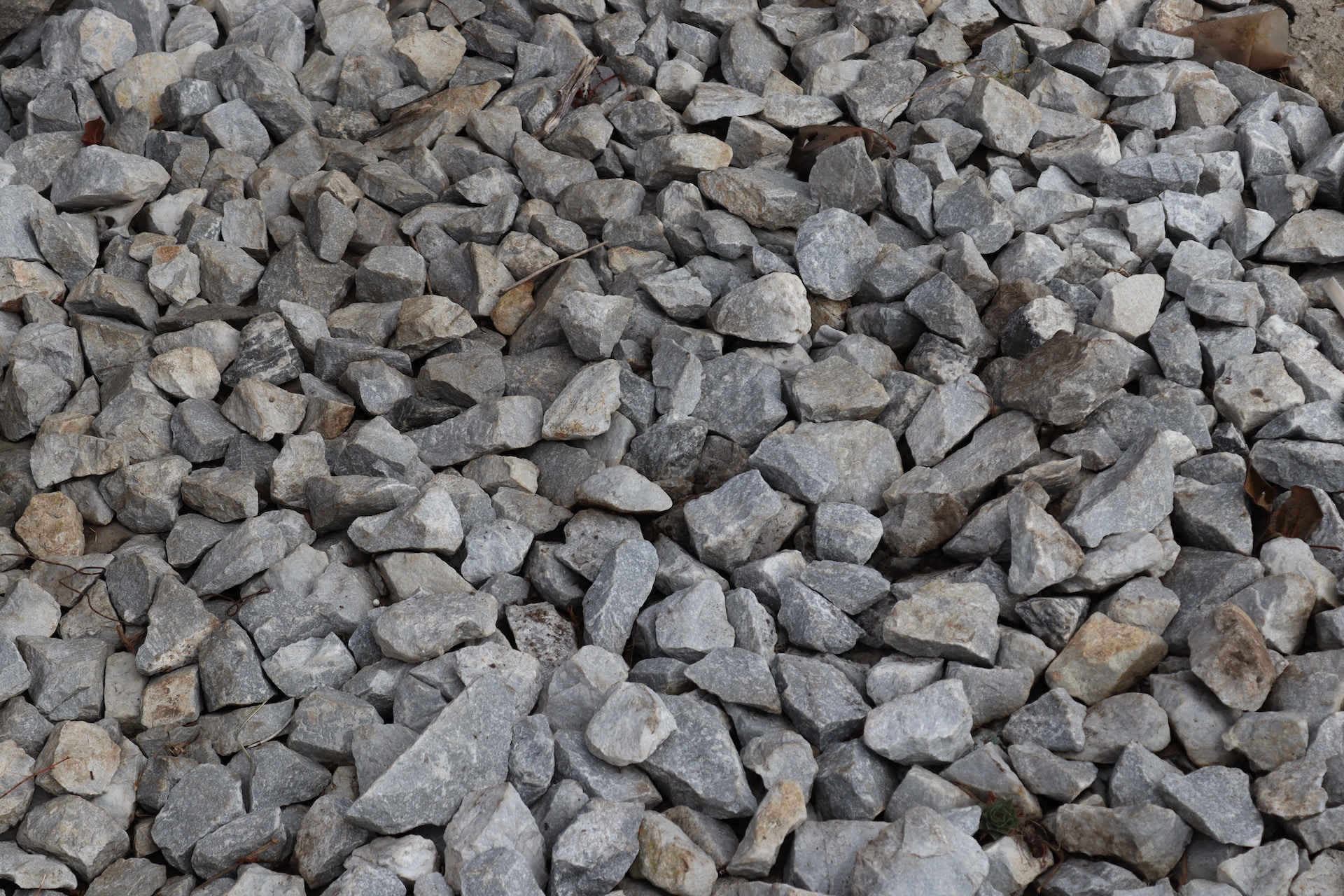
    Some jobs can almost seem invisible even when they are important. Have you ever wondered where the small rocks for gravel roads or pathways and gardens come from? Many of those stones are likely the result of a rock splitter’s work in a quarry. If you enjoy working outside and are good with your hands, this could be a good job for you.

    Many of the rocks that people use to line their flower beds or to construct buildings come from quarries, but they usually must be broken up before they are useful. Quarries are large rocky areas where people can find granite or other stones to use for building houses, making roads, or many other projects. Normally, the rocks are far too big to transport anywhere or to use as they are. Rock splitters need to cut the rocks down to a smaller size before anyone can use them.

    Working as a rock splitter can be very hard physical labour, even with machines and tools to help make the job easier. People in this trade need to work outside in all kinds of weather, although the work may be impossible in winter, depending on the location. Stormy weather also makes the job difficult and dangerous in many cases. Work might sometimes be cancelled because of these conditions, but rock splitters often work in unpleasant weather.

    The job can also be loud and physically demanding as workers use noisy machines and move large rocks around. Injuries are common, and the work can be too difficult for people as they get older. Hearing loss might also be a problem for some people, and it is important to wear any safety gear that the managers recommend. In some cases, rock splitters might have to work at the top of cliffs, and it is important not to be afraid of heights.

    Normally, rock splitters need a high school education, followed by on-the-job training. Jobs are available in the areas of mining, quarrying, and construction. The availability of jobs depends on the economy and other factors, but most of the work is in the rockier parts of Canada rather than farming regions or forests. Salaries start at about $39,000 per year and can rise to $48,750 per year. Some areas of the country tend to have higher salaries than others, and certain companies might pay more for their rock splitters than others.

    You can already start to prepare for this job in high school. Courses in communication, trades, first aid, and geography are useful, and it is important to be physically fit. A certain amount of manual dexterity is also useful for handling tools. Efficiency and an ability to follow instructions can help people succeed in this job. Although rock splitters often work with other people, they should also be able to work alone.

    Working as a rock splitter might not sound interesting, but it can be a very important job. Without rock splitters, other people would be unable to do their jobs. If you are strong and enjoy working with your hands, this trade might be a good choice for you.


    Bibliography

    College Grad. “Quarry Rock Splitters.” https://collegegrad.ca/careers/quarry-rock-splitters.

    Pathways to Jobs. “Rock Splitter.” https://pathwaystojobs.ca/career/167/Rock_Splitter

    Talent.ca. “Rock Splitter Average Salary in Canada.” https://ca.talent.com/salary?job=rock+splitter#.

  • Trades and the Climate Crisis: Sustainable Practices

    Trades and the Climate Crisis: Sustainable Practices

    Some people see the trades as being major contributors to the climate crisis. With many goods being manufactured in one place and then being shipped over the ocean or across the country, this idea is not surprising. However, with creative solutions to replace old practices, the trades can move towards sustainable practices that help to reduce their impact on the environment.

    In the past and even now, people used the resources that were cheapest and most convenient instead of the ones that were sustainable. Diesel and gasoline were the most common fuels for running machines, and people were generally not very concerned with how these fuels were affecting the environment. Builders constructed houses and offices on wetlands so that by now, about seventy percent of Canada’s wetlands have been lost in some areas and even up to ninety-five percent in areas with large populations. Factories have polluted waterways, and many of the trades have contributed to the climate crisis rather than helping to keep the natural world safe.

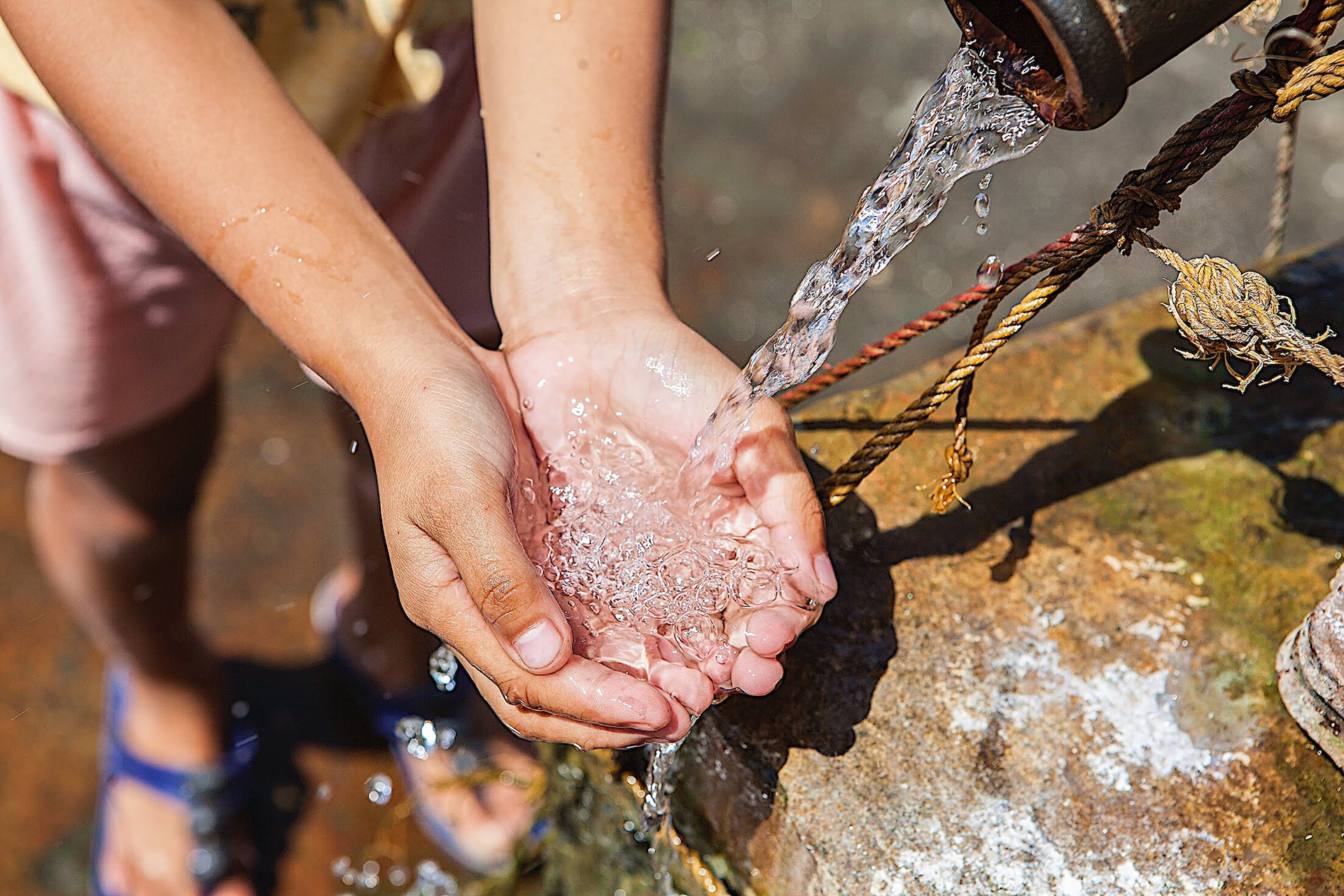
    However, some tradespeople are trying to change. A British company called Futurepump, for example, has built environmentally friendly water pumps for people in countries like Nepal and Kenya. Renewable energy sources are replacing diesel-fueled pumps to get water for their daily needs. Other companies are using environmentally friendly designs in their construction.

    One example of these kinds of projects is the Manitoba Hydro building in Winnipeg. This building, which has glass covering almost all its exterior, was designed to use sixty-five percent less energy than a similar-sized building with a more traditional construction from concrete or stone. Other builders are also using better methods of construction to make offices and homes more energy efficient. In Paris, France, people have found ways of using warm water from baths, showers, and dishwashers to generate electricity, and other people are using creative methods to reduce their impact on the environment.

    Generally, engineers or people with similar skills are the ones who design new methods of generating electricity or reducing waste, but tradespeople can also help. Starting a small factory to produce goods locally can help reduce pollution, and using energy-efficient methods can also help in reducing the impacts of climate change. Using the best insulation in construction, for example, can help keep buildings cool in summer and warm in winter.

    According to research from the 3M Science Centre, about 700,000 people in the skilled trades are expected to retire between 2019 and 2028. Those retirements mean that younger people will have the chance to get jobs where they can possibly influence the choices that their employers make, or even become employers themselves. They can choose to build energy-efficient buildings and to run factories close to where the markets for those goods are. They can recycle as much as possible and reduce their impact on the environment.

    Individual tradespeople can also make a difference. Suppose that you have several jobs at opposite ends of the city. You could go back and forth many times in one day, or you could plan your work so that you can combine some of the jobs with other errands to use less fuel. You can use good-quality tools that last for years instead of cheaper ones that you might need to replace more often. With careful thought and planning, people in the trades can make a difference for the climate.


    Bibliography

    3M Science Centre. “The Future of Skilled Trades: Inspiring the Next Generation.” https://sciencecentre.3mcanada.ca/articles/the-future-of-skilled-trades-how-we-can-inspire-the-next-generation.

    Government of Canada. “Government of Canada Promotes In-Demand Skilled Trades as a First-Choice Career Path.” https://www.canada.ca/en/employment-social-development/news/2022/01/skills-trade.html.

    Government of Canada. “Nature-Based Climate Solutions.” https://www.canada.ca/en/services/environment/our-environment/nature-based-climate-solutions.html

    World Economic Forum. “Rethinking Trade’s Relationship to the Fight Against Climate Change.” https://www.weforum.org/agenda/2022/02/rethinking-trades-relationship-to-the-fight-against-climate-change/.

  • A Student’s Guide to Surviving Winter

    A Student’s Guide to Surviving Winter

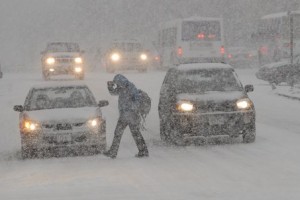
    The chill is coming! Colder, whiter days are ahead. We all have to deal with the torment of winter, but there are a few ways to make it easier for all students in high school and college.

    What do we hate about winter most? The cold, right? It’s only half Mother Nature’s fault, the other half is our own. Many of us want to look fashionable in winter, but at the expense of our own warmth and comfort. We’ve all seen guys walking around in the dead of winter with no coat on or only wearing a hoodie, and girls still wearing skirts and small jackets. Don’t be one of those people! Bundle up! Shop around for good quality winter apparel that will keep you warm! Protect your ears, neck and feet. This should go without saying, because if you don’t you’ll end up getting sick and that leads us to…

    Feeling terrible! This will not help you in school. So what can you do when you do get sick? Friendly Dr. Kylie (that’s me!) says that drinking lots of fluids and hot showers usually does the trick for me. Rest is required, but try going to bed earlier rather than taking full days out of school. I have always missed important information on my sick days. We all know that being sick is all too good of an excuse to over exaggerate our need to take a sick day when really a box of Kleenex and some Buckley’s would be all you need. Additionally, in the winter our bodies require extra vitamins because it has to work harder. Taking a vitamin C pill, for example, will decrease your chances of getting sick significantly.

    So you’ve protected yourself, but this doesn’t mean everyone else did, too. Wash your hands as much as possible when using public facilities. You can also try alternatives to using your hands to touch things; whether you’re using your sleeve or shoulder to open a door or grabbing a piece of paper towel before touching the faucets in the bathroom, it all makes a difference. You can also equip yourself with travel size antibacterial gel. If can’t stand the smell of regular antibacterial gels, many companies now make fruit scented ones to counteract the alcohol smell.

    Finally, if you’re like me and are always cold, here’s something I found helped me in my daily commuting. Carry a thermal mug with you and keep it full of whatever delicious hot beverage you like! Whether it be coffee, tea or even hot chocolate, this will not only keep you warm but it will postpone and lessen your hunger resulting in fewer pounds gained during the less active season! You can also make an effort to eat heartier meals with lots of nutrition rather than greasier meals that will only encourage seasonal depression.

    Following the tips above should help you stay warm, cozy and happy throughout the long Canadian winters!

  • The Winter Blues: How the Lack of Sunlight in Winter Affects Us Physically

    The Winter Blues: How the Lack of Sunlight in Winter Affects Us Physically

    By Erin Rebello

    As the temperature drops, the leaves fall, and the puffy jackets are brought out of storage, it’s a sure sign that winter is on the horizon. Besides the very obvious signs of changing seasons, you may have also noticed some more subtle changes in your mood or behaviour. Perhaps you feel more upset or tired, or perhaps you experience difficulties getting out of bed in the morning. If that’s the case, you might just be someone who suffers from Seasonal Affective Disorder, also known as SAD.

    Seasonal Affective Disorder is a mood disorder lasting 40% of the year, brought on mainly by the change in seasons from autumn to winter. SAD affects around 5% of the population severely, and another 10% to 20% on a milder level. SAD is more common the more northern a country is, leading researchers to believe that it is caused by the amount of sunlight we receive on a daily basis, or more specifically, a lack of sunlight. Since SAD is a depressive disorder, it presents with many of the same signs and symptoms as general depression, including:

    • Losing interest in things you usually enjoy
    • Feeling low energy or tired
    • Oversleeping
    • Feeling depressed most days
    • Changes in eating behaviour or appetite
    • Suicidal thoughts or actions

    If you’ve noticed any of these symptoms in yourself, the first thing you should do is visit your family doctor. The symptoms of Seasonal Affective Disorder overlap with many other mental and physical conditions, and working with your doctor will allow you to get to the root of your issue, whether it’s SAD or something completely different. Your family doctor will also be able to refer you to further options, whether that is a psychiatrist, a therapist, or a group therapy session. Like any other mental health concern, Seasonal Affective Disorder can have serious and lasting effects, so it’s best to get it checked out as soon as possible.

    After speaking with your doctor, there are a few therapies and treatments you can consider. First and foremost, they may ask you to go outside more often. Natural sunlight is important to both our circadian rhythm and vitamin D production, so it’s no surprise that getting more daylight can be beneficial. Even though the sunlight isn’t as strong as the summertime, even just a few minutes of fresh air can work wonders for your mental and physical well-being. Another option often recommended by doctors is a SAD light box. Light boxes consist of a panel of whole-spectrum lights which produce light very similar to that of the sun (minus the UV damage, of course!). For most lightboxes, it is recommended to turn on the lightbox and point it towards your face for 20 to 30 minutes bright and early in the morning. Light therapy is considered to be quite effective at treating patients, especially in combination with medications and therapy.

    Overall, Seasonal Affective Disorder is a serious depressive condition caused by the change in seasons, and can greatly impact your quality of life. If you or a friend are experiencing any symptoms of SAD, your best course of action is to share your concerns with your family doctor and go from there.


    Sources:

    American Family Physician. “Seasonal Affective Disorder.” https://www.aafp.org/afp/2000/0301/p1531.html.

    Mayo Clinic. “Seasonal affective disorder (SAD).” https://www.mayoclinic.org/diseases-conditions/seasonal-affective-disorder/symptoms-causes/syc-20364651.

    Mayo Clinic. “Seasonal affective disorder treatment: Choosing a light therapy box.” https://www.mayoclinic.org/diseases-conditions/seasonal-affective-disorder/in-depth/seasonal-affective-disorder-treatment/art-20048298.

  • Trade Jobs You Can Do in Winter (French version available)

    Trade Jobs You Can Do in Winter (French version available)

    Winter is a time when many jobs come to an end for the season. Lawn care and gardening, for example, end in fall and start up again when the snow has melted. Many trades are also dependent on the weather, but some can continue even in winter. If you are interested in one of these trades, you can have a steady income to keep you going, even in the depths of winter.

    In many parts of Canada, the weather is too cold in winter for any trades that involve being outside for long periods of time. Outdoor construction usually ends once the cold weather comes, partly because many parts of the process are difficult when the weather goes below freezing. The workers get cold, snow and ice get in the way, and materials such as concrete cannot dry properly. Construction workers could still find some work on indoor jobs such as kitchen or bathroom renovations, but the work in these areas is much harder to come across in winter than in summer.

    Trucking is a good choice for year-round work. Even in winter, people need to have food or other goods from other parts of the country, and truckers help to haul the goods from one area to another. Driving on icy roads can be challenging, and the shorter hours of daylight can also be a problem. However, this job can be good for people who have a certain amount of physical strength and who are efficient and good drivers.

    For people who want an extra challenge, driving on the ice roads in northern Canada is another possibility. Many northern communities have no regular road access in winter, but ice roads are available for drivers who are able to handle the slippery conditions, darkness, and other challenges.

    Other jobs are also available in the trucking industry. Workers can load cargo onto trucks at the beginning of the route or unload it at the end, making sure that it gets to the right place, or they can help the drivers with this task. Packing or unpacking the boxes can also be a good option. Another option is to work in the office as a dispatcher, sending drivers to different destinations and keeping track of packages and other deliveries.

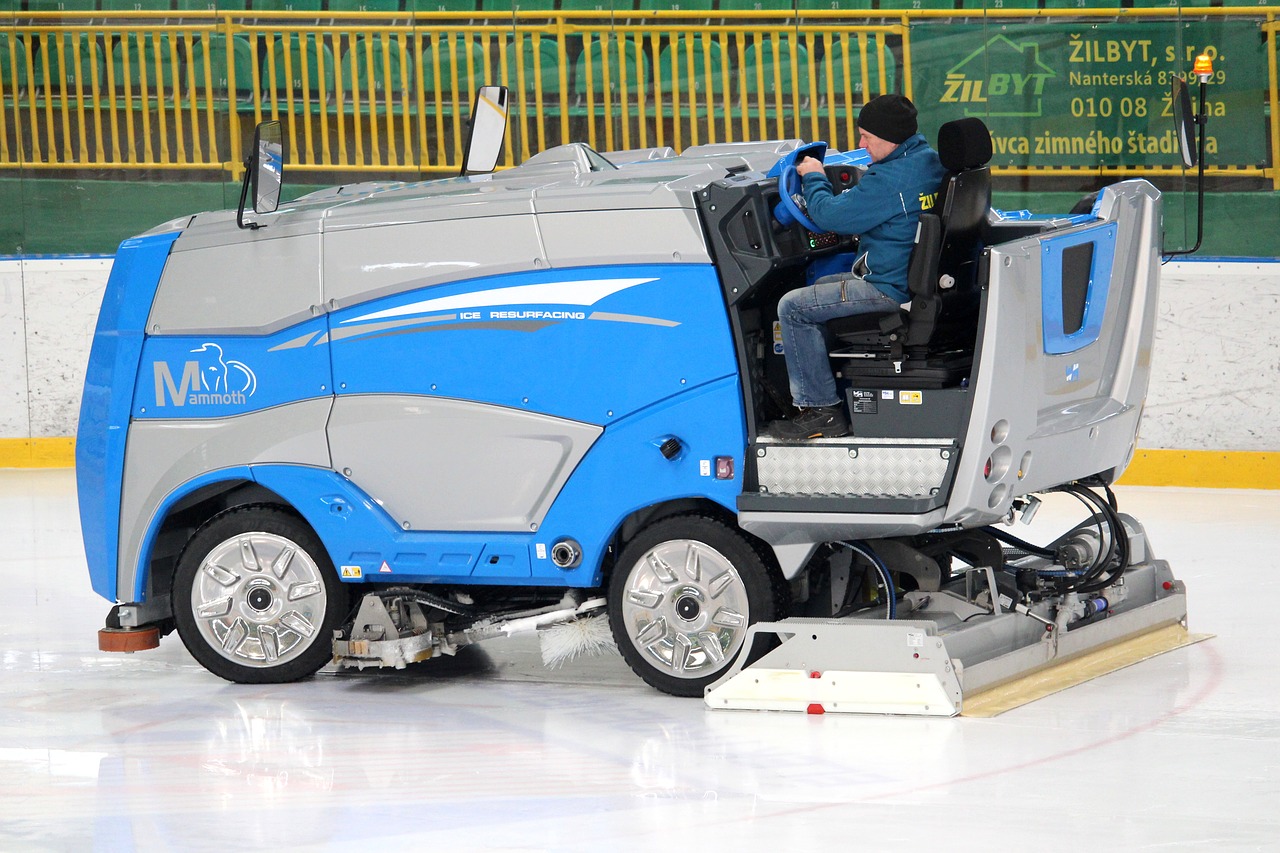
    Many outdoor activities close down in winter, but others open up for the cold season. Maintenance work at a ski resort or an ice rink could be two options for trade work in winter. Some people might choose to maintain ski lifts, while other tradespeople might choose to work with grooming ski trails or ice rinks.  The amount of work available depends on the size of the recreation area and the amount of snow that falls over the season.

    With ice rinks, the number of people who use the rink will affect the amount of work that people need to do. The blades of skates tend to cut into the ice, and gashes in the ice can cause skaters to fall. Keeping the ice smooth and clean is important for skaters to be able to keep themselves safe. For cities with large hockey rinks, being able to operate a Zamboni machine is an asset.

    Setting up or maintaining displays in malls and other public areas can be another good option. Christmas lights and trees need someone to set them up, while work might also be available in ensuring that the electrical connections for the lights are working properly.

    Another option is hairstyling, which can continue all year. If you enjoy people and can work with your hands, this might be a good option.

    Trade jobs tend to be most active in summer because of the weather. However, some trades are still possible in the cold season. These jobs can help people hone their skills or learn new ones as they get through the winter.


    Bibliography:

    Bromley, Sam. “Tips for Tradespeople Working in Winter.” https://www.simplybusiness.co.uk/knowledge/articles/2019/11/working-in-winter-tips-for-tradesmen/.

    Dixon, Brad. “Busting Skilled Trades Myths: “Skilled Trades Jobs are Inconsistent.” http://blog.getatrade.com/blog/busting-skilled-trades-myths-skilled-trades-jobs-are-inconsistent.

    Indeed.com. “Seasonal Winter Jobs (with Salaries).” https://ca.indeed.com/Seasonal-Winter-jobs?vjk=fda9b7d01fc168da.

    Winter Jobs. “Winter Jobs in Canada.” https://www.winterjobs.ca/.

  • Maintaining a Healthier Lifestyle in the New Year

    Maintaining a Healthier Lifestyle in the New Year

    The New Year is always an opportunity to start fresh. Every year brings about new interests, hobbies, friends, and happiness. However, it can also bring on some new challenges and obstacles for you. These challenges aren’t always bad, sometimes our biggest struggles help us to become the best versions of ourselves, but we do not always see it.  Sometimes it feels like life is moving incredibly fast, so fast that you can’t keep up. There’s a lot to worry about in life, especially when you’re still figuring out what you want to do with your life. Sometimes life gets especially challenging. Some years may feel like they were full of growth and satisfaction, and others may feel like the worst of your life. You may end up feeling proud of the person you became over the years, but you also may not. You’ve got to remember that there is always a chance for you to start over. Since it is now 2025, our decade is halfway done. This is the perfect time for us to be able to help ourselves nurture and grow into who we want to be. Sometimes all we need is a little self-care. When things like school, work or your own personal problems become the source of your stress and anxiety, you often brush your own physical and mental needs to the side. Those should be the priority, take care of yourself before anything else. All aspects of your lifestyle tie into your mental and physical state. Therefore, it is important to maintain a healthy and efficient lifestyle. Below, I have included a few tips for you to consider trying and live a stronger, positive life.

    Try a Healthier Diet: Your physical and mental health are extremely important. Changing things up in your lifestyle is a good start to trying to live a more positive life. Trying a healthier diet can help improve your physical health.  This can help you manage your weight, reduce your blood pressure, improve your cholesterol levels and control your blood sugar. Eating healthier food does not just help with your physical health, but your mental health too. The brain is almost like an electronic device, perhaps a phone. A phone needs to be charged occasionally to keep functioning properly, a brain is the same. The fuel which the brain runs on is food. Studies have shown that the food you eat affects its structure and how your brain operates. Foods like fish can be helpful to replace red meat.  Of course, there are your vegetables and greens such as kale, spinach and broccoli that are helpful too. Eat whole grains, and fruits or try switching to low-fat dairy. Limit your junk food intake. These methods and foods are known to be nourishing for your physical and mental health.

    Find your passion: Everyone has something that they are good at, or that they like to do. You don’t always have to be good at something to love doing it. As long as it makes you happy, you are successful.  Finding that one hobby that you love to do and that will distract you from all the negativity and happiness is essential to living a more positive lifestyle. Personally, I love to read and write to take my mind off things. Occasionally I love to draw because it can help me unwind and focus on something other than my hardships. Try doing different activities like sports or art and see what you like doing the best.

    Limit Yourself: Do not work yourself too hard and stress yourself out. Admittedly, I am a workaholic and do not know when to stop. I only stop when I am dead tired and extremely stressed out. Do not do this! You must take time to yourself, especially if you are a student in high school or post-secondary. When you are given an assignment, never leave it to the last minute so that you can spread out the workload. When you’ve got a test to study for, start studying as soon as possible because other things will come up that can disrupt your studies; spread it out. Overworking yourself is the worst thing you can do to yourself because you end up stressed and anxious mess in the end. Work very hard, but always know your limits. Take breaks when doing your work if you must, if you are feeling very overwhelmed maybe you should take this as a sign to pack up and relax. Winding down is important, when you clear your head, you can perform properly.

    Self-care is the best care. Everyone is always one choice away from changing their lives. Every choice that you make matters.  In the end, the thing that should matter the most is yourself. Take good care of yourself. Your body and mind are like a garden. Your garden needs water and nutrients to prosper and grow, without it, it’ll wither away.

    Websites used:

    https://www.health.harvard.edu/blog/nutritional-psychiatry-your-brain-on-food-201511168626

    https://www.healthline.com/health/best-diets-for-mental-health

  • Making and Keeping New Year’s Resolutions

    Making and Keeping New Year’s Resolutions

    By Erin Rebello

    When December 31st rolled around, we counted down the seconds until the New Year, crossing our fingers for a better 2025. Although we can’t control external events, there are things we can do on a personal level that can make 2025 the best year ever! One way to stay in control is by making New Year’s resolutions, which is a tradition for many people around the world. While you certainly don’t have to wait until New Year’s Day to set a goal, having a fresh slate might just be the motivation you need to start!

    When thinking about potential New Year’s resolutions, think about what you’d like to achieve next year. One thing that helps me when creating new year’s goals is looking at how I can improve in the different areas of my life, such as at home, in school, with my hobbies, or even my health. I usually start with a general idea of what I want to achieve, and then go more into detail. Below are a few generalized goals that you can use to jumpstart your ideas for resolutions:

    • “I want to exercise more”
    • “I want to do better in school”
    • “I want to be a kinder person to others”
    • “I want to eat healthier”

    After you have a general idea of what you want to do, you’ll need to go a step further and change your goal into a SMART goal. A SMART goal is essentially a goal that is specific, measurable, achievable, relevant, and time-based. Let’s take the goal “I want to exercise more” and transform it into a SMART goal!

    • Specific: Be as clear as possible when writing out your goal. You want to exercise, but perhaps you’d specifically like to do more cardiovascular exercise, like running.
    • Measurable: In order to know if you’re coming closer to your goal, you need to have a way to measure your progression. In this case, you might choose to measure your progress by seeing how your long-distance running improves over time.
    • Attainable: Your goal needs to be realistic and doable, otherwise you’ll feel overwhelmed and you might not even want to start. For example, it may not be realistic to set a goal of running a marathon, so your goal might instead be a 5 km race by the end of next year.
    • Relevant: In order to feel motivated to follow your New Year’s resolution, it needs to be relevant to your life. In this case, exercise may be relevant to you, as you want to get fit, or maybe make the cross-country team.
    • Time-Based: Perhaps the most important part of any SMART goal is the time-based aspect. By setting a deadline, you make your goal easier to understand and follow through with. With this goal specifically, you might say that you want to exercise four times a week instead of simply “more often”.

    When we combine all aspects of the SMART goal, we transform “I want to exercise more” into the following:

    “I want to do cardiovascular exercise four times a week so that I can make the cross-country team and reach my goal of running a 5 km race by the end of next year. I will know that I’m making progress if I’m increasing how far I can run over time.”

    Using this simple template, you can create your very own SMART goals and make 2025 your year to shine! Good luck!

  • Bringing in the New Year Positively and Progressively!

    Bringing in the New Year Positively and Progressively!

    There are lots of New Year resolutions that many people break within half of a year, or less. If the resolutions work for you, great! You can find something that you want to work on for school: better grades, for example. How would you accomplish this? Would it be developing more effective studying habits, getting additional help from a tutor, your teacher, or a classmate to help you understand the material better? If it’s due to lack of time, scheduling your time wisely can help. You can create blocks of time that cannot be moved: school, sleep and work. Those are the things that you must do- after that, you can maneuver your schedule to make other things fit. Make sure to keep some breaks for yourself after finishing the day’s must-do’s- you deserve it!

    You don’t have to make resolutions if you don’t want to, of course. Instead, you can choose instead to bring in the New Year doing something positive in your student life. Things can always be turned around for your grades which are very important for senior year, but what happens if you’ve had a really lousy year?

    It can happen. Today is a brand new day.

    You can turn things around if you want to, and if you try hard enough. You can focus on your grades if that’s a weak spot. You can focus on doing something you want to do, whether that means your grades, your confidence (a new haircut, maybe?), volunteering (this can help with university and college, but also future job prospects), or even a new team sport (soccer, lacrosse?). This is all progressive thinking: new ideas can help you think creatively in both your academic and personal lives.

    When it comes to bringing in the New Year positively and progressively, you are looking to help yourself first. You want to be the best person you can be. Don’t compare yourself to others, because we all have our strengths and weak spots. Look for ways to improve. Look for ways that will help you develop your future: volunteering, getting better grades or expanding your knowledge and range of experiences with something not taught in your school.

    Making new friends is another possibility. It’s intimidating to consider that when you’ve grown up with same group of people, but think of it this way: it’s a new chance to make a new friend, and you may have a lot in common. It could be someone new who can help you have a great year!

  • Healthy Habits for the New Year!

    Healthy Habits for the New Year!

    To stay positive and healthy, mentally and physically, it’s important to focus on yourself. A lot of people are consumed with their lives, their busy schedules and day-to-day lists, that they ignore taking care of themselves. In order to thrive, you need to pay attention to yourself mentally and physically.

    To take care of yourself mentally, you need to take a second and slow down. Pause, relax, and think about the things in your life that make you happy and the things that bring you down. Oftentimes we get hurt by little annoyances in our life or even habits that we form over time. If you take a second to observe these things, you realize how minuscule these problems are in comparison to the bigger picture. Especially if you’re going through a tough time in your life, focusing on your mental health will make a huge positive impact on your life as a whole in the new year.

    Every day, try to write in a journal or talk to a close person in your life about what’s going on. It can be anything; good things, bad things, small things, big news. Talking lets out feelings that we didn’t know we had, and it’s usually a huge relief to talk about it and let out your emotions. People underestimate the importance of doing this. However, dwelling on emotions too much and letting them take over can make you feel depressed and anxious. Find a healthy balance that is right for you. Practicing mindfulness is another quick and easy way to feel much better. Breathing exercises may calm you down; especially if you are in an anxious or wound-up state, mindfulness and breathing exercises can be a great way to improve your mental state.

    Physical health is important as well. Not only does it make you feel better, but it also improves your mental health as well. Eating healthy, drinking water, exercising and getting enough sleep are all key components of taking care of yourself both mentally and physically.  You need to eat a proper amount of food each day, otherwise, you can become even more unhealthy than before. The idea is to eat healthier food, but the same amount of food to satisfy your hunger. Drinking water has multiple effects including clearing your skin of acne, boosting your health and levelling out blood pressure. Exercising healthily can improve your physical and mental health as well. There are countless positive effects on exercising including decreasing anxiety, depression and other mental health disorders, building muscle, improving your heart and lung health, and much more. Exercise 3-5 times a week, but be careful not to over-exercise as that can make your health worse as well. Simple exercises such as walking and yoga are an easy way to keep this in your busy schedules. Keeping a healthy balance is most important. Lastly, get enough sleep. Due to everyone’s busy lives, they forget how important getting enough sleep is. It improves all of 2 your ability to function, and work efficiently and quickly, lets you focus easier, and decreases mental health disorders such as anxiety as well

    By forming these habits in the new year, you are bound to be happier and healthier, overall. Always keep in mind that the most important thing is to take care of yourself and to keep a healthy balance of these positive habits. Physical health goes hand in hand with your mental health; by helping one, you are improving the other. This year, try to focus on yourself and your health. Even though it’s easier, don’t allow yourself to get caught up in the business of your life.

    Referances:

    https://www.medicalnewstoday.com/articles/290814.php#benefits

    https://interestingengineering.com/15-mental-health-habits-to-try-this-world-health-day