Category: Advice

  • Networking: Your Tool to Success

    Networking: Your Tool to Success

    There is a saying that you will become very familiar with in life as you enter university and eventually into the workforce. The saying goes: it’s not WHAT you know, but WHO you know that matters.

    This may not make sense to you at first glance. I’ll be the first to admit that it didn’t make sense to me at first either. After all, I had spent years trying to learn as much as I could about my specific course of study. I figured that the more knowledge I had under my belt the better my chances were at getting into a great graduate program or getting a job in my desired field. But I soon discovered that this was not the case. Don’t get me wrong, either. Knowledge is important – very important! But so is your network.

    So, what is a network? A network is a person (or group of people) you interact with and exchange information with. Put simply, it consists of anyone you know and have developed a relationship with. Your network can include your family, friends, past and current colleagues, former high school teachers, past and current university professors, past and current bosses (assuming you have a good relationship with them), etc. Your network can even include people you met at the gym, coffee shop or church! The possibilities of who make up your network (and how large your network is) is only limited by the number of people you know. And I bet there are a lot of people you know in your life!

    Not everyone in your network needs to know each other. What’s important, though, is that the people in your network know you and like you. It wouldn’t be a good idea to have someone in your network who speaks poorly about you. This is because a network consists of people who help (not hinder) you in your career. Let’s consider the numerous advantages of having a network. For instance, when trying to find a job, a network can:

    • Provide you with internal job postings leads that may not be advertised to the general public
    • Provide you with contact names (people whom you may not be able to access on your own)
    • Put in a good word for you. Word-of-mouth referrals always have influence!
    • Provide you with advice during your job search process
    • Provide ongoing mentorship throughout your career

    Often, these things are more powerful and influential than WHAT you know. Again, this is not to suggest that knowledge and expertise aren’t important – they are! But when knowledge and expertise are coupled together with a lead on an internal job posting, a word-of-mouth referral and a contact name, your chances of getting that job go up tenfold, compared to another candidate who just has the knowledge and expertise.

    Remember that relationships are important, and this is no different in your personal life than it is in your professional life. So build your network and be part of someone else’s network. The benefits you reap from it are endless, especially since we live in a world where it’s not WHAT you know, but WHO you know that matters!

  • How to Prepare for an Interview

    How to Prepare for an Interview

    You’ve found a company you think you’d like to work for, you’ve sent in your resume and they’ve called back, excited to interview you. You’ve got an interview set up in a week or a few days. What do you do until then?

    If you’re serious about the job, and you want to land it, there are a few things you can do to prepare leading up to the big day.

    Research the company

    You already know you want to work there. Maybe it’s cool or they pay more than other places for similar work, but if you want to get in, it helps to have an edge.

    Check out the company’s website. Find out what the company prides itself in and who they see as their customers. The more you know about a company and the position you’re applying for, the better you can respond to their needs and show why you’re the best fit for the job.

    Showing that you’re familiar with the company demonstrates that you’re serious about wanting the position and that this isn’t just a random job application (even if it may have started out that way).

    Practice

    It may sound hokey, but if you haven’t interviewed much before, preparing practice questions with a friend or family member can help you get over your nervousness and ensure you have smart, relatable answers at the ready.

    Prepare concrete examples

    Interviewers want to see that you can think on your feet and they’ll often ask, “Tell me a time when…” questions. Things like, “Tell me a time when you weren’t able to meet a deadline.” Saying you’ve never had trouble with this will sound disingenuous – everyone’s handed in an assignment late at some point.

    Be honest and talk about how you let your boss or teacher know as soon as you knew you were in trouble, and how you negotiated an extension or workaround. Interviewers want to know that you know how to act professionally, even if this is your first job.

    Prepare your wardrobe

    Plan your clothes the night before and remember that it’s better to dress smart rather than casual. Even if the job is a jeans and t-shirt kind of place, it’s a sign of respect to dress well for an interview.

    Ensure anything that needs ironing has been ironed and that you have everything at the ready. You don’t want to make yourself late searching for your dress shoes  five minutes before you’re supposed to be there.

    Plan your route

    Use Google Maps to plan how long it will take you to get to the interview and aim to be at least fifteen minutes early. Plan for traffic and check road closures.

    Be calm

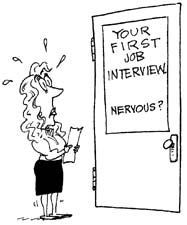
    It’s easy to get nervous before an interview, especially if you haven’t interviewed much. Take a few deep breaths before going in and smile. It really will relax you. Just be yourself.

    Remember that each interview is practice for your next one, whether you get this job or go on to something else. It gets easier each time.

    Good luck!

  • Dealing with Stress

    Dealing with Stress

    At any age, stress can take a toll on your mind and body. For most, stress is caused by an event or situation that is considered dangerous, difficult, or unpleasant. If it is not dealt with properly, long term stress can cause physical and mental damage. Coping mechanisms, if taught early, can be a helpful ally in battling stress and conquering stressful situations.

    For teens and young adults, stressful situations can be present in everyday life. Some common things that can cause stress are demanding school schedules, drama with friends, low self-esteem, changing bodies, high expectations, and family problems. Most young people encounter one or several of these situations on a daily basis. After a while the weight can start to take an affect and they can become overloaded with stress.

    Fortunately, stress is manageable, especially if the proper coping techniques are taught early. One way to help manage stress is to exercise and eat healthy. Exercise reduces the stress hormone levels in the body and causes the release of endorphins, which are the body’s natural mood lifters. In fact, exercise actually helps you relax. Doing some sort of moderate physical activity every day can ease stress or even prevent it. Healthy eating goes hand and hand with exercise. The healthier you eat, the better you feel. Keeping the body well-nourished and balanced is especially important during stressful times.

    Another way to cope with stress, especially with school, is to prioritize. If you have a heavy work load, do the biggest most difficult projects, or the projects that are due sooner, first. This way, you will have peace of mind knowing that they are completed. The smaller and easier tasks will be a piece of cake after the more difficult tasks are off your plate. Also, if a project or assignment seems overwhelming, break it into smaller pieces. For example, if you have a large paper to write, give yourself the time and take it paragraph by paragraph. Treat each paragraph like it’s a separate assignment. This way, the thought of writing large paper won’t seem so daunting.

    Last but certainly not least, the best way to deal with stress is to talk to someone. Stress is common and many people can relate and sympathize. Talk to a person who is close to you, someone who you can open up to and be honest with, like a parent, a teacher, or even a best friend. Voicing your stresses and frustrations can help you get them off your chest. Sometimes a long chat with your closest friend can do wonders for your mood and stress level. Situations that are seemingly stressful might not be so bad once you know you have support and you’re not alone.

    Stress can be dangerous, especially for teens and young adults who are not sure how to manage it. It’s important to recognize when a situation is beginning to weigh on you and make it a priority to do something about it.

  • What Kind of Jobs Are Really Out There?

    What Kind of Jobs Are Really Out There?

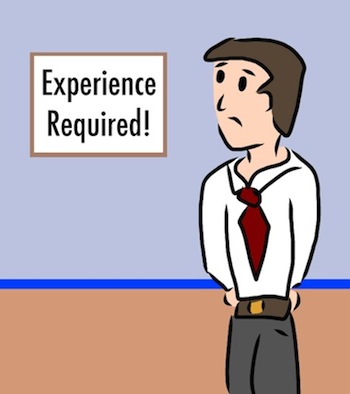
    The job market is changing all the time, but there are a few rules to follow that will ensure your survival/success. Firstly, there is the importance of including work and volunteer experience on your list of activities and subsequent job applications, then there is the importance of engaging in some sort of entrepreneurial activity, and then generally accumulating activities, courses, or experiences that show you are progressive and have an opinion on what your field needs to succeed.

    Remember that it is important to build practical experience and community involvement into whatever career path you are building. Even if you don’t know what you want to do, it is important to get experience doing a variety of practical tasks (work/volunteer) or other interesting activities (work/volunteer). When you have work or volunteer experience to supplement your school activities, you are ahead of the game and that much closer to getting a job because you show that you are actively engaged in your world and care about helping your community.

    Recently, the importance of entrepreneurial activities has been brought to the attention of popular media such as CBC Radio 1. They have reported on the importance of having entrepreneurial activities to supplement or even replace education in an unpredictable market like today’s, where an education doesn’t necessarily mean a job. This aspect has been brought to the foreground due to the 13.5% unemployment rate among young people (Career Options, 2013). There are many people who have graduated with university degrees and are left without a job. This situation is not something you would expect when you look at all the advice supporting a university education, so beware and consider initiating or joining some sort of entrepreneurial activity. Consider your interests and search for something well-suited that will teach you new things and increase your hire-ability.

    Also, accumulating some experience that shows that you are aware of current issues in your field of interest is important for getting jobs that are really out there, like the trades. If you need to take an environmental studies course to show your employer that you are aware of the realities of a changing climate and an emerging “green economy”, do this. It is important to show that you are current and aware of a changing world when you are trying to get the jobs that are out there.

    Remaining a competitive candidate on the job market and getting the jobs that are out there can be assured by accumulating volunteer/work experience in your field of interest, taking on some entrepreneurial activities and taking a few courses relevant to important topics for your field of interest. Good luck!

  • Writing Effective Cover Letters

    Writing Effective Cover Letters

    A cover letter is the first thing a potential employer sees, even before they look at your resume. Without a strong cover letter, they may not even get that far.

    Cover letters are more often sent by email these days, with your resume sent as an attachment. But, whether print or paper, the anatomy of a cover letter is essentially the same. You open with a greeting, state the position you’re applying for, outline your qualifications, and sign off.

    It may sound like a lot, but your cover letter should only be about one page long.

    Greeting
    Start it as you would a letter, “Dear So-and-So.” Using “Hi” or “Hello” in place of “Dear” may come across as too casual.

    If possible, your letter should be addressed to the specific person doing the hiring, and lead “Dear First Name Surname.” You can find this out from the ad, through a contact who already works there, or by calling up the human resources department and asking. But if not, “Dear Hiring Manager” works in a pinch. However, going the extra step will help your cover letter stand out.

    In the past, you’d preface the name with Ms or Mr, but these days it seems a little fussy and can quickly become confusing for gender neutral names.

    Position You’re Applying For
    Following the greeting should be a short statement about the position you’re applying for – “Please consider my application for [position title] at [company].” You may want to include a note about how you heard about the position. If a friend or family member who already works for the company recommended that you apply, the hiring manager will take a closer look at what you have to offer.

    Your Qualifications
    This is the most important part. It’s what gets them to flip to your resume and call to arrange an interview. Depending on your level of experience, this section may be one to three paragraphs long.

    The focus should be on showing how your skills meet the employer’s needs. Highlight the work, volunteer, or personal experience you have that demonstrates you’re a perfect fit for the position. Don’t just give a bald work history – they can read that in your resume. Instead list your professional skills, soft skills or interests, how you won employee of the month, or had the highest sales during the holidays. If you’ve taken any certified courses relevant to the position, be sure to include them here.

    Closing Remarks
    Close with something courteous like, “Thank you for your time and consideration. I look forward to hearing from you.” On another line, your valediction, “Sincerely,” or “Regards,” another line break, your name, phone number, and email address.

    Look It Over
    Once it’s finished, look it over and make sure it flows. Don’t solely rely on spell check to catch spelling and grammar errors. “Deer” may be spelled correctly, but if you write “Deer Jane Smith,” you’re going to look pretty silly – and even sillier if it’s actually “Jayne Smyth.” Triple check the spelling – there’s nothing more embarrassing than getting someone’s name wrong.

    It’s a good idea to have another pair of eyes go over it. Have a friend or family member who may be able to offer suggestions or catch any typos or omitted words you might have missed.

    Good luck!

  • The Human War with Technology

    The Human War with Technology

    Technology has become the essence of our everyday lifestyle. A life without our Blackberry’s or iPhone’s is a life that cannot be lived. Imagine how everyday tasks that have been simplified to suit our preference have been altered by technology to get the job done faster. Whether at school, work, or home, technology has made life easier by replacing everyday tasks with machines that process the work efficiently, saving you time and energy. However, one thing to be wary about is the replacement of, well, human beings. You see, with this booming techno-era becoming so dependent on machinery tools to operate us, they will soon operate without us. Technological innovation is so consistent and rapid that every day a couple of new items enter the market for competition and since every company is aware of this massive command, they go to extreme measures. For instance, the need to save time, reduce costs, and improve the safety and reliability of their product, companies will lay off and downsize their staff to hire professionals in the same field located overseas for cheaper labour, but who possess the same credibility and education level (if not more).

    According to Career Planner, some of the jobs that will witness a reduction from North America and Europe in the near future are data entry, programming, technical support, and customer service jobs. Even accounting will be done in countries unfamiliar to our roots; yet have perfectly mastered our education and language. Talent and expertise are no longer suited with a job offer and great pay; the willingness for companies to pay high prices for local contenders will soon be obsolete, and lower cost labour will move to other countries.

    However, students can surpass these challenges by choosing wisely their career path today. By picking a profession that cannot be performed remotely by someone else overseas, you can guarantee security. Here are some of the secure jobs of the future (to list a few) that will still be in demand, cannot be replaced, and require face-to-face interaction, speed, and are complex in their nature. When searching for the right career, make sure it requires physical energy, high level of skills and creativity (so it is not easily completed by someone else), and are hands on. Do not panic if the career you really love is technology based; do your homework and make sure you get familiar with onshore/offshore jobs for the future. No job is ever guaranteed, therefore to secure your position for tomorrow you must be aware of the fluctuation of the economy, along with its unexpected changes.  Plan it right today!

    High Demand Jobs for the Next 10 Years
    1.    Carpentry
    2.    Plumbing
    3.    Electrician
    4.    Hair Stylist
    5.    Construction Contractors
    6.    Auto Mechanics
    7.    Dental Hygienist
    8.    Truck Drivers for delivery service (UPS, FEDEX, Postal Service)
    9.    Airplane Mechanics
    10.  Entertainment (Actor, Singer)
    11.  Writer
    12.  Marketing Strategist
    13.  Lawyers
    14.  Doctors
    15.  Nurses (particularly home healthcare and nursing homes)
    16.  Politician
    17. Security and Financial Service Rep
    18. Real Estate Agent
    19. Teachers
    20. Emergency Medical Technicians
    21. Surgeon
    22. Chiropractor
    23. Therapists
    24. Medical Lab Technician

  • Joining the Trades: What Can I Be?

    Joining the Trades: What Can I Be?

    Are you wondering what types of careers are available to you in the trades sector? There is literally thousands to choose from. Check out just a few of the careers we found on CareersInTrades.ca!

    Construction
    Construction and Maintenance is the best known skilled trades sector. These jobs are available across Canada in both urban and rural areas. Some of its apprenticeable trades are:
    – Bricklayer
    – Heavy equipment operator
    – Painter and decorator
    – Ironworker
    – Mechanic
    – Plumber
    – Welder

    Transportation
    Transportation trades cover vehicles ranging from automobiles and motorcycles to airplanes and cranes. These jobs are anywhere vehicles can be found, which can be a farm, an airport, a harbour or any street! Some of the apprenticeship trades include:
    – Agricultural Equipment Technician
    – Aircraft Maintenance Mechanic
    – Auto Body Repairer
    – Motorcycle Mechanic
    – Transport Trailer Technician

    Manufacturing
    Manufacturing trades can lead to careers in many different sectors, including cars, textiles and even food production. These careers can secure a job in many manufacturers and bring you to the root of product development. Some of the apprenticeable trades include:
    – Automotive Machinist
    – Graphic Arts (Pre-Press, Press and Bindery)
    – Industrial Electrician
    – Power System Operator
    – Sawfiler/Fitter
    – Tool and Die Maker

    Service
    The service sector offers jobs for those interested in working more closely with the public. From chefs to hairstyling, this sector offers many career opportunities. Some of the apprenticeable trades include:
    – Arboriculturist
    – Baker
    – Barber
    – Graphic Arts Technician
    – Hairstylist
    – Jeweler and Goldsmith
    – Upholsterer

  • Looking for An Ideal Employer

    Looking for An Ideal Employer

    People expect a lot of you. Your family probably expects you to work hard at school or to help out at home. Your teachers expect you to finish your homework, write your tests, and to follow the rules at school. When you get a job, your employer will expect you to try hard and to do your job. All of these people have expectations of what you are supposed to do, but do you also have expectations of them? You might not be able to change your family or teachers, no matter what you expect of them. However, knowing what to look for in an employer could help you find a good job that you can enjoy for many years.

    As you get closer to finishing your school years and start to look for a job, you might hear a lot about what employers expect of employees. You might hear about how employers expect you to get to work on time, to work hard, and to take your lunch and breaks only at the scheduled times. You might hear about how honesty, a positive attitude, flexibility, and dedication to work (a strong work ethic) are very important in finding and keeping a job. However, these qualities often also make the difference between good and bad employers.

    The qualities of good employers can vary according to the needs of the job and of their employees. In a high-pressure job with a lot of important deadlines, for example, the employer might have to be stricter about people coming to work late than in a place where people have more time to finish their tasks. However, a good boss knows when to enforce the rules and when to relax them. Good employers are effective managers who know what needs to be done and how much they can expect from the people who work for them.

    Telling people what to do is part of employers’ work, but it should not be everything. Good employers should be leaders with a vision for what they want the workplace to be, but they should also be open to new ideas from employees and others. They should take care of their employees’ needs and try to be fair to everyone. If employers tend to hire their own friends and relatives instead of more skilled people, they might not be good for outsiders. On the other hand, if they always hire new people instead of promoting their own employees to better jobs, employees might find themselves stuck at a low level for years.

    How can you tell which employers are good until you work for them? The best way might be to talk to employees of the company and find out what they think. You can also find out how long people usually stay in their jobs, since that can often show how well the employer understands employees. Finding an employer who supports you and helps you grow can be difficult, but the effort can make a big difference in your working life.

  • The Dangers of Student Credit Cards

    The Dangers of Student Credit Cards

    For many young people, the temptation of their first credit card is too much to resist. That is why credit card companies will often set up booths on college and university campuses across Canada to tempt you with free gifts and low interest rates for signing up with them. While credit cards can be an excellent way to build your credit rating, the responsibility that comes with owning one cannot be overlooked.

    When I first entered college, I saw a booth on campus advertising free NHL hockey blankets for signing up. Not only that, but acceptance was virtually guaranteed. For someone fresh out of high school, a credit card makes you feel important and like an adult. Being able to use it whenever you want to buy clothes, electronics, make-up and more is a thrill. The thrill will soon wear off when you realize that you have used up most of your credit limit in only a few months and have no way to pay it off.

    Credit cards should not be taken lightly. While the company may advertise an interest rate of 1.99%, this is often only an introductory offer and the rate will skyrocket to 18% or higher after your first month. This means, on a $100 purchase, you will be paying $18 in interest directly to the credit card company. Over several months of not paying off your balance in full, this quickly adds up. Soon you will owe hundreds of dollars that you didn’t even spend!

    If you do decide to sign up for a credit card, there are several things you can do to reduce the temptation of overspending. The first, and most important, is to make sure you have the funds needed to pay off your balance before you even use your credit card. Paying off your balance in full each month is an excellent way to build a credit rating, as you are showing the bank that you are responsible and have a steady income. The second is to leave your credit card at home and do not carry it with you in your wallet. This tactic helps to eliminate the temptation of overspending and using the card for purchases you do not need.

    Of course, there is always online shopping. Online shopping should only be done when absolutely necessary (for Christmas gifts, for example). It is also advisable to get a credit card with a low credit limit – $1000 should be your absolute maximum. Anything higher and you run the risk of using it frivolously.

    Credit cards can be an excellent tool for building your credit rating and establishing yourself, if used responsibly. If you decide to sign up for a credit card, ensure you take the steps outlined above to reduce overspending and, ultimately, reduce your stress level. After all, who needs extra stress during exams?

  • What to Do With a Gap Year

    What to Do With a Gap Year

    A gap year is an idea that many may brush off, may overlook, or may not take seriously. Gap years are often thought of as a ‘fallback’ or an alternative if your initial plans fall through. But it can be so much more than that.

    Taking a year off can let you revitalize and focus you. It allows an opportunity for you to grow outside of the school environment and provide a fresh outlook on what you want to do, what is important to you and how you want to continue your studies.

    You won’t be bored, I promise you. There are countless options for how to spend your year. Some may be more practical than others, but they all will (hopefully) help influence your upcoming decisions concerning what it is you want to do.

    Taking more classes is a common option. Working for those extra credits can give you the opportunity to explore those courses you never had the time for before. Maybe you’ve always had a passion for literature? You could try some offbeat English courses. Film? How about a “History of Western Filmmaking”? Taking additional courses allows the opportunity to boost your average and explore some alternative new fields.

    Then again, education is expensive. Working could be a good idea. You could work full-time or part-time either working as a barista or something totally unique. Your choice. Regardless, experiencing the workforce can be a positive and eye-opening experience and a little extra cash never hurt anyone.

    Maybe you want to see the world before heading back to the library? Traveling is an unforgettable experience. It is one that can broaden your mind, allow you to grow as an individual all while putting a good dent in the money you saved up working for the better part of your year off.

    Each can of course be inclusive of the others and each offers the opportunity to learn new skills, learn about yourself, network and hopefully help you decide which path you want to take or any changes you may want (or not want) to make to the one you’re already on.

    Your education is not a race. It’s your life. The decisions you make and route you choose will make a huge impact on your future so be sure to take your time and make the right decisions. Some people dismiss the idea of a gap year as a ‘wasted‘ or ‘lost‘ year but if you do it right and make the most of it taking a year off can be an extremely rewarding and eye-opening experience. You won’t regret it!