Category: Campus Life

  • October 2026 Scholarships – Apply now!

    October 2026 Scholarships – Apply now!

    Jobs People Do | JobsPeopleDo.com

    AmericanMuscle Student Scholarship Program
    Scholarship Value: $2,500
    Awards Available: 2
    Award Deadline: October 15, 2026

    York University Awards of Achievement
    Scholarship Value: $6,000
    Awards Available: 8
    Award Deadline: October 31, 2026

    Excellence in Ag Scholarship Program
    Scholarship Value: $16,000
    Awards Available: 4
    Award Deadline: October 31, 2026

    Wolf Scholars
    Scholarship Value: $100,000
    Awards Available: N/A
    Award Deadline: November 2, 2026

    SMART Scholarships
    Scholarship Value: $38,000
    Awards Available: 10
    Award Deadline: December 4, 2026

    Walsh / Di Tolla / Spivak Scholarship
    Scholarship Value: $10,000
    Awards Available: 10
    Award Deadline: December 31, 2026

    Automotive Women’s Association Scholarships
    Scholarship Value: $5,000
    Awards Available: 15
    Award Deadline: January 2, 2027

    Connex Foundation Scholarship
    Scholarship Value: $5,000
    Awards Available: 2
    Award Deadline: February 15, 2027

    Commerce 1981 Entrance Scholarship
    Scholarship Value: $40,000
    Awards Available: 1
    Award Deadline: February 15, 2027

    Harrison McCain Scholarship
    Scholarship Value: $20,000
    Awards Available: 3
    Award Deadline: March 1, 2027

    Trent University Prestigious Scholarships
    Scholarship Value: $30,000
    Awards Available: 20
    Award Deadline: March 2, 2027

    Western Continuing Admission Scholarship of Excellence for Black Students
    Scholarship Value: $6,000
    Awards Available: 30
    Award Deadline: Ongoing

    Western Continuing Admission Scholarship of Excellence for Indigenous Students
    Scholarship Value: $6,000
    Awards Available: 30
    Award Deadline: Ongoing


    Print and Graphic Communications Scholarship

    Canadian Printing Industries Scholarship Trust Fund

    This scholarship supports students committed to careers in printing and graphic communications who are entering the first year of an approved Canadian college or university program.

    • University applicants: Grade 12 or equivalent with an overall average of at least 75%.
    • College applicants: Grade 12 or equivalent with an overall or required-course average of at least 67%.
    • Continuing eligibility: Recipients must remain in their program and maintain the academic standard published by the Trust Fund.
    • Scholarship value and availability: Vary according to available awards.

    Choose an approved school and apply for a Canadian Print Scholarship.

  • Indigenous Student Scholarships for October 2026

    Indigenous Student Scholarships for October 2026

    Jobs People Do | JobsPeopleDo.com

    Taking Flight Scholarship
    Scholarship Value: $5,000
    Awards Available: 7
    Award Deadline: October 30, 2026

    Western Continuing Admission Scholarship of Excellence for Indigenous Students
    Scholarship Value: $6,000
    Awards Available: 30
    Award Deadline: Ongoing

  • Fostering Allyship to Indigenous Communities: Driving Change

    Fostering Allyship to Indigenous Communities: Driving Change

    Jobs People Do | JobsPeopleDo.com

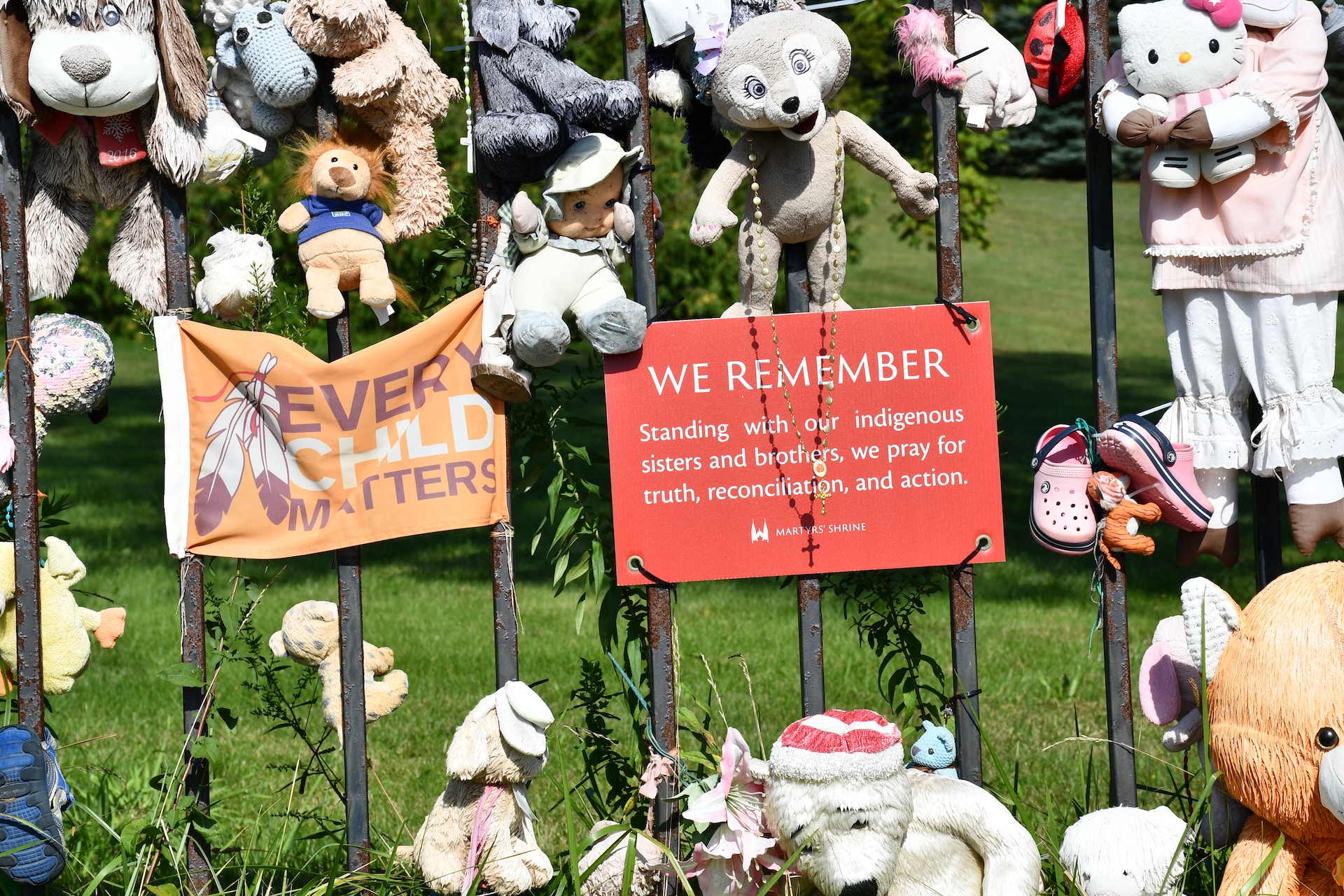
    In recent years, the tragic history regarding the horrors behind the systematic discrimination of Canada’s Indigenous communities has come to light in mainstream media. In 2021, the devastating news of over 200 remains of children in unmarked graves being discovered at Kamloops Residential School shocked the world (Dickson & Watson, 2021). And even more residential school sites are being investigated today, with 66 more potential graves found at St. Joseph’s Mission School in British Columbia (CBC News). The harrowing discoveries sparked candle vigils around Canada and even a visit from Pope Francis himself. Most notably, it also spawned Truth and Reconciliation Day (also known as Orange Shirt Day).

    Taking place every year on September 30th, the holiday is meant to acknowledge the mass devastation that has been inflicted upon Indigenous communities. It is a day in which all Canadians commit themselves to act against the discrimination that Indigenous people continue to face daily. However, this should not be limited to just one day. We should all strive to be allies to Indigenous people all around the world every day. Establishing Truth and Reconciliation Day has indeed brought more awareness towards educating people about the residential school system and the government’s role in their operation of them. That said, it has yet to bring more attention to many of the other obstacles Indigenous people are dealing with.

    For instance, the mental health and housing crises on reserves. According to Statistics Canada, the suicide rate for First Nations people in Saskatchewan is four times higher than the national average (Stefanovich, 2021). There is also the fact that despite Canada being a first-world country, most reservations do not have access to clean water. This has subjected many communities to health concerns like skin problems such as sores, rashes and eczema, birth defects, and gastrointestinal illnesses (Goldfinger, 2021).

    These are just a few of the systemic barriers they continue to grapple with every day. This is why your allyship is so important. When it comes to issues like these, they can feel far away; we can feel like nothing we do makes a difference. But this is not true; being an ally to Indigenous communities is what can raise awareness and educate people. With education and awareness comes a change for a better future.

    So, what can you do? Read below for tips!

    Learn Your History

    To be an ally to Indigenous communities, you must know what you are fighting for. Therefore, I would recommend doing some reading about the history of Indigenous people in Canada. While it is important to make sure that you read about all the systematic discrimination they have faced ever since the settlers came to Canada, don’t just read about the tragic side of things. Take some time to research the history of Indigenous culture and traditions. What were they like before the settlers came to Canada? How did everyone play a role in the community? It is important to remember that their history is not just one of tragedy; it is also one of great beauty and diversity.

    Learn about the Indigenous Communities Where You Live

    I am sure you’ve noticed the Land Acknowledgements at the beginning of morning announcements and meetings at your school. But have you ever taken the time to learn about those communities? It is important to know whose land you’re living on. There are so many different communities to learn about: the Haudenosaunee Confederacy, Moose Cree First Nation, the Attawapiskat First Nation. There is so much to learn about! I have linked a website where you can learn more about Indigenous communities and where they live in Canada.

    Diversify Your Media Intake

    The media that you consume is an avid teacher in your life. We can learn a lot from the characters and people that we watch on TV because they show us so many different perspectives. As such, what you choose to entertain yourself with can teach you a great deal. A personal recommendation of mine is Sterlin Harjo’s Reservation Dogs. The show is dominated by Indigenous actors and producers, and it addresses the mental health crisis faced by Indigenous youth.

    I also know many of us spend way too much time on our phones. Hence, I would also recommend supporting Indigenous content creators on platforms such as Instagram. There are so many out there, such as James Jones (@notoriouscree), Michelle Chubb (indigenous_baddie) and Tia Wood (tiamischik). A lot of these content creators are dedicated not only to educating people about the obstacles facing Indigenous communities but also to Indigenous culture and its traditions. I recommend supporting Indigenous music groups. A personal favorite is Young Spirit, a Cree drum group.


    Map of First Nations on Government of Canada Website:

    Map of Canada


    Follow Indigenous Content Creators:

    @notoriouscree @indigenous_baddie @tiamiscihk


    Works Cited

    CBC News. “66 more potential burial sites discovered at former B.C. residential school.” CBC News, 25 January 2023, https://www.cbc.ca/news/canada/british-columbia/williams-lake-st-josephs-residential-school-1.6724370 Accessed 25 November 2023.

    Dickson, C., & Bridgette Watson. “Remains of 215 children found buried at former B.C. residential school, First Nation says.” CBC News, 28 May 2021, https://www.cbc.ca/news/canada/british-columbia/tk-eml%C3%BAps-te-secw%C3%A9pemc-215-children-former-kamloops-indian-residential-school-1.6043778. Accessed 25 November 2023.

    Goldfinger, Daina. “‘An ongoing symbol of colonization’: How bad water affects First Nations’ health.” Global News, 30 September 2021, https://globalnews.ca/news/8199988/first-nations-water-crisis-health-effects/.  Accessed 25 November 2023.

    Myer, K., & Kaitlin Grable. “Honor With Action: 10 Ways to be an Ally to Indigenous Peoples.” GreenPeace, 8 October 2021, https://www.greenpeace.org/usa/10-ways-to-be-ally-indigenous-peoples/. Accessed 25 November 2023.

    Stefanovich, Olivia. “‘We don’t want any more tears’: First Nations urge Ottawa to boost mental health spending.” CBC News, 17 April 2021, https://www.cbc.ca/news/politics/indigenous-mental-health-resources-federal-budget-2021-1.5989070. Accessed 25 November 2023.


  • Positive Mindsets During School

    Positive Mindsets During School

    Jobs People Do | JobsPeopleDo.com

    The idea of returning to school after a long, relaxing summer is never overly enthralling. Students usually tend to dread the idea of going back; so much so that the word ‘school’ can’t even be spoken. It seems like a lot of students nowadays have a very negative perception of school. Not all, but most. I’ll admit, I wasn’t very excited to go back at all. It’s admittedly quite difficult to get back into the routine of school; you have to get up early and get ready to leave for school where you have to learn. I’m pretty sure that anyone would choose their warm comfy bed over a boring classroom. School may not be very exciting at times but that doesn’t mean it’s all bad.

    This year, I am going into Grade 11. I think that’s one of the reasons why I was apprehensive going back; time is moving very fast and I am fearful that I can’t keep up with everything. I also know that this year is going to be a challenging fight to win. Going into a new grade can be both scary and exciting; you don’t know if you’ll have any friends in your classes, or if you can continue to keep your grades up. You also go back to school knowing that each year will be at least a little bit more challenging than the other, especially in high school. You want to be able to get into a good University so that you can have a good future. Every year you constantly put the pressure on yourself. Sometimes you may not even feel motivated to get back to work, especially after the summer. Here I have provided some tips on how to keep a positive mindset during the school year.

    Establish a routine: Creating a routine for school mornings and nights always makes going back to school much easier. That way, you can create time for everything. I would suggest setting an alarm for the morning (or maybe 5 because getting up in the morning is extremely hard). Try and go to bed at a decent hour especially for back to school because studies show that teenagers between the ages of 14-17 need at least 9-11 hours of sleep to properly function. Otherwise, you get sleepier and can’t perform properly with your studies. Sleep is also known to reduce stress levels so it is important that you get a good bit of sleep during the school year.

    Take Care Of Yourself: I don’t know if everyone is like this but when I am in school, my main focus is school, and school only. I am not the best at taking care of myself during the school day, whether it be the small things like chapped lips or dirty glasses, I tend to get bothered easily during school because I am still a bit tired. I suggest to bring a small bag of items you may need during school: a small pack of tissues, chapstick, glasses cloth (if you wear glasses), maybe a small snack so that you do not get too hungry during class. Don’t just take care of yourself physically but also, mentally. School is one of the leading causes of anxiety and stress in teens. It’s important that you take your mental health into consideration during school. Don’t push yourself too much and cause a lot of stress and anxiety on yourself. There are many ways to cope with stress and anxiety during school: meditation, sleep, keeping organized, exercising which can be good for both your physical and mental health. Or, you could just try and confide in a friend or trusted adult to feel better, talking about your feelings is always helpful.

    Focus On The Positives: Everything in life has a positive side to it. Nothing’s all bad. During the school year try and look past all the stress and anxiety you may be feeling. Look at the future and how much the hard work that you are doing will pay off in the end. School is not all that bad, it can be fun too. You get to spend a lot more time with your friends and get to see them more often-this might not be the case when you graduate and people go their separate ways.

    Websites used:

    https://www.helpguide.org/articles/sleep/sleep–needs–get–the–sleep–you–need.htm

    https://www.verywellmind.com/top–school–stress–relievers–for–students-3145179

  • How to Create an Eco-Friendly Dorm/Lifestyle at School!

    Jobs People Do | JobsPeopleDo.com

    By Erin Rebello

    It’s that time of year when university acceptance letters are coming out and high school senior students are getting excited about leaving their homes to live on their own. Though the “dorm life” is a dream for many, it can actually be quite stressful not to know what to expect before moving into a new place. Not only this, but the amount of waste produced by students living on campus is much higher than you might imagine. It’s not easy living green when you’re on your own for the first time, and on a budget. There are ways that you can reduce your ecological footprint to help the planet:

    Schoolwork

    When in university or college, education should be your number one priority. Even so, there are several ways to reduce your carbon footprint while keeping up your grades:

    • Avoid unnecessary printing. Although you cannot (and should not) skip assignments that must be turned in on paper, it’s good to have a conversation with your profs in advance. With the availability and accessibility of online submission software, you may be able to hand in your work online. As a matter of fact, many universities are already switching to this paperless option, so you may not even have to ask!
    • Skip the notes- well, the paper ones! Although it can be fun to take a hard copy of your notes on paper, with numerous courses throughout the school year, this quickly adds up! Instead, try taking notes on Google Docs or Microsoft Word, to avoid having to use paper every single lesson. If you use software such as the Google Suite, you’ll also be able to access your notes from anywhere, so you won’t have to worry about losing your notes or forgetting them in your dorm! If you still love the physical aspect of writing, consider trying out the Apple Pencil and iPad Pro. The software Procreate allows you to take stunning notes with the Apple Pencil at the tap of a button. Easy peasy and Mother Nature approved!

    Food and Meals

    While gaining your diploma, you’re sure to need brain food to keep you going! When reaching for nourishment, remember that there are ways to eat that are sustainable and good for the Earth!

    • Although they are easily overlooked, disposable waste contributes to quite a lot of waste generated in dorms. When living on your own, it can be easy to use plastic cutlery, paper plates, and disposable cups to avoid having to do the dishes afterwards. This hurts not only the planet but also our wallet! Over time, it’s far more expensive to keep repurchasing paper and plastic products than it is to buy one set of quality reusable cups, plates, and cutlery.
    • Avoid the temptation of using meal delivery services. With the advent of apps such as UberEats, Skip the Dishes, Foodora, etc, instant food service has never been easier. As convenient and tempting as it may sound, it’s important to recognize the amount of additional carbon generated by the transportation of food, as well as the disposable cutlery provided. If you want to eat out, opt for on-campus options and try to dine in!

    Hygiene

    If there’s one thing you shouldn’t forget when living on your own, it’s hygiene! Keep your room (and yourself) smelling fresh with these eco-friendly reminders!

    • Instead of using harsh chemical cleaners to disinfect your dormitory, opt for more environmentally friendly alternatives! Brands like Common Good, Seventh Generation, and Mrs. Meyers are less irritating and more environmentally friendly in terms of their ingredient lists and business practices. You can also follow some simple DIY tutorials on YouTube to make your own cleaning products!
    • Switching your makeup, skincare, and body care products are also a crucial step on your path to being more eco-friendly. Look into brands that are fair-trade, eco-friendly, and cruelty-free for the most socially and environmentally friendly products to purchase! With a bit of research it’s easy to find products which generate far less waste than their drugstore counterparts.

    Lifestyle

    If you truly want to embrace the eco-friendly lifestyle, university is a great time to start! Below are a few ways to change up your general lifestyle to be better for the environment.

    • Thrift and buy goods and furniture secondhand. If you’re planning to live in a dorm, you’re probably preparing to do a lot of shopping for the furniture and wall decor. Instead of buying everything brand new, why not save money and do Mother Nature a favour at the same time by purchasing second-hand furniture? Online second-hand retailers like Kijiji and Craigslist make it easy to browse hundreds of options at once. You can also head to your local Goodwill or Salvation Army if you prefer to shop in person instead.
    • Thrift your clothing too! With thrifting making a comeback, it’s becoming trendy to purchase second hand clothing again! Capitalize on this trend and say no to fast fashion by bargain-hunting through the racks of thrift stores in your area. Grab a friend and you can make it an event!
    • The final thing that a lot of people tend to forget is the fact that eco-friendly tips you used back home also apply to dormitory life. Simple acts like taking shorter showers and closing the windows when the AC/heater is on make a huge difference in the long run. Keep up with the habits your parents have taught you in your own household and you’ll be able to continue being eco-friendly!
  • Merry Christmas in October: From Celtic Festival to “Queer Christmas” (French version available)

    Merry Christmas in October: From Celtic Festival to “Queer Christmas” (French version available)

    Jobs People Do | JobsPeopleDo.com

    When September comes, students get ready to head back to school. When October comes, everyone gets ready for Halloween. From walking among spirits to seeking candy from neighbours, the day certainly changed over thousands of years.

    For many people, Halloween remains a spooky holiday: children get dressed up in scary costumes, carve pumpkins, and collect candy. For the LGBTQ+ community, Halloween means Christmas comes early as “Queer Christmas”: a time of year when dressing up provides freedom of expression.

    The Origins of Halloween

    Halloween started out with a Celtic connection 2,000 years ago. Celtic people held festivals on Samhain, a period between October 31 and November 1. It marked the end of the harvest season, meaning that people would harvest their crops and hold feasts with their loved ones.

    During this time, they believed that spirits were able to walk among them, as the barrier between the living and the dead weakened for these two days. Since the Celtic people considered Samhain dangerous, dressing up as spirits and fairies, the act of “guising”, helped protect against evil forces.

    Guising combined with another tradition, souling, to create trick-or-treating. Souling involved poor, often young children going door-to-door asking for “soul cakes.” These soul cakes represented the release of trapped souls. Who knew that something so haunting would come in the form of a sweet bun?

    The Origins of Queer Christmas

    As the tradition spread to places like North America, Halloween slowly drifted away from its original Celtic roots. Not all Halloween costumes needed to be scary, and all sorts of candy replaced soul cakes.

    Even before Halloween became widely known as a trick-or-treating day, the LGBTQ+ community also transformed Halloween into their own unique day that celebrated dressing up and being around friends.

    Halloween parties were all the rage among LGBTQ+ communities in New York and San Francisco during the 1960s. As many American states still had laws against cross-dressing (dressing in clothing traditionally associated with other genders), Halloween provided a safe way to express oneself without breaking any laws.

    The Christmas aspect comes from sharing a space with like-minded people. Like Christmas in December, it involves being surrounded by family. The LGBTQ+ community is a family, where they support and relate to their shared experiences.

    Halloween Today

    The tradition of Samhain festivals continues to be celebrated in separate ways by children and adults of the 21st century. For the ghouls and witches out collecting candy, they celebrate dressing up as fellow spirits while sharing delights with their friends.

    For the partygoers, Halloween gatherings remain huge for the adult crowd. Among this crowd lies the LGBTQ+ community, a group who continues to embrace a holiday that allows them to experience their true selves, surrounded by their found families.

    2,000 years changed a lot of aspects about Halloween, but it has never changed the idea of people celebrating an evening together. Happy Halloween, or should I say, Merry Christmas to all!


    Sources: 

    Atkin, Elizabeth. “How Did Trick or Treating Become a Halloween Tradition?” Metro. https://metro.co.uk/2021/10/30/how-trick-or-treating-became-halloween-tradition-15508512/.

    CBC kids team. “Samhain — the Original Halloween!” CBC Kids. https://www.cbc.ca/kids/articles/a-history-of-halloween.

    D., Katherine. “Happy Gay Christmas! A History of Halloween and the LGBTQ+ Community.” Richland Library. https://www.richlandlibrary.com/blog/2021-10-19/happy-gay-christmas-history-halloween-and-lgbtq-community.

    “Halloween.” LGBTQ Foundation. https://www.lgbt.foundation/halloween.

    “How Trick-or-Treating Became a Halloween Tradition.” History. https://www.history.com/news/halloween-trick-or-treating-origins.

    Schmidt, Samantha. “Halloween Is ‘Gay Christmas’ for Many in the LGBTQ Community. This Year, It Has Been Canceled.” Washington Post. https://www.washingtonpost.com/dc-md-va/2020/10/15/halloween-is-gay-christmas-many-lgbtq-community-this-year-it-has-been-canceled/.

  • It’s My First Year of Post-Secondary, What Should I Expect? (French version available)

    It’s My First Year of Post-Secondary, What Should I Expect? (French version available)

    Jobs People Do | JobsPeopleDo.com

    The first year of post-secondary can often feel very scary and sometimes overwhelming for many students. Post-secondary is such a large leap from the comfort zone of high school; students often feel as though the pressure and work expectancy can be overbearing. This is why it is important to know what to expect before you enter post-secondary, and have a better understanding of how to prepare yourself for the journey ahead.

    So, what does the first year of post-secondary have in store for you?

    The first —and arguably most critical— expectation for post-secondary is: prepare yourself for a heavy course load. I’m sure it’s no surprise post-secondary is more academically challenging than high school. However, with the course load of each semester being much more condensed than that of a typical high school semester, the workload becomes intensified. This is often a big shock for most students, which is when the sense of being overwhelmed begins to come in.  A full course load in high school is not equivalent to that of a full course load in post-secondary, so be sure to prepare yourself for the next level and only accept as many classes as you can handle.

    Although you’ve probably heard it many times before, the next thing you should expect in post-secondary is to study! While of course studying has always been an important aspect throughout your education, now more than ever, you will need to study and learn the proper techniques on how to do so effectively. Gone are the days of cramming for an exam the night before; say hello to learning proper study techniques in order to reach academic success! (You’ll find proper study techniques are a lot less stressful than cramming, anyway!) One of the most effective study tips is to review your notes from each class every day. That way, when exam season rolls around, you won’t have to re-teach yourself any of the material; you’ll already have all of the knowledge memorized, and a quick refresher should be all you need!

    Despite taking all the right steps for academic success, expect some amount of stress. With new surroundings, unfamiliar professors, and a new level of academic pressure, some stress is going to arise. However, there is no need to fear, just prepare yourself and you’ll get through it! When you feel stress starting to take over, remember to make time for yourself to recharge before you burn yourself out! Exercise is a key aspect of staying physically and mentally healthy in post-secondary. Remember to give yourself breaks while studying, and try to exercise as much as possible! Remember, if you’re ever feeling too overwhelmed, there are resources available to help guide you. Seek your institution’s counselling services if you find your stress levels unmanageable.

    With classes, assignments, exams and any potential out-of-school obligations, expect to be busy in post-secondary! Time management is key to maintaining your stress levels while still reaching academic success. Use a day planner, agenda, or calendar to keep track of important deadlines and exam dates, and plan your days accordingly. Ensure you are always giving yourself an adequate amount of time for studying and assignments, in order to avoid the “cramming the night before stress,” and are always handing in the best representation of your capabilities.

    Expect to meet some awesome new people! While post-secondary might feel slightly intimidating at first, remember you are not alone! There are plenty of other first-year students who feel exactly the same way as you do. Post-secondary institutions offer a variety of clubs, sports teams, and programs that cater to a wide variety of different interests and talents. Get involved in different school activities that interest you; chances are you’ll meet some other great students who share similar interests. Remember, new friends can be found within the classroom, too! While you may feel shy or intimidated at first, remember the students in your class are in the very same position as you. Reaching out to students in your classes helps you break the ice, find new study-buddies, and potential lifelong friends.

    So, while post-secondary will undoubtedly be quite a change from anything you’re used to, remember you’re there for a reason! Just keep in mind what to expect when you walk through those doors, understand how to prepare yourself, and before you know it, you’ll be handling your first year of post-secondary like a pro.

  • Dress Code Red: My Big Interview Is Coming Up! How to Know How to Dress for an Interview or First Impression (French version available)

    Dress Code Red: My Big Interview Is Coming Up! How to Know How to Dress for an Interview or First Impression (French version available)

    Jobs People Do | JobsPeopleDo.com

    By Olivia Condlln-Wilby

    It can be stressful to figure out what to wear to a job interview, especially if you’ve never attended one before. Dressing professionally can help you leave a good first impression and feel more confident as you enter the workforce. You want to show hiring managers that you’re responsible, mature, and ready to adapt to their work environment. Overly casual outfits and distracting accessories can overshadow your accomplishments; you could be remembered as “the candidate with the ripped jeans” rather than for your skills and qualifications.

    As you prepare for your interview, use this article as a guide. Remember, the most important thing is to be confident and comfortable in whatever you wear!

    1. Research the Dress Code

    Different workplaces have different expectations. For example, the cashier at your local grocery store probably dresses more casually than a branch manager at the bank. Before your interview, it’s a good idea to familiarize yourself with the organization’s dress code and prepare to match their preferred style. You may be able to find this information on their website, or you can ask the hiring manager for more information. You can also search for the organization on social media and try to assess the level of formality they expect from employees based on their images and posts.

    As a general rule, business casual attire includes slacks, knee-length skirts, tailored jackets, cardigans, and dress shoes. If you wear make-up, consider a natural look for the interview – for example, use a neutral colour palette that day. Avoid jeans, shorts, sundresses, and athletic wear.

    1. Consider the Little Things

    It’s important to pay attention to the details. Your outfit should be neat and professional from head to toe, as you want to look respectable and prepared. Ask yourself the following questions:

    • Are my clothes clean, ironed, and free of rips or stains?
    • Are my shoes polished and free of marks?
    • Have I groomed my hair and nails?
    • Is my jewelry professional? Have I removed my facial piercings?
    • Are my tattoos covered?

    You want the employer to focus on you – your ideas, abilities, and talents. Try to avoid potential distractions such as flashy jewelry, bold designs, and bright colours.

    1. Respect the Setting

    Even a casual workplace, such as a coffee shop, summer camp, or community centre, will expect you to look professional and put-together for the interview. You might be able to get away with a nice pair of jeans if they’re clean, neutral, and free of rips and tears. But you should still avoid streetwear like hoodies, sandals, athletic shorts, track pants, cropped shirts, or tank tops. When in doubt, assume that business casual is the norm. You should also dress more conservatively for a job interview. Your stomach, shoulders, and back should be covered. Ensure that your clothes fit properly.

    4. Be Comfortable and Confident

    While it’s important to dress professionally, it’s equally essential that you feel good in whatever you’re wearing. Prepare your outfit ahead of time and make sure you feel comfortable walking, sitting, and standing in it. Ensure that you can wear your shoes for long periods of time without feeling pain. If you’re unsure about an element of your outfit, ask a friend or family member for their advice. At the end of the day, employers want to know that you can do the work and be successful. Stay calm and don’t be afraid to smile!


    Sources

    Parent, J. (2022). How to Dress for a Job Interview: 3 Tips for Teens. Your Teen for Parents. https://yourteenmag.com/teenager-school/teens-high-school/what-to-wear-to-an-interview-for-teens

  • Your post-secondary goals may change, and that is okay. (French version available)

    Your post-secondary goals may change, and that is okay. (French version available)

    Jobs People Do | JobsPeopleDo.com

    I wanted to be an accountant. I figured I’d complete my mandatory year of prerequisite arts at the University of Alberta, transfer to the Faculty of Business, and major in accounting. I’m now a writer. So what happened?

    During my first semester, I found myself enthralled with my writing-focused English courses instead of the Business calculus, statistics, and economics prerequisites. I spent hours perfecting my essays, and my professors encouraged me to pursue the arts. I always enjoyed writing; however, I never considered it as something that I could monetize. I went on to work at my University’s writing center, instruct introductory English courses, and get a job writing marketing content for local businesses.

    As a disclaimer, there is nothing wrong with sticking to your original plan; dedication is a wonderful trait to possess. If you’re sure of what you want and how to get it, then you should be proud. However, if while studying you stumble upon something better suited to your aptitude and passions, shouldn’t you reaccess your original goal and make sure you will still feel fulfilled when you, after the hard work, reach it?

    I frequently encounter people who, while in University, were exposed to a career path that they regret not following. Among them are engineers who wanted to be teachers, scientists who wanted to go into marketing, pharmacists who wanted to be nurses, and the list goes on.

    Their reasons for not pursuing these alternate goals are varied, but they often focus on “even though I would have rather done y, I already put so much effort into x” – this is called the sunk cost fallacy and sometimes makes us act silly.

    I fell victim just last week: I was watching a series on Netflix, and halfway through, I determined that I didn’t like it. Instead of choosing something else, I told myself, “I’ve already watched half of this, so I might as well finish.” I knew that I had already wasted hours of my life on this series, yet I used that poor investment as a reason to continue watching. I’m sure if you reflect on some of your decisions, you can catch yourself doing this, too!

    Sticking to your goals is paramount to success, but make sure your goals are evolving with you. If you find yourself bored or depressed from dedicating your time to studying something you no longer enjoy, you may benefit from reconsidering your options. Of course, following your heart may not always be viable, and there are reasons to stick with an imperfect situation, such as financial limitations. However, if you see a viable, more fulfilling, alternate plan, remember that the time, money, and other resources you invested into your original goal are in themselves not a logical reason to continue something you no longer want. It’d be a shame to work hard at studying a discipline you are no longer passionate about just to get a job dealing with more of the same!

  • The Pros and Cons of Starting a Business with a Friend (French version available)

    The Pros and Cons of Starting a Business with a Friend (French version available)

    Jobs People Do | JobsPeopleDo.com

    Starting a business with a friend may seem like a fun and exciting idea. Although it may be a great idea, it also has its disadvantages. If you are curious about whether starting a business with a friend is a good idea or not, this article is just for you!

    Pros

    • You Know Each Other’s Strengths and Weaknesses

    If you start a business with a friend whom you have known for a long time, you probably know their strengths and weaknesses. They also probably know yours. This will help both of you decide which duties are best for each of you. There will also be fewer surprises when you are working with someone you already know.

    • You Can Spend More Time with Your Friend

    Working with your friends can make you excited to go to work each day. You get to talk about more than just business throughout the day. A large amount of your life is spent at work, so it is important to work with people you get along with.

    • You Can Freely and Comfortably Communicate

    If you’re starting a business with a friend, it’s most likely going to be with someone you can freely and comfortably speak to. When running a business, it is very important to communicate and remain on the same page as your partners. Working with a friend can help you comfortably communicate your thoughts.

    • You are Each Other’s Support System

    Starting a business is not easy, but doing it with a friend can help make it a little less overwhelming. You and your friend will be sharing this amazing experience and will go through all the highs and lows together. You could give each other the confidence and support needed to continue running the business.

    Cons

    • It May Be Difficult to Be Straightforward

    When communicating with a close friend, it may be difficult to be straightforward. This could be because you may not want to hurt your friend’s feelings. You may also be afraid of losing your friendship over a disagreement. For these reasons, you may not always be as honest as you would like to be.

    • It Can Be Difficult to Know Who Is in Charge

    If you start a business with a friend, it may be difficult to know who the boss is, especially if the business is equally divided between you both. There may be times when one of you works more than the other, making you feel like you deserve a larger part of the business. If there is a lack of communication, it can lead to bigger issues and could also lead to your business failing.

    • You Could Lose Your Friendships

    When working with a friend, you should keep in mind that there is a possibility that you could lose your friendship. You may not know what your friend is like in a business setting. You two could also have different goals, which can cause conflicts. These conflicts could potentially lead you two to part ways. This is why it is important for you and your friend to always openly communicate with each other.

    • Drama Could Get in the Way

    When doing business with a friend, drama can get in the way. It could make it difficult for you to separate your professional life from your personal life. For this reason, it is important to set boundaries when you first begin working together.

    Starting a business with a friend has many pros and cons. Whether or not one should start a business with a friend is very personal. It is something that should be carefully thought through and reflected upon.


    Resources

    Desmarais, Christina. “11 Pros and Cons of Building a Business With Friends.” Inc. https://www.inc.com/christina-desmarais/11-pros-and-cons-of-building-a-business-with-friends.html.

    Kelly, Marsha. “The Pros and Cons of Starting a Business with Your Friends.” Zen Business. https://www.zenbusiness.com/blog/pros-cons-starting-business-friends/.

    Litonjua, Eduardo. “Should you start a business with a friend? Pros, cons and key questions.” Keap. https://keap.com/business-success-blog/networking/should-you-start-a-business-with-a-friend-pros-cons-and-key-questions.

    Scribaceous. “The Pros & Cons of Starting a Business with a Friend.” https://scribaceous.com/pros-cons-of-starting-business-with-friend/.

    Susman, Aron. “The Pros and Cons of Starting a Business With Friends.” Business Collective. https://businesscollective.com/the-pros-and-cons-of-starting-a-business-with-friends/?syndicate.