Category: Campus Life

  • Jitters & Yawns: The Pros and Cons of Coffee and How to Control the Habit

    Jitters & Yawns: The Pros and Cons of Coffee and How to Control the Habit

    Coffee is a popular beverage that is consumed around the world. Like many other things, coffee has its pros but it also has its cons. It is important to drink coffee in moderation and be able to control the habit.

    Pros of Drinking Coffee

    • Coffee Can Improve Your Mental Performance

    Consuming coffee can increase your level of alertness. Due to this, the caffeine in coffee could improve your reaction time.

    • Drinking Coffee Can Help You During Your Workout Sessions

    The caffeine in coffee can help you feel energized. This extra energy can increase your endurance while working out.

    • Coffee Helps with Constipation

    Those who experience constipation can drink coffee to help stimulate bowel movements. This is because it increases muscular activity in the colon.

    Cons of Drinking Coffee

    • Consuming Too Much Coffee Can Make You Irritable or Anxious

    Drinking an excessive amount of coffee can affect your mood. This has to do with the amount of caffeine you are consuming. Everybody is different and not everyone has the same tolerance for caffeine. Caffeine constricts the blood cells and speeds up cell activity. Depending on the person, this can result in irritability, anxiety, and jitters.

    • Coffee May Give You Digestive Problems

    Consuming coffee can contribute to digestive conditions. It can lead to symptoms such as bloating or a burning feeling in the stomach. As mentioned earlier, it also increases muscular activity in the colon. Those that have an existing digestive condition should limit the daily amount of coffee they drink.

    • Drinking Coffee Could Negatively Affect Your Sleep Cycle

    It is common for people to drink several cups of coffee per day. Drinking coffee within six hours before going to bed can keep you from being able to fall asleep. This is because caffeine takes approximately six hours to completely leave your system. It is best to avoid caffeinated beverages during that time.

    • You Could Experience Caffeine Withdrawal

    The caffeine in coffee can be addicting. Frequent coffee drinkers may experience withdrawal if they cut down their daily consumption. Symptoms of caffeine withdrawal may include headaches and fatigue.

    How to Control the Habit of Drinking Coffee

    Although coffee has its benefits, there is such a thing as too much coffee. The caffeine in coffee can be addictive. It is best to keep your habit of drinking coffee under control. The following are a few tips to help control the habit.

    • Water Down Your Coffee

    When having your coffee, water it down. If you prefer your coffee cold, you could add ice to it. Watering down your coffee decreases the amount of caffeine in it.

    • Sleep More

    If you drink coffee daily to help keep you awake, you should aim to sleep more. Getting enough sleep will help you improve your energy levels. Once your energy levels are improved, you won’t have to rely on caffeine to keep you alert.

    • Decrease the Amount of Coffee You Drink

    Many people drink more than one cup of coffee per day. If you do, it is best to slowly cut down your daily consumption. This should be done gradually to avoid symptoms of caffeine withdrawal.

    • Workout Often

    Working out can help you feel energized. It increases blood circulation and releases endorphins. If you don’t have the time to do a full workout, you could do some jumping jacks for a few minutes to help increase your energy.


    Resources

    Coffee Abode. “10 Pros And Cons Of Coffee Everyone Should Probably Be Aware Of.” https://coffeeabode.com/pros-and-cons-of-coffee/.

    Gardner, Amanda. “9 Ways to Kick the Coffee Habit.” Health.com. https://www.health.com/condition/gerd/9-ways-to-kick-the-coffee-habit.

    Kazidomi. “6 Ways To Break The Coffee Habit.” https://www.kazidomi.com/en/blog/6-ways-to-break-the-coffee-habit–n370.

    Spectrum Nutrition. “Pros And Cons Of Drinking Coffee.” https://www.spectrumnutrition.ie/blog/pros-and-cons-of-drinking-coffee.

    Stewart, Kristen. “10 Ways to Start Your Day Without Caffeine.” Everyday Health. https://www.everydayhealth.com/sleep/101/move-more-drink-less.aspx.

    Wallace, Dr. Hazel. The Food Medic. “The Pros + Cons of Coffee.” https://thefoodmedic.co.uk/2021/07/the-pros-cons-of-coffee/.
  • Career Profile: Geographic Information Specialists

    Career Profile: Geographic Information Specialists

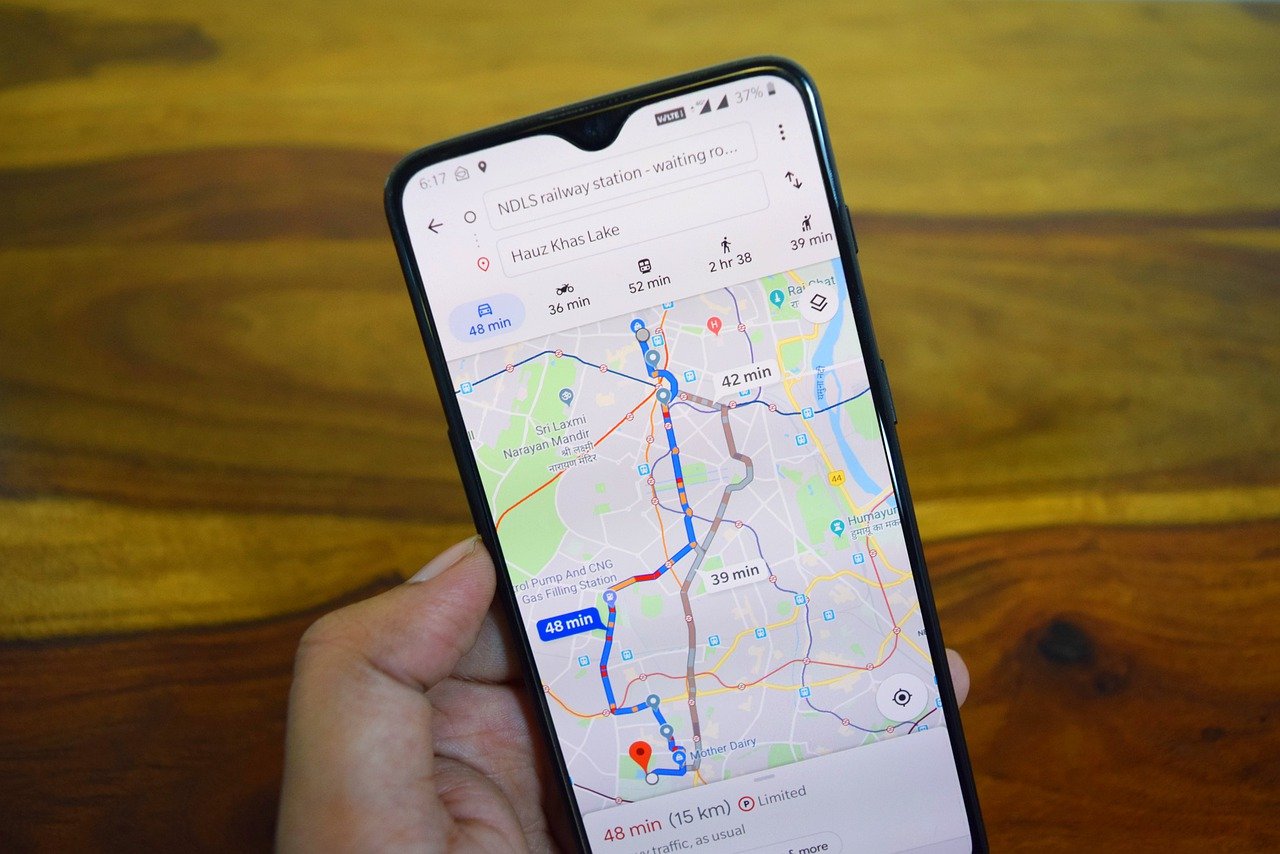
    Maps and charts can be useful, whether they are online or on paper. To be helpful, these types of documents need to have a lot of information, including street names, land formations, and much more.

    Someone has to collect that information and put it together in a form that people can use. Geographic information systems (GIS) specialists collect the information needed for maps and charts and then put it together in a way that people can understand and use. If you like small details and interesting facts, you might want to consider this career.

    Think about the different types of maps that you have at home or school. You might have a globe showing the whole world, a map of Canada, and a map of your province or city. Each one shows a different level of detail. Some are political maps, showing countries and cities, while others are topographical, showing mountains, hills, and streams.

    Charts usually show information that is useful for a particular field, such as shipping. Without the information from these documents, getting to an unfamiliar destination would be difficult.

    GIS specialists gather that information and decide how to put it together into a form that people can use. They might gather the information themselves or get others to gather it for them. The information could include rivers and streams, hills, buildings, streets, and much more. The job sometimes involves going out to gather the information, but much of the work is indoors, working with computers and analyzing data.

    GIS specialists can work in universities, government departments, geographic organizations, and even tourism departments. Annual salaries start at about $43,000 and can rise to $81,000 with experience. Many employers ask for at least an associate’s or bachelor’s degree in a field such as geography or environmental science. However, GIS certificate or diploma programs are also available in much of Canada. Usually, the degrees take at least three years to complete, and the certificate or diploma courses are shorter.

    Not all GIS programs are the same, and students should be sure to check out what courses are available in each one. In high school, courses in geography and mathematics are useful, as well as statistics if possible. Making maps easy to read and pleasant to look at is also important, and it can be helpful to take courses in graphic design or art.

    Generally, the work of a GIS specialist involves working alone some of the time, but also working with others. Most parts of the world already have maps or charts about them, and people in this field spend a lot of time updating or correcting work that has already been done. Annual city maps, for example, would not need to be completely redone. There might just be a few new streets or housing developments that need to be added. If a map is very old, however, the GIS specialist might need to redo large parts of it to make it accurate. Consulting with colleagues can help make these decisions easier.

    Working as a geographic information specialist is a good choice for people who are precise and enjoy details. It could be a good choice for you.


    Bibliography:

    Academic Invest. “How to Become a Geographic Information Systems (GIS) Specialist.” https://www.academicinvest.com/science-careers/science-careers/geography-careers/how-to-become-a-geographic-information-systems-gis-specialist.

    GIS Geography. “A List of College GIS Certificate Programs in Canada.” https://gisgeography.com/college-gis-certificate-programs-list-canada/.

    Job Bank. “Geographic Information Systems (GIS) Technician in Canada.” https://www.jobbank.gc.ca/marketreport/outlook-occupation/3493/ca.

    Ontario Colleges.ca. “Geographic Information Systems (GIS).” https://www.ontariocolleges.ca/en/programs/energy-environmental-and-natural-resources/geographic-information-systems-gis.

    PayScale Canada. “Geographic Information Systems Specialist.” https://www.payscale.com/research/CA/Job=Geographic_Information_Systems_(GIS)_Specialist/Salary.

  • Benefits and Challenges of a Solitary Job

    Benefits and Challenges of a Solitary Job

    Over the past year since the pandemic started, many people have struggled to find ways to connect with each other and to work alone from home. While this was a large change for many people, I was already in a solitary job, which has made this time easier for me than it has been for others. Working in a job that involves being alone much of the time has many advantages, especially now, but it also has disadvantages that I have had to try to overcome.

    Some jobs are naturally more solitary than others. Computer programmers, designers, and artists, for example, tend to work best when they are alone. The same is true for the type of writing that I do. Much of my work involves researching topics from traffic laws to career options to animals like beavers and eagles.

    With the wide range of topics and writing for audiences ranging from grade 3 to adults, I need to be able to control my environment. Being around people in this situation would likely be more of a distraction than a help, and so it is best to work alone if possible. Having the chance to work without interruptions from other people is useful, especially when a deadline is upcoming.

    Another advantage of working alone is the chance to arrange my work for times when it suits me. I can work late at night or early in the morning, depending on my schedule and anything unexpected that might come up. I can control the work and decide when and how much to do. I make the final decisions on what the process of writing will be.

    However, that independence can also be difficult. Each article is intended for a specific purpose, and I have to fulfill my employers’ wishes. My solitary job means that I have sole responsibility to finish all of the articles on time and to fulfill what each employer wants. If I am delayed for any reason, even illness, I still have to get the work done.

    Even with the pressure of having all of the responsibility to get the work done properly, my solitary job has been an advantage during the pandemic. Working from home means that my chances of catching COVID-19 from anyone else are limited. I was already working alone and knew how to plan my day and arrange my work.

    That independence can be a challenge when other personal interactions are limited. With no one to talk to at work, I need to be sure to find other ways of connecting with people.

    Like others during this time, I need to balance the solitude of my job with the need for connections with people. Every job has its challenges. In the pandemic and beyond, the goal is to balance the advantages and disadvantages to have the best experience possible.

    Whether in a lockdown or during a time when all of society is open, a solitary job is not suitable for everyone. For people who can handle its challenges, however, this type of work can give them the stability and flexibility they need to thrive.


    Bibliography:

    Murphy, Mark. “2 Interview Questions To Test If Job Candidates Can Handle Working Remotely.” https://www.forbes.com/sites/markmurphy/2017/11/26/2-interview-questions-to-test-if-job-candidates-can-handle-working-remotely/.

    Reddy, Chitra. “Top 20 Advantages and Disadvantages of Working Individually.” https://content.wisestep.com/top-advantages-and-disadvantages-of-working-individually/.

  • Exercises for Small Spaces (Like Your Dorm)

    Exercises for Small Spaces (Like Your Dorm)

    Exercising should be part of everyone’s daily routine. Some people prefer to exercise at the gym, while others prefer to exercise in the comfort of their own homes. Not everyone has a large space to exercise in. If you’re someone who lives in a small space (like a dorm), here are some exercises just for you, along with an explanation for each!

    Remember to take your time to do each exercise carefully so you don’t hurt yourself. Start slowly and if you need to, look for pictures of videos online of the moves. Most importantly, listen to your body and don’t push yourself too hard!

    1. Calf Raises

    Start by standing up straight. Then, raise the heels of your feet and stand on the tips of your toes. Your feet should look like you slipped on a pair of heels. Afterward, lower the heels of your feet, returning to the starting position.

    1. Leg Raises

    Lie down on your back. Keep your legs straight and your feet together. You may place your arms above your head or keep them at your side. While keeping your legs straight and together, slowly raise them up and then back down.

    1. Jumping Jacks

    Stand up tall. Keep your feet together and your arms by your side. As you jump, kick your feet to the side and you raise your arms above your head. You should look like a standing starfish. Next, you jump once again but this time bringing your arms back down by your side and your feet together once again.

    1. Squats

    Stand straight with your feet apart and your toes facing forward. Your feet should be a little wider than hip-width. Bend your knees as if you are sitting on a chair. Your knees should be at about a 90-degree angle. Then, stand up and return to your starting position.

    1. Hip Lifts

    Lie down on your back and bend your knees, placing your feet on the ground. Your knees should be at least a good hip-distance apart. You could put your hands behind your head or keep them on your side. Then, raise your hips and lower them back to the starting position.

    1. Walkouts

    Begin by standing up straight with your feet apart. Then bend down forward and place your hands on the floor. Your hands should be in front of your feet. Put some weight onto your hands and walk them forward and then backward. Finally, stand up straight once again, keeping your feet apart.

    1. Wall Sits

    Find a wall and stand straight with your back against it. Then, pretend you are sitting on a chair and push your back up against the wall. You could keep your arms on your side or straight in front of you. As you remain in that position, you should feel the tension in your thighs.

    1. Lunges

    Stand up straight. Step forward with one foot and bend your knees. Your knees should be bent to about 90 degrees. Then, push yourself back up and return to your starting position. Alternate legs.

    1. Bicycles

    Lie down on your back. Keep your arms by your side or behind your head. With your legs, pretend you are peddling on a bike. If you’d like, you could find a partner to do this exercise with. All you have to do is place your feet against theirs and peddle together.

    1. High Knees

    Stand up straight with your feet hip-width apart. Next, begin jogging on the spot. While still jogging, try to lift your knee as close to your chest as you can.

    While doing these exercises, you should repeat the steps several times to benefit from each of them. After doing a number of repetitions, take a short break before starting another set. See if you can do two or three sets, with 10 to 20 repetitions for each set.

    If you had no idea which exercises you could do in a small space, now you have ten! No need to go all the way to the gym or find a bigger space to exercise in. When finished, you will feel just as good as if you were exercising in a larger area!


    Resources

    https://spoonuniversity.com/lifestyle/19-easy-exercises-to-do-in-your-dorm-room

    https://www.cosmopolitan.com/health-fitness/advice/a31281/ultimate-dorm-room-workout/

    https://www.campuslivingvillages.co.uk/12-exercise-moves-you-can-do-in-your-bedroom/

    https://classpass.com/movements/high-knees

    https://www.realsimple.com/health/fitness-exercise/workouts/squat-form

  • Will the Entertainment Industry Bounce Back after COVID-19?

    Will the Entertainment Industry Bounce Back after COVID-19?

    In Spring last year when the novel coronavirus-induced constraints were in place for longer and longer, it became apparent that the upcoming summer season was not going to be like before. In the majority of the globe, summer is the peak season for travel, sports, amusement parks, and entertainment.

    Much-anticipated movies that were slated to be released last year between spring and summer were postponed. The most well-known of these cancellations was Marvel’s Black Widow starring Scarlett Johansson, which was touted to be the first biggest box office hit of the year, which of course didn’t happen.

    The music scene didn’t fare any better. Concert festivals like Coachella that typically bring in droves of wild crowds were no match for the pandemic either. With an exciting lineup across all musical genres that included Rage Against the Machine, Calvin Harris, Savage 21, Megan Thee Stallion, Lana del Ray, and Charlie XCX, fans who were ready to rock were utterly disappointed, to say the least.

    The sports industry also took a beating from the restrictions brought on by the pandemic. Major League Baseball, which was forced to run a shortened season over the summer and fall, reported $8.3 billion in debt.

    All of these cancellations also amounted to an unprecedented amount of job losses as a large number of people rely on these seasonal gigs to pay their bills and put food on the table. But now that vaccinations for the virus have started on a global scale, does this mean that this year we’ll have a normal summer for the entertainment industry?

    Let’s hear from the experts

    Dr. Anthony Fauci, an epidemiologist who’s become somewhat of a staple figure since the pandemic started, thinks that things can start changing as soon as late spring, with cases of infection decreasing significantly as by that time enough people have been vaccinated to reach herd immunity. But it would be too optimistic to hope that we are back to normal by that time. It will take months to reach that stage.

    Face the music

    Even when the live music scene gets back on its feet, experts believe that health and safety protocols will still be in place. Some even predict that attendees may even be required to provide proof of vaccination, although this is of course a long shot.

    For concert organizers, the biggest worry is that the throngs of music artists who didn’t get a chance to go onstage last year will all be competing with each other to book venues, and even weekdays will be crowded. Nevertheless, big-name artists won’t find it hard to reserve venues and find an eager audience.

    Sadly, that can’t be said for independent music artists who have relied on the smaller venues to reach out to their audience. In fact, the Toronto Star reported that Canada’s independent music scene, from the sound recording industry to the publishing sectors, has suffered a devastated loss of $233 million in 2020, a 41 percent drop from the previous year. Even sadder news is that while established music artists may only need a few months to recover, independent artists would need at least three years to gain back what they’ve lost.

    Get ready with your popcorn

    Despite the exponential growth of streaming services like Netflix and HBO Max, insiders are still hopeful that movie theatres are unlikely to disappear completely from the entertainment landscape. Patrick Corcoran, vice president and chief communications officer for the National Association of Theater Owners (NATO), believes that once cinemas are allowed to open once again, people may need time to be comfortable to go back, but they are going back for sure. The pull to see a movie on the big screen is hard to deny.

    Moviegoers will definitely see big changes though. Early this year, Cineplex, Canada’s largest chain of cinemas, announced that it has ended its partnership with Timeplay, the movie trivia app that allows film buffs to play before flicks start so they can get bonus SCENE points. The company has a long road ahead of it though as it continues to face one struggle after another.

    When it comes to the entertainment industry post-COVID, there’s still nothing definite. However, we can all be hopeful that positive changes may come. As Dave Grohl wrote for the Atlantic, “But together, we are instruments in a sonic cathedral, one that we build together night after night. And one that we will surely build again.”


    SOURCES

    https://www.thestar.com/news/gta/2020/12/27/its-really-demoralizing-covid-19-crushed-canadas-independent-music-scene-the-recovery-is-expected-to-be-slow-at-best.html

    https://abcnews.go.com/GMA/Culture/movie-theaters-post-covid-world/story?id=75065572

    https://globalnews.ca/news/7562223/cineplex-timeplay-coronavirus/

    https://www.bbc.com/future/article/20200527-coronavirus-how-covid-19-could-redesign-our-world

    https://www.theatlantic.com/culture/archive/2020/05/dave-grohl-irreplaceable-thrill-rock-show/611113/

  • Earning Money while Working from Home and Studying at the Same Time

    Earning Money while Working from Home and Studying at the Same Time

    The pandemic has had a huge impact on everyone, but even more so on students who have had to adjust quickly to virtual learning classes due to the measures implemented to curb the spread of the virus and keep infections at a minimum.

    In addition, students in college or university often look forward to the summer season to start their part-time jobs and earn money while on break. Unfortunately, with the lockdown restrictions, only a small fraction of them were able to work. According to Statistics Canada, the spring and summer seasons are usually the peak employment periods for students, but 2020 was drastically different. The youth employment rate dropped to a record low of 49%, the lowest since 1976, while the unemployment rate reached a record high of 16.8%, the highest since 1997.

    While the federal government did roll out a $1,250-per-month benefit for post-secondary students whose finances were affected by the pandemic, with payments covering May to August, most are still baffled at their finances in disarray due to job scarcity or job loss.

    The global health crisis, however, did open numerous work-from-home options. With the flexible schedules that these opportunities allow, this winter, students may finally have a good chance of recovering following a meager spring and summer. Let’s take a look at some options below.

    Virtual Assistant

    If you have experience with administrative work, a job as a virtual assistant can work for you. You will have the same functions as an administrative assistant, but the main difference is that you’re working from home. This is certainly worth looking into if you are used to answering phone calls and emails, preparing spreadsheets and documents, doing invoices, among others tasks.

    Virtual Data Entry Clerk

    If answering phone calls or emails isn’t exactly your cup of tea, but you do like preparing documents and spreadsheets, then the role of a virtual data entry clerk may be just the opportunity you’re looking for. Data entry clerks need top-notch typing and written communication skills, and if you have these, then you’ll have a big chance of landing the job.

    Social Media Content Creator

    With the decline of the brick-and-mortar advertising and marketing agencies due to the pandemic, more and more clients are looking into utilizing online tools to help put their products and services into the general population’s collective minds. And what better way to do that than through social media platforms like Twitter, Instagram, TikTok, and Snapchat? If you’re a master of your own social media accounts and have earned an impressive number of followers, then this job will be a walk in the park for you, especially if you’re marketing and advertising savvy.

    Virtual Customer Service Agent

    We’ve all relied on call centre agents for our problems, whether it was about a wrong credit card charge or a technical issue with our new laptop, and we know how essential they are – especially now that most people are working from home and have the time to call for anything that’s bugging them. If you have excellent communication skills and love to help others solve their problems, then this job is certainly up your alley. A bonus is that most call centres work on a 24/7 basis, so that makes it easier for you to pursue your studies while earning at the same time.

    Online Tutor

    If you’re an A-student and like helping other students reach their potential, an online tutor job could be a perfect fit for you. There are numerous students in elementary and middle school who aren’t performing as well as they could due to the challenges brought on by virtual learning classes, and this is where you can step in. Choose to tutor a subject that you know you’re excellent at. Another related option is an English as a Second Language (ESL) tutor where you teach kids from abroad on how to improve their English speaking and writing skills.

    The list goes on for remote work opportunities, but the above are a few ones which are high in demand. Have a look into these options, and decide which best goes with your study schedule. Good luck!


    SOURCES

    https://www.cbc.ca/news/politics/students-summer-jobs-pandemic-covid-coronavirus-1.5558824

    https://globalnews.ca/news/7579576a/canadas-top-jobs-2021-randstad/

    https://www.thebalancecareers.com/best-online-jobs-for-college-students-4154845

  • Life after COVID-19: How the World Will Change Post-Pandemic

    Life after COVID-19: How the World Will Change Post-Pandemic

    As the global death toll from the novel coronavirus surpasses a staggering yet somber milestone of two million, most countries are now in the midst of a vaccination push. While the vaccine will not change things overnight and we won’t entirely be out of the woods, we can at least look forward to returning to life as we knew it pre-COVID-19 in the near future.

    Since we’ve been living with the pandemic for close to a year now, there are certainly aspects of our lives that will forever be altered. So how exactly will the world change post-pandemic? Let’s have a brief look below.

    Health

    Because of the worldwide health crisis, there has been more focus on science and research to find a cure and create a vaccine at a rapid pace, while at the same time, ensuring steps are taken to control the spread through enhanced health and safety measures. The world’s leading pharmaceutical companies made sure to put their best foot forward to roll out vaccines to prevent further devastating effects of the virus.

    The world after COVID-19 will mean continued improvements of health and safety protocols and further research and development into understanding other possible health threats. In other words, the health industry will certainly prove it has learned its lesson from this pandemic and will do its best to be better prepared.

    Remote Work Opportunities

    Post-pandemic, when there will be less of a health risk to go back to offices, numerous company leaders will be left asking themselves if there would be any need to work in an office. While there was reluctance at first to working from home, more and more employees have come to savour the opportunity of ridding themselves of the hassles of commuting and the often inane office chitchats as the months went on.

    While offices won’t entirely be a thing of the past, the fact that numerous organizations were able to function and continue their operations, some even reaching record productivity numbers, while working remotely proves that working onsite may not be as relevant as it was initially thought to be. A few of the world’s most profitable companies including Facebook and Twitter are actually looking into making working remotely a permanent thing even after the pandemic, and it won’t be surprising if more and more organizations follow in their footsteps.

    Online Learning

    Similar to working remotely, virtual classes weren’t exactly welcomed with open arms during the initial days of the pandemic. This was especially true to those with in-class learning preferences and those who experience challenges with technology.

    However, as days went on, most students learned how to adapt and realized the advantages of online learning. Some instructors even offer recorded online classes, which means students can log into them at their own time and watch at their own pace. While it’s not exactly a perfect system, the continuous growth of online learning will make classroom lectures antiquated post-pandemic.

    Travel

    Because of the travel restrictions implemented around the world, perhaps no industry has taken a hit quite like travel. Even post-COVID-19, it will take years for the industry to recover especially amidst the pressure of adding new safety measures that were developed due to the virus. And with operators like Air Canada having reported billions in losses since the pandemic started, one can trust that these companies will do their best to recoup their deficits and therefore will impose increases in airfare, all the while cutting flight schedules. Smaller operators likely may not see through the end of the pandemic.

    Government

    One positive change brought about by the pandemic is our perspective on what true leadership means. It’s not certainly someone who’s hyperactively posting in Twitter while making claims that household bleach is the key to containing the virus.

    We’ve learned to be less tolerant of leaders who don’t deserve to be in the positions they are in and be more embracing of leaders who truly stepped up to the plate and worked hard to employ measures for the benefit of their constituents. While there’s still a lot to be done, we’ve become smarter with our choices of leaders and we’ve become more vocal in airing out grievances for those who aren’t doing enough or not doing anything at all.

    These are just a few examples of the transformations to expect post-COVID-19, and for certain, there might be more. How about you? How do you envision a post-pandemic world?


    SOURCES

    https://www.ctvnews.ca/health/coronavirus/global-death-toll-nears-2-million-as-who-battles-new-virus-strains-1.5268272

    https://www.bbc.com/future/article/20200527-coronavirus-how-covid-19-could-redesign-our-world

    https://www.theguardian.com/world/2020/nov/29/life-after-covid-will-our-world-ever-be-the-same

    https://www.euronews.com/2020/10/27/what-will-travel-look-like-in-a-post-covid-world

    https://www.gatesnotes.com/podcast/what-will-the-world-look-like-after-covid-19

  • A Greener Nook of Your Own: Eco-friendly Steps for Your Space

    A Greener Nook of Your Own: Eco-friendly Steps for Your Space

    Environmental issues like climate change may have taken a backseat to the pandemic crisis for now, but this doesn’t mean they are to be ignored. There are still pertinent concerns pertaining to our environment that need to be addressed, and while global attention to them is lacking at the moment, you can do your part through an eco-friendly redesign of your space. Let’s look at a few recommendations below.

    Go for organic bedding.

    Several stores now offer a slew of organic bedsheets and pillowcases to help make your bedchambers nontoxic. Check out online reviews from websites like LeafScore.com to get detailed information so you can make a wise purchasing decision that ensures your comfort and helps the environment.

    Limit the use of disposable items.

    Now that restaurants and other food services are only open for take-out, it certainly has become more difficult to keep our use of disposable items like eating utensils in check. However, you can always do something more by asking the staff to not provide you with eating utensils as you’re eating from home anyway.

    Do away with the bottled water.

    Water is essential to our daily lives, but it’s time to do away with the bottled water. Go instead for a water filter that you can keep in your fridge and buy a good-quality and eco-friendly water bottle to carry with you if you do have to step out of your space.

    Learn how to recycle.

    If you have tons of notes on paper, don’t trash them away with the garbage. Instead, get a blue recycling bin to throw them into and keep it alongside your regular garbage bin. And it’s not just paper you can recycle. Those boxes that come with your orders from Amazon and other online sites can be recycled too. Make sure to tear out the part with your name and other personal information before you throw them out though.

    Buy LED bulbs instead of incandescent ones.

    LED bulbs may be pricier than their incandescent counterparts, but the investment is definitely worth it as they last longer and are friendlier to the environment. They provide the same light output you need as you go through your books but use less energy.

    Make your own coffee.

    We all know how coffee is an important part of our lives, but it’s time to invest in a coffee brewer for your cup of joe instead of heading to coffee shop every time you need a shot of caffeine. If a coffee machine is out of your budget right now and you do have to caffeinate, look out for coffee shops that allow you to use your own tumbler or thermos so you can do away with those disposable coffee cups.

    Use cloth napkins or rags.

    To keep your space clean, you often rely on paper towels or napkins. However, this is environmentally unfriendly so go instead for cloth napkins or rags which you can wash with your laundry. If you don’t have anything available, go through your old clothes and find something that you probably won’t miss wearing.

    Those are a few simple tips for a greener personal space. Time to get started!


    SOURCES

    https://www.cbc.ca/news/politics/students-summer-jobs-pandemic-covid-coronavirus-1.5558824

    https://globalnews.ca/news/7579576a/canadas-top-jobs-2021-randstad/

    https://www.thebalancecareers.com/best-online-jobs-for-college-students-4154845

  • How to Organize Breaks When Working from Home

    How to Organize Breaks When Working from Home

    The current pandemic has been challenging for many people, especially for those who have suddenly had to learn how to work or study from home. I already had experience in that as I had been working from home for a long time, even though I still have much to learn. Working from home can be fun and challenging, but it can easily become overwhelming. However, organizing regular breaks can be helpful to stay fresh and alert while still getting work done.

    Generally, the challenges of working or studying from home can fall between two extremes. Sometimes, people get no work done at all because they are constantly distracted by other tasks or activities, whether that involves watching television and playing video games or cleaning the house and preparing meals.

    In contrast, other people might experience the opposite problem. Working from home means that people can never entirely get away from their job. In a busy career with no definite beginning or end to the day, they can find themselves working from early in the morning until late at night.

    One technique for avoiding these two extremes is to organize breaks, either at set times or at natural changes in the workflow. In my work as a writer and dog walker, I use both methods. I get up early in the day to begin my writing work, eat breakfast at approximately the same time every morning, and leave in the early afternoon to walk the dogs. Later, I return home for some more writing, having spent at least an hour outside with the dogs. Exercise and fresh air give my brain the break it needs to return to the task of writing.

    Still, one break in the middle of the day would not be enough for me to keep my focus and to get my work and other tasks done. Since I write for several different publications, I can use the different topics as breaks from each other. If I am writing an article on parking lights or traffic signals for one website, for example, I can take a break to write a magazine article on volcanoes or bald eagles. The change in topic can often give me the mental energy that I need to continue with a less interesting topic.

    Even with these changes in subject, I still need complete breaks from writing. Going for a short walk, checking in my fridge for something to make for supper, or taking the time for some cleaning up can provide a good break, while also preparing me for the rest of the day. Similarly, finishing a book that I am reading or checking my e-mail can help relax my mind.

    Still, setting a limit on these breaks is important. Walking only to a certain point before turning back, reading only ten pages of a book, or finishing one article can give me a break without completely making me lose focus.

    In your own studies, organizing and planning your breaks can also help you manage as you work from home. You will relax better, work better, and generally have a better day.


    Bibliography:

    Garis, Mary Grace. “We’re Working Longer Hours and Later Nights These Days—Here’s How to Take the Break You Deserve.” https://www.wellandgood.com/how-to-take-a-break-work-from-home/.

    Healthline. “26 WFH Tips While Self-Isolating During the COVID-19 Outbreak.”  https://www.healthline.com/health/working-from-home-tips.

    Indeed Career Guide. “How to Stay Organized When You Work at Home.” https://www.indeed.com/career-advice/career-development/how-to-stay-organized-when-you-work-at-home.

  • Building a Career in Politics

    Building a Career in Politics

    By Erin Rebello

    If you’ve been keeping up with the news lately, you’ve probably heard about ongoing political battles that occur both within our nation and around the world. With everything from education, to civil services, to COVID-19 relief, there is a political official making decisions for the greater population. With the world being so intertwined with politics during these uncertain times, there has been an increase in students interested in politics. You yourself may have also considered what it’s like to be Justin Trudeau or Doug Ford! But before you start planning your first campaign, there are a few things you should keep in mind when considering a career in politics.

    A good place to start for any aspiring politician is the newspaper (and no, I don’t mean the comics section!). Politicians require a solid understanding of the needs of the community they intend to serve, and should thus be well educated on the issues which their people face. Newspapers also have a lot of information regarding the political climate and the economy, and can be a great source of data. Besides a physical newspaper, you can also turn to news websites, YouTube news channels, and even television news. Regardless of how you prefer to digest your media, you should make sure that the news you’re getting is as unbiased as possible. If a piece of media favours one side too much, it might give you incorrect or faulty information, so you should ideally look for multiple perspectives from different sources.

    If you want to take things a step further and really educate yourself on pressing issues, speak with your guidance counsellor and see if it’s possible to take relevant courses in your school. These courses are typically under a department called “Canadian and World Studies” and some specific courses you might want to take are:

    • Canadian and International Law
    • Canadian and World Politics
    • Global Issues
    • Current Economic Issues
    • Creating Sustainability
    • Aboriginal Issues in Canada

    Taking relevant courses in high school will help set a good foundation for a career in politics, giving you information about laws, political systems, and current issues. They’ll also give you a sense of whether or not you’d be interested in pursuing this field further. If you’re not a fan of analyzing laws or preparing debates, you might be better suited for another field. Additionally, some of these courses may also be mandatory for certain university programs, so be sure to check the requirements of any programs you’re considering.

    Finally, the best way to prepare for a career in politics is to dive right in and get involved! You may be wondering how you could possibly get involved in high school, but there are actually plenty of opportunities if you know where to search! Below is a list of a few things you can do to get involved:

    1. Volunteer with a local political party. Most parties are always looking for volunteers, and even accept high school students to help with local events or distributing flyers in neighbourhoods.
    2. If you’re over 16, register with Elections Canada to work at an election booth. The pay is really great, and you’ll learn a lot about how voting works.
    3. Run for a position in student government. Even if you don’t win, you’ll learn about campaigning and the election process.
    4. Get involved with local youth political groups. In Toronto, there is a youth group known as the “Toronto Youth Council” which meets once a month at City Hall. There are focus groups on specific areas, too, such as urban health, city budgets, transportation, etc. Many other cities have their own versions of this, so do a bit of research and ask your teachers and guidance counsellors.
    5. Get involved with school politics at the board level. Most schools have their own version of a student senate, where students from all boards in the district come together to discuss important issues. If you enjoy participating in the student senate, you should also consider running for student trustee! It’s a huge responsibility, but allows you to create real change within your school board while still being in high school.

    These are just a few of the ways you can get involved. But there’s definitely more than this, so do your own research as well!