Category: Community

  • Resources for Those Experiencing Bullying and Cyber-Bullying

    Resources for Those Experiencing Bullying and Cyber-Bullying

    By Mara Hurst

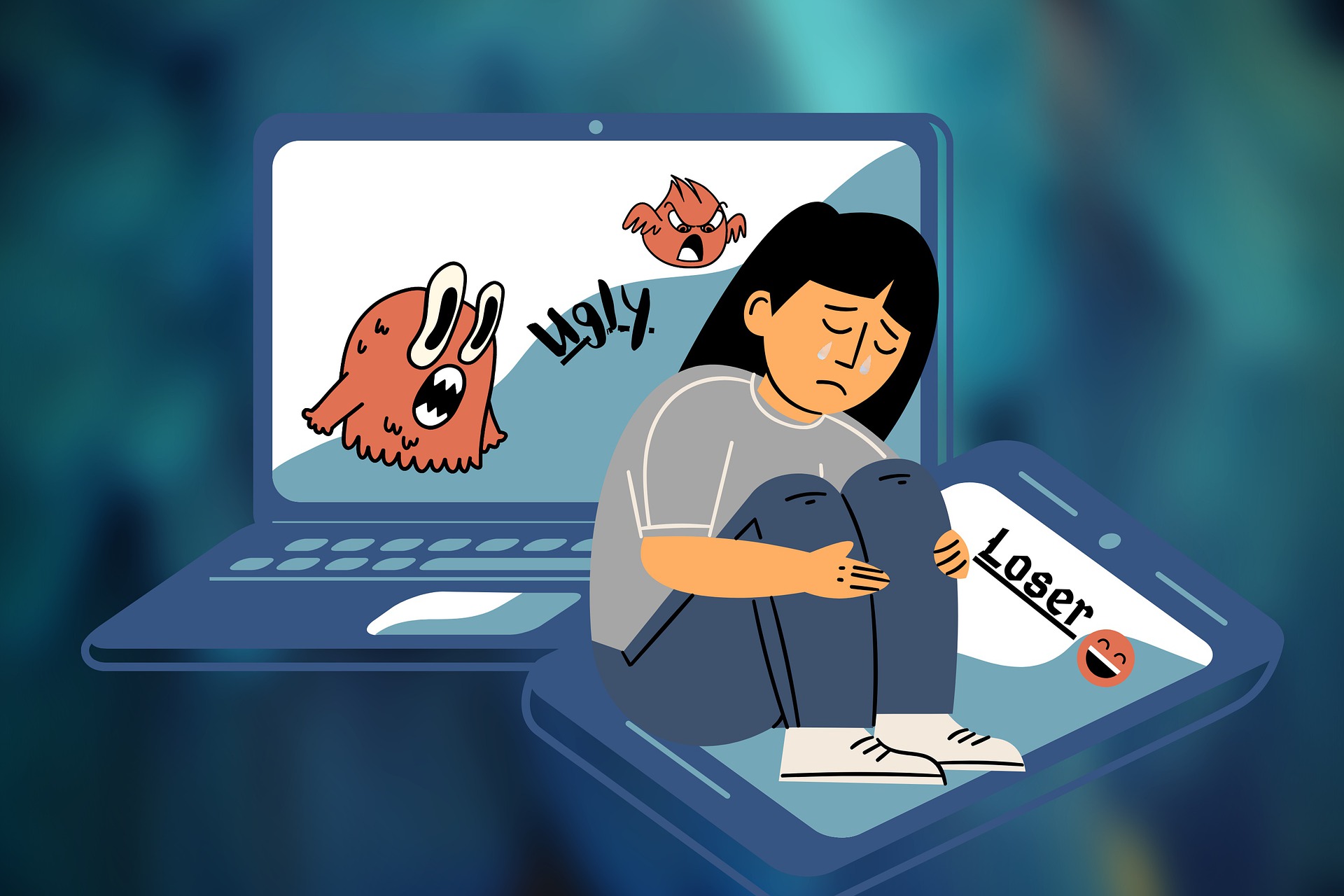
    Cyberbullying can be extremely difficult to deal with, especially if you feel alone. Luckily there are many resources out there to help a person through it. Here are some helplines and resources for you to use if you or a loved one is experiencing cyberbullying. And remember, if anyone is in immediate danger of hurting themselves or others, do not be afraid to call 911.

    Helpines

    BullyingCanada
    This national anti-bullying charity has been working directly with students and families affected by bullying since 2006. The organization offers a 24/7 lifeline for individuals to reach out about their own experiences; BullyingCanada has volunteers that provide counselling and mediation to solve the problem directly. They also have a National Scholarship Program aimed at helping youth become community leaders who can tackle bullying in their own school.

    Stop A Bully
    Since 2009, this B.C. resource has been working to provide students and youth a place to anonymously report bullying. Students across the country have reported instances of bullying. The site has provided its member schools with resources and information to help address the issue. The website also features numerous anti-bullying materials, news, and resources for teachers.

    Kids Help Phone
    Kids Help Phone has been around for over 30 years, and provides 24/7 e-mental health services for children and youth across Canada in both English and French. Callers can request help related to bullying, cyberbullying, and other mental health issues. There are volunteer crisis responders and professional counsellors ready to assist you.

    Resources

    UNICEF
    The United Nations Children’s Fund is an international agency devoted to children worldwide. Their resource on cyber-bullying has plenty of helpful information for both youth and adults. This includes an overview on the effects of cyberbullying and how to reach out for help online. There are also steps that can be taken to make social media sites such as Facebook and Instagram safer to use and make one less likely to experience bullying.

    HelpGuide
    This resource takes a look at the different types of bullying and how they can impact children and youth in numerous ways. It also addresses why a bully might do what they do, and how students can respond to being bullied. These tips include things they can do on their own, as well as how to reach out for help. There is also advice for parents and teachers to help them better understand cyberbullying situations and how to respond when their child or student is dealing with the problem.

    Cyberbullying is an extremely complex and difficult issue. Bullying itself has always been a challenge for youth and adults alike; the technological and online aspects of cyberbullying add whole new dimensions to the problem. Fortunately, this same technology also offers plenty of support systems through different organizations and websites. The ones listed above are a great start, but there are far more out there. It is important to reach out to these resources, as well as parents and trusted adults. Remember that you are not alone.


  • Representation in Video Game Media

    Representation in Video Game Media

    By Mara Hurst

    Representation in the world of video games is a small piece of a widely discussed and controversial subject: how people of different backgrounds, identities, and abilities are represented in the media as a whole. Specifically, this article will be discussing representation of disabilities. To begin, it is important to note how popular video games are among youth. Many of us play video games and look for characters we can feel connected to. This is especially the case with modern games in which graphics and storytelling are now far more advanced than they were years ago.

    Disabilities come in many shapes and forms. A character could have a physical or mental disability. A study conducted by Currys PC World found that although representation of disabilities has gotten better over the years, it is still extremely lacking. When there are disabled characters featured in a game, they are more likely to be physical rather than mental disabilities. Although some games have started to approach the issue of mental health, they tend to stay away from more complex conditions such as anxiety and depression.

    It is unfortunately easy to see there are almost no disabled characters in video games. Even when characters do have a physical disability, it is often poorly represented. Many games perpetuate the false and dangerous notion that disabled people need to be “fixed,” with their condition being changed into a superpower. For example, there are numerous games with characters who have prosthetic limbs. However, they face no difficulty in the storyline specifically regarding their disability, and the prosthetic is often unrealistically modified and used as a powerful weapon. If we are fortunate enough to have a disabled character in a game that is more properly represented, they are often side characters and play a minor role.

    Both of these issues result in lack of representation and inaccurate portrayals. Most video games are heavily action-based, leaving little leeway for physically disabled characters. Game creators are often hesitant to create mentally disabled characters because they do not have enough knowledge on the subject. By continuing to stick to what they know and what they think players want to see, they are continuing the unfortunate trend of lack of representation even as we see this issue change in the worlds of television and movies.

    We all ask for a character that represents yourself. How inclined are you to watch a show or play a game if you can’t relate to any of the characters? This may be in part why there is a rise of ‘create your own story’ games, in which we get to morph a character to fully represent ourselves. This is a freedom that was not as widely available in older games and could help lead to greater changes going forward. People with disabilities deserve to be represented — not only in video games, but in every other part of the media.


    Sources

    Moth, Jason. “10 Characters with Prosthetic Arms that Kicked Ass.” Twinfinite. https://twinfinite.net/gallery/video-games-characters-prosthetic-arms/4/

    Sarsby, Sarah. “Study reveals that disabled characters are rarely represented in video games and that prejudices still exist.” AT Today. http://attoday.co.uk/study-reveals-that-disabled-characters-are-rarely-represented-in-video-games-and-that-prejudices-still-exist/

  • Social Anxiety vs. Social Distancing: Tackling Them Both

    Social Anxiety vs. Social Distancing: Tackling Them Both

    It’s hard to believe that we are now heading into the second year of the COVID-19 pandemic, but here we are. It’s been nearly two years of social distancing: online classes, working from home, and ordering in. Life without masks feels as though it was a million years ago! However, as restrictions are beginning to lift a little as things return to a sense of normalcy, we are now starting to see the many effects that social distancing has had on the mental health of all those involved. One thing that we never anticipated was the impact that social distancing would have on one’s social anxiety, and how it can play a part in worsening it.

    If you didn’t know, social anxiety is an incessant fear of being embarrassed or humiliated. It can include many symptoms such as shaking, avoiding eye contact, overthinking, and intense feelings of loneliness (Caporuscio 2020). Oftentimes, a person with social anxiety will purposely avoid socializing altogether to ensure that their fears do not come true. That said, you can see how social distancing would appear as a godsend for someone with social anxiety. Even so, studies have shown that avoiding social interaction is a major component in prolonging and sustaining social anxiety.

    Let’s make something clear: anxiety is not necessarily something that you can simply overcome. Sure, it’s fear and the way to get through fear is to overcome it, right? Not exactly – there’s more to it than that. Anxiety is not just feeling afraid, it’s the shaking, the overthinking, and persistent worrying. Personally, I struggle a lot with social anxiety. I was happy to be home for the first few weeks of the pandemic and take some time to myself, but it eventually took a toll on me. For instance, now I feel like I care more about people than I did before.

    One of the only ways to communicate during COVID has been through text, and it’s extremely hard to get to know someone properly just through those elements. Plus, the stress of the pandemic has made talking to people just seem plain scary as I end up worrying about my own health and safety. Social anxiety while social distancing is difficult; you worry about being judged AND getting sick. Needless to say, it’s a heavy weight to carry all at once. But you should know that you’re not alone. If you are afraid of socializing, that does not make you weird. It’s completely normal to experience social anxiety, especially now. Below, I have included some tips on how you can cope with worsening social anxiety due to social distancing.

    Keep Socializing. (Yes, you read that right.)

    There’s a good reason why you aren’t on this Earth alone; socializing is a key factor of being human. Staying isolated can have an extremely negative affect on your mental health and well-being. It can give you a sense of belonging and reliability. However, remember to take it slow. Start by pushing yourself little by little; video chat with friends, or stay connected through phone or by text. When someone eventually asks you to hang out in person, make sure that it’s somewhere you feel secure. Even if you’re not ready to see anyone in person, you can stick to online communication. If you’re in online school, I’d recommend participating in the chats on your Zoom meetings or even just complimenting someone. Usually there are group chats and everyone includes their social media usernames, making a point of following them and getting to know people. Even if they’re small steps, every single one counts.

    Take a Step Back.

    Be gentle with yourself. Socializing when you have social anxiety and have been living in a pandemic is terrifying. Don’t be so hard on yourself if you’re feeling too anxious to leave the house, but also be careful not to let that become a habit. The hardest thing about anxiety is that it requires you to push yourself. But on those days when you know you’re unable to push yourself, take care to take a step back. As important as socializing is, make time for some self-care, whether it’s just watching a movie or applying a face mask. 

    Remember, You Are Not Your Thoughts!

    If there’s one thing that I know for sure about social anxiety, it’s that it can make you feel incredibly alone and isolated. It plants these ideas in your mind that people are judging you, and that no one likes you, when none of that is true. You must realize that anxiety is the biggest liar of all. You are anything but what it says you are.


    Reach Out for Help Here! Visit https://kidshelpphone.ca/call? 


    References

    Caporuscio, Jessica. “How the COVID-19 Pandemic Affects People with Social Anxiety.” MedicalNewsToday, Healthline Media, 13 May 2020. https://www.medicalnewstoday.com/articles/social-anxiety-and-covid-19.

  • Coping with Panic Attacks

    Coping with Panic Attacks

    By Maryam Sheikh

    Many people suffer from anxiety. This can manifest itself in sudden periods of extreme panic and physical bodily reactions known as panic attacks. In order to appropriately deal with and respond to panic attacks, it is integral to learn about their symptoms, triggers, and how to support yourself or someone else as they recover and navigate anxiety.

    Signs of a panic attack

    How do you know if someone is going through a panic attack? Some signs of panic attacks include dizziness, nausea, heart palpitations, hyperventilation, trembling or shaking, chills or hot flashes, and sweating. They can last from five minutes to half an hour.

    Recovering after a panic attack

    It is important to take care of yourself after a panic attack. As the anxiety subsides, try to focus on your surroundings and attempt to continue what you were doing before the attack. While recovering, practice controlled breathing by yourself or with someone nearby. If you are able to, speak to a loved one or trusted individual. Use positive self-talk and remind yourself that the anxiety will subside and that you are capable of overcoming obstacles. If it is helpful to speak with others that cope with similar struggles, consider seeking out support groups.

    To help prevent future panic attacks, make sure you are taking measures to manage your anxiety and stress levels. You can do this by regularly exercising to release tension and improve mood. Additionally, you can practice regular breathing exercises; there are many apps (including the Calm App) that provide guided exercises. Make sure that you are managing your health by eating regular meals to stabilize blood sugar levels and avoiding caffeine, smoking, and alcohol as they can worsen panic attacks. Lastly, consider going to cognitive behavioural therapy (CBT), as it can assist in identifying and changing negative thought patterns that can impact panic attacks.

    Panic attacks can be triggered by different things. Each person experiences anxiety differently, but some factors that can contribute to panic attacks include stress, traumatic events, and changes in one’s life.

    Supporting someone who is experiencing a panic attack

    What can you do if a friend or loved one is having a panic attack? Firstly, stay with the person and remain calm. Offer to get them medicine if they usually take it and work through breathing with them. Importantly, do not make assumptions about their needs. Instead, ask them how they can be best supported. Being present and supportive can help reduce stress in stressful situations, prevent the situation from worsening, and can help provide control during a difficult time.

    Supporting someone after a panic attack

    It is important to support someone not only while they are experiencing a panic attack, but also afterwards. It is helpful to support them as they seek out help, whether that is through therapy, medication, or other means. Try your best not to panic when they panic; maintain calmness when they are facing waves of anxiety. Progress can be slow and is not always linear, so allow them to approach therapy at their own pace. Above all, remember to check in on them and remind them that they are loved and cared for.


    Sources:

    NHS Inform. “How to deal with panic attacks.” https://www.nhsinform.scot/healthy-living/mental-wellbeing/anxiety-and-panic/how-to-deal-with-panic-attacks.

    HealthLink BC. “Helping Someone During a Panic Attack.” https://www.healthlinkbc.ca/health-topics/hw53602.

  • What Are Panic Attacks?

    What Are Panic Attacks?

    Panic attacks are sudden intense feelings of fear, panic, or anxiety. They can last anywhere from 5 to 30 minutes. It is also possible to have another panic attack right after the first one. Common causes are chronic stress, phobias, big life changes, caffeine, alcohol, and drugs. Panic attacks are common, and therefore it is important and helpful to educate yourself on them.

    Symptoms of panic attacks can be physical or emotional. These symptoms may include:

    • Sweating
    • Pounding or racing heart
    • Having trouble breathing
    • Chills or heat flashes
    • Nausea
    • Dizziness
    • Feeling disconnected from reality (i.e. feeling disconnected from your mind, body, or your surroundings)
    • Feeling like you are in danger

    During a panic attack, some people may think they are having a heart attack or a stroke. It is important to know that the symptoms of panic attacks are not life-threatening but can feel very scary and overwhelming to experience.

    How Can You Prevent Panic Attacks?

    Although it is not always possible to prevent panic attacks, the following tips may be able to help:

    • Do daily breathing exercises.
    • Exercise regularly.
    • Avoid caffeine, smoking, and alcohol.
    • Eat regular healthy meals to help stabilize your blood sugar levels.

    How Can You Help Yourself or Others While Experiencing Them?

    Knowing what to do during a panic attack can be very helpful. You can use these techniques to help yourself or someone else experiencing a panic attack.

    • Do breathing exercises. Start off by slowly and deeply breathing in through your nose and out through your mouth. Close your eyes and focus only on your breathing. You may want to count to five with each inhale and exhale.
    • Find a distraction. Try counting back from 100. This will help distract you from overthinking your symptoms which can worsen and lengthen your panic attack.
    • Focus on your senses. Focus on each of your senses one at a time. Think about what you are seeing, hearing, feeling, smelling, and tasting. This will help keep you grounded and feel in control.
    • Reassure yourself or others. Remind yourself or the other person that panic attacks can be scary but nothing bad is going to happen. It will all be okay.

    After having a panic attack, it is important to pay attention to your body’s needs. You may feel tired, thirsty, or hungry. It might also be best to talk to someone you trust. If you’re comfortable, you could share what happened with them and talk about it. This could help them look out for you and learn how they might be able to help you in case you ever have another panic attack in the future.

    If you find yourself or someone you know having panic attacks often, or panic attacks that last for long durations, it is best to see a doctor or a psychologist.


    Resources

    Better Health Channel. “Panic attack.” https://www.betterhealth.vic.gov.au/health/conditionsandtreatments/panic-attack.

    Healthline. “12 Ways to Stop a Panic Attack.” https://www.healthline.com/health/how-to-stop-a-panic-attack#what-is-a-panic-attack.

    Mind. “What is a panic attack?” https://www.mind.org.uk/information-support/types-of-mental-health-problems/anxiety-and-panic-attacks/panic-attacks/.

    NHS Inform. “How to deal with panic attacks.” https://www.nhsinform.scot/healthy-living/mental-wellbeing/anxiety-and-panic/how-to-deal-with-panic-attacks.

    Priory. “Causes of Panic Attacks.” https://www.priorygroup.com/mental-health/panic-attack-treatment/causes-of-panic-attacks.

  • Dealing with Anxiety

    Dealing with Anxiety

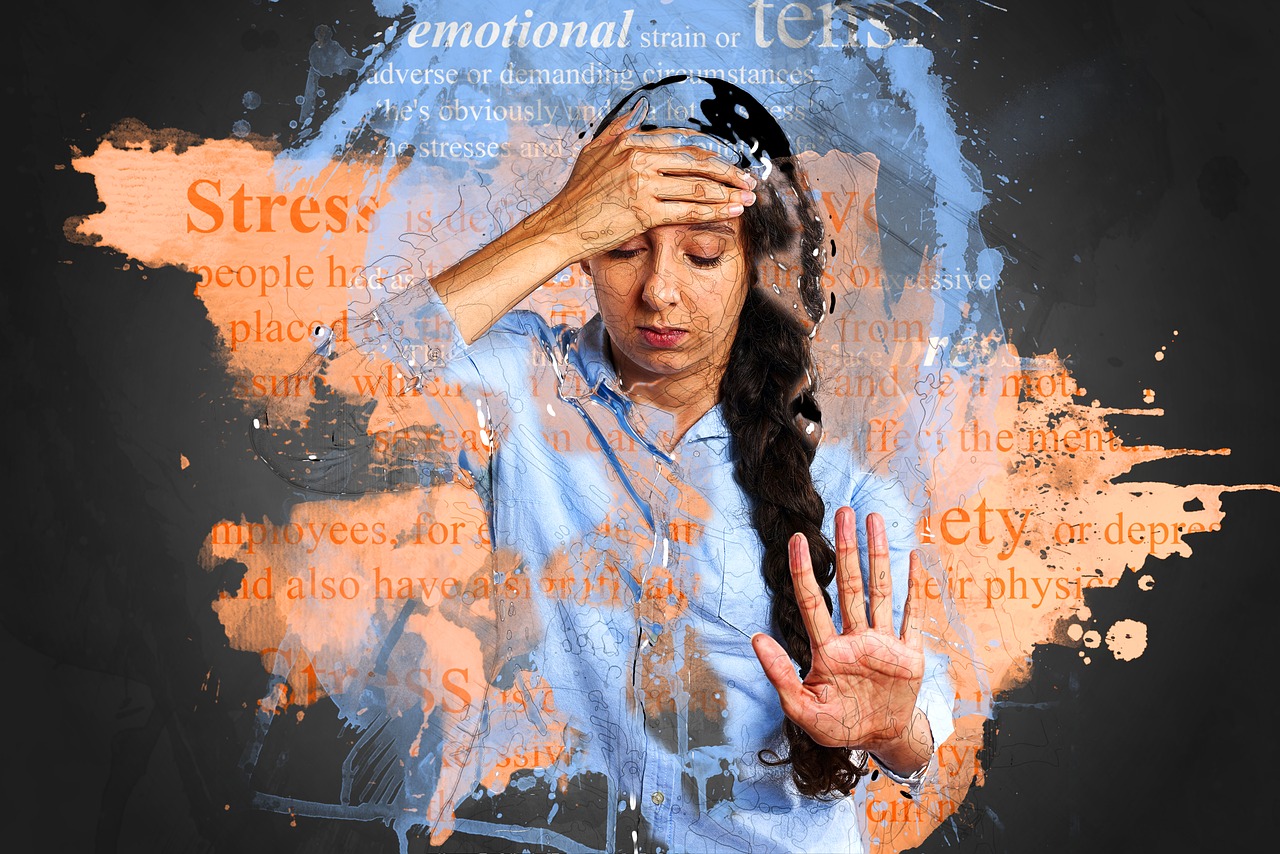
    Feeling tense or overwhelmed is normal, especially for a student juggling a variety of responsibilities. However, if you constantly experience intense stress, fear of failure, and feelings of inadequacy, the problem may be deeper than you expect.

    Anxiety is not something to be taken lightly: it is an important mental health issue that affects many individuals, and can have a virtually crippling effect on their lives. Students can be particularly susceptible to anxiety, given the often overwhelming post-secondary environment and other factors like economic pressures, family issues, or the challenge of finding a career.

    If you experience constant anxiety, or if someone you know has trouble with anxiety, it is important to solve the problem before it gets worse. Anxiety can manifest itself through constant worrying, a severe lack of self-confidence, and panic attacks (bursts of fear and other troubling emotions), among other symptoms. Many individuals experience these things without being clinically diagnosed with an anxiety disorder, but if these symptoms become prevalent, know that there are ways to seek help.

    Whether you feel personally affected or know someone who is, here are some tips for dealing with anxiety.

    Be kind to yourself. Individuals with anxiety often beat themselves up for making small mistakes that seem trivial in hindsight. It may be difficult, but don’t be afraid of failure. There will always be something to worry about or something you can improve upon. The most important thing is that you did your best, and that you will learn from your mistakes in the future.

    Take it one day at a time. Anxiety doesn’t appear out of the blue—oftentimes it is the product of long periods of intense stress, pressure, and hyperactivity. That being said, you cannot expect an anxiety issue to go away overnight, nor should you be disappointed or blame yourself when it takes you a while to recover. Take the process day by day, and be reflective about your own progress.

    Find someone you trust. This can be a friend, family member, or virtually anyone who you can speak to in confidence. If you feel comfortable talking to them, and feel like they will support you, open up to them. If this individual gives you their permission, they can be a fantastic resource. Ask them to try and calm you down or seek the appropriate help or medical attention should you ever require it.

    Know your options. University and college campuses should have mental health support services on campus, whether in the form of online counseling, one-on-one sessions, or group therapy. If these services do not prove adequate, speak to a doctor to find out the best ways you can deal with your mental health.

    For more information and support, see your guidance counselor, find a mental health center on campus, or seek out professional medical counseling.

  • How Masks Affect Communication and Work for Deaf Individuals

    How Masks Affect Communication and Work for Deaf Individuals

    Everywhere you go, you can see people wearing face masks to protect themselves and others against the COVID-19 virus. While masks can protect against disease, they can be a problem for people who depend on watching facial expressions and reading lips. At work and in life, deaf individuals have had to adapt to the use of face masks and to find new ways of understanding other people.

    Communication is a complicated process, involving factors such as facial expressions and gestures in addition to the actual words that people use. Even for people with good hearing, up to eighty or ninety percent of communication can be nonverbal. For people with either partial or complete hearing loss, watching the face and mouth for cues can make the difference in understanding what others are saying.

    With people using masks during the pandemic, communication has become even more difficult for the deaf. In daily life, clear communication is very important, but it is essential at work. When work involves vital safety instructions or essential information on other subjects, deaf individuals need to be sure that they have understood what others have said.

    One solution is for people to wear clear plastic face shields or specially made face masks with a section in the middle made of plastic. These types of face coverings can be helpful, but they are not very common. Only a few people have them, but they can be very helpful especially for people working in nursing homes or geriatric wards in hospitals. In these places, most people have at least some hearing loss.

    To help deal with communication problems, some deaf workers have tried to teach their colleagues at least the basics of sign language. Expecting them to become fluent would be impossible, like teaching them French or Spanish, since American Sign Language (ASL) is a complete language of its own. However, teaching some of the most important phrases and concepts can be helpful. For example, factory workers could teach others some basic signs for “off,” “on,” or “emergency.”

    People in office jobs have another set of challenges. Many meetings have moved online, with people discussing issues or projects from home. That can be helpful but also challenging for deaf individuals. While people generally do not wear their masks at home, small computer screens can make it difficult to read lips or see small facial expressions. In offices that have resumed in-person meetings, the problems can be even more difficult to solve.

    Deaf workers can help deal with these issues in various ways. For in-person meetings, hiring an American Sign Language interpreter to translate the meeting and any side conversations can be helpful. For online meetings, using a closed captioning software is good for capturing what other people have said. While the software is not perfect and it can sometimes wildly misinterpret what someone has said, it can be useful. Writing down questions or instructions can also be helpful.

    Even for hearing people, wearing masks has made it hard to communicate. Depending on the type of mask, people have been able to understand between 46 and 57 percent fewer words than they could without any masks. For deaf individuals, the challenges are different but even more difficult. This is especially true in jobs that depend on communication, such as teaching or working with the public in offices, museums, or other places. With help, however, people can overcome some of these barriers during this difficult time.


    Bibliography:

    American Speech-Language-Hearing Association. “Communicating Effectively While Wearing Masks and Physical Distancing.” https://www.asha.org/public/communicating-effectively-while-wearing-masks-and-physical-distancing/.

    Canadian Hard of Hearing Association. “The Canadian Hard of Hearing Association announces partnership with the Como Foundation.” https://www.chha.ca/chha-announces-partnership-with-como-foundation/

    Cleeland, Nancy. “Masks On? What Employers Need to Know About Face Coverings at Work.” SHRM. https://www.shrm.org/resourcesandtools/hr-topics/employee-relations/pages/face-masks.aspx.

    Merali, Farrah. “’Invisible Disability’: Masks Making It Harder to Communicate, Deaf and Hard of Hearing Say.” CBC. https://www.cbc.ca/news/canada/toronto/masks-and-barriers-communicating-deaf-and-hard-of-hearing-1.5579166.

    National Deaf Center. “Deaf at Work During the Pandemic: Making Gains with Flexibility, Optimism, and Resilience.” https://www.nationaldeafcenter.org/news/deaf-work-during-pandemic-making-gains-flexibility-optimism-and-resilience.

    Noviċ, Sara. “Opinion: Masks Are a Barrier Against the Coronavirus. They Also Pose a Major Hurdle for Deaf People.” Washington Post. https://www.washingtonpost.com/opinions/2020/07/16/masks-are-barrier-against-virus-they-also-pose-major-hurdle-deaf-people/.

    Perkins, Sid. “What Did You Say? Fabric Masks Can Really Muffle Voices.” Science News for Students. https://www.sciencenewsforstudents.org/article/fabric-face-masks-speech-sound-comprehension-teachers-classroom-covid19.

    Thompson, Jeff. “Is Nonverbal Communication a Numbers Game?” Psychology Today. https://www.psychologytoday.com/ca/blog/beyond-words/201109/is-nonverbal-communication-numbers-game.

  • The Effects of Masks on the Deaf Community

    The Effects of Masks on the Deaf Community

    By Maryam Sheikh

    One of the changes that has been brought about due to the pandemic is the requirement of face masks in public spaces. Though masks have significantly aided in reducing the transmission of the virus and protecting communities, they have also come with challenges – especially for those in the deaf and hard of hearing community.

    Many of us may feel as though masks are an inconvenience that hinder our ability to communicate. Unfortunately, those challenges are exacerbated for those who rely on lipreading as a form of communication.

    Masks can muffle and distort speech. They also prevent people from being able to pick up on social cues and context because facial expressions are unreadable. All of this can contribute to increased stress, anxiety, and fatigue from daily interactions. They can also lead to frustration and hopelessness – especially if a lack of communication results in misunderstandings or mistakes. Over time, this can manifest itself in increased feelings of isolation.

    So, how can we help address this issue? One of the most important actions to take involves spreading awareness of the problem. This helps people remember to be mindful of deaf individuals and utilize alternate strategies of communicating. The issue can be best understood by outlining the challenges faced in the medical field, the education system, and everyday interactions.

    In the healthcare industry, deaf individuals have suffered from poor health outcomes due to miscommunication. This can stem from inadequate assessment and insufficient follow-up procedures. This also presents itself as an issue with older patients who suffer from hearing loss. Thus, it can be helpful to shift to virtual consultations so that communication can be made easier.

    Currently, school is taking place both via in-person learning and online programming. As such, it’s important for educators and facilitators to be mindful of accommodations that deaf students may need. This can include hiring ASL (American Sign Language) interpreters, providing transcripts for lectures, and meeting with students to talk through any concerns.

    In everyday life, deaf individuals may struggle to communicate with cashiers and sales associates at stores due to loud background noises. This is why it is integral for frontline workers to understand that it may take a few tries to communicate – this will require patience. Workers can help deaf customers by removing their masks for short periods of time to speak (if it is safe to do so) while the customers keep their masks on. They can also use technology to communicate, if possible.

    Technology has certainly made it easier to tackle this problem. Now, there are many tools available that can facilitate live captioning for online content, as well as text transcription for in-person conversations. There’s also the option of utilizing whiteboards, notepads, and sticky notes to communicate through writing.

    Clear masks and transparent face shields are also part of the solution. There are many businesses that produce these items in bulk, but they can also be sourced from local shops and small businesses. However, it’s important to do a little bit of research and check that the PPE is up to local health and safety standards.

    Overall, empathy and awareness are key in beginning to solve this issue. If we are all more mindful of the challenges that individuals in our community face, we are more likely to come to solutions together. Stay safe and well!


    References

    https://www.bmj.com/content/370/bmj.m2683

    https://www.nationaldeafcenter.org/news/communicating-face-mask-what-colleges-need-know-deaf-students-and-everyone

  • Strengthening Support Systems for Individuals with Disabilities during COVID-19

    Strengthening Support Systems for Individuals with Disabilities during COVID-19

    The pandemic has had drastic effects on practically every aspect of our lives – more so on our financial situations. According to a survey done by FP Canada, 41 per cent feel their financial health is in a more precarious situation now than when the pandemic began. And while the federal government was quick to provide much-needed support to those affected by COVID-19 through the Canada Emergency Response Benefit or CERB (for which a total of 27.57 million applied), for people with disabilities, their efforts to provide aid were simply not enough. This is especially evident considering that a large number of them now have to rely more on personal support workers and food and grocery delivery services because of accessibility issues.

    It’s more than numbers

    For people with disabilities, it wasn’t merely their financial situations that were affected, but also their physical and mental conditions.

    For example, a Toronto resident with mobility issues was scheduled to have a surgery on her legs to improve her movement abilities before COVID-19. She also regularly attended an exercise program with March of Dimes Canada to help with her physical situation. However, at the onset of the pandemic, both of these were cancelled and her mental well-being has been affected because she hasn’t received the support systems she has relied on pre-pandemic.

    One size fits all

    David Lepofsky, the chairperson of the Accessibility for Ontarians with Disabilities Act Alliance, says that the federal government’s solution was a “one size fits all” approach, which is why it doesn’t work for those with disabilities. People with disabilities have their specific set of needs, which are different from those without disabilities. However, these needs were not considered in coming up with CERB and other pandemic-related benefits and the federal government chose to take the quick and easy routes.

    Higher costs of living

    Karine Myrgianie Jean-François, director of operations at DisAbled Women’s Network Canada, insists that a large percentage of the disabled population is not getting support services expected from provincial health departments or social services, including CERB.

    At present, 70 per cent of Canadians eligible for the disability tax credit received the enhanced GST/HST benefit based on their income levels due to COVID-19, but that doesn’t help much for those with disabilities who will need to rely on food deliveries or in-house care support.

    When one factors in the higher costs of living these days, it becomes apparent that money doesn’t go as far as it used to. Thus, most Canadians with disabilities, many of whom are within the poverty line or on the verge of it, continue to struggle.

    Toiling away

    A survey done by Statistics Canada involving respondents with disabilities between June and July last year showed that half of them are having difficulties making ends meet. A whopping 61 per cent of them said they are unable to meet at least one financial obligation due to the pandemic, including prescription medication, housing payments, and utilities.

    On the other hand, 44 per cent were having a hard time paying for groceries, while another 40 per cent were struggling to provide personal protective equipment for themselves.

    Nearly one-third of the respondents said they have lost at least $1,000 a month since the pandemic began.

    Post-pandemic

    Advocates believe that the federal government owes it to the disabled community to think of them and put their needs under consideration in a post-COVID world. Apart form prioritizing them to get the vaccine, people with disabilities will greatly benefit from other changes.

    Advocates believe that financial support should be provided to a person with a disability to access opportunities in the community, like everyone else.

    Employment options for people with disabilities should be free of any barriers, physical and otherwise. The public and private sectors should commit to hiring more people with disabilities, and agree to a national basic annual income for those with disabilities.

    With the country still under the effects of the virus, it’s time for the federal government to take action to lessen the burden for people with disabilities.


    SOURCES

    https://www.newswire.ca/news-releases/one-third-of-canadians-feel-they-ll-never-financially-recover-from-the-covid-19-pandemic-806581695.html

    https://theconversation.com/covid-19-financial-future-grim-for-canadians-with-disabilities-health-conditions-143168

    https://globalnews.ca/news/6906216/coronavirus-canadians-disabilities/

    https://globalnews.ca/news/7119660/coronavirus-disability-autism-deaths/

    https://globalnews.ca/news/7301620/canadians-disabilities-coronavirus-survey/

    https://www.thestar.com/opinion/contributors/2020/09/15/strengthening-canadas-disability-community-in-a-post-pandemic-world.html

  • Keep Your Eyes Peeled for Invisible Disabilities

    Keep Your Eyes Peeled for Invisible Disabilities

    The International Day of Persons with Disabilities was marked on December 3rd of last year. However, this occasion was different from previous years as its theme leaned more towards awareness to disabilities that are hidden or not immediately apparent to others, or what are referred to as “invisible disabilities.” Like with visible disabilities, this can have a negative impact to those who are affected, as well as their loved ones and caregivers.

    However, they are often forced to stay in the shadows because of people’s lack of awareness that disabilities don’t always involve someone using a wheelchair or a pair of crutches. They face scrutiny and criticism if they do decide to disclose their disabilities and are often regarded as someone who’s merely being difficult or hard-headed.

    But there’s definitely something beneath the surface. Those with these hidden disabilities, such as mental health disorders, chronic pain and fatigue, traumatic brain injuries, neurological disorders, developmental disorders, and learning disabilities, deserve understanding and empathy.

    A fight that no one can see

    Having an invisible disability is often like being involved in a fight that no one can see, which is truly difficult for those affected. A 2011 Canadian survey revealed that 88% of those with hidden disabilities are wary of disclosing their situation for fear of being labelled. On the other hand, some are reluctant to be open about their hidden disabilities because they themselves are unsure whether they qualify as disabled in the legal sense.

    Still, there have been positive stories. For example, a London-based administrator, who was diagnosed with anxiety, depression, post-traumatic stress disorder, and benign hypermobility syndrome, disclosed her situation to her employers during the application process. Not only was she hired without question, the company also provided her with a specialised keyboard and chair, along with extra time off for therapy.

    Bringing them into light

    While it’s been a slow start, there have been more and more awareness campaigns over the years that bring to light these invisible disabilities. One that’s worthy of note was a blogger who recently won a grant through ASUS to launch campaigns to promote understanding of hidden disabilities. Niamh Gibbs was first diagnosed with a chronic illness when she was just 16 years old. Now at 22, she is pursuing her A levels and dreams of getting into medicine.

    It took a while for Gibbs to get the correct diagnosis as most general practitioners dismissed her symptoms, citing it was all due to the stress of school life. After receiving her diagnosis, Gibbs was relieved that there was finally a name to her issues, and though it would change her life forever, at least she felt that it was okay to not be okay all the time. She chronicles her experience through her blog and hopes to inspire others to aim for the best despite their hidden illnesses.

    Gibbs is only one of the many whose journey to come to terms with her hidden disability hasn’t exactly been smooth. However, as more and more people become more aware and understanding of the condition, the burden that those like Gibbs carry will be lightened.

    Getting things moving in the right direction

    While there’s still a lot to be done to raise awareness for hidden disabilities, some Canadian colleges and universities have recognized the need for providing accommodations and assistance to those afflicted with them by way of disability services offices — or accessibility services offices, as they are increasingly called – which have become common on Canadian campuses.

    However, policies and procedures for accessing accommodations differ by college or university, as do the staffing and budgets for disability services. It’s a system that’s still a work in progress.


    SOURCES

    https://www.unilad.co.uk/campaign/chronic-illness-blogger-wins-10000-grant-to-help-raise-awareness-of-invisible-disabilities/

    https://www.bbc.com/worklife/article/20170605-the-hidden-challenges-of-invisible-disabilities

    https://www.macleans.ca/society/health/how-universities-are-helping-students-with-invisible-disabilities/

    https://www.huffingtonpost.ca/2017/10/25/invisible-disability-photos_a_23255479/