Category: Community

  • How the Pandemic Changed Work Options for People with Disabilities

    How the Pandemic Changed Work Options for People with Disabilities

    According to WorldBank.org, an estimated 1 billion people, or 15% of the world’s population, have a form of disability. Disabled individuals experience challenges that range from health to economic aspects.

    The global pandemic that started in early 2020 brought on difficulties to the general population, but even more so with the population with disabilities.

    For example, an individual with cerebral palsy and a compromised immune system will be more susceptible to the symptoms brought on by COVID-19. In addition, the lockdown restrictions meant that it became even harder for them to have access to food and health needs. Some people with disabilities have to employ home health aides or respite workers to assist them with everyday tasks like grocery shopping.

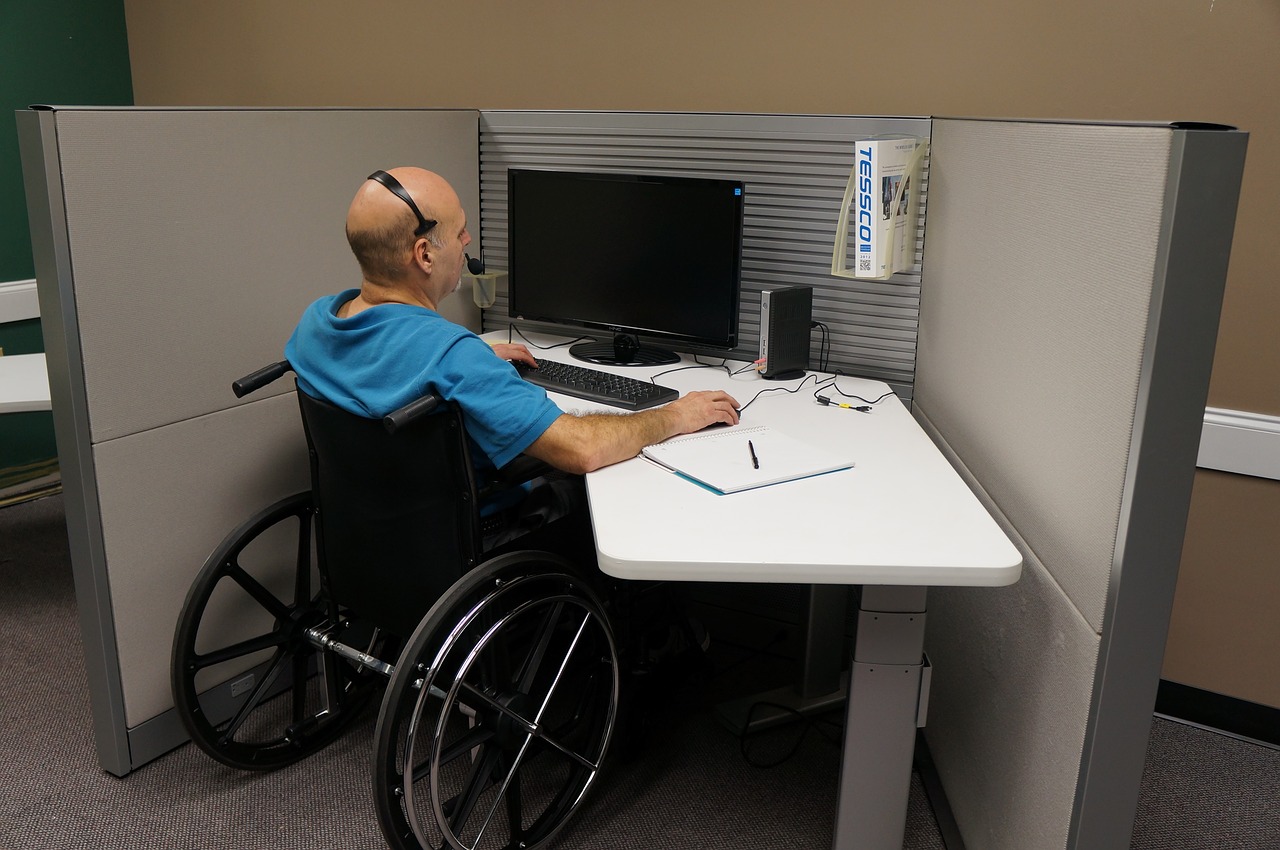
    While the pandemic did exacerbate the difficulties that people with disabilities already face daily, it also opened a window for them to take on remote work opportunities, something that wasn’t widely available pre-COVID-19.

    No preferential treatment

    Disabled people have had fewer options for employment as compared to non-disabled individuals, especially before the novel coronavirus took over the world and lockdown measures were put into place. And even when they find employment, they still often face accessibility issues, not only when commuting to work, but also within their place of employment itself. Some workplaces simply aren’t designed for people with disabilities or only have accessibility options as an afterthought.

    Aside from accessibility issues, people with disabilities have also faced scrutiny from their employers. For example, pre-COVID-19, if they requested for days to work from home, they were often denied because employers refused to give them preferential treatment. Even their requests for flexible scheduling so they can make it to their doctor’s appointments or medical treatments were often overlooked because employers would have to apply the option across the board, something that they weren’t prepared for. For certain, individuals with disabilities have heard every excuse imaginable for their requests to be rejected, from data security to technical issues.

    It’s time for a change

    Times have changed indeed since the pandemic began. The shift to businesses operating from home proved that remote work is not only possible, but in some cases, it has actually yielded more productive results. Stories abound of people with disabilities being denied the opportunity to work from home pre-pandemic, which flooded social media when it became clearer and clearer that remote work may be here to stay according to companies like Twitter.

    That seems to be the direction that most companies in Canada are heading to. In a post-pandemic world, offices may not be entirely eradicated, but flexible work options will certainly be more commonplace. In fact, even before COVID-19, research revealed that almost 40% of jobs within Canada can be done remotely.

    Advocacy for people with disabilities

    Rick Hansen, a well-known advocate for people with disabilities, offers his perspective on how COVID-19 has made the traditional work environment more inclusive, and the changes have truly been evident. For example, since teleconferencing is a part of everyday vocabulary now, platforms like Microsoft Teams have recently launched its live caption feature which allows people with hearing challenges to keep up with meetings with less struggle.

    Remote work opportunities also made it possible for people with disabilities to utilize options to make their home offices more customized to their needs. They can set up their computer systems to use features like magnification and specialized lighting to make their tasks easier.

    In addition, flexible work hours mean disabled individuals can go to medical appointments and treatments without having to worry about missing time from work. They can easily make up for lost hours when needed if they do have to step out to fulfill other obligations.

    Still, it’s a long road ahead for people with disabilities to have the same work opportunities as non-disabled people. But with pandemic-induced changes to the work environment, steps have been taken and we are heading into the right direction.


    SOURCES

    https://www.worldbank.org/en/topic/disability#:~:text=Results-,One%20billion%20people%2C%20or%2015%25%20of%20the%20world’s%20population%2C,million%20people%2C%20experience%20significant%20disabilities

    https://time.com/5826098/coronavirus-people-with-disabilities/

    https://www.marketwatch.com/story/theres-no-excuse-for-not-offering-remote-work-the-coronavirus-induced-work-from-home-revolution-feels-like-vindication-for-some-workers-with-disabilities-2020-05-01

    https://www.theglobeandmail.com/opinion/article-covid-19-has-shown-canada-that-its-possible-to-be-more-inclusive/

    https://www.rickhansen.com/news-stories/blog/how-covid-19-changing-remote-work-people-disabilities

    https://www150.statcan.gc.ca/n1/pub/45-28-0001/2020001/article/00026-eng.htm

  • When Everything Becomes Too Much: Managing COVID-19 Fatigue

    When Everything Becomes Too Much: Managing COVID-19 Fatigue

    Even with vaccinations already taking place in several parts of Canada within the priority sectors, COVID-19 isn’t showing signs of slowing down. As of December 19, 2020, the number of positive cases in the country surpassed half a million, with the global count pegged at 76 million. There are fears of a “twindemic” as the cold weather sets in throughout Canada and most parts of the world.

    As a result, the overall mental well-being of majority of the Canadian population is in dire straits. According to the newest wave of data collected through a nationwide monitoring survey on the mental health impacts of COVID-19, released in December 2020 by the Canadian Mental Health Association (CMHA) in partnership with UBC researchers, including the Faculty of Medicine’s Dr. Anne Gadermann,

    40 per cent of Canadians say their mental health has deteriorated since March when the World Health Organization (WHO) declared the virus as a pandemic.

    The decline is more pronounced in those who are unemployed (61 per cent), those with a pre-existing mental health issue (61 per cent), younger people ages 18-24 (60 per cent), Indigenous peoples (54 per cent), those who identify as LGBTQ2+ (54 per cent), and those with a disability (50 per cent).

    Some of us may have fallen susceptible to what psychological health experts refer to as COVID-19 fatigue. Alison Buttenheim, a behavioral epidemiologist at the University of Pennsylvania, explains this syndrome to being like in a prolonged state of “fight or flight.”

    As we all know, the fight-or-flight response (also known as the acute stress response), is a natural physiological reaction that occurs when we are faced with something terrifying, either physically or mentally. Hormones are released in our bodies to prepare it to either stay and deal with the threat or to run for safety. But as noted by Eric Zillmer, a licensed clinical psychologist based at Drexel University in Philadelphia, the fight-or-flight response is helpful for short-lived emergencies, not for a long-term crisis like COVID-19. These days, we’re in a constant state of emergency, which causes stress and anxiety and is likely to push us over the edge.

    While there’s no overnight solution to conquering COVID-19 exhaustion, there are ways to keep it in check. One approach is to establish a routine. Even though your class schedules or part-time work schedules may be all over the place as a result of the uncertainties that come with provincial and city-wide restrictions, do your best to keep them well-aligned. Doing so creates stability and therefore leads to minimized stress levels.

    Another way is to create a positive narrative by keeping a journal and filling it with good aspects in your life. Starting a gratitude journal can also help.

    On that note of staying positive, it’s also important to avoid any negative coping strategies, such as rebellious behaviour of not wearing masks in indoor places and hosting large parties which violate the physical distancing rules. The gratification in this type of behaviour, if any, is superficial, and what’s worse is that it will put you and the people around you at risk of contracting the virus.

    Practicing self-care is also an ideal way to beating COVID-19 burnout. This can be done in several ways, like scheduling a me-time where you enjoy your favourite treat or snacks while watching a feel-good movie or listening to your favourite band.

    And since we’re social beings, it’s always recommended to reach out to family and friends online. It might not be the same as being in the same physical space, of course, but digital video conferencing platforms like Zoom are a good alternative. In addition, you and your loved ones can also enjoy a plethora of online games to keep Game Night very much alive.

    It’s been ten months, and all throughout that time, we’ve been told time and again that a sense of normalcy is a long road ahead. For now, we have to accept that this is the temporary normal and look forward to when vaccination efforts start to roll out on a wider scale. Times are tough indeed, but we can continue to hang in there. Be strong.


    SOURCES 

    https://medicalxpress.com/news/2020-12-covid-caution-fatigue-ways.html

    https://www.hopkinsmedicine.org/health/conditions-and-diseases/coronavirus/how-to-deal-with-coronavirus-burnout-and-pandemic-fatigue

    https://www.med.ubc.ca/news/new-national-survey-finds-canadians-mental-health-eroding-as-pandemic-continues/

    https://covid19tracker.ca/

    https://www.verywellmind.com/what-is-the-fight-or-flight-response-2795194

  • A Beginner’s Guide to Meditation

    A Beginner’s Guide to Meditation

    When you hear the word “meditation,” the first thought that probably comes into your mind is that it’s solely for older folks. However, there have been numerous studies of the benefits of learning and practicing meditation techniques at a young age. If the adage “It’s never too late to learn something new” rings true, so does “It’s never too early to learn something new.”

    Meditation offers several advantages for one’s mental, emotional, and physical health. For students specifically, the practice of meditation can help alleviate the stress that comes with the pressure of maintaining an academic life, which has alarmingly increased because of the limitations that the COVID-19 virus enforces on their social lives.

    Before we get started on this beginner’s guide to meditation, it helps to know how it began in the first place. The word meditation stems from meditatum, a Latin term that means “to ponder.” Meditation allows an individual to find a better connection with their body in their daily life and help them become more aware of how emotions influence their behavior. The practice of meditation has become more important in these fast-paced times made up mostly of modern technology and forward thinking.

    The exact date when meditation began is unknown, but archeologists and scholars agree it has been around for about 5,000 years. Documented evidence of meditation, however, was discovered in ancient India, stemming from the teachings of Vedas, which is why it is attributed to India as the place of origin.

    Now, let’s move on to how you can introduce the wonders of meditation into your life.

    Start with the basics.

    Whether you’re in school in person or online, allot two to five minutes of your time each day before the class begins to do breathing exercises. Sit up straight as best you can, close your eyes, and breathe in and out deeply through your nose, allowing your shoulders and arms to relax as you go on. Try to immerse yourself completely in the moment, and don’t allow yourself to be disturbed by any distractions. Let your mind flow freely and be one with your breathing.

    Do this consistently for a few weeks, and once you’ve become fully comfortable with this technique, you’ll be ready to move on.

    Focus on colours.

    It’s instinctive for youth to have an ever-curious mind and an active pair of watchful eyes, and this meditation technique will help enhance those abilities even more.

    For this one, you can keep your eyes open. Do this technique whether you’re on the bus on the way to school or at home doing your homework. Take some mindful breaths and allow your body to relax. Then look around at your surroundings and focus on a colour you see. Try to view it as if it’s your first time seeing that colour and do your best to think of the colour’s significance in your life. Take more deep breaths, and after five minutes, go back to what you’re doing.

    Chant mantras.

    A variation of the basic technique of breathing for meditation is to chant mantras. It can be anything you want, whether it’s a quote from your favourite book or movie, or a lyric from a beloved song. Its message should be positive so it uplifts your spirits, like “It’s up to you how far you’ll go. If you don’t try, you’ll never know” from the animated movie, The Sword and the Stone. Keep repeating it for at least two to five minutes.

    These upbeat declarations are a good way to keep a courageous and optimistic attitude alive and make you feel you’re ready to take on the world and make an impact.

    Utilize apps.

    The wonders of technology can also be instrumental into turning you into a meditation-savvy individual. There are plenty of meditation apps that can help you with effective methods.

    A popular one is Headspace, which promotes calmness and wellness of life through an immense collections of meditation music and nature sounds to encourage your young mind. Calm is also another app that comes highly recommended. This app offers practice breathing techniques, walking meditation, calming and relaxation exercises.

    Now that you’re aware of the foundation of meditation, it’s time to put your knowledge into practice. Be calm and carry on!


    SOURCES

    https://famisafe.wondershare.com/app-review/best-meditation-apps-for-kids.html

    https://www.stylecraze.com/articles/simple-meditation-techniques-for-kids/#ChantingPower

    https://mindfulnessexercises.com/focusing-on-the-colors-you-see/ 

    https://www.lovejoyandwonder.com/easy-meditation-techniques-for-beginners/

    https://chopra.com/articles/the-history-of-meditation

  • How the Government is Lending a Helping Hand to People with Disabilities during the Pandemic

    How the Government is Lending a Helping Hand to People with Disabilities during the Pandemic

    COVID-19 has brought on numerous challenges to everyone across the board, but even more so for people with disabilities. According to Marie-Claude Landry, chief commissioner of the Canadian Human Rights Commission, while COVID-19 has widened the circle of vulnerable people in the country, the government still needs to work on providing people with disabilities the support they need as this global crisis lingers on.

    Back in the fall, the government did provide a one-time payment of up to $600 to people with disabilities, which is non-taxable and non-reportable in recognition of the unexpected expenses incurred by persons with disabilities during the pandemic. The payment is in complement to other emergency supports, such as the one-time special payment through the Goods and Services Tax Credit and the one-time payment to seniors. Those with a valid Disability Tax Credit (DTC) certificate from the Canada Revenue Agency (CRA) or at least have applied by December 31, 2020 are eligible for this one-time payment.

    However, Rehabilitation Services and Vocational Assistance Program Jewelles Smith, past chairperson of the Council for Canadians with Disabilities, said many people won’t qualify for the benefit, adding that the amount isn’t enough to offset the extra costs incurred by people with disabilities.

    Some of the add-on expenses since the pandemic began incurred by people with disabilities include extra cleaning expenses, delivery services, and personal protective equipment (PPE).

    It also hasn’t helped that the majority of them have had reduced income. Those who continue to work onsite also face several barriers in their respective work environments due with businesses and offices struggling to comply with physical distancing rules.

    In British Columbia, those who work in the frontline have had an opportunity to work more hours and thus get more pay, but this has worked against them. A single person-household receiving disability assistance can get up to $1,183.42 a month from the provincial government, but it’s an amount that is below B.C.’s poverty line, and so a majority of them supplement this income by working. And this is where it gets tricky. If they earn more than the limit of $12,000 a year, their income is reduced dollar for dollar.

    Furthermore, just this mid-December, the B.C. government has decided to cut the monthly COVID-19 financial assistance for people with disabilities, as well as seniors and people on lower incomes as part of new legislation.

    Back in April, the B.C. government provided a $300 supplement to those who weren’t eligible for the emergency federal support and those who did not receive income or disability assistance. Now, in January, February, and March, the $300 supplemental income will be cut in half and removed entirely by April. It’s understandable why the B.C. government found themselves in hot water.

    On the other hand, Prime Minister Justin Trudeau insists that the federal government is doing the best it can to fulfill the needs of people with disabilities during these challenging times. In his statement to mark the International Day of Persons with Disabilities, Trudeau emphasizes that people with disabilities have a greater need during these times and that they will continuously work to achieve disability inclusion by creating communities, spaces, services, and supports that allow everyone to fully and equally participate in society.

    Trudeau also shared that they are helping to improve workplace accessibility and access to jobs by investing $15 million to create a National Workplace Accessibility Stream as part of the Opportunities Fund for Persons with Disabilities. In addition, the federal government invested another $65 million in the Opportunities Fund in 2021-22, which will further support training and career advancement for persons with disabilities.

    Now, will these efforts be sufficient to truly fulfill the needs of people with disabilities? Time will tell.


    SOURCES

    https://globalnews.ca/news/7523492/coronavirus-disability-benefit-reduction-bc/

    https://www.cbc.ca/news/politics/canadians-with-disabilities-government-covid19-pandemic-1.5728343

    https://www.canada.ca/en/services/benefits/covid19-emergency-benefits/one-time-payment-persons-disabilities.html

    https://www.newswire.ca/news-releases/statement-by-the-prime-minister-on-the-international-day-of-persons-with-disabilities-866422826.html

    https://www.cbc.ca/news/canada/british-columbia/front-line-workers-on-disability-assistance-marginalized-during-pandemic-advocacy-group-says-1.5846467

    https://www.cbc.ca/news/canada/windsor/lockdown-help-a-breakdown-of-provincial-and-federal-assistance-available-1.5814871

  • SAD & COVID-19: Experiencing Seasonal Affective Disorder while social distancing at home and ways you can get help

    SAD & COVID-19: Experiencing Seasonal Affective Disorder while social distancing at home and ways you can get help

    By Maryam Sheikh

    In Canada, 2-6% of the population experience SAD. Women, young people, and those living farthest from the equator are at most risk for this disorder. This year, healthcare professionals are predicting that due to the pandemic, people may struggle with SAD more than normal. This is due to the general uncertainty around the pandemic as well as the social interaction limits that have been put in place. All of these factors can contribute to increased feelings of loneliness, stress, and anxiety. That is why it is important to take proactive approaches in order to be well-equipped for this season.

    So, now for the big question. What exactly is SAD? SAD stands for seasonal affective disorder. It is a type of depression that affects individuals primarily during the winter season. It appears to be triggered by the lack of sunlight and shortened days. This can set off a chemical change that triggers depression. Reduced sunlight can cause a drop in serotonin which is a brain chemical responsible for mood. Additionally, one’s biological clock and melatonin levels can also be thrown off due to the changing sunlight hours.

    According to The Centre for Addiction and Mental Health (CAMH), the main symptom of SAD is a sad, despairing mood that persists for more than two weeks. It is a feeling that is present for most of the time and can affect one’s relationships with others as well as their performance at school or at work. Some other symptoms include fatigue, difficulty concentrating, increased appetite, grouchiness, feelings of hopelessness and guilt, and/or excessive sleep and daytime drowsiness.

    If you are experiencing these symptoms, it is important that you visit your healthcare provider for any next steps. Each individual manages with mental health uniquely and getting help from the right people is an integral part of treatment. Self-diagnosing can be dangerous!

    If you know someone who has been exhibiting many of these symptoms, it can be very helpful to check in on them and direct them to some mental health and healthcare resources. Assure them that you can be a source of support.

    In order to manage SAD this year, focus on building healthy and sustainable habits. This means keeping busy with new hobbies, practicing self-care, regulating meal and sleep times, and consulting your doctor if you need to speak to a professional. Your doctor can help you determine the best methods of treatment, whether that means vitamins, medication, supplements, therapy, or a mix of approaches. Engaging in mindfulness is also a helpful way to try and manage your emotions. Additionally, you can look into breathing techniques, journaling, and practicing gratitude.

    If you would like to learn more about SAD, feel free to visit CAMH’s website.

    This winter season, remember to be kind to yourself and those around you! Check in with your friends by giving them a call or shooting them a quick text. Social connection is especially important this year, so try your best to make it a priority. You got this!


    Source:

    https://www.camh.ca/en/health-info/mental-illness-and-addiction-index/seasonal-affective-disorder

  • The Benefits of Virtual Therapy and Online Doctor’s Appointments

    The Benefits of Virtual Therapy and Online Doctor’s Appointments

    Virtual therapy and online doctor’s appointment have been very useful, especially during this new pandemic. Although it did require quite a bit of adjusting for some people, it has helped many people contact their doctors without leaving their homes and risking their health and the health of others.

    During this pandemic, it is important to continue checking in with your doctor while remaining safe and social distancing. If you need to see your doctor, you should schedule virtual appointments. There are several benefits to virtual therapy and online doctor’s appointments!

    Safety

    Since the COVID-19 outbreak began, going out and traveling from place to place has not been the safest thing to do. It is highly recommended to stay home. Although it is advised to stay home to protect our health, we also have to see doctors to help us remain healthy. Instead of traveling to your doctor’s office, you can schedule a virtual appointment from home. Scheduling virtual appointments can help prevent any illnesses you may catch on your way to your doctor.

    Accessibility

    Meeting with your doctor through virtual appointments is very accessible. It can be done from anywhere and whatever time works for both of you. If you happen to be stuck at home for any reason, or not in the city, you won’t need to reschedule your appointment. If you’re feeling ill, you can still talk to your doctor without worrying about spreading any infections to others on your way to your doctor. Virtual appointments are also very useful for those who have physical disabilities who may find it difficult to get from place to place.

    Comfort

    Virtual therapy and online doctor’s appointments can help you feel more comfortable. They can be done from the comfort of your own home and not in an intimidating, professional setting.

    With online consultations, you may be able to reach your healthcare professional 24/7 and provide your symptoms without having to leave your home. This is very useful especially if you have any unexpected symptoms or have a very busy schedule.

    Reduced Wait Times

    Have you ever gotten impatient while waiting in a waiting room? With the use of virtual therapy and appointments, you will not have to sit for what feels like hours in a waiting room. Since you could attend your appointments from the comfort of your own home, you could spend the time leading up to your appointment completing chores and tasks, enjoy your hobbies, or just laying on your couch while eating your favourite snacks.

    Flexibility

    Many people put off attending therapy or scheduling appointments with their doctors because they have a very busy schedule. Scheduling online appointments can be much easier. It can be worked around your schedule and be done from anywhere, as long as the environment around you isn’t too chaotic.

    Scheduling virtual appointments with your doctor may not be exactly like physically attending appointments, but can be just as beneficial. It is safe, flexible, accessible, and more!

    After this pandemic ends, virtual therapy and online doctor’s appointments will most likely still be used due to all the benefits that come with them!


    Resources

    https://mytherapynyc.com/benefits-of-virtual-therapy/

    https://www.verywellmind.com/advantages-and-disadvantages-of-online-therapy-2795225

    https://positivepsychology.com/teletherapy/

    https://www.diagnosio.com/blog/general/8-benefits-of-an-online-consultation-with-a-doctor/

  • Sharing Personal Data Online

    Sharing Personal Data Online

    By Maryam Sheikh

    The Internet is a wonderful yet dangerous place. It gives us unlimited access to content and information. It serves as a tool that helps keep us informed and entertained. However, while there are many benefits of engaging with content and platforms, there are dangers as well.

    Social media is where you will likely find most teens. People use various apps and websites to share their passions, hobbies, and interests. Moreover, people use the Web to keep in touch with others. However, the Internet can also be home to unwanted strangers and interactions. Therefore, it’s integral to use it responsibly to allow for positive experiences.

    First of all – keep a close eye on your social circle online! Use privacy settings to restrict access to your online profiles; this can keep you safe. Engage with your family and friends and be wary of people you have never heard of or is twice your age. Keep in mind that once something is on the Internet, it contributes to your online footprint. Be mindful of which information you want to be associated with. Think twice before posting pictures and comments. As a rule of thumb, don’t ever go online and post something on an impulse- especially if you are upset or angry. You don’t want to harm anyone or say something you cannot take back. Instead, take a moment to cool off, collect your thoughts, and do something that doesn’t require your phone.

    Also- think ahead! Consider what type of information will come up if a future employer or school searches you up on Google. You want your online image to be an authentic reflection of your character, so just like you would model good behaviour in person, do the same online!

    Don’t share your passwords! You should trust your friends, but not with your passwords. You don’t want your private circle to get bigger without you knowing or approving of it. Change your passwords occasionally to help prevent hacking. When posting on public platforms, try not to publicize information like your full name, age, address, city of residence, or school. It’s better to be safe than sorry especially when you don’t know who can gain access to your information.

    With lots of scams circulating around, it’s important to remember not to open messages or links from unfamiliar people. When online shopping, use reliable websites and don’t share sensitive information (eg. credit card information). When in doubt, speak to someone you trust. It is always beneficial to have someone to navigate an unfamiliar situation with.

    Keeping that in mind- foster open communication with your parents/guardians/adults you trust. If you are being bullied or harassed online, step away from the situation and ask for help. Block users who make you feel unhappy or uncomfortable.

    Your mental health matters! The Internet and social media can be stressful and overwhelming places. Feel free to take breaks from the online world. If you feel yourself spending hours on your devices and feeling worse than better, that might be a sign that it’s time to step away from the screen and engage with people in real life. Surrounding yourself with positive energy is one of the kindest things you can do for yourself. Safe surfing!

  • What are my rights to post-secondary education as a person with a disability?

    What are my rights to post-secondary education as a person with a disability?

    All educational institutions have a legal obligation to provide reasonable accommodation, up to the point of ‘undue hardship,’ in order to ensure equity for students with disabilities. The Canadian Charter of Rights and Freedoms and the various provincial charters prohibit discrimination on the basis of disability, and post-secondary institutions have been mindful of the obligation to create an accessible environment dictated by these charters. Canadian colleges and universities are now beginning to articulate the rights of disabled students as they develop educational equity policy statements. It is recommended that disabled students contact their disability services office for more information: http://www.neads.ca/en/norc/edlink/

    Other organizations that can help clarify the legal aspects of disability accommodations include: ARCH Disability Law Centre, Council of Canadians With Disabilities and Reach Canada. ARCH is “a non-profit community legal clinic which defends and promotes the equality rights of people with disabilities through litigation, law and policy reform, and legal education.” You can contact ARCH at its Toronto office:

    Advocacy Resource Centre for the Handicapped (ARCH)
    425 Bloor Street East, Suite 110
    Toronto, Ontario, M4W 3R5
    Telephone: (416) 482-8255
    TTY: (416) 482-1254
    E-mail: archlib@lao.on.ca
    Web site: http://www.archdisabilitylaw.ca/

    Reach Canada is “an Ottawa-based voluntary organization that empowers people with disabilities to remove barriers in education, work and the general community.” Contact Reach at:

    Reach
    400 Coventry Road
    Ottawa, Ontario, K1K 2C7
    Telephone: (613) 236-6636
    TTY: (613) 236-9478
    Fax: (613) 236-6605
    Toll-free: (800) 465-8898
    E-mail: reach@reach.ca
    Web site: http://www.reach.ca

  • How Anger Can Make You Better

    Do you ever get angry and have no idea why? Anger has always been a big part of being human. Everyone gets upset from time to time. It is a very powerful emotion that can happen very quickly and do a lot of damage if you are not careful. But it is not all negative. Anger does not come out of nowhere, but rather comes from words someone said, from something not going your way, or from a problem too big to solve. By feeling it, understanding it, and acting on it, you can learn so much more about yourself and turn anger into something positive.

    Let yourself feel angry. You are often told not to because it can lead to shouting, fighting, and things getting broken or people getting hurt. There are healthier ways to show anger. You can punch a pillow, go for a run, put on some headphones to listen to music, write about it, or draw something. That anger can even help you do those things better. Studies have shown that letting themselves feel angry has made people stronger and faster when playing sports or other physical activities. Research has even shown that the emotion helps basketball and hockey players shoot better. Allow yourself to be angry, and discover how it can be a positive thing for you.

    It is just as important to understand why you are feeling this way. When you experience anger, write down all your thoughts. Rate each thought on a scale of one to ten based on how angry it makes you. Do not try to fully understand It, but just catch your thoughts as they fly by. Make time to meditate and take some deep breaths. This will help with self-control and give you a clearer mind to go over your thoughts. Before you do anything about them, ask yourself what your options are. You can talk to the person who made you upset. You can ask for help to finish the task that was so frustrating. You can open up to a friend about the big problems in your life that you feel you cannot control. Take some time to think about your options and pick the ones that are likely to have the best results.

    Anger is a sign that something needs to change. After you have let yourself feel the emotion, and then tried to better understand why you feel that way, it is time to act. This might mean confronting a friend or family member whose words or actions brought about the anger. You deserve to be heard, and can do it in a way that does not blame the other person or make it worse. They are trying to deal with their strong emotions and big problems just like you are. It could also mean trying to finish a school assignment or chore that was frustrating you. Do not be afraid to ask for help, go online for advice on how to do it, and to take your time to get it done right. If the problem is a bigger life issue making you unhappy, then it can be a good idea to talk to a parent or a trusted adult about your issue. Whatever you do, do not just sit on your anger.

    Everyone has to deal with anger. It does not make you a weak or bad person. But it is very important to deal with it in a healthy and productive way. Take some time to feel the emotion, to better understand it, and make a plan to act on the issues causing it. You will get a stronger idea of what is happening inside your head and learn more about yourself. It can help improve relationships with your family and friends. Anger can make you better.

    Sources:

    Lyness, D’Arcy. “Dealing With Anger.” TeensHealth. https://kidshealth.org/en/teens/deal-with-anger.html

    Robson, David. “How anger can be put to good use.” BBC. https://www.bbc.com/future/article/20200723-how-anger-can-be-put-to-good-use

  • What is FOMO and How Can it Affect You?

    What is FOMO?

    FOMO stands for “fear of missing out”. This fear refers to the feeling that others are having more fun, living better lives, and experiencing much better things than you are. It makes you feel as if you are missing out on several life events and experiences that others are experiencing at that time. FOMO can cause a feeling of nervousness, anxiety, and even depression.

    What causes FOMO?

    Although some people are more affected by FOMO than others, the fear of missing out has always affected many people. Social media has been playing a huge part in this fear, making it much more common. With social media, anyone can check up on their friends or family to see what they’re up to. Many people enjoy posting status updates and uploading pictures of their daily activities. Those who view the posts of others can compare their own lives with what they see on the internet without even noticing it, resulting in them losing their sense of identity and developing lower self-esteem.

    Some psychologists have found that the fear of missing out is one of the reasons why social media platforms are such a success. They claim that FOMO causes people to use social media to show off what they are doing and how much fun they are having during that moment.

    FOMO can greatly affect anyone of any age but it is most common among teenagers and young adults. This is because those age groups are more likely to be on social media. The fear of missing out can cause teenagers and young adults to miss out on their lives even more. They are so focused on what others are doing that they forget to live lives of their own.

    How Do You Cope With FOMO?

    FOMO can negatively affect anyone’s mindset. To begin thinking positively again and cope with the fear of missing out, something has to be done. Here are a few ideas on how you can cope with FOMO:

    Take a break from social media! Social media can be fun to use from time to time but too much of it is not good. Just muting your notifications isn’t enough. It can be very tempting to open the app again to check for any notifications you didn’t receive. It’s best if you uninstall the app from your phone for a while, turn off your phone, and find something else to do. You could go read a book, bake some cookies, go for a walk with your dog, or take a nap.

    Keep a journal! Instead of posting all the fun things you do, you could write and describe them in your journal to look back on. You could also create a gratitude journal to write down everything you are thankful for. It could include several pictures if you’d like. Your journal could be online or on paper.

    Find real-life connections! When feeling down, we can often turn to social media to seek out connections with others and increase our sense of belonging. Sometimes social media can end up making us feel worse than we already do. Instead of turning to social media, it is better to meet up with friends in person. You could plan a fun day of adventure and get your mind off any stress while connecting with your friends.

    Practice mindfulness! Mindfulness is an exercise in which the person learns to focus only on what they are doing at that moment. It helps take your mind off of any stress that you could be feeling. To practice mindfulness, you could meditate, take a bath, or take a walk in nature.

    FOMO is not fun to experience. It is best to avoid it before it affects you. If you ever get caught in the fear of missing out, remember that everything is not what it seems.

    Resources

    How Does FOMO Impact Teen and Young Adults Mental Health?


    https://www.verywellfamily.com/how-fomo-impacts-teens-and-young-adults-4174625

    https://www.verywellmind.com/how-to-cope-with-fomo-4174664

    https://www.psychologytoday.com/us/blog/media-spotlight/201611/the-fomo-health-factor