Category: Community

  • The Repercussions of Social Distancing

    The Repercussions of Social Distancing

    By Erin Rebello

    Although social distancing is crucial to slowing the spread of the virus, it’s important to recognize that it does have a multitude of societal repercussions. Humans, by nature, are social beings, and as a result social distancing can take a toll on everyone. Our society is constructed upon the notion that we are meant to work together and cooperate, but with restrictions getting tighter and tighter, the very foundation of our society seems to be collapsing.

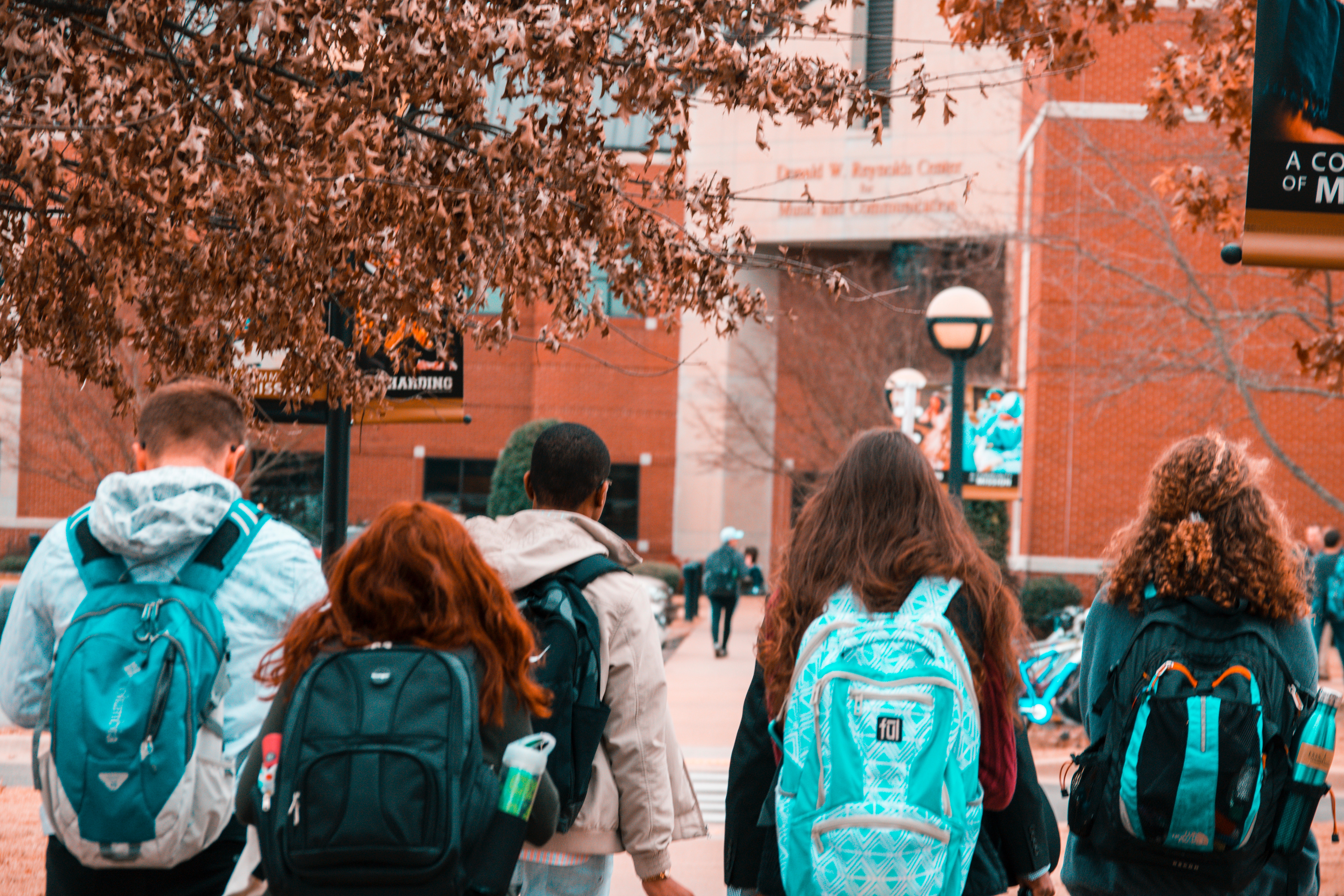
    One of the major negatives of social distancing is the impacts of a poorer learning experience for students. While some students thrive with online school and are able to successfully complete assignments and meet deadlines, others simply cannot. Some students (myself included) work best when a teacher is available to explain concepts and answer questions, but that simply isn’t the case with current measures. Other students require the physical setting of school to properly focus. Yet other students have individual educational needs and depend on support staff to gain a proper education. The fact is, online school simply isn’t adequate for every student.

    Another major negative of social distancing is the mental health repercussions. Many people gain joy from interacting with their friends, but that simply isn’t possible in the same way anymore. Although skype and phone calls can be great alternatives, they certainly don’t replace meeting someone in person. As a result, it’s easy to feel lonely and let negative thoughts creep in. As well, some people come from households that are unsupportive and abusive, and being quarantined with family may take a huge toll on their mental health. If you or a friend you know are in this position, know that there are people who want to help you. If you need someone to talk to you can call Kids Help Phone at 1-800-668-6868, and if you are in immediate crisis, you can call the Canada Suicide Prevension Service at 1-833-456-4566. It’s also important to note that although you may feel fine, your friends might not, so it’s good to check up on them every now and then.

    Beyond mental and educational repercussions, social distancing also has repercussions in terms of physical health. With the lockdowns in place, it’s just about impossible to get outside without breaking the rules of social distancing. All parks and gyms are closed, and it really isn’t safe to be in public areas anymore. Although some people have a backyard they can work out in, others live in cramped apartments with no room to stay fit, resulting in a sedentary lifestyle. As well, the current situation is a very stressful time, resulting in some people overconsuming due to stress, aka stress eating. Even for those who aren’t stressed, it’s easy to overeat when you’re bored and have nothing to do, which is the case for a lot of people who are stuck at home. Also, chances are that if you’re overeating, you’re not eating healthy food . A lack of exercise combined with an excess of unhealthy food can result in poor health habits that last for years and cause a multitude of health problems down the line.

    Overall, social distancing poses many threats to society as we know it. This protective measure impacts society negatively in terms of mental health, education, and physical health. While it can be fun to stay home and play video games all day, there’s a reason that we don’t practice social distance unless it’s absolutely necessary. That being said, it’s important to follow the lead of governments and epidemiologists and take the laws of social distancing seriously. Although there are many negatives, specialists have made it very clear that the pros outweigh the cons, and that for society to be able to recover from this pandemic, we need to practice safe and proper social distancing.
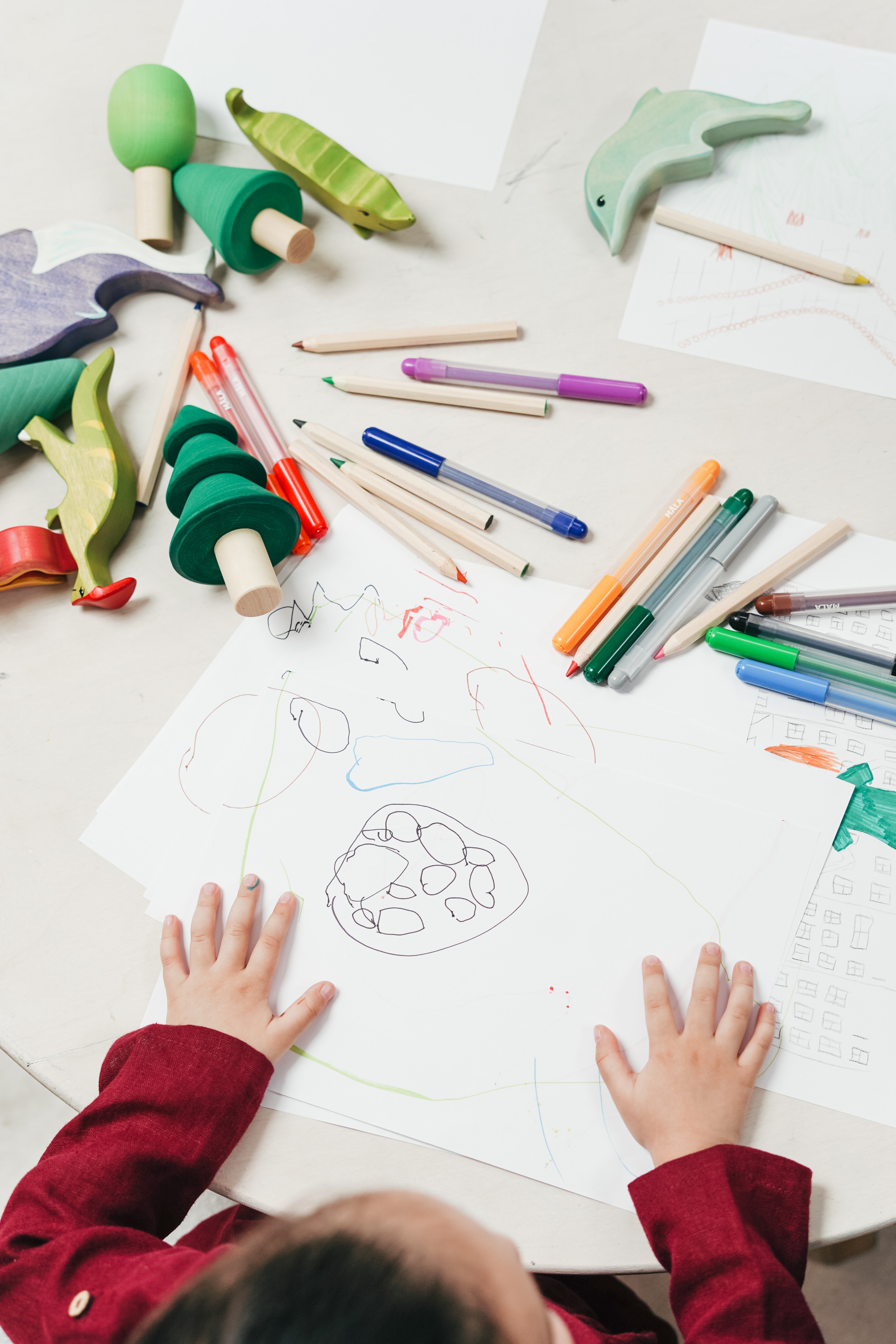

  • School Days during Social Distancing- Getting Organized!

    School Days during Social Distancing- Getting Organized!

    By Maryam Sheikh

    The spread of COVID-19 has resulted in unsettling times. With a lot of changes to our social life, work, and school life, it can be confusing to navigate. Many students have shifted to distance learning which requires habit changes and schedule shifts.

    In this article, I will outline some tips to help you stay focused and productive during this time.

    When social distancing first began, I started struggling with keeping a good sleep schedule. Suddenly given unlimited hours to sleep in, I went to bed later and woke up later as a result. I quickly realized that this was unsustainable and definitely felt like I could make more out of the days when I woke up earlier.

    My advice for organizing school days is keeping them balanced. I advise waking up around the same time you usually would on a school day and finishing schoolwork early so that you can enjoy the rest of the day. If you have parents or other family members working or studying from home, you can plan to wake up at the same time and eat a healthy breakfast together. This way, you have a source of motivation and can be held accountable for your habits.

    After a good meal, check the schoolwork you have been assigned for the day. Make a quick goal list of tasks you want to accomplish, and put it up in your workspace. If it is possible, find a quiet area in your home to work and limit distractions. This can mean turning your device off to avoid checking notifications or falling off track because of games.

    Online learning requires you to be more independent than usual, so if you are struggling to grasp concepts or complete work, be sure to contact your teachers for clarification and support. Use the support networks you have available such as family, friends, and classmates. I also find it helpful to watch videos to help my understanding of topics. Khan Academy is a great free resource to use- it has videos, discussion forums, and practise problems to complete.

    In between completing assignments and learning new material, be sure to take breaks to allow yourself to process the information. Fit in some daily exercise, pause to hop on a phone call with a friend, or give yourself half an hour to read a book.

    Overall, while these times have resulted in many changes, they are also an opportunity to build good work habits in preparation for the rest of high school or post-secondary education. In university and college, you generally only have a few classes a day and are left with a lot of time to get your assignments done while balancing work, extra-curricular activities, sports, and other commitments. Try to take advantage of the extra time to build self-discipline and focus!

    While following a schedule is important in maintaining good habits, it is also extremely important to keep physical and mental health in mind. These times are confusing and challenging for everyone, so be sure to talk about your emotions and feelings with people you trust.

  • Mind-Body-Soul; How to Keep Your Spirits Up

    Mind-Body-Soul; How to Keep Your Spirits Up

    Ever since the World Health Organization declared the new COVID-19 outbreak to be a global pandemic, businesses have been closing down and worries may have increased. It is important to remember to take care of yourself, especially during this time. When taking care of yourself, three things should be kept in mind: your mind, your body, and your “soul”. The health and wellness of all three should be cared for and balanced.

    1. Put your mind at ease

    During this time of stress, you should remember to rest your mind. There are several things you could do to ease your mind.

    You could turn off your phone or leave it in another room. Your phone gives you so much access to news from all over the world. It can be mentally draining. You do not need to read every single headline about the pandemic. This can cause unnecessary anxiety, sleeping problems, and maybe even eye disorders. Help out your mind and disconnect from the web for a while.

    Another option is meditating. Meditation has been around for thousands of years in many cultures and religions. Meditation can help with sleep, lowering blood pressure, and help with age-related memory loss. A simple 10-15 minute meditation session can really help center you. There are guides online to help you through your meditation if needed.

    You could also keep a journal to document your thoughts and emotions. It is a good way to express yourself, especially during this rough time. You can write in your journal daily. Write whatever you may be thinking or feeling and don’t worry if it does not make any sense!

    1. Engage in physical activity

    Recently, the gyms have closed due to the pandemic. For this reason, some people may not have as much motivation to exercise. Exercising is very important and should be done, even if you do not have access to a gym.

    Exercising could be done right outside your house. You could also go for a walk or run around the block. If you do go outside to exercise, keep in mind to be cautious when coming in contact with other people.

    Another option is to simply exercise indoors. You could watch videos online and follow along. A tip is to use household items as weights if needed! Walking around your home is also beneficial.

    1. Eat healthy meals

    Since we are at home, it is much easier for us to eat all of our quarantine snacks in one sitting.

    If you enjoy cooking or would like to learn how to cook, there are several healthy meals out there for you to make.  You could find recipes online. If you’re courageous enough, you could even create your own recipe.

    If you do not feel like cooking your own meals you could always support your local restaurants. When making your order, be sure to pick healthier options, but you can treat yourself every once in a while!

    1. Find a New Hobby

    Recently, many of us have had a lot of free time. During this free time, you could find a new hobby.

    The number of hobbies out there is endless! You could learn a new language, learn how to sew, bake, and more!

    1. Communicate with friends and family

    Just because you are social distancing, does not mean that there is no other way to communicate with others. Humans need to socialize.

    If you are quarantined with others, find a way to build your relationship with them. It is nice to be able to bond with the people you live with.

    If you are quarantined on your own or you just want to talk to other people, you can simply call, text, or video chat. Catch up with someone you haven’t talked to in a while!

    These simple things help you keep your mind, body, and soul healthy. Take care of yourself this quarantine! Stay safe and stay healthy!

    Resources:

    https://www.doyou.com/25-simple-ways-to-balance-your-mind-body-and-soul-17694/

    https://www.tallahasseemagazine.com/5-ways-to-pursue-mind-body-and-spirit-health-during-quarantine/

    https://medium.com/live-your-life-on-purpose/how-to-keep-your-mind-and-body-sane-during-a-quarantine-eabad583aad2

    https://thriveglobal.com/stories/6-daily-habits-to-nourish-your-mind-body-and-spirit-during-the-quarantine/

  • How the COVID-19 Pandemic Will Change the World for the Differently Abled

    How the COVID-19 Pandemic Will Change the World for the Differently Abled

    Welcome to our new reality. As we continue our social distancing in a world brought to a halt by COVID-19, we must also look ahead. What will life be like afterwards? There is much discussion on elements of our current lifestyle that will carry on once the pandemic has past. This includes more working from home, increased social assistance for those in need, and greater steps taken to ensure safe socialization. This reframing of our day-to-day lives can great help differently abled individuals. The changes that will happen now and in the near future could have profound impacts on the lives of people who previously faced challenges to which we did not pay nearly enough attention.

    Many people have continued to work and hold meetings through teleconferencing during the pandemic. This allows employees to still complete much of the same tasks but from the comfort of their home or any location away from the office. Individuals with mobility limitations greatly benefit from opening up work opportunities. Those with sight issues, such as photosensitivity or the need for screen magnification, can rely on their ideal home setup for work. Advances in technology can be fully utilized and implemented wherever the people who need them will be located. In addition, businesses will greatly benefit from a much larger pool of workers they can rely on.

    The pandemic will also bring about major changes for those with invisible disabilities. Working from home offers much more flexibility in taking breaks that can alleviate stress for those coping with depression or other mental health issues. Those living with anxiety can take comfort in meetings done via teleconference without video, as well as not having to cope with the social dynamics of an office. Outside of work, people are rediscovering the joys and comfort of eschewing a busy schedule and spending more time at home. This benefits those with social anxiety and others who struggle with the hectic nature of the modern world.

    COVID-19 could very well be an accelerator of the future of work. Artificial intelligence and automation have been poised to completely revolutionize how we define careers and how we live out our day-to-day lives. Companies are now embracing modern technology more than ever. The government programs being implemented to help the current situation, such as the Canada Emergency Response Benefit, are paving the way for ideas such as Universal Basic Income. All of this will lead to more opportunities for those with physical and mental disabilities. Freed from the trappings of a traditional 9-to-5 job, people will be able to work how and when they want. This allows us to socialize and explore hobbies at our own pace as well. The differently abled will be in a far more advantageous position.

    Those with physical and mental disabilities face many hurdles. The COVID-19 pandemic is turning the world on its head and paving the way for drastic change. What does this mean for the differently abled? It could lead to more work from home opportunities, more robust government programs, and a change from lifestyles that neglected those with disabilities. Looking at the potential positive impacts of the pandemic can not only help us stay optimistic, but also strive towards making that better world a reality.

    Sources:

    Kaufman, Jonathan. “Mindset Matters: Invisible Disabilities And The Future Of Work In The Era Of COVID-19.” Forbes. https://www.forbes.com/sites/jonathankaufman/2020/03/23/mindset-matters-invisible-disabilities-and-the-future-of-work-in-the-era-of-covid-19/#3a18b5219e45

    Lestoc, Costea. “COVID-19 Is Preparing Workplaces For A More Accessible Future.” Technology Market Corporation. https://www.tmcnet.com/topics/articles/2020/04/02/444995-covid-19-preparing-workplaces-a-more-accessible-future.htm

    Pasqua, Marco. “How COVID-19 is Changing Remote Work for People with Disabilities.” Rick Hansen Foundation. https://www.rickhansen.com/news-stories/blog/how-covid-19-changing-remote-work-people-disabilities

  • How We Can Transform the Food Industry for a Better World

    How We Can Transform the Food Industry for a Better World

    The food industry is as essential as it is chaotic. Servers and line cooks contend with demanding customers, hectic schedules, and severe job insecurity. The meat industry is becoming increasingly harmful to the planet due to carbon and methane emissions as a result of beef and other products. It is simply not sustainable. Now more than ever, we need more people entering the feed industry to find ways to improve it. There are many opportunities for you to find work in this field and make a difference.

    Restaurants and delivery services are fully dependent on servers and deliverers to get their product to customers. By working in one of these roles, or in another capacity such as a manager, you can help lead the way to better working conditions and treatment of these employees. When you see this work in action and are directly involved, you gain greater empathy for these workers that will translate into how you interact with them in your day-to-day life. You will be more likely to vote for politicians and measures that protect them, like wage increases, unionization, and better benefits. These small but significant changes can help transform companies to have improved principles and practices.

    Western society still relies greatly on unhealthy processed foods and a harmful, unethical meat industry. Becoming a chef or farmer will give you greater control over the ingredients and meals that go on people’s plates. As a chef, you can prepare more vegetarian or vegan meals that will have a smaller carbon footprint and do not result in devastating treatment of livestock and other animals. As a farmer, you can prepare healthier fruits, vegetables, and crops without the use of chemicals. Your work as a chef can take you to various restaurants or down the entrepreneurial route, whereas farmers can operate in rural and urban areas.

    A complex industry such as this one will require major change to come from high places. Food scientists study nutritional and chemical properties to help ensure safety. Food lawyers battle major corporations and factory farming on a grander scale in order to take on the greed and corruption that is found throughout corporate culture. Lobbyists and activists take this fight to the political realm in order to try and get those in positions of power to make legislative and cultural changes. These are not easy conflicts. But they are necessary ones to ensure an improved food industry in the years to come.

    What we eat and how it is prepared are just as important as the basic need for humans to eat. As technology evolves and we gain greater awareness of the challenges we face, we need more and more people taking active roles in the food industry. Each role is critical in its own unique way in helping to ensure a better work environment for servers, healthier food for consumers, and a sustainable world for generations to come. Take a look into the many different options you have to make a difference in this vast industry.

    Sources

    Doyle, Alison. “10 Cool Jobs in the Food Industry.” The Balance Careers. https://www.thebalancecareers.com/cool-jobs-food-industry-2064051

    Knutson, Ariel. “15 Reasons Why Everyone Should Work in a Restaurant at Least Once in Their Lives.” Kitchn. https://www.thekitchn.com/this-is-why-everyone-should-have-to-work-in-a-restaurant-at-least-once-in-their-lives-life-in-the-kitchen-217897

  • Overcoming Barriers to Education: Now and the Future

    Overcoming Barriers to Education: Now and the Future

    By Erin Rebello

    School is a great learning environment; it allows you to meet new people, experience different things, and follow your passions. As awesome as school may be, for some students it can seem quite the opposite. There are many barriers that can hold you down negatively while in school, however there are just as many reasons to stick through it for an education.

    The first of many barriers to an education would be finances. In this day and age, it’s very difficult to go through public high school without spending an exorbitant amount of money. From school supplies, to uniforms, to transportation and more, you’re going to end up spending a lot without noticing it. And that’s not even counting the cost of field trips and workshops! When you add it all up, going to school can be pricey! If you’re considering pursuing a higher education after high school, you’re probably going to be on the hook for a lot more cash. University can cost upwards of $6000 a year, with additional costs for textbooks, housing and meal plans. All in all, getting a full education can be a lot more than you ever thought.

    Although the sticker price can turn a lot of people away from pursuing an education, there are plenty of reasons to stay and also many ways to reduce the costs. For one, you might consider cheaper options. Instead of opting for a university farther away, you may opt for one close to where you live, where it would be easy to commute to. That way, you would be able to avoid having to pay for housing accommodations. You might also consider getting a job to help offset future university costs. By starting to save early, you’ll have a lot saved up and will have to pay significantly less in the future. As well, you should also think about applying for scholarships. Every year there are hundreds of scholarships that go unclaimed every year, simply because not enough people apply! Some scholarships require applications and essays, while others are automatically issued to you from the university if you have high grades (entrance scholarships). You should also talk to your parents, as their workplaces might offer scholarships to high-achieving children of employees. Utilizing these three ways, you can break down the financial barrier to education

    Another major barrier to education is the mental stress that it can put on a person. Although the school system works well for some people, it certainly isn’t built for everyone. As a result, many students feel left behind by the school system, and believe that it is harming them rather than helping them. Similarly, if you have a mental disorder or disability, it can seem that you aren’t being supported. One way to solve this problem is by talking to a trusted adult, such as a parent, teacher, or guidance counselor. With their help, you may be able to find the accommodations you require in certain classes, preventing school from putting too much stress on you at once. If there is no way to make accommodations, remember that you always have options of changing your program or level of study. For example, you might want to switch from academic science to applied science to better suit your needs. Be sure to discuss with your guidance counsellor before making any major changes!

    Although school has its ups and downs, and some days you might feel like it’s not worth it at all, remember that education is valuable, not only to getting a future job, but also to being an aware and educated citizen. There can be major barriers to an education, by overcoming these obstacles, you’ll be a stronger p

  • The Life Saving Benefits of Resting

    The Life Saving Benefits of Resting

    Getting enough sleep is very important for one’s health and well-being. It is just as important as exercising and maintaining a healthy diet. Several people do not get enough sleep because they are extremely busy. This is not healthy. It is important to work on managing one’s time to be able to get enough sleep for one’s age.

    According to the National Sleep Foundation, the following are the recommended amounts of time each age group should be sleeping per night:

    Age     Daily Recommended Sleep Time

    Newborns (0 – 3 months)    14-17 hours

    Infants (4 – 11 months)       12-15 hours

    Toddlers (1 – 2 years)          11-14 hours

    Preschoolers (3 – 5 years)  10-13 hours

    Children (6 – 13 years)        9-11 hours

    Teenagers (14 – 17 years)  8-10 hours

    Young adults (18 – 25 years)          7-9 hours

    Adults (26 – 64 years)          7-9 hours

    Older adults (65+ years)     7-8 hours

    As mentioned previously, there are several important reasons why everyone should be getting enough sleep every night. Here are a few of those reasons:

    1. Builds a Stronger Immune System

    Sleep helps the body repair, regenerate, and recover. There is research that shows that sleep can help the body fight infection.

    1. Helps Prevents Depression

    It is shown that those with sleep disorders, such as insomnia, are likely to show signs of depression.

    1. Leads to Better Concentration, Productivity, and Cognition

    Being wide awake helps your brain function better. Lack of sleep leads to sleep deprivation.

    1. Affects Emotions and Social Interactions

    Lack of sleep affects your emotional and social intelligence. This leads to them having trouble recognizing other people’s emotions.

    1. Lack of Sleep Results in a Greater Risk of Heart Disease and Stroke

    Getting enough sleep each night helps your body’s blood pressure regulate itself.

    Everyone has trouble sleeping at some point. Some more than others. There are many ways to help get better sleep at night. These changes range from lifestyle changes to redecorating. Here are some tips to help sleep peacefully and soundly at night:

    • Stick to a sleep schedule. To help regulate your sleep schedule, you should wake up and go to sleep at the same time every day. This includes the weekends.
    • Control how much light you’re exposed to. In the morning, expose yourself to sunlight. Also, avoid exposing yourself to bright lights before bed. These bright lights can keep you awake.
    • Exercising throughout the day can help you sleep at night. It’s better to exercise earlier on in the day. Exercising too close to when you go to bed will keep you awake.
    • Have an appropriate sleep environment. Make sure your sleep environment is quiet, cool, and comfortable. Also, reserve your bed for just sleeping. Do not eat, watch TV, or use technology while in your bed. This will help you associate your bed with only sleep.
    • Clear your head. There are times when your thoughts leave you unable to sleep at night. This is completely normal. One way to clear your head before you sleep is to meditate and do simple breathing exercises until you feel relaxed enough to fall asleep.
    • Have healthy eating habits. Your eating habits also play a role in how well you sleep. To get better sleep, it is best to limit caffeine, avoid big meals at night, avoid drinking too many liquids in the evening, and cut back on sugar.

    In conclusion, getting enough rest should be one of everyone’s daily goals. It is very important, and not getting enough sleep often can be dangerous. Being aware of the importance of sleep and learning some tips should be helpful. Remember to always get the recommended amount of sleep for your age! Sweet dreams!

    Resources:

    https://www.medicalnewstoday.com/articles/325353#lower-weight-gain-risk

    https://www.healthline.com/nutrition/10-reasons-why-good-sleep-is-important#section2

    https://www.helpguide.org/articles/sleep/getting-better-sleep.htm

    https://www.sleepfoundation.org/articles/healthy-sleep-tips

    https://www.sleepfoundation.org/press-release/national-sleep-foundation-recommends-new-sleep-times

  • Fight for Your Right to Workplace Accommodation

    Fight for Your Right to Workplace Accommodation

    We all have different needs in life. For many, this necessitates unique solutions in order to offer more equal opportunities for employment. Whatever your disability may be, you have the right to request certain accommodations to which employers have a duty to respond. It is critical that you know what those rights are in order to be ready to fight for them. This is not only to your benefit, but to the benefit of employers, fellow co-workers, and society as a whole.

    In Ontario, workers are protected by the province’s Human Rights Code and Accessibility for Ontarions with Disabilities Act. Legislation ensures that employers and service providers must give equal access to individuals with disabilities. This involves removing barriers which prevent or deter access, and pertains to physical disabilities and what are often deemed invisible disabilities, such as chronic fatigue, mental illness, and arthritis. Employers and their employees must work together to determine the best form of accommodation.

    This accommodation varies from person to person. For example, employees requiring additional breaks due to a physical disability such as Multiple Sclerosis might need different lengths of breaks depending on the nature of their condition. If you are in a wheelchair, you have a right to fight for accessible entry such as a ramp. If you are deaf or hard of hearing, you have a right to fight for sign language interpreters in meetings. If you suffer from chronic pain, you have the right to fight for ergonomic office furniture. Employees must also provide additional training and coaching for employees with learning disabilities, provide flexible work hours and breaks for those with gastrointestinal disease or physical disability, and more. You have a right to request this help and should not be afraid to do so.

    It is essential that you ask for the accommodation you need and explain why you need it in writing. By providing further details on your restrictions or limitations, it makes it easier for employers to understand and assist. Work with your employer and create an open dialogue to allow all parties to work towards a solution. It is to everyone’s benefit. Studies have shown that employees with disabilities are likelier to stay in a role longer, and are less likely to get into accidents at the workplace. The increased diversity in the workplace builds a better work culture, one of greater inclusivity that will help stir new ideas and boost morale. Most important of all, it will do away with the stigma that results in people with disabilities being all too often refused employment. We all apply for jobs we want to do and consider ourselves qualified for, and people with disabilities are just as capable at excelling.

    Workplace accommodation is essential. You have the right to request the accommodation you require based on your own particular needs. Whatever your disability is, be prepared to speak up on the issue. You are not only improving your own situation, but also improving the culture of your workplace and opportunities for others as well. We all benefit from a more equal and more inclusive workforce. Know your rights. Fight for them.

    Sources:

    Human Rights Legal Support Centre. “Your Right to Accomodation.” https://www.hrlsc.on.ca/en/how-guides-and-faqs/your-right-accommodation

    Thomson, Greg. “Accommodating Invisible Disabilities in the Workplace.” https://www.aoda.ca/accommodating-invisible-disabilities-in-the-workplace-2/

    EmployAbilities. “Top 5 Reasons to Hire a Person With Disabilities.” https://employabilities.ab.ca/top-5-reasons-to-hire-a-person-with-disabilities/

  • Don’t Give Up – Inspirational People to Motivate You

    Don’t Give Up – Inspirational People to Motivate You

    Striving to reach one’s goals—whether it’s to land your dream job in a big corporation, complete a Master’s Degree in two years’ time, launch your own business, or pursue a passion project—takes dedication, hard work, and patience. One can’t expect that simply creating a vision board with all of your objectives will do the trick. At times, you will encounter more difficulties than what you’ve prepared yourself for, and this is where perseverance is needed the most.

    If you feel this is happening with you at the moment, then you’re in good company. Some of the most successful people in the world today got there through a healthy combination of blood, sweat, and tears, so if you’re in the throes of throwing in the white flag, look into the motivators below to inspire you to keep going.

    Terry Fox

    There’s no better person to start off this list than our very own Terry Fox who overcame adversity to become the hero that we respect and love today. Fox was born in Manitoba and raised in British Columbia, where he became actively involved in a variety of sports as a teenager. However, when Fox was 18 years old, he was diagnosed with bone cancer and his right leg had to be amputated right above the knee. Instead of surrendering to a life of inactivity, Fox rose above the misfortune and instead vowed to dedicate his life to raising funds for cancer research by running across Canada. Fox started his journey in St. John’s, Newfoundland in April 1980 but anyone barely noticed. However, Fox persevered and soon his run gained attention and raised a good amount of money. After 143 days of running, cancer caught up with Fox and the build-up accumulated in his lungs and he was forced to stop running. Fox eventually succumbed to the disease in June 1981. However, his legacy continues and the annual Terry Fox Run has raised over $750M for cancer research. He remains to be a big hero to many Canadians, and he has been pitched to grace the new $5 bill.

    Steve Jobs

    The man who changed the face of technology forever didn’t exactly have an easy road to success. For starters, his birth parents gave him up for adoption. Academically, he wasn’t turning up an ace and eventually dropped out of college after a mere six months. He tried to pursue a variety of projects until deciding to partner with Steve Wozniak to establish Apple Computer in 1976 with the main goal of providing user-friendly personal computers to everyone. Due to internal company conflict, Jobs was forced out of his own company in 1985, but he didn’t let this stop him from his goal of achieving more. In 1997, Jobs stepped in the role of CEO at Apple once again, thus kicking off the company’s domination of the technology industry through the release of revolutionary products such as the iPod, iPhone, and MacAir.

    J.K. Rowling

    Everyone knows the genius behind the phenomenal “Harry Potter” series, but not everyone knows that being successful wasn’t entirely a walk in the park for J.K. Rowling. Though she grew up surrounded by books and became a book author herself by the young age of 6, she didn’t gain recognition for her works until later on. In fact, she faced a slew of challenges on the road to success, trials that may have prompted an ordinary person to give up. She was obviously an extraordinary person and thus persevered as best as she could. To start with, she faced tribulations in her personal life, suffering abuse at the hands of her husband, whom she later divorced. She also lost her mom to multiple sclerosis and had no choice but to rely  on welfare. She didn’t stop writing and came up with a submission (which will become the Harry Potter that we all know today) to a major publishing house, which in turn rejected it. Bloomsbury Children’s Books was the publishing company who gave her the big YES and the rest is history. Now, the Harry Potter empire is worth $15B.

    Bethany Hamilton

    Hamilton is living proof that you can get past a harrowing experience and achieve your goals to make a positive impact to people’s lives. As a young girl, she always wanted to be an athlete and make her mark in surfing. However, at 13 years old, Hamilton encountered a 14-foot tiger shark which resulted in her losing her left arm. While others would have given up following this horrible turn of events, Hamilton just became more motivated and went back to surfing only after a month after the attack. In two years’ time, she won her first national surfing title. Hamilton isn’t one to keep what she learned from experience to herself. She’s been happy to share her wisdom through the release of books and by being a motivational speaker.

    Oprah Winfrey

    A list of the greatest motivators wouldn’t be complete without Oprah Winfrey in it. After all, those who know her story will associate this billionaire media mogul and philanthropist with the word “inspiring.” Winfrey was almost set to fail in life but her determination and dedication were too powerful to resist. Born in poverty, Winfrey experienced sexual abuse at the hands of male relatives as a young girl, an experience that would be traumatic for anyone. She didn’t let this get in the way of her ambition and desire to be an inspiration to others. Winfrey had a passion for broadcasting and won a gig to host a TV chat show in her local city of Baltimore. After eight years, Winfrey landed a job to host her own radio show in Chicago. These two jobs definitely paved the way for her long-running “The Oprah Winfrey Show,” which was launched in 1986.

    SOURCES

    https://www.biography.com/media-figure/oprah-winfrey

    https://bethanyhamilton.com/biography/

    https://www.jkrowling.com/about/

    https://www.biography.com/business-figure/steve-jobs

    https://terryfox.org/terrys-story/

  • NEADS Events in February 2020: Save the Date!

    NEADS Events in February 2020: Save the Date!

    Organizer: University of Manitoba Institute for The Humanities

    Title: Disability and History: A Roundtable Discussion in Winnipeg on February 13

    Category: Education

    Location: Winnipeg, Manitoba

    Date: February 13, 2020

    Web site: https://www.neads.ca/en/about/media/index.php?id=888

    Description: Disability and History: A Roundtable Discussion in Winnipeg on February 13


    Organizer: Wisconsin State Parent Educator initiative

    Title: Transition 2020: Opening the Door to the Future

    Category: Education

    Location: Wisconsin Dells, Wisconsin

    Date: February 20, 2020 – February 21, 2020

    E-mail: amys@cesa11.k12.wi.us

    Web site: https://www.edevents.org/conferences/49/transition-2020-opening-the-door-to-the-future


    Organizer: CEC

    Title: Disabled Students Leadership Conferences In the United States

    Category: Education

    Location: Portland, Oregon

    Date: February 5, 2020 – February 8, 2020

    Telephone: (613) 233-2175

    E-mail: Use Contact link at the bottom

    Web site: https://cecconvention.org/

    Description: View website for more information