Category: Community

  • Profiling a Career as a Mental Health Counsellor (French version available)

    Profiling a Career as a Mental Health Counsellor (French version available)

    By Olivia Condlln-Wilby

    It is essential for high school students to understand the various career opportunities available. Only with this understanding can they make responsible decisions about their educational and professional futures. With that in mind, students can use this resource to explore a career in mental health counselling and understand this option a little better.

    Roles and Responsibilities

    Mental health counsellors work with individuals and groups to enhance their psychological and emotional wellness. That could involve substance use treatment, family therapy, safety planning, and many other forms of support. These counsellors provide safe, empathetic spaces for clients to talk about their problems (e.g., anxiety, depression, suicidality, etc.).

    Their responsibilities include (but are not limited to):

    • Conducting intake interviews (i.e., collecting information about an individual and their medical history, family background, mental health, substance use, etc.)
    • Providing counselling services through talk therapy, support groups, treatment plans, and other therapeutic exercises
    • Referring clients to community supports, emergency services, or psychiatric facilities
    • Submitting assessments to schools, workplaces, child services, parole officers, etc.

    What are the Benefits of a Career in Mental Health Counselling?

    Mental health counselling can be a fulfilling career for those who want to help others and make a positive difference in their communities. Although it can be exhausting work, it can also be gratifying to see people feel better because of your support.

    Another benefit of this career is that you can work for yourself. As a mental health counsellor, you can start a private practice – meaning that you would be your own boss. This gives you complete control over your scheduling and salary. It also allows you to focus on a specific field of practice, such as child psychology, trauma counselling, or suicide prevention.

    What are the Drawbacks of a Career in Mental Health Counselling?

    Providing mental health support can be stressful. As a mental health counsellor, you may work with clients dealing with abuse, poverty, housing insecurity, and substance use. You must be prepared to set aside your own emotions and focus on the client.

    How Much Can I Make as a Mental Health Counsellor?

    In Canada, mental health counsellors earn approximately $59,000 per year on average. At the beginning of your career, you may receive around $46,000. As you accumulate experience in the field, you can expect to earn up to $76,000 annually.

    In British Columbia, mental health counsellors can earn up to 14.5 percent more than the national average.

    Education and Experience

    If you’re interested in this career path, consider pursuing a degree in psychology. You will need at least an undergraduate degree to work as a mental health counsellor.

    The Canadian Counselling and Psychotherapy Association is the regulatory body for mental health counsellors. To register, you must hold a master’s degree in counselling or a related field. Additional certification criteria can be found here.

    Advancement and Other Career Opportunities

    As a mental health counsellor, you may advance to the position of psychotherapist, clinical manager, or clinical director. If you decide to pursue a different career path, there are many options available to you. A degree in psychology could be applied to any of the following careers:

    • Teacher or guidance counsellor
    • Researcher for governmental agency or NGO (non-governmental organization)
    • Advertising or Human Resources representative
    • Social worker
    • Correctional services or parole officer

    Employment Challenges

    For mental health counsellors, burnout can be a significant barrier to staying in the field. Burnout is characterized by a sense of exhaustion, hopelessness, and dissatisfaction. When you’re constantly confronted with people’s problems, it can be challenging to remain positive and energized.

    In 2020, roughly a third of Canadian counsellors were struggling with their mental health. Some counsellors may decide to leave the field as a result of the emotional strain.

    Career Prospects

    Across Canada, mental health counsellors are expected to remain consistently in demand. Almost 19,000 job positions will become available by 2028, which should allow aspiring counsellors to find work with relative ease. It is worth noting that many mental health counselling jobs are part-time.


    References

    Canadian Counselling and Psychotherapy Association. (2017, May 18th). Canadian Graduate Programs. https://www.ccpa-accp.ca/membership/students/graduate-programs/canadian-graduate-programs/

    Canadian Counselling and Psychotherapy Association. (2017, May 18th). Certification. https://www.ccpa-accp.ca/membership/certification/

    Canadian Job Bank. (2021, October 5th). Mental Health Counsellor in Canada. Government of Canada. https://ab.jobbank.gc.ca/marketreport/outlook-occupation/2254/ca

    Canadian Psychological Association. (n.d.). Careers In and Related To Psychology. https://cpa.ca/students/career/careersinpsychology/

    CareerProfiles. (n.d.). The Advantages and Disadvantages of Being a Psychologist. https://www.careerprofiles.info/advantages-disadvantages-psychology-career.html

    Glassdoor. (n.d.). Mental Health Counsellor Job Description. https://www.glassdoor.ca/Job-Descriptions/Mental-Health-Counselor.htm

    Payscale. (2021, November 12th). Average Mental Health Counselor Salary in Canada. https://www.payscale.com/research/CA/Job=Mental_Health_Counselor/Salary

    Smith, M., Segal, J., & Robinson, L. (2021). Burnout Prevention and Treatment. HelpGuide. https://www.helpguide.org/articles/stress/burnout-prevention-and-recovery.htm

    Statistics Canada. (2021, February 2nd). Mental health among healthcare workers in Canada during the COVID-19 pandemic. Government of Canada. https://www150.statcan.gc.ca/n1/daily-quotidien/210202/dq210202a-eng.htm


  • Advice for Handling Winter as It Stretches into February and Impacts Your Mental/Physical Health

    Advice for Handling Winter as It Stretches into February and Impacts Your Mental/Physical Health

    Winter can be a very interesting season. While it brings heartwarming moments like snowball fights or Christmas decorations, winter undoubtedly has some negative facets as well. These include sometimes stressful/dangerous situations that involve commuting in extreme weather conditions and trying to stay warm when experiencing freezing temperatures. As these things occur, it’s understandable if the season has had certain effects on your well-being thus far and continues to do so.

    Here is some advice on how to handle winter as it goes into February and impacts your mental and physical health:

    How to Handle Winter’s Impact on Your Mental Health

    Designate Some Time to Go Out

    Of course, many have been spending a lot of time at home over the past three years due to COVID-19, which, in turn, has prompted people to discuss how important it is now more than ever to look after your mental health. If it’s safe, and on days when the weather is relatively mild, try designating some time to go out. Whether it’s just for a walk or you want to buy lunch, leaving the monotony of life at home every so often can help improve your mood.

    Check-in with Yourself

    Check-in with yourself once in a while and see how you’re doing, especially if you notice that you’ve been experiencing a lot of negative emotions. Even if you can’t immediately adopt direct measures to address these emotions (such as making an appointment with a counsellor/mental health professional), simply taking some time to acknowledge them, and reflect on why you’re feeling this way could make a huge difference.

    How to Handle Winter’s Impact on Your Physical Health

    Make Healthier Alternatives for Treats Often Consumed During Winter

    During this cold season, people often turn to hot and sweet foods/beverages. Hot chocolate, for instance, is a popular go-to drink. These (of course) usually contain a significant amount of sugar and are also, at times, high in fat. They’re fine when you have them in moderation but might pose a problem if too much is consumed.

    Therefore, if you find yourself craving these treats, a great way to continue enjoying some is by looking up recipes for healthier alternatives that can also satisfy your taste buds. Also, preparing sweets could be a fun activity, which is another positive aspect.

    Try Exercising More (If You Aren’t Trying Already)

    Though this depends on everyone’s unique situation, e.g. state of health, how much time you have in a day, etc., it’s a good idea to work out on a regular basis. A suggestion would be alternating between cardiovascular exercises and weight training. If you’re unsure where/how to start, there are many helpful videos online. Ultimately, what’s important is determining a way to stay active that works for you.

    All in all, winter without a doubt can be a very challenging season to get through and dealing with its effects takes its toll in more ways than one. This is why it’s so crucial that you engage in various acts of self-care. If you consider the advice stated above and take the initiative where these areas are concerned, you’re on the right track to effectively handling winter as it stretches into February.

  • After Valentine’s Day, Let’s Discuss Disability in Romance Movies (French version available)

    After Valentine’s Day, Let’s Discuss Disability in Romance Movies (French version available)

    By Erin Rebello

    Oh, Valentine’s Day, the so-called sweetest day of the year! With this festive holiday having happened during COVID-19, you might have found a classic romance movie to watch with a loved one at home. Although these cheesy movies can be great fun, if you look closely, you might just notice that there’s a lot more going on beyond the sickly-sweet facade. One issue I’ve recently noticed is the lack of diversity for disabled people with disabilities in romance movies and television shows. Although this might seem insignificant to some, the lack of partnerships featuring those with disabilities in romance movies can cause major societal issues that reach far beyond the silver screen.

    Disability and the Film Industry

    To analyze the lack of representation in romance movies, I think it’s important to step back and criticize the film industry as a whole. For years, stories of disabled people have been hidden from the big screen. If any movies were about a disabled character, they would be from an outsider’s point of view, rather than the person themselves. In addition, many disabled characters have been played by able-bodied actors, which further excludes disabled individuals from the conversation. For example, although The Fault in Our Stars is a great film about illness and love, the actors who play Hazel and Augustus are both able-bodied, which sends very mixed messages.

    Why Representation Matters

    Now that we’ve established how the film industry has suppressed these stories, it’s important to discuss why exactly representation is so crucial. For starters, viewers need to be aware of the diversity in modern society. Without representation, a population might never understand the situation of a disabled person, which can lead to issues like bullying, intolerance, and a lack of public accessibility. This is especially important in a genre like romance because so many individuals hold ableist views about it. For example, oftentimes people forget that individuals with a disability can feel romantic or sexual. Although it sounds like basic common sense, it’s a notion that has been very damaging to the differently-abled community.

    Another reason for romance representation, and perhaps the most important reason, is the fact that disabled people deserve to see themselves in the media! According to the CDC, one in four adults will experience some sort of disability, however, only 2.1% of characters on television have a disability. By creating movies highlighting stories centred on people with disabilities, the film industry shows other disabled individuals that it’s okay to be who they are, and that regardless of their differences, they deserve a welcoming space in society. By including disabled people in books, television shows, and movies, we’re actively sending the message that they are loved and accepted – which is very important for all of us!

    What Comes Next

    Although we have made slow improvements over the years, there is a long way to go in terms of the inclusion of the disabled in the romance film industry. While seeing disabled characters on the silver screen is important, we must also work to ensure that more of these roles are given to talented, disabled actors. Representation is important in any industry, but the film industry is especially important because of its widespread reach. Although you may not be able to direct your own disability-inclusive movie as yet, hopefully, this article has at least made you think twice about how your movie choices impact the disabled community!


    Sources:

    CDC: 1 In 4 US Adults Live With A Disability | CDC Online Newsroom | CDC. (2018). CDC Newsroom. https://archive.cdc.gov/#/details?url=https://www.cdc.gov/media/releases/2018/p0816-disability.html

    Leary, A. (2018, June 28). Asexual Disabled People Exist, But Don’t Make Assumptions About Us – Rooted In Rights. Rooted In Rights. https://rootedinrights.org/asexual-disabled-people-exist-but-dont-make-assumptions-about-us/

  • International Day of Pink (French version available)

    International Day of Pink (French version available)

    What is International Day of Pink?

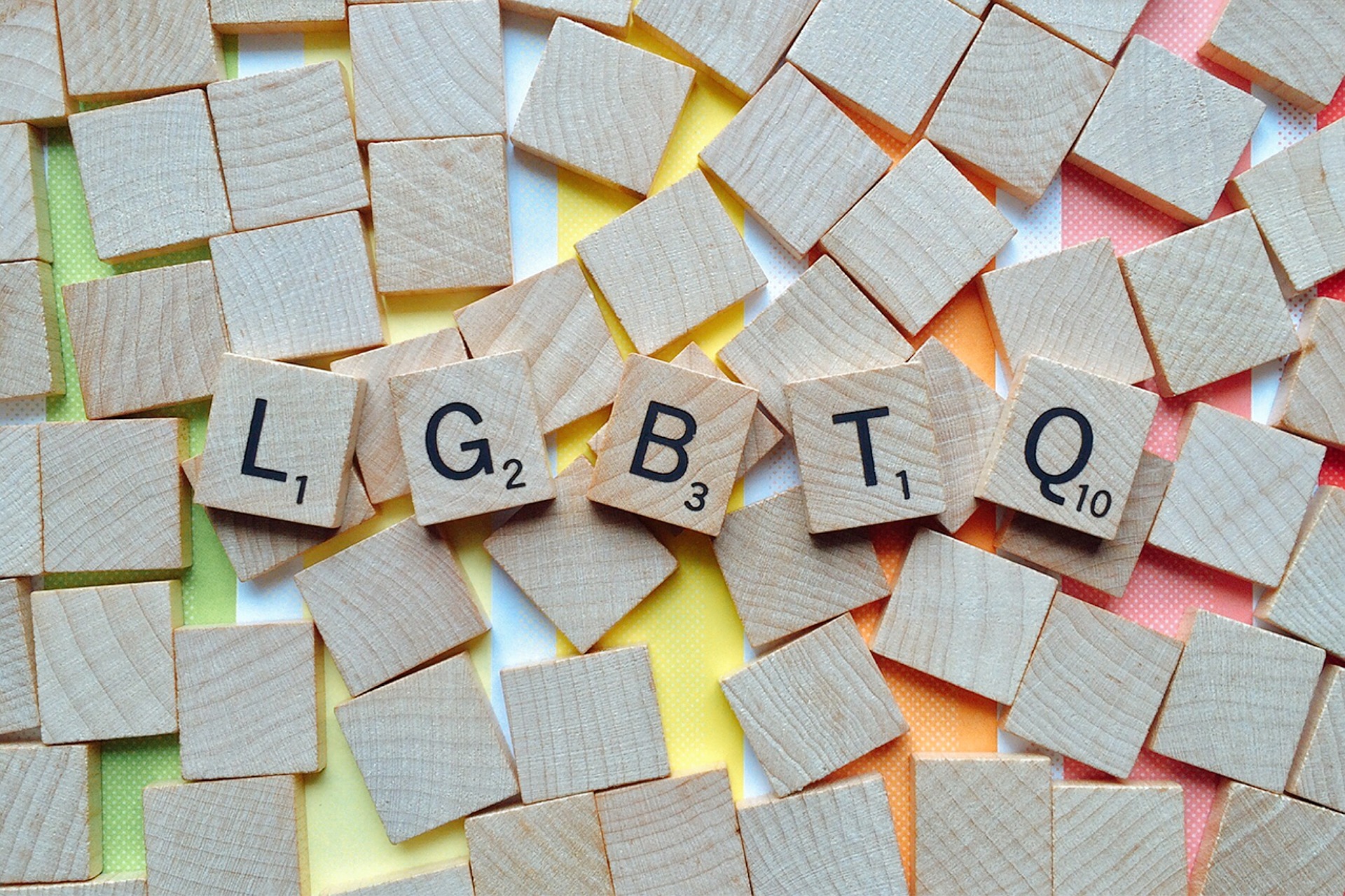
    Not to be confused with Pink Shirt Day which takes place in February, International Day of Pink is a separate day of bullying prevention. Whereas Pink Shirt Day focuses on advocating against bullying more broadly, International Day of Pink advocates against bullying stemming from discrimination towards LGBTQ+ individuals.

    Bullying continues to be common among young people. One in three Canadian adolescents has reported being subject to bullying, and that number must be higher if unreported incidents are considered. The COVID-19 pandemic has only further exacerbated the amount of bullying, subjecting more children to harmful experiences. For LGBTQ+ individuals, the rate of bullying is even higher compared to their cisgender and straight peers, and that cannot go unnoticed.

    Therefore, although the days have similar goals in mind, a distinction and recognition of these issues is important. In researching this topic, I found several articles that seemed to use “Day of Pink” and “Pink Shirt Day” interchangeably, so pre-existing coverage only serves to stir up more confusion.

    The Origin of Pink Shirt Day and International Day of Pink

    Both Pink Shirt Day and International Day of Pink shared the same moment of origin: in 2007, two grade 12 students at Central Kings Rural High School in Nova Scotia, David Shepherd and Travis Price, saw a grade nine student being bullied. This student was called homophobic insults and was threatened to be beaten up, all for wearing a pink shirt.

    To show support for this student, Shepherd and Price bought 75 pink t-shirts and spread their plan of wearing pink through email, Facebook, and MSN Messenger. They planned to create a “sea of pink” the next day.

    This operation was not without risks, though. Through a call with school administration, the pair were told that they could face being expelled if any incidents occurred due to this “sea of pink.” They decided to go through with the gesture regardless, knowing that something like this needed to be done.

    This moment started both Pink Shirt Day and International Day of Pink, with the former focusing on a more general goal to stop bullying, and the latter focusing on bullying stemming from homophobia and transphobia. In terms of International Day of Pink, the situation inspired Jer’s Vision, now the Canadian Centre for Gender and Sexual Diversity (CCGSD), to promote the International Day of Pink.

    Why is International Day of Pink Important?

    According to a 2021 Trevor Project report, LGBTQ+ youth are subjected to significantly higher rates of bullying compared to their cisgender and straight peers.

    In the past year, 52% of LGBTQ+ youth enrolled in middle school or high school reported being subject to in-person bullying or cyberbullying. The rates of bullying towards LGBTQ+ youth were higher in those enrolled in middle school (65%) compared to those in high school (49%).

    Students who were enrolled in schools that were more open to LGBTQ+ diversity reported 30% lower odds of being bullied within the past year. The study only further proves that, while 15 years have passed since the original event that created International Day of Pink, bullying continues to be an issue — especially for LGBTQ+ youth. The more that schools can promote days catered towards equality, like International Day of Pink, the less stigma LGBTQ+ people of all ages will face.

    Remembering the Root of the Issue

    As Susan Lambert, a former president of the B.C. Teachers’ Federation (BCTF), stated in 2011 that she did not want the message of Pink Shirt Day to become “diluted” – it is not a generic bullying day. Lambert went on to say that the day is supposed to recognize those who help stop LGBTQ+ discrimination and to stand up for those who are affected by it.

    It appears that Pink Shirt Day has now taken that identity of encompassing a broad view of bullying, and Day of Pink, its less-covered counterpart, takes the mantle of championing the fight against LGBTQ+ stigma.

    Although the article that covered Lambert’s statement conflated both days into the same meaning, Lambert’s statement still rings true to this day. We must remember that the original bullying incident that sparked change for Pink Shirt Day and Day of Pink to exist was rooted in homophobia.


    Sources:

    “Bullying and Suicide Risk among LGBTQ Youth.” The Trevor Project, 14 Oct. 2021, https://www.thetrevorproject.org/research-briefs/bullying-and-suicide-risk-among-lgbtq-youth/.

    Culbert, Lori. “COVID-19: Isolated Youth Online More than Ever, Increasing Risk of Bullying and Other Cyber Crimes.” Vancouver Sun, 1 Jan. 2021, https://vancouversun.com/news/covid-19-isolated-youth-online-more-than-ever-increasing-risk-of-bullying-and-other-cyber-crimes.

    Peristerakis, Julia. “Travis Price’s Act of Kindness.” Canadian Museum for Human Rights, https://humanrights.ca/story/travis-prices-act-of-kindness.

    Steffenhagen, Janet. “B.C. Politicians Accused of Ignoring LGBTQ Students.” Vancouver Sun, 22 Feb. 2011, https://vancouversun.com/news/staff-blogs/b-c-politicians-accused-of-ignoring-lgbtq-students.

    “Travis Price – Creating Pink Shirt Day.” YouTube, uploaded by Canadian Museum for Human Rights, 21 Jun. 2019, www.youtube.com/watch?v=2Zpw_KAEhDY.

  • What is Blue Monday? (French version available)

    What is Blue Monday? (French version available)

    Some months of the year tend to be easier than others. When the sun is shining and the weather is warm, people tend to feel happier than they do in the cold and darkness. A feeling of depression and sadness is so common in winter that the third Monday in January has become known as Blue Monday. Although it was originally a marketing idea, Blue Monday expresses what many people feel.

    In much of Canada, January is a cold and dark month when many people want to get away to a warmer place. Many of them become depressed and gloomy. During the pandemic, the problem became even worse, with almost twice as many adults feeling depressed than in normal years. Younger people can also feel depressed, especially when they are unable to participate in their usual activities.

    Even without a pandemic, people can become very sad at times, especially in winter. Scientists have even come up with a term for winter sadness: “seasonal affective disorder.” This term is used for people who have more than the usual sadness, often to the point where they become seriously depressed. In some cases, they have to use special lamps to give themselves extra light, especially in the north, where darkness can sometimes last all day during the winter.

    In other areas of North America, people can still find winter very difficult. In 2005, a life coach and psychologist named Dr. Cliff Arnall came up with the idea of Blue Monday when he was trying to create a formula to decide on the saddest day of the year. He published his theory as part of an announcement for a company called Sky Travel, using the term “Blue Monday” to refer to the sense of “blue” to mean “depressed” or “sad.”

    The choice of Monday was also related to how people tend to feel. Mondays can also be difficult for people because it is the beginning of the work week. They might also feel anxious about their financial situation if they have spent a lot of money over Christmas. With all of these factors, January is a natural time to feel depressed.

    Many factors can contribute to feelings of sadness. The holidays are over by the third week of January, and many people have already failed at following their New Year’s resolutions. Much of Canada has only about nine hours of daylight at that time of the year, and the weather can be very cold. People cannot spend much time outside in that case, and they might not see the sun for days at a time.

    Even knowing about a day named Blue Monday might make people even more sad because it reminds them of the difficulties they are having. For the travel company, that kind of feeling was a good way to encourage people to get away from the cold and to travel to warm destinations like Hawaii or the Caribbean. Even if people are unable to get away on holiday, however, they can still do something about their feelings of sadness.

    You might have some ways of dealing with sadness in the cold and dark months. Maybe you go for brisk walks or play games with your family or friends. You might go to visit elderly relatives. Spending more time outside and taking Vitamin D can help. Whatever you do, you can make this winter’s Blue Monday a pleasant and happy day instead of a sad occasion.


    Bibliography:

    The Centre for Addiction and Mental Health. “Blue Monday Survival Guide.” https://camh.ca/en/camh-news-and-stories/blue-monday-survival-guide.

    Cleveland Clinic. “Seasonal Depression.” https://my.clevelandclinic.org/health/diseases/9293-seasonal-depression.

    Matti, Mariam. “Blue Monday: How to Overcome the ‘Saddest Day’ of the Year.” https://www.ctvnews.ca/lifestyle/blue-monday-how-to-overcome-the-saddest-day-of-the-year-1.4774442.

    Paul, Anna. “What is Blue Monday and Why Is It Considered the Most Depressing Day of the Year?” https://metro.co.uk/2020/01/20/blue-monday-saddest-day-year-12087919/.

  • The Indigenous History of Maple Syrup

    The Indigenous History of Maple Syrup

    By Maryam Sheikh

    What’s your pancake topping of choice? Whipped cream, butter, or perhaps…smooth and sweet maple syrup? December 17th marked National Maple Syrup Day, and in honour of this delicacy, we’re sharing more about the little-known history of maple syrup and how you can celebrate.

    From the tree to the table – How did maple syrup come to be?

    The history of maple syrup is one that is not often highlighted. Maple sap extraction originated from Indigenous practices. Indigenous peoples, including the Abenaki, Haudenosaunee, and Mi’kmaq peoples, prized maple syrup for its sweet flavour, medicinal properties, and ability to preserve meat and food. The “sweet water” was used in ceremonies, cooking, and as a cleansing medicine. According to the Canadian Encyclopedia, the Anishinaabe called the sap collection period the “maple moon” or “sugar month”. This time served as a way for community members to join together, create memories, and pass on traditions. The medicine from the maple trees brought people together, kept them together, and ensured that community members grew together and set a strong foundation for youth to be good Elders. The maple harvest has held special significance in many Indigenous communities as it coincides with the end of winter and the onset of spring. Indigenous communities such as the Ojibwe and Haudenosaunee celebrated through festivals, thanking the land, and community gatherings.

    However, the Indian Act of 1876 forced traditional ceremonies and festivals to disappear due to the impact of colonization. Maple syrup production was heavily impacted and later capitalized on by non-Indigenous people as a source of economic benefit. Settlers adopted these practices, and now, holes are drilled into the trunk of sugar maple trees and metal spouts are tapped into these holes to collect sap. The clear sap drips into a bucket and is collected in a pail to start the creation of maple syrup. It is boiled down and turned into maple syrup and maple sugar products. Many traditional Indigenous practices have been altered or undermined, and though there are smaller, Indigenous-run businesses, the industry is dominated by larger manufacturers. Producing maple syrup is expensive and requires a lot of equipment and maple trees. Funding is a challenge faced by some Indigenous entrepreneurs such as Jolene Laskey, the owner of Wabanaki Maple, a Tobique First Nation-based company. 

    So, what can you do with this information? National Maple Syrup Day is an opportunity for us to learn about the Indigenous history of maple syrup, amplify Indigenous voices, and be reminded of the importance of protecting, respecting, and appreciating the environment and Indigenous traditions. You can celebrate this day by sharing your learnings with others and trying out new recipes. Lastly, try to support Indigenous businesses that are reclaiming their traditional practices and advocate for more education and awareness from larger companies.

    Maple syrup recipes to try at home

    1. Maple-Baked Sweet Potatoes
    2. 3-Ingredient Maple-Pecan Fudge
    3. Maple Brown Sugar Cookies

    Resources

    • Braiding Sweetgrass – Learn more about Indigenous wisdom, knowledge, and teachings with this non-fiction book by Potawatomi professor Robin Wall Kimmerer.
  • Your Mental Health: Seasonal Depression

    Your Mental Health: Seasonal Depression

    In the summer, it is time for parties, cottage country, club life, and refreshments by the pool. The sun shines, birds squawk away in the morning (some are kinder by calling this “chirping”), and everything is in full bloom. So, why do some people prefer to stay indoors? Avoid seeing their friends? Are agitated? Have trouble sleeping?

    Seasonal depression may be something that several of us are still in the dark about understanding fully. After all, there are still a number of stigmas associated with mental illnesses. Some people might find it hard to believe that there are indeed people, students even, who get depressed during a time when everyone seems to be having the time of their lives.

    The Canadian Mental Health Association defines seasonal affective disorder as a type of clinical depression that occurs during the winter months or, less commonly, during the summer.

    The research is still ongoing. However, research tells us that it has existed for the past 150 years. The risk of experiencing SAD is more common in people over the age of 20, but has also been discovered in teenagers as well.

    CMHA warns us that SAD may be difficult to treat, given that the symptoms are often found in patients with bipolar disorder or depression. “Generally, symptoms that recur for at least 2 consecutive winters, without any other explanation for the changes in mood and behaviour, indicate the presence of SAD.”

    The symptoms will differ depending on when you suffer from the illness. For example, if you suffer during the winter months, symptoms include weight gain, low energy, avoidance of social situations, irritability, and the tendency to sleep a lot. Whereas if you suffer in the summer, you’re more susceptible to weight loss, and trouble sleeping.

    Only 2 – 3% of the general population suffers from SAD, while about 15% suffer from something a little less severe called “winter blues”.

    However, don’t let the title “winter blues” stop you from seeing the potential of having SAD. Depression, in any form, is something very serious, and regardless of whether or not SAD is spoken about or treated often, you deserve to talk to someone about how you’re feeling. And there is treatment for this kind of depression.

    The aforementioned link provides several helpful tips on how to receive treatment, such as spending time outdoors, exercising, or vacationing.

    Whichever route you’ve decided to take, it’s always worth mentioning that there are people to speak to about what you’re going through. Your family doctor is available for consultation, but also remember that your university or college has doctors and counsellors for you to speak with. Don’t convince yourself that it’s just “winter blues” because at the end of the day, you’re still suffering. You deserve to be happy. If you suspect that you or someone close to you is showing symptoms of SAD, talk to someone. We wash away ignorance by talking about our illnesses and there’s no shame in acknowledging that you’re on a road to recovery.

  • Changing SAD into GLAD: Ways to Combat Those Winter Blues

    Changing SAD into GLAD: Ways to Combat Those Winter Blues

    With winter conditions settling in Canada earlier than in the last few years, it’s important to bring to light one underlying effect of the cold weather that seems to be buried in the avalanche of discussions about winter tires, appropriate cold-weather gear, and safe winter sports accessories: SAD or seasonal affective disorder.

    SAD is a type of depression that is prevalent during the cold season, but could also happen during spring and summer. SAD typically make individuals experience sleeping difficulties, lethargy, irregular appetite, irritability, and a constant feeling of hopelessness.

    People with SAD often manifest symptoms once fall begins when the days start getting shorter. SAD doesn’t have a clear cause, but generally it’s believed that the lack of sunlight is a major factor for one to develop SAD.

    Fortunately, there are ways to keep these so-called winter blues at bay to avoid them being disruptive to one’s normal way of life. Read below for some of these tried-and-tested tips.

    Take in as much sunlight as you can.

    With winter, shorter days and longer nights are a given. By the time you are done with work or school, there’s typically not a lot of time left to get that much-needed rays of sunshine. However, there are ways that you can.

    For example, during your breaks in between classes or work tasks, step out and take a walk, instead of confining yourself to your desk. On weekends, if you want to meet up with friends for dinner, suggest a brunch instead so you’ll have time to bask in the sunlight.

    Keep the sweet cravings under control.

    Treating yourself to sweets is fine occasionally. We all enjoy our favourite chocolate bar or a pastry from our go-to bakery. However, one should be aware when the cravings go out of control.

    While it’s good to give in to them for satisfaction, sugar highs often turn into sugar lows, and one ends up feeling more down than when they started. Thus, if you need to snack on something sweet, go for natural snacks like nuts or fruits.

    Brighten up your winter wardrobe.

    When it comes to fashion, it’s often said that one should dress according to the season, no matter how cliché that may sound. Spring means a lot of florals, summer means bright colours, and autumn means neutrals.

    When it comes to winter wear though, the majority seems to throw out anything within a colour palette out the window and merely go for black. Scientists actually believe that the colours you wear have an effect on your mood, so go for a bit of fashion adventure: choose a bright-coloured winter jacket or a scarf in a shade that truly pops. You’ll be surprised by how it changes how you feel.

    Get together with friends and family.

    As the holidays roll around during wintertime, it may be challenging to schedule some much-needed quality time with friends and family, but it’s important that you keep in touch and do your best to share a cup of coffee or a meal or two with your family or friends.

    Of course, since COVID is still around and has not totally bid us goodbye, ensure that you take the necessary precautionary measures to avoid exposure, like wearing a mask indoors and others.

    SAD is definitely a potential enemy for anyone living in a country with winter. The effects of longer nights and not getting enough sunshine are difficult, but one can cope with them. Try the steps above and hope for the best!


    Sources

    https://www.statcan.gc.ca/o1/en/plus/274-you-are-not-alone

    https://cmha.bc.ca/documents/seasonal-affective-disorder-2/

    https://themuse.ca/getting-ready-for-the-canadian-winter/

    https://www.webmd.com/depression/news/20221031/seasonal-affective-disorder-peak-november

    https://discovermagazine.com/health/what-you-can-do-about-seasonal-depression

  • Turn the Winter Blues into Winter Booms!

    Turn the Winter Blues into Winter Booms!

    Years ago, the “winter blues” may have been something close to an urban legend—something that was commonly talked about, but not investigated enough. Now, quite a number of recent research findings have attested that the winter blues does exist, and some concerned groups and organizations are making an effort to do campaigns to bring more awareness on the subject matter.

    So, what exactly are the winter blues, and why should they worry you? As the name suggests, the winter blues are most common in the winter. In the branch of psychology, one who has the winter blues has seasonal affective disorder or SAD. According to a GlobeandMail.com article, SAD affects one in every five Canadians.

    Most experts agree that the winter blues have one common cause: the lack of sunlight at wintertime. Of course, there is a big difference between just having the doldrums and having SAD, and talking with a professional can help narrow this gray area. People who have a tendency to suffer from SAD can benefit from the following strategies:

    Spend quality time with friends and family.

    Unless you are planning to follow the example of bears and hibernate for the rest of the winter season, spend as much good time with the people close to you as you can. It can be something as simple as meeting up for coffee before your classes or ordering pizza for dinner.

    Take advantage of the sunlight whenever you can.

    Shorter days and longer nights are part of every winter. What you can do to make up for that is to get as much sunlight as you can. This means making changes to your routine. For instance, if you normally head out to take a run or jog after your classes, why not do it before your classes instead? If you usually meet your friends after classes, why not meet up for brunch instead?

    Eat right.

    A nice cup of hot chocolate topped with marshmallows is always believed to be an effective way to combat the blues. However, go easy on filling your body with too much sugar. Be sure to make fruits and vegetables a part of your daily diet.

    Include bright colours in your winter attire.

    You may rely on fashion magazines to know what’s hot and what’s not when you go winter wear-shopping, but don’t let those things dictate what you wear 100 percent. Sure, you wouldn’t want to look like someone from the 1950s era, but it’s nice to add some bright hues in your winter attire even though the fashion bigwigs don’t approve. According to scientists, wearing bright colours can lift your spirits. If you don’t want to go overboard, include a pop of colour in your outfit—like a rainbow-hued scarf or headgear.

    Indulge in the things that make you happy.

    When it comes to conquering the winter blues, sometimes we have to consciously step away from the things that make us sad. For example, if you know watching a particular movie or TV program or listening to a certain type of music or artist will make you gloomy, why indulge in those things in the first place? Instead, focus on those things that make you smile. And don’t worry if other people think it’s not cool or it’s corny. Remember, that is why the term “guilty pleasure” was invented.

    The above are just suggestions to beat the winter blues. However, if none of them work for you, it would be a good idea to seek professional counselling.


    SOURCES:

    Kirchheimer, Sid. “Beating Winter’s Woes.” WebMD. http://www.webmd.com/depression/features/beating-winters-woes?page=3

    Pearlman, Jennifer. “Sick of the cold? 5 ways to beat the winter blues.” The Globe and Mail. http://www.theglobeandmail.com/life/health-and-fitness/health-advisor/sick-of-the-cold-5-ways-to-beat-the-winter-blues/article23178249/

    Standish, Jules. “Colours to boost your mood! Don’t be scared to clash – scientists have found brighter clothes make you happier!” Daily Mail. http://www.dailymail.co.uk/femail/article-2864623/Colours-boost-mood-Dont-scared-clash-scientists-brighter-clothes-make-happier.html

  • New Year’s Resolution Ideas – Never Too Late to Start

    New Year’s Resolution Ideas – Never Too Late to Start

    By Maryam Sheikh

    As 2025 comes to a close, you might be wondering – how do I make the most of 2026? What types of goals and resolutions should I set for myself? Moreover, how can I make sure that I stick to my goals? In this article, I’ll share some resolution ideas as well as how to make sure that by the time February rolls around, you are happy with the progress you have made on your goals.

    First, it is important to think about what types of goals matter the most to you. There is an infinite number of ways to grow as a person through setting and achieving goals, so it is up to you to define what means the most to you. Here are some examples to help you get started.

    1. Your health: This year, focus on forming healthy habits. Work with your family to come up with balanced, healthy, and yummy meal options. To search out healthy alternatives to junk food, go grocery shopping with your parents and explore your options. Each week, research online and incorporate a new vegetable or fruit into your meals. Set aside one night a week for a family food night. The possibilities are endless!
    2. Read! Grab your friends and make a trip to your local library. Set a reading goal for yourself; for example, try to read one book a month. Check out new releases or old-time favourites and form a book club with your friends and family. To keep track of your reading, log in a book diary and rate your reads. This is a sure way to learn new things, increase your vocabulary, and have fun!
    3. Screen time: Take some time this year to unplug! While playing video games, watching TV, and chatting online might be fun, it is important to create a healthy balance and monitor your technology use. Set aside an hour or two per day for your screen time and use your other spare time to find new hobbies. Play board games, learn a new sport, start baking, or spend time with family and friends.
    4. Community service: In 2020, focus on growing your character. Practice kind actions in your household, at school, and with your friends. If you see bullying happening around you, step up and help others in need. Speak to your parents about volunteering at a local animal shelter, cleaning up trash at a park, or volunteering at a soup kitchen. There are many ways to get involved in your community!

    Try setting your goals with friends or family so that you can keep yourself and others motivated. If you fall off track, dust yourself off and keep moving in the right direction. If it helps, create logs or journals to reflect on at the end of your days or weeks. I hope that by the end of the year, you are happy with the new habits you have formed. Wishing you a happy and successful new year!