Category: Community

  • Staying mentally and physically healthy during the short, cold days of winter

    Staying mentally and physically healthy during the short, cold days of winter

    By Maryam Sheikh

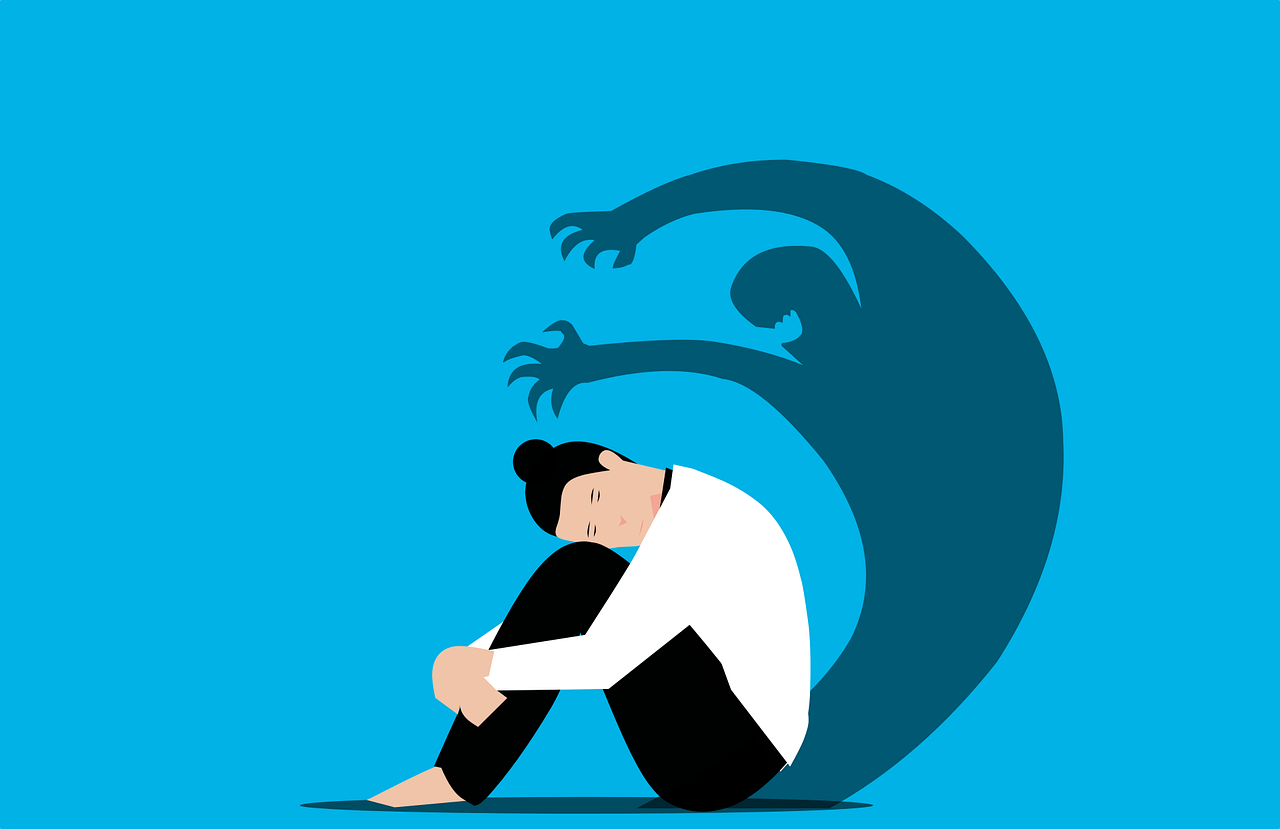
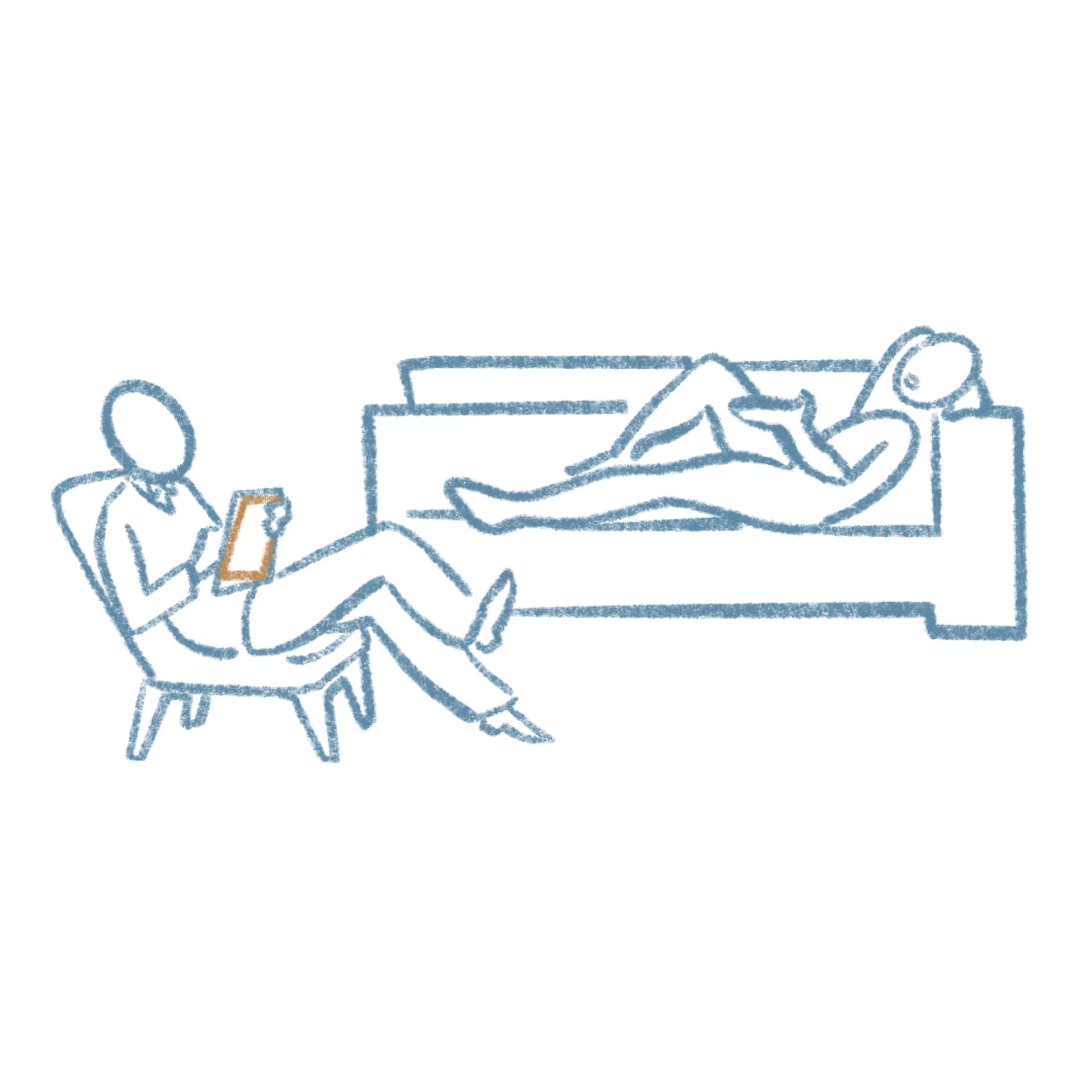
    Chilly nights, fluffy snow, and cozy blankets. It’s wintertime! While the winter season is a great one, it can also be difficult to get through. Short and cold days can hinder motivation and well-being. However, prioritizing your physical and mental health can help you make the most of the season. These past several years, we’ve been facing difficult winters due to COVID-19 and the flu. Even so, there are a lot of ways you can take care of yourself.

    There are still many ways to stay active this winter! If you’re unable to go to gyms or in-person fitness classes, you can still find time to move your body thanks to technology. There are plenty of YouTube channels that provide easy and convenient home workouts for you to follow. If you need motivation, try asking your family members or friends to join you in a fitness challenge. That way, you can exercise and have fun with your loved ones at the same time. A few channels that I gravitate towards include MadFit, Emkfit, and The Studio by Jamie Kinkeade. These channels offer a variety of home workouts, from HIIT (high-intensity interval training) to themed dances. I’ve gotten a few of my friends to join me on Zoom calls to do workouts and I can assure you that it is a great way to keep in touch with others and take care of your body simultaneously.

    Plan activities that you can look forward to! The holidays are a great time to set a winter routine for yourself. Give yourself some time each week to participate in an activity that is not school or work-related. Some items on my to-do list for this break include tackling a reading list, trying out new holiday recipes, making care packages for my friends, having virtual movie nights with my friends, and spending time with my siblings.

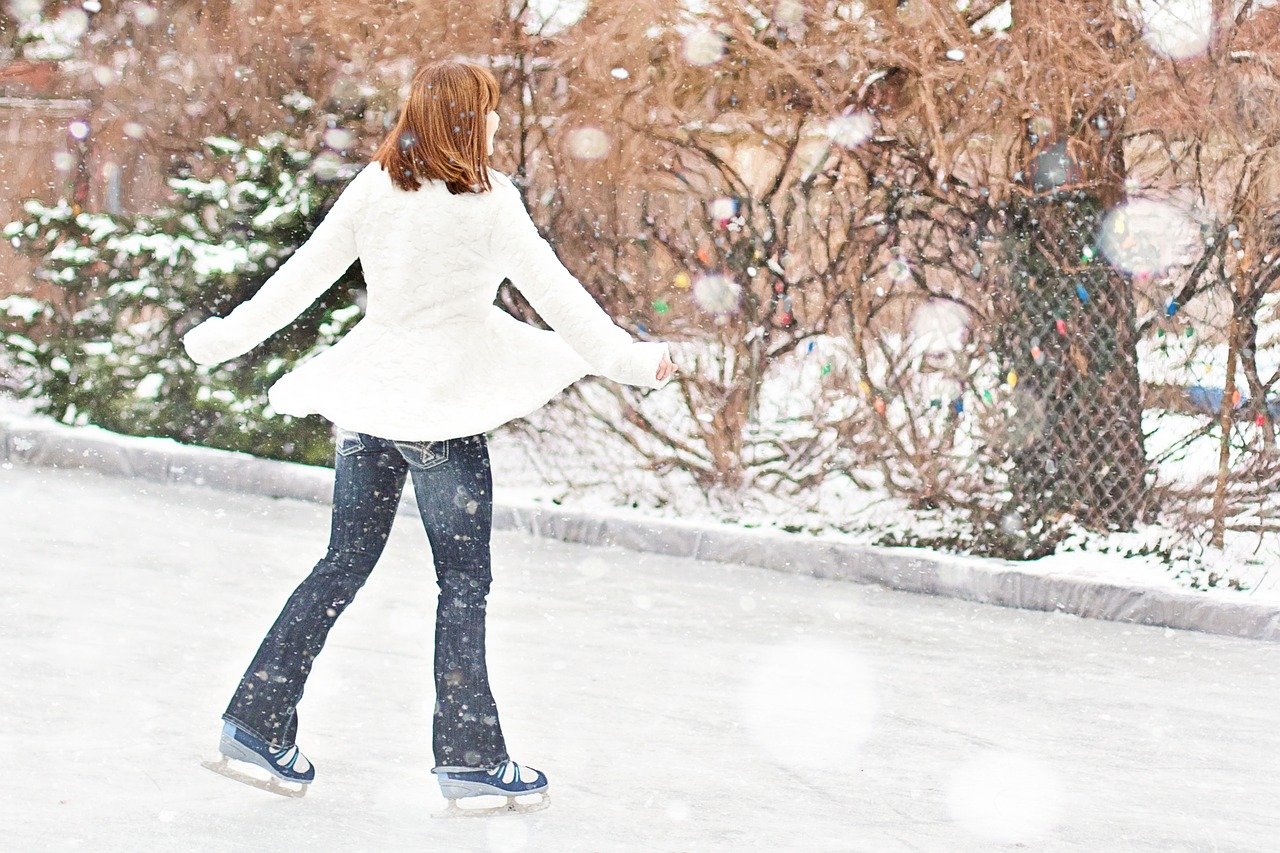
    Though the days are short, nature is still beautiful during this season! Aim to get outside even if it is just for a short walk every day. This will give you a chance to appreciate the snow and scenery while getting a breath of fresh air. You can even plan walks with your friends so that you can catch up and sip warm drinks together.

    Sleep is important! It can be difficult to maintain a healthy sleep schedule during the winter, but trying to sleep and wake up at the same time each day can do wonders for your mental health. Maintaining a regular sleep schedule can also improve mood, stabilize energy, and help you be more productive during the day.

    Sometimes, it isn’t easy to handle winter on your own. That is why it is integral to your health to reach out to your family members and friends and form a support network. There are also a lot of virtual resources in case you feel comfortable talking to someone else. A helpful website I’ve come across is mindyourmind.ca, which is a website that compiles mental health resources for easy access. These past winters have been very different from before 2020, but I know that we can get through it together!

  • Protecting Your Mental Health in Times of Crises (French version available)

    Protecting Your Mental Health in Times of Crises (French version available)

    Open discussions about mental health and efforts to destigmatize it have drastically increased over the past few years, with prioritizing your state of mind being communicated as an integral part of your overall welfare. These discussions are encouraged during particularly difficult times. In turn, society is now approaching related issues from a more compassionate standpoint.

    That being said, one of the most critical tools regarding the subject matter is not only acknowledging your mental health, but additionally, knowing how to effectively protect it.

    If you’ve recognized this importance and are looking for ways to ensure your mental state remains healthy, through unforgiving times in particular, here are a few pointers:

    Don’t Be Afraid to Say “No”

    This statement especially refers to those who consider themselves “people pleasers.” In general, we take on many responsibilities or tasks because we have that desire to appear resilient and capable, even during times of crises. However, always remember: putting yourself first in certain situations, mainly when it involves your well-being, should also be prioritized.

    Occasionally, when things are not absolutely necessary for you to accept, say “no” if you truly believe they’ll have any further negative impact on your mental health.

    Focus On Things That You Can Control

    The devastating events occurring in Ukraine have sent shockwaves around the world. With how technology is today and having that ability to access content at your fingertips, you’re likely seeing non-stop coverage of these events. The amount of negativity people are exposed to is astronomical and may likely be instigating much apprehension amongst those who regularly engage in online news consumption. Thus, there’s an implication that we focus on things outside of our control.

    A suggestion would be to continue staying updated, as it of course remains important, but monitor more closely how much news, such as that regarding Ukraine and Russia or other grim, broadcasted information, we consume. If you feel anxious as well as sensing that it’s taking a toll on you mentally, try to limit your screen time in this respect and concentrate on upholding productivity within your own life.

    In an event where you’re experiencing feelings of anxiousness, power off your device(s), take a deep breath and ask yourself basic questions including: “What’s the next thing I have to do right now?” or “What can I do to get my mind off of what’s happening?”

    Establish Boundaries

    Ensure that you have healthy relationships with the people in your life. They should be there to encourage and support you when times are tough. If you find that you’re noticing unhealthy patterns within your relationships with friends and/or family, distancing yourself from them or, in some cases, even ending the relationship(s) might be a good idea. Toxicity is not what anyone needs when attempting to protect themselves from emotional/psychological distress.

    Although every person must exercise resilience in times of crises, it does not at all imply that caring for yourself shouldn’t be a priority. In most cases, looking out for yourself will likely enhance your overall quality of life and actually put you in a better position to tackle the inevitable challenges ahead. Depending on your individual situation, review what’s stated above and see which or if all tips provided can help protect your mental health.

  • Advice for Those Who Feel They’ve Lost or Wasted Precious Time Because of Their Depression or Mental Health Struggles (French version available)

    Advice for Those Who Feel They’ve Lost or Wasted Precious Time Because of Their Depression or Mental Health Struggles (French version available)

    Overcoming mental health struggles/depression is a difficult feat. While many are able to overcome them or see a light at the end of the tunnel, some might also encounter even more related challenges afterward. Certain ones may include feeling like valuable time has been wasted because of their struggles.

    If this is what you’re experiencing, here’s some advice on how to effectively tackle this issue:

    Examine Things That Have Been Negatively Impacting Your Mental Health

    If you haven’t done so already, take a look at what that you feel has been negatively impacting your mental health. It could be anything from toxic behaviour from people you have relationships with to feeling irritated by the clutter in your workspace (what’s often considered a minor problem can have more of an effect than you think when ignored for long periods of time).

    Instead of solely dwelling on the time you’ve lost, try to solve these issues. For instance, if the examples stated above apply, consider the logical solutions. You can start with something simple, such as tidying up/reorganizing your room. Then, when you’re ready, try addressing the more difficult issues like toxic relationships. Have honest conversations with the people in your life who’ve been exhibiting unacceptable behaviour/making you uncomfortable.

    Though it depends on your unique situation(s), accomplishing these things generally is easier said than done. Nonetheless, they remain necessary measures when looking out for your well-being. Overall, this isn’t to say that you aren’t allowed to mourn the lost time/feel lost. Rather, the suggestion is a matter of channelling these negative feelings in a way where you can be productive because you now know and are able to execute what must be done to improve your circumstances.

    Try Not to Lose More Time than You Already Have

    It’s absolutely understandable that you feel lost, or you’re upset about losing time. However, it won’t do you any good if you continue to focus on it and let this take over your life. Try not to waste any more time and think of things that bring you joy. Spending quality time with loved ones or even just catching up on the latest season of your favourite TV show are great places to start. Another is trying something new. Is there anything you’ve always wanted to experience or a place you’ve wanted to go to but haven’t yet? Do you want to engage with something that can potentially turn into a long-term hobby?

    Work or Continue Working with a Mental Health Professional

    Of course, even when you think certain actions will help, there are chances that they won’t yield the results you expect. If you have tried your best to take on these measures but still feel the same, or you find that they haven’t made enough of a difference, it is encouraged for you to see (or continue seeing) a mental health professional. They can help by providing you with the right tools to navigate how you’re feeling.

    Without a doubt, the last thing you need is emotional challenges following already-taxing bouts of depression/mental health struggles. Even so, if you have a genuine desire to make improvements, exercise perseverance, and actively take on the advice above, you’re taking the right steps toward conquering these setbacks.

  • Temporary versus Permanent Disabilities

    Temporary versus Permanent Disabilities

    In the parking lots near every grocery store or shopping mall are parking stalls with signs saying “handicapped” or with a picture of a wheelchair. These spots are for people who were either born with a disability that makes walking difficult or who developed a problem like that later in life. For these people, the disability is permanent, but other people have temporary disabilities. Knowing the difference can help others understand these disabilities better and help make it easier for people with disabilities to overcome the barriers they face.

    Some disabilities are obvious, such as when a person is in a wheelchair or has a broken leg. Others are less obvious, such as when a person stutters or has a fear of crowds. If the person in those cases remains quiet, it might be impossible for other people to know about the disability until someone tells them. Realizing that not all disabilities are obvious is important for everyone.

    How do we define disability?

    Even knowing what a real disability is and what is not can be difficult. According to the United Nations’ Convention on the Rights of Persons with Disabilities, the definition of a disability is not fixed because it depends heavily on how the disability affects the person. It is related to how the condition influences people’s ability to function in society and to deal with the challenges they face. Needing special help, such as a wheelchair ramp or a sign language interpreter, is often part of having a disability.

    Disabilities are normally classified as either permanent or temporary, although some people add situational disabilities. Permanent disabilities are extremely unlikely to change, such as a spinal injury that makes it impossible for the person to walk or sometimes even to move. Some diseases also cause permanent disabilities, such as ALS or Lou Gehrig’s Disease, which scientist Stephen Hawking had. Accidents cause sudden disabilities, but diseases can take years before they cause a permanent disability.

    While permanent disabilities can last for decades or longer, temporary disabilities last only a few weeks or months. Examples might be a broken leg that heals in a few weeks or even a case of laryngitis that makes talking difficult or impossible for a short time. These types of disabilities can be difficult while they last, but they normally disappear fairly quickly and have few or no long-term effects on the person.

    A third type that some people have identified is a situational disability. This category can include a mother carrying a child who is unable to carry her groceries because her hands are full. Normally, this type of disability is quite easy to deal with as long as people are willing to help the person in need. Parking stalls for parents with strollers are some of the accommodations that people have made for this type of disability.

    Recovery from Disabilities

    Understanding the different types of disabilities can help people know what kind of help they need to give. Someone with laryngitis in a job that requires talking might just need a week or two off work to recover. A person with a broken leg or arm might just need a few weeks of help with going up the stairs or carrying heavy bags to allow the broken limb to recover. If the break fails to heal completely, however, the person might need ongoing help.

    Giving enough time for people to recover from temporary disabilities is important. Even if the problem is only a sprained wrist or bronchitis, the injury or illness can cause permanent damage if the person tries to get back to normal too quickly. Helping people out as much as possible can allow them to take the time they need to recover.

    Time is often the most important factor with temporary disabilities, but people can also help make the recovery as smooth as possible. For example, someone with a broken wrist might find it difficult to type on a regular computer keyboard. Being able to use a split ergonomic keyboard might take enough pressure off the wrist to allow the person to begin typing again with little pain.

    Advancements in Accessibility

    People have become more aware than they once were about the effects of disabilities. At one time, for example, very few buildings had wheelchair ramps, but these features have now become very common. Almost all public buildings in Canada have wheelchair ramps or some other way for people in wheelchairs to get into the building without depending on others for help. Most sidewalks have a sloped area for wheelchairs to access higher locations, and many intersections have beeping pedestrian lights to help people with limited eyesight know when it is safe to cross.

    These features are designed for people with permanent disabilities, but they can also help people with temporary disabilities. Wheelchair ramps and sloped sidewalks, for example, could help someone with a broken leg who has trouble lifting a heavy cast up a flight of stairs or a high curb. Audible traffic signals could help someone who is waiting for cataract surgery and who has trouble seeing the lights. For both permanent and temporary disabilities, these types of accommodations can be useful.

    Some disabilities affect people’s ability to get a job or to take care of daily tasks, such as grocery shopping or cooking. Someone with an extreme sensitivity to chemicals, for example, might become sick in a store that has been cleaned with certain types of soaps. Although the disability is completely invisible, it is very real for the person experiencing it. In Canada, a person’s perception of a disability is often an important factor in determining the nature of the problem.

    To some extent, Canadians have already been working to make life easier for people with this kind of invisible disability. Many buildings are now scent-free, and people are being encouraged to use natural products rather than chemicals. However, many things still need to change before people with invisible disabilities can function normally.

    Treatment & Recovery

    While some disabilities are easy to define, even if they are hard to see, others are more difficult. People with cancer, for example, have an illness that can potentially be cured. However, the treatments can last a very long time and cause the person to become very ill. Being cured of cancer often means either having surgery or taking treatments of chemotherapy or radiation, which can make people very sick. Giving the person time to recover from each treatment session is important for the overall healing process.

    Because recovery from cancer can take so long, it is often considered a permanent disability. This designation can be important for getting government benefits. Because patients are often away from work for weeks or months at a time, they often need help in paying their rent, buying groceries, or carrying out many other everyday tasks.

    At work or school, people undergoing cancer treatments might need extra time off, a special diet, or other help. The treatments might make them sensitive even to food smells or other scents, and people around them might need to be careful to avoid certain types of food, besides being careful about scented shampoos, soaps, and other products. People’s reactions to the treatments vary, and it is important to ask the affected person what to do or what to avoid.

    Government help can be available for many people whose ability to function in society is hindered because of their condition. Someone who is unable to find work because of a permanent wrist injury, for example, might be able to receive a disability benefit. A person with an extreme fear of crowds might find it more difficult to receive similar benefits, but could manage to get some money to help pay the bills while looking for work. In school, students can sometimes have a helper assigned to assist them in completing certain tasks. The amount and type of help that people receive depends on the disability.

    The time and place of a disability can make a difference. In a city where medical help is readily available, for example, a minor injury is less likely to cause permanent damage than in a remote area where help is far away. Often, quick treatment is the key to preventing worse problems. For invisible disabilities like dyslexia or a fear of open spaces, it may be very difficult to find good treatment in certain parts of the country.

    Advances in treatments and general health can also make a difference. In the twenty-first century in Canada, for example, a broken limb is generally a minor injury. It might be painful, but it usually takes only a few weeks to heal and results in little worse than a stiff wrist or a slight limp. Two hundred years ago, however, the lack of good medical treatments and the generally harsh conditions of life often meant that a broken leg or arm was fatal. Even now, people from countries where medical treatment is scarce or expensive often die from conditions that are easily treatable here.

    The differences in medical care might mean that Canadians need to make special arrangements for people who have grown up without the same kinds of benefits that people in this country have had. However, advances in medical knowledge also mean that some disabilities that are permanent now might eventually become temporary.

    For example, major spinal injuries have normally been permanent because of how delicate the spine is. People with severe spinal injuries have often had to use wheelchairs for life. However, advances in spinal research show that this type of injury might not always be permanent. Researchers still have a long way to go before they can cure a spinal injury, but the possibility is there. Other permanent disabilities might also become temporary.

    The Needs of People with Disabilities

    In the meantime, members of the public still need to consider the needs of people with permanent disabilities. Ramps or small elevators are still necessary for helping people up the stairs of buildings, beeping pedestrian signal lights are still necessary for people with limited or no vision, and other features are essential for people with different disabilities. Since many disabilities come with age, even the people who currently have no disabilities can expect their condition to change eventually.

    In some cases, permanent disabilities can disappear and then reappear. People with severe hearing impairments, for example, can get a cochlear implant designed to help them hear much better than before. However, the implant does not always work well for everyone. People might find the implant uncomfortable and have it removed. Having hearing problems might be more comfortable than the implant.

    Being aware of issues like these is important. Limiting the amount of noise in a school or workplace can help people with some level of hearing loss, whether they have an implant or not. Speaking slowly and clearly is also important. Standing back to let someone with crutches or a wheelchair go by is a good way of showing courtesy to people who might otherwise get stuck or possibly trip and fall.

    A “Social Approach” to Disabilities

    The Supreme Court of Canada and the United Nations both have what is called a “social approach” to disabilities. This approach emphasizes the effect on the person rather than just looking at the actual disability itself. For example, a severe limp from an old injury might have much less of an effect on someone who has an office job than on someone who works outside all day or whose work involves standing. A fear of crowds would be less of a problem for a person who works and lives alone than for a salesclerk. Even a permanent disability can be manageable under the right conditions.

    Temporary and permanent disabilities can impair a person’s ability to function, but not always to the same extent. With time and with assistance from others, people can often manage either type of disability quite well.  The key is to listen and to be sensitive to all kinds of disabilities, including ones that are invisible. When others are sensitive and caring, people with disabilities can participate in all aspects of society.


    Bibliography:

    The National Benefit Authority. “Temporary vs. Permanent Disability Tax Credit Status.” https://www.thenba.ca/disability-blog/temporary-vs-permanent-disability-tax-credit-status.

    Ontario Human Rights Commission. “What is disability?”
    https://www.ohrc.on.ca/en/policy-ableism-and-discrimination-based-disability/2-what-disability.

    Wells, Karin. More than a Footnote: Canadian Women You Should Know. Toronto: Second Story Press, 2022.

    Young, Marr, Malice & Associates. “The Difference Between Temporary Disability and Permanent Disability.” https://www.youngmarrlaw.com/the-difference-between-temporary-and-permanent-disability/.
  • Indigenous Student Scholarships for October 2025

    Indigenous Student Scholarships for October 2025

    Dr. & Mrs. G.B. Gowd Bursary for First Nations Women
    Scholarship Value: $1,000
    Awards Available: 1
    Award Deadline: October 15, 2025

    Taking Flight Scholarships
    Scholarship Value: $5,000
    Awards Available: 7
    Award Deadline: October 30, 2025

    TD Scholarship for Indigenous Peoples
    Scholarship Value: $60,000
    Awards Available: 25
    Award Deadline: October 31, 2025

    Indspire Building Brighter Futures Bursaries & Scholarships
    Scholarship Value: N/A
    Awards Available: N/A
    Award Deadline: November 1, 2025

    Western Continuing Admission Scholarship of Excellence for Indigenous Students
    Scholarship Value: $6,000
    Awards Available: 30
    Award Deadline: Ongoing

  • Remote Learning for Post-Secondary Students with Disabilities: Is It Helpful? (French version available)

    Remote Learning for Post-Secondary Students with Disabilities: Is It Helpful? (French version available)

    Now a few years past the COVID-19 pandemic in Canada, different forms of learning provide students with a simultaneous feeling of accessibility and restriction. Some people may prefer online learning, and some may prefer in-person learning, but it is not usually a choice left up to the students.

    For students with disabilities, whose experiences with school may already need pre-existing accommodations, the shifting class environments add to more troubles. However, for some students, the introduction of a remote option can be beneficial.

    This begs the question: what exactly are the pros and cons of remote learning for students with disabilities?

    How Do Students with Disabilities Navigate Remote Learning?

    Students with disabilities experience remote learning differently, and not only in contrast to students without disabilities. Experiences with remote learning depend on the type and severity of disability.

    For example, a person who is only affected by a physical disability will have a different experience with remote learning compared to a person who is only affected by a learning disability. Therefore, the vast spectrum of people and experiences means that the pros and cons will be different for everyone.

    Advantageous Situations of Remote Learning

    For students with physical disabilities or chronic pain, the lack of a commute to school is helpful. For some students they may have to skip or drop classes because the in-person environment might be inaccessible. Additionally, there can be cases where their disabilities prevent them from attending in-person classes consistently. Depending on the course, consistent attendance can be the key to success, but this is not always achievable.

    Attending class through a computer screen means that students with physical disabilities can manage their health on their own terms, without sacrificing their education. Potentially inaccessible buildings and tiring commutes are no longer issues that can stop people from pursuing an education.

    Disadvantageous Situations of Remote Learning

    For students with learning disabilities, remote learning may not be helpful. Many students require a repetitive schedule that stays the same: any changes from their norm can be hard to adapt to. Additionally, remote learning unfortunately means a lack of support. For students that may require more personalized support, one-on-one support is harder to provide in an online environment.

    Some students, those with ADHD for example, may receive accommodations such as the ability to write tests in a separate, quiet room, as distractions interfere with learning. For those who must do schooling at home, a quiet environment is not guaranteed. The option to attend class in person is a good solution for this.

    The Future of Remote Learning

    Remote learning existed prior to the COVID-19 pandemic. It existed as an option for post-secondary students, albeit on a smaller scale.

    Many post-secondary institutions around the country have reintroduced in-person classes, with varying conditions. Currently, there is no one form of learning that satisfies everyone, but hopefully, some sort of balance can be found.


    Sources:

    “COVID-19: Updates for Canada’s Universities.” University Affairs, 13 Apr. 2022, https://www.universityaffairs.ca/news/news-article/covid-19-updates-for-canadas-universities/.

    Loeppky, John. “With the Shift to Online Learning, Students with Disabilities Face New Barriers.” Macleans.ca, 1 Dec. 2020, https://www.macleans.ca/education/with-the-shift-to-online-learning-students-with-disabilities-face-new-barriers/.

    Wotherspoon, Jennifer. “How Can Educators Support Students with LDs While Hybrid Learning?” LD@school: Learning Disabilities Association of Ontario, 4 Feb. 2022, https://www.ldatschool.ca/ate-hybrid-learning/.

  • Merry Christmas in October: From Celtic Festival to “Queer Christmas” (French version available)

    Merry Christmas in October: From Celtic Festival to “Queer Christmas” (French version available)

    When September comes, students get ready to head back to school. When October comes, everyone gets ready for Halloween. From walking among spirits to seeking candy from neighbours, the day certainly changed over thousands of years.

    For many people, Halloween remains a spooky holiday: children get dressed up in scary costumes, carve pumpkins, and collect candy. For the LGBTQ+ community, Halloween means Christmas comes early as “Queer Christmas”: a time of year when dressing up provides freedom of expression.

    The Origins of Halloween

    Halloween started out with a Celtic connection 2,000 years ago. Celtic people held festivals on Samhain, a period between October 31 and November 1. It marked the end of the harvest season, meaning that people would harvest their crops and hold feasts with their loved ones.

    During this time, they believed that spirits were able to walk among them, as the barrier between the living and the dead weakened for these two days. Since the Celtic people considered Samhain dangerous, dressing up as spirits and fairies, the act of “guising”, helped protect against evil forces.

    Guising combined with another tradition, souling, to create trick-or-treating. Souling involved poor, often young children going door-to-door asking for “soul cakes.” These soul cakes represented the release of trapped souls. Who knew that something so haunting would come in the form of a sweet bun?

    The Origins of Queer Christmas

    As the tradition spread to places like North America, Halloween slowly drifted away from its original Celtic roots. Not all Halloween costumes needed to be scary, and all sorts of candy replaced soul cakes.

    Even before Halloween became widely known as a trick-or-treating day, the LGBTQ+ community also transformed Halloween into their own unique day that celebrated dressing up and being around friends.

    Halloween parties were all the rage among LGBTQ+ communities in New York and San Francisco during the 1960s. As many American states still had laws against cross-dressing (dressing in clothing traditionally associated with other genders), Halloween provided a safe way to express oneself without breaking any laws.

    The Christmas aspect comes from sharing a space with like-minded people. Like Christmas in December, it involves being surrounded by family. The LGBTQ+ community is a family, where they support and relate to their shared experiences.

    Halloween Today

    The tradition of Samhain festivals continues to be celebrated in separate ways by children and adults of the 21st century. For the ghouls and witches out collecting candy, they celebrate dressing up as fellow spirits while sharing delights with their friends.

    For the partygoers, Halloween gatherings remain huge for the adult crowd. Among this crowd lies the LGBTQ+ community, a group who continues to embrace a holiday that allows them to experience their true selves, surrounded by their found families.

    2,000 years changed a lot of aspects about Halloween, but it has never changed the idea of people celebrating an evening together. Happy Halloween, or should I say, Merry Christmas to all!


    Sources: 

    Atkin, Elizabeth. “How Did Trick or Treating Become a Halloween Tradition?” Metro, 30 Oct. 2021, https://metro.co.uk/2021/10/30/how-trick-or-treating-became-halloween-tradition-15508512/.

    CBC kids team. “Samhain — the Original Halloween!” CBC Kids, 11 Aug. 2022, https://www.cbc.ca/kids/articles/a-history-of-halloween.

    D., Katherine. “Happy Gay Christmas! A History of Halloween and the LGBTQ+ Community.” Richland Library, 1 Nov. 2021. https://www.richlandlibrary.com/blog/2021-10-19/happy-gay-christmas-history-halloween-and-lgbtq-community.

    “Halloween.” LGBTQ Foundation, https://www.lgbt.foundation/halloween.

    “How Trick-or-Treating Became a Halloween Tradition.” History, 25 Oct. 2021, https://www.history.com/news/halloween-trick-or-treating-origins.

    Schmidt, Samantha. “Halloween Is ‘Gay Christmas’ for Many in the LGBTQ Community. This Year, It Has Been Canceled.” Washington Post, 15 Oct. 2020, https://www.washingtonpost.com/dc-md-va/2020/10/15/halloween-is-gay-christmas-many-lgbtq-community-this-year-it-has-been-canceled/.

  • Is Taking a Gap Year Before Post-Secondary Okay?

    Is Taking a Gap Year Before Post-Secondary Okay?

    Many students wonder if taking a gap year is okay. The answer to that is yes! It is perfectly okay to take a gap year before Post-Secondary. You have been studying for many years, and it is healthy to take this break that you deserve. Taking a gap year before Post-Secondary has many benefits. It can help you get to know yourself and the world around you. The following are five different reasons explaining to you why and how taking a gap year before entering Post-Secondary is a great choice!

    A Hidden Passion Could Arise

    During your gap year, you will have the time to think about your passions-maybe discover new ones. During your years in Secondary school, you probably did not have much time to deeply reflect and discover new interests due to all the schoolwork you had to complete and stay up to date with. Now, with this gap year, you have more time and more opportunities to try out new things and learn more about your interests and your passions.

    Become More Independent

    While you were growing up, you had to rely upon and look up to several different adults in your life. These adults could have been your parents, guardians, or even your teachers. They may have created certain routines, schedules, and rules for you to follow. Now that you are finished with Secondary school, you are transitioning into adulthood. Learning to become more independent is very important. It will help you lead your own life. By taking a gap year, you will be given the opportunity to practice being independent and set your daily tasks and schedules. These are skills that you will take with you and benefit from for the rest of your life.

    Travel the World…Maybe?

    During this year off from school, you will probably have lots of time off. An amazing way to spend this free time is by travelling and exploring the world. Getting to know different cultures can make you reflect and help you learn more about yourself. Through all the different cultures and traditions you may experience, they may also help you decide which career is best for you. Most people do not have time to travel since they begin their careers right after graduating. If you are interested in exploring different countries, it is best to do so before you begin Post-Secondary. The world is a different place now after COVID-19, and it may be harder to travel- it is up to you to decide if it is worth it or not. Safety and your health matter most.

    Avoid Burnout

    It is very easy and common to experience burnout after studying and working hard at school for many years. Burnout is when you have done something for an extended period, and it results in you losing interest and avoiding doing that thing. Students that do not take some time off before beginning post-secondary are likely to experience burnout. It is best to take a gap year before entering Post-Secondary to begin refreshed, well-rested and eager to learn!

    Learn Skills and Build Up Your Resume

    During your gap year, you will most likely have the time and the opportunity to be able to learn new skills and find new opportunities that can help your resume look great. You could learn a new language, take some courses, volunteer, and find jobs that suit your interests. These things can help you find good jobs during your gap year, as well as when you graduate from your post-secondary education. Employers not only look at your level of education but also your skills and the amount of job experience you have.

    Now that you know five of the many reasons why taking a gap year before Post-Secondary is beneficial, it will probably help you decide whether or not taking a gap year is for you. Remember that you know what is best for yourself. If you think you should take a gap year, then you should, and it is perfectly okay to do so!

    Resources

    https://www.globalcitizenyear.org/content/why-take-a-gap-year/

    https://www.goabroad.com/articles/gap-year/gap-year-benefits

    https://www.valuecolleges.com/guides/gap-year/

    https://www.gooverseas.com/blog/why-should-take-gap-year-after-high-school

  • Indigenous Student Scholarships for May 2025

    Indigenous Student Scholarships for May 2025

    Calgary Foundation First Nations, Métis (Metis) and Inuit Graduate Bursary
    Scholarship Value: $3,000
    Awards Available: 2
    Award Deadline: May 15, 2025

    First Nations, Métis and Inuit Undergraduate Bursary
    Scholarship Value: $3,000
    Awards Available: 6
    Award Deadline: May 15, 2025

    Yukon First Nations Heritage
    Scholarship Value: N/A
    Awards Available: 1
    Award Deadline: May 31, 2025

    James Bartleman Indigenous Youth Creative Writing Awards
    Scholarship Value: $2,500
    Awards Available: 6
    Award Deadline: May 31, 2025

    Innovation Place Scholarships for Indigenous Students in the Sciences
    Scholarship Value: $5,000
    Awards Available: 1
    Award Deadline: June 1, 2025

    Petro-Canada Award for Indigenous High School Students
    Scholarship Value: $750
    Awards Available: 8
    Award Deadline: July 1, 2025

    Algonquin College Tuition Contest
    Scholarship Value: $5,000
    Awards Available: 1
    Award Deadline: July 31, 2025

    BluEarth Renewables Scholarship Program
    Scholarship Value: $3,000
    Awards Available: 3
    Award Deadline: September 15, 2025

    Dr. & Mrs. G.B. Gowd Bursary for First Nations Women
    Scholarship Value: $1,000
    Awards Available: 1
    Award Deadline: October 15, 2025

    Western Continuing Admission Scholarship of Excellence for Indigenous Students
    Scholarship Value: $6,000
    Awards Available: 30
    Award Deadline: Ongoing

  • Profiling a Career as a Psychiatrist

    Profiling a Career as a Psychiatrist

    By Olivia Condlln-Wilby

    For high school graduates, many opportunities lay ahead, including a vast assortment of degree programs and career paths. It’s natural to feel overwhelmed or even intimidated by all the options at first. But with some research, you can prepare yourself to make the best educational and professional decisions moving forward. For students interested in the field of psychology, it’s worth exploring a career as a psychiatrist. You can use this resource to understand the essentials.

    Roles and Responsibilities

    Psychiatrists assess, diagnose, and treat people with psychological or emotional disorders. They may work in private practice or in public facilities like hospitals, clinics, and nursing homes. As a psychiatrist, you may perform any of the following tasks:

    • Conduct psychiatric evaluations (e.g., interviewing patients, examining medical histories, interpreting test results, observing behavioural studies, etc.)
    • Diagnose patients with psychological or emotional disorders
    • Prescribe and administer medications
    • Develop treatment plans for patients and evaluate progress over time
    • Collaborate with a multidisciplinary team (e.g., social workers, doctors, nurses, etc.)

    What are the Benefits of This Career Path?

    As a psychiatrist, you will have the opportunity to create a positive difference in the lives of patients and their families. You will spend your time helping people who struggle with serious mental health issues, supporting them in leading healthy and satisfying lives. For many people, such a career is emotionally rewarding.

    Psychiatrists can also expect high salaries and easy access to employment. By 2028, an estimated 32,500 jobs will become available. That means that psychiatrists will be in increasingly high demand over the next few years. For those with less than a year of experience, salaries will likely start around $68,000 annually. With ten or more years, that number could rise to more than $340,000.

    In short, psychiatrists can expect satisfying, well-paid, and secure jobs in the future.

    Education and Experience

    Psychiatrists must have extensive educational qualifications. To start, you must earn a 4-year undergraduate degree in a related field, such as psychology, nursing, or neuroscience. Then, you must complete four years of medical school and five years of psychiatric residency training. For those who want to specialize in a specific practice area, such as forensic psychiatry or administrative psychiatry, you must complete an additional 2-3 years of training. Overall, this career requires 13 to 16 years of preparation.

    Drawbacks and Challenges

    Given that psychiatrists need more than a decade’s worth of training, many people pursue a less intensive career path.

    Some people also choose to leave the field after experiencing signs of burnout (e.g., exhaustion, stress, anxiety, irritability, etc.). While helping people can be very rewarding, it can also take an emotional toll. You will likely be exposed to people struggling with trauma, abuse, and complex mental health problems. Research suggests that approximately 78 percent of psychiatrists in North America experience burnout, while 16 percent show signs of depression. Those considering this career path must brace themselves for challenging working conditions and emotionally draining labour.

    Considering Other Career Opportunities

    If you’re interested in the field of psychology, there are many career paths available. You could apply your degree to any of the following positions:

    • Teacher or guidance counsellor
    • Social worker or developmental service worker
    • Researcher or professor
    • Child and youth worker
    • Human resources specialist


    References 

    Canadian Job Bank. (2021, December). Psychiatrist in Canada. Government of Canada. https://www.jobbank.gc.ca/marketreport/outlook-occupation/4016/ca

    Glassdoor. (n.d.). Psychiatrist Job Description. https://www.glassdoor.ca/Job-Descriptions/Psychiatrist.htm

    Gramigna, J. (2020, July 21st). Many psychiatrists experience burnout and depression. Healio. https://www.healio.com/news/psychiatry/20200721/many-psychiatrists-experience-burnout-and-depression

    Indeed Editorial Team. (2021, April 2nd). 5 Steps to Become a Psychiatrist. Indeed. https://ca.indeed.com/career-advice/career-development/how-to-become-a-psychiatrist

    Indeed. (2022, January 3rd). Psychiatrist Salary in Canada. https://ca.indeed.com/career/psychiatrist/salaries

    Payscale. (2021, December 5th). Average Psychiatrist Salary in Canada. https://www.payscale.com/research/CA/Job=Psychiatrist/Salary

    Schlette, J. (n.d.). 13 Pros and Cons of Being a Psychiatrist. NursingProcess.org. https://www.nursingprocess.org/psychiatrist-pros-and-cons.html

    University of Toronto Mississauga. (2021, February). Careers by Major – Psychology. https://www.utm.utoronto.ca/careers/careers-by-major-psychology